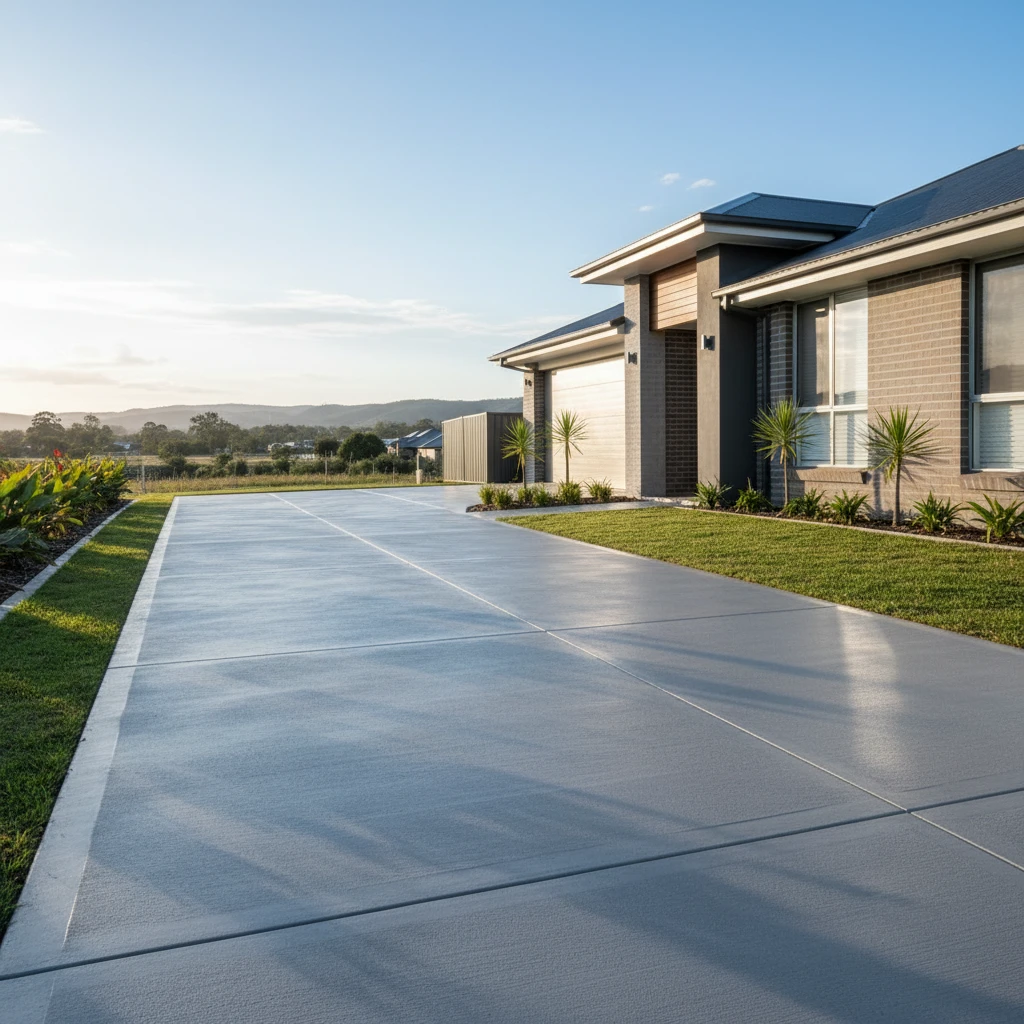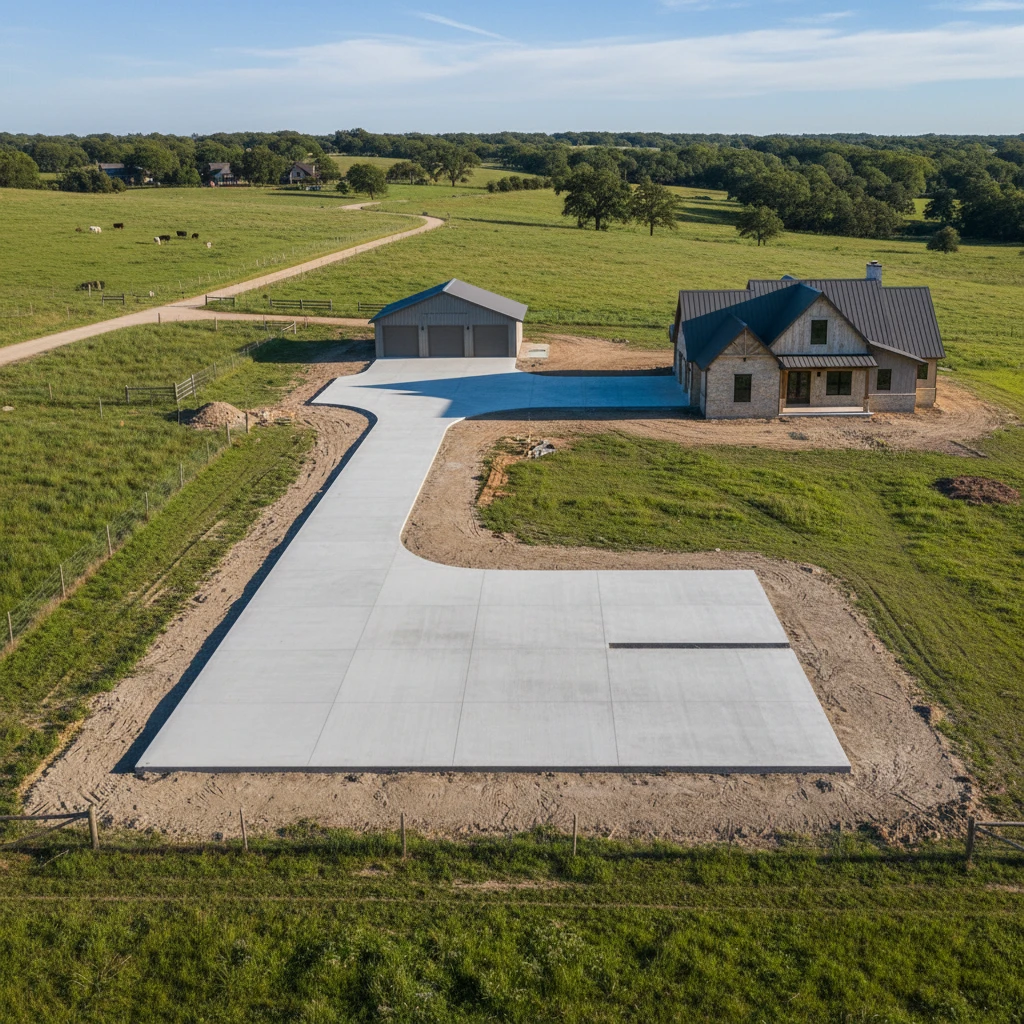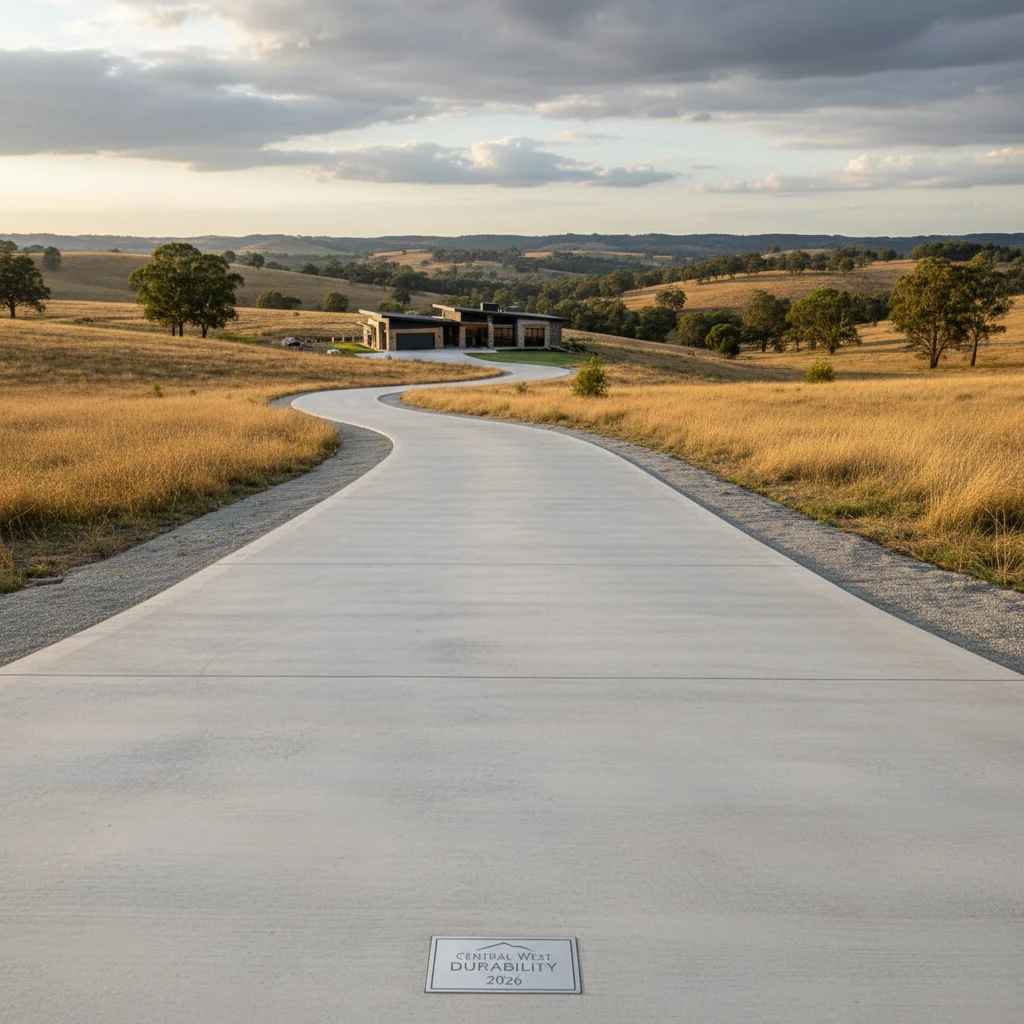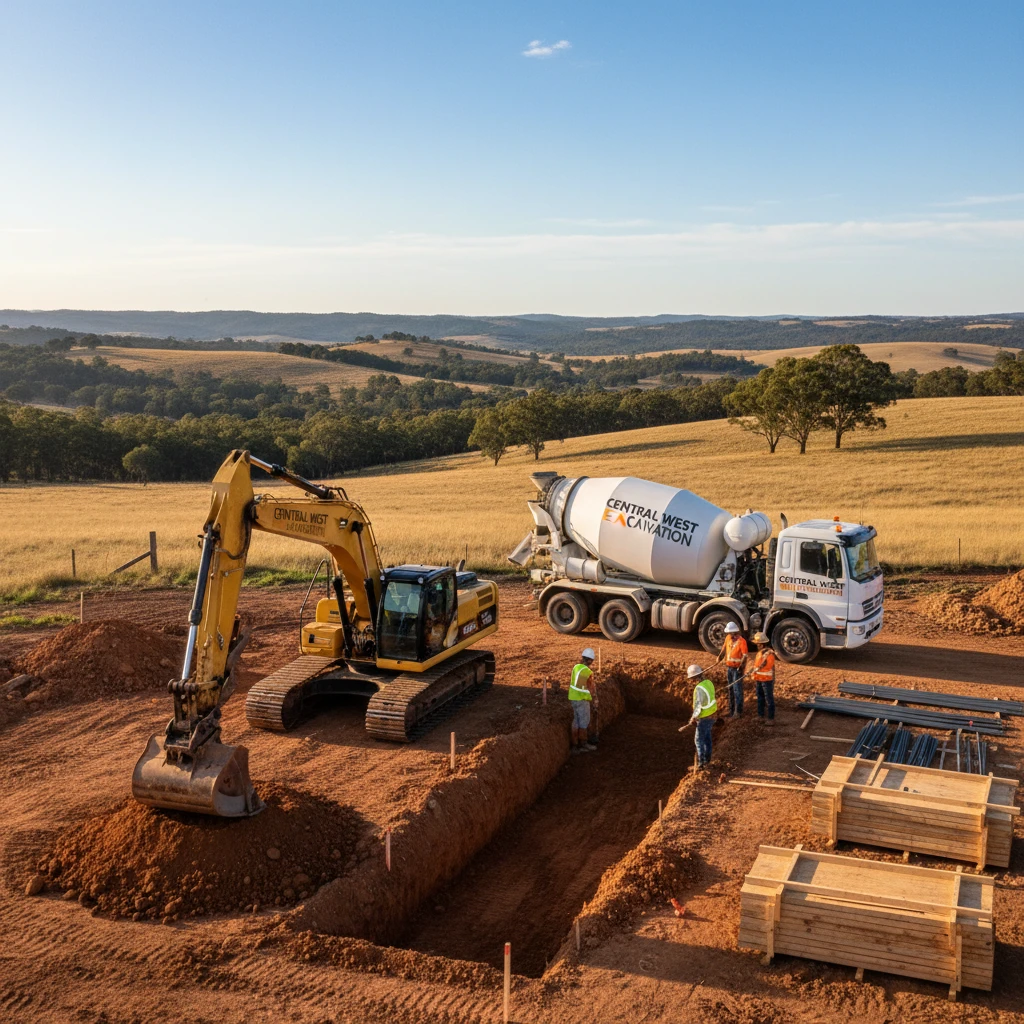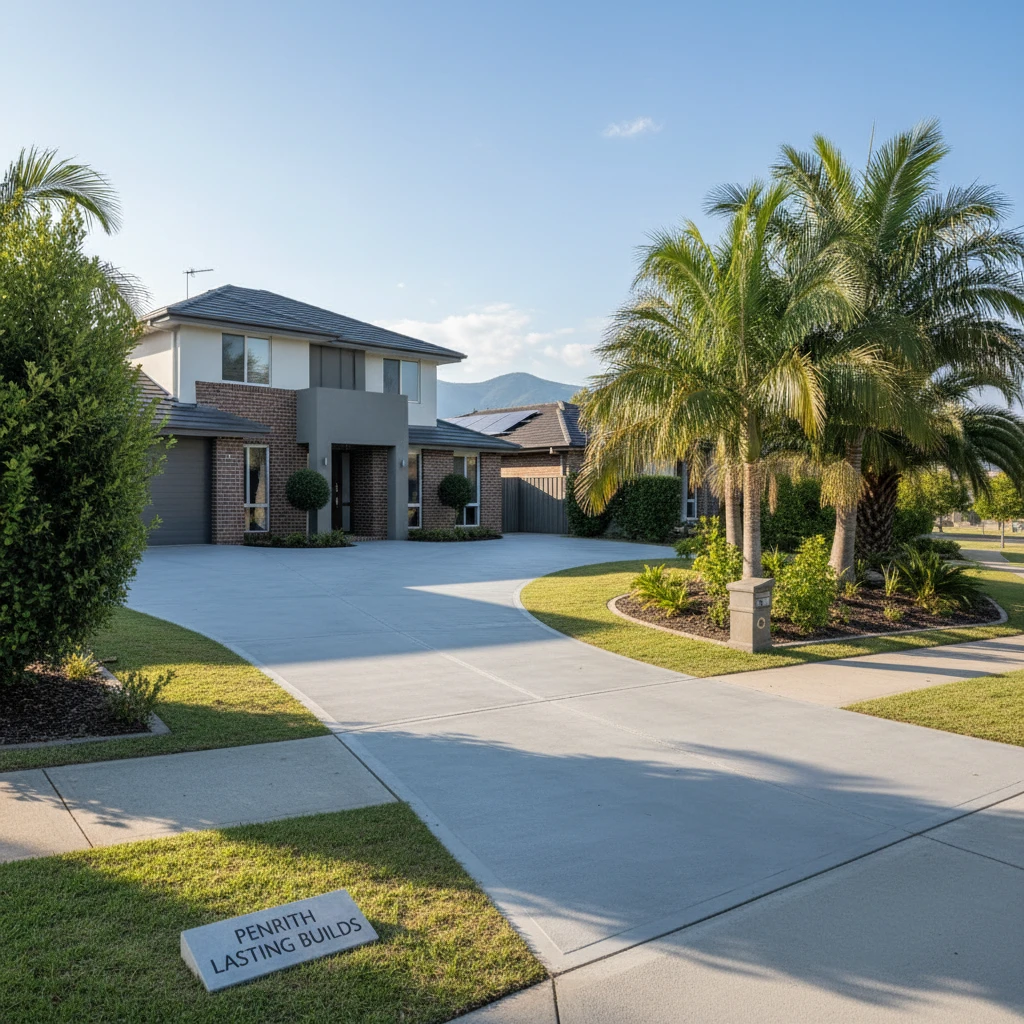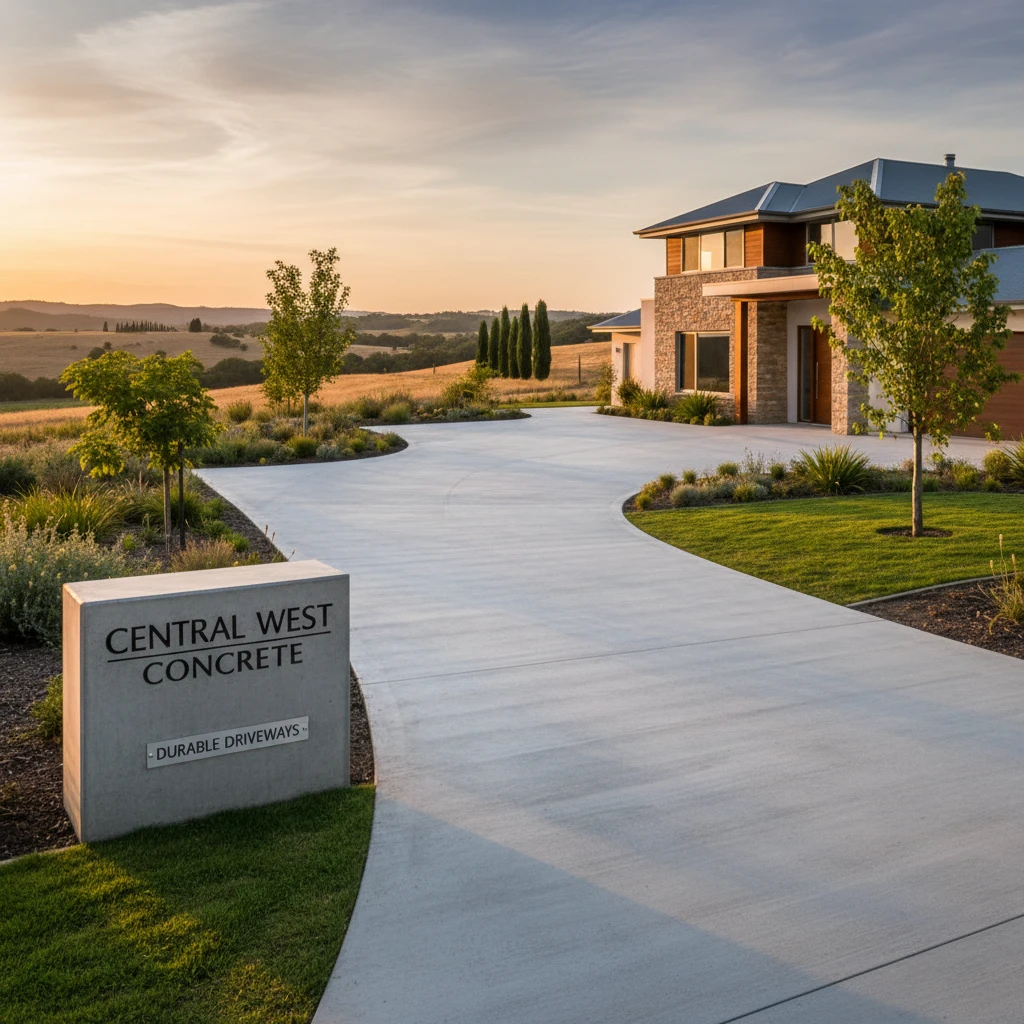
Our commitment at Laser Concrete is to ensure that every project, from expansive driveways to intricate pathways, benefits from expert excavation. We specialise in transforming challenging Central West landscapes into perfectly prepared sites, guaranteeing your concrete investment serves you reliably for years to come.
Transforming Your Central West Property with Expert Excavation for Flawless Concrete
The foundation of any successful concrete project, particularly in a diverse region like the Central West, rests firmly on the precision of its excavation. This initial earthmoving phase dictates everything from the final level and slope to the long-term durability and appearance of your concrete. Without adequate attention to detail during excavation, even the highest quality concrete mix can fail prematurely, leading to costly repairs and frustrating aesthetic issues. Our approach prioritises a deep understanding of soil conditions, site contours, and the specific requirements of each concrete application to ensure a perfectly prepared sub-base.
In the Central West, where varied terrain and potential soil instability can present unique challenges, expert excavation is not merely a preparatory step; it’s an integral part of the construction process. It involves more than just digging a hole; it requires careful planning, skilled execution, and the right equipment to ensure the site is ready for a long-lasting concrete installation. This includes understanding the critical interplay between excavation depth, base preparation, and the intended use of the concrete, whether it’s a heavy-duty driveway or a decorative patio. Investing in professional excavation is investing in the longevity and performance of your concrete structures, preventing future headaches and ensuring a superior outcome.
Understanding the Foundation of Quality Concrete Work
The concept of a solid foundation for concrete is often literal, but it also extends metaphorically to the entire process. For any concrete structure to perform optimally, its base must be meticulously prepared. This involves not only removing existing soil and debris but also ensuring the compacted sub-base is stable, level (or graded to specification), and free from organic matter that could decompose and cause settlement. Proper sub-base compaction is crucial to prevent future cracking and sinking, a common pitfall in poorly executed projects. We pay close attention to the density and uniformity of the base material, often using specialised equipment to achieve the required firmness. The goal is to create a monolithic, stable platform that supports the concrete slab, distributing loads evenly and minimising stress points.
Consider the materials beneath the concrete. A well-prepared foundation might involve laying and compacting crushed rock or gravel to create a stable, well-draining layer. This granular fill helps to prevent moisture buildup, which can lead to frost heave in colder climates or soil expansion/contraction issues in areas with varying moisture levels. Furthermore, the depth of excavation must be precise to accommodate the specified concrete thickness plus any required sub-base layers. For instance, a standard residential driveway will require a different excavation depth than a slab designed for heavy vehicle traffic. Accurate depth control ensures that the final concrete surface sits at the intended height and provides adequate structural support for its intended purpose.
Why Precision Excavation is Non-Negotiable for Durability
Precision in excavation directly translates to the durability and longevity of your concrete. When we excavate to the exact specifications required – whether it’s for a new driveway, a shed slab, or a garden path – we are setting the stage for a concrete structure that can withstand years of use and environmental exposure. Undersized excavations lead to insufficient concrete thickness or inadequate sub-base support, increasing the risk of cracking under load. Conversely, over-excavation wastes material and can lead to an uneven finished surface if not properly backfilled and compacted. We utilise modern surveying techniques and laser levelling equipment where appropriate to achieve exact tolerances, ensuring that the concrete pour has the intended depth and shape. This attention to detail prevents weak points from developing, which are often the first to succumb to stress and weather.
The Central West region presents its own set of environmental factors, from heavy rainfall that can saturate the ground to periods of dry heat that can cause soil shrinkage. A precisely excavated and prepared base ensures that the concrete slab is adequately supported regardless of these conditions. For example, when preparing for a concrete driveway, excavation must account for the weight of vehicles and potential water runoff. This involves not just depth but also ensuring the excavated area has the correct fall or slope to direct water away from the slab and surrounding structures. Failing to achieve this precision can lead to water pooling, which can exacerbate cracking and erosion over time, compromising the structural integrity of the concrete.
Navigating Challenging Terrain: Our Speciality in the Central West
The Central West is renowned for its picturesque, yet often challenging, landscapes. Steep slopes, rocky outcrops, and limited access points are common features that can complicate excavation and concreting projects. At Laser Concrete, we don’t shy away from these difficulties; we embrace them as an opportunity to showcase our expertise. Our team is adept at navigating complex terrain, employing specialised techniques and equipment to prepare sites that others might deem too difficult. We understand that a beautiful property in the Central West shouldn’t be limited by its natural contours, and our excavation services are designed to overcome these obstacles, paving the way for high-quality, seamless concrete installations regardless of the site’s challenges.
Our experience extends to a wide variety of projects, from expansive rural properties to tightly situated suburban blocks. We recognise that each site is unique, and our initial assessment focuses on understanding the specific geological and topographical characteristics. This allows us to develop a tailored excavation plan that addresses potential issues like soil erosion, drainage complexities, and the need for precise grading. By tackling these challenges head-on with skilled operators and a methodical approach, we ensure that your concrete project not only meets but exceeds expectations, providing a durable and attractive finish that enhances your property’s value and usability. We are committed to delivering reliable concrete solutions even in the most demanding environments.
Tackling Steep Slopes and Uneven Ground for Optimal Concrete Placement
Working with steep slopes and uneven ground requires more than just basic digging; it demands a sophisticated understanding of site stability, material movement, and drainage control. Our excavation process on such sites begins with detailed contour analysis and often involves targeted earthmoving to create stable benches or terraces for concrete pouring. Managing runoff is a critical concern on sloped sites; incorrect grading can lead to water pooling against concrete structures, causing erosion and potential damage. We meticulously engineer the excavation to ensure the correct fall is established, directing water safely away and preserving the integrity of the finished concrete. This might involve creating drainage channels or incorporating retaining elements, all planned during the excavation phase to seamlessly integrate with the final concrete work.
For properties with significant inclines, the excavation isn’t just about creating a flat area; it’s about creating a series of precisely graded levels that accommodate the slope while ensuring safe and practical access. This is particularly important for projects like tiered patios or stepped pathways. We use advanced equipment and techniques to achieve the required accuracy, preventing the costly rework that often occurs when slopes are not handled correctly from the outset. Our expertise in sloped site excavation means we can confidently tackle projects that require intricate grading and substantial earthmoving, ensuring a stable and perfectly prepared base for your concrete.
Expertise in Rocky and Difficult-Access Sites: Shed Slabs and Beyond
Rocky terrain and difficult-access sites present unique challenges for excavation, often requiring specialised tools and techniques to break through hard materials and manoeuvre machinery in confined spaces. In the Central West, we frequently encounter these conditions. Our team is equipped to handle the removal of large rocks and boulders, employing methods that minimise disruption to the surrounding landscape while ensuring a solid, prepared base for concrete. This might involve using hydraulic rock breakers or, in cases of extreme difficulty, carefully planned blasting. For areas with limited access, we employ compact excavation machinery and skilled operators who can work precisely in tight spots, ensuring that even remote or hard-to-reach areas can receive high-quality concrete foundations.
When it comes to projects like shed slabs or equipment pads on challenging sites, the precision of excavation is paramount. We need to ensure that the area is not only cleared but also perfectly levelled and compacted to support the intended load. Difficult access excavation requires careful logistical planning, ensuring that materials are removed efficiently and that the site remains safe and accessible throughout the process. Our ability to work with rocky ground and navigate tight spaces means we can deliver robust shed slabs and other concrete structures in locations that other contractors may struggle with, providing a reliable and durable foundation for your valuable assets.
How Site Preparation Dictates the Success of Driveways and Footpaths
The success of any concrete driveway or footpath hinges significantly on the quality of the initial site preparation and excavation. It’s the unseen groundwork that ensures a surface can withstand traffic, weather, and time without cracking, sinking, or developing drainage issues. For driveways, excavation must account for the required thickness of the concrete slab, plus a well-compacted sub-base capable of bearing vehicle loads. Improper depth during excavation is a common cause of premature driveway failure, leading to costly repairs. We ensure the excavated area is slightly larger than the final pour, allowing for proper edge support and formwork.
Similarly, for footpaths, the excavation must create a level or appropriately sloped base that prevents water from pooling. A well-prepared site for a footpath also considers the surrounding landscape, ensuring the path integrates seamlessly and doesn’t impede natural drainage. The right excavation depth ensures that the footpath sits at the correct height relative to other features, such as doorways or garden beds. When we undertake footpath construction, meticulous site preparation is our first priority, guaranteeing a smooth, durable surface that enhances accessibility and property appeal. Thorough site preparation is the key to preventing future issues and ensuring a beautiful, long-lasting result.
The Art of Site Preparation for Concrete Driveways: Beyond the Surface
Preparing a site for a concrete driveway involves a level of detail that extends far beyond simply clearing the area. It’s a crucial process that ensures the driveway’s structural integrity, longevity, and functional performance under various conditions. Our approach to site preparation for driveways is comprehensive, beginning with a thorough assessment of the existing ground, soil type, and drainage patterns. We meticulously excavate to the precise depth required, not only for the concrete slab itself but also to accommodate a properly compacted sub-base. This sub-base, often consisting of crushed rock or gravel, is vital for distributing load evenly, preventing settlement, and providing essential drainage. Adequate compaction of the sub-base is paramount to avoid future cracking and sinking, especially under the weight of vehicles.
Beyond just depth and compaction, our site preparation addresses the critical aspect of fall, or slope. A correctly engineered fall ensures that water drains efficiently away from the driveway, preventing pooling that can lead to surface damage and erosion. This is particularly important in regions with heavy rainfall. We also consider the intended use of the driveway – whether it’s for standard passenger vehicles or heavier trucks – and adjust excavation depths and sub-base requirements accordingly to ensure sufficient load-bearing capacity. For those in challenging environments, our Blue Mountains concrete services demonstrate our ability to prepare sites that meet specific, demanding requirements. The goal is to create a perfectly prepared foundation that guarantees a durable, functional, and aesthetically pleasing driveway.
Ensuring Proper Fall and Drainage for Longevity
Achieving the correct fall for a concrete driveway is not merely about aesthetics; it’s a fundamental requirement for its long-term durability and the protection of your property. An improperly graded driveway can lead to water pooling, which in turn can cause a multitude of problems, including surface cracking due to freeze-thaw cycles, erosion of the sub-base, and even water ingress into nearby structures. Our excavation process includes the meticulous creation of this essential slope, typically ranging from 1% to 2% (10mm to 20mm fall per metre), directing water away from the garage and the house. We use precise levelling techniques to ensure this slope is consistent across the entire surface. Effective drainage management is a non-negotiable aspect of our site preparation.
The sub-base itself plays a critical role in drainage. A well-compacted granular layer allows water to permeate through, preventing saturation of the underlying soil. This is especially important in areas with clay soils that can swell and shrink significantly with moisture changes. By ensuring both the correct fall and a well-draining sub-base, we create a system that actively manages water, reducing stress on the concrete slab. For homeowners in areas where water management is a particular concern, understanding the importance of expert site preparation, including detailed drainage planning during excavation, is key to investing in a concrete driveway that will last. This attention to detail prevents costly concrete repairs down the line.
Selecting the Right Excavation Depth for Different Slab Types
The depth to which we excavate for a concrete slab is determined by several critical factors, primarily the intended use of the slab and the local environmental conditions. There isn’t a one-size-fits-all depth. For instance, a residential driveway designed for standard passenger vehicles will require a different excavation depth than a slab intended for heavy-duty trucks or agricultural machinery. Generally, we excavate to a depth that accommodates the specified concrete thickness (often 100mm for residential driveways, increasing for heavier loads) plus the thickness of the compacted sub-base material, which typically ranges from 75mm to 150mm. Accurate depth calculation prevents insufficient concrete thickness, a leading cause of cracking and premature failure.
Furthermore, soil type significantly influences excavation depth and sub-base requirements. In areas with highly expansive clay soils, a deeper excavation and a thicker, more robust sub-base may be necessary to provide adequate stability and prevent issues arising from soil moisture fluctuations. Conversely, on stable, well-draining ground, the requirements might be slightly less demanding. For shed slabs or other structural foundations, excavation depth must also consider frost lines (if applicable in the region) and the structural load the slab will bear. Our expertise ensures that the excavation depth is precisely calculated to match the specific demands of each project, providing a solid and reliable foundation for all types of concrete installations, from simple patios to complex commercial pads.
Preparing for Vehicle Load and Traffic Flow
When excavating for a concrete driveway or any area that will experience vehicular traffic, preparing for load-bearing capacity is paramount. This involves more than just digging; it requires understanding the forces a driveway will endure. We excavate to ensure sufficient depth for a robust concrete slab, often exceeding 100mm for standard residential use, and up to 150mm or more for heavier loads. Crucially, this depth also accommodates a properly prepared and compacted sub-base, typically a layer of crushed rock or aggregate. This sub-base acts as a shock absorber and load distributor, preventing the concentrated weight of vehicles from creating stress points that could lead to cracking in the concrete. Load-bearing excavation is a science focused on preventing future structural compromise.
The flow of traffic also influences excavation and preparation decisions. For driveways with tight turning radii or areas where vehicles might frequently brake or accelerate, additional reinforcement within the concrete mix might be recommended, and the excavation must ensure the base is uniformly strong. We also pay close attention to the edges of the driveway; excavation ensures adequate support at the perimeter, preventing edge disintegration under load. By meticulously preparing the site to handle anticipated traffic and weight, we aim to deliver a driveway that not only looks good but also performs reliably for many years, resisting the wear and tear of daily use. This thoroughness ensures a driveway built to withstand the demands of your property.
Excavation for Durable Footpaths and Accessible Stairs in Your Central West Home
Creating durable footpaths and safe, accessible concrete stairs requires a specialised approach to excavation and site preparation. In the Central West, where varied terrain can be a factor, ensuring a level and stable base is crucial for preventing trip hazards and ensuring longevity. Our excavation services for these applications focus on creating precise levels, managing water runoff, and providing a solid foundation that will support foot traffic and resist erosion. Whether it’s a winding garden path or a series of robust concrete steps, the quality of the groundwork dictates the final outcome. We understand the importance of these features for both the aesthetic appeal and the practical usability of your home, and our excavation is tailored to deliver exceptional results for pedestrian access.
Our team applies the same meticulous attention to detail to smaller-scale projects like footpaths and stairs as we do to larger driveways or slabs. This means carefully assessing the site, planning the excavation to accommodate the correct fall and depth, and ensuring optimal compaction of the sub-base. For concrete stairs, precision is even more critical, as each riser and tread must be perfectly formed and supported. We consider not only the structural requirements but also the user experience, aiming to create pathways and access points that are both safe and inviting. By prioritising expert excavation for pedestrian surfaces, we lay the groundwork for concrete that is not only beautiful but also exceptionally durable and functional for everyday use.
Creating Safe and Level Bases for Residential Footpaths
The foundation for a safe and durable residential footpath begins with meticulous excavation. Our process involves clearing the designated path area of all topsoil, vegetation, and any organic matter that could decompose and cause settlement. We then excavate to a predetermined depth, ensuring enough space for a compacted sub-base layer, typically made of crushed rock, which provides stability and aids drainage. Achieving a precise level or a controlled, consistent fall is paramount for footpaths. Correct grading ensures that water drains away from the path, preventing erosion of the sub-base and ice formation in cooler months, which can create hazardous slippery surfaces. We use laser levelling equipment to guarantee accuracy.
The width and depth of excavation for a footpath are determined by its intended use and location. A lightly used garden path might require less depth than a main thoroughfare that sees frequent foot traffic or occasional use by light service vehicles. Regardless of the scale, our commitment is to create a stable and well-drained base. This preparation prevents common issues like cracking due to uneven ground settling or surface damage from water infiltration. By investing in professional excavation for your footpaths, you ensure they remain safe, attractive, and structurally sound for years to come, enhancing your home’s accessibility and curb appeal.
Precision Excavation for Integrated Concrete Stairs
Building integrated concrete stairs involves a high degree of precision, and the excavation phase is critical to their success. For stairs that are seamlessly incorporated into landscaping or building structures, we excavate precisely to create the formwork foundation for each step. This involves digging out the area to the exact dimensions, accounting for the thickness of the concrete pour for each tread and riser, as well as any required sub-base or reinforcement. Accurate excavation for stair forms ensures that the final stairs are level, square, and correctly aligned, preventing awkward steps or structural weaknesses. We also carefully manage any slope or drainage requirements around the base of the stairs to prevent water accumulation.
The excavation process for concrete stairs often involves working in confined spaces and requires a meticulous approach to ensure the integrity of surrounding structures or landscape features. We understand that stairs are a high-traffic area, so the preparation focuses on creating a solid, compacted base that can withstand constant use and weather exposure. Whether the stairs are a simple set leading to a patio or a more complex series integrated into a sloping garden, our focus is on providing a perfectly prepared foundation that guarantees the safety, functionality, and aesthetic appeal of your concrete stairs. This attention to detail is what makes our concrete stair construction reliable and long-lasting.
Considering User Experience and Accessibility Needs
When we plan and execute excavation for footpaths and stairs, user experience and accessibility are at the forefront of our considerations. This means ensuring that the finished surfaces are not only durable but also safe and easy to navigate for all users. For footpaths, this translates to creating smooth, consistent surfaces with appropriate width and gradual transitions where they meet other areas. The excavation process is tailored to establish the correct fall, ensuring water runs off effectively without creating awkward slopes that could be difficult for individuals with mobility challenges. We aim for user-focused excavation that anticipates how the finished concrete will be used daily.
For concrete stairs, accessibility guidelines often dictate specific requirements for riser height, tread depth, and the inclusion of handrails. Our excavation and site preparation are designed to meet these standards precisely. We ensure each step is uniformly formed, and the base is stable to support the structure reliably. This meticulous preparation prevents unevenness or unexpected drops that could pose a hazard. By carefully considering the practical needs of users, including those requiring enhanced accessibility, our excavation services lay the groundwork for concrete features that enhance both the safety and enjoyment of your property, reflecting our commitment to delivering functional and inclusive concrete solutions.
Shed Slabs and Equipment Foundations: Built to Last with Accurate Excavation
Establishing a robust foundation is paramount for any structure, and this is especially true for sheds and equipment bases. Proper excavation is the cornerstone of a durable and level concrete slab, ensuring it can withstand the intended loads and environmental stresses. For shed slabs, the primary considerations revolve around the intended use – will it store light garden tools, or heavy machinery? Equipment foundations, conversely, demand a more rigorous approach due to dynamic and static loads. The depth and width of the excavation directly impact the slab’s ability to resist settlement, cracking, and shifting over time. Inaccurate excavation can lead to uneven surfaces, compromising the integrity of whatever rests upon it and potentially leading to premature failure. A well-executed excavation, however, provides a stable and uniform base, essential for longevity.
Determining the Ideal Slab Thickness for Storage and Machinery
Selecting the appropriate slab thickness is a critical decision influenced by both the intended use and the ground conditions. For general storage sheds housing lighter items, a thickness of 100mm is often sufficient. However, if the shed will accommodate vehicles or heavy equipment, this thickness needs to increase, typically to 150mm or more. The type of soil also plays a significant role; expansive clay soils require thicker slabs and potentially deeper footings to prevent movement. Furthermore, the anticipated weight and operational forces of the machinery housed within the shed must be factored in. For instance, a foundation for a CNC machine will have vastly different requirements than one for a ride-on mower. Consulting with an experienced excavation and concreting professional ensures these factors are adequately addressed, preventing costly over- or under-engineering. This foresight ensures the slab provides long-term support without compromise.
Reinforcement Strategies Supported by Precise Groundworks
The strength and resilience of a concrete slab are significantly enhanced through reinforcement, and the effectiveness of this reinforcement is directly tied to the precision of the underlying excavation. Steel reinforcing mesh or bar is commonly used to provide tensile strength, preventing cracks from forming and spreading under load or thermal expansion. The excavation must be accurately dimensioned and leveled to allow for the correct placement of this reinforcement, ensuring it is embedded within the concrete at the optimal depth. If the excavation is too shallow or uneven, the mesh or bars may be too close to the surface, rendering them susceptible to corrosion, or not properly supported, reducing their efficacy. Precise groundworks guarantee that the reinforcement is strategically positioned to work in conjunction with the concrete, creating a composite material that is far stronger than concrete alone. This is particularly crucial for heavy-duty slabs where structural integrity is non-negotiable.
Securing Your Investment with a Stable Excavated Base
Ultimately, the quality of your shed or equipment foundation hinges on the groundwork laid beneath it. A stable, well-compacted excavated base is the most critical factor in preventing future problems. This involves not only achieving the correct depth and level but also ensuring the sub-base material is properly prepared. For sites in the Central West, dealing with varying soil types and potential moisture issues, this stage is vital. Poorly prepared ground can lead to uneven settlement, causing cracks to appear in the concrete slab, compromising its structural integrity and the usability of the shed or equipment. Investing in thorough excavation and site preparation, which may include soil testing and compaction, is an investment in the longevity and reliability of your structure. This diligent approach mitigates risks and ensures your concrete foundation performs as intended for years to come.
The Long-Term Value of Professional Concrete Repairs and Replacements
Concrete, while durable, is not immune to the effects of time, weather, and heavy use. When cracks, spalling, or other signs of degradation appear, addressing them promptly is key to preserving the integrity and appearance of your property. Ignoring minor issues can lead to more significant problems, escalating repair costs or even necessitating a complete replacement. Engaging professionals for concrete repairs ensures that the underlying causes are identified and rectified, rather than just treating the symptoms. This often involves understanding the reasons for the concrete’s deterioration, which can range from inadequate initial installation to environmental factors. For homeowners in areas like Penrith and the Blue Mountains, where diverse weather conditions prevail, professional assessment provides peace of mind. It’s about maintaining the structural soundness and aesthetic appeal of your concrete assets.
Identifying the Root Cause of Concrete Degradation
Before any repair work can begin, it’s essential to pinpoint the exact reason for the concrete’s failure. Surface-level patching might offer a temporary fix, but without addressing the underlying cause, the problem will inevitably resurface. Common culprits include inadequate compaction of the sub-base during original construction, leading to settlement; freeze-thaw cycles that cause water to penetrate and expand within the concrete; chemical attack from de-icing salts or other environmental contaminants; or overloading the slab beyond its designed capacity. Poor drainage around the concrete can also saturate the ground, leading to expansive soil issues that heave the slab. A thorough inspection by an experienced professional will assess these factors. Identifying the root cause is paramount to implementing a lasting repair solution, ensuring the issue is resolved permanently rather than recurring.
Excavation Techniques for Seamless Repair Integration
Even for seemingly minor concrete repairs, a degree of precise excavation is often required to ensure a durable and aesthetically pleasing outcome. For instance, repairing a cracked section might necessitate removing the damaged concrete entirely, which involves careful excavation around the affected area. This ensures that the new concrete can bond effectively with the existing, sound material. For larger repairs or when integrating new concrete with existing structures, the excavation must be clean-edged and to the correct depth to allow for proper reinforcement placement and adequate concrete cover. Techniques such as using a concrete saw to create clean breaks before removal are vital. Properly prepared edges are crucial for a seamless transition between old and new concrete, preventing the formation of new stress points and ensuring the repair blends in visually and structurally with the surrounding area. This is a key aspect of effective concrete repairs.
When Replacement Becomes the Smarter Investment
While repairs can often extend the life of existing concrete, there comes a point where replacement is the more economically sound and structurally superior choice. This is typically the case when the concrete has suffered widespread damage, such as extensive cracking throughout a large area, significant delamination, or severe unevenness due to ground movement. If the cost of multiple, recurring repairs begins to approach the expense of a full replacement, or if the structural integrity is fundamentally compromised, replacement is the logical path forward. Excavation plays a vital role here, as removing the old, damaged concrete must be done thoroughly to provide a clean slate for the new installation. Considering the long-term benefits of a completely new, properly constructed slab – including improved durability, aesthetics, and reduced future maintenance – often makes replacement the wiser investment, particularly for driveways or patios.
Choosing the Right Excavation Partner in Penrith and the Blue Mountains
Selecting the appropriate excavation partner is a critical step in any concreting project, especially in challenging regions like Penrith and the Blue Mountains. The success of your concrete work, whether it’s a shed slab, driveway, or retaining wall, is fundamentally dependent on the quality of the initial excavation and site preparation. Choosing a team with proven local experience means they understand the unique soil conditions, potential access issues, and regulatory requirements of the area. They will be equipped to handle the varied terrain, from rocky outcrops in the mountains to potentially expansive soils in the plains. A reputable partner provides the confidence that the groundwork will be laid correctly, setting the stage for a high-quality, durable concrete finish. This careful selection process minimises risks and ensures a smooth project lifecycle.
What to Look for in an Experienced Local Excavation Team
When vetting excavation companies, several key indicators point to an experienced and reliable team. Firstly, look for a company with a strong portfolio of completed projects within your specific locality – Penrith, the Blue Mountains, or the Central West. This demonstrates familiarity with the terrain and local challenges. Secondly, inquire about their equipment; modern, well-maintained machinery is essential for efficiency and precision, especially for tasks like difficult access excavation. Thirdly, check for relevant certifications, licenses, and insurance to ensure they operate professionally and safely. Ask for references and don’t hesitate to contact them. A team that readily provides detailed quotes and openly discusses their methods inspires confidence. Ultimately, you want a partner who prioritises safety, precision, and client satisfaction.
The Importance of Communication Throughout the Project
Clear and consistent communication is the bedrock of any successful construction project, and excavation is no exception. From the initial consultation to the final sign-off, an open dialogue with your excavation partner ensures everyone is aligned on project scope, timelines, and any unforeseen challenges. Proactive updates regarding progress, potential delays, or necessary adjustments to the plan are invaluable. This is particularly important when dealing with complex sites, such as those requiring sloped site excavation or tight access, where unexpected issues can arise. A good excavation team will keep you informed about every stage, from clearing the site to preparing the sub-base. Understanding what is happening, why it’s happening, and what the next steps are provides reassurance and fosters trust. This collaborative approach minimises misunderstandings and leads to a more satisfying end result.
Understanding the Process from Quote to Completion
Embarking on an excavation project involves a structured process designed to deliver optimal results. It typically begins with an initial site visit and detailed consultation to understand your specific needs and assess the terrain. Following this, a comprehensive quote is provided, outlining the scope of work, necessary equipment, timeline, and associated costs. Once agreed, the project moves into the planning phase, which may involve obtaining permits and scheduling. The actual excavation then commences, focusing on achieving the precise dimensions and levels required for the subsequent concreting phase, including any necessary earthworks for site preparation. Throughout this, site safety and environmental considerations are paramount. Finally, after the excavation is complete and the site is prepared, a handover occurs, ensuring you are satisfied before the concreting stage begins, marking a smooth transition to the next phase.
From Concept to Concrete: Our Precise Process Explained
At Laser Concrete, we believe that exceptional concrete results are born from meticulous planning and precise execution, starting long before the first pour. Our process is designed to eliminate guesswork and ensure every project, from driveways to retaining walls, meets the highest standards of quality and durability. We focus on understanding your vision and translating it into a tangible reality through a systematic approach. This begins with a thorough assessment of your site, considering factors like terrain, soil type, and access. We then leverage advanced techniques and experienced personnel to carry out the excavation and site preparation with unparalleled accuracy. Our commitment is to provide a flawless foundation for your concrete investment.
Site Assessment and Planning for Optimal Outcomes
The journey from concept to completion begins with a detailed site assessment. This crucial first step allows us to thoroughly understand the unique characteristics of your property and the specific requirements of your project. We evaluate factors such as existing structures, property boundaries, drainage patterns, soil composition, and importantly, site access. For projects in challenging areas like the Blue Mountains, assessing slopes and potential rock formations is essential. This comprehensive evaluation enables us to develop a tailored excavation plan that addresses any complexities, anticipates potential issues, and ensures the most efficient and effective approach. Proper planning at this stage is fundamental to achieving optimal concrete outcomes and preventing costly changes down the line. It forms the blueprint for success.
Executing the Excavation with Advanced Techniques
Once the plan is in place, our team brings it to life using advanced excavation techniques and modern equipment. We specialise in precise earthmoving, ensuring that excavations are completed to exact dimensions, depths, and levels required for your concrete pour. Whether it’s creating the perfect base for a Penrith concrete driveway, preparing for a shed slab, or undertaking intricate work in tight spaces, our methods prioritise accuracy. We employ tools and technologies that allow for fine-tuning and precise control, even in difficult or confined areas, such as those requiring tight access excavation. Our experienced operators are skilled in managing various ground conditions, ensuring a stable, level, and properly compacted sub-base. This dedication to precision in excavation is what sets our work apart and guarantees a superior foundation for your concrete.
Ensuring a Smooth Transition to the Concreting Phase
Our meticulous excavation process is designed to create a seamless transition to the concreting stage. By delivering a perfectly prepared, accurately dimensioned, and uniformly compacted sub-base, we eliminate potential problems that can arise from poorly executed groundwork. This includes ensuring adequate fall for drainage, establishing precise edges, and preparing the site for formwork. A well-prepared site means the concreters can proceed efficiently and without interruption, confident that the foundation is sound. This attention to detail minimises the risk of delays and ensures the integrity of the final concrete finish. Our coordinated approach means that from the moment the excavation is complete, the site is optimally set for a high-quality concrete pour, guaranteeing the longevity and performance of your new concrete installation.
Investing in Your Property: Quality Concrete as a Lasting Asset
Choosing quality concrete for your Central West property is more than just a construction decision; it’s a strategic investment in your home or business. Unlike short-term fixes that degrade quickly, durable concrete solutions offer significant long-term value, enhancing both the functionality and aesthetic of your property. This commitment to quality upfront translates into tangible benefits that far outweigh the initial expenditure, particularly in regions like the Central West where the terrain can present unique challenges.
The Financial Benefits of Durable Concrete Solutions
The financial advantages of investing in high-quality concrete are substantial and multifaceted. Firstly, superior concrete installations resist wear and tear far more effectively than lower-grade alternatives. This means they can withstand the demands of daily use, harsh weather conditions, and heavy loads without showing premature signs of cracking, crumbling, or settling. Over time, this durability significantly reduces the need for frequent repairs, saving you considerable money and avoiding the disruption that comes with remedial work. When considering projects like driveways or shed slabs, the long-term cost-effectiveness of a well-constructed concrete surface becomes abundantly clear. For instance, a robust concrete driveway, properly laid and cured, can last for decades, avoiding the repeated costs associated with patching or replacing less durable materials like gravel or asphalt. The initial investment in quality excavation and concrete pouring pays for itself through extended service life and reduced maintenance bills, making it a wise financial choice for any property owner in the Central West.
Enhancing Curb Appeal and Property Value
Beyond the purely financial, well-executed concrete work dramatically elevates the visual appeal and perceived value of your property. A smooth, precisely laid concrete driveway or pathway creates a welcoming first impression, signalling a well-maintained and cared-for home. Features such as concrete stairs, for example, not only provide essential access but can also become a striking architectural element when designed and finished with care. This visual improvement is crucial for attracting potential buyers if you plan to sell, as curb appeal is a primary driver of buyer interest. Furthermore, modern concrete finishes, from exposed aggregate to coloured and stamped concrete, offer a wide array of design possibilities that can be tailored to complement your property’s existing style. Properly installed concrete structures, such as retaining walls or substantial shed slabs, demonstrate a commitment to quality construction that buyers recognise and value. This enhanced aesthetic and structural integrity contribute directly to an increase in your property’s overall market value.
Minimising Future Maintenance and Repair Costs
One of the most compelling reasons to opt for quality concrete work is the significant reduction in future maintenance and repair expenses. Inferior concrete is prone to issues like cracking, spalling, and uneven settling, especially when subjected to the natural stresses of the environment and use. These problems often require costly and inconvenient repairs, such as patching, resurfacing, or even complete replacement. A professionally installed concrete structure, however, is designed for longevity. Precision excavation ensures a stable sub-base, and the correct concrete mix, reinforcement, and finishing techniques create a surface that is inherently resistant to damage. For example, addressing issues with existing concrete, like cracks or sinking sections, can be a recurring expense. Opting for new, quality concrete from the outset, such as for concrete repairs and replacements, preempts many of these future headaches. This focus on durability means less time and money spent on upkeep, allowing you to enjoy your property without the constant concern of escalating repair bills. The long-term savings associated with avoiding frequent maintenance are a key benefit of choosing quality concrete for your Central West project.
Essential Considerations Before Excavation Commences
Before any excavation begins for your concrete project in the Central West, thorough planning and site assessment are paramount. Rushing into excavation without understanding the unique characteristics of your property can lead to unforeseen complications, increased costs, and ultimately, compromised concrete quality. A meticulous approach to pre-excavation checks ensures that potential issues are identified and addressed proactively, paving the way for a smooth and successful project outcome. This diligence is particularly important when dealing with the varied and sometimes challenging terrain found throughout the region, from undulating rural blocks to tighter residential sites.
Understanding Site Constraints and Potential Challenges
Every site in the Central West comes with its own set of constraints and potential challenges that must be carefully evaluated before excavation starts. Understanding your site’s unique topography, soil type, and drainage patterns is crucial for successful concrete work. For instance, properties with steep slopes require specialised excavation techniques and careful planning to prevent erosion and ensure the stability of the final concrete pour. Similarly, sites with rocky subsoils necessitate different equipment and approaches than those with soft earth. Ignoring these factors can lead to costly delays, damage to machinery, and structural integrity issues with the finished concrete. For those in areas known for challenging terrain, such as parts of the Blue Mountains, understanding these limitations upfront is non-negotiable. Investigating potential hidden obstacles like underground watercourses or large rock formations can prevent significant cost overruns and project setbacks. Thorough site assessment is the bedrock of achieving precise excavation results, as highlighted in discussions on precision excavation for quality concrete outcomes.
Access Requirements for Machinery and Materials
Effective excavation and concrete pouring depend heavily on the ability to get the necessary machinery and materials onto and around your site. This involves assessing the accessibility of your property for heavy equipment, such as excavators, trucks, and concrete pumps. Tight access sites, common in established residential areas or on rural properties with limited road frontage, require careful planning. For example, using smaller, specialised machinery or considering alternative delivery methods might be necessary. Inadequate access can lead to increased labour costs as materials are moved manually, potential damage to existing landscaping or structures, and even the inability to complete certain aspects of the job. It’s vital to communicate any access limitations to your concreting contractor early on. For those facing such challenges, exploring services focused on difficult access excavation and concrete solutions can provide peace of mind and practical strategies to overcome these obstacles.
Utility Location and Service Protection
A critical, yet often overlooked, step before commencing any excavation is the thorough identification and marking of all underground utilities. Services such as water mains, sewer lines, gas pipes, and electrical or telecommunication cables run beneath the surface and can pose significant safety hazards and cause costly damage if disturbed. Contacting utility locating services is a non-negotiable prerequisite for any excavation work. In Australia, services like Dial Before You Dig (DBYD) provide essential plans and information to help pinpoint the location of these services. Failing to accurately locate and protect these essential services can result in dangerous situations, service interruptions for your property and neighbours, and substantial repair bills. Ensuring these lines are clearly marked and properly protected during excavation is fundamental to safe and compliant project execution. This diligence protects not only the utility infrastructure but also the safety of the work crew and the property owner.