When Minor Cracks Signal Major Issues: Understanding Concrete Deterioration
Concrete, while known for its durability, is not immune to the effects of time, weather, and stress. Small imperfections can quickly escalate into significant structural problems if left unaddressed. Recognising the early warning signs of concrete damage is crucial for timely intervention, saving you considerable expense and disruption down the line.
Understanding the root causes and common manifestations of concrete deterioration allows for proactive solutions. Ignoring these indicators can lead to a cascade of issues, compromising the safety, aesthetics, and value of your property. This section will guide you through identifying these problems and understanding the consequences of inaction.
Identifying common signs of concrete damage
The tell-tale signs of concrete problems often begin subtly. You might notice **hairline cracks**, which are thin, superficial fissures that can expand over time. Deeper, wider cracks, often accompanied by displacement of concrete pieces, indicate more serious structural issues, possibly due to foundation movement or inadequate sub-base support. Another common issue is **spalling**, which appears as small, crater-like holes on the surface, often caused by freeze-thaw cycles or de-icing salts. **Surface delamination** is similar, where the top layer of concrete begins to peel away. Unevenness, like **sinking or rising slabs**, points towards soil erosion or expansion beneath the concrete, creating trip hazards and compromising the slab’s integrity. Efflorescence, a white powdery residue on the surface, can sometimes signal moisture issues within the concrete.
The long-term impact of neglected concrete problems
The consequences of ignoring deteriorating concrete extend far beyond mere aesthetics. A small crack can allow water to penetrate, leading to freeze-thaw damage in colder climates, or causing erosion of the sub-base in wetter areas. This can rapidly transform minor issues into major structural failures, requiring extensive and costly repairs or complete replacement. For driveways, crumbling concrete can lead to vehicle damage and become a significant trip hazard. On footpaths and stairs, this degradation directly impacts safety, increasing the risk of falls and injuries. For structural elements like shed slabs or retaining walls, compromised concrete can lead to instability, potentially causing the structure it supports to fail. Ultimately, neglecting concrete repairs diminishes your property’s value and can create significant safety liabilities.
Beyond Surface Scratches: Types of Concrete Repairs We Tackle
Our expertise at Laser Concrete extends to a comprehensive range of concrete repair solutions, addressing everything from minor surface imperfections to significant structural compromises. We understand that each concrete problem is unique, requiring a tailored approach to ensure a durable and effective restoration.
We don’t just patch things up; we diagnose the underlying cause of the damage to provide repairs that stand the test of time. Whether it’s a structural fault or a surface issue, our team is equipped with the knowledge and techniques to restore your concrete to its former glory, or even better.
Addressing structural cracks and voids
Structural cracks and voids are among the most serious concrete issues, often stemming from ground movement, overloading, or inadequate construction. These are not superficial flaws but indicators of compromised integrity within the concrete slab itself. We employ advanced repair techniques, such as **epoxy injection** for narrow cracks, which seals the fissure and restores structural bonding. For larger voids or more significant crack networks, we may use **grouting** or specialized concrete patching compounds. The critical step here is to identify the cause of the structural issue, which might involve investigating underlying soil conditions or drainage. Without addressing the root cause, even the best repairs can fail prematurely. Proper preparation, including cleaning and widening the crack if necessary, is paramount for the repair material to bond effectively.
Repairing spalling and surface delamination
Spalling and surface delamination occur when the top layer of concrete breaks away, creating a rough, pitted surface. This is often caused by moisture trapped within the concrete, which freezes and expands in colder temperatures, or by the use of de-icing salts. Repairing these issues involves removing all loose and damaged concrete back to a sound substrate. We then meticulously clean the area and apply a high-strength, compatible repair mortar. The key to a successful repair is ensuring proper adhesion between the new material and the existing concrete. Feather-edging the repair to blend seamlessly with the surrounding surface is also crucial for both aesthetics and preventing future delamination at the repair edges.
Fixing uneven or sinking concrete slabs
When concrete slabs become uneven or start to sink, it typically indicates issues with the underlying soil. This could be due to soil erosion caused by poor drainage, or compaction of the sub-base over time. Simply raising the slab without addressing the soil problem will lead to repeated sinking. Our approach often involves **slab jacking** (also known as mudjacking or polyjacking), where a cementitious slurry or expanding foam is injected beneath the settled slab to lift it back into place and stabilise the soil. In cases where the sub-base is severely compromised or eroded, we may need to excavate, re-compact the soil, and then repour or relevel the concrete. Ensuring proper grading and drainage around the slab is essential to prevent future settlement.
The Laser Concrete Approach to Durable Concrete Restoration
At Laser Concrete, we believe that effective concrete repair is a science and an art. Our approach is systematic and thorough, ensuring that every restoration project delivers long-lasting results that enhance your property’s value and safety. We prioritise understanding the specific needs of your concrete structure before any work begins.
Our commitment to quality means we don’t cut corners. We invest time in detailed assessments and employ precise techniques, ensuring that the repairs we undertake are not just fixes, but genuine restorations that will withstand the elements and regular use for years to come.
Our meticulous assessment process
Before we propose any repair solution, we conduct a comprehensive site assessment. This involves a detailed examination of the concrete in question, identifying the type and extent of damage, and critically, the underlying causes. We look for signs of structural compromise, moisture intrusion, sub-base instability, and the impact of environmental factors. For challenging sites, such as those in the Blue Mountains with steep slopes or rocky terrain, we pay special attention to how these conditions may have contributed to the concrete’s deterioration. This thorough diagnostic phase, often involving techniques like those used in handling difficult terrain, allows us to pinpoint the exact issues at play.
Selecting the right repair methods for your situation
Once we have a clear understanding of the problem, we select the most appropriate repair methods. This isn’t a one-size-fits-all scenario. For instance, repairing a minor crack on a driveway might involve a simple crack filler, whereas a structurally compromised shed slab would require a more involved process, potentially including underpinning or a partial rebuild. We consider factors like the type of concrete, its intended use, and the surrounding environment. Our team stays abreast of the latest advancements in concrete repair technology, ensuring we can offer solutions that are both effective and efficient, whether it’s for Penrith concrete driveways or complex excavation sites.
Using quality materials for lasting results
The longevity of any concrete repair is heavily dependent on the quality of the materials used. We exclusively use high-performance, durable repair compounds sourced from reputable suppliers. This includes specialised polymer-modified mortars, high-strength grouts, and durable sealants designed to withstand UV exposure, abrasion, and environmental stresses. For example, when addressing issues on sloped blocks, the materials must offer excellent bonding and resistance to water runoff. Our commitment to using premium materials, combined with expert application techniques, ensures that the repairs we perform are not only visually appealing but also structurally sound and built to last.
Revitalising Your Property: Key Areas Benefiting from Concrete Repairs
Concrete elements are integral to the functionality and appearance of any property. From the first impression created by your driveway to the safety of your pathways, well-maintained concrete contributes significantly to your home’s overall appeal and usability. Addressing worn or damaged concrete is an investment in your property’s future.
Our concrete repair services are designed to restore and enhance these critical areas, ensuring they are not only safe and functional but also contribute positively to your property’s aesthetics. We handle a wide array of common concrete issues, bringing renewed life and integrity to your structures.
Restoring the integrity of driveways
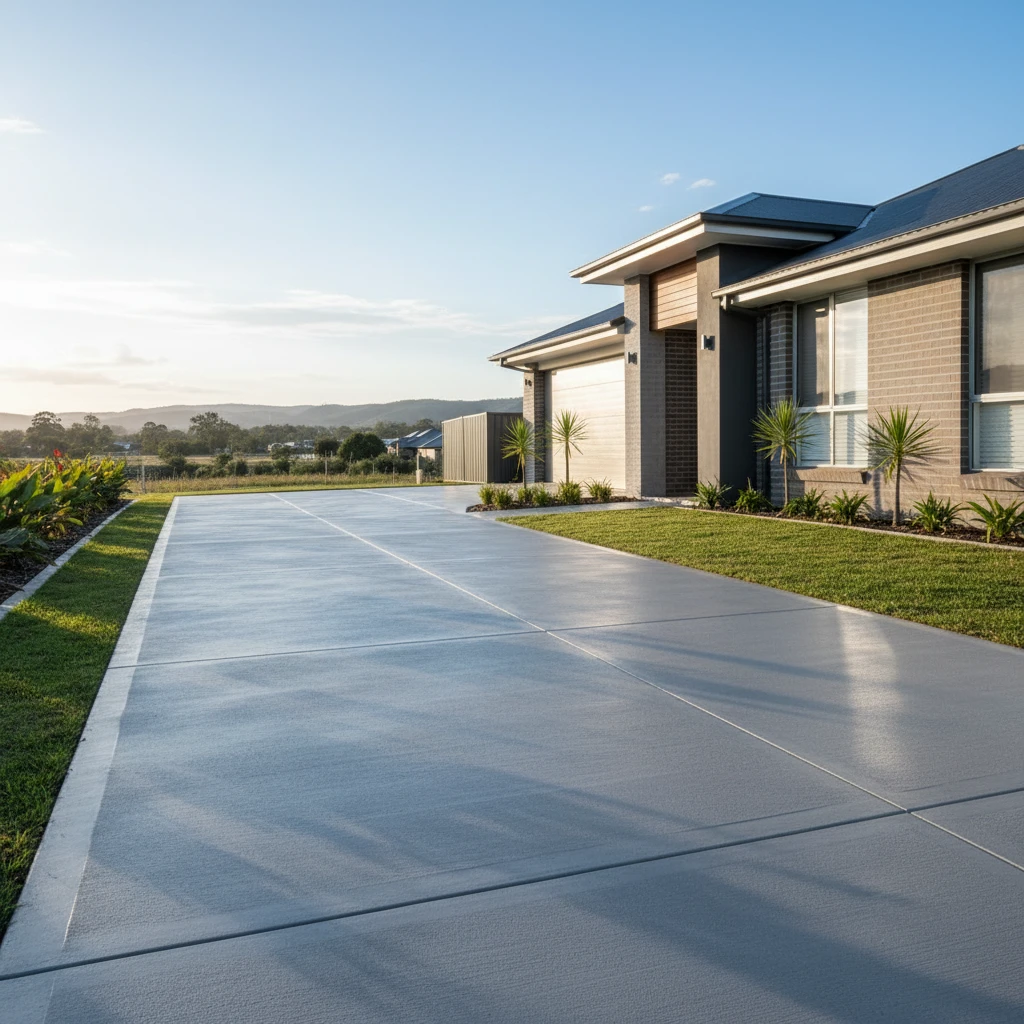
Your driveway is often the first thing visitors see, and it bears the brunt of daily traffic, weather, and weight. Cracks, spalling, and sinking can make a driveway unsightly and dangerous, potentially damaging vehicles. Our repair services can restore the structural integrity and appearance of your driveway. For surface issues like spalling, we use specialized patching compounds to create a seamless, durable finish. For more serious problems like significant cracking or unevenness, we assess the underlying cause, which might involve soil stabilisation or slab jacking, before undertaking repairs. A well-executed driveway repair not only improves curb appeal but also prevents further deterioration and costly replacement down the track.
Ensuring safety with repaired footpaths and stairs
Footpaths and stairs are high-traffic areas where safety is paramount. Uneven surfaces, crumbling edges, or deep cracks can present serious trip hazards, leading to potential injuries and liability. Our team specialises in repairing these vital access points. We address issues like surface wear, spalling, and lifting edges, ensuring a smooth, safe, and uniform walking surface. For stairs, we focus on restoring tread integrity and ensuring riser stability. Whether it’s minor surface repairs or more substantial reconstruction, our goal is to provide durable, slip-resistant surfaces that meet safety standards and enhance the accessibility of your property. You can learn more about our durable concrete footpath solutions.
Strengthening shed and equipment slabs
Shed slabs and those supporting heavy equipment are subjected to concentrated loads and often require robust construction. Over time, these slabs can develop cracks, shift, or degrade, compromising the stability of the structures they support. Our repair services can reinforce these critical bases, preventing structural damage to sheds, garages, or machinery. We address issues such as settlement, cracking, and surface damage, employing methods that restore load-bearing capacity. This might involve concrete injection, crack filling, or in severe cases, a partial or full slab replacement. Ensuring the stability of these slabs is crucial for protecting your valuable stored items and equipment.
Navigating Difficult Sites: Our Expertise in Challenging Terrains
Working with concrete on slopes and uneven ground presents unique challenges that require specialised knowledge and equipment. Uneven surfaces can compromise the structural integrity of new pours and make repairs more complex. Our team understands the critical importance of proper site preparation and formwork on inclines. We employ techniques such as stepped foundations and reinforcement strategies designed to counteract gravity and prevent settling or erosion. For instance, repairing a section of a driveway on a moderate slope requires careful consideration of water runoff to avoid undermining the repaired area. We ensure that any new concrete laid on slopes is adequately sloped itself to direct water away from structures, preventing future water damage. This attention to detail is paramount, especially in regions like the Blue Mountains, where natural topography often demands bespoke solutions.
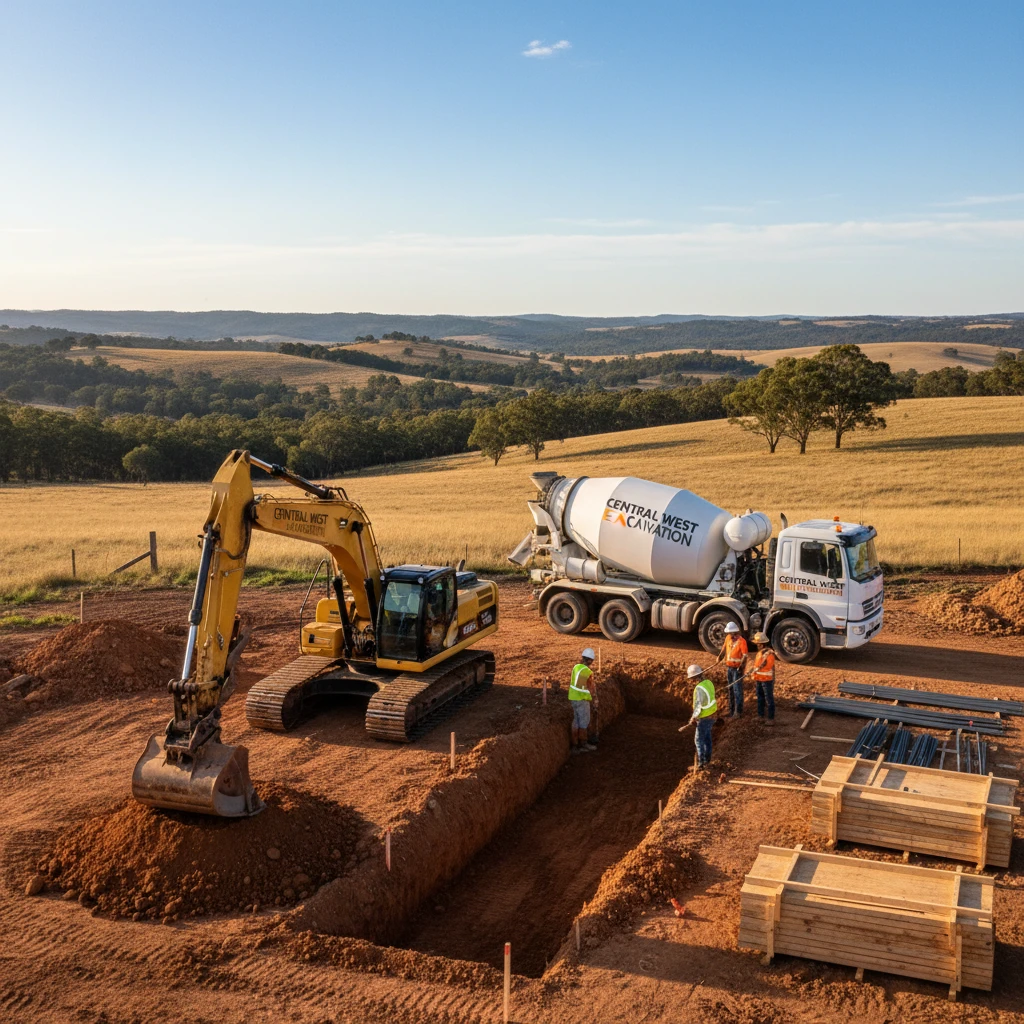
Dealing with rocky foundations and tight access areas requires a different set of skills and a strategic approach. Rocky terrain can make excavation difficult and potentially costly if not handled correctly. Our specialists are adept at assessing soil and rock conditions to determine the most efficient and least disruptive excavation methods. In situations with tight access, where larger machinery cannot operate, we utilise smaller, more agile equipment and manual labour where necessary. This ensures that even the most confined spaces can be prepared for concrete work without compromising the quality of the final product. For example, installing a small shed slab in a narrow backyard in Penrith might require precise excavation to avoid damaging existing garden beds or fences. Our expertise in tight access excavation allows us to service these challenging residential sites effectively.
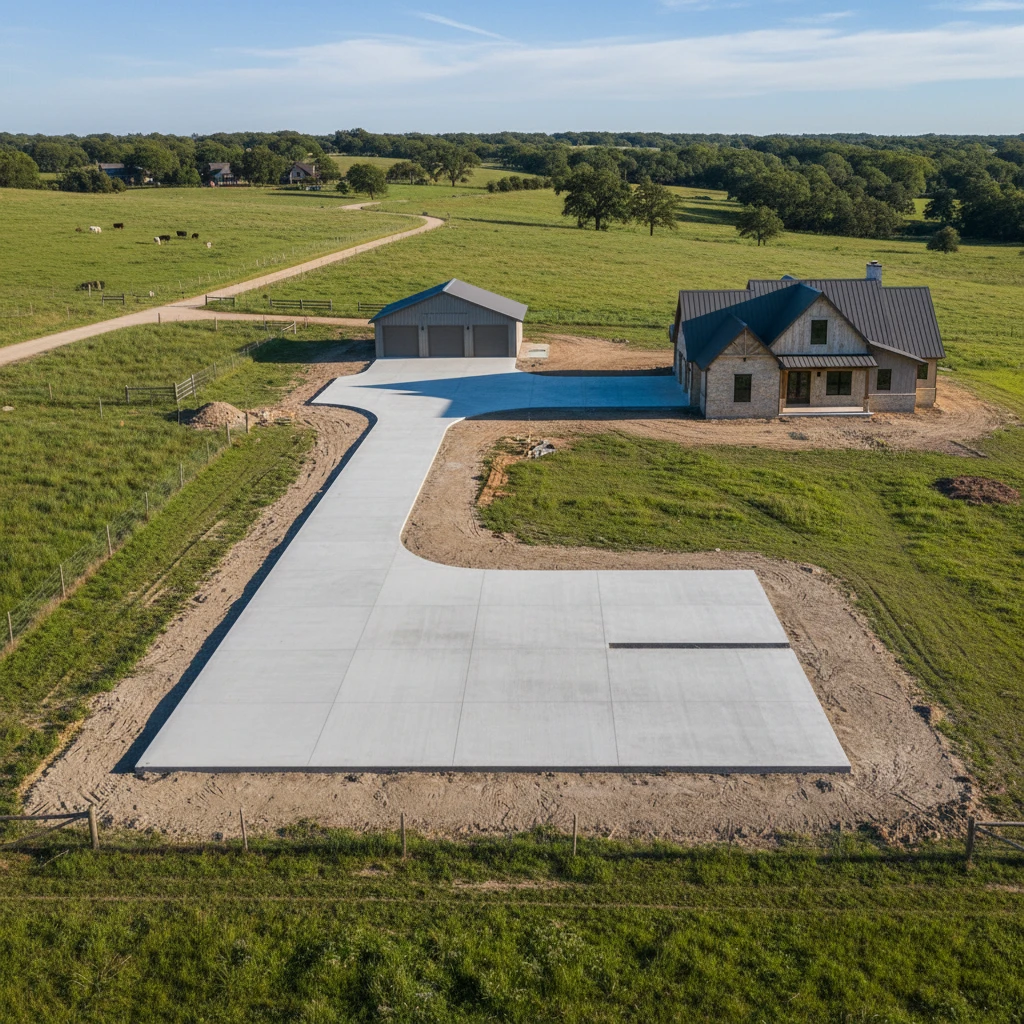
Rural and semi-rural properties often come with their own set of unique site considerations. These can include longer distances from established infrastructure, varied soil types, and the need for robust, long-lasting concrete solutions that can withstand broader environmental exposure. We provide comprehensive concrete services for these areas, from sloped blocks requiring substantial earthworks to properties needing durable foundations for sheds or equipment. Understanding the specific needs of rural clients, such as ensuring adequate drainage away from agricultural structures or farmhouses, is a core part of our service. Our experience in regions across the Central West means we are familiar with the local conditions and can offer tailored solutions that are built to last, maintaining the functionality and value of your property.
Making Informed Decisions: When to Repair vs. Replace
The decision between repairing existing concrete and opting for a complete replacement hinges on several critical factors. The extent and nature of the damage are primary considerations. Minor issues like hairline cracks, surface spalling, or small chips can often be effectively repaired, extending the lifespan of the concrete structure. However, if the damage involves significant structural compromise, widespread cracking, significant settlement, or rebar corrosion, replacement might be the more prudent and cost-effective long-term solution. For example, a driveway with numerous deep, interconnecting cracks and signs of sinking in multiple areas would likely benefit more from replacement than a series of superficial repairs. Evaluating the underlying causes of the damage, such as poor initial installation or inadequate site preparation, is also crucial in determining the best course of action.
Evaluating the long-term value of replacement involves looking beyond the immediate costs and considering the durability and future performance of the concrete. In many cases, a full replacement allows for the use of modern, high-performance concrete mixes and improved construction techniques. This can result in a structure that is not only aesthetically improved but also significantly more resistant to wear, weathering, and future damage. Consider a heavily used commercial loading dock or a residential patio that has succumbed to years of traffic and harsh weather; while repairs might offer a temporary fix, a replacement using reinforced concrete can provide decades of reliable service. This proactive approach can prevent recurring repair costs and potential failures, ultimately delivering greater peace of mind and a better return on investment for your property.
Cost considerations play a significant role in the repair versus replacement decision. While repairs are often perceived as less expensive initially, it’s essential to conduct a thorough cost-benefit analysis. Multiple, ongoing repairs can accumulate to exceed the cost of a single, comprehensive replacement over time, especially if the underlying issues are not fully addressed. For minor repairs, the cost is typically lower, involving materials and labour for patching or crack filling. Conversely, a full replacement involves substantial costs for demolition, removal, site preparation, formwork, reinforcement, and the new concrete pour. We encourage clients to discuss the projected longevity and potential future maintenance needs of both options to make a fully informed financial decision. For instance, an expert concrete repair might be viable for smaller sections, but a large, compromised slab often necessitates replacement for optimal long-term value.
The Process of Precision: What to Expect During Repairs
The first critical phase in any concrete repair project is meticulous preparation and site safety. This involves thoroughly cleaning the damaged area to remove all loose debris, dust, and contaminants that could compromise the bond between the old and new concrete. Depending on the repair type, we might need to cut back the edges of the damaged area to create a neat, well-defined surface for the repair material. Safety is paramount; we cordon off the work area, utilise appropriate personal protective equipment (PPE), and ensure that any necessary traffic control measures are in place, especially if the repair is on a driveway or public walkway. Proper preparation ensures that the repair material adheres effectively and integrates seamlessly with the existing concrete structure, laying the groundwork for a durable outcome.
Following thorough preparation, the next step is the precise application of repair materials. The type of material used will depend on the nature and severity of the damage. For minor cracks, specialised injectable resins or epoxies may be used. For larger areas of spalling or surface damage, polymer-modified mortars or cementitious grouts are often applied. Our team ensures that the material is mixed and applied according to the manufacturer’s specifications, paying close attention to ambient temperature and humidity, which can affect curing times. We carefully trowel and smooth the material to match the surrounding concrete’s texture and profile. In some instances, such as repairing steps or edges, formwork may be required to hold the repair material in place while it sets, ensuring a clean, defined edge.
The final stages of a concrete repair project involve diligent curing and finishing for a seamless look. Proper curing is essential for achieving the maximum strength and durability of the repair material. This typically involves keeping the repaired area moist for a specified period, often through the use of curing compounds, wet coverings, or plastic sheeting. This process prevents premature drying and cracking, allowing the material to fully hydrate and harden. Once cured, the repaired area is carefully finished to blend with the existing concrete. This might involve light grinding to smooth any minor imperfections or texturing to match the original surface. Our goal is to make the repair as invisible as possible, restoring both the structural integrity and the aesthetic appeal of your concrete surfaces, ensuring they look as good as new.
Protecting Your Investment: Preventing Future Concrete Damage
Effective proper drainage is one of the most crucial elements in preventing future concrete damage. Water allowed to pool around or under concrete structures can lead to a myriad of problems, including erosion of the sub-base, freeze-thaw damage in colder climates, and hydrostatic pressure that can crack slabs. Ensuring that water is channelled away from driveways, patios, and foundations is paramount. This can involve grading the surrounding land to create a natural slope away from structures, installing French drains, or ensuring that existing drainage systems are clear and functional. For example, poorly draining areas around concrete footpaths can lead to cracking and uneven surfaces over time due to water saturation and subsequent expansion or contraction.
Implementing regular sealing and maintenance is a proactive strategy for enhancing the longevity of your concrete surfaces. Applying a quality concrete sealer creates a protective barrier that helps to prevent the ingress of water, de-icing salts, oils, and other common contaminants that can cause staining and surface degradation. The frequency of sealing depends on the type of sealer used and the level of traffic and exposure the concrete experiences, but generally, resealing every few years is recommended. Beyond sealing, routine cleaning to remove dirt, debris, and potential staining agents is also vital. Simple measures like prompt cleanup of spills and regular sweeping can significantly contribute to maintaining the appearance and structural integrity of your concrete.
Understanding the impact of environmental factors is key to anticipating and mitigating potential concrete damage. Extreme temperature fluctuations, particularly the cycle of freezing and thawing, can exert immense pressure on concrete, leading to cracking and spalling. High humidity or prolonged exposure to moisture can encourage the growth of mould and algae, which can be unsightly and make surfaces slippery. In coastal areas or regions where de-icing salts are used, these chemicals can aggressively attack the concrete surface, leading to significant deterioration. By being aware of these environmental influences, we can select appropriate concrete mixes, reinforcement, and protective treatments tailored to the specific climate and conditions of your property, ensuring your concrete work withstands the elements for years to come.
Local Expertise for Penrith, Blue Mountains, and Central West Properties
Understanding Regional Challenges
Properties across Penrith, the Blue Mountains, and the Central West present unique environmental and geographical challenges that directly impact concrete repair and installation. The Blue Mountains, for instance, is known for its steep inclines, rocky terrain, and variable soil conditions. These factors can lead to soil erosion, subsidence, and increased pressure on concrete structures over time. Repairs in these areas require a deep understanding of how to mitigate these forces, often involving specialised reinforcement or drainage solutions. Penrith, while generally flatter, can experience issues related to clay soils, which expand and contract with moisture changes, potentially causing cracks in slabs and driveways. The Central West, with its broader agricultural and rural landscapes, may face challenges related to long-term exposure to harsh weather elements and potential settlement in areas with less stable sub-bases. Addressing these regional specifics is crucial for ensuring repairs are not only aesthetically pleasing but also structurally sound and long-lasting. Our team’s familiarity with these diverse conditions allows us to implement the most effective solutions tailored to each locale. For properties in more challenging terrains, exploring services for challenging sites is essential to prevent future issues.
Furthermore, local building codes and regulations, while often standardised across NSW, can have regional interpretations or require specific considerations for repairs, especially in heritage areas or environmentally sensitive zones prevalent in parts of the Blue Mountains. Understanding these nuances ensures compliance and avoids costly rectifications down the line. The type of concrete used, its mix design, and curing methods must also be adapted to the local climate. Extreme heat in summer or unexpected frosts in winter can affect the setting and strength of fresh concrete, making the timing and application of repair materials critical. Experienced local tradespeople are adept at predicting and managing these environmental variables. For example, a crack in a driveway on a steep slope in the Blue Mountains might require a different repair approach than a similar crack on a level block in Penrith. Assessing these site-specific needs is the first step in any successful concrete repair project, preventing superficial fixes that fail to address the underlying causes.
Our Commitment to Quality Local Service
Our dedication to serving the Penrith, Blue Mountains, and Central West regions goes beyond geographical convenience; it’s about providing tailored concrete repair solutions informed by local knowledge. We understand that each property has its own history and environmental context, influencing the type and severity of concrete damage. This localised approach ensures that our repairs are not generic but are specifically designed to address the unique conditions found in your area, whether it’s the rocky outcrops of the mountains or the clay soils of the plains. We pride ourselves on building strong relationships within these communities, fostering trust through transparent communication and reliable workmanship. Our team comprises seasoned professionals who have worked extensively across these locales, giving them an unparalleled understanding of the materials and techniques that perform best under local conditions.
Choosing a local service means investing in a team that is readily accessible and committed to the long-term well-being of your property. We avoid a one-size-fits-all approach, instead opting for thorough assessments that consider factors like site accessibility, existing drainage, and the specific type of concrete used previously. This detailed evaluation allows us to recommend the most effective and durable repair strategy. For instance, on a sloped property where water runoff is a concern, we might recommend integrated drainage channels as part of the repair process, a solution born from observing common issues in areas like sloped blocks. Our commitment is to deliver results that not only restore the appearance of your concrete but also enhance its structural integrity and longevity, contributing positively to the value and usability of your property within the specific environment of the Central West, Penrith, or the Blue Mountains. We also understand that tight access can be a significant hurdle for excavation and concrete work, and we specialise in providing solutions for these scenarios, as highlighted in our Penrith tight access excavation services.
Achieving a Seamless Finish: The Art of Concrete Repair
Matching Textures and Colours
Achieving a truly seamless finish in concrete repair is an art form that requires meticulous attention to detail, particularly when it comes to matching existing textures and colours. Simply filling a crack or patching a hole with a generic concrete mix will inevitably result in a noticeable blemish, detracting from the overall appearance of your property. Our process involves careful analysis of the original concrete, including its aggregate size and colour, the cement shade, and any applied finishes like broom finishing or exposed aggregate. We then select and blend repair materials to replicate these characteristics as closely as possible. This precision ensures that the repaired area integrates visually with the surrounding concrete, creating a uniform look that preserves the aesthetic appeal of your driveways, paths, or slabs. For homeowners looking to maintain the visual integrity of their property, especially with features like concrete footpaths, this attention to detail is paramount.
The challenge of colour matching is amplified by the fact that concrete naturally weathers and ages, developing a patina that is difficult to replicate. Sunlight, rain, and foot traffic all contribute to subtle variations in hue over time. To overcome this, our technicians employ various techniques, which may include adding specific pigments to the repair mortar or using coloured admixtures. They also consider the moisture content of the surrounding concrete, as this can affect the perceived colour of a patch. For textured finishes, such as stamped or trowelled surfaces, we employ specialised tools and techniques to recreate the original pattern. This might involve using custom-made stamps or meticulously working the surface to mimic the trowel marks. Our goal is to make the repair virtually indistinguishable from the original concrete, ensuring a professional and polished outcome that enhances your property’s appeal rather than diminishing it. This commitment to a flawless appearance extends to all our concrete repair work.
Ensuring Structural Stability and Aesthetics
While achieving a visually seamless finish is a key objective in concrete repair, it is secondary to ensuring the underlying structural stability. A perfect colour match is of little consequence if the repair fails to address the root cause of the damage and offers no lasting structural integrity. Our approach prioritises identifying the origin of the concrete issue, whether it’s settlement, water infiltration, freeze-thaw cycles, or physical impact. We then select repair methods and materials that not only mend the visible damage but also reinforce the affected area, preventing further degradation. This often involves preparing the substrate thoroughly, removing loose material, and ensuring proper bonding of the new material to the old concrete. For example, a crack in a concrete driveway might be caused by inadequate sub-base preparation or heavy load-bearing; a mere surface patch would not rectify this and would likely lead to premature failure.
Our repair strategies are designed to restore the concrete’s load-bearing capacity and resist future stresses. This might include using high-strength patching compounds, applying epoxy injections for crack sealing, or even reinforcing larger areas with specialised mesh or dowels where necessary. The integration of structural soundness with aesthetic replication is what defines a truly professional concrete repair. We consider the long-term performance of the repair, ensuring it can withstand traffic, weather, and environmental factors common to the Penrith, Blue Mountains, and Central West regions. For instance, on a sloped property where erosion is a risk, our repairs will incorporate solutions that help manage water flow, thereby enhancing both the look and the durability of the concrete structure. It’s this dual focus on lasting strength and pleasing appearance that underpins our expertise, providing homeowners with repairs that offer both immediate visual improvement and long-term value. For more information on how we handle complex site conditions, you can explore our difficult access excavation and concrete solutions.
Ultimately, successful concrete repair is about restoring function and form. By meticulously matching the aesthetic qualities of existing concrete and embedding structural integrity into every repair, we ensure that your property’s concrete surfaces are not only visually appealing but also robust and long-lasting. This comprehensive approach is what sets our services apart, providing peace of mind and tangible value for property owners.
For expert advice and specialised solutions for your concrete repair needs across Penrith, the Blue Mountains, and the Central West, consider the comprehensive resources and services offered by Laser Concrete. Their local expertise ensures that repairs are tailored to the unique challenges of your property and region.