Choosing concrete isn’t merely about pouring a surface; it’s about selecting a material that can withstand the unique pressures of a rural environment. From fluctuating weather patterns to the demands of heavy use, the right concrete solutions provide enduring strength and reliable performance.
Investing in Longevity: Why Durable Concrete Matters for Your Rural Haven
Rural properties often face environmental challenges distinct from urban settings. Increased exposure to the elements, such as intense sun, heavy rainfall, and frost, can accelerate wear and tear on building materials. Furthermore, rural areas may experience more significant temperature fluctuations throughout the year, putting additional stress on concrete surfaces. The weight of agricultural equipment, livestock, or simply the natural settling of the land can also pose unique challenges. Choosing concrete specifically designed for these demands ensures that your driveways, pathways, and structural bases will resist cracking, erosion, and degradation, thereby reducing the need for frequent repairs and replacements. Investing in high-quality concrete work upfront directly translates to lower long-term maintenance costs and a more reliable property.
The long-term value of quality concrete solutions extends beyond mere durability. Well-constructed concrete elements enhance the functionality and aesthetic appeal of your rural property. A sturdy, well-finished driveway improves accessibility and can increase property value. Similarly, robust shed slabs provide a stable base for valuable equipment and storage, protecting it from moisture and pests. Over time, the initial investment in superior concrete translates into reduced repair bills, increased property resilience against weather events, and a generally more dependable and attractive rural lifestyle. Consider the extensive benefits when making material choices for essential rural infrastructure.
Beyond the Basics: Essential Concrete Applications for Rural Land
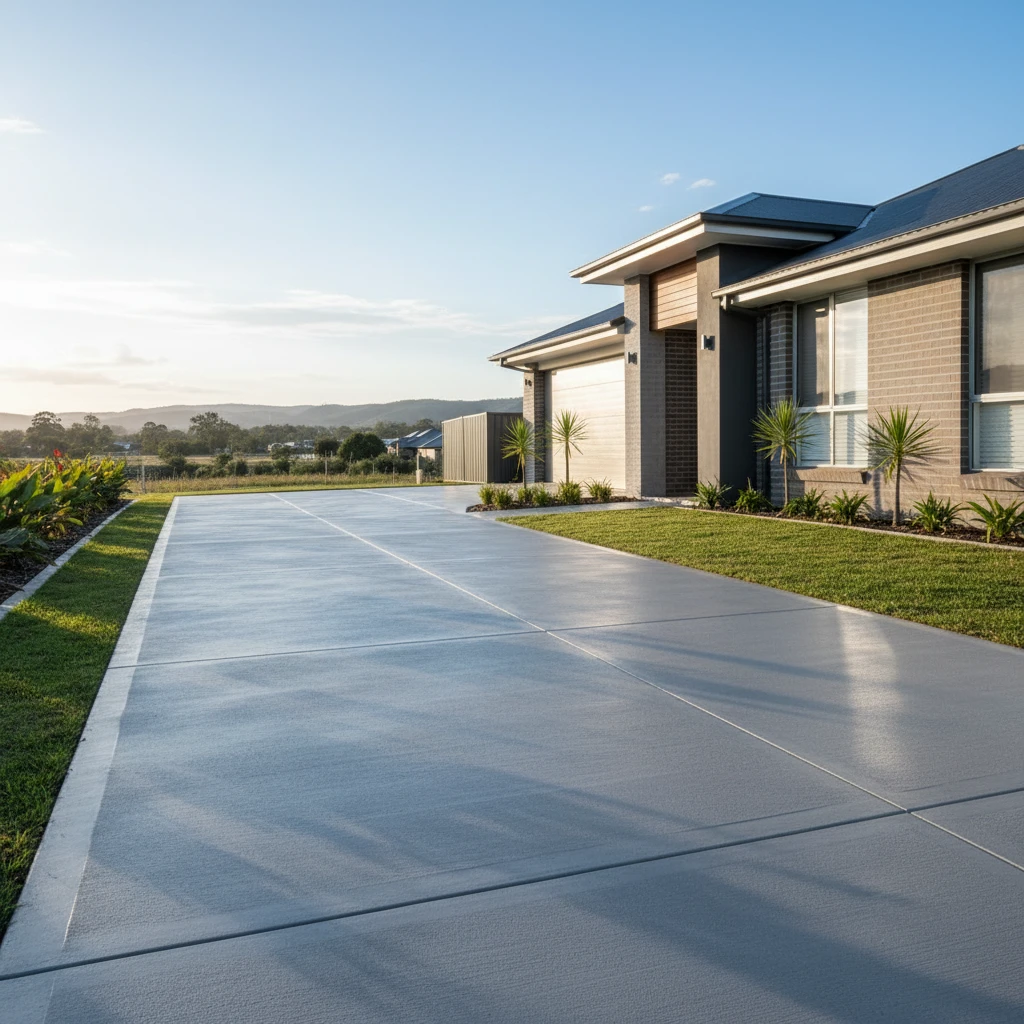
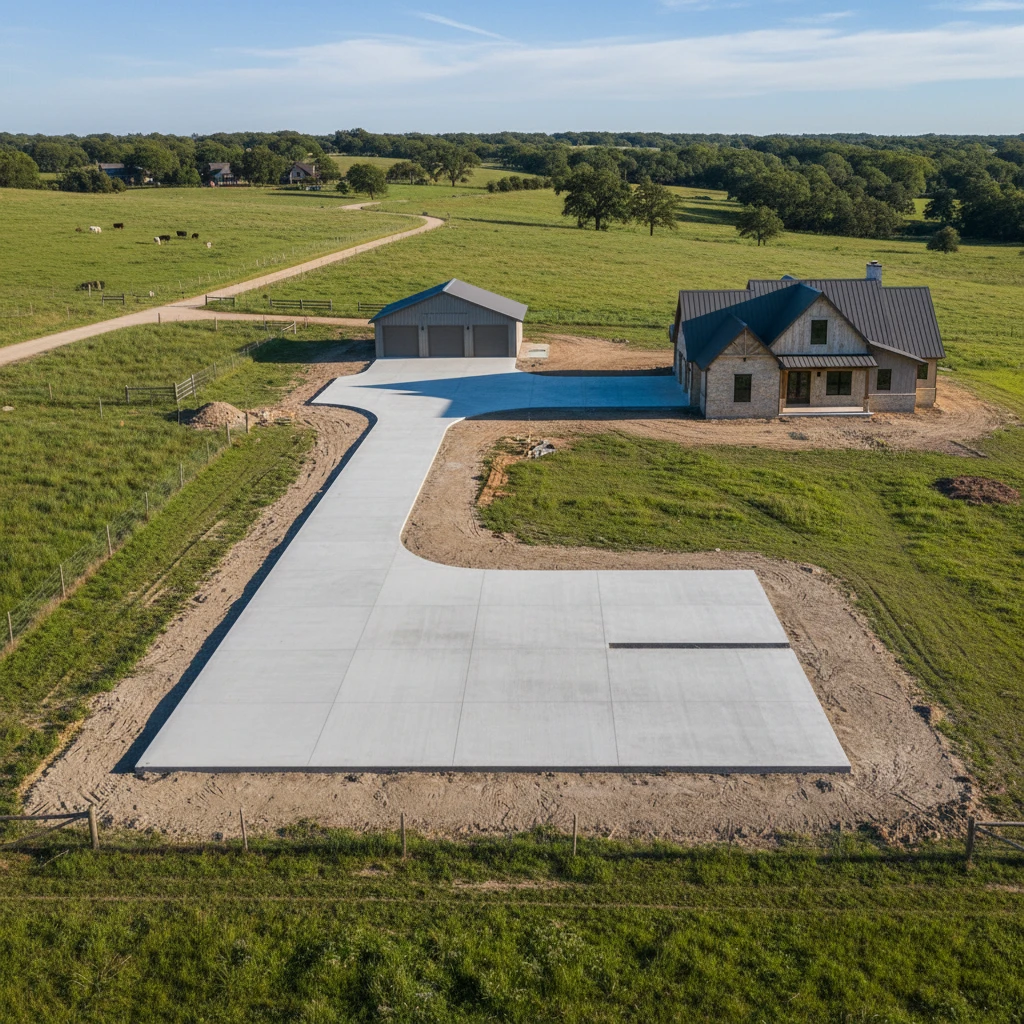
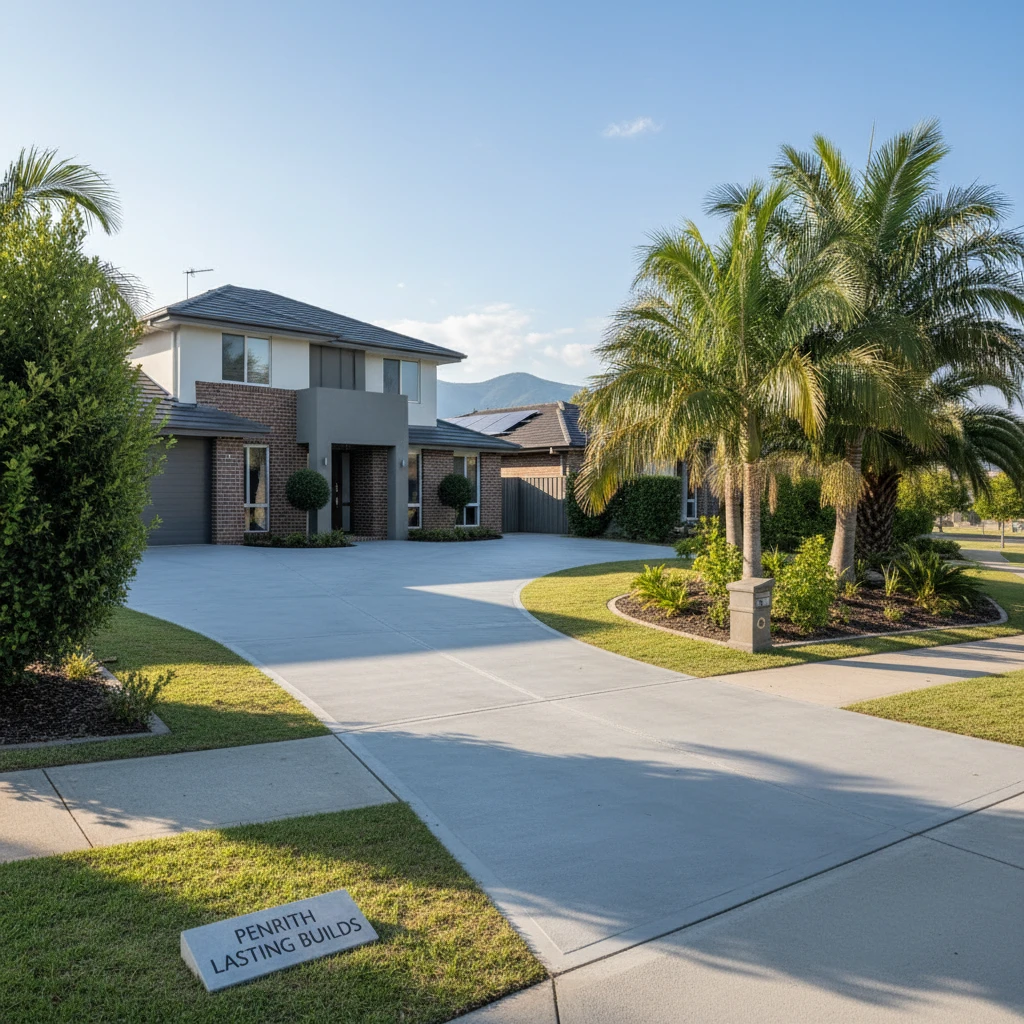
Driveways are often the first impression of a rural property and a critical element for daily access. For rural settings, a concrete driveway must be engineered to handle not only vehicle weight but also the potential for increased runoff and soil erosion. Using a concrete mix with appropriate strength (measured in MPa) and ensuring adequate base preparation are paramount. This includes a well-compacted sub-base and potentially reinforcement with steel mesh to prevent cracking under stress and temperature changes. Properly designed drainage is also essential to prevent water from pooling and weakening the concrete over time. For those in regions like Penrith, seeking specialised concrete driveway solutions tailored to local conditions can ensure maximum longevity and performance, offering a reliable route to and from your home.
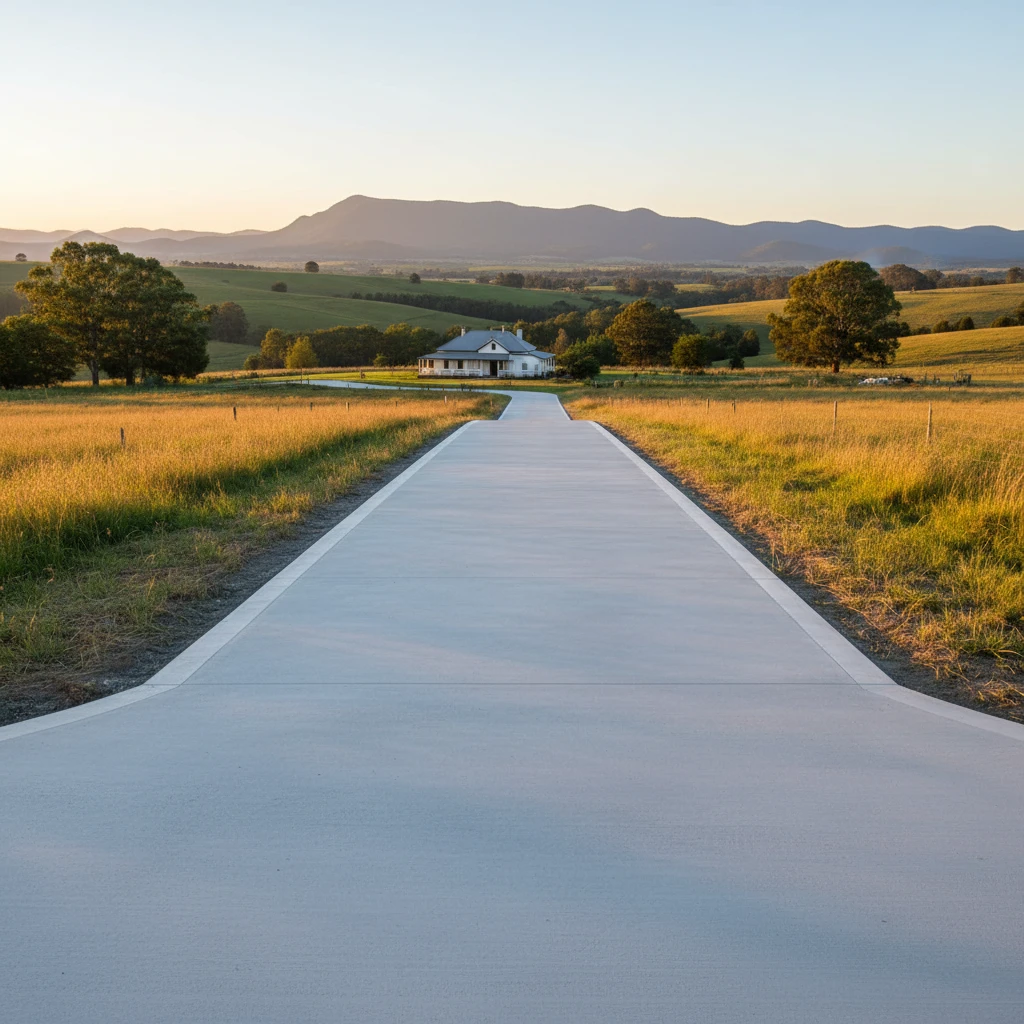
Sheds and garages are vital for protecting equipment, vehicles, and stored goods on rural properties. A strong, level concrete slab is crucial for these structures to prevent uneven settling, water ingress, and pest infestation. The slab needs to be thick enough to support the weight of the building and its contents, potentially including heavy machinery. Excavation must ensure a stable foundation, and the concrete mix should be formulated for high compressive strength. Reinforcement with rebar or mesh is standard practice to add tensile strength and prevent cracking, especially in areas with expansive soils or significant temperature variations. A robust shed slab is an investment in the safety and longevity of your stored assets.
Navigating rural properties often involves uneven terrain and varying elevations, making well-constructed footpaths and stairs indispensable for safe and comfortable movement. Concrete pathways provide a stable, slip-resistant surface, reducing the risk of trips and falls, especially after rain or during wet weather. For areas with inclines, concrete stairs offer a durable and permanent solution. These require careful planning for rise and run to ensure they are comfortable and safe to use. Proper sub-base preparation and reinforcement are just as critical here as for driveways or slabs, preventing frost heave and erosion. Investing in durable, well-finished concrete footpaths and stairs enhances both the accessibility and safety of your property.
Tackling Challenging Terrain: Expertise for Penrith and the Blue Mountains
Properties in areas like the Blue Mountains and parts of Penrith frequently present significant topographical challenges, including steep slopes and rocky ground. Working with these sites requires specialised knowledge and equipment. Steep slopes demand careful excavation to prevent erosion and ensure structural stability for any concrete poured. Rocky terrain can complicate excavation, requiring precise techniques to clear the area without compromising the integrity of the surrounding soil. For these demanding environments, choosing a concreting team with demonstrated experience in sloped site excavation is not just beneficial, it’s essential for a successful and lasting concrete outcome.
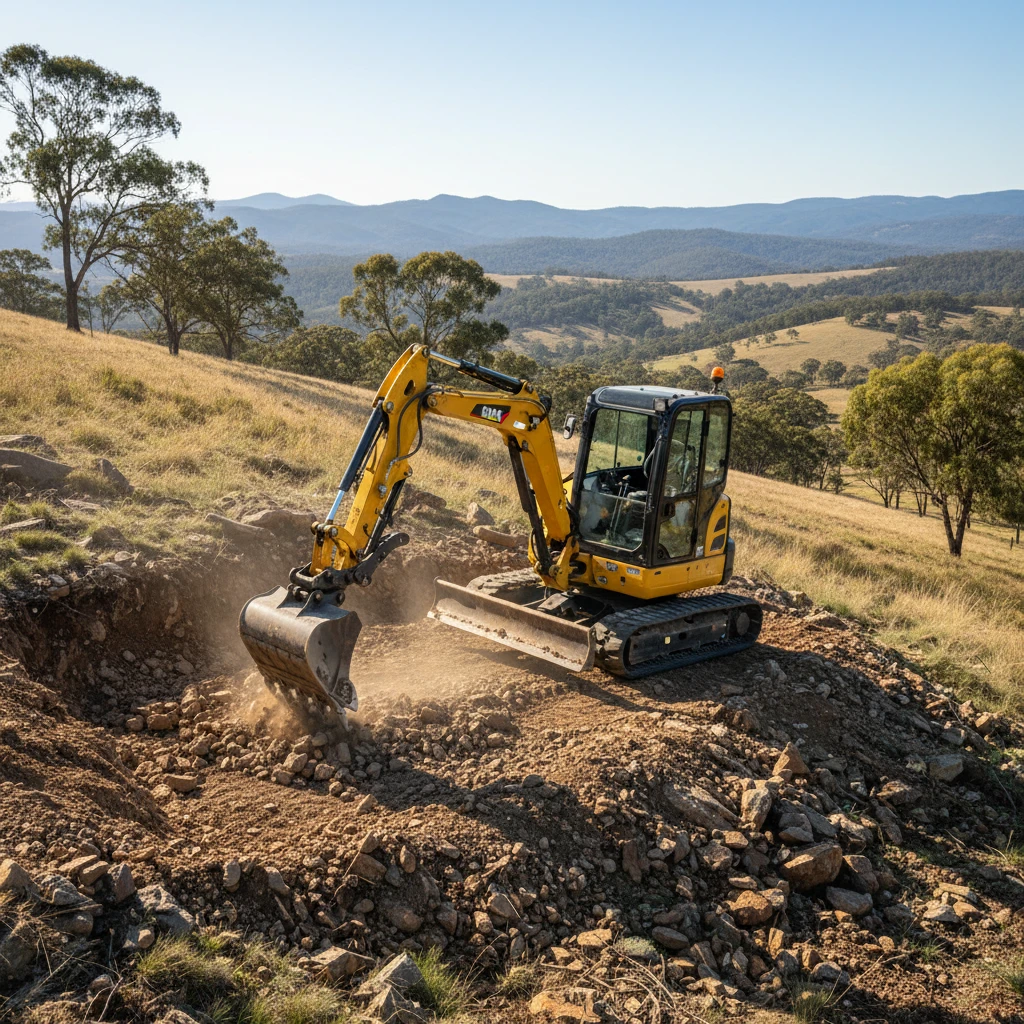
Tight access excavation is a common requirement in many rural and semi-rural properties, particularly those with existing structures or dense vegetation. This involves using compact machinery that can navigate narrow gateways, confined spaces, and sensitive garden areas without causing collateral damage. For example, a property owner might need a new shed slab but only have a metre-wide access path. Precision excavation in these situations is key to preparing the site correctly for concrete while minimising disruption. Expertise in tight access excavation ensures that even the most logistically complex sites can be prepared effectively for high-quality concrete installation.
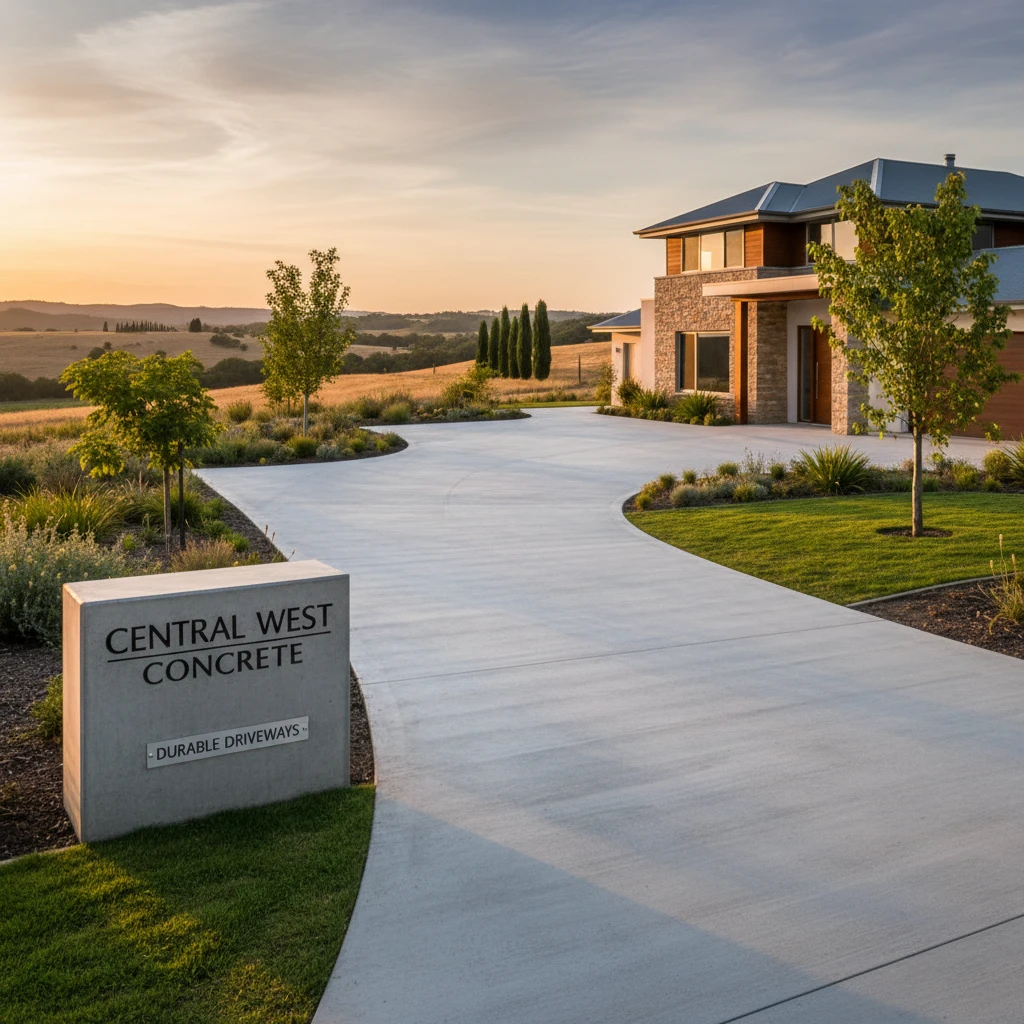
Preventing future concrete failures is intrinsically linked to the precision of initial planning and execution, especially on challenging sites. This involves a thorough site assessment, understanding soil types, water drainage patterns, and anticipated load-bearing requirements. For instance, on a property prone to soil expansion and contraction, a specific concrete mix and reinforcement strategy might be employed. Likewise, understanding how water will flow across a new driveway or patio prevents washouts and erosion. Meticulous planning, detailed on-site measurements, and adherence to best practices in formwork and reinforcement installation, as demonstrated in areas like the Central West, significantly reduce the risk of premature cracking, sinking, or other structural issues, ensuring a durable and problem-free concrete finish for years to come.
The Building Blocks of Durability: Concrete Mixes and Reinforcement
Selecting the appropriate concrete strength, often denoted by its compressive strength in megapascals (MPa), is fundamental to ensuring its durability for rural applications. A standard residential driveway might require a 25-30 MPa mix, but higher-traffic areas, areas subjected to heavy equipment, or those with significant temperature swings may necessitate a stronger mix, such as 32-40 MPa. Factors like exposure to de-icing salts (though less common in many Australian rural areas) or freeze-thaw cycles (more prevalent in cooler inland regions) can also influence the required durability and water-cement ratio of the mix. The Australian Standards for concrete provide essential guidelines for selecting appropriate mixes based on intended use and environmental exposure, ensuring your concrete is fit for purpose.
Steel reinforcement, typically in the form of rebar or mesh, plays a critical role in enhancing the tensile strength of concrete and preventing cracks. While concrete is strong in compression, it is relatively weak in tension. When subjected to bending forces, such as from vehicle loads on a driveway or ground movement, concrete can crack. Reinforcing steel absorbs these tensile stresses, allowing the concrete to withstand greater loads and resist cracking. The type, size, and spacing of the reinforcement are determined by the expected loads and the specific application. For instance, a shed slab designed to support heavy machinery will require more robust reinforcement than a simple garden path. Properly installed steel reinforcement is a non-negotiable aspect of durable concrete construction.
The Australian climate presents a diverse range of conditions that significantly impact concrete performance. Coastal areas experience salt spray, which can degrade concrete over time if not properly protected. Inland regions can face extreme temperature fluctuations, leading to expansion and contraction that stresses concrete. Tropical areas deal with high humidity and heavy rainfall, increasing the risk of surface erosion and the need for appropriate sealing. Understanding these local climatic factors is crucial when specifying concrete mixes and finishes. For example, in the Blue Mountains, where freeze-thaw cycles can occur, a mix designed for low water absorption and adequate air entrainment might be selected. Consulting with local concrete experts familiar with Blue Mountains concrete requirements ensures choices align with regional environmental challenges.
The Laser Concrete Process: Precision from Preparation to Pour
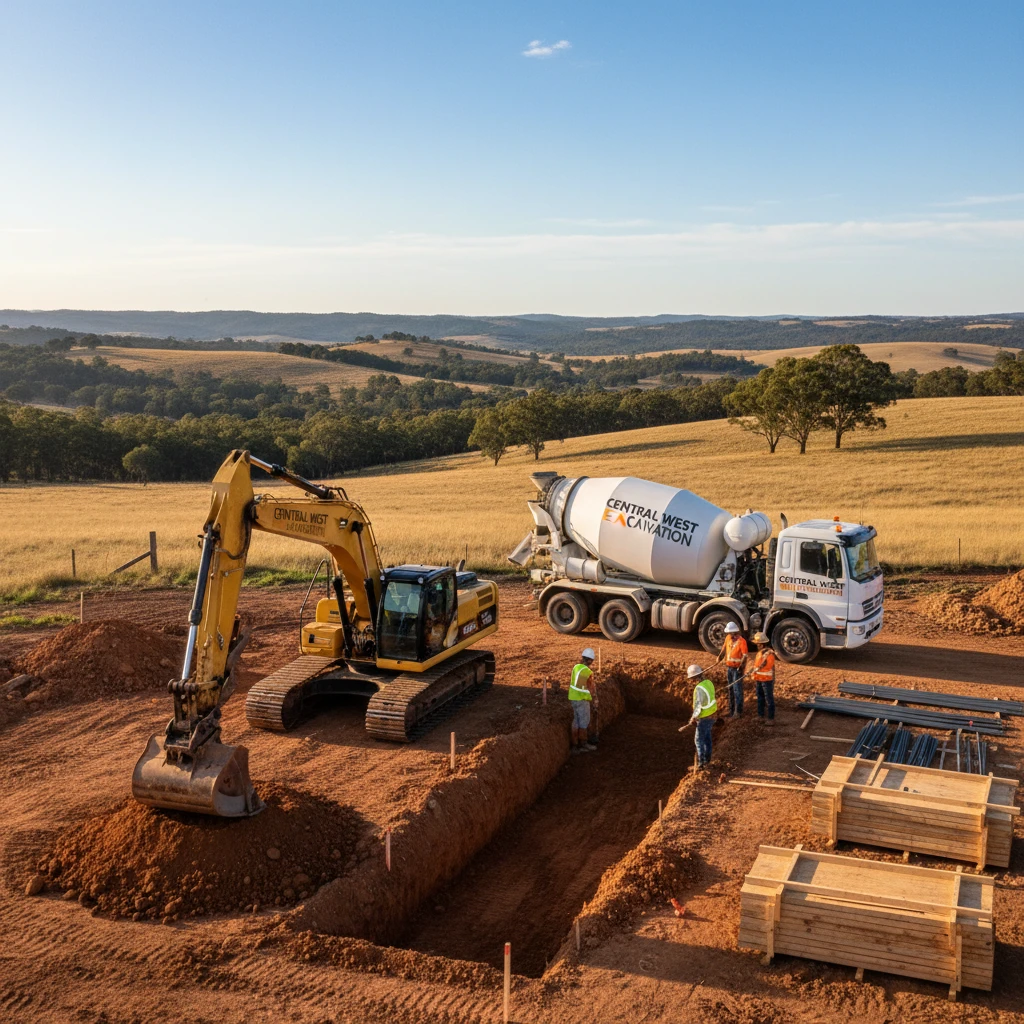
Achieving durable concrete for your rural property begins long before the pour. It hinges on a meticulous process that starts with thorough site assessment and excavation planning. Understanding the unique topography, soil conditions, and intended use of the concrete area is paramount. A detailed assessment allows for accurate calculations of material quantities, proper site grading, and the identification of any potential drainage issues that could compromise the concrete’s longevity. Inadequate preparation, such as failing to address underlying unstable soil or neglecting proper grading, can lead to premature cracking and settling, turning a costly investment into an ongoing problem. For instance, a rural property owner planning a new shed slab must consider not only the weight of the equipment it will house but also how water will run off the surrounding land. Ignoring this can lead to water pooling around the slab’s edges, weakening the sub-base over time. This stage also involves detailed excavation plans, ensuring that the correct depth is achieved for adequate structural support and that any necessary underground services are identified and protected. This is where our expertise in Central West excavation: site prep for quality becomes invaluable, particularly on challenging rural blocks.
Once the site is prepared, the construction of expert formwork for clean, accurate finishes becomes the next critical step. Formwork acts as the mould for your concrete, defining its shape, size, and edges. High-quality formwork, securely braced and precisely aligned, ensures that the finished concrete meets the exact specifications required for both aesthetic appeal and functional integrity. Poorly constructed or unstable formwork can lead to blowouts during the pour, resulting in uneven edges, incorrect dimensions, and a significantly compromised finished product. For a rural driveway, for example, well-built formwork ensures consistent width and smooth transitions, preventing water from pooling in unwanted areas and providing a neat, professional appearance. The choice of formwork materials can also influence the finish; timber forms offer versatility, while steel systems can provide greater precision for complex shapes. Ensuring the formwork is level and square is especially important when creating slabs for garages or workshops, where precise dimensions are needed for fitting equipment or vehicles. This attention to detail prevents costly rework and guarantees a superior outcome.
The final stages of the Laser Concrete process involve strategic pouring and curing techniques for optimal strength. The act of pouring concrete requires careful planning to ensure a continuous, homogenous pour that minimises the risk of cold joints or segregation of aggregates. The slump of the concrete (its workability) must be appropriate for the pour conditions and the formwork design. After the pour, the curing process is arguably the most critical phase for developing concrete’s long-term strength and durability. Curing involves maintaining adequate moisture and temperature conditions to allow the cement hydration process to occur effectively. This is not simply about the concrete setting; it’s about it gaining its full structural potential. Improper curing, such as allowing the concrete to dry out too quickly in hot weather or exposing it to frost, can result in reduced strength, increased porosity, and a higher susceptibility to surface defects like dusting or cracking. For a large rural shed slab, implementing a consistent curing regime, such as using curing compounds or wet coverings, is essential for achieving the required load-bearing capacity. This focus on the entire lifecycle, from prep to cure, ensures that your concrete is built to last. This is why we emphasise our commitment to quality, as detailed in our Central West concrete: durable driveways content.
Protecting Your Investment: When Concrete Repairs Become Necessary
Even the most durable concrete structures can eventually show signs of wear and tear, especially in demanding rural environments subject to weather extremes and heavy use. Recognising early signs of concrete degradation is crucial for preventing minor issues from escalating into major structural problems. Common indicators include surface cracking, which can range from hairline crazing to wider fissures. You might also notice spalling, where pieces of the concrete surface break away, often revealing aggregate underneath. Discoloration, pitting, or the appearance of damp patches can also signal underlying moisture issues or chemical attack. For instance, a concrete driveway on a rural property might begin to show surface flaking due to the constant exposure to sunlight and freeze-thaw cycles, or potentially due to the saturation from heavy rainfall if drainage isn’t optimal. Early detection allows for targeted interventions before the integrity of the entire slab is compromised, saving significant time and expense down the line. Staying vigilant with regular visual inspections can highlight these issues when they are most manageable.
When degradation is identified, engaging professional solutions for cracks, spalling, and wear becomes the next logical step. Attempting DIY repairs on significant damage can often lead to unsatisfactory results or mask underlying problems. Experienced concreters employ a range of techniques tailored to the specific issue. For minor cracks, epoxy injection or flexible sealants can effectively bridge the gap and prevent water ingress, thereby halting further damage. Spalled areas typically require mechanical removal of the damaged material, followed by patching with appropriate repair mortars or resurfacing compounds that are designed to bond effectively with the existing concrete and withstand environmental stresses. In cases of widespread surface wear, a concrete resurfacer can provide a durable new wearing layer, restoring both the appearance and functionality of the surface. For example, a concrete patio that has experienced significant surface pitting from years of exposure might be revitalised with a professional resurfacing application, providing a fresh, durable finish. These specialised repairs extend the life of your concrete and maintain its aesthetic appeal.
Understanding the benefits of timely repairs versus full replacement is key to protecting your concrete investment. Minor repairs, when addressed promptly, are significantly more cost-effective and less disruptive than waiting for a concrete structure to fail completely. A small crack repaired with sealant today might prevent the need for a full slab replacement in a few years. Similarly, patching spalled areas can maintain the structural integrity and appearance of a driveway or path, preserving its usability. Full replacement is a substantial undertaking, involving demolition, excavation, and the pouring of new concrete, incurring considerable expense and downtime. However, if concrete degradation is extensive and has compromised the structural foundation, replacement may indeed be the most sensible and long-term solution. Assessing the extent of the damage and considering the projected lifespan of repair options versus the certainty of a new pour will guide the most economical decision. Our approach to concrete repairs: restoring your property focuses on preserving your existing assets whenever possible.
Tailoring Solutions: Custom Concrete Designs for Your Rural Lifestyle
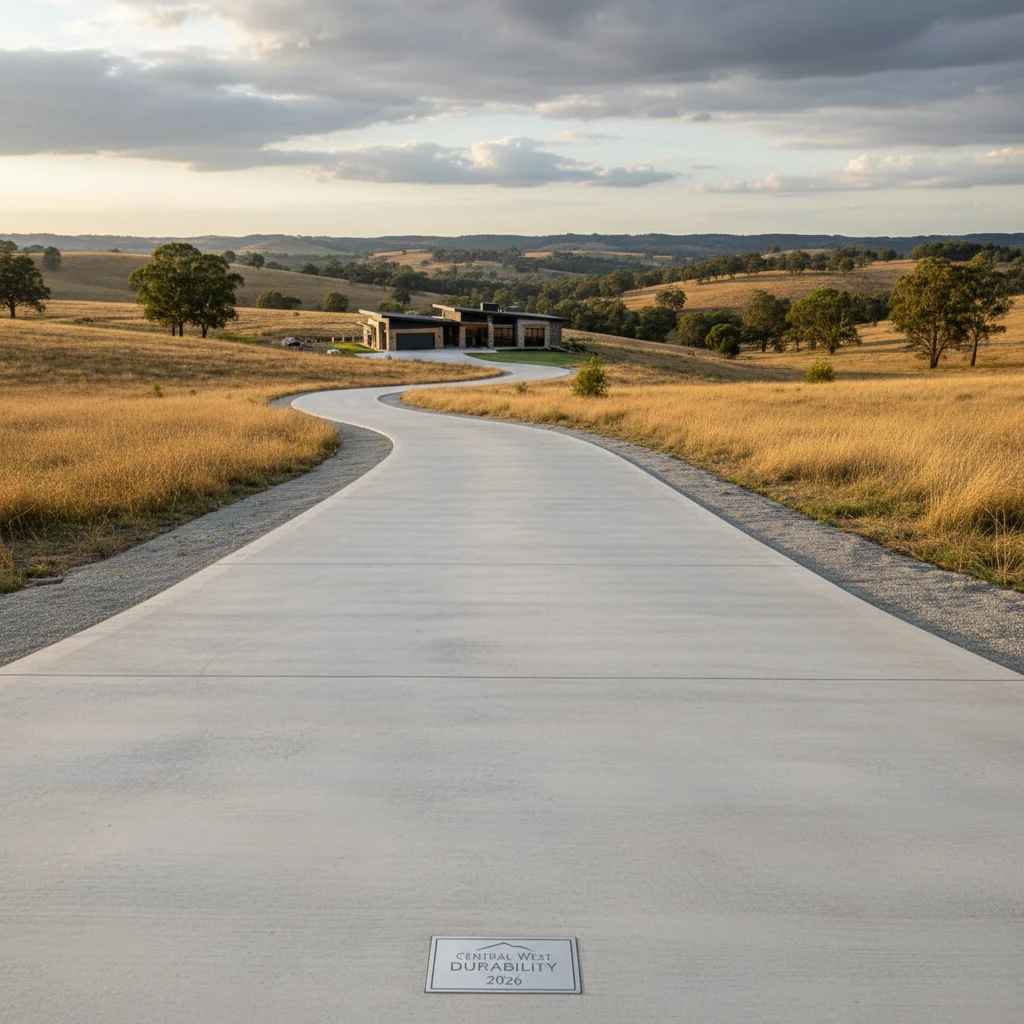
Concrete is a versatile material that can be sculpted to enhance both the functionality and aesthetic of your rural property. Personalising driveways for aesthetics and function goes beyond simply creating a paved surface. Consider the flow and width required for easy vehicle access, including parking areas for multiple vehicles or trailers. Beyond basic grey, concrete can be coloured, stamped with patterns to mimic pavers or natural stone, or finished with exposed aggregate for a textured, decorative look. For a rural property, a driveway might need to accommodate agricultural machinery in certain sections or transition smoothly from a public road. Exploring options like brushed finishes can provide added slip resistance, a vital consideration on any property. Think about integrating decorative edging or feature areas to complement your home’s architecture. The durability and low maintenance of concrete make it an ideal choice for a long-lasting, visually appealing entrance to your home, as discussed in our Concrete Driveways: Central West Durability 2026 page.
Rural properties often host specialised equipment, necessitating designing specialised slabs for unique agricultural equipment. Whether it’s a concrete base for a large generator, a stable pad for livestock shelters, or a robust slab for storing farm machinery, the design must account for specific load requirements and potential chemical exposure. For instance, a generator slab needs to be level, perfectly positioned, and strong enough to bear the unit’s weight and vibration, with provisions for cabling. A slab for livestock housing must consider drainage and ease of cleaning, potentially incorporating specific finishes or slopes. The size and thickness of the slab will be determined by the dimensions and weight of the equipment, as well as the soil conditions beneath. Proper reinforcement, such as steel mesh or rebar, is critical for these heavy-duty applications to prevent cracking and ensure long-term stability. This level of customisation ensures your concrete works effectively and safely for its intended purpose.
Integrating concrete seamlessly into your property’s overall landscaping can create a cohesive and visually appealing environment. Beyond driveways and shed slabs, concrete can form the foundation for patios, pathways, retaining walls, and even decorative features like outdoor fireplaces or water features. For a rural setting, concrete pathways winding through gardens or leading to recreational areas can provide durable, all-weather access. Consider incorporating curves and natural lines to soften the appearance and blend with the surrounding landscape. Combining concrete with other natural materials like timber or stone can create striking contrasts and visual interest. Even simple garden edging in concrete can provide a clean, defined border for garden beds. When planned thoughtfully, concrete elements can act as a canvas for your landscaping, providing structure and enhancing the beauty of your rural property, much like the durable solutions detailed in Durable Concrete Footpaths: Your Home’s Investment.
The Skill Behind the Slab: Why Experience Matters in Concrete Work
The quality and longevity of any concrete project are profoundly influenced by the skill and experience of the team undertaking the work. The difference experienced concreters make on challenging sites cannot be overstated. Rural properties often present unique obstacles such as steep slopes, rocky terrain, limited access for machinery, or unpredictable soil conditions. Experienced professionals possess the knowledge to navigate these complexities, adapting techniques to ensure the concrete is properly supported and finished regardless of the site’s difficulties. For instance, pouring concrete on a steep incline requires specialised techniques to prevent segregation and ensure a uniform finish, something that novice crews might struggle with. Understanding how to manage water flow on uneven ground or how to properly prepare a sub-base on unstable soil are crucial skills that only come with years of hands-on experience. This expertise is vital for projects in areas like the Blue Mountains concrete: challenging sites done right, where the terrain demands a higher level of proficiency.
Choosing an experienced team helps in avoiding common pitfalls that compromise concrete integrity. Many issues that plague concrete installations, such as cracking, uneven surfaces, premature wear, or inadequate strength, stem from mistakes made during the preparation, pouring, or curing phases. Common errors include insufficient sub-base preparation, incorrect concrete mix ratios, improper placement of reinforcement, inadequate vibration to remove air pockets, or insufficient curing time and conditions. For example, a homeowner might opt for a cheaper quote, only to find that the concrete driveway develops significant cracks within its first year because the contractor skimped on excavation depth or failed to use adequate mesh reinforcement. Experienced concreters understand the critical importance of each step and possess the foresight to anticipate and mitigate potential problems before they impact the final product. They know how to work with the weather, not against it, and how to ensure the concrete gains its maximum potential strength.
Ensuring compliance with local building standards in the Central West is another critical aspect where experienced professionals excel. Building codes and regulations are in place to ensure safety, structural integrity, and public health. These standards can vary by region and may cover aspects like concrete strength, reinforcement requirements, drainage, and setbacks. An experienced local concreting team will be intimately familiar with these requirements for the Central West region, ensuring that your project not only meets but often exceeds these standards. This knowledge prevents costly delays, potential fines, or the need for rectifications down the line. For instance, a new shed slab in a particular rural council area might have specific depth and load-bearing requirements that must be met for council approval. Engaging a team like Laser Concrete, with our established presence and understanding of local conditions and regulations, provides peace of mind that your project is being completed correctly and legally, reflecting our commitment to quality workmanship in all our Central West excavation for concrete precision projects.
Beyond the Job: Maintaining Your Durable Concrete Surfaces
Once your concrete surfaces are expertly laid, a proactive approach to maintenance is key to ensuring their longevity and continued resilience. Neglecting simple upkeep can lead to premature wear, compromising the initial investment. Regular inspection is your first line of defence. Look for early signs of cracking, spalling (flaking of the surface), or discolouration. Addressing minor issues promptly, such as filling small cracks with a suitable concrete filler, can prevent them from expanding and becoming larger, more costly problems down the line. For areas prone to staining, such as driveways or outdoor entertaining spaces, prompt cleanup of spills, particularly oil, grease, or acidic substances like wine, is crucial. A simple scrub with a stiff brush and a mild detergent can make a significant difference in preserving the aesthetic appeal and integrity of your concrete. Remember, the goal is to create a shield against the elements and everyday wear and tear, extending the life of your concrete for years to come.
Simple maintenance tips for extending concrete life
Extending the life of your concrete doesn’t require complex procedures. Start with a consistent cleaning schedule, especially for high-traffic areas. Sweep away debris regularly to prevent abrasive particles from scratching the surface. For more thorough cleaning, a pressure washer on a low setting can be effective, but be cautious not to use excessive pressure, which can damage the concrete’s surface. Always test in an inconspicuous area first. In freezing climates, managing ice and snow is paramount. Avoid using de-icing salts, especially those containing ammonium nitrate or urea, as they can chemically attack concrete. Instead, opt for sand or calcium magnesium acetate (CMA) for traction. Proper drainage around your concrete structures is also vital. Ensure water flows away from slabs and foundations, preventing saturation and potential freeze-thaw damage. For any concrete repairs needed, it’s best to consult professionals to ensure the correct materials and techniques are used. For those seeking to refresh or protect existing surfaces, exploring options for concrete repairs can restore functionality and appearance.
Understanding the impact of sealants and coatings
Sealants and coatings are invaluable tools in your concrete maintenance arsenal. A good quality concrete sealer penetrates the pores of the concrete, creating a barrier against water, chemicals, and stains. This is particularly important for exposed concrete surfaces that face harsh weather or frequent spills. There are two main types: penetrating sealers, which soak into the concrete without forming a visible film, and topical sealers, which form a protective layer on the surface. Penetrating sealers offer excellent protection against moisture and de-icing salts, while topical sealers can provide enhanced gloss and stain resistance. The choice depends on the specific application and desired aesthetic. Applying a sealant is typically a straightforward process, often involving a roller or sprayer. However, proper preparation of the concrete surface is critical for optimal adhesion and performance. The frequency of reapplication varies depending on the type of sealer and the level of wear and tear, but generally ranges from every 1 to 5 years. Always follow the manufacturer’s instructions for application and curing. Properly sealed concrete can significantly resist wear and tear, maintaining its appearance and structural integrity over time.
Proactive care for your concrete driveways and slabs
Your concrete driveways and slabs are workhorses, enduring constant stress from vehicles, foot traffic, and the environment. Proactive care ensures they perform reliably for decades. For driveways, regularly checking for and addressing oil or fuel leaks from vehicles is essential. These can quickly stain and degrade the concrete surface. Consider applying a concrete sealer specifically designed for driveways, which can offer enhanced resistance to automotive fluids and tire marks. For shed slabs or equipment pads, ensuring they are level and free from standing water is key. Proper grading around these structures will direct water away, preventing saturation and potential frost heave. If you’re planning new installations or upgrades, understanding the importance of proper sub-base preparation is crucial. For instance, effective excavation and site preparation lays the groundwork for a truly durable finish that resists cracking and settling, even under heavy loads. By integrating these proactive measures, you safeguard your concrete infrastructure against the elements and daily rigours.
A Local Commitment: Serving Penrith, Blue Mountains, and the Central West
At Laser Concrete, our commitment extends beyond simply pouring concrete; it’s about building enduring structures tailored to the unique demands of our local region. We understand that Penrith, the Blue Mountains, and the Central West are not uniform environments. Each area presents distinct challenges, from the varied soil compositions and moisture levels to the specific climatic conditions. This deep-seated understanding allows us to approach every project with a localised perspective, ensuring that the concrete we lay is not only aesthetically pleasing but fundamentally built to last within its specific environmental context. We pride ourselves on our ability to anticipate and mitigate potential issues arising from these local factors, delivering results that stand the test of time and the elements. Our extensive experience across these diverse terrains means we bring a wealth of practical knowledge to each job, ensuring a superior outcome for your property.
Our understanding of local soil conditions and weather patterns
The effectiveness and longevity of any concrete project are intrinsically linked to the ground it sits on and the climate it endures. In the Penrith region, we frequently encounter clay soils that can expand and contract significantly with moisture fluctuations. Understanding these soil conditions is paramount for preventing settlement and cracking in concrete slabs and driveways. Similarly, the Blue Mountains present a different set of challenges, often characterised by rocky terrain and steeper gradients. This requires specialised excavation techniques and careful mix designs to ensure stability and prevent erosion, especially for projects like footpaths and retaining walls. Across the Central West, we observe a wider range of soil types and often deal with more extreme weather events, including prolonged dry spells followed by heavy rainfall. Our concrete mixes are formulated to withstand these variations, and our application methods account for factors like rapid drying or high humidity, ensuring optimal curing and strength. This detailed knowledge of local environmental factors is a cornerstone of our durable concrete solutions.
Building strong foundations for our regional communities
Laser Concrete is more than just a service provider; we are a committed partner in strengthening the infrastructure of our local communities. From creating robust driveways in Penrith that withstand daily use, to constructing reliable shed slabs for rural properties in the Central West, our work is designed for durability and function. We recognise that concrete is often the foundation for essential aspects of rural and suburban life, whether it’s a stable base for a new workshop, a safe pathway for family access, or a practical extension to a home. Our approach prioritises quality craftsmanship and resilient materials, ensuring that every project contributes positively to the long-term value and usability of your property. We are invested in the success of our region, providing concrete solutions that support growth and enhance the lives of residents.
Partnering with you for enduring concrete results
Choosing Laser Concrete means opting for a collaborative approach focused on achieving your specific project goals. We begin by thoroughly discussing your needs, site specifics, and desired outcomes. This initial consultation is crucial for tailoring our services, whether it’s an intricate sloped site excavation in Penrith or a straightforward slab for a rural shed. Our team of experienced professionals then meticulously plans and executes the project, keeping you informed every step of the way. We employ stringent quality control measures and utilise high-grade materials to ensure the final product not only meets but exceeds expectations. Our commitment doesn’t end with the pour; we aim to provide you with concrete surfaces that offer lasting performance and visual appeal, minimising the need for future concrete repairs and maximising your investment. Partner with us for a reliable, high-quality concrete solution.