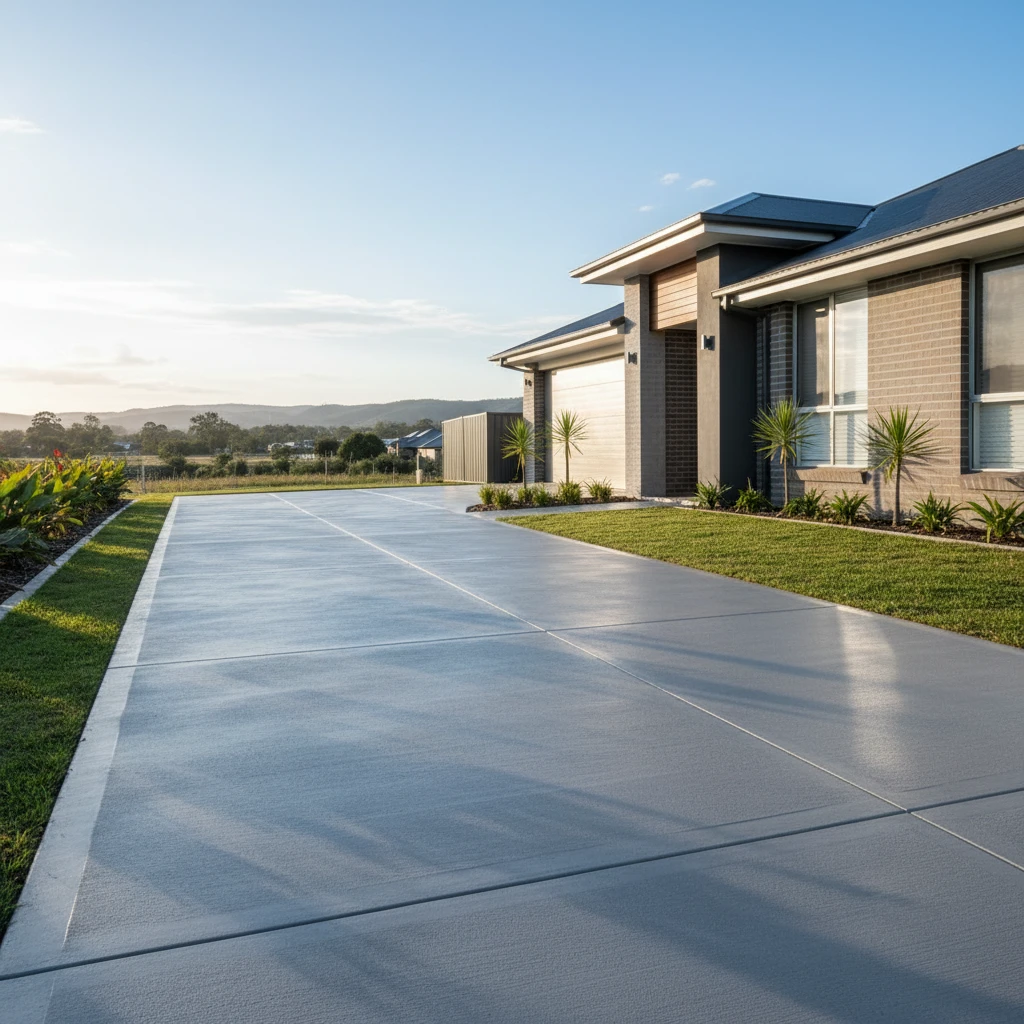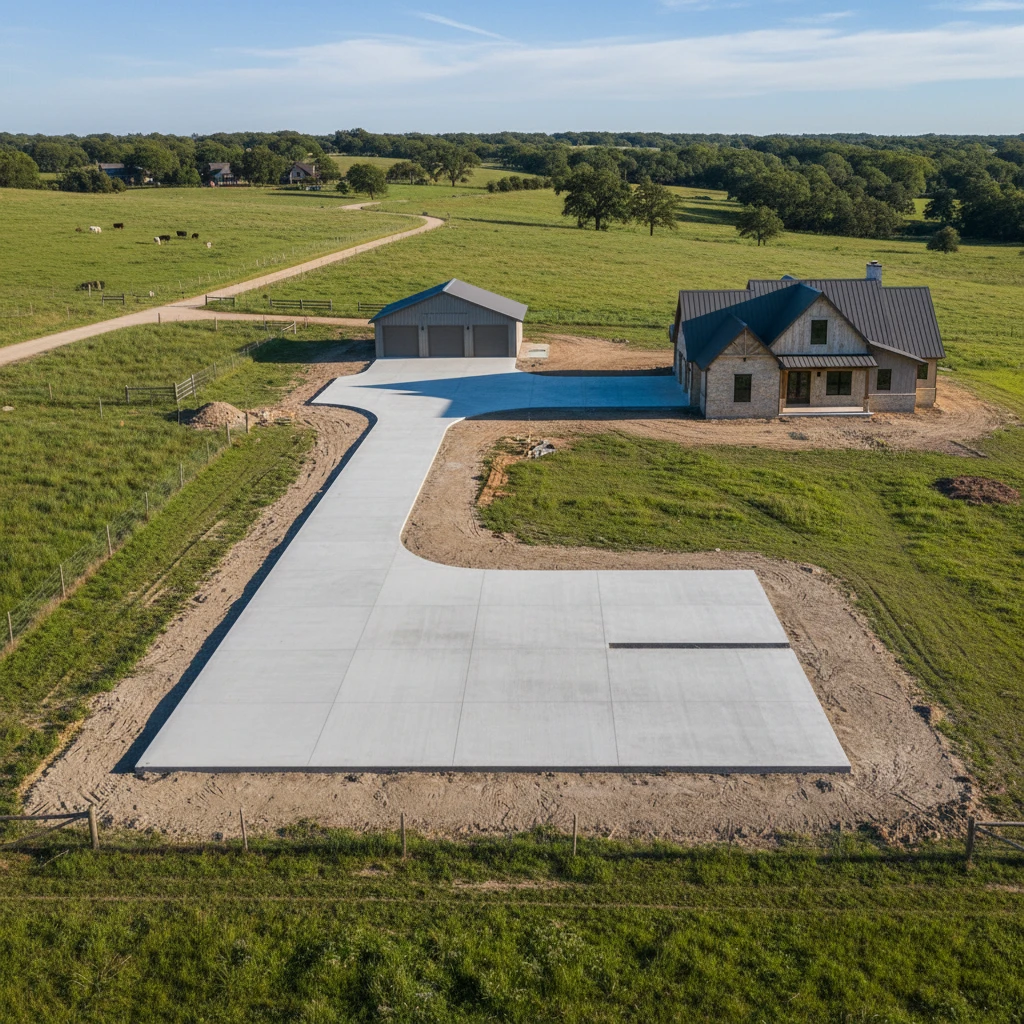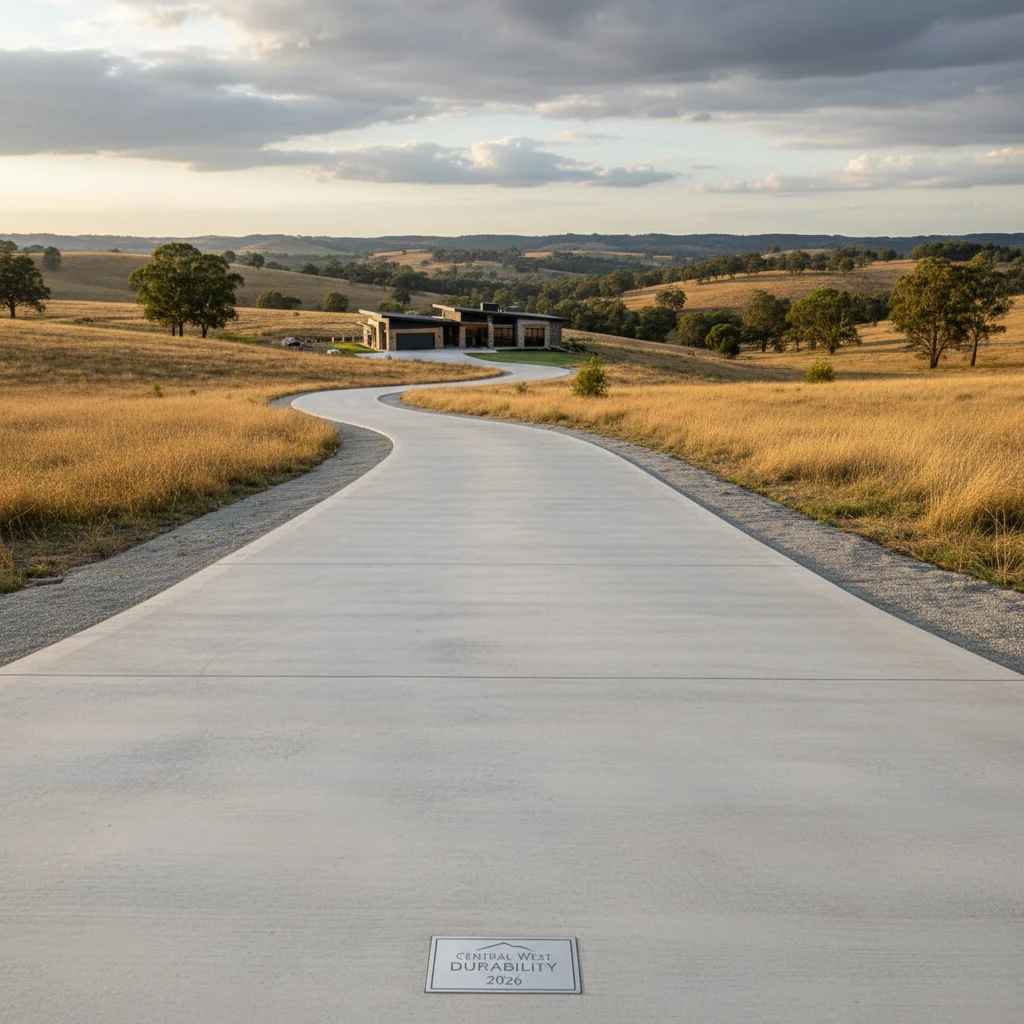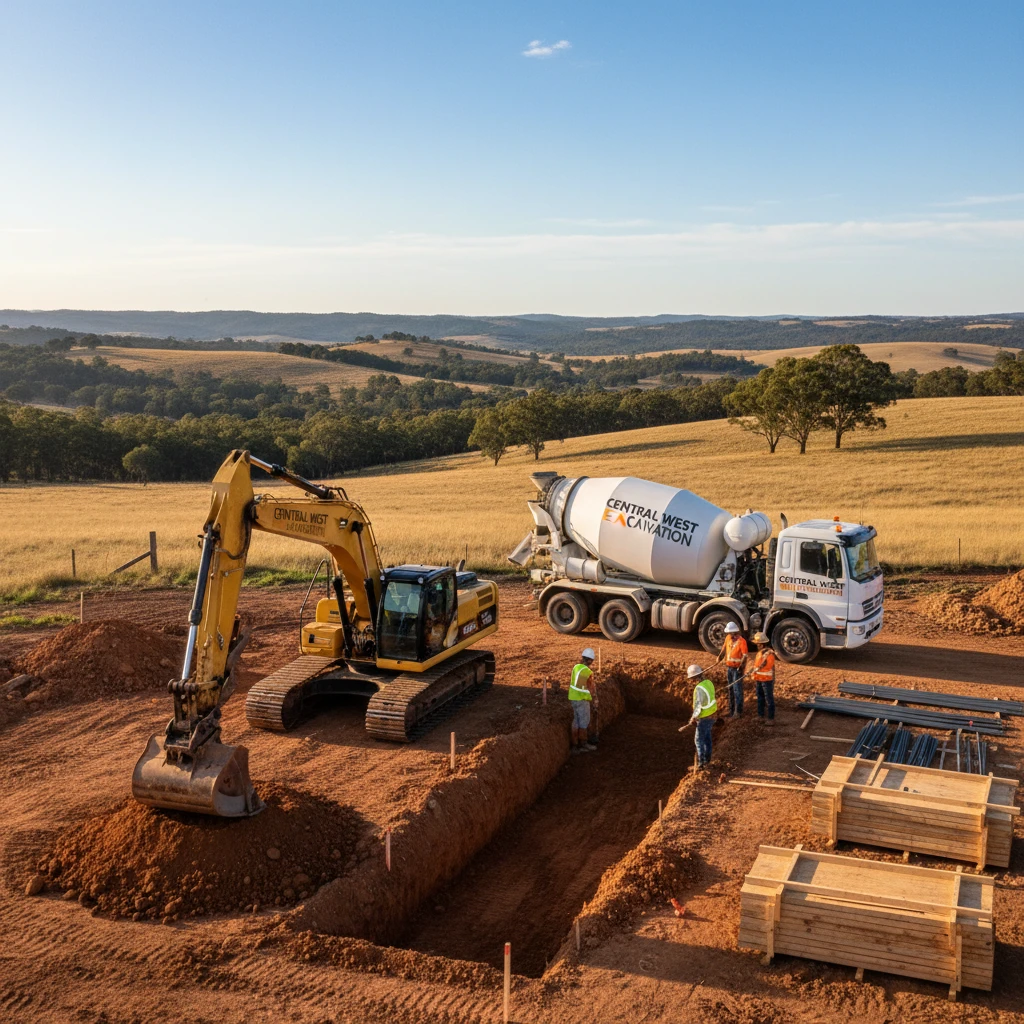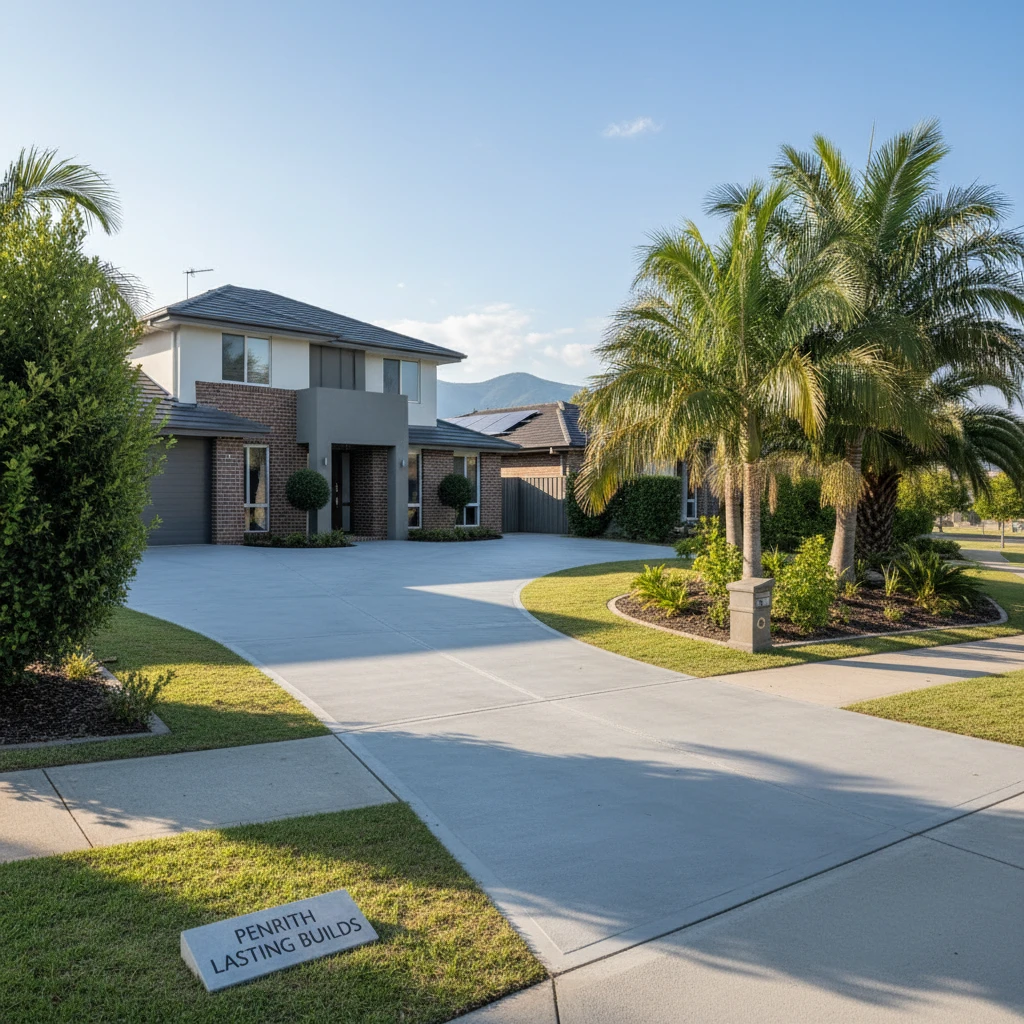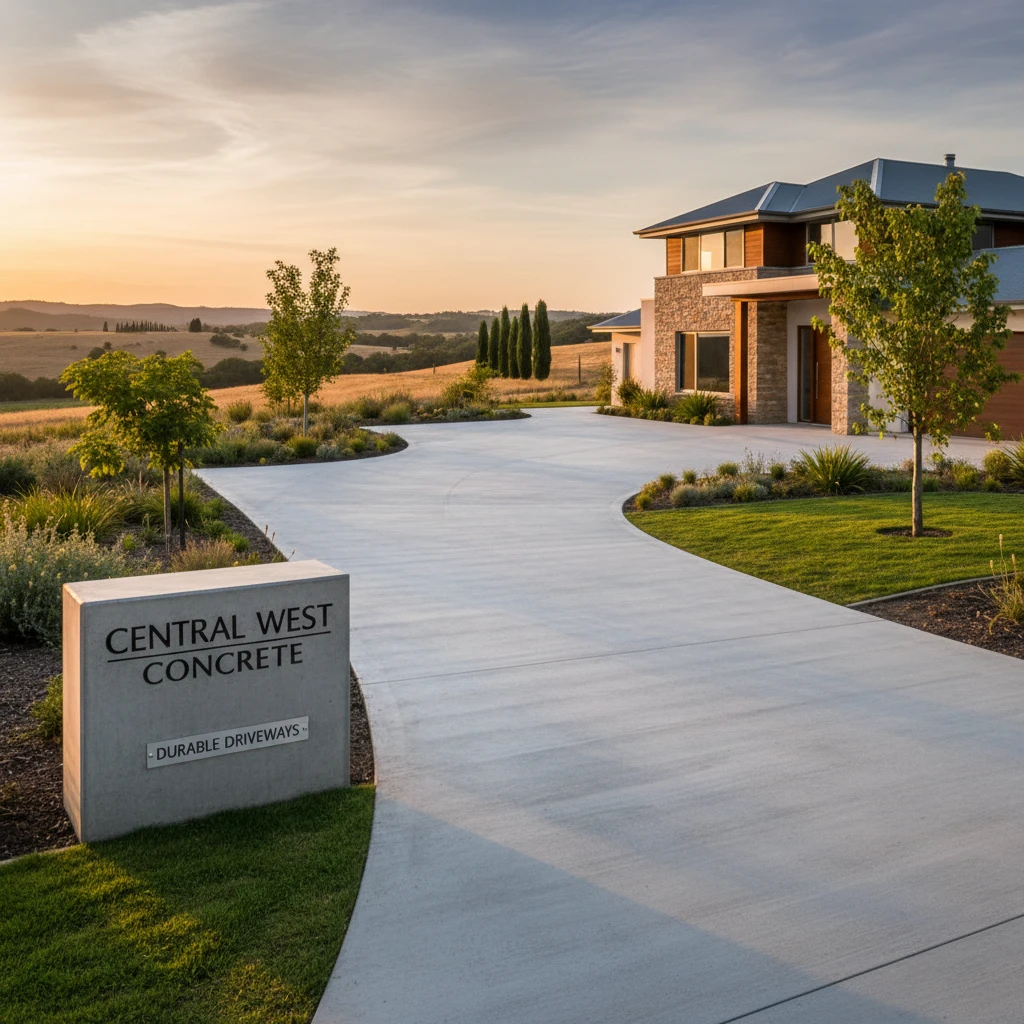
Our approach centres on understanding the intricate details of your specific site. We go beyond basic earthmoving, employing a comprehensive assessment process to identify potential issues before they impact your build. This diligence ensures that we address every variable, from subtle ground contours to hidden underground utilities, setting the stage for a flawless concrete finish and a result that stands the test of time.
Laying the Groundwork: Why Expert Excavation is Key for Central West Projects
Effective excavation is the critical first step in any concreting project, profoundly influencing the final outcome’s structural integrity and aesthetic quality. In the diverse landscape of the Central West, where sites can range from flat rural blocks to steep, undulating terrain, the expertise of an excavation team is paramount. Poor excavation can lead to uneven surfaces, inadequate support for concrete slabs, and ultimately, premature cracking or settling. Our commitment at Laser Concrete is to establish a perfectly prepared foundation that ensures your concrete work is not only visually appealing but also structurally sound for decades. This meticulous preparation minimises future issues and avoids costly remedial work down the line.
Choosing a professional excavation service means you are entrusting your project to individuals who understand the nuances of earthmoving and site preparation specific to the Central West’s environment. This includes understanding local soil types, typical weather patterns, and the specific demands these place on construction materials. We leverage specialised equipment and deep industry knowledge to ensure the ground is ready to receive concrete, preventing problems such as water pooling, soil erosion, or structural compromise. By focusing on these foundational elements, we lay the groundwork for a durable and high-quality concrete result that enhances your property’s value and functionality.
Understanding Your Site: The First Step to a Flawless Concrete Finish
Before any digging commences, a thorough understanding of your specific site is indispensable for achieving a superior concrete finish. This involves a detailed analysis of the land’s characteristics, anticipating challenges, and planning accordingly. Ignoring site-specific factors is a common pitfall that can lead to significant complications, including structural weaknesses, drainage issues, and aesthetic imperfections. At Laser Concrete, we initiate every project with a comprehensive site assessment, allowing us to tailor our excavation and preparation strategies to your unique environment. This proactive approach ensures we address potential problems before they arise, safeguarding the longevity and quality of your concrete installation.
Our detailed site analysis covers several key areas, each crucial for a successful outcome. We look at the existing terrain, the composition of the soil, and the presence of any underground infrastructure. This holistic view allows us to develop a precise plan that accounts for everything from the simplest garden path to more complex installations like driveways or shed slabs. By investing time in understanding your site, we eliminate guesswork and ensure that the subsequent concreting work is built upon a solid, well-prepared base, guaranteeing a superior, long-lasting result. This detailed groundwork is what distinguishes quality concrete work from the rest.
Assessing Terrain: Slopes, Rocks, and Tight Access in the Central West
The Central West’s diverse geography often presents significant topographical challenges. Sloping blocks, areas with significant rock outcroppings, and confined access points are common scenarios we encounter. Each of these presents unique demands on excavation processes. For instance, working with steep slopes requires specialised techniques to prevent erosion and ensure stability, often involving terracing or retaining walls integrated into the excavation plan. Rocky terrain necessitates careful assessment of equipment needs, potentially requiring rock breakers or specialised drilling equipment to clear the area efficiently without damaging the surrounding landscape. Furthermore, sites with limited access, such as narrow driveways or dense vegetation, demand precise manoeuvring and often require smaller, more agile machinery to minimise disruption and avoid damage to existing property features.
Understanding these terrain-specific challenges is vital for accurate project planning and cost estimation. A seemingly straightforward excavation can become significantly more complex and time-consuming if these factors are not properly assessed upfront. For example, a homeowner with a steep driveway might not realise the extensive earthworks and retaining solutions required to create a stable base for a new concrete driveway. Similarly, a seemingly small rock might conceal a larger, more stubborn formation that could impact excavation timelines. At Laser Concrete, we pride ourselves on our ability to navigate these complexities, offering expert solutions for challenging sites. Our experience with sloped blocks and rocky ground, particularly in areas like the Blue Mountains, allows us to anticipate these issues and implement the most effective strategies. We can provide tailored solutions for sloped site excavation in Penrith, ensuring your project proceeds smoothly despite difficult terrain.
Soil Stability and Drainage: Crucial Factors for Long-Term Durability
The underlying soil is the ultimate support system for any concrete structure. Its stability and ability to manage water are paramount for ensuring the longevity and integrity of your project. In the Central West, understanding soil composition – whether it’s clay-heavy, sandy, or silty – is critical, as different soils behave differently under load and in varying moisture conditions. Clay soils, for instance, can expand and contract significantly with moisture changes, potentially exerting pressure on concrete foundations. Conversely, sandy soils may not offer sufficient bearing capacity without proper compaction. Addressing drainage is equally important; inadequate drainage can lead to water saturation, which weakens the soil and can cause issues like hydrostatic pressure against retaining walls or sub-base erosion, leading to cracking and settlement.
A thorough site analysis includes testing soil bearing capacity and evaluating existing or potential drainage pathways. This allows us to implement necessary remedial measures. For areas prone to waterlogging, we might recommend installing drainage systems, such as agricultural drains or French drains, to channel water away from the foundation. For unstable soils, techniques like soil stabilisation or the use of specific sub-base materials may be employed to create a robust and dependable foundation. Failing to address these elements can result in costly repairs and structural failures over time. For example, a shed slab built on poorly compacted or unstable soil that experiences water pooling around its edges is highly susceptible to cracking and uneven settling within a few years. Ensuring proper soil stability and effective drainage is an investment in the enduring performance of your concrete work.
Identifying Underground Services: Preventing Costly Surprises
A critical yet often overlooked aspect of site preparation is the identification and mapping of all underground services. These can include water mains, sewer lines, gas pipes, electrical conduits, and telecommunications cables. The presence of these utilities beneath your proposed construction area poses significant risks if not accurately located before excavation begins. Accidental damage to these services can lead to dangerous situations, costly repairs, service interruptions for your property and neighbours, and significant project delays. The potential for gas leaks, electrical shocks, or water main breaks makes this a non-negotiable step in responsible excavation.
Before commencing any work, we conduct thorough inquiries with relevant authorities, such as Dial Before You Dig, to obtain plans of existing underground infrastructure. However, these plans are not always perfectly accurate or up-to-date, and older services may not be documented. Therefore, our team also employs visual site inspections and, where necessary, non-destructive methods to precisely locate these services. The goal is to safely navigate around or safely expose these vital lines. For instance, discovering a main water line directly under a proposed driveway location requires careful planning to either reroute the service, protect it with reinforced concrete encasement, or adjust the driveway’s alignment entirely. This diligent approach ensures that your project proceeds without unforeseen and potentially hazardous encounters with underground utilities.
Site Preparation Essentials for Residential and Light Commercial Builds
For residential and light commercial projects across the Central West, thorough site preparation is the bedrock of quality construction. It encompasses a series of critical steps designed to transform a raw site into a perfectly prepared canvas for concreting. This process begins with removing all unwanted obstructions and progresses through grading and levelling to ensure the ground is stable and correctly angled. Neglecting these stages is a common mistake that can compromise the structural integrity and appearance of the final concrete work, leading to premature wear, cracking, and uneven surfaces. Our focus at Laser Concrete is to meticulously execute each of these essential preparation steps, ensuring your project has the strongest possible foundation for enduring performance.
Understanding the specific needs of residential and light commercial builds is key. Whether it’s preparing a site for a new driveway, a patio, a shed slab, or footpaths, the fundamental principles of preparation remain the same: clear, level, and stable. We tailor our methods to suit the scale and requirements of each project, utilising appropriate equipment and techniques to achieve optimal results. For example, preparing a site for a Penrith concrete driveway involves not just removing topsoil but also ensuring the sub-base is adequately prepared to handle vehicle loads. Similarly, setting out for your property’s concrete stairs requires precise measurements and excavation to accommodate landings and foundation supports. By adhering to these essential preparation steps, we guarantee that your concrete installation will be built on a secure and properly prepared base, ensuring lasting durability and aesthetic appeal.
Clearing and Grubbing: Removing Obstacles for a Clean Slate
The initial phase of site preparation involves clearing and grubbing, which means removing all surface and subsurface obstructions that would interfere with the subsequent excavation and concreting stages. This includes vegetation such as trees, shrubs, bushes, and grasses, as well as the removal of roots, stumps, rocks, and any existing debris. This step is crucial for several reasons: it provides an unobstructed work area, allows for accurate site surveying and grading, and prevents organic matter from decomposing beneath the concrete, which can cause settlement and instability. A clean site is fundamental for precise measurements and efficient execution of the following tasks.
The process typically starts with felling trees and removing larger vegetation, followed by the extraction of root systems and stumps. Depending on the scale of the project and the density of vegetation, this may require heavy machinery like excavators with specialised attachments, or it might be achievable with smaller equipment for more confined areas. It’s important to ensure that all subsurface roots are removed, as these can continue to decay and cause ground movement. For example, a property with a large established tree near the proposed site for a new shed slab would require thorough grubbing to prevent future issues caused by decomposing roots. Properly executed clearing and grubbing not only prepares the ground but also contributes to the overall aesthetic of the finished project by removing unsightly remnants and preparing for a smooth, clean finish. This foundational step is critical for projects like new driveways in Penrith or extensions requiring a clear building envelope.
Rough Grading and Levelling: Establishing the Correct Foundation Angles
Once the site is cleared, the next vital step is rough grading and levelling. This process involves shaping the land to establish the general contours and slopes required for the finished project, ensuring proper water runoff and a stable base for the concrete. Rough grading is about creating the overall shape and elevation of the area, while levelling focuses on achieving a consistent, flat surface where required, or creating specific, precise gradients for drainage. Incorrect grading is a primary cause of drainage problems, leading to water pooling, erosion, and potential damage to foundations. For instance, a driveway that doesn’t slope away from the garage entrance will inevitably have water ingress issues.
This stage often involves moving significant amounts of soil to achieve the desired elevations and slopes. Using machinery such as bulldozers, graders, or excavators equipped with grading buckets, our team carefully sculpts the land. For residential builds, particular attention is paid to creating appropriate fall for driveways and patios to direct water away from structures. For light commercial projects, the grading must meet specific engineering requirements. Establishing the correct foundation angles is paramount, especially when building on sloping terrain, where terracing or retaining might be part of the grading plan. This meticulous shaping ensures that the subsequent concrete pour will sit on a perfectly prepared, appropriately angled surface, ready to provide years of service without issues related to water management or structural unevenness.
Soil Compaction: Ensuring a Solid Base to Prevent Future Settling
After rough grading, the exposed soil needs to be compacted to create a solid, stable base that will resist settlement and support the weight of the concrete slab. Soil compaction involves increasing its density by removing air pockets, which enhances its load-bearing capacity and reduces its susceptibility to water infiltration. This process is crucial because untreated, loose soil can settle unevenly over time, leading to cracks and structural damage in the overlying concrete. Proper compaction is non-negotiable for any concrete project, from small patios to larger slabs for sheds or garages.
The compaction process typically involves using specialised equipment like plate compactors or vibrating rollers, depending on the area’s size and the soil type. The soil is usually compacted in layers, with each layer being brought to an optimal moisture content for maximum density. For example, before pouring a concrete slab for a new home extension, the sub-base material (often gravel or crushed rock) and the underlying soil are systematically compacted. This ensures that the slab has a uniform and robust foundation, preventing it from sinking or cracking due to ground movement. A well-compacted base is the silent guardian of your concrete’s longevity, minimising the risk of costly future repairs and ensuring the surface remains level and stable for its intended lifespan.
Precision Excavation for Diverse Central West Landscapes
The Central West region presents a unique tapestry of challenging landscapes, from steep escarpments to rocky outcrops and confined urban blocks. Precision excavation is not just about digging; it’s about understanding and expertly navigating these diverse conditions to create the perfect foundation for high-quality concrete work. Our team at Laser Concrete employs specialised techniques and equipment to tackle these varied environments, ensuring that whether your site is sloped, rocky, or constrained, the preparation is thorough and accurate. This focus on precision minimises disruption, enhances safety, and guarantees that the groundwork is laid correctly for a durable and aesthetically pleasing concrete result.
We recognise that each site in the Central West comes with its own set of challenges and opportunities. Our commitment to precision excavation means we approach every project with a tailored strategy, adapting our methods to suit the specific terrain. This might involve advanced earthmoving techniques for steep slopes, specialised rock removal strategies, or innovative approaches for tight-access sites. By focusing on accuracy and expertise, we aim to overcome any topographical hurdles, ensuring that the preparation for your concrete installation is executed to the highest standards. This meticulous approach is particularly important for projects in areas like the Blue Mountains, known for its complex terrain, where difficult access excavation is often required.
Tackling Steep Slopes: Techniques for Safe and Effective Earthmoving
Steep slopes are a common feature in many Central West properties, posing significant challenges for excavation and subsequent concreting. Effectively managing these gradients requires specialised techniques to ensure safety, prevent erosion, and create stable building platforms. Simply trying to level a steep slope can be impractical and environmentally damaging. Instead, precision excavation techniques often involve terracing, which creates level platforms at different elevations, or the strategic use of retaining walls to stabilise excavated areas. Our approach focuses on understanding the specific slope, soil type, and intended use of the area to design the most effective and sustainable solution.
Safe earthmoving on steep terrain demands careful planning and execution. This includes stabilising the working area, managing water runoff during and after excavation, and ensuring all machinery operates within safe parameters. For instance, when preparing a site for a concrete driveway on a steep incline, we might need to cut into the hillside to create a stable, level path, incorporating drainage channels and potentially reinforced structures to prevent landslides. This ensures that the final concrete surface is not only functional but also resilient against the forces of gravity and water. For clients facing such challenges, our expertise in excavation and concrete solutions for sloped blocks provides the confidence that their project will be handled with the utmost care and professionalism, delivering a safe and durable outcome.
Working with Rocky Terrain: Strategies for Efficient Digging and Removal
The Central West’s geology often includes substantial rock formations that can complicate excavation. Dealing with rocky terrain requires a strategic approach that balances efficiency with the need to avoid damage to the surrounding environment and infrastructure. The presence of large boulders or bedrock can significantly increase excavation time and costs if not anticipated. Our strategies involve a thorough site assessment to identify the extent and type of rock present. Depending on the situation, this may involve using specialised rock-breaking equipment, such as hydraulic hammers attached to excavators, or employing techniques like line drilling to break up larger rock masses into manageable pieces for removal.
Efficiently removing rock is crucial for maintaining project timelines and budgets. In some instances, we might need to re-align the proposed construction area to avoid particularly difficult rock formations. Alternatively, if the rock needs to be removed, we ensure it is done in a controlled manner to prevent damage to adjacent areas. For example, excavating for a concrete slab in a rocky area might require careful chipping away at bedrock to achieve the required depth and level surface. This meticulous work ensures that the foundation is solid and ready for concrete, without the risk of future issues caused by embedded rock fragments. Our experience in areas like the Blue Mountains, with its challenging geology, allows us to offer effective excavation and concrete solutions for rocky sites, ensuring your project proceeds smoothly.
Navigating Tight Access Sites: Minimising Disruption in Constrained Areas
Many properties in the Central West, particularly in established residential areas or semi-rural settings, present challenges due to limited access. Tight driveways, narrow side yards, or proximity to existing structures can make traditional excavation methods impractical. Successfully working in these constrained areas requires specialised equipment and precise operational techniques to minimise disruption to the property and surrounding environment. Our team utilises compact, versatile machinery, such as mini-excavators and skid steer loaders, which are designed to operate in confined spaces without compromising the quality of the work.
The key to tight-access excavation is meticulous planning and execution. Before commencing work, we conduct a thorough site assessment to map out access routes, identify potential obstacles, and determine the most efficient workflow. This includes carefully considering how materials will be brought in and spoil removed. For example, excavating for a new concrete pathway in a narrow backyard might involve using a mini-excavator to dig and load spoil into smaller bins that can be manually removed or transported via a smaller vehicle. This careful approach not only protects existing landscaping and structures but also ensures that the project is completed efficiently and with minimal inconvenience to the property owner. Our expertise in tight access excavation in Penrith and similar areas means we can handle these challenges effectively.
Beyond the Dig: Essential Site Prep for Concrete Driveways and Slabs
Effective site preparation is the bedrock of any successful concrete project. It’s not merely about clearing the land; it involves a detailed understanding of the site’s conditions and meticulous planning to ensure the final concrete structure is durable, level, and free from future issues. For driveways and slabs, the preparation phase dictates everything from the concrete’s load-bearing capacity to its aesthetic finish. Neglecting these foundational steps can lead to premature cracking, uneven surfaces, and costly repairs down the line. This comprehensive approach ensures that your concrete investment withstands the demands of daily use and the elements for years to come. We focus on creating a stable, well-prepared base that guarantees longevity and performance, making the initial investment in proper site prep a wise decision.
Formwork Placement: Ensuring Accurate Dimensions and Clean Edges
Formwork serves as the mould for your concrete, defining its final shape, size, and dimensions. Proper formwork placement is crucial for achieving precise edges and a level finish, especially for projects like driveways and slabs. The materials used, typically timber or steel, must be strong enough to withstand the immense pressure exerted by wet concrete without bowing or shifting. Accurate levelling and alignment of formwork are paramount; even slight deviations can result in an uneven slab surface, impacting both functionality and appearance. For driveways, this means ensuring proper fall for water runoff. For slabs, it means a perfectly flat and dimensionally accurate base. Precision in formwork installation prevents costly adjustments later and ensures the concrete cures to the exact specifications required for its intended use, such as supporting heavy vehicles or providing a stable foundation for a shed. Our team prioritises robust formwork construction to guarantee the integrity and final look of your concrete pour.
Reinforcement Installation: The Backbone of Strong Concrete Structures
Concrete is strong in compression but weak in tension. Reinforcement, typically steel mesh or bars, is embedded within the concrete to provide tensile strength, preventing cracks from forming and spreading under stress. For driveways and slabs, the type and placement of reinforcement are critical. For instance, a driveway designed for standard passenger vehicles will require a different reinforcement strategy than one intended for heavy trucks. The reinforcement must be correctly positioned within the concrete mix, usually suspended halfway up the slab’s depth, not lying directly on the sub-base. This ensures it’s fully encased and effective. Properly installed reinforcement acts as the backbone, significantly increasing the concrete’s resistance to cracking caused by load, temperature fluctuations, and ground movement. This vital step contributes directly to the long-term durability and structural integrity of your concrete slab or driveway, making it a worthwhile investment in preventing future structural issues.
Sub-base Preparation: The Critical Layer Beneath Your Concrete
The sub-base is the compacted layer of aggregate material laid directly beneath the concrete pour. Its primary function is to provide a stable, uniform foundation that distributes loads evenly and prevents water from accumulating. Inadequate sub-base preparation is a leading cause of concrete failure. This layer must be properly graded to ensure drainage and then meticulously compacted to eliminate voids and prevent settlement. A common mistake is insufficient compaction, which allows the ground to shift or settle over time, inevitably leading to cracks in the concrete above. The type of aggregate used and its thickness are also important considerations, depending on the soil conditions and the intended load of the concrete structure. A well-prepared and compacted sub-base is essential for the longevity and performance of any concrete driveway or slab, safeguarding against issues like subsidence and cracking. For challenging sites, proper sub-base preparation is even more critical to compensate for less stable underlying soils.
Drainage Solutions: Protecting Your Investment from Water Damage
Water is a concrete’s most persistent enemy. Improper drainage around concrete driveways, slabs, and foundations can lead to a cascade of problems, including erosion, frost heave, and structural weakening. Effective drainage design and implementation are not an afterthought but a fundamental component of quality site preparation. This involves understanding how water flows across your property and directing it away from vulnerable areas. Addressing water management proactively prevents the subsurface saturation that can undermine the integrity of even the most robust concrete structures. By incorporating appropriate drainage strategies, you not only protect your concrete investment from immediate damage but also ensure its long-term stability and appearance. This focus on water management is especially vital in regions prone to heavy rainfall, ensuring your concrete remains sound and functional.
Surface Water Management: Preventing Erosion and Pooling
Surface water management focuses on controlling how rain and runoff behave on the ground’s surface. For concrete driveways and slabs, this means ensuring a proper gradient or slope is established during site preparation so that water naturally flows away from the concrete and any adjacent structures, rather than pooling on or around it. Pooling water can seep into small cracks, causing expansion and contraction damage, particularly in colder climates, and can also contribute to erosion around the edges of the concrete. Implementing solutions like French drains, kerbing, or strategically placed drainage channels helps to efficiently channel surface water away to approved discharge points. Effective surface water control prevents erosion and aesthetic damage, maintaining the clean lines and structural integrity of your concrete work. This attention to detail ensures that your driveway or slab remains free from standing water and the detrimental effects it can cause over time.
Subsurface Drainage Systems: Keeping Foundations Dry and Stable
While surface drainage manages water on top, subsurface drainage systems address water that infiltrates the ground. These systems, often including perforated pipes laid in gravel-filled trenches (such as French drains), are crucial for preventing hydrostatic pressure build-up around foundations and beneath concrete slabs. When the soil around a foundation becomes saturated, it can exert significant outward pressure, leading to cracking or shifting. For slabs, prolonged moisture beneath can weaken the sub-base, leading to settlement and cracks. Subsurface drainage collects this excess groundwater and directs it away from the structure. Installing subsurface drainage is vital for maintaining a dry foundation and ensuring the stability of the ground supporting your concrete structures. This preventative measure is particularly important on sites with clay soils, which retain moisture for extended periods.
Designing for Local Rainfall Patterns: A Central West Consideration
The Central West region of New South Wales experiences distinct rainfall patterns, including periods of intense storms and extended dry spells. Effective site preparation must account for these local climatic conditions. Understanding average rainfall volumes and the intensity of storms is crucial for designing drainage systems that can adequately cope with peak water flow. A system designed for a dry climate might be overwhelmed by a severe thunderstorm, leading to flooding and erosion. Conversely, overly complex drainage might be unnecessary in areas with very low rainfall. Designing drainage based on local rainfall patterns ensures efficiency and prevents costly oversizing or undersizing. This localised knowledge allows for tailored solutions that effectively manage water, protecting your concrete investment from the specific challenges posed by the Central West’s climate. It’s about creating a resilient solution that works with, not against, the regional weather.
The Role of Equipment and Machinery in Quality Excavation
The tools and machinery employed during the excavation and site preparation phase directly influence the quality and precision of the final concrete work. High-quality excavation demands more than just brute force; it requires the right equipment operated with skill and expertise. From initial site clearing to final grading and compaction, each step benefits from specialised machinery that can perform tasks efficiently and accurately. The choice of equipment is often dictated by site accessibility, soil conditions, and the scope of the project. Without appropriate machinery, tasks can become labour-intensive, time-consuming, and prone to error, compromising the integrity of the entire concrete structure. Investing in and utilising the correct equipment is a hallmark of professional excavation services.
Choosing the Right Tools for the Job: From Mini Excavators to Bobcats
Selecting the appropriate machinery is critical for efficient and precise site preparation. For larger areas or significant earthmoving, larger excavators might be necessary. However, for many residential projects, particularly those with limited access or delicate landscapes, smaller, more versatile machines are essential. Mini excavators and Bobcats (skid-steer loaders) are invaluable for tasks such as digging trenches, backfilling, levelling ground, and moving materials. Their compact size allows them to navigate tight spaces and work in areas inaccessible to larger equipment, minimising site disruption. For instance, a mini excavator can precisely remove soil for a shed slab without damaging surrounding garden beds, while a Bobcat can efficiently spread and compact aggregate for a driveway base. Using the right tool ensures the job is done efficiently and with minimal collateral impact.
Operator Skill: The Difference Precision Equipment Makes
Even the most advanced machinery is only as effective as the operator controlling it. Skilled operators possess the finesse and knowledge to utilise equipment to its full potential, ensuring precision and efficiency. This is particularly true in excavation, where minor errors in grading, levelling, or compaction can have significant consequences for the subsequent concrete pour. An experienced operator understands how to manoeuvre machines in confined spaces, manage different soil types, and achieve exact depths and levels. Operator skill transforms machinery from a powerful tool into a precision instrument, ensuring that the site is prepared to the exact specifications required for a flawless concrete finish. This expertise is crucial for complex tasks like setting out precise falls for drainage or ensuring the sub-base is perfectly compacted across the entire area, directly contributing to the longevity and quality of the final concrete structure.
Minimising Site Impact with Appropriate Machinery
The type of machinery used has a direct bearing on the impact it has on your property. Larger, heavier equipment can cause significant compaction of the soil, damage existing landscaping, and leave deep ruts that require extensive repair. Conversely, selecting smaller, lighter, or specialised machinery can drastically reduce site disruption. For example, using a tracked mini excavator can distribute weight more evenly, minimising ground pressure compared to a wheeled loader. Similarly, machines designed for tight access excavation, such as walk-behind trenchers or narrow-frame skid-steers, allow work to be completed in confined areas without the need to clear large sections of yard or access. Choosing machinery appropriate for the site’s constraints not only protects your property but also reduces the time and cost associated with post-excavation site restoration, ensuring a cleaner and more efficient preparation process.
Common Site Prep Pitfalls to Avoid in the Central West
Achieving a high-quality, long-lasting concrete driveway or slab hinges on meticulous site preparation. Unfortunately, several common pitfalls can undermine even the most well-intentioned projects, particularly in diverse regions like the Central West. These errors often stem from a lack of understanding of soil mechanics, drainage principles, or the specific demands placed on concrete structures. Addressing these potential issues proactively during the planning and preparation phases is significantly more cost-effective than rectifying them after the concrete has been poured and cured. Familiarising yourself with these frequent mistakes can help ensure your excavation and concrete project proceeds smoothly and results in a superior outcome. Avoiding these common issues is a hallmark of professional, quality-focused workmanship.
Inadequate Soil Testing: The Foundation of Miscalculation
Soil conditions are the fundamental variable dictating the required depth of excavation, the type of sub-base needed, and the necessary compaction levels. Skipping or performing inadequate soil testing is a critical error. Different soil types—such as expansive clays, sandy loams, or rocky substrates common in the Central West—behave differently under load and when exposed to moisture. For instance, expansive clays can swell significantly when wet and shrink when dry, causing substantial movement that can crack concrete. Inadequate soil testing leads to miscalculations in sub-base thickness, compaction requirements, and even the need for reinforcement, potentially resulting in premature failure. Professional assessment of soil composition and bearing capacity is essential for designing a stable foundation for your concrete work. This is particularly crucial in the Central West where soil types can vary considerably even over short distances.
Overlooking Drainage Requirements: A Recipe for Long-Term Problems
Water management is paramount for the longevity of concrete. Overlooking or inadequately addressing drainage during site preparation is a common and detrimental mistake. This includes failing to establish correct falls for surface water runoff on driveways and slabs, not providing adequate sub-base drainage to prevent waterlogging, or allowing water to pool against foundations. The constant presence of moisture can saturate the sub-base, reducing its load-bearing capacity, and can lead to freeze-thaw damage in cooler months. Ignoring drainage requirements is a direct path to long-term problems such as cracking, spalling, and erosion around the concrete edges. A comprehensive site assessment must include a plan to effectively manage both surface and subsurface water, directing it away from the concrete structure and its foundation.
Compromising on Compaction: Leading to Subsidence
Compaction is the process of increasing the density of the soil and sub-base material, removing air pockets and creating a firm, stable layer. Compromising on this crucial step, often to save time or money, is a significant pitfall. Insufficiently compacted soil or sub-base material is prone to settlement and subsidence over time, especially under load or after prolonged exposure to moisture. This settlement creates voids beneath the concrete slab or driveway, leading to cracking, uneven surfaces, and a reduced lifespan for the structure. Proper, thorough compaction at every stage of site preparation is non-negotiable for ensuring the structural integrity of your concrete. This involves using appropriate compaction equipment, such as plate compactors or vibratory rollers, and ensuring the correct moisture content of the material being compacted, guaranteeing a solid base that will resist future movement and maintain its strength.
Partnering with Local Experts: Your Central West Site Prep Advantage
Choosing a local excavation partner for your site preparation in the Central West region offers distinct advantages, primarily rooted in a deep understanding of the area’s unique characteristics. Local teams, like those familiar with Penrith and the Blue Mountains, are acutely aware of soil types, common geological challenges, and the specific environmental conditions that can impact excavation and subsequent concreting. This localised knowledge translates directly into more efficient planning, accurate cost estimations, and a smoother project execution. They understand, for instance, the nuances of working with the clay soils prevalent in some parts of the region or the challenges posed by rocky outcrops common in the Blue Mountains. This intimate familiarity minimises surprises and reduces the likelihood of costly delays or unforeseen complications down the line. Prioritising local expertise ensures your project benefits from informed decision-making right from the initial groundwork, setting a solid foundation for success.
Understanding Local Regulations and Environmental Considerations
Navigating the regulatory landscape is a crucial, often overlooked, aspect of site preparation. Local councils across the Central West, including Penrith and the surrounding areas, have specific by-laws and development controls that govern excavation, land clearing, and site works. Engaging a local excavation company means you gain a partner well-versed in these requirements, from understanding setback distances and site access permits to complying with environmental protection measures. This includes knowledge of native vegetation protection, stormwater management protocols, and potential heritage site considerations, which can vary significantly from one municipality to another. For example, working near a protected waterway or within a bushfire-prone area in the Blue Mountains will involve a different set of compliance steps than a standard suburban block in Penrith. A competent local operator will proactively manage these requirements, ensuring your project remains compliant and avoids potential fines or rework. Understanding these local nuances is paramount to a hassle-free development.
Leveraging Regional Experience for Challenging Sites
The Central West, particularly areas like the Blue Mountains and parts of Penrith, is renowned for its challenging terrains, including steep slopes, rocky subsoils, and restricted access points. Laser Concrete’s extensive experience in these environments is a significant asset for any project. We understand that a one-size-fits-all approach to excavation simply doesn’t work here. For instance, excavating on a sloped block requires specialised techniques and machinery to ensure stability and prevent erosion, while rocky sites demand specific equipment for effective breaking and removal. Our team has honed the skills to tackle these complexities, whether it’s navigating tight access areas with compact machinery or safely managing large-scale earthworks on uneven ground. This regional expertise allows us to identify potential issues early and implement practical, efficient solutions, turning seemingly difficult sites into buildable foundations. Our familiarity with sites that present unique obstacles ensures your project progresses smoothly, regardless of the terrain’s inherent challenges.
Seamless Integration with Your Concreting Project
Effective site preparation is not an isolated service; it’s the critical first step that directly influences the success of your subsequent concreting works. When you partner with Laser Concrete for excavation, you benefit from a tightly integrated process where the groundwork is meticulously prepared for the specific requirements of your concrete installation, whether it’s a driveway, shed slab, or footpath. This synergy ensures that the excavated areas are precisely levelled, compacted correctly, and graded appropriately to allow for optimal concrete placement and finishing. For example, a driveway requiring adequate drainage will be excavated with a specific fall, ensuring water runs away from the property. Similarly, a shed slab will be prepared to the exact depth and dimensions needed for structural integrity. This seamless handover from excavation to concreting minimises interface issues and guarantees that the entire project, from the ground up, is executed to the highest standards of quality and durability. Our understanding of concrete requirements informs every stage of the site prep process.
Invest in the Foundation: Why Quality Site Prep Pays Off Long-Term
Investing in high-quality site preparation is not merely an upfront cost; it’s a strategic decision that yields significant long-term benefits, preventing a cascade of potential issues and enhancing the overall value and longevity of your property. Neglecting proper groundworks can lead to structural problems, premature wear, and costly rectifications down the line. A well-prepared site ensures that the structures built upon it – whether it’s a new home extension, a shed, or a concrete driveway – have a stable, level, and properly compacted base. This foundation prevents issues such as cracking, sinking, or uneven settling, which can compromise the integrity and aesthetic appeal of your concrete works. For homeowners in areas like Penrith and the Blue Mountains, where diverse soil conditions can present challenges, robust site preparation is even more critical. It’s about building right the first time, ensuring that your investment is sound and protected from foundational flaws. This proactive approach to groundwork is the cornerstone of durable and resilient construction.
Reducing Future Repair Costs: The Value of Getting it Right the First Time
The adage “prevention is better than cure” holds particularly true for excavation and site preparation. Skimping on thorough groundwork inevitably leads to more significant and expensive repairs later. For instance, inadequate compaction of the sub-base for a driveway can result in surface cracking and sinking within a few years, requiring costly patching or complete replacement. Similarly, improper site grading that leads to water pooling against a building’s foundation can cause structural damage and mould issues, far exceeding the initial cost of correct excavation. Laser Concrete prioritises precise compaction, correct grading, and appropriate excavation depths to create a stable platform that minimises these risks. By addressing potential problems during the initial site prep phase, such as identifying and managing poor soil conditions or ensuring proper drainage paths are established, we significantly reduce the likelihood of future structural issues and the associated expenses. This focus on precision upfront saves clients considerable money and stress over the lifespan of their project.
Enhancing Property Value with Durable and Well-Executed Works
High-quality site preparation directly translates into enhanced property value, as it underpins the durability, functionality, and aesthetic appeal of your concrete installations. A property featuring a perfectly level and seamlessly integrated concrete driveway, a robust shed slab, or well-constructed footpaths – all built on a meticulously prepared foundation – presents a far more attractive and valuable proposition. Prospective buyers recognise the inherent quality and longevity that comes from projects where the groundwork was executed to exacting standards. For example, a property with a well-installed concrete driveway that shows no signs of cracking or sinking, even after years of use, signals superior construction and reduces perceived future maintenance costs. Conversely, visible signs of poor site preparation, like settling or cracking, can significantly detract from a property’s market value. Investing in expert site prep is an investment in the long-term appeal and capital worth of your home or commercial space.
Peace of Mind: Knowing Your Project is Built to Last
Ultimately, the most profound benefit of investing in quality site preparation is the peace of mind it provides. Knowing that your project has been built on a solid, expertly prepared foundation alleviates concerns about future structural issues, costly repairs, and potential safety hazards. This confidence is particularly valuable for property owners undertaking significant renovations, new builds, or installing essential infrastructure like retaining walls or extensive concrete slabs. When you engage a reputable local excavation team like Laser Concrete, you are assured that every aspect of the ground preparation has been considered and executed with precision, adhering to all relevant regulations and best practices. For challenging sites in the Central West, where terrain can be unpredictable, this assurance is invaluable. It means you can focus on the aesthetic and functional aspects of your project, secure in the knowledge that its structural integrity is sound, and that your investment is protected for years to come, from the initial excavation through to the finished concrete.