Our commitment is to build a solid foundation, both literally and figuratively, for your concrete needs. This involves a deep understanding of how the earth beneath your project will interact with the poured concrete, ensuring a durable and aesthetically pleasing result that stands the test of time. Proper excavation isn’t just about digging a hole; it’s a critical step in ensuring your investment in quality concrete is well-founded.
Laying the Foundation for Lasting Concrete: Why Excavation Matters in the Central West
The success of any concrete project hinges significantly on the initial excavation phase. In the Central West, where soil conditions can vary from firm clay to sandy loam, and where undulating terrain is common, a thorough excavation plan is not merely a suggestion but a necessity. Improper depth, inadequate site clearance, or insufficient compaction can lead to a host of problems down the line, including cracking, uneven settling, and premature failure of the concrete structure. This is why expert excavation is the bedrock of quality concrete work. It ensures that the concrete has a stable, level, and appropriately prepared base to adhere to and bear loads, preventing costly repairs and premature replacement.
Our approach in the Central West focuses on understanding the specific geological and topographical characteristics of each site. This involves detailed site assessments to identify potential issues such as hidden rock formations, water tables, or areas prone to soil erosion. By addressing these factors during excavation, we mitigate risks associated with poor sub-base conditions. For instance, failing to excavate to the correct depth for a concrete driveway might mean it sits too high or is vulnerable to subsurface water damage. Similarly, inadequate clearing of topsoil or organic matter can compromise the bond between the concrete and the ground, leading to structural weaknesses. We aim to create a perfectly prepared surface, free from contaminants and precisely graded, setting the stage for a superior concrete finish.
The Central West region presents a unique set of challenges that demand specialised excavation techniques. Whether it’s preparing for a robust concrete driveway or a foundational slab for a shed, the excavation must account for local conditions. For example, areas with high rainfall may require specific drainage considerations incorporated during the excavation to prevent water pooling beneath the concrete. Our team possesses the local knowledge and technical expertise to navigate these environmental nuances, ensuring that the excavation phase actively contributes to the longevity and performance of your concrete. This foresight prevents future issues and establishes a foundation built for resilience against the elements.
Beyond the Dig: Understanding Site Preparation for Quality Concrete
Excavation is only the first step in the crucial process of site preparation for quality concrete. Once the earth has been moved to the desired depth and shape, a series of meticulous steps must follow to ensure the sub-base is ready to receive concrete. This includes proper compaction of the excavated soil or the addition of approved fill material. Without adequate compaction, the ground beneath the concrete can shift and settle over time, creating voids that lead to cracking and uneven surfaces. We utilise appropriate compaction equipment and techniques tailored to the soil type and project requirements, guaranteeing a dense and stable foundation.
Furthermore, site preparation involves the precise grading and levelling of the area to be concreted. Even minor deviations can impact drainage and the final aesthetic of the concrete. For projects like footpaths or patios, a perfectly level or expertly sloped surface is essential for both functionality and appearance. We employ laser levelling equipment and experienced personnel to achieve the exact gradients required, ensuring water runs off effectively and the concrete surface is smooth and uniform. This attention to detail during the grading process is vital for preventing water damage and creating a usable, attractive space.
Clearing the site of any debris, including vegetation, roots, and existing materials, is another non-negotiable aspect of preparation. Organic matter can decompose, creating voids and weakening the sub-base. Removing all such elements ensures a clean and stable interface for the concrete. We also carefully consider and implement any necessary erosion control measures, especially on sloped sites, to protect the prepared ground from weather damage before the concrete pour. This comprehensive approach to site preparation, from initial excavation to final checks, is what distinguishes quality concrete work and provides the long-term durability our clients expect.
Assessing Your Central West Site: Key Excavation Considerations
Before any digging begins, a thorough assessment of your Central West site is paramount. This initial evaluation dictates the entire excavation strategy and directly impacts the quality of the subsequent concrete work. Key considerations include understanding the soil composition and stability. Different soil types behave differently under load and with exposure to moisture. For instance, expansive clays can swell and shrink significantly, requiring deeper excavation and specialised sub-base preparation to accommodate this movement. We meticulously analyse soil samples to determine the most effective approach for your specific location.
The topographical features of your property are equally critical. Sloping sites, for example, require careful planning to manage drainage and ensure structural integrity. Excavating on a slope demands techniques that prevent soil erosion and maintain the stability of surrounding areas. We assess the degree of the slope and plan excavation depths and retaining structures accordingly. This also extends to understanding existing underground utilities. Identifying and accurately marking any pipes, cables, or services is a non-negotiable step to prevent costly damage and ensure safety during excavation. Our team conducts thorough checks to safeguard against these potential hazards.
Finally, considering the intended use of the concrete structure informs the excavation requirements. A heavy-duty shed slab will require a different excavation depth and sub-base preparation than a decorative patio. The anticipated load-bearing capacity must be factored into every decision, from the depth of the excavation to the type of fill material and compaction required. We work closely with clients to understand their specific needs, ensuring the excavation is tailored to support the planned application effectively. This holistic assessment process is fundamental to delivering robust and reliable concrete solutions in the Central West.
Navigating Difficult Terrain: Our Approach to Rocky and Sloped Sites
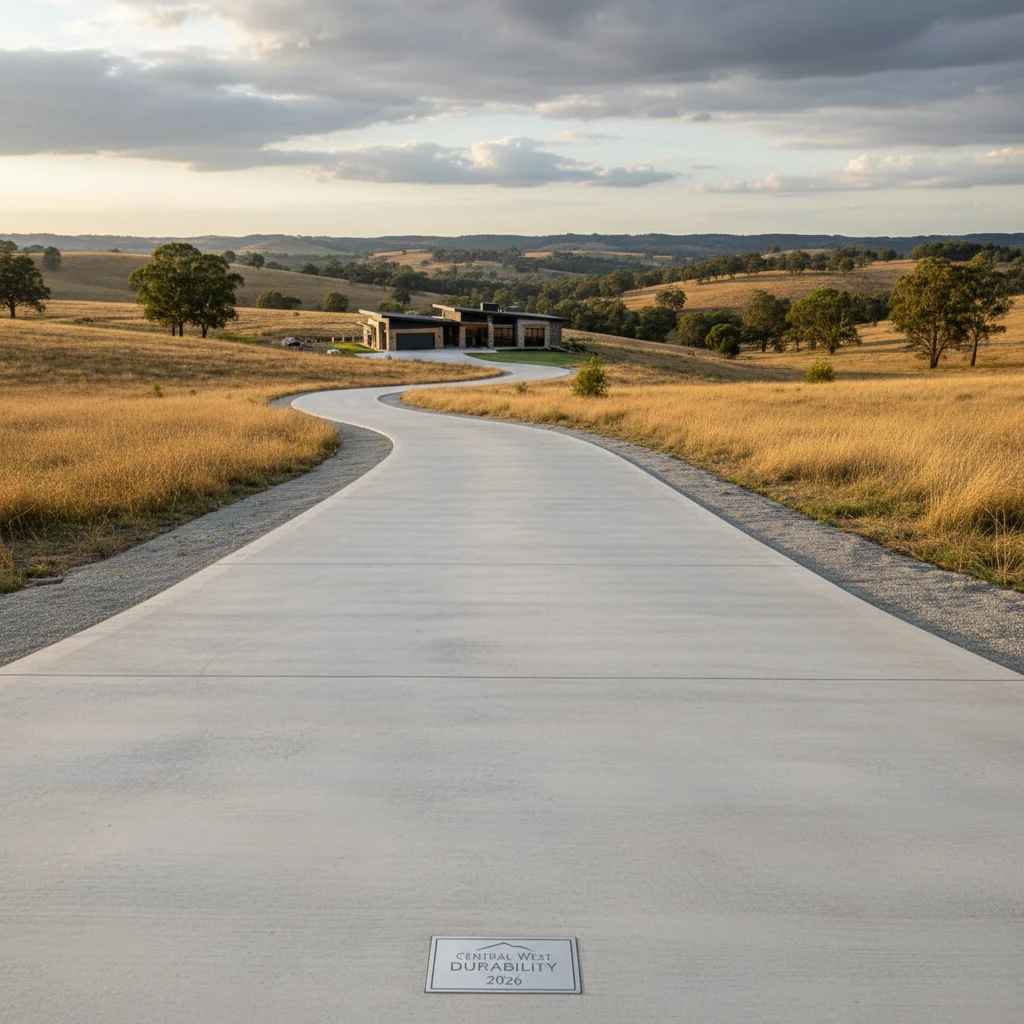
The Central West region is renowned for its beautiful but often challenging terrain, featuring rocky outcrops and significant slopes. These conditions can complicate standard excavation processes, but they also present an opportunity to showcase our specialised expertise. Laser Concrete excels in navigating these difficult sites, employing advanced techniques and equipment to ensure that even the most demanding locations can accommodate high-quality concrete work. Our approach prioritises precision and safety, ensuring that the underlying structure is perfectly prepared, regardless of the initial ground conditions.
We understand that tackling rocky terrain requires more than just brute force. It demands intelligent planning and the right tools for the job. This might involve utilising specialised rock breakers, considering different excavation depths to bypass or work around larger formations, and ensuring that any fractured rock is stabilised to prevent future movement. For sloped sites, the challenge lies in managing gravity and water flow. Our team develops detailed plans to create stable, level bases while incorporating effective drainage solutions to prevent erosion and waterlogging. This meticulous planning is what sets our work apart, ensuring that difficult terrain doesn’t compromise the integrity of your concrete project.
Whether it’s a sloped site excavation for a new patio or dealing with hard rock for a shed slab, our experienced team brings a wealth of knowledge to every project. We don’t shy away from complexity; instead, we embrace it as an opportunity to apply our expertise and deliver superior results. Our commitment is to provide a flawless foundation, no matter the obstacles, ensuring your concrete will be durable, functional, and aesthetically pleasing for years to come.
Precision Excavation for Challenging Ground Conditions
Challenging ground conditions, such as dense clay, unstable fill, or saturated soils, demand a level of precision in excavation that goes beyond basic digging. In the Central West, encountering these variations is common, and our response is always tailored and informed. We employ techniques like targeted excavation and careful layering of imported, approved fill materials where necessary. Sub-base stabilisation is a critical element; this can involve using geofabrics or specific aggregate mixes to create a uniform and load-bearing foundation that resists the inherent weaknesses of the natural soil.
For rocky terrain, our precision lies in understanding the rock strata. Instead of simply breaking up all rock, we assess whether it’s beneficial to use certain rock formations as part of the stable base or if they need to be removed entirely to achieve the required depth. This selective approach minimises unnecessary work and ensures the optimal sub-base is created. When excavating for concrete stairs or retaining walls on uneven ground, precision ensures that the formwork will sit perfectly and the final concrete pour will achieve the desired dimensions and structural integrity without compromise.
Our commitment to precision means leveraging the right tools and techniques. This could include using mini-excavators for tight spaces, employing laser guidance for accurate depth control, or meticulously profiling the excavation to match the exact contours required for the concrete structure. This detailed work prevents issues like voids beneath the concrete or over-excavation, which can lead to wasted materials and increased costs. It ensures that the foundation is precisely what the design calls for, critical for long-term performance.
Minimising Site Disruption on Uneven Properties
Working on uneven or sloped properties in the Central West presents unique challenges, not just for the excavation itself, but for the overall disruption to your property. Our strategy focuses on minimising impact by planning access routes carefully, employing machinery suited to the terrain, and staging our work efficiently. For steep sites, we often use smaller, more agile equipment that can navigate confined or challenging areas without causing extensive damage to surrounding landscaping or existing structures. The goal is to prepare the site effectively while preserving as much of your property’s existing condition as possible.
Effective drainage management is also key to minimising disruption on uneven land. During excavation, we implement temporary measures to control water runoff, preventing mud build-up and erosion that can create additional mess and delay. This might involve the strategic placement of silt fences or diversion channels. By proactively managing water, we keep the work area as clean and stable as possible, reducing the need for extensive site clean-up post-excavation. This foresight is especially important when preparing for foundations for structures like sheds or extensions where stable, dry ground is essential.
Furthermore, we communicate closely with property owners throughout the process. Understanding your concerns about site access, garden areas, or other sensitive zones allows us to tailor our operations to cause the least inconvenience. This might mean scheduling the loudest or most disruptive phases during specific times or ensuring that protective measures are in place for existing features. Our aim is to deliver the necessary excavation work for your concrete project with maximum efficiency and minimal disruption to your daily life and property.
Maintaining Structural Integrity During Earthworks
The process of excavation, particularly on challenging sites, requires a constant focus on maintaining the structural integrity of the surrounding land and any existing features. When we dig, we are altering the earth’s equilibrium, and it’s crucial that this is done in a controlled manner. This involves understanding the load-bearing capacity of the soil and ensuring that our excavation activities do not compromise the stability of nearby structures, retaining walls, or slopes. For instance, when excavating for a new concrete pad, we must be mindful of the forces acting on adjacent foundations.
Our approach involves careful slope management and, where necessary, the use of temporary shoring or retaining systems. This is particularly important on sloped sites where the risk of soil slippage is higher. By implementing appropriate earthworks practices, we prevent collapses and ensure that the area remains stable throughout the construction process. This diligence extends to avoiding over-excavation, which can weaken the sub-base and create an unstable environment for the concrete pour. Our team uses precise measurements and careful planning to achieve the exact depths and profiles required.
Protecting underground services is also a critical aspect of maintaining structural integrity. Accidental damage to water mains, sewer lines, or electrical conduits can have significant consequences, not only in terms of repair costs but also potential structural impacts on surrounding areas if ground stability is compromised. We conduct thorough site investigations and utilise safe digging practices to identify and protect all underground infrastructure. This ensures that our earthworks are conducted safely and do not inadvertently compromise the integrity of your property or its essential services, laying the groundwork for a secure and lasting concrete result.
The Importance of Proper Drainage in Excavated Areas
Effective drainage is a cornerstone of any successful excavation project, especially when preparing for concrete. Without adequate water management, excavated areas can become bogged down, leading to a host of problems that compromise the integrity of your new concrete. Waterlogged soil is unstable and can shift, causing cracks and uneven surfaces in the finished concrete. This is particularly crucial in the Central West region, where varying rainfall can quickly turn a prepared site into a muddy quagmire. Proper excavation involves not just removing soil but also planning for the natural flow of water, both during the construction phase and for the lifetime of the concrete installation. This means creating gentle slopes away from the intended concrete pour area to prevent pooling and saturation. A common pitfall is neglecting this step, assuming rain will simply evaporate. In reality, prolonged moisture weakens the sub-base, leading to premature failure of the concrete. For instance, a poorly drained driveway excavation might seem fine initially, but repeated saturation can cause the underlying ground to erode, resulting in sinkholes or dips under the concrete, requiring costly repairs later on. Therefore, incorporating drainage solutions like French drains or simply ensuring correct grading is an essential part of the excavation process, directly contributing to the longevity and performance of your concrete.
Beyond immediate stability, proper drainage protects the surrounding landscape and structures from water damage. Excavation can alter natural water runoff patterns. Failing to address this can lead to water accumulating against building foundations or creating erosive channels that undermine nearby paving. Expert excavators assess the site’s topography and soil type to design a drainage strategy that complements the overall project. This might involve incorporating gravel beds or permeable materials within the excavation to absorb and disperse water safely. For areas prone to heavy rainfall or those with clay-heavy soil, which retains moisture, a more robust drainage plan is non-negotiable. The consequences of neglecting drainage can range from minor aesthetic issues like moss growth to significant structural problems. A meticulously excavated and properly drained site ensures that your investment in quality concrete is protected from the elements, providing a stable and resilient surface for years to come. This foresight prevents the need for future concrete repairs often caused by water-related issues.
Excavation for Concrete Driveways: Setting the Stage for Durability
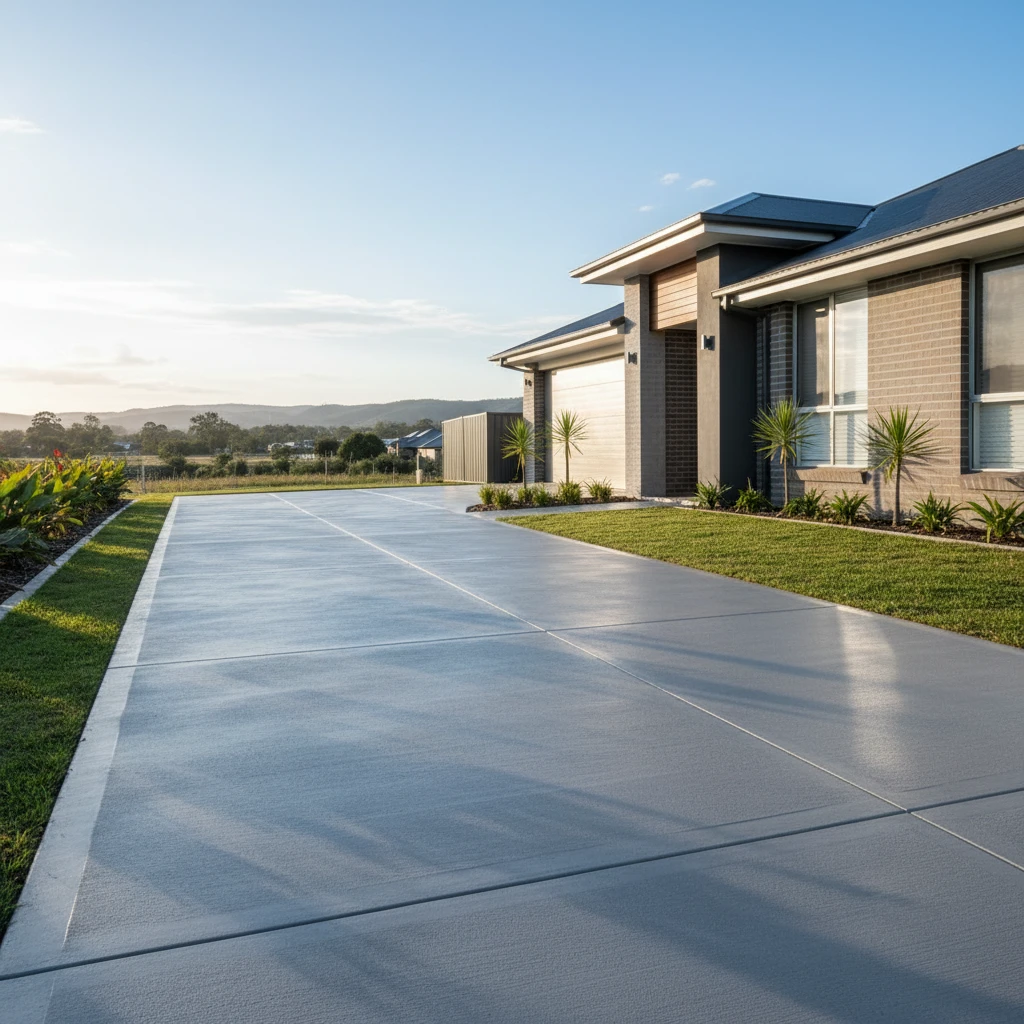
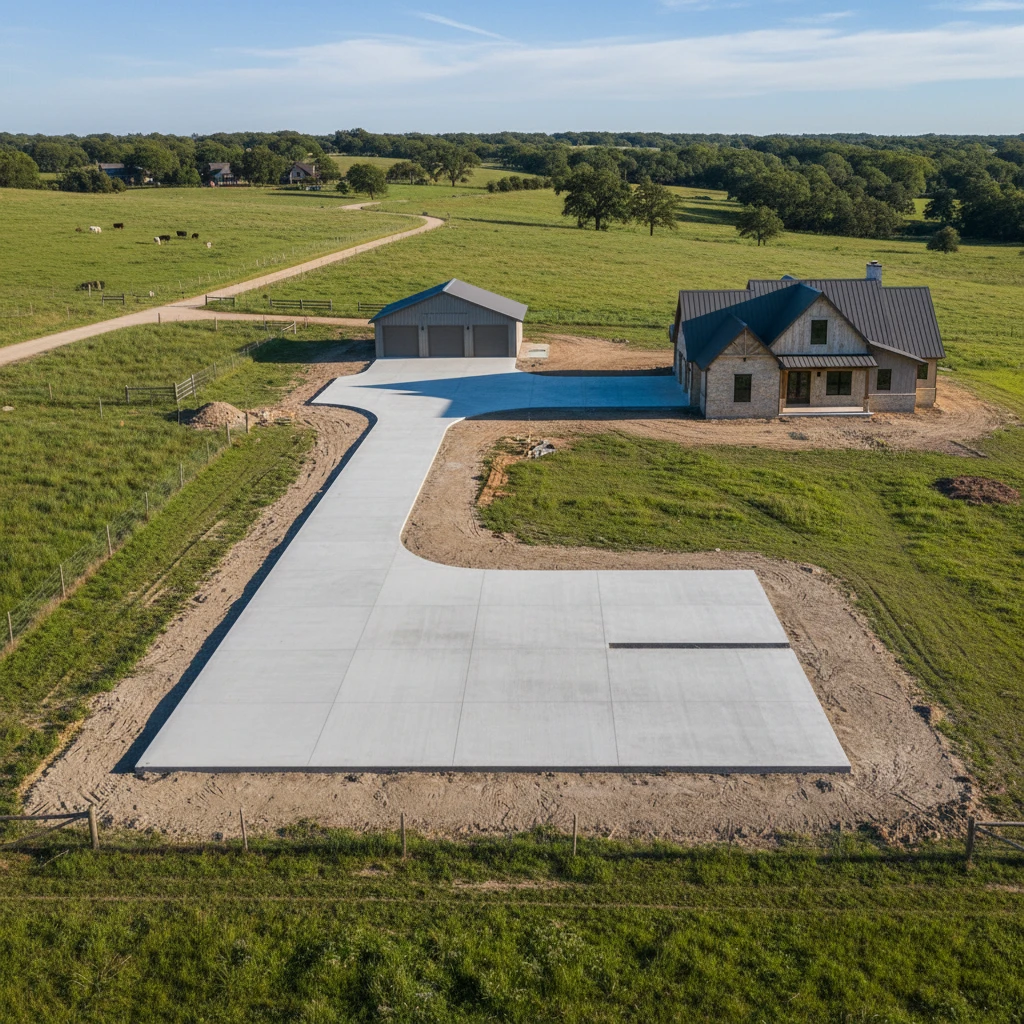
Preparing the ground for a concrete driveway is a critical phase that significantly dictates its future performance and lifespan. Proper excavation ensures a stable and well-compacted base, which is the foundation for a durable driveway. The process involves removing existing soil, vegetation, and any organic material to a specified depth, typically determined by the intended thickness of the concrete slab and the expected load it will bear. A common mistake is excavating to an insufficient depth, leading to a weak sub-base that cannot support the weight of vehicles, especially when the ground is saturated. This can result in cracking, settling, or even complete failure of the driveway over time. For example, a driveway constructed over poorly prepared ground might develop significant potholes within a few years of regular use. Excavation must also account for the driveway’s intended gradient to facilitate water runoff, preventing pooling and ice formation in colder months, a crucial consideration for any long-term build.
The quality of the excavation directly impacts the finish and structural integrity of the final driveway. It’s not simply about digging a hole; it’s about creating a precise, level, and compactable bed. This often involves using compacting equipment, such as plate compactors, to achieve maximum density in the sub-base material, usually a layer of crushed rock or gravel. This compacted base provides a uniform surface and prevents frost heave, a phenomenon where water in the soil freezes and expands, pushing the concrete upwards and causing damage. Another vital aspect is managing excavation spoil; responsible removal and disposal of this material are part of a professional excavation service. Considering the challenging terrain often found in the Central West, excavation for driveways may require specialised equipment to navigate slopes or rocky ground, ensuring the same level of precision and stability. A well-executed excavation, coupled with quality materials and workmanship, transforms a simple driveway into a long-lasting and reliable asset for any property.
Shed Slabs and Beyond: Excavation Needs for Functional Spaces
The preparation for any concrete slab, whether for a humble garden shed, a robust workshop, or an expansive patio, begins with meticulous excavation. The purpose of excavation here is twofold: to create a level and stable foundation and to ensure the finished slab is at the desired height relative to existing structures and ground levels. For shed slabs, the excavation depth is determined by factors such as the soil type, the size and weight of the shed, and the intended use. A common pitfall is excavating too shallow, which can lead to the slab settling unevenly over time, especially if the ground becomes saturated. This unevenness can compromise the structural integrity of the shed itself, leading to doors that don’t close properly or walls that warp. Proper excavation involves removing topsoil and any organic matter, then preparing a firm, compacted base, often with a layer of crushed rock, to provide a solid footing for the concrete. This step is paramount for ensuring the longevity and functionality of the space.
Beyond the basic slab, excavation plays a crucial role in preparing for more complex concrete projects, such as large equipment pads or retaining walls. These often require deeper excavation to accommodate specific engineering requirements, such as footings or reinforcements. For instance, a concrete slab intended to support heavy machinery will need a sub-base engineered to withstand significant load-bearing pressure, which dictates a more involved excavation and preparation process. Furthermore, the excavation needs to consider site accessibility for machinery and materials. Tight access sites, common in residential areas or challenging terrain like that found in the Blue Mountains, require specialised equipment and skilled operators to excavate effectively without damaging the surrounding property. This might involve using smaller excavators or manual labour for precise digging. The goal is always to create a prepared, stable, and accessible area that sets the stage for a high-quality concrete pour, ensuring the final structure is both durable and fit for purpose. This detailed site preparation is what differentiates professional concrete work from a basic pour and is essential for creating quality concrete outcomes.
Accurate Levelling for Shed and Equipment Slabs
Achieving perfectly level surfaces is a non-negotiable aspect of excavation for shed and equipment slabs. Even minor deviations can have significant consequences for the functionality and longevity of the structure built upon it. Excavation that is not accurately levelled can result in an uneven concrete slab, which, in turn, can lead to structural issues for the shed or equipment. For a shed, this might mean doors that bind, walls that aren’t plumb, or even a roof that is uneven, potentially causing water to pool and creating a compromised environment inside. For equipment pads, precise levelling is even more critical. Machinery designed to operate on a perfectly level surface can experience premature wear and tear, calibration issues, or even safety hazards if placed on an uneven foundation. For example, a concrete slab for a sensitive piece of industrial equipment might require tolerances measured in mere millimetres across its entire surface. This level of precision is achieved through careful surveying and controlled excavation, often using laser levelling equipment to ensure the sub-base is perfectly flat and at the correct elevation before any concrete is poured.
The process of accurate levelling during excavation involves more than just scraping the ground. It requires understanding the site’s contours and planning the excavation depth and angle to create a consistently flat plane. This might involve building up areas with compacted fill material or carefully removing excess soil to match a predetermined level. In challenging terrain, such as sloped properties, achieving accurate levelling can be complex and requires specialised techniques and equipment. For instance, excavation on sloped sites demands careful planning to create a level pad without compromising water drainage away from the structure. Experienced excavators use a combination of site surveying, advanced machinery, and skilled judgment to ensure the excavated area is not only level but also stable and ready to receive concrete. This attention to detail during the excavation phase is what ensures the subsequent concrete pour results in a truly functional and durable slab, preventing future headaches and expensive rectification works.
Site Accessibility for Machinery and Materials
Effective site accessibility is a critical consideration during excavation, directly influencing the efficiency, cost, and overall success of any concrete project. When preparing for a slab, driveway, or path, the ability to bring in necessary machinery, such as excavators, compactors, and concrete trucks, and to move excavated soil away, is paramount. If a site has limited or difficult access, this can pose significant challenges. It might necessitate the use of smaller, less powerful machinery that takes longer to complete the work, or it could even make certain types of excavation impossible without significant disruption. For instance, attempting to bring a large concrete truck onto a site with a narrow driveway or steep incline can lead to delays, increased costs, or the inability to pour the concrete effectively, potentially resulting in the need for more expensive pumping methods. Difficult access excavation requires specialised planning and often a different approach to machinery selection and site management.
Addressing site accessibility challenges upfront during the excavation planning phase is key. This might involve assessing the width of gates, the gradient of driveways, overhead clearances, and the overall stability of access routes. In areas like the Central West, where properties can be spread out and feature challenging topography, understanding these limitations is crucial for project success. Solutions can include utilising mini-excavators for confined spaces, employing manual labour where machinery cannot reach, or developing detailed logistical plans for material delivery and spoil removal. Professional excavation services are adept at identifying these potential hurdles and implementing strategies to overcome them. This proactive approach not only ensures the project proceeds smoothly but also protects the surrounding property from damage during the excavation process, minimising any impact on your land and ensuring a seamless transition to the concrete pouring stage.
Preparing for Footings and Foundations
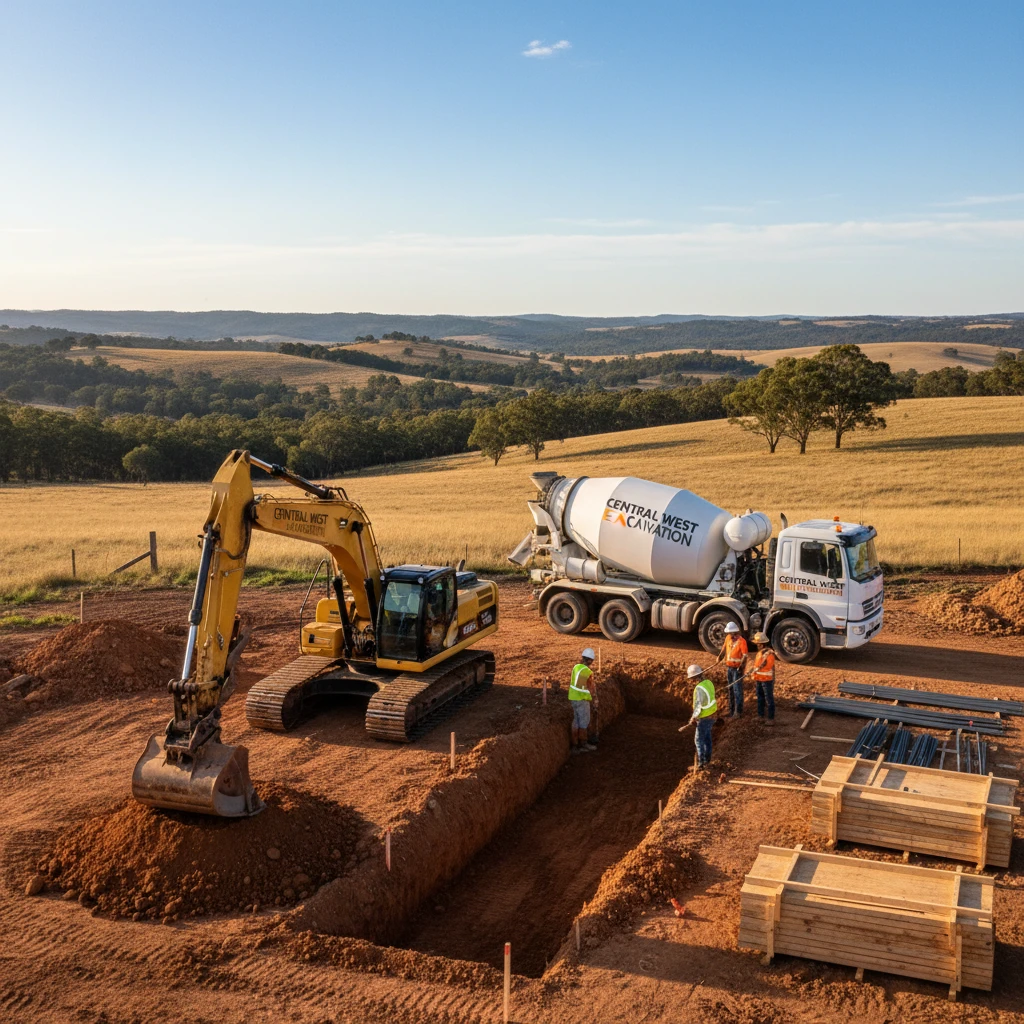
Excavation is the fundamental first step in preparing for robust footings and foundations, which are the critical structural elements that transfer the load of a building or concrete structure to the underlying soil. For concrete foundations, excavation involves digging trenches or pits to the precise depth and dimensions specified by engineering plans. This depth is determined by factors such as the frost line (in colder climates), soil bearing capacity, and the overall structural load. A common pitfall is excavating too shallowly, which can compromise the foundation’s ability to support the structure, leading to settlement or cracking. Conversely, over-excavating can lead to unnecessary costs and the need for more fill material to bring the foundation back to the correct level. Professional excavation ensures these trenches are clean, straight, and accurately dimensioned to receive the concrete pour.
The quality of the excavation for footings directly impacts the structural integrity and longevity of the entire project. It’s not merely about digging; it’s about creating a stable, undisturbed base for the concrete. This often involves removing loose soil and ensuring the bottom of the excavation is firm and level. In areas with poor soil conditions, deeper excavation might be required to reach a stable stratum, or specialised foundation techniques might be employed. Furthermore, excavation plans must account for the management of excavated soil and ensure that the site remains stable during the construction process. For example, on a sloped site, excavation for foundations requires careful planning to prevent soil erosion and maintain the integrity of the surrounding land. Precise excavation for footings ensures that the concrete foundations will provide a solid and reliable base for years to come, underpinning the overall quality and durability of the finished construction. This meticulous preparation is essential for any structure built to last.
How Excavation Impacts Concrete Footpaths and Stairs
The excavation process is foundational for creating durable and aesthetically pleasing concrete footpaths and stairs. Proper excavation ensures that the base upon which the concrete will be laid is stable, well-compacted, and properly graded. For footpaths, this typically involves removing the top layer of soil, vegetation, and any loose material to a predetermined depth. This depth accounts for the thickness of the concrete slab and any necessary sub-base material, such as compacted gravel. A critical aspect is establishing the correct gradient; footpaths need a slight slope to allow for water runoff, preventing water from pooling on the surface, which can lead to cracking, ice formation in cooler months, or algae growth. Failing to excavate to the correct depth or neglecting to establish proper drainage can significantly shorten the lifespan of a footpath, leading to uneven surfaces and premature wear. Well-executed excavation sets the stage for a footpath that is not only functional but also visually appealing and safe for pedestrians.
For concrete stairs, excavation is even more critical, as it involves creating precisely shaped steps with adequate support. The excavation process for stairs must precisely define the dimensions of each riser and tread, ensuring uniformity and stability. This involves digging out the area for each step to the correct depth and width, preparing a solid base, and often installing formwork that is meticulously levelled and aligned. Inadequate excavation can lead to steps that are uneven, unstable, or prone to cracking under use. This poses a safety risk and can result in costly repairs. Furthermore, the excavation for stairs needs to consider the surrounding topography and ensure proper drainage away from the structure. In areas with challenging terrain, such as those found in the Blue Mountains, skilled excavation is essential for creating safe and durable concrete stairs that integrate seamlessly with the landscape. The precision required in this stage directly translates to the safety and longevity of the finished stairs, making it an indispensable part of the overall construction process.
Creating Defined Edges and Levels
For concrete footpaths and stairs, the excavation phase is where the precise geometry of the final structure is established. This means not only defining the overall path or stair run but also meticulously creating the defined edges and levels that ensure both aesthetic appeal and structural integrity. Excavation work must establish the exact boundaries of the footpath or stair, removing soil to create clean lines that will house the concrete. Incorrectly defined edges can lead to concrete spalling or chipping over time, compromising the finished look and durability. Equally important is establishing the correct levels for each section, especially crucial for stair treads and the overall slope of a footpath. Even minor inaccuracies in levelling during excavation can result in steps that are uneven or a footpath that collects water. For instance, a footpath excavated with an inconsistent slope might create tripping hazards or allow water to saturate the sub-base unevenly.
Professional excavation for footpaths and stairs involves using surveying tools, such as spirit levels and laser levels, to ensure accuracy throughout the process. This meticulous attention to detail during excavation guarantees that the concrete pour will result in a perfectly formed structure. For stairs, each riser height and tread depth must be precisely excavated to match the design specifications, ensuring a safe and comfortable ascent or descent. Similarly, the sub-base for a footpath must be excavated to the correct gradient to facilitate water drainage. This careful preparation prevents future issues like erosion, cracking, or settlement. When done correctly, the excavation phase makes the subsequent concrete work straightforward, ensuring that the final footpaths and stairs are not only visually appealing with their crisp edges and consistent levels but also exceptionally durable and safe for all users, a hallmark of quality work like that found at Blue Mountains concrete projects.
Ensuring Stability for Pedestrian Access
The stability of concrete footpaths and stairs is directly and fundamentally linked to the quality of the excavation that precedes them. Proper excavation ensures a solid, undisturbed foundation, which is paramount for safe pedestrian access. This involves removing all loose topsoil, organic matter, and any unstable material from the intended area, down to a firm, load-bearing stratum. A common pitfall is insufficient excavation depth or failure to compact the sub-base properly, which can lead to the concrete sinking or cracking under the constant pressure of foot traffic and environmental factors like moisture. For example, a footpath excavated over soft ground without adequate preparation might develop dips and unevenness within a short period, creating tripping hazards. For stairs, stability is non-negotiable; each step must be securely founded and perfectly level or sloped as intended to prevent slips and falls. Well-prepared concrete stairs begin with excavation that creates a robust and stable base for each step.
To ensure unwavering stability, excavation for footpaths and stairs must also incorporate adequate drainage planning. Water infiltration into the sub-base can compromise its integrity, leading to erosion and settlement. Therefore, the excavated area must be graded correctly to direct water away from the concrete structure. In challenging soil conditions or areas with high rainfall, this might involve incorporating gravel layers or drainage systems within the excavation. Experienced excavators understand that their work directly dictates the long-term safety and resilience of pedestrian access points. By meticulously excavating to the correct depth, ensuring a compacted and stable sub-base, and implementing effective drainage strategies, they lay the groundwork for concrete footpaths and stairs that are not only visually appealing but also provide secure and reliable passage for years to come, a testament to professional footpath construction.
The Role of Soil Compaction in Excavation for Concrete Projects
Effective soil compaction is a cornerstone of successful excavation, especially when preparing a site for quality concrete. It’s not merely about removing dirt; it’s about creating a solid, stable foundation. Without proper compaction, the ground beneath your new concrete slab can shift and settle over time, leading to a host of expensive problems. Compaction reduces air voids within the soil, increasing its density and load-bearing capacity. This process is crucial for preventing future issues such as cracking, uneven surfaces, and even structural failure of the concrete itself. Think of it as building a sturdy house – you wouldn’t start without a firm, level base. The same principle applies to concrete; a well-compacted sub-base ensures longevity and performance.
Preventing Settlement and Cracking
Settlement, the gradual sinking of soil, is a primary concern when excavation isn’t followed by proper compaction. Uncompacted soil contains pockets of air and water that can be squeezed out under the weight of the concrete and any subsequent loads. As this happens, the ground level drops, causing the concrete to crack or break. This is particularly problematic for driveways and shed slabs, which experience significant weight. Even small areas of settlement can create trip hazards or pooling water. To counter this, excavators use specialized equipment, like plate compactors or vibratory rollers, to systematically compress the soil layer by layer. Each lift of soil is compacted to achieve a predetermined density, ensuring a uniform and stable base. For instance, a driveway foundation that settles unevenly will inevitably develop cracks, compromising its appearance and function.
Achieving a Stable Sub-base
The sub-base is the layer of compacted soil directly beneath the concrete. Its stability is paramount. A well-compacted sub-base provides uniform support, distributing the load applied to the concrete evenly. This is especially vital in areas with variable soil conditions or on sloped sites where drainage and soil movement can be more pronounced. Achieving this stability involves more than just running a compactor over the surface. It requires understanding the soil type, moisture content, and the appropriate compaction techniques. For example, clay soils behave differently from sandy soils during compaction. Professionals often perform soil testing to determine the optimal moisture content and the required number of passes with compaction equipment to reach the target density. A stable sub-base, meticulously prepared, is the silent hero behind every durable concrete installation, preventing issues before they even have a chance to appear.
When to Call the Experts: Signs Your Site Needs Professional Excavation
While some minor earthmoving tasks might seem like DIY projects, many signs indicate that professional excavation expertise is essential for a successful concrete outcome. Ignoring these signals can lead to costly mistakes and subpar results. One significant indicator is the presence of challenging terrain, such as steep slopes, rocky ground, or areas with poor drainage. These conditions require specialized equipment and knowledge to manage effectively. If your site involves significant gradients, like those often found in the Blue Mountains, attempting excavation without experience can result in landslides, unstable foundations, or an inability to achieve the necessary levels for your concrete work. Another red flag is tight or difficult access; navigating confined spaces with machinery demands precision and skill to avoid damage to existing structures or underground services.
Furthermore, if your project involves underground utilities, such as water pipes, electrical cables, or gas lines, the risks associated with unqualified excavation skyrocket. Accidental damage can lead to dangerous situations and expensive repairs. Professional excavators are trained in locating and avoiding underground services. The presence of extensive existing concrete structures that need to be removed, or complex landscaping that requires careful preservation, also points towards needing professional help. Consider a project requiring the removal of an old shed slab and extensive garden beds while preserving mature trees – this requires a level of planning and execution beyond basic digging. Ultimately, if you’re unsure about the soil conditions, site preparation requirements, or the machinery needed, it’s a clear sign that engaging experienced professionals will save time, money, and ensure a superior end product.
From Dig to Done: Our Process for Seamless Excavation to Concrete Installation
At Laser Concrete, we understand that exceptional concrete results begin with meticulous excavation. Our process is designed to be a smooth, integrated transition from the initial site preparation to the final concrete pour, ensuring quality at every stage. It starts with a thorough site assessment, where we evaluate the terrain, soil type, access points, and the specific requirements of your project, whether it’s for durable driveways or sturdy shed slabs. This assessment informs our excavation plan, tailored to your unique site. We then employ precise excavation techniques, utilizing appropriate machinery to achieve the correct depths and levels, always with an eye on stability and drainage.
Following excavation, our focus shifts to preparing a robust sub-base. This involves removing unsuitable materials, grading the site accurately, and systematically compacting the soil layers to create a solid foundation. This critical step is what prevents future settlement and cracking. We then install any necessary formwork, reinforcement, and prepare for the concrete pour itself. Our team ensures that all elements are in place and ready for the concrete delivery. This integrated approach means your excavation and concrete installation are handled by one experienced team, minimising coordination issues and ensuring a cohesive, high-quality outcome from the ground up. This seamless transition is key to delivering lasting concrete solutions for homeowners across the Central West.
Investing in Your Property: The Long-Term Benefits of Quality Excavation and Concrete Work
Choosing quality excavation and concrete services is not just about completing a project; it’s a strategic investment in your property’s value and longevity. High-quality work, initiated with precise excavation and followed by expert concrete placement, significantly enhances your property’s curb appeal and functionality. For instance, a well-constructed concrete driveway or a durable footpath makes a strong first impression and simplifies daily use. Beyond aesthetics, the durability and structural integrity achieved through proper site preparation and skilled execution mean your concrete installations will withstand the elements and daily wear and tear for decades, avoiding the recurring costs associated with repairs and replacements.
Furthermore, investing in quality excavation and concrete work can improve your property’s overall usability and safety. Consider the transformation a properly excavated and concreted area can provide for outdoor living spaces or the installation of a shed slab for storage. These improvements add tangible value and lifestyle benefits. It also contributes to the structural health of your property by ensuring proper drainage and preventing soil erosion around foundations. By opting for experienced professionals who prioritize meticulous site preparation, you are essentially future-proofing your investment, ensuring that your concrete surfaces remain robust, attractive, and functional for the long haul, contributing to a greater return on investment when you eventually decide to sell.
For homeowners and property owners in the Central West seeking reliable and expert excavation and concrete services, resources like Laser Concrete’s guides on site preparation offer valuable insights into the process and benefits of quality workmanship.