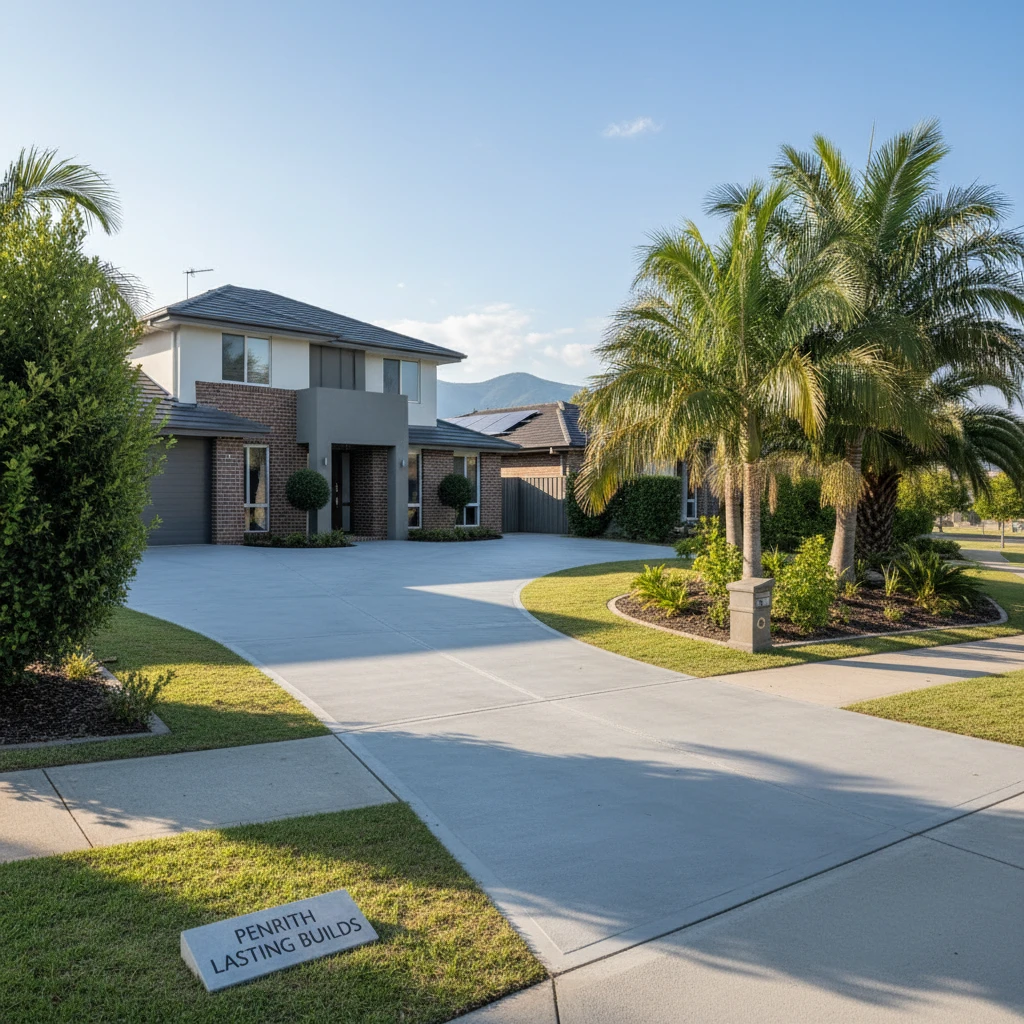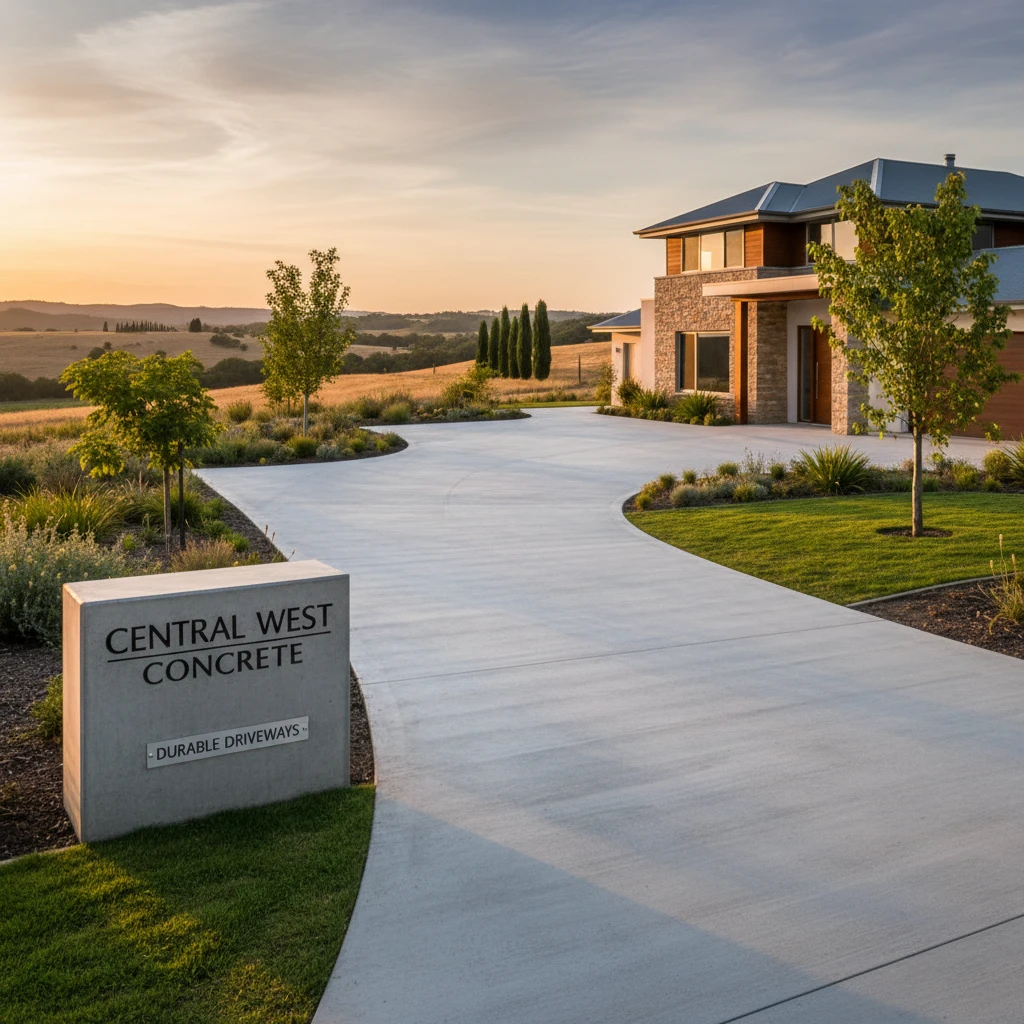
Choosing the right concrete contractor for your footpath project means selecting a team that prioritises precision, quality materials, and a thorough understanding of site-specific challenges. This commitment ensures your new footpath will not only look great but also provide a safe, reliable passage around your property, contributing positively to its overall impression and longevity.
Creating Lasting Impressions: Why a Well-Built Footpath Matters for Your Central West Property
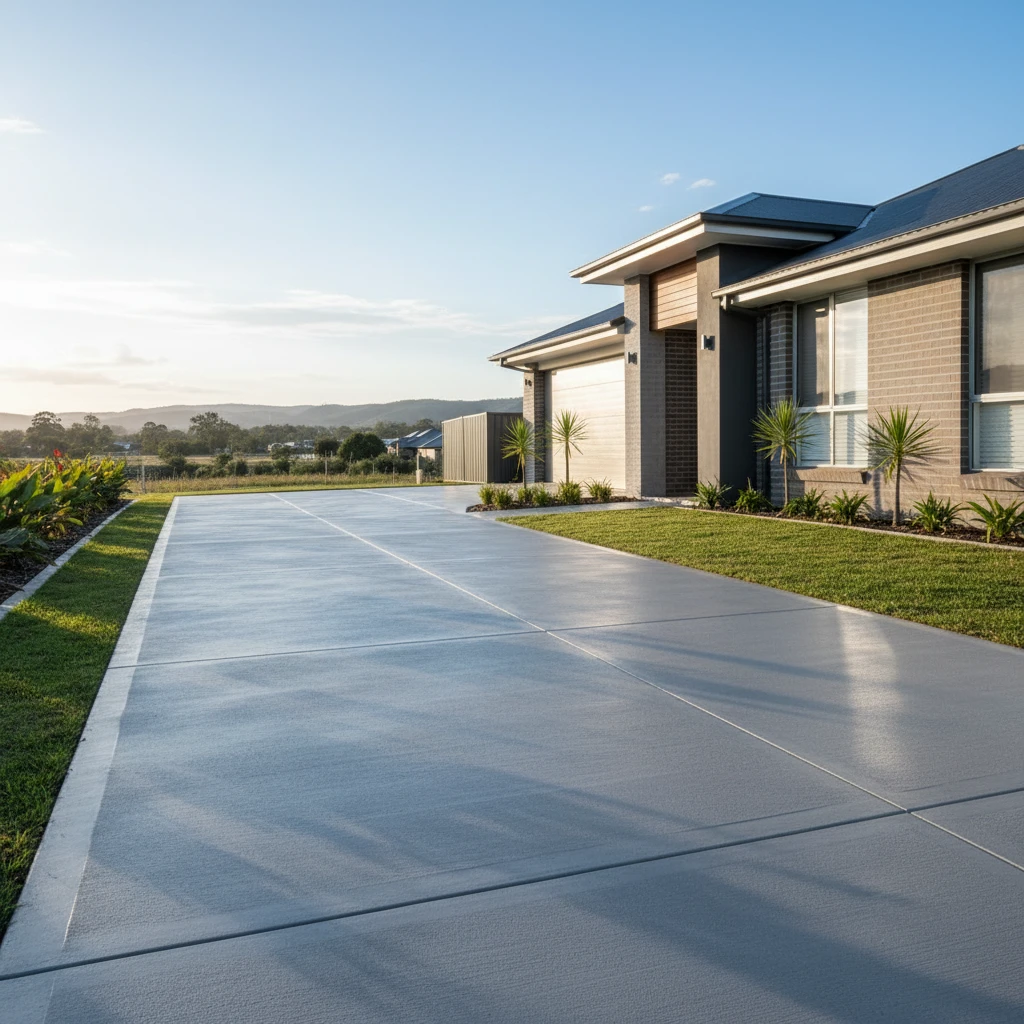
The visual impact of your property begins the moment someone approaches. A high-quality footpath, expertly laid and finished, immediately communicates care and attention to detail. It guides visitors, enhances the landscaping, and provides a seamless transition from the street to your entrance. In a region like the Central West, with its diverse architectural styles and natural beauty, a well-designed footpath can significantly elevate your home’s aesthetic. Beyond the immediate visual appeal, a sturdy footpath contributes to a property’s perceived value. Potential buyers often associate well-maintained external features with a well-cared-for interior and a sound investment. For instance, a clear, attractive path leading to the front door creates a welcoming atmosphere, while a poorly maintained or cracked path can detract from even the most impressive home. This attention to detail is a key factor in making a positive, lasting impression, underscoring the importance of a professional approach to concrete footpath construction.
Beyond aesthetics, the functional benefits of a well-built footpath are paramount. Safety and accessibility are critical considerations for any homeowner. Uneven surfaces, trip hazards, or poor drainage can create significant risks, particularly for the elderly, children, or those with mobility challenges. A professionally installed concrete footpath eliminates these dangers, providing a smooth, consistent surface that is easy to navigate. Consider the practicalities of carrying groceries, pushing a pram, or simply enjoying a stroll around your garden; a solid, level path makes these everyday activities safer and more enjoyable. Furthermore, effective drainage, a hallmark of quality construction, prevents water pooling, which can lead to slippery conditions and long-term damage to the path and surrounding landscaping. For properties in areas prone to heavy rainfall, this aspect of footpath design is particularly crucial for maintaining safety and integrity.
A footpath is not merely an addition to your property; it’s a strategic, long-term investment in its infrastructure and appeal. While the initial cost of professional installation might seem higher than DIY alternatives, the durability and longevity of a properly constructed concrete footpath far outweigh these concerns. High-quality materials, combined with expert techniques, ensure resistance to weathering, wear and tear, and the specific environmental conditions of the Central West. This translates to minimal ongoing maintenance and a reduced likelihood of costly repairs down the track. Unlike softer materials that can degrade or shift over time, concrete offers a stable, robust solution. This focus on enduring quality means your footpath will continue to serve its purpose and enhance your property’s value for many years, solidifying its position as a wise and lasting investment in your home’s future.
Understanding Footpath Materials: Beyond Basic Concrete
While concrete remains the workhorse of footpath construction, understanding the nuances of different materials and techniques is essential for achieving optimal results. Not all concrete is created equal, and the choice of aggregate, mix ratio, and additives can significantly impact the final product’s strength, durability, and appearance. For instance, incorporating specific admixtures can improve resistance to freeze-thaw cycles or enhance workability in challenging weather conditions. Furthermore, the finishing techniques applied after the pour play a vital role. A smooth, trowelled finish offers a clean, modern look, while a broom finish provides subtle texture for improved slip resistance, a critical factor in outdoor pathways. Understanding these variables allows for a tailored approach that addresses both aesthetic preferences and practical requirements, ensuring the footpath is not just built, but built right for its intended use and environment.
High-quality concrete offers a compelling combination of strength, versatility, and cost-effectiveness, making it an ideal choice for footpaths. Its inherent durability means it can withstand significant foot traffic, varying weather conditions, and the general wear and tear of daily life without degrading quickly. When mixed and poured correctly, concrete footpaths are exceptionally resilient, resisting cracking and crumbling far better than many alternative materials. This longevity translates directly into reduced maintenance costs and a consistently attractive appearance over time. For homeowners in the Central West, this means a reliable pathway that doesn’t require constant upkeep or premature replacement. The ability to customise concrete with various colours and textures further enhances its appeal, allowing it to integrate seamlessly with the surrounding landscape and architectural style of the property.
In an era where environmental considerations are increasingly important, permeable paving options offer a sustainable alternative for footpaths. These systems are designed to allow water to infiltrate through the surface and into the ground below, rather than running off into drainage systems. This helps to reduce stormwater runoff, recharge groundwater, and minimise the risk of localised flooding, which can be a significant issue in certain areas. Permeable concrete, interlocking permeable pavers, and gravel systems are common choices, each with its own installation requirements and aesthetic. While they might require more specialised installation and maintenance to ensure their permeability is maintained, the environmental benefits can be substantial. For properties aiming for a greener footprint or located in areas with strict stormwater management regulations, exploring these options is a worthwhile endeavour. For more information on responsible water management in construction, resources like NSW Environment provide valuable insights into local guidelines and best practices.
While concrete is a highly versatile and durable material, there are instances where other options might be more suitable or desirable for a footpath. Natural stone, such as bluestone or granite, offers unparalleled natural beauty and exceptional longevity, although it typically comes at a higher cost and can be more challenging to install evenly. Interlocking pavers, available in a wide range of materials including concrete, clay, and recycled rubber, provide flexibility in design and can be easily repaired or replaced if damaged. These options can mimic the look of natural stone or offer intricate patterns and colours. However, it’s crucial to consider the specific application. For high-traffic areas or pathways requiring exceptional stability, concrete often provides a more robust and cost-effective solution. The decision between concrete, pavers, or stone should be based on a combination of budget, desired aesthetic, expected usage, and the unique environmental conditions of the site.
The Central West Concrete Process: Precision from Planning to Pour
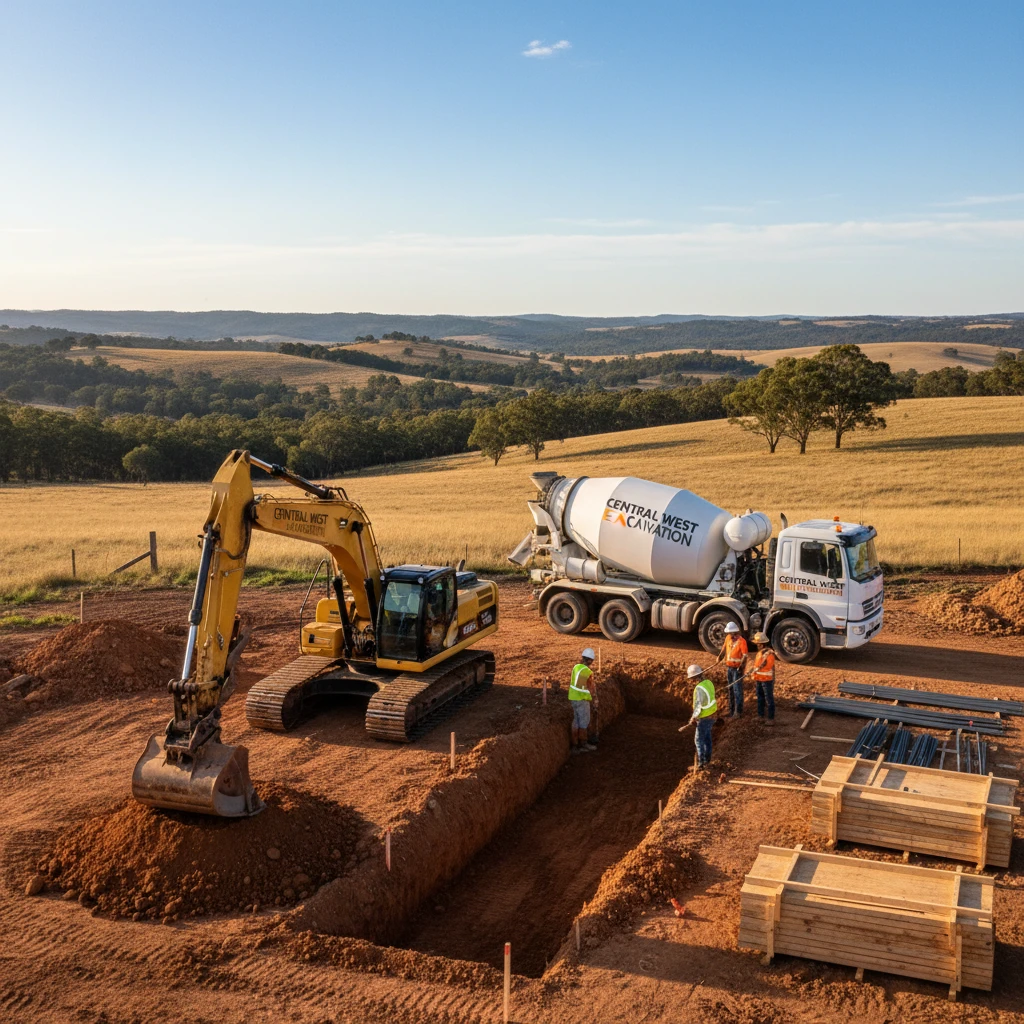
At Central West Concrete, our approach to footpath construction is built on a foundation of meticulous planning and a deep understanding of the unique challenges presented by properties in our region. This process begins long before any excavation or pouring takes place. We conduct a thorough site assessment, carefully evaluating the terrain, soil conditions, drainage patterns, and any existing structures or landscaping. This detailed analysis is particularly crucial in areas like the Blue Mountains, known for its steep slopes and rocky outcrops. Navigating these challenging sites requires specialised knowledge and equipment to ensure the footpath is not only structurally sound but also integrates harmoniously with the natural environment. Our commitment to precision excavation and careful planning minimises disruption and sets the stage for a high-quality, long-lasting result.
Following the initial assessment, the critical phase of excavation and base preparation begins. This stage is fundamental to the long-term durability of any concrete structure, including footpaths. We remove existing soil, vegetation, and any unsuitable material to create a stable, level sub-base. The depth of excavation is determined by factors such as soil type, anticipated load, and the need for adequate drainage. In the Central West, where soil can vary from clay to sandy loam, proper compaction of the sub-base is vital to prevent settling and cracking. We then lay and compact a foundation of crushed rock or stabilised aggregate. This provides a solid, well-draining base that distributes loads evenly, protecting the concrete from ground movement and moisture damage. Effective site preparation is the unseen hero of a durable footpath.
With the base prepared, the focus shifts to constructing the formwork and implementing reinforcement. Formwork, typically made from timber or metal, defines the exact shape and dimensions of the footpath, ensuring clean edges and a consistent width. Precision in setting the formwork is paramount, as it dictates the final appearance and structural integrity. For added strength and to prevent cracking, especially in areas with expansive soils or significant foot traffic, we incorporate reinforcement. This often involves using steel mesh or rebar, strategically placed within the concrete pour. The type and extent of reinforcement depend on the footpath’s intended use and the site’s specific conditions. This careful attention to detail in both formwork and reinforcement ensures that your footpath is built to withstand the stresses of time and use, providing a truly lasting structure.
Achieving a Superior Finish: The Art of Concrete Footpath Installation
Selecting the appropriate concrete mix is a cornerstone of successful footpath construction, especially considering the varied climate of the Central West. Our team carefully considers factors such as local temperature fluctuations, potential for frost, and exposure to moisture when specifying the concrete mix. We opt for mixes designed for enhanced durability and resistance to environmental stressors, often incorporating elements that improve workability during pouring and curing. The correct mix ensures the concrete cures effectively, achieving its full designed strength and minimising the risk of premature cracking or surface damage. This attention to material science, tailored to our specific regional climate, is fundamental to delivering a footpath that stands the test of time and weather, providing a reliable and attractive surface for your property.
The process of achieving a smooth and even surface is a critical step in concrete footpath installation, demanding skill and precision from our experienced team. After the concrete is poured, we use specialised tools, such as screeds and floats, to level and smooth the surface. This initial levelling removes high and low spots, ensuring a consistent plane. Following this, trowelling techniques are employed to create a dense, smooth finish that is both aesthetically pleasing and easy to maintain. For footpaths, particularly those intended for outdoor use, a broom finish is often applied. This involves lightly dragging a broom across the surface while the concrete is still wet, creating fine lines that significantly improve slip resistance. Achieving this balance between a smooth appearance and essential safety features is a hallmark of professional concrete work.
Customising the aesthetic of your footpath with colour and texture allows it to perfectly complement your property’s unique style. We offer a range of colouring agents that can be mixed directly into the concrete, providing a consistent hue throughout the material, or applied as a surface stain for a more varied effect. This allows for a wide spectrum of colours, from natural earthy tones that blend with the landscape to bolder shades that make a statement. Beyond colour, textured finishes can add another layer of visual interest and practical benefit. Stamped concrete can mimic the look of natural stone, brick, or timber, offering a sophisticated appearance without the associated costs and maintenance of those materials. A simple broom finish provides subtle texture and improved grip, while exposed aggregate finishes reveal the beauty of the stones within the mix. These options ensure your footpath is not just functional but also a beautiful extension of your home’s design.
Durability and Design: Footpath Solutions for Penrith Homes
When considering new footpaths for your Penrith property, the focus must extend beyond mere aesthetics to encompass robust, long-lasting functionality. A well-constructed concrete footpath is an investment in your home’s accessibility and overall appeal, designed to withstand the rigours of daily use and the local climate. Key decision criteria should include the intended traffic load – will it be primarily for pedestrian use, or will it occasionally bear heavier loads like wheelbarrows or ride-on mowers? The material selection, mix design, and reinforcement are critical factors that directly influence the footpath’s structural integrity and lifespan. Understanding these elements ensures you receive a durable solution, not a temporary fix. We consider the specific environmental conditions of the Penrith area, including potential for extreme heat and occasional heavy rainfall, when specifying concrete mixes and installation techniques to ensure superior performance.
Designing Footpaths to Complement Your Home’s Architecture
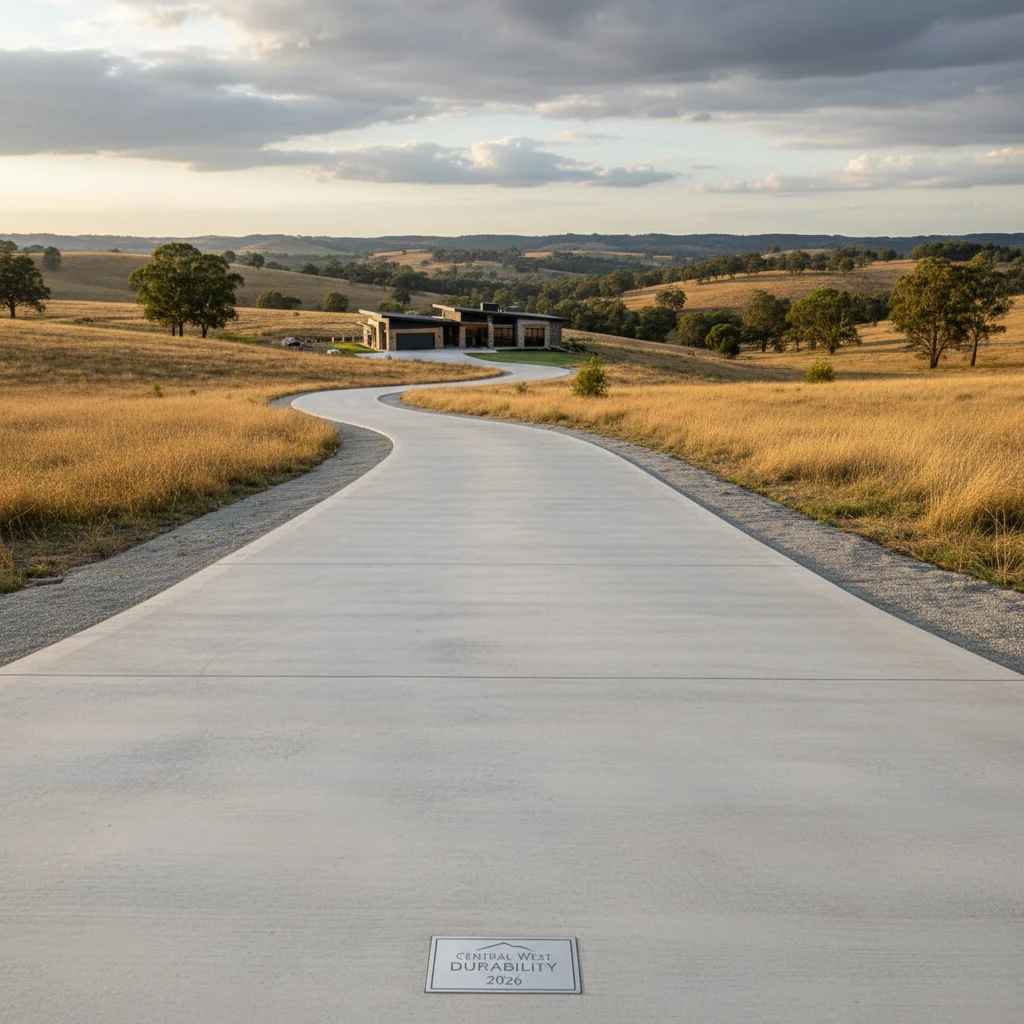
The visual integration of your new footpath with your existing home and landscaping is paramount. A thoughtfully designed path doesn’t just serve a purpose; it enhances your property’s curb appeal. Consider the style of your residence – is it a classic Federation home, a modern build, or a rural homestead? This will inform the choice of concrete finish, such as broom finish for a traditional look, or stamped concrete for a more decorative effect mimicking pavers or stone. The path’s width and curvature should also be considered; a gently winding path can create a sense of journey and visual interest, while a more direct route offers practicality. Pay attention to the transition points where the footpath meets your house, driveway, or garden beds, ensuring a clean and professional finish. Properly planned expansion joints are not just functional for preventing cracks but can also be aesthetically integrated.
Incorporating Sloping Sites and Drainage Considerations
Properties in Penrith and the surrounding regions often present unique topographical challenges, particularly those on sloping sites. Designing and installing a footpath on a slope requires careful attention to drainage to prevent erosion and water damage. The path must be graded correctly to direct water away from your home and towards appropriate drainage points. This might involve incorporating small, discreet drainage channels or ensuring the path itself has a gentle, consistent slope. For properties with significant inclines, a well-engineered approach is essential. This includes appropriate excavation to create a stable base and potentially the use of retaining elements to manage the soil and prevent slippage. Ignoring these sloped site excavation requirements can lead to structural failure and costly repairs down the line.
Building Footpaths That Withstand Heavy Use and Weather
A concrete footpath’s ability to withstand heavy use and diverse weather conditions hinges on the quality of its construction. This begins with a robust sub-base, typically compacted crushed rock, which provides a stable foundation and aids drainage. The concrete mix itself must be specified for strength and durability, often including specific admixtures to enhance resistance to freeze-thaw cycles or chemical attack, though extreme cold is less of a concern in Penrith than other regions. Reinforcement, typically with steel mesh, adds tensile strength, crucial for preventing cracks under stress. Finally, the curing process is vital; allowing the concrete to cure slowly and uniformly prevents rapid drying and strengthens the material over time. A proper finish, such as a broom finish, provides adequate slip resistance, enhancing safety in all weather conditions.
Common Footpath Pitfalls to Avoid in Rural and Semi-Rural Settings
When embarking on concrete footpath projects, especially in the unique environments of rural and semi-rural areas surrounding Penrith, several common pitfalls can compromise the longevity and functionality of the work. These issues often stem from a misunderstanding of the specific demands these settings place on concrete structures, or a desire to cut corners on essential preparatory stages. Overlooking these critical aspects can transform what should be a durable, long-term asset into a persistent source of problems. Understanding these common mistakes empowers property owners to make informed decisions and select contractors who prioritise quality and thoroughness, ensuring their investment is protected. This proactive approach saves significant expense and frustration in the long run, particularly in areas where access to specialised services might be less immediate.
The Risks of Inadequate Sub-base Preparation
The foundation of any successful concrete footpath is the sub-base. Inadequate preparation, such as insufficient excavation depth, poor compaction, or using unsuitable fill material, is a primary cause of premature failure. A weak or uneven sub-base means the concrete slab lacks uniform support. This can lead to cracking, settlement, and even complete structural failure over time, especially under the influence of heavy loads or shifting soil conditions common in rural properties. For instance, failing to remove topsoil and organic matter, which decomposes and causes voids, is a critical error. Using poorly compacted gravel also allows for water infiltration and movement, undermining the base. Proper excavation and site prep ensures a solid, stable platform that can support the concrete for decades.
Consequences of Poor Drainage and Water Pooling
Water is concrete’s most persistent enemy when its management is neglected. In rural and semi-rural settings, where natural drainage patterns might be less defined or altered by construction, poor drainage around footpaths can have severe consequences. Water that pools on or around the footpath can saturate the sub-base, weakening it and leading to settlement. Repeated wetting and drying cycles, coupled with frost action (though less common in Penrith), can exacerbate cracking and spalling. Furthermore, standing water can lead to hydrostatic pressure build-up beneath the slab, potentially causing it to lift or crack. Effective grading, adequate fall away from structures, and appropriate drainage solutions are essential to prevent water accumulation and ensure the long-term integrity of the footpath.
Why ‘Fast and Cheap’ Concrete Work Leads to Future Problems
The allure of quick and inexpensive concrete work is understandable, but it frequently proves to be a false economy, especially for essential elements like footpaths. ‘Fast and cheap’ often translates to skipped steps: rushed sub-base preparation, incorrect concrete mix ratios, inadequate curing, and insufficient reinforcement. These shortcuts compromise the strength, durability, and finish of the footpath from the outset. A poorly constructed path may look acceptable initially but will likely develop cracks, unevenness, and degradation much sooner than a properly built one. The cost of repairing or replacing a prematurely failed footpath far exceeds the initial savings, leading to significant frustration and expense for the property owner. Prioritising quality concrete footpaths means investing in robust processes and experienced tradespeople.
When to Consider Concrete Footpath Repairs or Replacement
Understanding the lifecycle of your concrete footpaths and recognising the signs of wear and tear is crucial for timely intervention. Proactive assessment can often prevent minor issues from escalating into major, costly problems. Whether your property is in a suburban Penrith setting or a more rural locale, concrete footpaths are subjected to constant stress from foot traffic, weather, and potentially vehicles. Knowing when to call in the experts for repairs or to consider a full replacement ensures the ongoing safety, functionality, and aesthetic appeal of your property. This decision-making process involves careful observation and a realistic appraisal of the damage, always keeping the long-term investment in your property in mind.
Identifying Early Signs of Concrete Degradation
Several visual cues indicate that your concrete footpath may be starting to degrade and require attention. The most common early signs include hairline cracks, which can appear due to shrinkage during curing or minor ground movement. While not always immediately critical, they should be monitored. Spalling, where small pieces of the concrete surface flake off, often suggests issues with the surface finish or exposure to de-icing salts (less common locally but a general indicator). If you notice areas of the footpath sinking or becoming uneven, this points to problems with the sub-base or drainage. Pitting on the surface, a rough texture developing, or significant weed growth through cracks are also indicators that the concrete’s integrity is compromised and professional assessment is advisable.
Assessing the Extent of Damage: Minor Repairs vs. Full Replacement
Determining whether a concrete footpath needs a minor repair or a complete replacement hinges on the severity and spread of the damage. Small, isolated cracks can often be effectively sealed using specialised concrete repair compounds, preserving the existing path. Surface spalling or minor wear might be addressed with a concrete resurfacing product, providing a fresh, durable layer. However, if the footpath exhibits widespread cracking, significant settlement or heaving, extensive spalling, or if the damage has penetrated deep into the slab, a full replacement is usually the more economical and reliable long-term solution. Trying to patch severe, widespread damage can be a temporary fix that ultimately fails, leading to repeated expenses.
The Value of Professional Assessment for Long-Term Solutions
When faced with concrete footpath degradation, engaging a professional concreting service for an assessment is invaluable. Experts like those at Central West Concrete can accurately diagnose the root cause of the problem, whether it’s inadequate sub-base preparation, poor drainage, or material fatigue. This diagnosis is critical because superficial repairs won’t address underlying issues and will only lead to recurring problems. A professional assessment considers factors such as the age of the footpath, the original construction methods, soil conditions, and site-specific environmental influences. Based on this comprehensive evaluation, they can recommend the most effective and cost-efficient solution, whether it’s targeted concrete repairs or a full, expertly installed replacement that guarantees durability for years to come.
Beyond Footpaths: Our Expertise in Concrete and Excavation
While durable footpaths are a core service, our capabilities extend far beyond. We understand that many properties, particularly those in the challenging terrain of the Central West and Blue Mountains, require a comprehensive approach to concrete and excavation. Our team possesses the specialised skills and equipment to tackle complex projects, from intricate excavation in tight spaces to the construction of robust structural elements. We pride ourselves on delivering high-quality concrete solutions that are built to last, enhancing the functionality and value of your property. Whether you’re planning a new shed, upgrading your driveway, or need specialised earthworks, our expertise ensures a professional and enduring outcome, tailored to the specific demands of your site.
Tackling Difficult Access Excavation for Your Property
Many properties in our service areas, especially those in the foothills of the Blue Mountains or larger rural blocks, present significant challenges when it comes to excavation. Steep inclines, dense vegetation, existing structures, and rocky terrain can make traditional machinery ineffective or impossible to use. Our specialised equipment and experienced operators are adept at navigating these difficult access excavation scenarios. We employ precision techniques to minimise site disruption while achieving the necessary earthworks for concrete foundations, drainage systems, or site preparation. This expertise ensures that even the most inaccessible sites can be effectively prepared for high-quality concrete work, delivering the foundational integrity your project demands.
Shed Slabs and Equipment Pads Built to Last
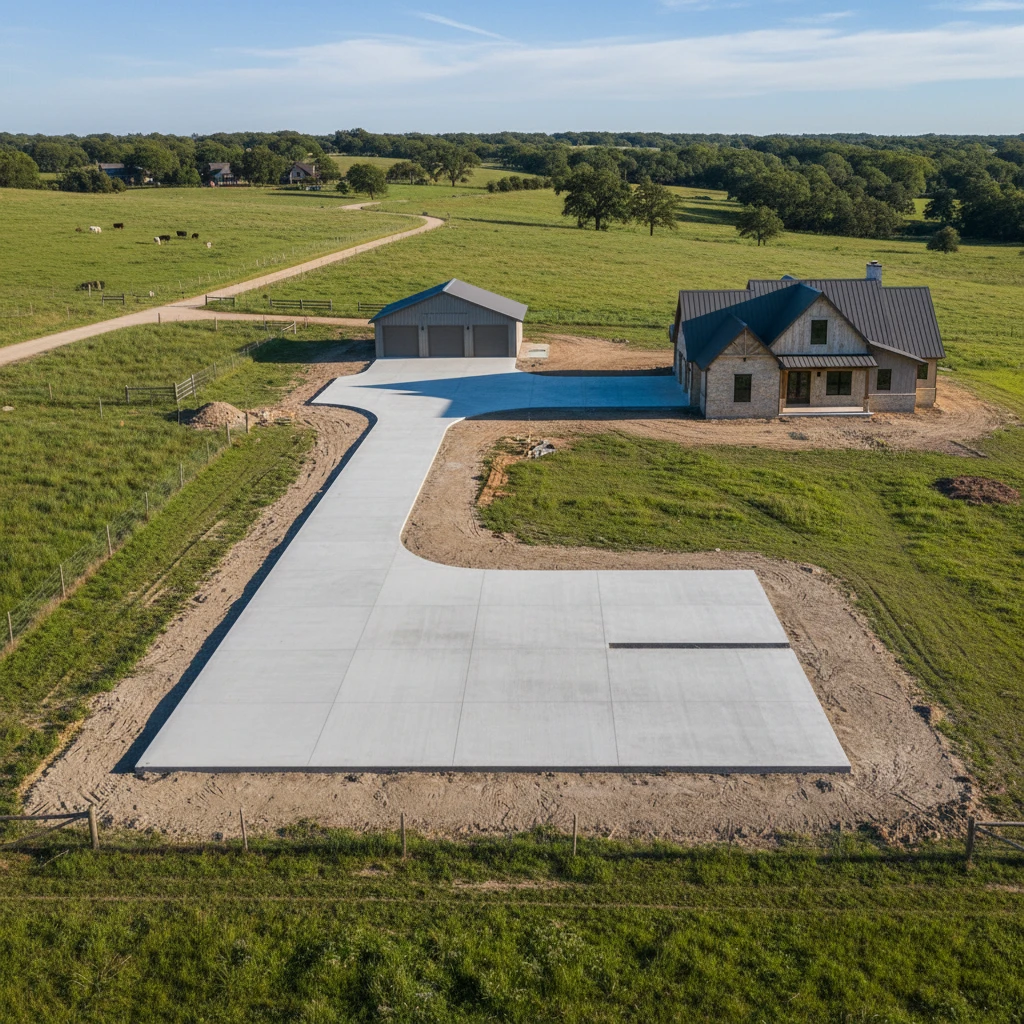
A shed or an outdoor equipment pad requires a solid, level, and durable foundation to ensure its longevity and functionality. Whether it’s for storing farm machinery, a workshop, or general storage, the concrete slab must be engineered to support significant weight and withstand environmental exposure. We specialise in creating robust shed slabs and equipment pads designed for the specific loads and site conditions they will encounter. This involves proper excavation, compaction of the sub-base, appropriate concrete mix design, and reinforcement. For heavier industrial equipment, we can implement enhanced reinforcement and thicker slab designs. A well-constructed concrete slab provides a stable, pest-resistant base that protects your assets and ensures years of reliable use.
Concrete Driveways Designed for Performance and Aesthetics
Your concrete driveway is often the first impression visitors have of your property and a crucial element for daily access. We design and construct driveways that are not only visually appealing but also engineered for exceptional durability and load-bearing capacity. From the initial consultation, we consider factors such as vehicle traffic volume, anticipated loads, and your aesthetic preferences. Options range from classic broom finishes to decorative stamped concrete that mimics the look of pavers or natural stone. Proper site preparation, including adequate drainage and a well-compacted sub-base, is paramount. We also ensure appropriate expansion joints are installed to manage thermal movement and prevent cracking. A professionally installed concrete driveway enhances your property’s value and provides reliable, long-lasting service.
Alternatives to Traditional Concrete Footpaths (and When to Choose Them)
While concrete is a popular and durable choice for footpaths, understanding the alternatives allows for informed decision-making based on specific project needs, aesthetics, and environmental considerations. Each material offers a unique set of advantages and disadvantages regarding cost, installation, maintenance, and longevity. For homeowners and property managers, exploring these options ensures the selected pathway complements the surrounding landscape and meets functional requirements. This section delves into common alternatives, providing criteria to help you decide the best fit for your property.
Gravel Pathways: A Natural and Permeable Option
Gravel pathways offer a rustic, natural aesthetic that blends well with garden settings and rural properties. Their primary advantage lies in their permeability, allowing rainwater to naturally filter into the ground, which can be beneficial for drainage and reducing stormwater runoff. Installation is generally straightforward and less labour-intensive than pouring concrete, often involving excavation, a sub-base layer, and then the gravel itself. Common gravel types include crushed rock, pea gravel, or decorative stones, with larger, angular crushed rock offering better stability and less migration. However, gravel paths require regular maintenance. Weeds can grow through the gravel, and the stones can become displaced over time, necessitating periodic raking and replenishment. For properties where a softer, more natural look is desired, and where the commitment to ongoing maintenance is understood, gravel can be an appealing choice.
Stepping Stones and Decomposed Granite Paths
Stepping stones, often made from natural stone like bluestone or slate, set into a ground cover such as mulch, sand, or fine gravel, provide an informal and visually interesting pathway. They are excellent for creating a winding route through gardens or connecting different areas of a landscape without the formality of a solid path. The gaps between stones can be planted with low-growing groundcovers for an enhanced aesthetic. Decomposed granite (DG) offers a fine, compacted surface that resembles a natural path once installed and lightly wetted. It’s permeable, relatively inexpensive, and provides a stable walking surface. However, like gravel, DG paths can migrate and require occasional topping up and weed control. DG is a good option for areas with moderate foot traffic and where a natural, earthy look is preferred, such as around garden beds or leading to a patio. For areas experiencing significant footfall or requiring a more robust surface, these options might prove less durable long-term compared to solid concrete or pavers.
Comparing Material Costs, Maintenance, and Durability
When evaluating pathway materials, a holistic view of cost, maintenance, and durability is essential. Traditional concrete footpaths, while having a higher initial installation cost, typically offer superior durability and require minimal ongoing maintenance beyond occasional cleaning. Their lifespan can extend for many decades with proper installation. In contrast, gravel and decomposed granite paths have a lower upfront cost but demand more frequent upkeep, including weeding, raking, and replenishment, which accumulates over time. Stepping stones can vary widely in cost depending on the stone chosen, and their surrounding ground cover will also require maintenance. For high-traffic areas or where minimal upkeep is a priority, the long-term value of concrete often outweighs the initial investment. Conversely, for decorative garden paths or areas with light use where aesthetics and permeability are paramount, the less durable, lower-maintenance alternatives can be more suitable. Consider the overall investment, factoring in both upfront expenses and the commitment to future maintenance when making your selection. For insights into preparing the ground for quality installations, explore Central West excavation: site prep for quality.
Why Central West Concrete is Your Partner for Quality Footpaths
Choosing the right contractor for your footpath project is as crucial as selecting the right material. At Central West Concrete, we bring a level of expertise and dedication that ensures your footpaths are not only functional but also an enduring asset to your property. Our approach focuses on precision, quality workmanship, and a deep understanding of the local environment. We don’t cut corners; we build to last, providing reliable concrete solutions tailored to your specific needs. Whether you require a simple garden path or a complex, heavily trafficked walkway, our team is equipped to deliver exceptional results.
Our Commitment to Professionalism and Reliability
Professionalism and reliability are the cornerstones of our service at Central West Concrete. From the initial consultation to the final pour, we maintain clear communication, adhere to agreed timelines, and ensure a clean and safe worksite. Our team consists of experienced concreters who are passionate about delivering high-quality finishes. We understand that a footpath is a significant investment, and our commitment is to exceed expectations through meticulous planning, skilled execution, and transparent service. This dedication to a professional process means you can trust us to manage your project efficiently and effectively, resulting in a durable and aesthetically pleasing footpath that enhances your property’s value and usability.
Experience with Challenging Sites Across the Region
The Central West region, including areas like the Blue Mountains and Penrith, presents unique challenges such as steep gradients, rocky terrain, and difficult access. Central West Concrete specialises in navigating these complexities. Our extensive experience on challenging sites in the Blue Mountains and surrounding areas means we are adept at solving problems before they arise. We employ advanced excavation techniques and utilise specialised equipment to prepare even the most difficult sites for concrete pouring. This expertise ensures that regardless of your property’s topography, we can construct robust and well-drained footpaths that stand the test of time. Our knowledge of local conditions allows us to tailor our methods for optimal performance and longevity.
Building Footpaths as a Long-Term Investment in Your Property
Investing in a quality concrete footpath is a strategic decision that enhances your property’s curb appeal, functionality, and overall value. Unlike temporary or lower-quality solutions, a well-constructed concrete path provides a stable, safe, and attractive means of traversing your land for decades. It reduces wear on your landscaping, improves accessibility, and contributes to a polished, well-maintained appearance. At Central West Concrete, we view every footpath project as an opportunity to build a lasting feature. Our focus on durable materials and expert craftsmanship ensures that your new footpath is not just an improvement, but a sound long-term investment that pays dividends in enjoyment and property worth. For more on this, consider durable concrete footpaths: your home’s investment.