The Blue Mountains region presents a unique set of challenges for any concreting project. Its stunning natural beauty is matched by its complex topography, requiring a specialised approach to ensure durable and aesthetically pleasing results. At Laser Concrete, we understand that standard concreting methods often fall short in this demanding environment.
Our expertise lies in navigating these complexities, transforming difficult sites into solid foundations for your property improvements. We pride ourselves on meticulous planning and execution, delivering concrete solutions that are built to withstand the Blue Mountains’ distinctive conditions. When you need concreting done right, especially when the terrain gets tricky, our team is equipped with the knowledge and experience to excel.
Mastering the Blue Mountains’ Unique Concreting Challenges
The Blue Mountains, with its dramatic vistas and natural allure, also poses significant hurdles for construction and concreting projects. The very features that make the area desirable, such as steep inclines and varied geological makeup, necessitate a departure from conventional concreting practices. Understanding and respecting these environmental factors is paramount to achieving a successful outcome. Many homeowners in the region find that standard concreting quotes don’t account for the intricate site assessments and specialised labour required here. Factors like soil stability, water runoff patterns, and the logistical complexities of accessing steep or overgrown sites must be thoroughly evaluated. Ignoring these elements can lead to premature concrete failure, costly repairs, and even structural damage.
Our commitment at Laser Concrete is to provide solutions tailored to the Blue Mountains’ specific demands. This means employing techniques and materials that are resilient to the local climate and terrain. For instance, managing water flow is critical, as heavy rainfall on slopes can cause erosion and undermine concrete structures. We incorporate appropriate drainage solutions and select concrete mixes designed for longevity in a potentially harsh environment. The result is not just a concrete pour, but a carefully engineered element that integrates seamlessly with the landscape, ensuring both visual harmony and structural integrity for years to come. This focus on specialised knowledge sets us apart, making us the preferred choice for discerning property owners.
The Rugged Appeal: Why the Blue Mountains Demand Specialised Skills
The appeal of the Blue Mountains lies in its rugged, untamed beauty. This natural character, however, translates directly into complex site conditions for concreters. Steep gradients, rocky terrain, and dense vegetation are common, making simple excavation and pouring a significant challenge. Unlike flatter, more accessible areas, projects here often require specialised equipment and highly skilled operators who can manoeuvre safely and efficiently. The geological composition can also vary wildly, from solid bedrock to unstable soil layers, each demanding a distinct approach to foundation preparation and concrete reinforcement. Without a deep understanding of these local nuances, a standard concreting job can quickly become problematic, leading to potential structural issues and a compromised finished product. Our team possesses the local knowledge and practical experience necessary to anticipate and mitigate these risks effectively.
Furthermore, the environmental considerations in the Blue Mountains are significant. Preservation of existing flora, managing erosion, and minimising our footprint are integral parts of our process. This often means employing non-invasive excavation methods where possible and carefully planning access routes to protect the surrounding landscape. The aesthetic integration of concrete structures with the natural environment is also a key consideration. We don’t just pour concrete; we craft solutions that complement the existing beauty of the area. This holistic approach, combining technical expertise with an appreciation for the unique Blue Mountains setting, ensures that your project is not only sound but also visually harmonious, avoiding the pitfalls of poorly planned concreting on difficult sites.
Understanding the Terrain: From Steep Slopes to Rocky Outcrops
The defining characteristic of the Blue Mountains is its varied and often challenging terrain. Steep slopes are ubiquitous, demanding careful planning for site access, material delivery, and the prevention of erosion. Simply put, a concrete mixer truck may not be able to reach your desired pour site without significant preparation or alternative delivery methods. Steep gradients impact everything from the structural design of the concrete element to the safety protocols required during installation. Understanding how water will flow and pool on these slopes is crucial for preventing future damage. Similarly, the prevalence of rocky outcrops and solid bedrock presents another layer of complexity. Excavating into rock requires specialised tools and techniques, and its presence can affect the stability of the sub-base, necessitating specific reinforcement strategies.
Our approach involves a thorough assessment of these topographical features. We analyse the specific gradient of your site, identify potential water runoff paths, and determine the nature of the ground beneath the surface. For example, a steep slope might require poured concrete retaining walls to stabilise the area before a level slab can be laid, or intricate step formations to create accessible pathways. Rocky areas might necessitate controlled blasting or specialised rock breakers for excavation, followed by robust steel reinforcement to ensure the concrete’s integrity. This detailed site analysis is the bedrock of a successful project, preventing costly mistakes and ensuring the longevity of your concrete investment. We don’t guess; we measure, analyse, and plan for the specific demands of your Blue Mountains property.
When Standard Solutions Fall Short: Identifying Difficult Sites
Identifying a difficult site for concreting goes beyond just a slight incline. It involves recognising a confluence of factors that make a standard approach impractical or potentially detrimental. Key indicators of a difficult site include extreme slopes exceeding 15-20 degrees, significant rock obstructions requiring specialised excavation, very tight access points that prevent standard machinery, unstable soil conditions such as clay or loose fill, and areas prone to significant water runoff or flooding. Properties with existing complex landscaping, heritage structures, or sensitive ecological zones also fall into this category, demanding a more sensitive and precise approach. If your project involves navigating these elements, it’s a clear sign that you need more than just a standard concreting service.
At Laser Concrete, we specialise in these scenarios. We recognise that a ‘one-size-fits-all’ mentality is a recipe for disaster in the Blue Mountains. Our assessment process is rigorous, often involving on-site inspections to gauge the true complexity of the terrain, the required excavation depth, and the necessary reinforcement. We consider how to best access the site with materials and equipment while minimising disruption and potential damage to your property. For instance, a site with extremely tight access might necessitate the use of smaller, more agile excavators and the hand-trimming of formwork. We also factor in the long-term performance of the concrete, ensuring it’s designed to cope with the specific environmental pressures of a difficult location. Choosing us means opting for a team that understands the challenges and has proven strategies to overcome them.
Why Your Blue Mountains Project Needs More Than Just a Mixer
Concreting in the Blue Mountains demands a comprehensive skill set that extends far beyond the basic pouring of concrete. The region’s characteristic steep slopes, rocky terrain, and often difficult access mean that site preparation is often the most critical and complex phase. This involves more than just clearing debris; it requires expert excavation, precise levelling, and effective drainage solutions tailored to the specific topography. Without this foundational expertise, even the best concrete mix will eventually fail, leading to costly repairs and compromised aesthetics. A standard concreting company might overlook these nuances, leading to projects that are plagued by water damage, settlement, or uneven surfaces.
Our approach at Laser Concrete centres on providing a complete service, addressing all the intricate details that are magnified in the Blue Mountains environment. We invest in the right equipment and, more importantly, the right expertise to handle these challenges effectively. This means understanding soil mechanics, erosion control, and the precise requirements for achieving a level and stable base on uneven ground. Our goal is to deliver a durable, high-quality concrete finish that not only looks good but also performs exceptionally well over time, resisting the unique pressures of the local landscape. When you partner with us, you’re not just hiring concreters; you’re engaging specialists who understand the full spectrum of what it takes to succeed on difficult sites.
Beyond the Basics: Expertise in Excavation and Site Preparation
Effective excavation and meticulous site preparation are the cornerstones of any successful concreting project, but their importance is exponentially amplified in the Blue Mountains. The region’s varied geology, from solid rock to steep inclines, requires specialised excavation techniques and equipment. Simply clearing the ground is insufficient; it involves understanding soil stability, managing water ingress, and creating a perfectly prepared sub-base that can support the weight and stresses of the finished concrete. This phase dictates the long-term integrity and appearance of your concrete structures. Poor site preparation can lead to settlement, cracking, and premature failure, especially on challenging Blue Mountains terrain where natural forces are more pronounced.
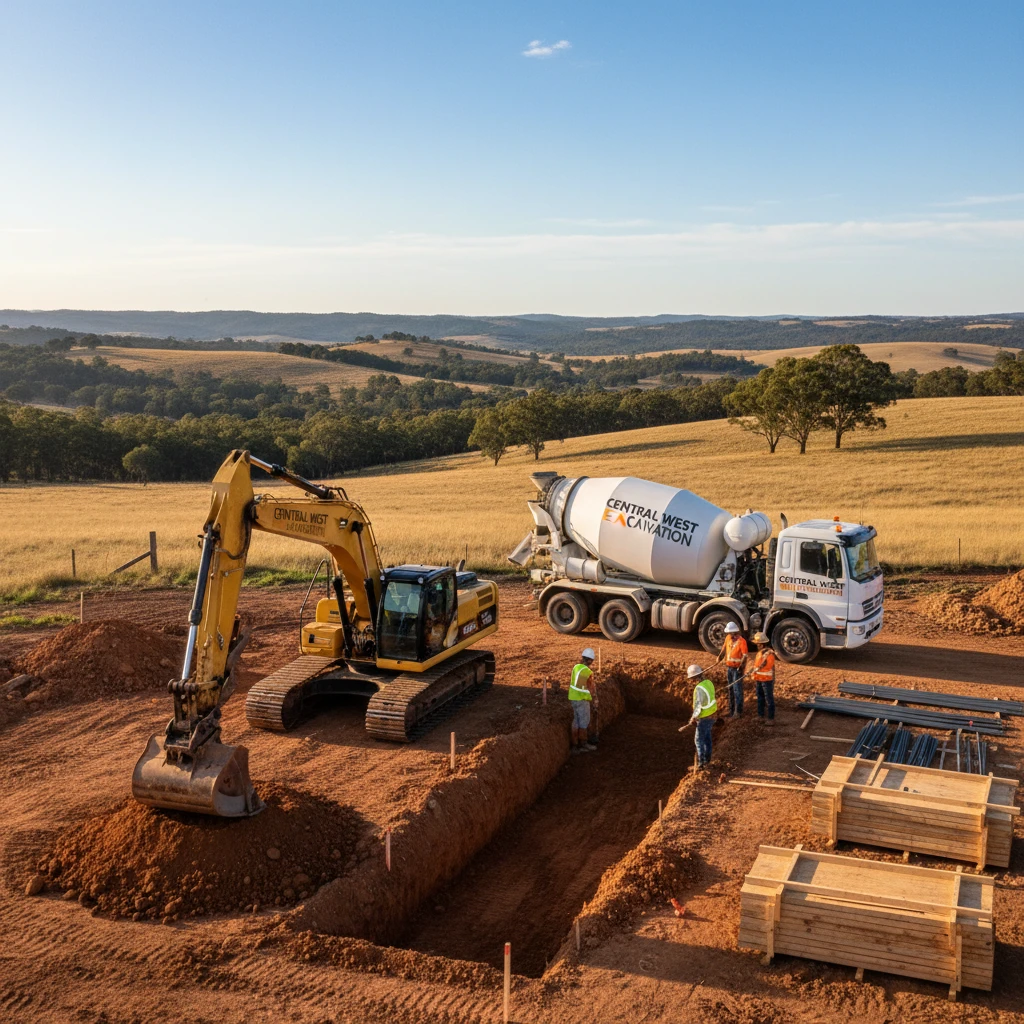
Our team excels in this crucial preliminary stage. We utilise a range of excavators and specialised tools suited for the unique conditions found here, including sites with difficult access. Whether it’s navigating around large rock formations, precisely cutting into a steep slope, or ensuring adequate drainage on an uneven surface, our expertise ensures the site is optimally prepared. We meticulously remove unsuitable material, compact the sub-base correctly, and install any necessary retaining structures or drainage systems. This commitment to detailed groundwork, often involving intricate precision excavation, guarantees that your concrete foundation is sound, level, and built to last, irrespective of the site’s inherent complexities.
The Importance of Accurate Levelling on Uneven Ground
Achieving accurate levelling on the uneven and sloped terrain characteristic of the Blue Mountains is a critical, yet often underestimated, aspect of quality concreting. A perfectly level base is essential for the structural integrity and functional performance of any concrete pour, whether it’s a driveway, a shed slab, or a patio. On sloped blocks, this often means creating a series of level platforms or precisely grading the surface to ensure water drains away effectively and avoids pooling against structures. Without meticulous levelling, concrete can be prone to uneven wear, cracking due to differential settlement, and aesthetic imperfections that detract from the overall finish. This is particularly true for areas like driveways where vehicles will exert significant, concentrated pressure.
Our process involves using advanced levelling techniques and equipment to ensure precise results, even on the most challenging gradients. This might include detailed surveying, the use of laser levels for accuracy, and the strategic placement of formwork to guide the pour. We understand the interplay between slope, drainage, and structural requirements, and our levelling process is integrated with these considerations. For example, when installing concrete for sloped sites, we ensure that the final surface is not only level where required but also designed to manage water runoff safely. This attention to detail in the levelling phase is a hallmark of our commitment to delivering durable and aesthetically pleasing concrete solutions tailored for the Blue Mountains environment.
Dealing with Drainage: Preventing Water Issues on Challenging Sites
Water management is arguably one of the most significant challenges for concreting projects in the Blue Mountains. The region’s topography, characterised by steep slopes and heavy rainfall, creates a high risk of erosion, water damage, and structural compromise if drainage is not expertly handled. Effective drainage prevents water from pooling on or around concrete surfaces, which can lead to freeze-thaw damage in colder months, saturation of the sub-base leading to settlement, and unsightly staining or algal growth. Ignoring proper drainage planning is a common pitfall that can dramatically shorten the lifespan of even the highest quality concrete work.
At Laser Concrete, we integrate comprehensive drainage solutions into our concreting plans from the outset. This involves understanding the natural water flow on your property and designing systems to redirect it safely away from your concrete structures. Depending on the site, this might include the installation of French drains, the strategic grading of the surface, or the incorporation of specific concrete finishes that promote water runoff. For sites with particularly challenging water issues, we conduct thorough assessments to develop tailored strategies. Our expertise in handling sloped blocks and their unique drainage demands ensures that your concrete remains sound and aesthetically pleasing, avoiding the common problems that plague poorly managed sites. This proactive approach to drainage is vital for the longevity and performance of your concrete.
From Driveways to Decks: Concreting for Sloped Blue Mountains Properties
Concreting on sloped properties in the Blue Mountains presents a unique set of challenges and opportunities. Standard concreting methods designed for flat sites are often inadequate, requiring specialised techniques to ensure functionality, safety, and aesthetic appeal. Whether you’re planning a new driveway that navigates a steep incline, installing durable footpaths on uneven terrain, or laying a solid foundation for a shed, the approach must be tailored to the gradient. Understanding the interplay of slope, drainage, and structural integrity is paramount. We recognise that a concrete element on a slope isn’t just about aesthetics; it’s about creating a resilient structure that withstands the forces of nature and provides long-lasting utility.
Our team at Laser Concrete brings extensive experience in working with the diverse topography of the Blue Mountains. We don’t shy away from complex sites; we embrace them. Our expertise lies in developing bespoke concreting solutions that work with, not against, your property’s natural contours. This involves detailed site assessments, careful planning of excavation and levelling, and the use of appropriate reinforcement and finishing techniques. We aim to deliver concrete projects that are not only visually appealing but also exceptionally durable and safe, providing a sound investment for your property. By focusing on these specialised needs, we ensure that your concreting project enhances your property’s usability and value, even on the most challenging Blue Mountains inclines.
Designing Driveways That Work With, Not Against, Your Slope
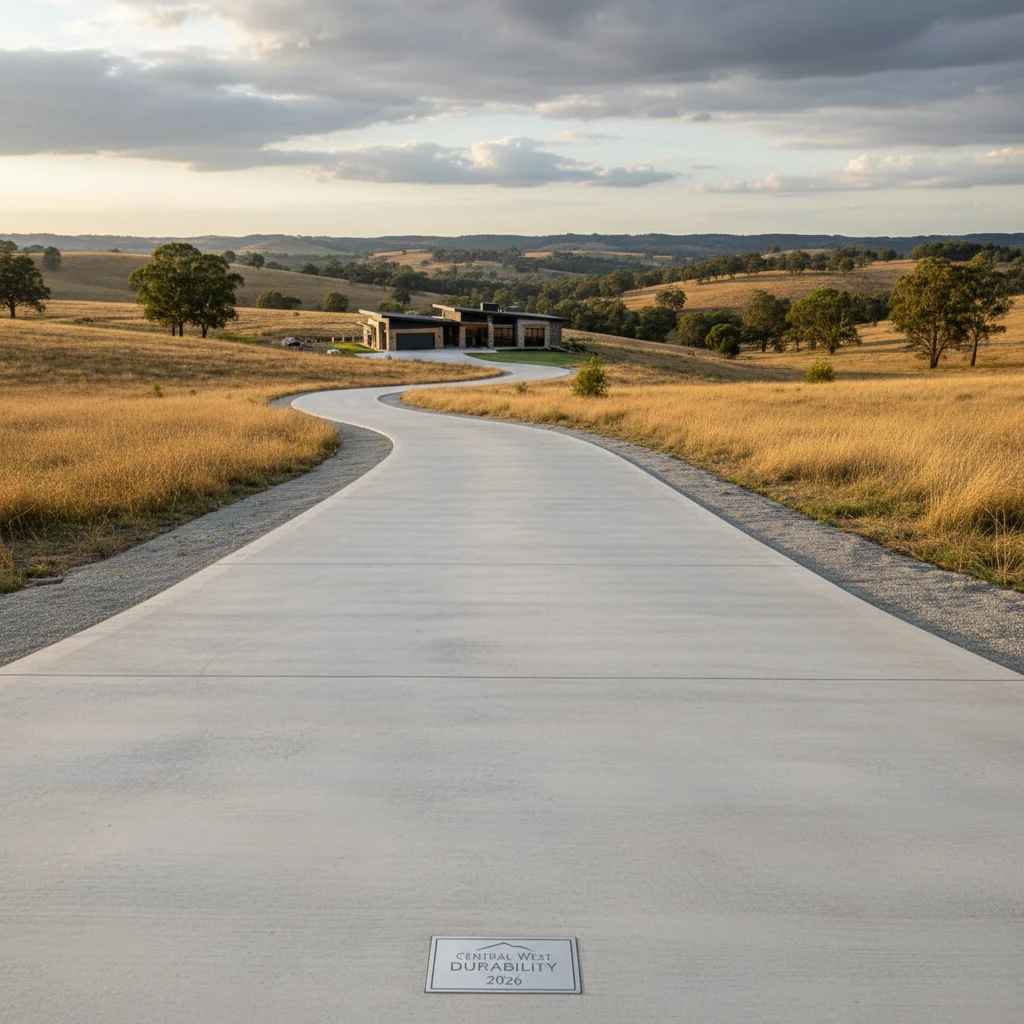
Constructing a driveway on a sloped Blue Mountains property requires more than just pouring concrete; it demands thoughtful design and execution that harmonises with the natural gradient. A poorly designed driveway on a steep incline can become a hazard, prone to erosion, water damage, and difficult vehicle access. The key is to create a surface that channels water effectively, provides adequate grip, and is structurally sound to withstand vehicular loads on uneven ground. This often involves creating stepped sections, incorporating drainage channels, or utilising textured finishes for enhanced traction. Simply applying standard driveway practices on a slope is a recipe for future problems.
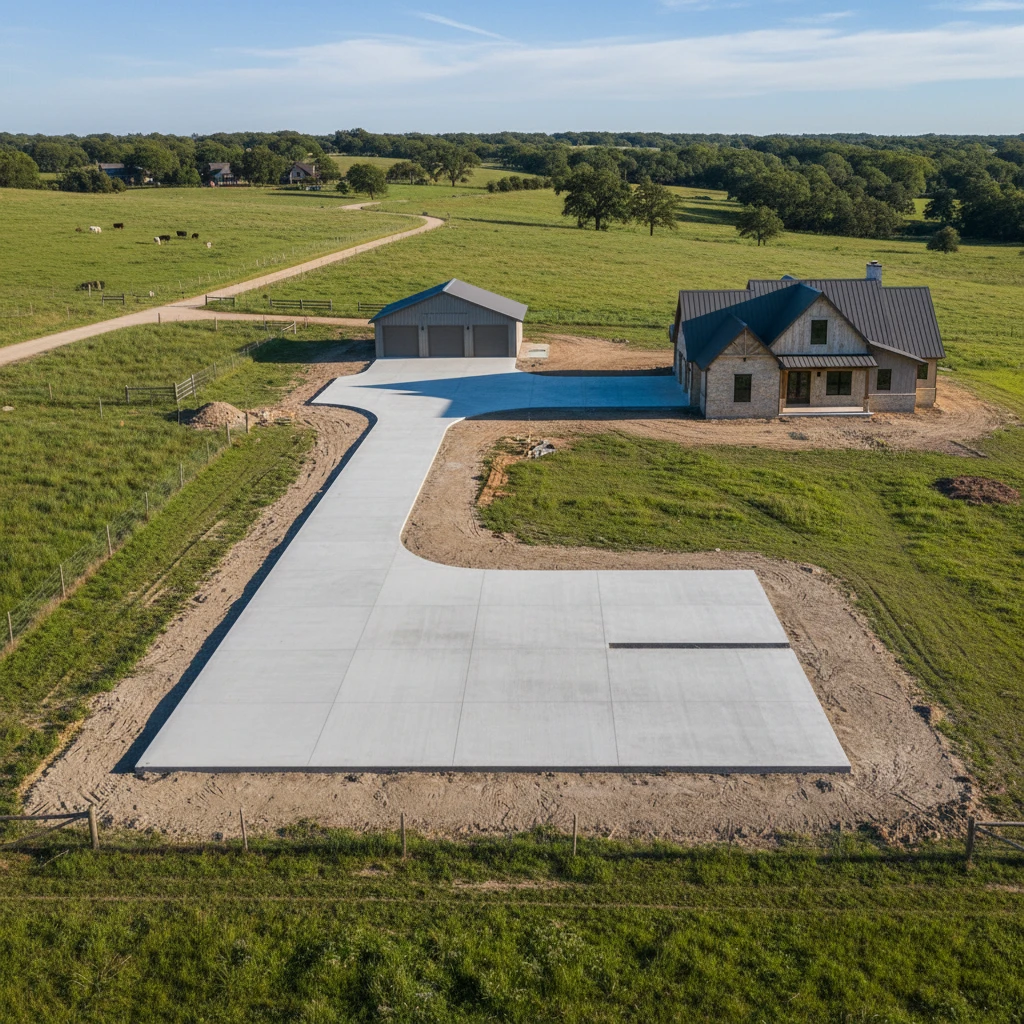
At Laser Concrete, we specialise in designing and building driveways that are both functional and aesthetically pleasing on challenging Blue Mountains terrain. We begin by thoroughly assessing the slope, identifying potential drainage issues, and considering the best access routes for materials and equipment. Our design process focuses on creating a driveway that not only looks great but also performs reliably, minimising maintenance needs. For instance, we might incorporate a series of shallow, well-designed steps within the driveway itself to break up a steep incline, or ensure precise grading to direct water towards appropriate drainage points. This tailored approach ensures your driveway is built to last, complementing your property and offering safe, easy access.
Building Safe and Stable Footpaths on Inclined Terrain
Creating safe and stable footpaths on the steep and uneven terrain of the Blue Mountains is a critical aspect of property usability and accessibility. Standard, flat footpath construction methods are rarely suitable here, as they can lead to trip hazards, water pooling, and erosion. The primary concern is safety and accessibility, ensuring that pedestrians can navigate the property with confidence, regardless of the incline. This requires careful planning to manage water runoff, provide secure footing, and create a visually appealing pathway that integrates with the surrounding landscape. A well-constructed concrete path can significantly enhance the functionality and enjoyment of your property.
Our expertise at Laser Concrete extends to crafting durable and secure footpaths tailored for sloped sites. We understand the nuances of working with gradients, ensuring that each section of the path is precisely laid to manage water flow and prevent slippage. This may involve creating gentle steps, incorporating textured non-slip finishes, or designing the path to follow natural contours while maintaining a safe gradient. We also consider the aesthetic integration with your property’s design. For challenging terrains, we often recommend reinforced concrete solutions that provide superior strength and longevity. Whether you need a simple pathway to your garden shed or a more elaborate network of steps and landings, our team ensures your concrete stairs and paths are built to the highest standards of safety and durability.
Shed Slabs and Outbuildings: Ensuring a Solid Foundation in Difficult Spots
Erecting sheds, garages, or other outbuildings on sloped or uneven Blue Mountains land requires a specialised approach to foundation construction. Simply placing a structure on unprepared ground, even with a basic concrete slab, can lead to significant problems. The foundation must be level, stable, and capable of supporting the structure’s weight while withstanding the pressures of the surrounding terrain and weather. In areas prone to water runoff, inadequate foundation preparation can result in the structure becoming unstable or water seeping into the building, causing damage. The unique challenges of these sites necessitate expert site preparation and concrete pouring.
Laser Concrete excels in providing robust shed slabs and foundations for outbuildings, even in the most demanding Blue Mountains locations. We understand that a solid base is non-negotiable for the longevity of any structure. Our process begins with a thorough assessment of the site’s gradient and soil conditions. We then undertake the necessary excavation and levelling to create a perfectly prepared, stable base. For difficult spots, this might involve constructing retaining elements or precisely cutting into a slope to ensure the slab is level and secure. We use appropriate reinforcement techniques to provide added strength and stability, guaranteeing that your shed or outbuilding has a foundation built to last. This meticulous approach ensures that your investment in an outbuilding is protected by a quality concrete foundation, designed for the specific challenges of your Blue Mountains property.
The Laser Concrete Advantage: Precision on Rocky Terrain
The Blue Mountains’ landscape is often characterised by its rocky composition, presenting a distinct set of challenges for concreting projects. Solid rock, boulders, and complex underground geological formations require more than just standard excavation equipment. Expertise in navigating and preparing rocky terrain is crucial for ensuring a solid foundation and avoiding costly delays or damage. Without the right approach, attempts to excavate or pour concrete on such sites can lead to inefficient work, compromised structural integrity, and potential damage to underground utilities. Laser Concrete’s advantage lies in our specialised knowledge and equipment designed to tackle these exact conditions effectively and efficiently.
Our team is adept at working with the unique demands of rocky Blue Mountains sites. We employ advanced excavation strategies, including the use of specialised rock breakers and controlled drilling techniques, to manage obstructions safely and precisely. This ensures that the site is prepared correctly for the concrete pour, laying the groundwork for a durable and long-lasting result. Furthermore, we understand the importance of appropriate reinforcement when dealing with challenging ground conditions. By integrating robust steel reinforcement tailored to the specific geological makeup of the site, we ensure that your concrete structures possess the necessary strength and resilience. Choosing Laser Concrete means opting for a team that can expertly handle the complexities of rocky terrain, delivering precision and quality where others might falter.
Navigating Boulders and Bedrock: Our Excavation Strategies
The presence of significant rock formations, from large boulders to solid bedrock, is a common characteristic of Blue Mountains properties. This geology significantly impacts the excavation phase of any concreting project. Standard digging methods are often insufficient, requiring specialised tools and techniques to remove or work around these obstructions safely and efficiently. Failure to properly address rocky terrain can lead to project delays, increased costs, and compromised structural integrity of the final concrete pour. It is essential to have a team experienced in identifying and managing these geological challenges effectively. Our approach prioritises precision and minimal disruption while ensuring the ground is perfectly prepared.
At Laser Concrete, we employ a strategic range of excavation methods to tackle rocky sites. Depending on the scale and nature of the rock, this can involve using hydraulic rock breakers, specialised attachments for our excavators, or employing drilling techniques to break up stubborn formations. For particularly challenging sites, such as those requiring excavation and concrete solutions for rocky Blue Mountains sites, we conduct thorough site assessments to determine the most effective and cost-efficient approach. Our goal is always to prepare a clean, stable sub-base for the concrete, ensuring there are no hidden weaknesses. This meticulous preparation is fundamental to the long-term performance and durability of your concrete structures, providing a solid foundation on even the most challenging ground.
Reinforcement Techniques for Strength in Challenging Ground
When concreting on challenging ground, particularly in the rocky and sloped terrains common in the Blue Mountains, adequate reinforcement is not merely recommended – it’s essential for structural integrity. The type and extent of reinforcement must be adapted to the specific ground conditions to prevent cracking, settlement, and eventual failure. Simply pouring concrete without considering the underlying geological pressures or potential movement is a significant risk. This is especially true for foundations, driveways, and slabs that bear substantial loads or are subjected to significant environmental forces.
Our expertise includes implementing specialised reinforcement techniques tailored for difficult sites. This typically involves the strategic use of steel reinforcing mesh or rebar, carefully placed within the concrete structure to enhance its tensile strength and distribute loads effectively. For sites with particularly unstable soil or significant rock intrusions, we may recommend more robust reinforcement systems, including fibre reinforcement or additional steel placement. We assess the specific needs of each project, considering factors like the expected load, the type of ground, and the potential for water ingress or ground movement. By employing these advanced reinforcement strategies, we ensure that your concrete is exceptionally strong and durable, capable of withstanding the unique stresses of challenging Blue Mountains terrain. This commitment to robust construction underpins the longevity of our work.
Minimising Disruption While Maximising Site Access
Working on challenging Blue Mountains sites often presents a paradox: the need for heavy equipment to prepare the ground versus the necessity of minimising disruption to the surrounding environment and property. Efficient site access and careful operational planning are paramount to achieving a successful concreting outcome without causing undue inconvenience or damage. Steep inclines, limited space, and sensitive landscaping all contribute to the complexity of manoeuvring machinery and delivering materials. Our approach focuses on overcoming these access challenges with smart logistics and specialised equipment.
At Laser Concrete, we have developed proven strategies for maximising site access and minimising disruption, even in the most difficult locations. This includes utilising compact, agile excavators and machinery suitable for tight access excavation and employing advanced planning to ensure materials are delivered efficiently. We carefully map out access routes, coordinate with clients regarding potential impacts, and employ techniques that reduce our footprint on the property. For instance, where large machinery access is limited, we are skilled in manual excavation and the use of smaller, more specialised tools. Our objective is to complete the preparation and pouring phases smoothly and with minimal fuss, delivering a high-quality concrete finish while respecting the integrity and tranquility of your Blue Mountains property. This focus on operational efficiency and site sensitivity is a key differentiator.
Quality Workmanship for a Long-Term Investment
Investing in concrete work is a significant decision, often undertaken with the expectation of longevity and reliable performance. High-quality workmanship is not merely about aesthetics; it’s the fundamental assurance that your concrete will withstand the elements, daily use, and the passage of time without succumbing to premature wear or structural issues. This dedication to quality begins with understanding the core components and processes involved, ensuring every project is built on a solid foundation, literally and figuratively. When you choose a service committed to excellence, you’re not just getting a slab or a pathway; you’re securing a durable asset for your property that adds value and requires minimal fuss over its extensive lifespan. This approach means meticulous attention to detail at every stage, from the initial site preparation to the final finishing touches, guaranteeing a result that is both visually appealing and structurally sound, thereby maximising your initial investment.
The Foundation of Durability: Choosing the Right Concrete Mix
The strength and resilience of any concrete structure are intrinsically linked to the specific mix used. A generic approach rarely suffices, especially when dealing with the varied environmental conditions found in regions like the Blue Mountains. Understanding concrete mix design involves balancing the proportions of cement, aggregates (sand and gravel), and water. For high-traffic areas, harsh weather exposure, or specific load-bearing requirements, a stronger, more durable concrete blend is essential. This might involve specifying a higher cement content, using particular aggregate types for increased abrasion resistance, or incorporating admixtures to enhance properties like frost resistance or workability. For instance, areas prone to freeze-thaw cycles benefit from air-entrained concrete, which creates microscopic air pockets to relieve internal pressure from expanding ice. Similarly, driveways subjected to heavy vehicle loads require a mix with a higher compressive strength, often rated in megapascals (MPa), to prevent cracking and rutting. Consulting with experienced professionals ensures the mix is tailored to the specific demands of your project, whether it’s a residential driveway, a patio, or a structural slab for a shed, preventing common issues like dusting, cracking, or spalling over time. Guidance on selecting the appropriate mix can be found through industry resources like the Cement Concrete & Aggregates Australia website, offering insights into national standards and best practices.
Achieving a Superior Finish: Aesthetics and Functionality
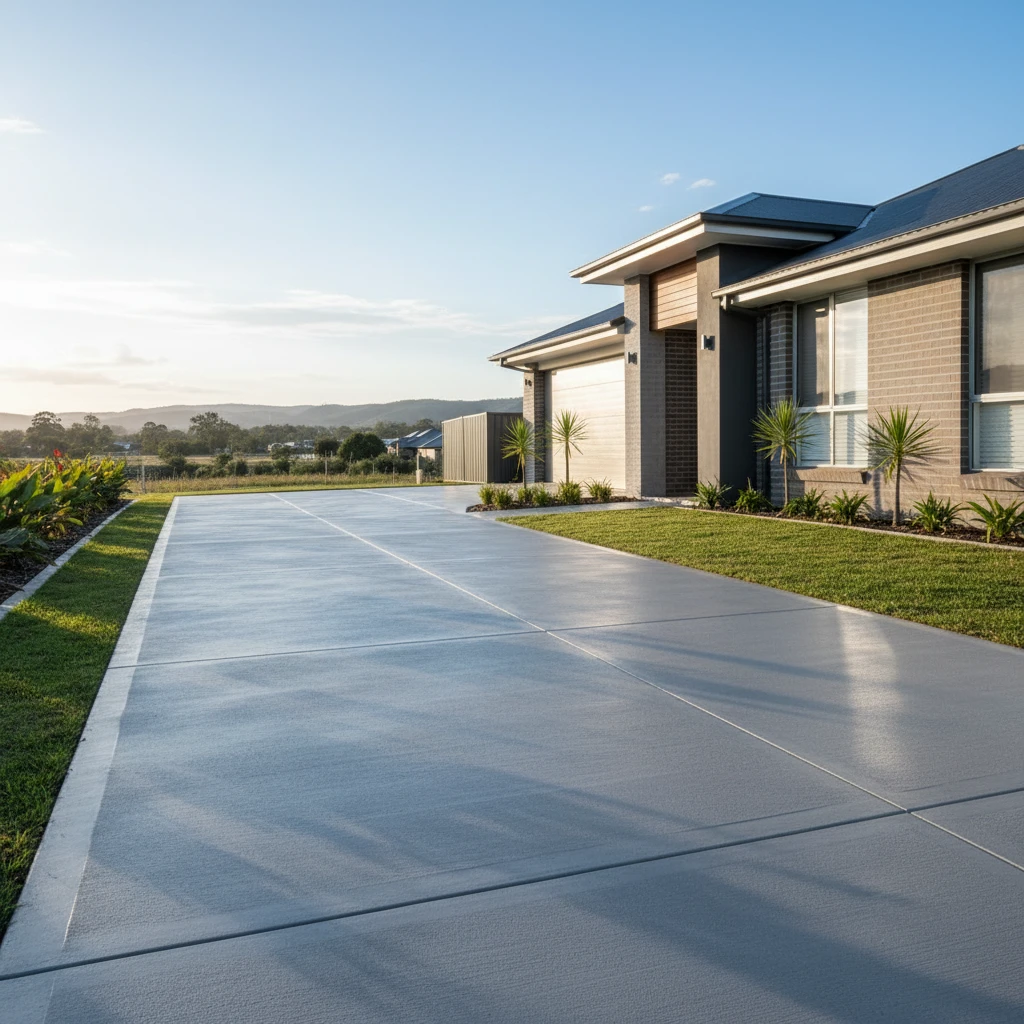
Beyond its structural integrity, the finished appearance of concrete plays a crucial role in enhancing a property’s appeal and usability. Achieving a superior finish involves more than just smoothing the surface; it encompasses creating a seamless, even texture that is both visually pleasing and practical for its intended use. For driveways and pathways, a non-slip texture is paramount, especially in the often-wet conditions of the Blue Mountains, reducing the risk of accidents. Techniques such as broom finishing or stamped concrete can provide the desired grip and aesthetic. For patios and entertainment areas, a smooth, well-levelled surface ensures furniture sits stably and water drains away effectively. Decorative finishes, like exposed aggregate or coloured concrete, can transform a utilitarian surface into a feature element of your landscape design. The key is meticulous execution by skilled tradespeople who understand how to work the concrete at various stages of its setting process. A poorly finished surface can not only be unsightly but also create trip hazards or lead to water pooling, accelerating deterioration. For those considering decorative options, exploring concrete driveway examples can provide inspiration for both appearance and functional considerations.
Our Process: From Initial Consultation to Final Curing
Our commitment to quality is evident in our structured approach to every project, ensuring a smooth and successful outcome. The process begins with a thorough initial consultation, where we listen to your needs, assess the site conditions, and discuss your vision. This is followed by detailed planning, including site preparation, excavation, and formwork. We then proceed with pouring the concrete, using the precise mix design suited for your project’s requirements. Crucially, our work doesn’t end with the pour. Proper curing is a vital step, often overlooked, that significantly impacts the concrete’s final strength and durability. We employ techniques to ensure optimal curing conditions, preventing rapid drying and cracking. For sloped sites or challenging terrain, our expertise in excavation and concrete ensures a robust foundation. Throughout the entire project, clear communication and adherence to best practices are maintained, culminating in a finished product that exceeds expectations. This systematic methodology, from the first conversation to the final set, guarantees a superior, long-lasting result.
When to Consider Professional Concrete Repairs or Replacement
Concrete, while remarkably durable, is not impervious to the effects of time, weather, and stress. Understanding when your existing concrete needs attention is key to preventing minor issues from escalating into major, costly problems. Early detection and intervention can often save significant expense and inconvenience, preserving the structural integrity and aesthetic appeal of your property. Ignoring warning signs can lead to more extensive damage, compromising safety and potentially impacting your home’s value. By recognising the typical signs of wear and tear, and understanding the consequences of inaction, property owners can make informed decisions about maintenance and repairs. This proactive approach ensures that your concrete surfaces continue to serve their purpose effectively and safely for years to come, maintaining the overall condition of your home or business premises and avoiding the need for a complete overhaul.
Identifying Early Signs of Concrete Deterioration
Several visual cues can indicate that your concrete surfaces may be starting to deteriorate and require professional assessment. The most common and visible sign is cracking. While minor hairline cracks can sometimes be cosmetic, larger or expanding cracks, especially those with vertical displacement or that show signs of efflorescence (a white, powdery deposit), warrant attention. Spalling, which is the flaking or peeling away of the concrete surface, is another indicator, often caused by freeze-thaw cycles, de-icing salts, or poor finishing techniques. Uneven settlement or sinking of concrete slabs, such as driveways or pathways, suggests issues with the sub-base or underlying soil. Potholes or significant crumbling, particularly in high-traffic areas, point to a loss of material integrity. Rust stains emanating from beneath the surface can indicate corroding rebar, a serious structural concern that requires immediate investigation. Even subtle signs like a loss of overall flatness or increased porosity can signal underlying problems that, if left unaddressed, will accelerate the concrete’s decline. Paying attention to these early warning signs allows for timely interventions.
The Costs of Neglect: How Small Issues Can Escalate
The temptation to postpone concrete repairs can lead to significantly higher costs down the line. A small crack, for example, might seem insignificant, but it allows water to penetrate the concrete’s porous structure. In colder months, this water freezes and expands, widening the crack and weakening the concrete. This cycle repeats, progressively enlarging the damage. Similarly, minor spalling can lead to larger areas of exposed aggregate, creating trip hazards and accelerating surface erosion. If a slab begins to settle, ignoring it can lead to further instability, potentially affecting nearby structures or utilities. The accumulation of these small, ignored problems can transform a manageable repair into a requirement for a complete concrete replacement, which is substantially more expensive and disruptive. Furthermore, deteriorating concrete can negatively impact your property’s curb appeal and perceived value. For instance, a driveway with extensive cracking and spalling is not only unsightly but can also be a safety concern, potentially leading to liability issues. The cost of addressing a small crack is often a fraction of the expense of replacing an entire driveway or patio. Understanding this can help prioritise timely maintenance and repairs, safeguarding your property and your investment.
Restoring Your Property’s Integrity: Our Repair Solutions
Addressing concrete issues requires a nuanced approach tailored to the specific problem. We offer a range of expert concrete repair and replacement services designed to restore the integrity and appearance of your concrete structures. For surface-level damage like minor cracks and spalling, techniques such as patching, grinding, and applying concrete resurfacers can effectively mend the affected areas, blending seamlessly with the existing surface. Deeper cracks or those indicating sub-base issues might require crack injection using epoxy or polyurethane resins to stabilise and seal the damage, preventing further water ingress. In cases where settlement has occurred, slab jacking or mudjacking might be employed to lift and level the concrete without a full replacement. However, when damage is extensive, structural integrity is compromised, or the existing concrete is beyond economical repair, complete replacement becomes the most prudent and long-lasting solution. Our team carefully assesses the extent of the damage and recommends the most effective and cost-efficient repair strategy, ensuring a durable and aesthetically pleasing outcome that protects your property for years to come. For properties in the Central West, our concrete repair and replacement services are readily available.
Alternatives to Traditional Concreting (and When to Choose Them)
While concrete remains a highly popular and effective material for many outdoor applications, it’s not always the only solution, nor is it the best fit for every scenario. Exploring alternatives can be beneficial for specific aesthetic goals, budget considerations, or unique site challenges. Materials like pavers, natural stone, gravel, and even decomposed granite offer distinct advantages and disadvantages compared to traditional poured concrete. The decision often hinges on factors such as desired appearance, expected traffic load, drainage requirements, long-term maintenance, and the specific environment. Understanding these options allows for a more informed choice, ensuring the selected material aligns perfectly with the project’s objectives and the property’s overall design. Sometimes, a combination of materials can also provide a unique and highly functional outcome, blending the best attributes of different hardscaping elements.
Pavers and Other Hardscaping Options: Pros and Cons
Pavers, including interlocking concrete pavers, brick pavers, and natural stone options, offer a visually appealing and versatile alternative to poured concrete. Their primary advantage lies in their modular nature, allowing for intricate patterns, diverse colours, and easy replacement of individual damaged units. Pavers can mimic the look of natural stone or brick at a potentially lower cost, and they are generally resistant to cracking caused by freeze-thaw cycles or minor ground movement. However, they can be more labour-intensive to install, often resulting in higher initial costs than basic concrete. Weed growth between joints and potential settling or shifting over time are common maintenance considerations. Other hardscaping options, like flagstone or slate, offer a premium, natural aesthetic but come with a higher price tag and can be less uniform in surface, potentially creating unevenness. The suitability of pavers or stone often depends on the desired aesthetic, the budget, and the tolerance for ongoing joint maintenance. For areas with significant pedestrian traffic or where a specific decorative style is paramount, these alternatives can be excellent choices.
Gravel and Other Loose Fill: Suitability for Specific Applications
Gravel, crushed rock, and decomposed granite are simpler, often more budget-friendly options that serve specific purposes well. Their key advantage is excellent drainage; water readily permeates through the loose material, making them ideal for areas where water pooling is a concern or for pathways in naturalistic garden settings. They are also relatively easy to install and can be sourced in a wide variety of colours and textures to complement different landscapes. However, these materials are not suitable for heavy-duty applications like driveways for standard vehicles or surfaces requiring a firm, level base for furniture. They tend to shift and spread, requiring regular raking and replenishment to maintain their appearance and functionality. Loose fill materials are best suited for garden paths, secondary walkways, drainage solutions, or as a base layer for other hardscaping elements. Their suitability diminishes rapidly with increased traffic or when a smooth, stable surface is a primary requirement. For instance, a simple garden path might benefit greatly from gravel, while a residential driveway would not.
When Concreting Remains the Superior, Enduring Choice
Despite the availability of alternatives, traditional poured concrete often emerges as the superior choice for many applications due to its inherent strengths. Its seamless, monolithic nature provides unparalleled strength and stability, making it ideal for high-traffic areas like driveways, garage floors, and large patios that need to withstand significant weight and constant use. Once properly installed and cured, concrete creates a robust, load-bearing surface with minimal joints or potential weak points, significantly reducing the likelihood of weed growth or uneven settlement compared to pavers or gravel. Furthermore, concrete’s smooth surface is easier to clean and maintain, requiring less ongoing effort than managing weeds between pavers or replenishing loose fill. For projects where longevity, low maintenance, and a clean, uniform finish are paramount, such as shed slabs, foundations, or expansive patios, poured concrete offers unmatched durability and value. It forms a foundational element of many properties, providing a reliable and long-lasting base for decades. For situations demanding maximum durability and a clean, functional surface, concrete often provides the most practical and enduring solution.
The Laser Concrete Difference: Experience You Can Trust in Penrith and Beyond
In the competitive landscape of concreting services, Laser Concrete stands apart by consistently delivering exceptional results, particularly on challenging sites across Penrith, the Blue Mountains, and the Central West. Our distinction lies not just in the materials we use, but in the depth of our experience, our meticulous processes, and our unwavering commitment to quality. We understand that concrete projects are long-term investments, and our goal is to provide surfaces that are not only functional and aesthetically pleasing but also built to withstand the unique environmental demands of our region. From intricate excavation tasks on steep slopes to pouring durable shed slabs, our team brings a level of expertise that ensures your project is handled with precision and care. This dedication to craftsmanship, combined with our local knowledge and client-focused approach, forms the bedrock of the Laser Concrete difference, providing peace of mind and lasting value for every property owner we serve.
Our Commitment to the Local Blue Mountains Community
As a locally based concreting and excavation business, our commitment extends beyond simply completing projects; we are deeply invested in serving the Blue Mountains community. We understand the unique geographical challenges inherent to the area, such as steep terrain, rocky soil conditions, and fluctuating weather patterns. This local knowledge allows us to approach each project with a tailored strategy, ensuring that our concrete solutions are not only robust and durable but also contextually appropriate for the environment. Our team comprises experienced professionals who live and work in the region, bringing a personal understanding of the local landscape and its demands. We pride ourselves on building strong relationships with our clients, offering transparent communication and reliable service. Our aim is to contribute positively to the community by providing high-quality concreting services that enhance property value and functionality for homeowners and businesses alike, fostering trust and delivering enduring results for our neighbours.
Why Experience Matters on Complex Concreting Projects
Concreting, especially on difficult or complex sites, is far more than a simple pouring task; it demands a high degree of skill, foresight, and adaptability. Experience is paramount because it equips professionals with the knowledge to anticipate and overcome unforeseen challenges. This is particularly true when dealing with sloped blocks or rocky terrain, common in the Blue Mountains. Navigating these sites requires specialised excavation techniques, precise formwork to manage varying elevations, and careful concrete placement to ensure even distribution and bonding. An experienced team understands how different soil types behave, how to manage water runoff effectively on inclines, and how to adapt pour strategies to maintain concrete quality under challenging conditions. For example, executing precise excavation for a shed slab on a steep property, as discussed in our excavation and concrete solutions for sloped blocks, requires more than just heavy machinery; it needs an understanding of grading, drainage, and foundation stability. Without this experience, projects risk structural weaknesses, aesthetic flaws, and costly rework. Our proven track record on intricate jobs highlights the value of seasoned expertise in delivering reliable, high-quality concrete outcomes.
Client Success Stories: Tackling Difficult Sites with Confidence
Our portfolio is filled with examples of how Laser Concrete has successfully navigated and completed projects on sites others might deem unmanageable. One such example involved a residential property in the lower mountains with an exceptionally steep driveway that required extensive retaining work and precise excavation before the concrete pour could even begin. The client initially faced challenges finding contractors willing to take on the complexity. Our team’s expertise in difficult access excavation allowed us to prepare the site efficiently and safely. We installed reinforced concrete edging and a specially formulated concrete mix to ensure the driveway’s longevity and resistance to erosion. Another project involved a rural property requiring a large shed slab on uneven, rocky ground; our excavation and concrete solutions for rocky Blue Mountains sites were instrumental in creating a stable, level base. These projects, among many others, demonstrate our capability to approach challenging sites with confidence and deliver durable, high-quality concrete solutions that meet our clients’ needs, even in the most demanding environments.
Planning Your Project: What to Expect from a Specialist Concreter
Embarking on a concreting project, particularly in a challenging locale like the Blue Mountains, requires a thorough understanding of the process and what to expect from a specialist concreting team. It’s not simply about pouring concrete; it involves meticulous planning, expert execution, and clear communication. When engaging professionals, you should anticipate a structured approach that begins long before the first mix arrives on-site. This includes an in-depth consultation, a detailed site assessment, and a realistic discussion about timelines and potential complexities. Understanding the nuances of your specific site, whether it’s a steep slope, rocky terrain, or limited access, is paramount. A specialist will bring the necessary experience and equipment to navigate these challenges, ensuring the final outcome is both aesthetically pleasing and structurally sound for years to come.
Site Assessment: The Crucial First Step
The cornerstone of any successful concreting project, especially in the Blue Mountains with its unique topography, is a comprehensive site assessment. This isn’t a superficial walkthrough; it involves a detailed examination of the land’s contours, soil composition, drainage patterns, and any existing structures or vegetation. A specialist concreter will identify potential obstacles and opportunities, such as the best placement for a new shed slab or the most effective way to manage water runoff around a driveway. They will also consider access for machinery and material delivery, which can be a significant factor on steep or narrow blocks. For instance, a site with significant rock outcrops might require specific excavation techniques to ensure a stable foundation, as discussed in excavation and concrete solutions for rocky Blue Mountains sites. This initial assessment allows for precise planning, accurate quoting, and the identification of any necessary permits or approvals. Ignoring this fundamental step can lead to costly errors, project delays, and compromises in the final quality of the concrete work.
Understanding Project Timelines and Potential Delays
When planning a concreting project, setting realistic expectations regarding timelines is vital. While straightforward jobs might follow a predictable schedule, the Blue Mountains’ environment often introduces variables that can impact completion dates. Factors such as weather, particularly heavy rain or extreme heat, can necessitate work stoppages to protect the integrity of the concrete. Unexpected underground obstructions, like solid rock formations or old foundations discovered during excavation, can also cause delays and require revised methodologies. A specialist concreter will factor in these potential disruptions, providing a projected timeline that includes contingency. For example, complex excavation on a sloped site might take longer than anticipated due to the need for specialised equipment and careful grading. Open communication about potential delays ensures you are kept informed and can adjust your own plans accordingly, preventing frustration and misunderstanding.
Open Communication: Keeping You Informed Every Step of the Way
A hallmark of a professional concreting service is consistent and transparent communication. From the initial consultation through to the final curing of the concrete, you should expect to be kept in the loop regarding project progress, any encountered challenges, and upcoming stages. This might involve regular phone calls, site visits, or detailed email updates. For instance, after excavation is complete on a difficult access site, your concreter should inform you of the ground conditions found and how they plan to proceed. If unexpected issues arise, such as encountering a hidden service line or adverse soil conditions, a good team will immediately notify you, explain the implications, and present potential solutions and their associated costs. This proactive approach builds trust and ensures that you are an informed participant in the project, allowing for collaborative decision-making when necessary.
Investing in Your Property’s Future with Expert Concreting
Choosing to invest in professional concreting services is a decision that pays dividends over the long term. Unlike temporary fixes or lower-quality alternatives, expertly laid concrete enhances the functionality, aesthetics, and overall value of your property. The Blue Mountains region, with its unique environmental demands, underscores the importance of durable, well-executed concrete work. Whether it’s a new driveway designed to withstand heavy use, a robust shed slab for essential storage, or meticulously crafted concrete stairs that integrate seamlessly with the landscape, the quality of the installation directly impacts its longevity and performance. This is an investment in structural integrity and lasting appeal, rather than a short-term expenditure. A competent concreter understands the forces at play – from soil movement to water erosion – and applies techniques and materials that counteract these effects, ensuring your concrete surfaces endure.
The Long-Term Value of Durable, Well-Executed Concrete
The true value of professional concreting lies in its enduring nature. High-quality concrete installations are engineered to last for decades with minimal maintenance, making them a sound long-term investment. This durability is particularly crucial in the varied climate and terrain of the Blue Mountains. A properly prepared and poured concrete driveway, for example, can easily withstand years of vehicle traffic, temperature fluctuations, and rainfall without cracking or degrading. Similarly, a robust shed slab provides a stable foundation that protects stored items from moisture and ground movement. Specialist services often go beyond mere pouring, incorporating reinforcement, proper sealing, and expansion joints to preemptively address common failure points. Consider the difference between a driveway that requires costly repairs within five years versus one that remains pristine for twenty or more. Choosing expertise ensures you avoid the cycle of repeated fixes and enjoy the peace of mind that comes with a resilient foundation.
Enhancing Curb Appeal and Property Functionality
Beyond structural longevity, expertly crafted concrete significantly elevates both the visual appeal and practical utility of your property. A well-designed concrete driveway, for instance, can dramatically improve a home’s street presence, providing a clean, defined entrance. Similarly, custom-designed concrete pathways or patios can transform outdoor living spaces into functional and attractive areas. The precision involved in creating smooth finishes, elegant curves, or intricate patterns ensures that the concrete work complements your home’s architectural style. Furthermore, functional enhancements are a key benefit; imagine the ease of access provided by sturdy concrete stairs on a sloped block or the practicality of a perfectly level shed slab. The aesthetic and functional improvements contribute directly to your property’s desirability and your enjoyment of your home.
Making the Right Choice for Your Blue Mountains Home
Selecting the right concreting team for your Blue Mountains property is a critical decision that impacts the success and longevity of your project. Given the region’s challenging terrain and environmental conditions, it’s essential to partner with professionals who possess specific expertise in dealing with slopes, rocky ground, and potential access issues. Look for a team that prioritises a thorough site assessment, detailed planning, and clear communication throughout the process, rather than a quick, budget-focused approach. Their ability to handle difficult excavation or precisely pour a foundation on a steep incline speaks volumes about their capability. Ultimately, making the right choice means opting for quality workmanship and materials that will stand the test of time, enhancing your property’s value and your daily living experience. This investment in skilled craftsmanship ensures a superior outcome that respects the unique challenges and opportunities of your Blue Mountains location.