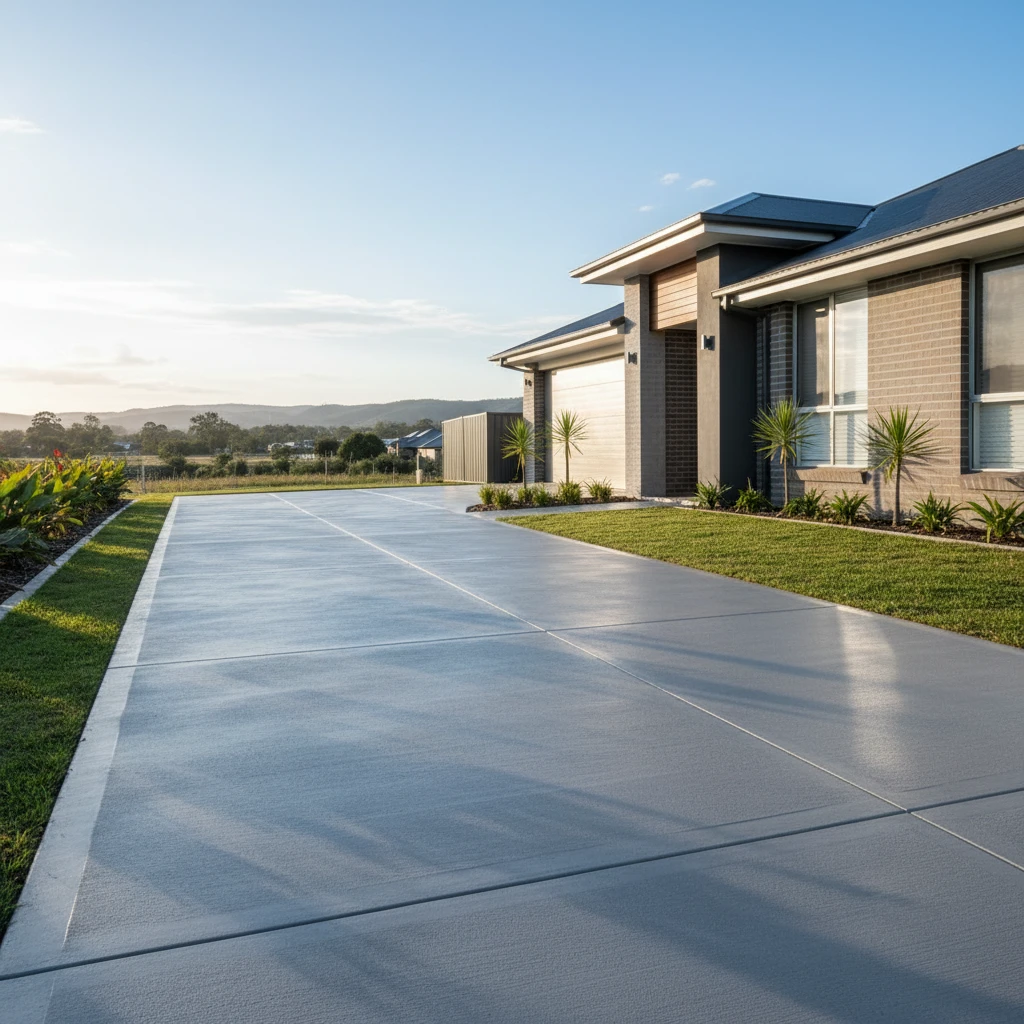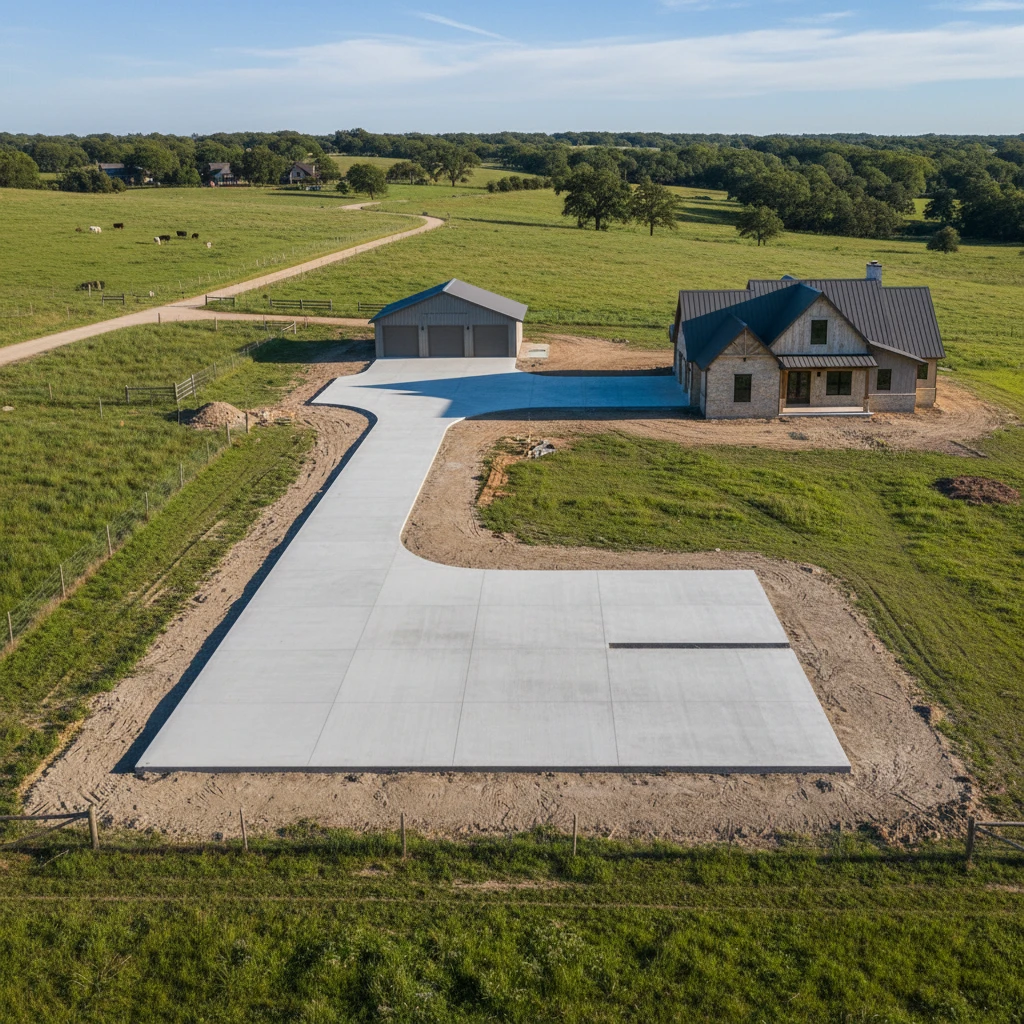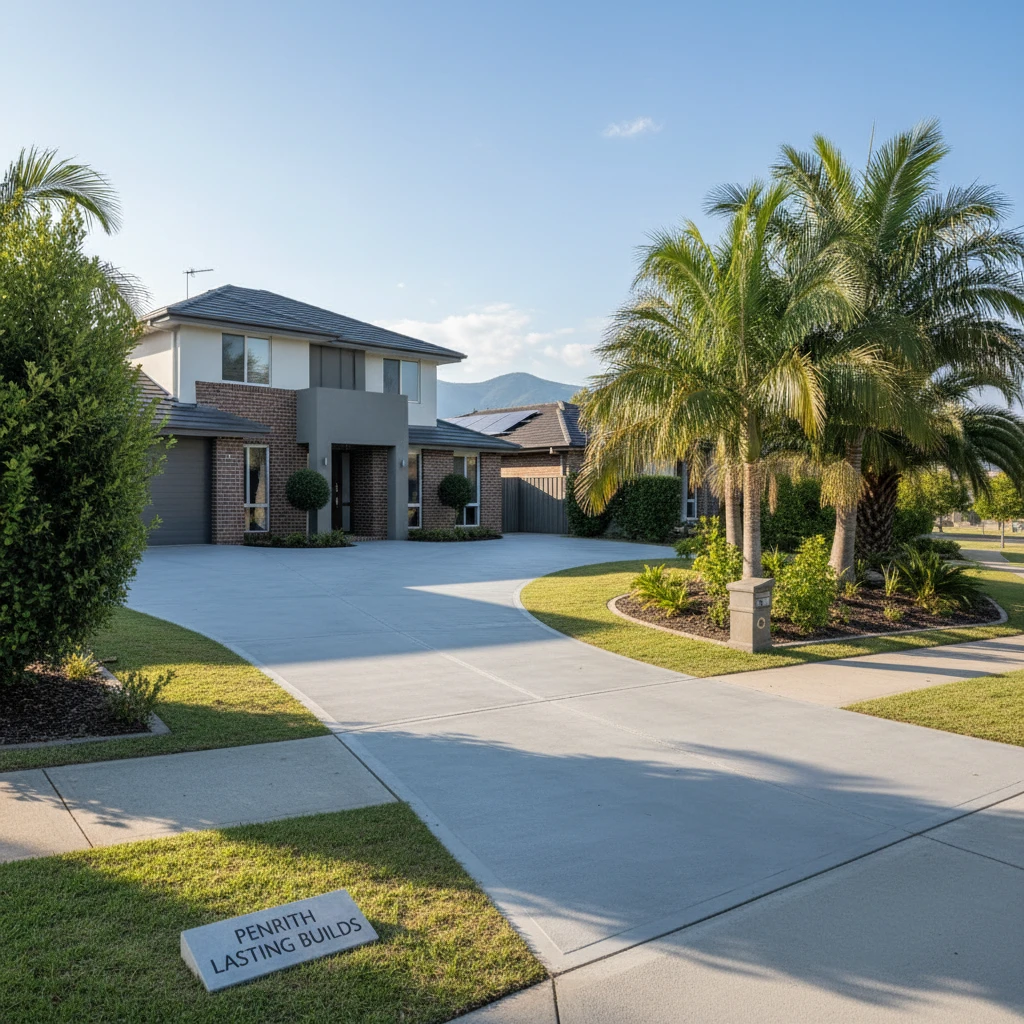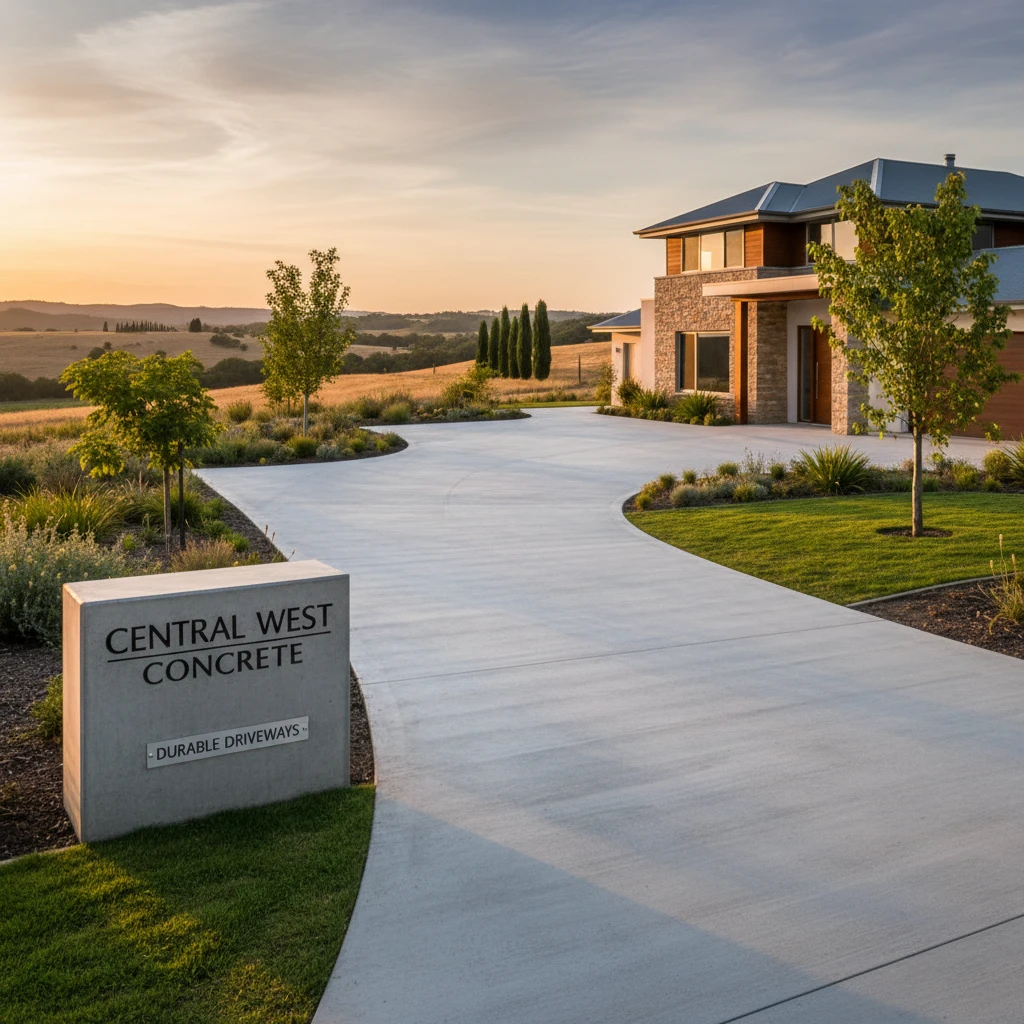
A well-constructed concrete footpath is far more than a simple pathway; it’s an integral part of your property’s infrastructure and a testament to thoughtful design and execution. It enhances curb appeal, provides safe and accessible passage, and contributes significantly to the overall value and longevity of your home. Investing in a durable concrete footpath is a decision that pays dividends for years to come.
Unlike temporary solutions or less robust materials, quality concrete footpaths offer a lasting foundation that can withstand the rigours of daily use and environmental factors. This section delves into why a concrete footpath stands out as a wise property investment, exploring the materials, design considerations, and expert installation crucial for Penrith and surrounding areas.
Beyond the Pavement: Why Your Footpath is a Smart Property Investment
Your home’s footpath is a key element that influences first impressions and daily functionality. A robust, well-designed concrete path doesn’t just guide visitors; it speaks volumes about the care and quality invested in your property. This tangible improvement enhances kerb appeal, making your home more attractive to potential buyers and more enjoyable for you and your family. Beyond aesthetics, it contributes to property value by adding a durable, low-maintenance feature that is universally appreciated. Consider the long-term perspective: while initial costs exist, the lifespan and minimal upkeep of concrete far outweigh many alternatives, translating into significant savings over time. A properly laid concrete path also improves accessibility, ensuring safe passage for everyone, regardless of age or mobility, which is a crucial consideration for any modern home.
The investment extends to practical benefits as well. A concrete footpath can effectively manage water runoff, preventing erosion and protecting your landscaping. It provides a stable, level surface, reducing trip hazards often associated with cracked pavers or uneven ground. When planning for future needs or potential resale, the presence of a high-quality concrete footpath is a significant drawcard. It signals a property that is well-maintained and built to last. For homeowners looking to upgrade their property’s overall appeal and functionality, focusing on foundational elements like pathways is a strategic approach. This foresight can prevent costly repairs down the line and ensure your home remains a sound, valuable asset.
The Enduring Strength of Quality Concrete Footpaths
The inherent strength and durability of concrete make it an ideal material for footpaths that are subject to constant foot traffic and varying weather conditions. Unlike materials that can crack, shift, or degrade quickly, concrete, when properly mixed, poured, and cured, offers exceptional resilience. Its composition allows it to withstand heavy loads, resist wear and tear, and maintain its structural integrity over decades. This long-term performance is a cornerstone of its value proposition. Furthermore, concrete provides a smooth, uniform surface that is both aesthetically pleasing and highly functional, reducing the likelihood of trips and falls. When considering longevity, concrete footpaths represent a superior choice for homeowners prioritising reliability and low maintenance.
The longevity of a concrete footpath is directly tied to the quality of its installation. This involves not just the concrete mix itself but also proper site preparation, including adequate sub-base compaction and reinforcement if necessary. For instance, in areas with fluctuating soil moisture, a well-prepared base prevents settlement and cracking. The use of quality admixtures can further enhance concrete’s properties, improving its resistance to frost, chemicals, or abrasion. For those seeking a lasting solution, understanding these nuances is key. As outlined by industry best practices, ensuring the concrete has sufficient strength (measured in MPa) and is finished correctly will directly impact its service life, providing a dependable pathway for many years.
Designing Your Footpath for Penrith’s Climate and Terrain
Penrith’s climate presents unique challenges that must be considered when designing and installing concrete footpaths. The region experiences hot summers and cooler winters, with varying rainfall patterns. This means the concrete mix needs to be formulated to withstand thermal expansion and contraction, preventing premature cracking. Proper jointing is also critical; expansion joints allow the concrete to move safely during temperature fluctuations, absorbing stress. Furthermore, Penrith’s terrain can range from relatively flat to gently sloping, and understanding this is essential for effective drainage design. Ensuring water is directed away from the footpath and surrounding structures prevents water pooling, which can lead to surface damage and undermine the path’s foundation over time. A well-planned footpath considers these local environmental factors.
When designing your footpath, think about its intended use and the surrounding landscape. For residential properties, a standard width of 1 to 1.2 metres is generally sufficient, but wider paths might be necessary for increased accessibility or aesthetic purposes. Integrating the footpath seamlessly with existing garden beds, driveways, and home entrances is key to a cohesive look. For properties with specific needs, such as connecting to a shed or a patio area, the design must accommodate these transitions smoothly. We specialise in creating concrete solutions tailored to the specific needs of Penrith properties, ensuring both functional longevity and visual harmony. This includes selecting the appropriate concrete strength and finish for the anticipated wear and environmental exposure, providing a robust and attractive addition to your home.
Navigating Slopes and Rocky Ground: Our Speciality
Many properties in the Penrith area and surrounding regions present significant topographical challenges, such as steep slopes and rocky outcrops. These conditions demand specialised expertise in excavation and concrete laying. Simply pouring concrete onto an uneven or unstable surface will inevitably lead to issues like cracking, differential settlement, and erosion. Our approach involves meticulous site assessment to understand the exact nature of the terrain. We employ precise excavation techniques to create a stable, level base, even on challenging gradients. This often involves retaining walls or specialised formwork to manage the slope effectively. For properties facing these difficulties, choosing a team with proven experience in difficult terrain is paramount.
Working with rocky ground requires careful planning to avoid unnecessary damage to the landscape while ensuring a solid foundation. Our team utilises appropriate machinery and techniques for controlled excavation, managing large rocks and boulders to create a smooth, safe working area. For sloped blocks, expert concrete solutions are crucial to prevent water runoff from causing erosion and to ensure the footpath remains stable over time. This might involve implementing tiered steps, strategically placed drainage channels, or reinforced concrete structures to manage the incline. We understand that challenging sites require more than standard methods; they require thoughtful engineering and skilled execution to deliver a durable, safe, and aesthetically pleasing footpath. Our expertise in handling sloped blocks means we can transform even the most difficult terrain into functional and valuable additions to your property.
The Laser Concrete Process: Precision from Start to Finish
At Laser Concrete, our approach to footpath construction is rooted in precision and meticulous planning. We understand that a well-laid footpath isn’t just about aesthetics; it’s about creating a durable, functional, and safe pathway that enhances your property’s usability and value. Our process begins long before the concrete is poured. It involves a thorough site assessment, careful measurement, and precise excavation. We utilise advanced techniques, including laser levelling, to ensure a perfectly graded surface, crucial for proper water runoff and to prevent future issues like cracking or erosion. This attention to detail minimises waste and guarantees that the finished product meets the highest standards of quality and longevity. For those in challenging environments, such as the Blue Mountains, our expertise in handling difficult terrain and rocky sites becomes invaluable.
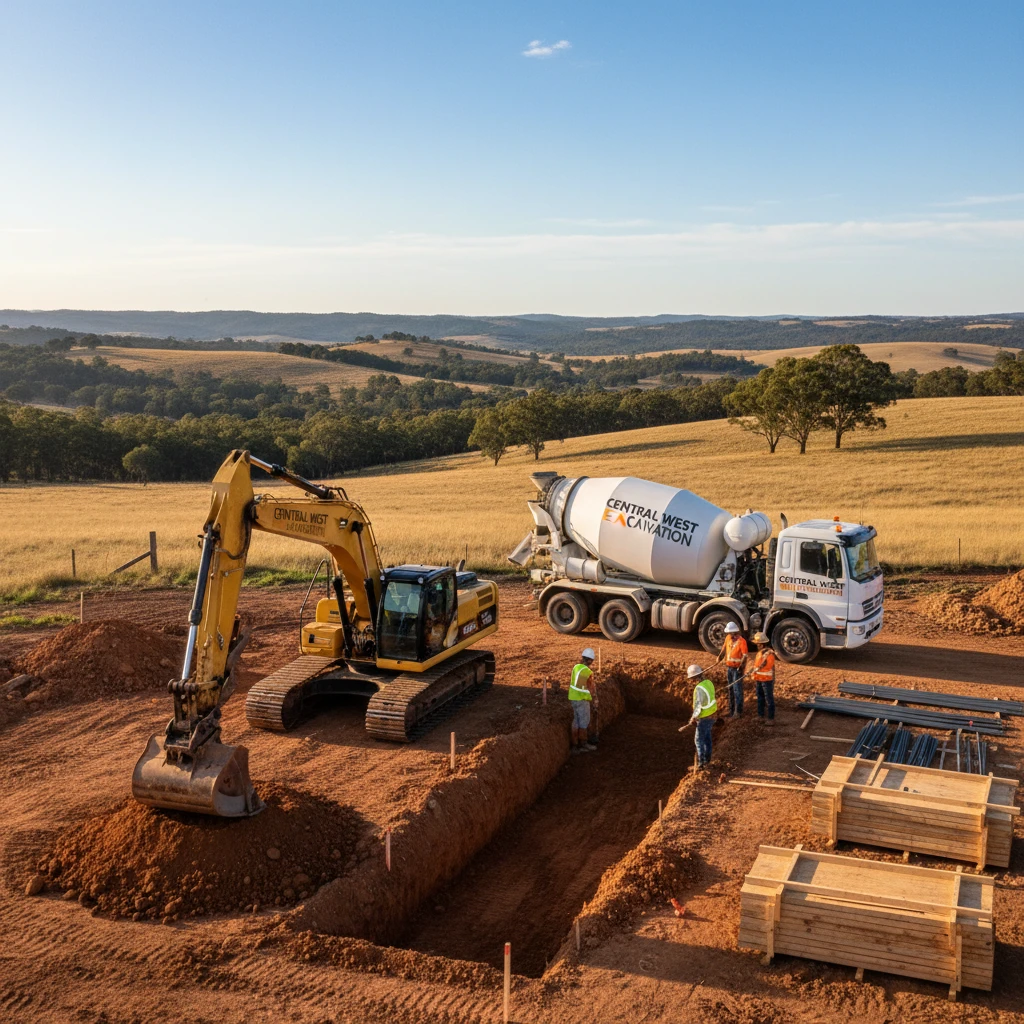
The excavation phase is critical. We carefully remove existing soil, vegetation, and any debris to create a clean, stable base. Compaction of this base is paramount; we ensure it is adequately prepared to support the concrete slab and resist settlement over time. This is particularly important for footpaths that will experience significant foot traffic or are laid on less stable ground. Our team is equipped to handle projects requiring tight access excavation, navigating confined spaces without compromising the integrity of the surrounding landscape or the quality of the sub-base preparation. This methodical preparation sets the stage for a superior concrete pour.
During the pour and finishing stages, our experienced tradespeople employ techniques honed over years of practice. We select the appropriate concrete mix design, considering factors like traffic load, environmental exposure, and desired durability. Proper curing is a vital, often overlooked, step. We implement effective curing methods to ensure the concrete achieves its maximum strength and resilience, protecting it from rapid drying and thermal shock. This commitment to a comprehensive process, from the initial dig to the final seal, ensures your footpath is not only visually appealing but also a robust, long-lasting addition to your home. For homeowners seeking reliable concrete solutions in challenging areas, understanding our rigorous, quality-focused methodology is key.
Key Considerations for Your Concrete Footpath Project
When planning a new concrete footpath, several key factors should guide your decisions to ensure optimal results. The primary goal is often to create a pathway that is both visually pleasing and exceptionally durable, standing up to the Australian climate and regular use. This involves understanding the fundamental properties of concrete and how they relate to your specific site conditions. Considering the intended use of the footpath is also crucial; a path leading to a main entrance might require a more refined finish and greater structural integrity than a secondary garden path. Engaging with professionals who understand these nuances can prevent costly mistakes and ensure your investment is well-placed. This foresight is what distinguishes a functional footpath from one that becomes a long-term asset.
The foundation of any successful concrete footpath lies in its structural integrity. This includes the quality of the sub-base preparation, the thickness of the concrete slab, and the reinforcement used. For footpaths in areas prone to heavier foot traffic or located on sloped ground, such as those often encountered in the Blue Mountains, these aspects become even more critical. Our expertise in excavation and concrete solutions for sloped blocks ensures that your footpath is built to withstand these specific challenges, preventing issues like cracking and unevenness over time. Proper drainage is another vital consideration, preventing water from pooling on or around the path, which can lead to surface damage and foundation issues.
Beyond structural requirements, the aesthetic integration of the footpath with your home’s existing architecture and landscape is paramount. The colour, texture, and pattern of the concrete can significantly impact your property’s overall curb appeal. Think about how the new path will complement your garden beds, existing hardscaping, and the style of your home. Modern homes might benefit from a clean, minimalist finish, while more traditional residences could be enhanced by exposed aggregate or stamped concrete designs. Consulting with experienced concreters can provide valuable insights into the range of finishes available and help you select options that best suit your vision and property. Making informed choices about these elements ensures the footpath serves both a practical and an aesthetic purpose, enhancing your home’s overall appeal.
Durability and Longevity: A Long-Term View
Investing in a concrete footpath is a decision focused on long-term value and performance. Unlike less robust materials, well-constructed concrete offers exceptional durability, resisting wear and tear from foot traffic, weather extremes, and even vehicular loads if necessary. The key to achieving this longevity lies in a multi-faceted approach, beginning with the correct concrete mix design. Factors such as the aggregate type, cement content, and the use of admixtures are carefully selected to enhance strength, reduce permeability, and resist degradation from environmental factors common in regions like the Central West. For instance, a footpath exposed to harsh sun or frequent rain requires a mix that can withstand these conditions without premature cracking or erosion. Proper curing is another non-negotiable element, allowing the concrete to reach its designed strength and providing a dense, resilient surface.
The underlying preparation of the ground is just as crucial as the concrete itself. A stable, well-compacted sub-base prevents the concrete from shifting or cracking due to ground movement. This is particularly important on sites with challenging soil conditions or significant gradients. Our team specialises in preparing bases for concrete pours, ensuring they are properly compacted and graded to provide a solid foundation. This thoroughness is critical for preventing common issues that plague less expertly laid footpaths, such as settlement or heaving. For homeowners in the Blue Mountains facing complex terrain, understanding how we address these site-specific challenges is essential for ensuring a footpath that lasts for decades. A solid foundation means a concrete footpath built to endure.
When considering longevity, it’s also wise to think about maintenance. While concrete is inherently low-maintenance, occasional sealing can further protect the surface from staining and moisture penetration, especially in areas exposed to oils, chemicals, or heavy rainfall. Regular cleaning to remove dirt and debris also contributes to its lifespan. Choosing a reputable contractor who understands these long-term considerations ensures that your initial investment translates into years of reliable service and minimal future expenditure. The aim is to create a footpath that not only looks good upon installation but continues to serve its purpose effectively for many years to come, minimising the need for premature repairs or replacement.
Aesthetics and Integration with Your Home’s Style
The visual impact of a concrete footpath extends far beyond mere functionality; it’s a significant element in defining your home’s overall aesthetic and curb appeal. When selecting a finish, consider how it will harmonise with your property’s architectural style and landscaping. For modern homes, a smooth, honed finish in neutral tones can offer a clean, sophisticated look. Alternatively, exposed aggregate finishes provide texture and visual interest, adding a touch of natural beauty that complements garden settings. Stamped concrete can mimic the appearance of more expensive materials like stone or brick, offering a versatile and cost-effective way to achieve a desired look. The choice of colour and texture plays a vital role in this integration, allowing the footpath to either stand out as a feature or blend seamlessly with its surroundings.
Beyond the surface treatment, the shape and layout of your footpath can also contribute significantly to its aesthetic appeal. A straight, direct path might suit a formal entrance, while gently curving paths can add softness and guide visitors through garden landscapes. Consider the flow from your driveway or gate to your front door, ensuring the path is inviting and practical. In areas with challenging topography, like many parts of the Blue Mountains, the design of the footpath can cleverly incorporate steps and landings, transforming potential obstacles into attractive features. Our experience with concrete stairs and footpaths on varied terrain ensures that both functionality and visual appeal are addressed, even in difficult sites. The goal is to create a pathway that feels like an organic extension of your home.
To truly enhance your home’s style, think about the details. The edges of the footpath can be finished in various ways, from a simple square edge to a decorative bullnose or chamfered profile, adding a refined touch. Consider the scale of the path relative to your property; a path that is too narrow can feel cramped, while one that is excessively wide might overpower smaller homes. Consulting with professionals can provide valuable guidance on proportion and scale. Ultimately, the most successful footpaths are those where meticulous construction meets thoughtful design, resulting in a durable, functional, and beautiful pathway that complements and elevates your property.
Safety and Accessibility Features
When designing and installing concrete footpaths, safety and accessibility should be paramount considerations. A well-constructed footpath provides a stable, slip-resistant surface that reduces the risk of trips and falls, especially for vulnerable individuals like the elderly or young children. This begins with ensuring the path is correctly sloped for effective water drainage, preventing the accumulation of puddles that can become hazardous, particularly during wet weather or frost. The surface texture itself is also crucial; a finish that offers adequate grip without being overly abrasive is ideal. For homeowners seeking to future-proof their property or accommodate family members with mobility challenges, incorporating accessible design principles is a wise investment. This includes ensuring smooth transitions and minimal gradients.
For accessibility, the width of the footpath is a key factor. A minimum width of 1.2 metres is often recommended to comfortably accommodate wheelchairs, mobility scooters, or prams, allowing for easy passage and turning. Where ramps are integrated, they must adhere to strict gradient requirements to ensure they are usable and safe. Handrails can also be incorporated where significant elevation changes occur, providing essential support. Our team understands the importance of these features and can advise on the best ways to implement them within your footpath project, ensuring compliance with relevant building codes and enhancing the usability of your property for everyone. This focus on inclusive design adds significant value.
Beyond the physical path, consider the lighting. Adequate lighting along footpaths, especially those leading to the entrance or covering longer distances, significantly enhances safety during evening hours. This can be achieved through integrated lighting fixtures or by ensuring easy installation of external lighting. Furthermore, contrasting textures or colours at the edges of steps or changes in level can provide visual cues, further reducing the risk of accidents. By proactively addressing these safety and accessibility features, your concrete footpath becomes more than just a walkway; it becomes a secure and welcoming element of your home, accessible and safe for all users, regardless of age or mobility.
Choosing the Right Finish for Your Blue Mountains Footpath
Selecting the ideal finish for your concrete footpath in the Blue Mountains involves balancing aesthetic preferences with practical considerations like durability and slip resistance. The region’s unique climate, with its variations in temperature and rainfall, means the finish needs to be robust. For a natural look that blends with the surrounding bushland, an exposed aggregate finish is an excellent choice. This involves washing away the surface cement paste to reveal the decorative stones within, offering excellent traction and a visually appealing, textured surface that is less prone to showing scuffs and minor imperfections. Different aggregate sizes and colours can be used to customise the look, from subtle tones to more pronounced, colourful mixes.
For those seeking a more refined and contemporary aesthetic, a honed or polished concrete finish can provide a sleek, modern appearance. This involves grinding the concrete surface to a smooth, low-sheen finish, creating a sophisticated look often associated with high-end interior spaces but equally effective for outdoor pathways. While visually stunning, it’s important to note that polished finishes can be more susceptible to scratching and may require a sealant to improve slip resistance, especially in areas prone to moisture. Another popular option is stamped concrete, which uses specialised tools to impress patterns and textures onto the wet concrete surface, mimicking materials like natural stone, slate, or brick. This offers incredible design flexibility and can significantly enhance the visual appeal of your property, creating a custom look without the cost of natural materials.
When making your decision, consider the intended use and potential hazards. A footpath that sees heavy foot traffic or is prone to being wet might benefit from a finish with inherent slip-resistant qualities, such as a broom finish or a textured stamped pattern. A simple broom finish, where the concrete is lightly trowelled and then dragged with a broom to create fine parallel lines, offers excellent grip and a classic, understated look. It’s also one of the most cost-effective finishes available. For any footpath project, especially on the challenging sites often found in the Blue Mountains, consulting with experienced concreters is vital. They can provide expert advice tailored to your specific site conditions and aesthetic goals, ensuring you choose a finish that is not only beautiful but also durable and safe for years to come.
Preparing Your Site for a Flawless Footpath Installation
A flawless concrete footpath begins long before the first pour; it starts with meticulous site preparation. This crucial stage lays the groundwork for the durability, functionality, and aesthetic appeal of your finished pathway. The initial step involves a thorough assessment of the site to identify any potential challenges, such as existing underground services, difficult soil conditions, or significant gradients. For homeowners in areas like the Blue Mountains, understanding how to navigate these complexities is key to a successful project. Proper excavation to the correct depth is essential, ensuring enough space for the concrete slab and a stable, compacted sub-base. This involves removing existing vegetation, topsoil, and any loose material that could compromise the footpath’s integrity over time. Precise excavation is the foundation of quality concrete work.
The preparation of the sub-base is a critical, yet often underestimated, element. After excavation, the ground must be thoroughly compacted. This is typically achieved using mechanical compactors to create a firm, stable layer that will adequately support the concrete and resist settlement. The grade or slope of the sub-base must also be carefully established to ensure proper drainage away from buildings and the footpath itself. For areas requiring difficult access excavation, our specialised equipment and techniques ensure that this essential compaction and grading are performed effectively, even in tight or challenging locations. A poorly prepared base is a common cause of future cracking and unevenness, making this step non-negotiable for long-lasting results.
Furthermore, the installation of formwork is vital for defining the edges and shape of the footpath. This formwork must be strong, accurately placed, and level to contain the wet concrete and ensure the finished path has the intended dimensions and alignment. Any reinforcement, such as steel mesh or bar, is also positioned within the formwork at this stage to add tensile strength to the concrete, particularly important for footpaths subject to heavier use or located on less stable ground. Addressing these preparatory steps with diligence and expertise, including any necessary excavation for sloped sites, ensures that the subsequent concrete pour can proceed smoothly and results in a superior, perfectly installed footpath that will serve your property well for many years.
The Investment Value: How Durable Footpaths Enhance Your Property
A well-constructed concrete footpath is more than just a pathway; it’s a significant upgrade that contributes to your property’s overall appeal and long-term value. Unlike less robust materials, concrete footpaths offer exceptional durability, withstanding harsh weather conditions and regular foot traffic without significant degradation. This longevity translates directly into reduced replacement costs and a consistently attractive approach to your home. For instance, a sturdy concrete path deters weeds and prevents the uneven settling that can plague paths made from pavers or gravel. This enhances curb appeal, making your property more inviting and potentially increasing its market value should you decide to sell. Consider the impact on accessibility: a smooth, level concrete surface is crucial for prams, wheelchairs, and the elderly, ensuring safe and easy movement around your property.
The investment in quality concrete footpaths extends to their resistance against common issues like cracking caused by tree roots or freeze-thaw cycles, provided they are installed correctly with proper sub-base preparation and expansion joints. This resistance means fewer unexpected repair bills and a consistently polished look. Homeowners often underestimate the subtle yet powerful influence of their external pathways on buyer perception. A dilapidated or poorly maintained path can signal neglect, whereas a clean, solid concrete footpath speaks of care and investment. This is particularly relevant in regions like the Blue Mountains or Penrith, where varied terrain and weather patterns demand robust construction solutions. Engaging professionals who understand local conditions ensures your footpath is built to endure.
Furthermore, the design flexibility of concrete allows for custom finishes, such as exposed aggregate or brushed textures, which can complement your home’s architectural style. This customisation adds a unique aesthetic touch that mass-produced materials may not offer. Properly installed concrete is also resistant to staining and fading when sealed, maintaining its appearance over many years. When planning your project, consider the potential for integrating lighting or drainage solutions within the path design itself. These elements not only improve functionality but also add to the sophisticated impression of your property. Choosing concrete is a decision for enduring quality and a tangible boost to your home’s overall presentation.
Maintenance for Lasting Beauty and Function
Maintaining your concrete footpaths is essential to preserve their aesthetic appeal and structural integrity, ensuring they remain a valuable asset to your property for years to come. Regular cleaning is paramount; sweeping away debris like leaves, dirt, and small stones prevents abrasive materials from scratching the surface. For more stubborn grime, a simple solution of mild detergent and water, applied with a stiff brush, is often sufficient. Rinsing thoroughly afterwards will prevent any residue build-up. Annually, consider a more thorough wash, perhaps using a pressure washer on a low setting, taking care not to direct the high-pressure stream too closely or at an extreme angle, which could potentially etch the surface.
Addressing spills promptly is another key maintenance step. Oil, grease, or paint spills can stain concrete if left to penetrate. For fresh oil stains, absorbent materials like cat litter or sawdust can soak up the bulk of the spill before cleaning with a degreaser specifically designed for concrete. For older or more ingrained stains, specialized concrete cleaners may be required. Proper sealing of your concrete footpath, typically every 2-5 years depending on the sealant type and traffic, offers significant protection against staining, water penetration, and freeze-thaw damage. This protective layer acts as a barrier, making cleaning easier and extending the life of the concrete.
Seasonal maintenance also plays a role. In colder months, avoid using de-icing salts that contain ammonium nitrate or phosphorus, as these can chemically attack concrete. Opt for calcium chloride or magnesium chloride-based de-icers, or even sand for traction. During wetter periods, ensure that drainage is not obstructed, allowing water to flow away freely from the footpath to prevent pooling, which can lead to erosion or ice formation. By implementing these straightforward, consistent maintenance practices, you can safeguard your investment and ensure your concrete footpaths continue to serve their purpose beautifully and reliably. This proactive approach minimises the need for costly repairs or premature replacement.
When to Consider Replacing Old or Damaged Footpaths
While concrete is renowned for its durability, even the most robust footpaths will eventually show signs of wear, especially after decades of service or in challenging environmental conditions. Recognizing when a footpath has reached the end of its useful life is crucial for safety and property maintenance. The primary drivers for replacement are typically significant structural damage, safety hazards, and a considerable loss of aesthetic appeal that impacts the property’s overall presentation. Ignoring these indicators can lead to accidents and further deterioration, making the eventual repair or replacement more complex and expensive. It’s about balancing the cost of ongoing repairs against the investment in a new, durable installation.
Aged concrete can develop a range of issues. One of the most common concerns is the development of significant cracks, particularly those that are wide, deep, or exhibit displacement, indicating underlying structural problems rather than minor surface imperfections. Unevenness, where sections of the path have sunk or heaved, presents a serious trip hazard and is a clear signal that replacement is likely the most practical and safe solution. For homeowners in areas with complex sites, such as those found in the Blue Mountains, understanding these signs is vital. Professionals experienced with sloped site specialists can properly assess if the sub-base has failed, which is often the cause of severe unevenness.
Beyond structural integrity, consider the functional and visual impact. A footpath riddled with potholes or extensive spalling (surface flaking) not only looks unsightly but can also harbour dirt and moisture, exacerbating damage. If the cost and frequency of patching and repairing minor issues become prohibitive, or if the path’s appearance significantly detracts from your home’s curb appeal, it may be time to explore replacement options. This is an opportunity to not only restore safety and aesthetics but also to upgrade the design or material to better suit your current needs and enhance your property’s value. Consulting with experienced concreters can provide a clear assessment and guide you toward the best path forward.
Signs of Wear and Tear: Cracking and Unevenness
The most visible indicators that your concrete footpath requires attention are cracking and unevenness. Minor hairline cracks, often a result of the concrete’s natural curing process, are usually cosmetic. However, larger, deeper cracks that are widening or show signs of vertical displacement are indicative of more serious issues, such as sub-base failure, soil expansion/contraction, or the impact of tree roots. These types of cracks can allow water to penetrate deeper into the concrete and its foundation, accelerating deterioration and creating a pathway for further damage. If you can see daylight through a crack or if the edges of the crack are significantly higher on one side, it’s a strong sign that structural integrity is compromised.
Unevenness, often referred to as settlement or heaving, presents a significant trip hazard and is another critical warning sign. This can occur when the ground beneath the footpath shifts due to changes in moisture content, inadequate compaction of the sub-base during installation, or the growth of tree roots. Sections of the path may sink, creating a depression, or rise, creating a hump. In areas prone to frost, freeze-thaw cycles can also cause the ground to expand and contract, leading to heaving. Addressing significant unevenness often requires more than just cosmetic repairs; it may involve excavating and rebuilding the sub-base to ensure a stable foundation. This is particularly true for sites in the Blue Mountains, where challenging terrain requires meticulous attention to groundwork, as highlighted in discussions about excavation and concrete solutions for rocky Blue Mountains sites.
When evaluating cracking and unevenness, consider the context. A few small cracks on an otherwise level and sound path might be manageable with specific repair products. However, a footpath exhibiting widespread cracking, significant differences in elevation between sections, or a combination of both, points towards a need for comprehensive replacement. Attempting to patch extensive damage can be a temporary fix that ultimately proves more costly than a full replacement, especially when safety is a concern. Prioritising areas with the most severe damage first can help manage the process, but a holistic approach is often best for long-term results.
Improving Curb Appeal and Property Value
Your home’s exterior appearance, or curb appeal, plays a pivotal role in its overall market value and how it’s perceived by visitors and potential buyers. A well-maintained concrete footpath is a fundamental element of this appeal. It provides a clean, defined, and attractive pathway that guides people to your front door, setting a positive first impression. Conversely, a cracked, uneven, or stained footpath can detract significantly from your property’s attractiveness, making it appear neglected, regardless of how well the rest of the house is maintained. Investing in a quality concrete footpath is a direct way to enhance your property’s visual presentation.
The impact on property value is tangible. A durable, aesthetically pleasing footpath contributes to the perceived quality and care of the entire property. For potential buyers, it signals that the home has been well looked after, reducing perceived risks and increasing desirability. This is especially true in competitive real estate markets. Think of it as an investment in your home’s ‘welcome mat’. A well-executed concrete path, perhaps with decorative finishes or integrated lighting, can differentiate your property from others, making it stand out. This is particularly relevant in areas where unique terrain, such as steep blocks common in the Blue Mountains, requires specialised concreting expertise. A path that navigates such challenges with precision and style adds significant value. For guidance on navigating difficult sites, resources on difficult access excavation and concrete solutions are invaluable.
Beyond aesthetics, functionality directly translates to value. A safe, accessible footpath that is easy to navigate for everyone, including those with mobility challenges, is a significant advantage. This added convenience and safety feature are highly regarded by a broad range of buyers. Furthermore, the longevity and low maintenance of concrete mean that future owners will benefit from a lasting, trouble-free feature. This long-term reliability adds to the overall appeal and perceived value of the property, making a durable concrete footpath a wise choice for both immediate enjoyment and future financial return.
Partnering with Local Experts for Your Footpath Needs
When embarking on a project to install or replace a concrete footpath, engaging local experts offers distinct advantages that contribute to a superior outcome. Local concreting companies possess invaluable knowledge of regional soil conditions, weather patterns, and building regulations specific to areas like Penrith, the Blue Mountains, and the Central West. This understanding is critical for selecting the right concrete mix, preparing the sub-base adequately, and implementing construction techniques that will ensure the footpath’s longevity and resilience against local environmental factors. Their familiarity with challenging terrain, such as the rocky and sloped sites common in the Blue Mountains, is particularly beneficial. Choosing a team that specialises in excavation and concrete for sloped blocks ensures your project is handled with the necessary precision.
Working with established local professionals also means accessing a trusted network and benefiting from their established reputation for quality workmanship. These experts are committed to maintaining high standards, as their continued success relies on positive client feedback and repeat business within the community. They understand the importance of clear communication, providing transparent quotes, and adhering to project timelines. This approach minimises surprises and ensures a smooth construction process. For instance, if your property has tight access excavation requirements, a local specialist will have the appropriate equipment and expertise to navigate these complexities efficiently and safely.
Ultimately, partnering with local experts for your concrete footpath project is an investment in quality, reliability, and peace of mind. They bring tailored solutions, site-specific knowledge, and a commitment to durable results that generic contractors may not offer. This ensures your footpath is not only visually appealing and functional but also built to withstand the test of time, providing a lasting enhancement to your property and an excellent return on your investment. Their expertise in handling diverse site conditions, from residential upgrades to more complex groundwork, ensures a professionally executed project that meets your specific needs.