Successfully executing concrete projects on challenging terrain requires more than just pouring concrete. It demands a deep understanding of site-specific issues and the application of appropriate techniques. Neglecting proper planning and preparation can lead to costly repairs and premature failures down the line. From the rugged slopes of the Blue Mountains to the often-uneven blocks of Penrith, homeowners need to be aware of the critical steps involved in ensuring a long-lasting and structurally sound concrete installation.
This article will delve into the intricacies of preparing difficult excavation sites for quality concrete work, focusing on the crucial decisions homeowners must make. We will provide a checklist for assessing project needs, offer guidance on concrete driveways for sloped surfaces, and explore considerations for shed slabs built on uneven ground. This article highlights the importance of proactive planning for concrete projects.
Beyond the Basics: Why ‘Difficult’ Excavation Demands Superior Concrete Solutions in 2027
When facing a “difficult” excavation site, the stakes are significantly higher than with a simple, level block. “Difficult” can mean anything from steep slopes and rocky ground to limited access or the presence of underground utilities. In these scenarios, standard concrete solutions simply won’t cut it. Superior concrete solutions are essential in 2027 because they offer the durability and stability needed to withstand unique site stresses. These projects demand a higher level of expertise in excavation, formwork, concrete mix design, and reinforcement.
Understanding Site Challenges: Slopes, Rocks, and Limited Access
Slopes present a major challenge to concrete work. They can cause concrete to slump during pouring, leading to uneven surfaces and structural weaknesses. They also increase the risk of erosion and instability. Rocky ground makes excavation difficult and can create uneven support for concrete structures. Limited access restricts the size and type of equipment that can be used, adding to the complexity and cost of the project. Each of these challenges requires a tailored approach, starting with a detailed site assessment. For example, on a steep slope, tiered excavation and retaining walls may be necessary before pouring a driveway. Working with sloped blocks is something that excavation and concrete specialists are trained to deal with.
The Cost of Cutting Corners: Why Cheap Concrete Fails on Complex Projects
Opting for cheap concrete or inexperienced contractors on a difficult site is a recipe for disaster. Substandard concrete mixes are more prone to cracking, crumbling, and water damage, particularly under stress. Improper excavation and inadequate reinforcement can lead to foundation failure, requiring extensive and expensive repairs. The initial cost savings will quickly be outweighed by the long-term expenses of fixing these problems. Prioritising quality materials and skilled workmanship from the start is essential to ensuring the longevity and safety of the concrete structure. Consider, for example, a homeowner who chooses the cheapest quote for a driveway on a slope, only to find it cracking and shifting within a year, requiring a complete replacement that costs far more than the initial investment would have.
Assessing Your Project’s Excavation Needs: A Checklist for Homeowners in Penrith and the Blue Mountains
Before embarking on any concrete project, especially one involving difficult excavation, a thorough assessment of your project’s needs is crucial. This checklist is designed to guide homeowners in Penrith and the Blue Mountains through the key steps, ensuring that they are well-informed and prepared. This proactive approach helps prevent costly surprises and ensures that the final result meets their expectations. The checklist is not exhaustive but provides a strong foundation for planning and communication with contractors. It is important to communicate site conditions clearly to your contractor during the quoting process.
Soil Testing and Site Surveys: What You Need to Know
Understanding the soil composition and stability of your site is paramount. Soil testing provides valuable information about the soil’s load-bearing capacity, drainage properties, and potential for expansion or contraction. A site survey accurately maps the contours of the land, identifying slopes, rock outcrops, and existing structures. This information is essential for determining the type and amount of excavation required, as well as the appropriate concrete mix and reinforcement strategies. For example, reactive clay soils common in some areas require special consideration to prevent cracking. You can find more on this on the Standards Australia website.
Identifying Potential Underground Obstacles: Pipes, Cables, and Tree Roots
Before digging, it is crucial to identify any underground obstacles such as pipes, cables, and tree roots. Dial Before You Dig is a free service that provides information about the location of underground utilities. Tree roots can undermine foundations and damage concrete structures. Removing or working around these obstacles requires careful planning and execution. Ignoring these potential hazards can lead to costly damage and delays. Remember that accurate location is important; services may not be exactly where shown. Homeowners should ensure they have all information regarding utilities before any excavation commences.
Defining Access Routes and Equipment Requirements
Assess the accessibility of your site for equipment and materials. Limited access can significantly increase the cost and complexity of the project. Consider the size and type of equipment required, such as excavators, concrete trucks, and compactors. Ensure that there is sufficient space to maneuver this equipment safely. If access is restricted, alternative solutions such as using smaller equipment or manual labor may be necessary. Be sure to discuss any access challenges with potential contractors during the quoting process to avoid unexpected costs. Proper access impacts the efficiency and safety of your excavation work.
Concrete Driveways on a Slope: Techniques for a Durable and Safe Result
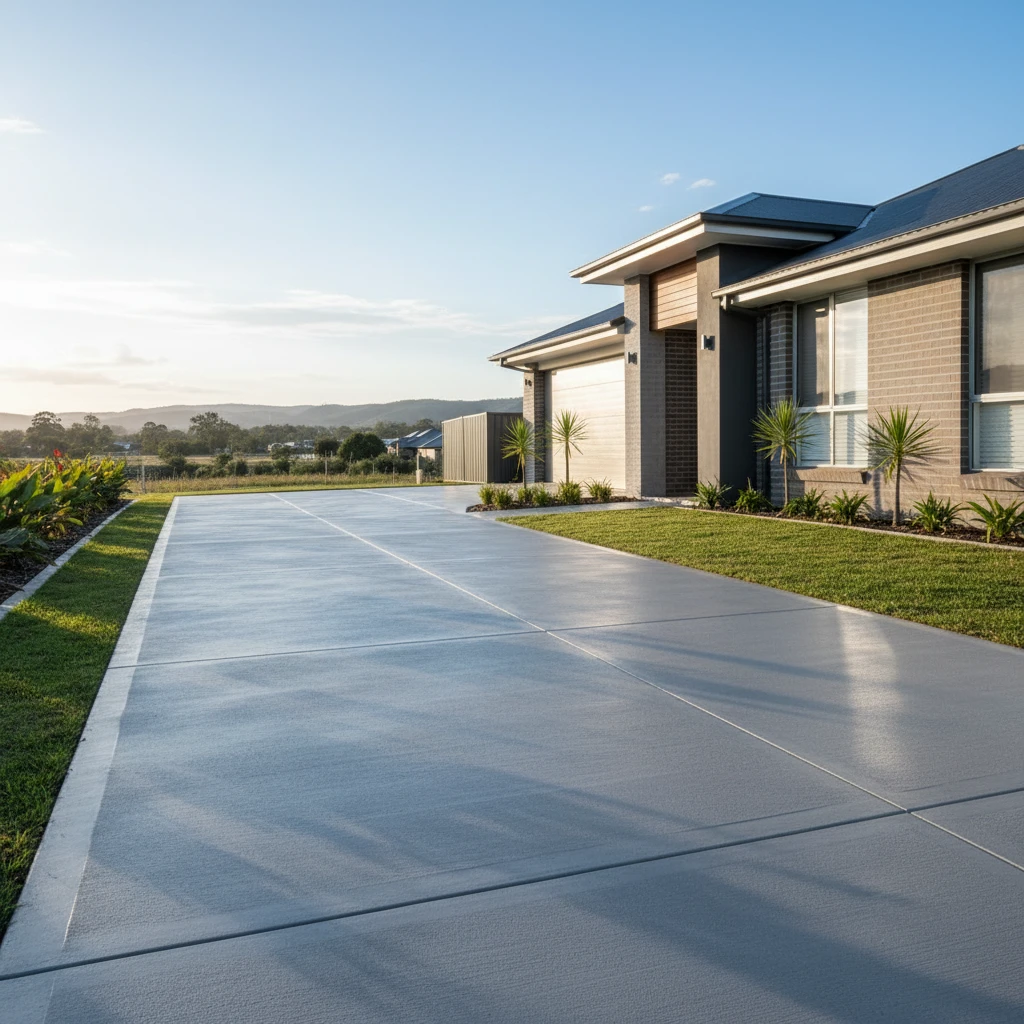
Constructing a concrete driveway on a slope presents unique challenges that must be addressed to ensure durability and safety. A well-designed and properly installed driveway will provide a safe and functional surface for years to come. This section outlines key techniques for achieving a successful outcome. Ignoring these considerations can lead to a driveway that is prone to cracking, slippage, and erosion. Addressing these challenges requires experience, skill, and the right equipment. Attention to detail during the planning and construction phases is critical. A sloping driveway needs to effectively manage water runoff to avoid further site issues.
Reinforcement Strategies: Steel Mesh and Fibre Reinforcement
Reinforcement is essential for providing the concrete with the necessary tensile strength to resist cracking and movement, especially on slopes where gravitational forces are at play. Steel mesh reinforcement is a common method, providing a grid of steel that distributes the load evenly across the concrete slab. Fibre reinforcement, which involves adding synthetic or steel fibres to the concrete mix, can further enhance its strength and durability. The choice of reinforcement strategy will depend on the severity of the slope, the expected load, and the soil conditions.
Drainage Considerations: Preventing Water Damage and Erosion
Proper drainage is crucial for preventing water damage and erosion on a sloped driveway. Water runoff can erode the soil beneath the driveway, leading to instability and cracking. Install drainage systems such as channels, drains, and culverts to divert water away from the driveway and into designated drainage areas. Consider the slope of the driveway and the surrounding terrain when designing the drainage system. A well-designed drainage system will protect the driveway from water damage and extend its lifespan. Surface grading is essential to encourage effective water run-off.
Surface Finishes for Enhanced Grip and Aesthetics
The surface finish of a concrete driveway on a slope should provide adequate grip to prevent slipping, especially when wet. Broom finishes, exposed aggregate finishes, and stamped concrete finishes can all provide a textured surface that enhances traction. Consider the aesthetic appeal of the surface finish and choose one that complements the surrounding landscape. The surface finish should also be durable and resistant to wear and tear. Homeowners should consider the slip resistance rating of different finishes to ensure safety, especially if there are elderly or disabled individuals in the household.
Shed Slabs and Equipment Pads on Uneven Ground: Achieving a Level and Stable Foundation
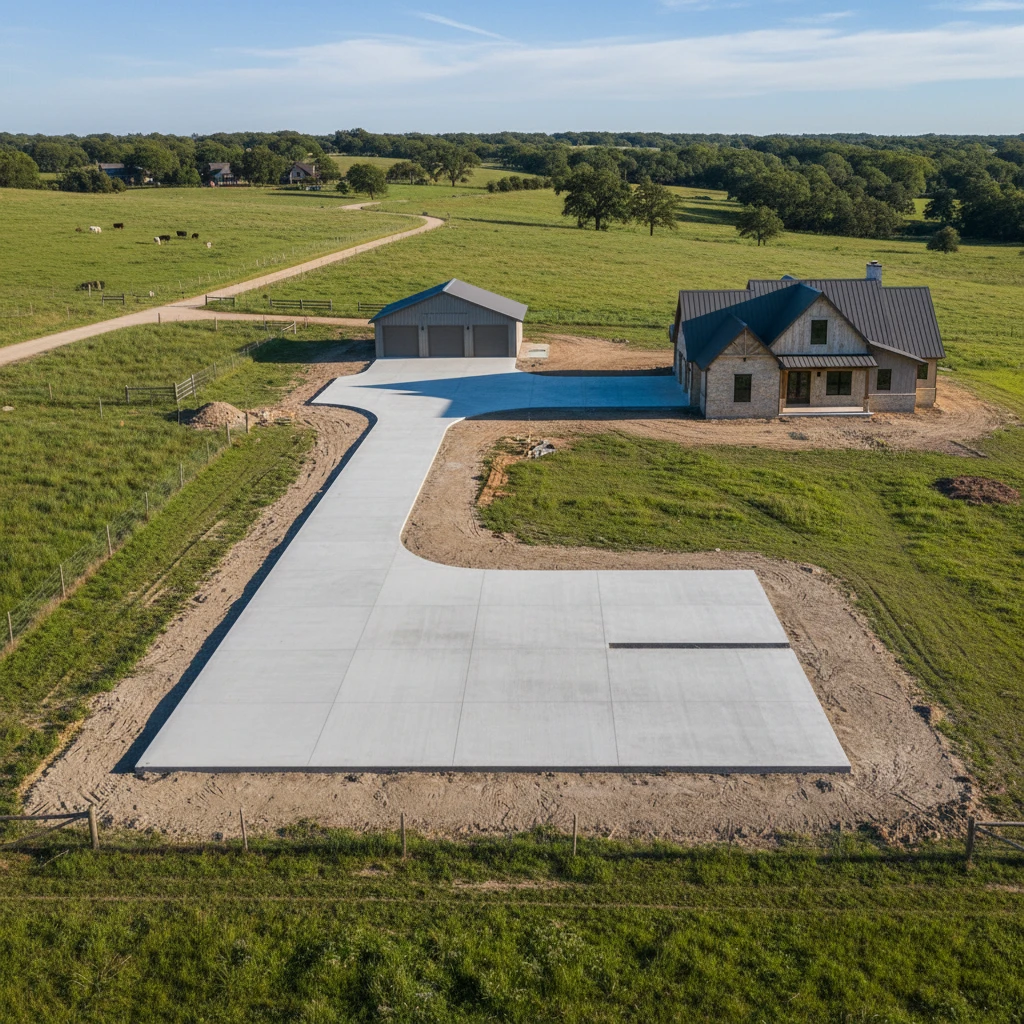
Building a shed slab or equipment pad on uneven ground requires careful planning and execution to ensure a level and stable foundation. An uneven foundation can lead to structural problems, such as leaning walls, warped floors, and malfunctioning equipment. This section provides guidance on achieving a level and stable foundation on challenging terrain. Proper site preparation, compaction, and reinforcement are essential for success. A level foundation is critical for the functionality and longevity of any shed or equipment. This includes the preparation of the surrounding area to ensure stability. The right excavation and concrete services are paramount.
Compaction Methods for Optimal Load-Bearing Capacity
Compacting the soil beneath the slab or pad is essential for achieving optimal load-bearing capacity. Compaction increases the density of the soil, making it more resistant to settling and movement. Use appropriate compaction equipment such as plate compactors or rollers to compact the soil in layers. Ensure that the soil is properly moisture-conditioned before compaction to achieve the desired density. Proper compaction will prevent the slab or pad from sinking or shifting over time. The depth of compaction required will depend on the soil type and the expected load.
Dealing with Rocky Outcrops: Breaking, Levelling, or Building Around?
Rocky outcrops present a significant challenge when preparing a site for a shed slab or equipment pad. The decision of whether to break, level, or build around the outcrops will depend on their size, location, and the overall design of the structure. Breaking the outcrops may require specialized equipment and expertise. Levelling involves filling in around the outcrops with compacted soil or gravel. Building around the outcrops may require adjusting the design of the slab or pad. Consider the cost, time, and environmental impact of each option before making a decision. In some cases, leaving large rocks in place can add to the structural stability.
Slab Thickness and Reinforcement: Engineering for Specific Load Requirements
The thickness of the slab and the amount of reinforcement required will depend on the specific load requirements of the shed or equipment pad. Heavy equipment or storage loads will require a thicker slab with more reinforcement. Consult with a structural engineer to determine the appropriate slab thickness and reinforcement strategy. Use high-quality concrete and reinforcement materials to ensure the durability and longevity of the structure. Proper engineering will prevent the slab from cracking or failing under load.
Consider factors such as the weight of the shed, equipment, and any stored materials.
Constructing a Robust Formwork
Formwork acts as a mold that defines the shape of the concrete slab during the pouring and curing process. A well-constructed formwork is crucial for achieving accurate dimensions, smooth surfaces, and structural integrity. Use durable materials such as timber or steel to create the formwork. Ensure that the formwork is properly braced and supported to withstand the weight of the wet concrete. Seal any gaps or cracks in the formwork to prevent leakage of concrete. The formwork should be easy to remove once the concrete has cured. Consider the ease of disassembly when designing the formwork.
Material Selection: Timber vs. Steel Formwork
The choice between timber and steel formwork depends on factors such as cost, availability, reusability, and the complexity of the slab design. Timber is generally more affordable and easier to work with for simple slab designs. Steel formwork is more durable, reusable, and suitable for complex or large-scale projects. Consider the environmental impact of each material when making a decision. Properly maintained steel formwork can last for many years. Timber formwork may require more frequent replacement.
Ensuring Accurate Dimensions and Level Surfaces
Accurate dimensions and level surfaces are essential for the functionality and aesthetics of the shed slab or equipment pad. Use surveying instruments such as levels and transits to ensure that the formwork is properly aligned and leveled. Double-check all measurements before pouring the concrete. Use shims or wedges to make minor adjustments to the formwork as needed. Regularly monitor the formwork during the pouring process to ensure that it remains stable and level. Small errors in the formwork can lead to significant problems later on.
Bracing and Support Systems: Preventing Formwork Failure
Proper bracing and support systems are crucial for preventing formwork failure during the concrete pouring process. The weight of the wet concrete can exert significant pressure on the formwork, potentially causing it to collapse or deform. Use a combination of stakes, walers, and tie rods to provide adequate support. Ensure that the bracing is securely anchored to the ground or adjacent structures. Inspect the bracing system regularly during the pouring process and make adjustments as needed. A catastrophic formwork failure can be costly and dangerous.
Pouring and Finishing the Concrete Slab
Pouring and finishing the concrete slab are critical steps in ensuring a strong, durable, and aesthetically pleasing surface. Proper techniques are essential for achieving a level, smooth, and crack-resistant slab. Consider factors such as the weather conditions, concrete mix design, and desired finish when planning the pouring and finishing process.
Concrete Mix Design and Consistency
The concrete mix design plays a crucial role in the strength, workability, and durability of the slab. A well-designed mix will have the appropriate proportions of cement, aggregate, water, and admixtures. The consistency of the mix should be such that it is easy to pour and consolidate, but not so watery that it loses strength. Consult with a concrete supplier or engineer to determine the optimal mix design for your specific application. Consider the climate and exposure conditions when selecting the concrete mix.
Pouring Techniques: Ensuring Proper Consolidation
Proper pouring techniques are essential for ensuring that the concrete is properly consolidated and free of voids. Pour the concrete in layers, working from one end of the formwork to the other. Use a vibrator to consolidate the concrete, removing air pockets and ensuring that it fills all the corners and edges of the formwork. Avoid over-vibrating the concrete, as this can cause segregation of the aggregate. Pay close attention to areas around embedded items, such as anchor bolts or pipes, to ensure proper consolidation. Work the concrete around the perimeter of the forms and screed rails with shovels to ensure even distribution and consolidation.
Finishing Techniques: Achieving a Smooth and Level Surface
Finishing techniques are used to create a smooth, level, and aesthetically pleasing surface on the concrete slab. Use a screed board to level the concrete to the desired height. Follow with a float to further smooth the surface and remove any imperfections. For a smoother finish, use a trowel after the concrete has partially set. Consider using a broom finish for a non-slip surface. Start finishing operations when the bleed water sheen disappears from the concrete surface. The timing is critical for achieving the desired finish. Applying the finishing touches when the concrete is too wet or too dry could have negative effects.
Curing the Concrete: Hydration and Strength Development
Curing is the process of maintaining adequate moisture and temperature in the concrete during the early stages of hydration. Proper curing is essential for achieving the desired strength, durability, and resistance to cracking. Keep the concrete moist for at least seven days by covering it with wet burlap, plastic sheeting, or a curing compound. Avoid allowing the concrete to dry out too quickly, especially in hot or windy weather. Consider using a curing compound to reduce moisture loss. Proper curing helps to prevent surface cracking and increases the long-term durability of the slab. Curing is one of the most important steps to improve concrete’s long term performance. Read about different methods for curing concrete and how to determine the correct method for your situation.
Concrete Footpaths and Stairs on Steep Terrain: Prioritising Safety and Longevity
Constructing concrete footpaths and stairs on steep terrain requires a meticulous approach to ensure both safety and long-term durability. Proper planning and execution are paramount to prevent future issues such as slippage, cracking, and erosion. The key is to focus on a design that not only looks aesthetically pleasing but also addresses the specific challenges presented by the slope, such as water runoff and soil stability. For situations where difficult excavation is required, it’s worth noting that Laser Concrete provides expert excavation and concrete solutions for sloped blocks.
Designing for Accessibility: Gradient and Step Height Considerations
When designing footpaths and stairs, accessibility is a crucial consideration. The gradient of the footpath should adhere to relevant Australian standards to ensure ease of use for all individuals, including those with mobility limitations. Aim for a gradient that is as gentle as possible while still effectively managing water runoff. Step height is another vital aspect; inconsistent step heights can create a significant tripping hazard. Standardise the rise and run of each step to promote a comfortable and safe ascent or descent. Ideally, a rise of around 150-180mm and a run of 280-300mm is recommended for comfortable use. Consistency in step dimensions is key to preventing accidents and ensuring accessibility. Careful planning in the design phase is the first step towards lasting safety.
Handrail Options: Materials, Installation, and Compliance
Handrails are essential for safety on stairs, especially on steep terrain. Consider various materials for handrails, such as timber, steel, or aluminium. Timber offers a natural aesthetic and a warm feel, while steel and aluminium provide greater durability and require less maintenance. The installation must comply with Australian building codes and standards, including height and grip requirements. Handrails should be securely anchored to the concrete structure and provide a continuous gripping surface along the entire length of the stairs. The height should typically be between 900mm and 1000mm above the stair nosing. Consider tactile ground surface indicators at the top and bottom of the stairs to further enhance safety for visually impaired users. Choosing the correct materials and installation methods will improve safety and provide peace of mind.
Non-Slip Surface Treatments for Wet Weather Conditions
Wet weather can significantly increase the risk of slips and falls on concrete surfaces. Applying non-slip surface treatments is crucial for enhancing safety, particularly on sloped paths and stairs. Options include texturing the concrete during the pouring process, applying a non-slip coating, or using aggregates that provide better traction. Texturing methods such as broom finishing or exposed aggregate can create a rougher surface that increases grip. Non-slip coatings, available in various formulations, can be applied after the concrete has cured. Selecting the right treatment depends on the desired aesthetic and the level of slip resistance required. Regular maintenance, such as cleaning to remove moss and algae, is also important to maintain the effectiveness of the non-slip treatment. Prioritising non-slip solutions will provide a safe environment.
Alternatives to Traditional Concrete (and When to Choose Them)
While concrete is a robust and versatile material, alternative options may be more suitable depending on the specific site conditions, budget, and desired aesthetic. Consider factors like drainage, soil stability, and the level of traffic the area will receive. Each alternative has its own set of advantages and disadvantages that should be carefully weighed against the requirements of the project. Consulting with a professional can help determine the most appropriate material for your specific needs. Sometimes, the optimal solution is actually expert excavation and concrete work.
Asphalt Driveways: Pros, Cons, and Suitability for Sloped Terrain
Asphalt is a popular choice for driveways due to its relatively low cost and ease of installation. It offers a smooth, seamless surface and can be a good option for sloped terrain due to its flexibility. However, asphalt is more susceptible to damage from extreme temperatures and can soften in hot weather, leading to ruts and deformation. It also requires more frequent maintenance than concrete, such as sealing, to prevent cracking and oxidation. On steep slopes, special attention must be paid to drainage to prevent water from pooling and weakening the asphalt. Asphalt offers an economic solution, but its long-term durability on challenging terrain needs to be carefully considered. Furthermore, it should be noted that asphalt isn’t as visually customisable as other options.
Gravel Pathways: Cost-Effective Solutions for Low-Traffic Areas
Gravel pathways are a cost-effective option for low-traffic areas such as garden paths or temporary walkways. Gravel is relatively easy to install and provides good drainage. However, it is not suitable for steep slopes as it can easily wash away with heavy rain. Gravel pathways also require regular maintenance to replenish the gravel and keep them weed-free. Different types of gravel are available, each with its own characteristics in terms of size, colour, and compaction. For pathways, a well-graded gravel mix that includes a range of particle sizes is recommended to promote stability. While affordable, gravel pathways are not ideal for high-traffic areas or slopes requiring significant stability. Gravel works well for low-use applications.
Paving Stones: A Versatile Option for Customised Designs
Paving stones offer a versatile and aesthetically pleasing alternative to traditional concrete. They are available in a wide range of materials, shapes, sizes, and colours, allowing for customised designs. Paving stones can be used for driveways, patios, and walkways. When installing paving stones on a slope, it is essential to create a stable base and use proper edge restraints to prevent them from shifting. Concrete pavers, in particular, offer durability and can withstand heavy loads. Clay pavers provide a more rustic look and are suitable for garden pathways. The installation process is more labour-intensive than pouring concrete, but the result is a visually appealing and durable surface. Paving stones offer aesthetic flexibility.
Choosing the Right Concrete Mix for Difficult Excavation Sites: A Guide for the Central West
Selecting the appropriate concrete mix is critical for ensuring the success of your project, particularly on sites with challenging excavation conditions in the Central West. Factors such as soil type, drainage, and load-bearing requirements all influence the optimal mix design. A well-chosen mix will provide the necessary strength, durability, and workability to withstand the specific demands of the environment. It is advisable to consult with a concrete supplier who has experience working in the region to determine the best mix for your project.
Concrete Strength Grades: Understanding MPa Ratings
Concrete strength is measured in megapascals (MPa), which indicates the compressive strength of the concrete after 28 days of curing. Higher MPa ratings indicate stronger concrete. The required strength grade depends on the intended use of the concrete. For example, a driveway typically requires a higher strength grade than a garden path. In residential applications, concrete strength grades typically range from 20 MPa to 40 MPa. For demanding applications or heavy loads, higher strength grades may be necessary. Consulting with a structural engineer can help determine the appropriate strength grade for your project. Understanding MPa ratings is essential to ensuring that your concrete structure is able to withstand the anticipated loads and stresses. For shed slabs, a higher MPa may be needed, so consider that Laser Concrete provides precision concrete for lasting shed foundations.
Admixtures: Enhancing Workability, Durability, and Freeze-Thaw Resistance
Admixtures are chemical compounds added to concrete mixes to modify their properties. They can be used to enhance workability, accelerate or retard setting time, improve durability, and increase resistance to freeze-thaw cycles. Water reducers are commonly used to improve workability without increasing the water-cement ratio, leading to stronger concrete. Air-entraining agents create tiny air bubbles in the concrete, which improve its resistance to freeze-thaw damage. Accelerating admixtures can speed up the setting time in cold weather, while retarding admixtures can slow down the setting time in hot weather. Choosing the right admixtures can significantly improve the performance and longevity of your concrete structure. Admixtures fine-tune the final product.
Selecting the Appropriate Aggregate Size for Your Project
Aggregate is a key component of concrete, comprising approximately 60-75% of the mix by volume. The size and type of aggregate can significantly affect the strength, workability, and finish of the concrete. Smaller aggregates are generally used for smooth finishes and thin sections, while larger aggregates are used for thicker sections and higher strength requirements. The maximum aggregate size should be no more than one-third of the thickness of the concrete slab or the clear spacing between reinforcing bars. Using well-graded aggregate, which contains a range of particle sizes, can improve the density and workability of the concrete. Appropriate aggregate size is crucial for a durable concrete foundation.
Common Pitfalls to Avoid When Concreting on Difficult Sites: Lessons Learned from 20 Years of Experience
With two decades of experience in the concreting industry, particularly in regions like Penrith, the Blue Mountains, and the Central West, we’ve observed recurring mistakes that can compromise the integrity and longevity of concrete structures on challenging sites. Avoiding these pitfalls is crucial to ensuring a successful outcome and preventing costly repairs down the line. Proper planning, attention to detail, and adherence to best practices are essential for overcoming the challenges posed by difficult terrain.
Inadequate Drainage: The Silent Killer of Concrete Structures
Inadequate drainage is one of the most common and damaging mistakes in concrete construction. Water that accumulates around or under concrete structures can lead to a range of problems, including erosion, cracking, and freeze-thaw damage. Proper drainage is particularly important on sloped sites, where water runoff can be concentrated. Ensure that the site is properly graded to direct water away from the concrete. Install drainage systems such as French drains or surface drains to collect and remove excess water. Consider the permeability of the surrounding soil and take steps to improve drainage if necessary. Ignoring drainage issues can lead to premature failure of the concrete structure. Effective drainage is essential for concrete longevity, especially where expert concrete repairs and replacements may be needed if it’s ignored. A good excavation foundation makes drainage easier.
Poor Compaction: Leading to Cracking and Subsidence
Poor compaction is another common mistake that can significantly weaken concrete structures. Compaction is the process of removing air voids from the concrete mix, which increases its density and strength. Inadequate compaction can lead to cracking, subsidence, and reduced load-bearing capacity. Use appropriate compaction equipment, such as vibratory plates or rammers, to ensure that the concrete is thoroughly compacted. Pay particular attention to edges and corners, where compaction can be more difficult. Over-compaction can also be detrimental, leading to segregation of the aggregate and cement paste. Proper compaction is essential for long-term strength and stability.
Ignoring Local Council Regulations and Building Codes
Failing to comply with local council regulations and building codes can result in costly fines, delays, and even the demolition of non-compliant structures. Before starting any concreting project, it is essential to research and understand all applicable regulations and codes. This includes obtaining the necessary permits, adhering to setback requirements, and meeting minimum standards for strength, durability, and safety. Local councils may have specific requirements for drainage, erosion control, and environmental protection. Engaging a qualified building surveyor or consultant can help ensure compliance with all relevant regulations. Compliance with regulations is mandatory for legal and safe construction.
Improper Curing: Neglecting Concrete Hydration
Improper curing is a frequent oversight that compromises the hydration process, critical for developing concrete’s strength and durability. Curing involves maintaining adequate moisture content and temperature in the concrete to allow the cement to properly hydrate. Inadequate curing can lead to surface cracking, reduced strength, and increased permeability. Begin curing as soon as the concrete has set sufficiently to prevent damage to the surface. Use methods such as water curing (ponding or spraying), covering with plastic sheeting, or applying curing compounds to maintain moisture. The duration of curing depends on factors such as cement type, ambient temperature, and humidity. Proper curing is vital for achieving optimal concrete properties, and these properties are especially important in concrete for driveways.
Using Incorrect Mix Proportions: Affecting Strength and Workability
Using incorrect mix proportions can significantly affect the strength, workability, and durability of concrete. The mix design specifies the proportions of cement, aggregate, water, and admixtures required to achieve the desired properties. Using too much water can weaken the concrete and increase shrinkage cracking. Insufficient cement can reduce strength and durability. Incorrect aggregate proportions can affect workability and finishing characteristics. Follow the mix design carefully and use accurate measuring techniques to ensure correct proportions. Consider factors such as ambient temperature and humidity when adjusting the mix. Accurate mix proportions are essential for consistent and reliable concrete performance.
Skipping Soil Testing: Risking Foundation Instability
Skipping soil testing before pouring concrete can lead to significant structural problems. The soil’s bearing capacity, stability, and drainage characteristics must be understood to design an appropriate foundation. Without proper soil testing, the foundation may be inadequate for the load it needs to support, leading to settling, cracking, or even collapse. Conduct thorough soil tests to determine the soil type, density, moisture content, and bearing capacity. Use the test results to design a foundation that is appropriate for the site conditions. Soil testing can also identify potential issues such as expansive soils or high water tables. Soil testing is a critical step for ensuring foundation stability.
Ignoring Weather Conditions: Impacting Setting and Curing
Ignoring weather conditions during concrete placement can severely impact its setting and curing processes. Extreme temperatures, high winds, or rain can compromise the quality and durability of the concrete. Hot weather accelerates the setting process, leading to rapid moisture loss and increased cracking. Cold weather slows down the setting process and can cause freezing, which can damage the concrete structure. High winds can cause rapid surface drying, leading to plastic shrinkage cracking. Protect the concrete from extreme weather conditions by using windbreaks, shading, or insulation. Adjust the mix design to compensate for weather conditions. Awareness of weather conditions is essential for successful concrete placement and these conditions must be dealt with to avoid damaging the concrete during the curing process.
The Laser Concrete Difference: Precision Excavation and Concreting for Challenging Projects
At Laser Concrete, we specialise in providing exceptional excavation and concreting services, particularly for projects that present unique challenges. These challenges might include difficult site access, steep slopes, rocky terrain, or other site-specific complexities. Our approach focuses on precision and quality, ensuring that every project is completed to the highest standards. We understand that a solid foundation is crucial for any structure, and our expertise in both excavation and concreting allows us to deliver durable and long-lasting results. We pride ourselves on clear communication, transparent pricing, and a commitment to exceeding customer expectations.
Our Commitment to Quality Workmanship and Durable Results
Quality workmanship is at the heart of everything we do. We use only the best materials and employ proven techniques to ensure that our concrete work is not only aesthetically pleasing but also built to withstand the harsh Australian climate. Our team is highly skilled and experienced, with a keen eye for detail and a dedication to achieving exceptional results. We don’t cut corners, and we stand behind our work with confidence. Before pouring any concrete, the excavation is crucial; this includes proper site preparation, soil compaction, and drainage considerations to prevent future issues such as cracking or settling.
Local Expertise Across Penrith, the Blue Mountains, and the Central West
Being a local business, we have a deep understanding of the specific soil types, weather patterns, and building regulations in Penrith, the Blue Mountains, and the Central West. This local expertise allows us to tailor our approach to each project, ensuring that the concrete solution is perfectly suited to the environment. For example, in the Blue Mountains, we consider the potential for extreme temperature fluctuations and adjust our concrete mix accordingly to prevent cracking. We understand the particular needs of property owners in areas such as Bathurst and Lithgow, offering services tailored to rural and semi-rural properties.
Utilising Advanced Equipment for Efficient and Accurate Excavation
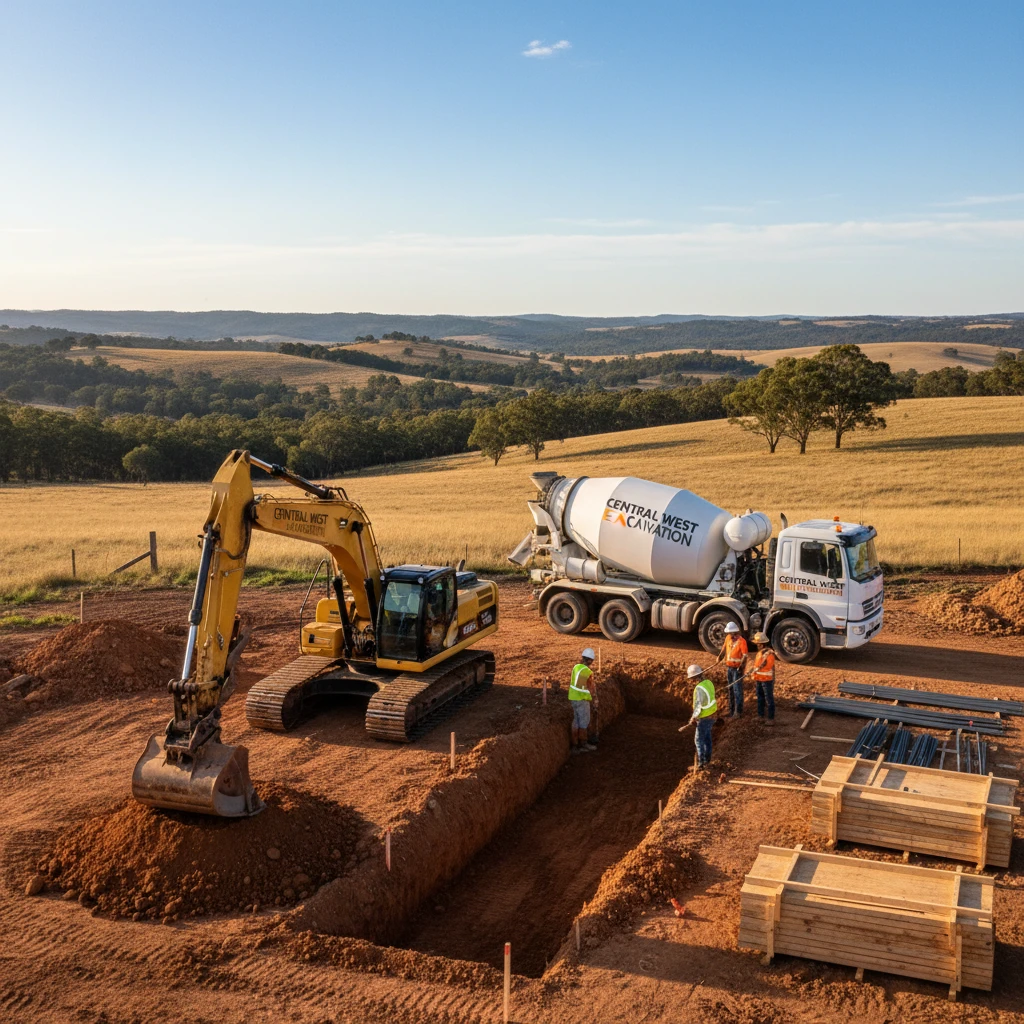
We invest in advanced excavation equipment to ensure that our projects are completed efficiently and accurately. This equipment allows us to tackle even the most challenging sites with ease, minimising disruption and ensuring a smooth construction process. GPS-guided machinery, for instance, allows for incredibly precise excavation, reducing the margin for error and saving time. Our fleet includes excavators of various sizes, allowing us to navigate tight access areas effectively. This careful approach to excavation supports the successful completion of concrete projects, even those with tight constraints or unique requirements.
Preparing for Your Concrete Project: Questions to Ask Potential Contractors in 2027
When planning a concrete project, especially one involving excavation, it’s vital to select the right contractor. Asking the right questions upfront can help you assess their expertise, reliability, and commitment to quality. Here are some key questions to ask potential contractors in 2027.
Licensing, Insurance, and WorkSafe Compliance
Always verify that the contractor holds the necessary licenses to perform excavation and concrete work in NSW. They should also have adequate public liability insurance and workers’ compensation insurance to protect you from potential liabilities. Furthermore, it’s important to confirm their compliance with WorkSafe regulations to ensure a safe working environment. Request copies of their licenses and insurance certificates as proof. A reputable contractor should readily provide these documents. Engaging an unlicensed or uninsured contractor can expose you to significant financial and legal risks. A good source of information on contractor licensing is the NSW Fair Trading website [Content-free example link: nsw.gov.au/fairtrading].
Previous Experience with Similar Projects and Site Conditions
Inquire about the contractor’s experience with projects similar to yours, particularly those involving challenging site conditions. Ask for examples of their past work and client references. Look for evidence of their ability to handle difficult access, steep slopes, or rocky terrain. A contractor with a proven track record of successfully completing similar projects is more likely to deliver the results you’re looking for. Don’t hesitate to ask specific questions about the techniques and equipment they used on previous projects. For example, if you have a sloped block, inquire about their experience with retaining walls and drainage systems. Understanding their past performance can provide valuable insights into their capabilities and expertise. It might be useful to look at projects that require excavation and concrete on sloped blocks as an example of similar work.
Warranty Information and After-Sales Support
Clarify the warranty terms offered by the contractor, including the duration of the warranty and what it covers. A comprehensive warranty demonstrates the contractor’s confidence in their workmanship and provides you with peace of mind. Also, inquire about their after-sales support and what steps they take to address any issues that may arise after the project is completed. Do they offer ongoing maintenance services? A reliable contractor will stand behind their work and provide prompt and effective solutions to any problems. Understanding the warranty and after-sales support is crucial for protecting your investment and ensuring long-term satisfaction. Get the warranty details in writing for your records. For example, understand if the warranty covers issues like cracking due to soil movement or surface deterioration due to weather exposure.
Investing in Quality: The Long-Term Value of Expert Excavation and Concrete Solutions
Choosing a skilled and experienced contractor for your excavation and concrete project is an investment in the long-term value and functionality of your property. While it may be tempting to opt for the cheapest option, prioritising quality and expertise will ultimately save you money and hassle in the long run.
Minimising Maintenance Costs and Extending the Lifespan of Your Concrete
Proper excavation and high-quality concrete work significantly reduce the need for future repairs and maintenance. A poorly prepared foundation or substandard concrete mix can lead to cracking, settling, and other problems that require costly remediation. By investing in quality materials and workmanship upfront, you can minimise these risks and extend the lifespan of your concrete surfaces. For example, using a concrete mix specifically designed for the local soil conditions and implementing proper drainage solutions can prevent water damage and prolong the life of your driveway or patio. Regular cleaning and sealing can also help to protect your concrete from the elements and prevent staining.
Enhancing Property Value and Curb Appeal
Well-executed excavation and concrete work can significantly enhance the aesthetic appeal and market value of your property. A professionally installed driveway, patio, or shed slab can create a positive first impression and make your home more attractive to potential buyers. Quality concrete work also adds a touch of sophistication and elegance to your outdoor spaces, creating a more inviting and enjoyable environment. Consider customising your concrete with decorative finishes, such as exposed aggregate or coloured concrete, to further enhance its aesthetic appeal. A well-maintained concrete driveway, for instance, improves curb appeal compared to a cracked or uneven surface.
Creating a Safe and Functional Outdoor Space for Years to Come
Expert excavation and concrete solutions create a safe and functional outdoor space that you can enjoy for years to come. Proper site preparation and drainage ensure that your concrete surfaces are stable and resistant to water damage, preventing tripping hazards and other safety concerns. A well-designed patio or outdoor living area provides a comfortable and inviting space for entertaining guests or relaxing with family. Investing in quality concrete work is an investment in your lifestyle and the overall enjoyment of your property. Ensure proper grading and drainage to prevent water pooling, which can lead to slippery surfaces and potential accidents. For example, a properly constructed concrete path eliminates uneven surfaces and minimises the risk of falls.
Choosing Laser Concrete means prioritising precision and durability. From initial excavation to the final concrete pour, our focus remains on quality and longevity. By investing in our expert services, you are investing in the lasting value and safety of your property. Our dedication to quality workmanship ensures that your concrete structures stand the test of time.