Sloped blocks present unique construction challenges, demanding expertise in both excavation and concrete work. Unlike flat sites, these properties require careful planning and execution to ensure structural integrity, manage water runoff, and maximise usable space. Understanding the intricacies of working on a slope is paramount for a successful and long-lasting project. Laser Concrete specialises in providing tailored solutions for these demanding sites across Penrith, the Blue Mountains, and the Central West.
This guide outlines the essential steps and considerations for excavation and concrete work on sloped blocks, emphasising the importance of professional expertise. By addressing potential pitfalls and highlighting best practices, we aim to provide homeowners and property owners with the knowledge needed to approach their sloping site project with confidence. You might also find our other resource on preparing difficult sites for concrete helpful.
Conquering Sloped Blocks: Why Proper Preparation is Key
The Challenges of Building on a Slope: Erosion, Drainage, and Stability
Building on a slope introduces several critical challenges not encountered on level ground. Erosion control becomes a primary concern, as rainfall can easily wash away exposed soil, undermining foundations and causing significant property damage. Effective drainage systems are crucial to manage water runoff, preventing water from pooling around structures and leading to dampness, structural weakening, or even flooding. The stability of the slope itself is also paramount. Without proper excavation and reinforcement, the land may be susceptible to landslip or subsidence, posing serious risks to buildings and inhabitants. The inherent instability requires detailed soil analysis and engineering solutions.
Why DIY Can Lead to Costly Mistakes on Uneven Terrain
While DIY projects can be rewarding, attempting excavation and concrete work on a sloped block without professional expertise often leads to costly mistakes. Insufficient site preparation, inadequate drainage design, or improperly installed retaining walls can result in structural failures, water damage, and even safety hazards. For example, poorly compacted backfill behind a retaining wall can lead to its collapse under the pressure of saturated soil. Furthermore, failing to obtain necessary permits or adhering to building codes can result in fines and legal complications. A seemingly small error in levelling or foundation placement can compound over time, leading to significant and expensive rectification work. The long-term costs of DIY mistakes often far outweigh the initial investment in professional services. For complex projects, consider engaging an expert for expert excavation before commencing concrete work.
Expert Excavation for Sloped Blocks: A Step-by-Step Guide
Site Assessment and Soil Testing: Understanding Your Land
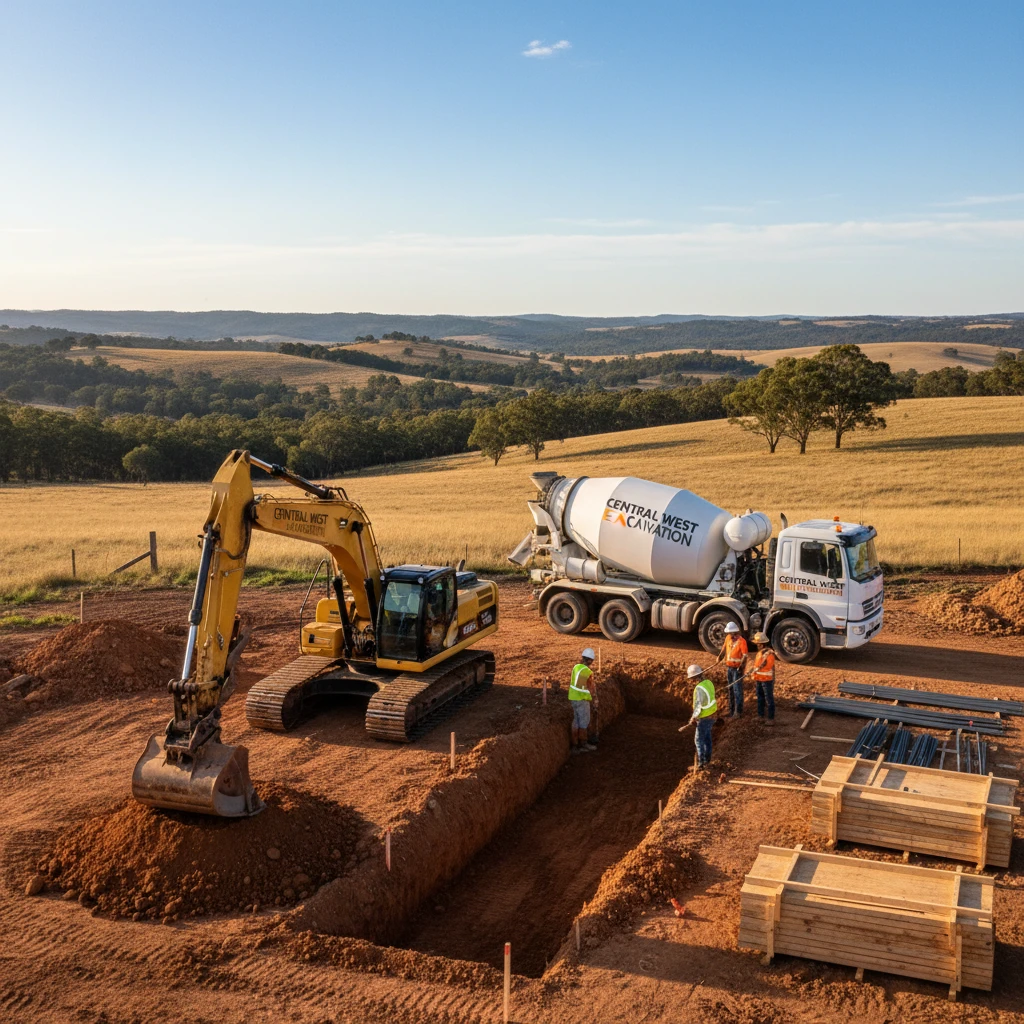
The first crucial step in any excavation project on a sloped block is a thorough site assessment and soil testing. This involves evaluating the existing slope, identifying potential hazards like underground utilities or unstable soil formations, and determining the soil’s composition and load-bearing capacity. Soil testing is essential for understanding the soil’s properties, including its moisture content, density, and chemical makeup. This information informs the design of foundations, retaining walls, and drainage systems, ensuring they are appropriate for the specific soil conditions. Ignoring this step can lead to inadequate foundation design and potential structural problems down the line. A professional geotechnical engineer should conduct the soil testing and provide a detailed report with recommendations.
Contour Mapping and Levelling Techniques for Optimal Results
Once the site assessment is complete, contour mapping becomes essential for visualising the topography and planning the excavation process. Contour maps represent the elevation of the land using contour lines, allowing for precise calculations of cut and fill volumes. This information is critical for levelling the site, creating usable flat areas, and ensuring proper drainage. Common levelling techniques include using laser levels, surveying equipment, and GPS technology to establish accurate reference points. The goal is to create a balanced cut and fill plan, minimising the amount of soil that needs to be removed or imported to the site. Accurate levelling is fundamental to achieving the desired design and preventing future problems with settlement or water accumulation. For instance, a project to prepare land for shed slabs would need to be carefully mapped and levelled.
Erosion Control Measures: Protecting Your Property and the Environment
Erosion control is a critical aspect of excavation on sloped blocks, particularly in areas prone to heavy rainfall or strong winds. Implementing effective erosion control measures prevents soil loss, protects water quality, and minimises environmental impact. Common techniques include installing silt fences, using erosion control blankets, and creating diversion channels to redirect water flow. Vegetation also plays a crucial role in stabilising soil and reducing erosion. Planting ground cover or establishing temporary vegetation can help to bind the soil and prevent it from being washed away. Regular monitoring and maintenance of erosion control measures are essential to ensure their effectiveness throughout the excavation process. Failing to implement adequate erosion control can result in costly fines and environmental damage. For further reading on managing erosion, resources from your local council are a good starting point EPA NSW.
Choosing the Right Excavation Equipment for Your Sloping Site
Mini Excavators vs. Larger Machinery: Matching the Tool to the Task
Selecting the appropriate excavation equipment is crucial for efficiency and safety on sloped blocks. Mini excavators are compact and versatile machines well-suited for smaller projects, tight access areas, and delicate tasks requiring precision. They offer excellent manoeuvrability and can operate in confined spaces where larger machinery cannot. Larger excavators, on the other hand, are more powerful and efficient for moving large volumes of soil or performing heavy-duty excavation work. The choice between a mini excavator and larger machinery depends on factors such as the size of the site, the volume of material to be moved, and the accessibility of the work area. Using an oversized machine on a small site can be inefficient and damaging, while using an undersized machine can prolong the project and increase costs.
Navigating Tight Access: Specialised Equipment for Difficult Locations
Many sloped blocks, particularly in established areas, present challenges related to tight access. Traditional excavation equipment may be too large to navigate narrow driveways, steep slopes, or confined spaces. In these situations, specialised equipment such as compact track loaders, skid-steer loaders, or even manual excavation methods may be necessary. Compact track loaders offer excellent traction and stability on slopes, while skid-steer loaders provide versatility and manoeuvrability in tight spaces. When using any machinery on a sloping block, always assess the ground conditions for slip and never exceed the maximum slope specified by the manufacturer. For exceptionally difficult locations, consider using a combination of equipment and manual labour to achieve the desired results.
Safety Considerations When Operating Excavation Equipment on Slopes
Operating excavation equipment on slopes presents significant safety risks that must be carefully addressed. Rollovers are a primary concern, particularly on steep or uneven terrain. Always operate equipment within its specified slope limits and ensure that the machine is properly maintained and inspected before each use. Proper training and certification are essential for all equipment operators. Operators should be familiar with the machine’s operating procedures, safety features, and emergency shutdown procedures. It’s important to wear appropriate personal protective equipment (PPE), including hard hats, safety glasses, and high-visibility clothing. Implementing a comprehensive safety plan, including regular site inspections and hazard assessments, is crucial for preventing accidents and ensuring the well-being of all workers on the site.
Concrete Solutions for Sloped Blocks: Designing for Durability
Retaining Walls: Preventing Landslip and Creating Usable Space
Retaining walls are essential structures for stabilising slopes, preventing landslip, and creating usable flat areas on sloped blocks. They counteract the lateral pressure of soil and water, preventing the slope from collapsing or eroding. There are various types of retaining walls, including gravity walls, cantilever walls, and piled walls, each suited to different soil conditions and slope heights. Gravity walls rely on their weight to resist soil pressure, while cantilever walls use a reinforced concrete base to provide stability. The design of a retaining wall must consider factors such as soil type, slope angle, water table level, and surcharge loads (e.g., from buildings or vehicles). Proper drainage behind the wall is crucial to prevent water buildup, which can significantly increase the lateral pressure on the wall. A structural engineer should always design retaining walls to ensure their stability and durability.
Stepped Concrete Slabs: Integrating Levels for Functional Design
Stepped concrete slabs offer an elegant and functional solution for integrating different levels on a sloped block. Instead of a single, continuous slab, stepped slabs are designed with a series of horizontal platforms connected by short vertical steps. This allows for the creation of level areas for outdoor living, gardening, or access pathways. Stepped slabs can be customised to suit the specific topography and design requirements of the site. They can be constructed from reinforced concrete, providing durability and stability. Careful consideration must be given to drainage, ensuring that water does not accumulate on the steps or platforms. The steps should also be designed with a consistent rise and run to ensure safe and comfortable access. Stepped concrete slabs can be a visually appealing and practical way to maximise usable space on a sloped block.
Drainage Considerations: Preventing Water Damage and Ensuring Longevity
Effective drainage is paramount for the long-term durability of concrete structures on sloped blocks. Poor drainage can lead to water accumulation around foundations, retaining walls, and slabs, causing water damage, erosion, and structural weakening. Proper drainage design should include a combination of surface drainage and subsurface drainage. Surface drainage involves grading the site to direct water away from structures and using gutters and downpipes to collect rainwater. Subsurface drainage involves installing drainage pipes and gravel layers to intercept groundwater and prevent it from saturating the soil. Retaining walls should always have weep holes or a drainage system behind them to relieve water pressure. Careful attention to drainage details during the design and construction phases can prevent costly repairs and ensure the longevity of the concrete structures. If you are planning a build in the Blue Mountains, for example, you will need to consider the high rainfall and potentially steep slopes.
Concrete Driveways on Slopes: Ensuring a Smooth and Safe Access
Steep Driveway Design: Gradients, Traction, and Runoff Management
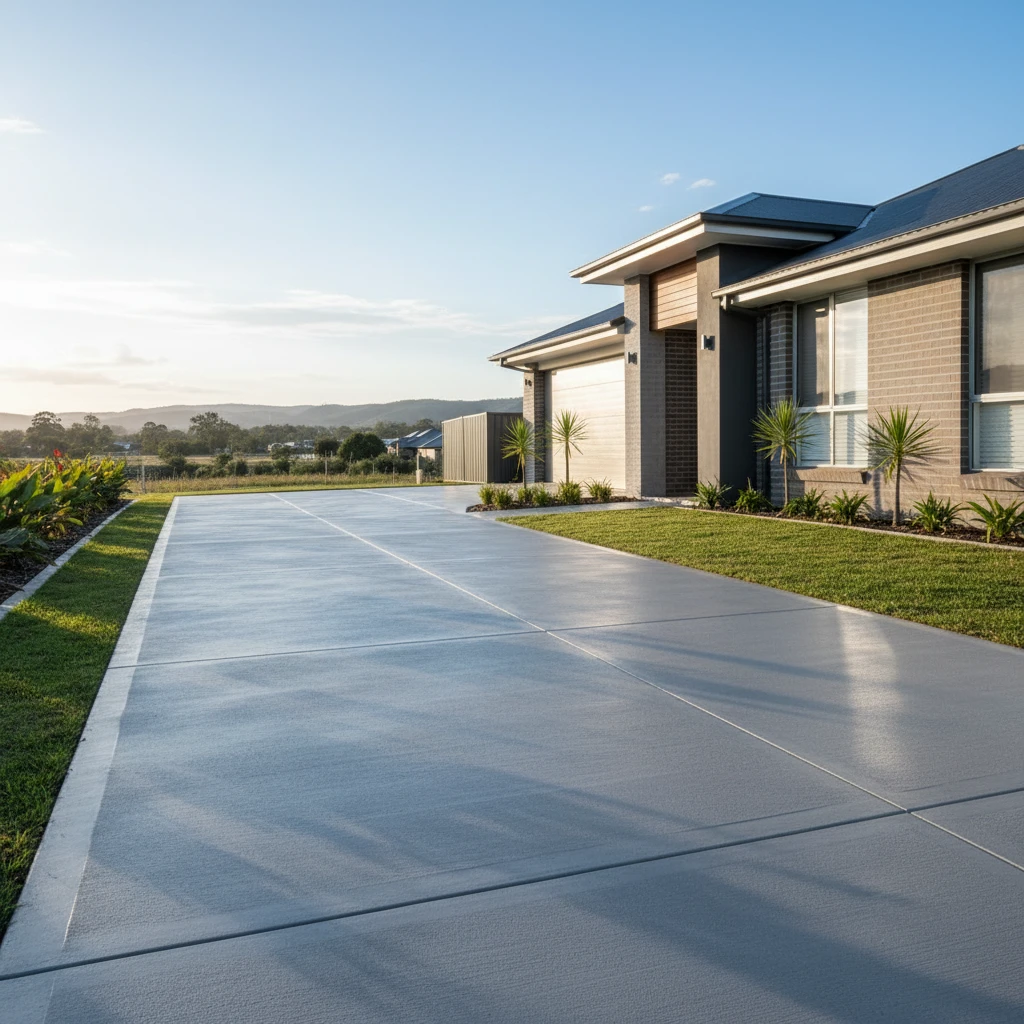
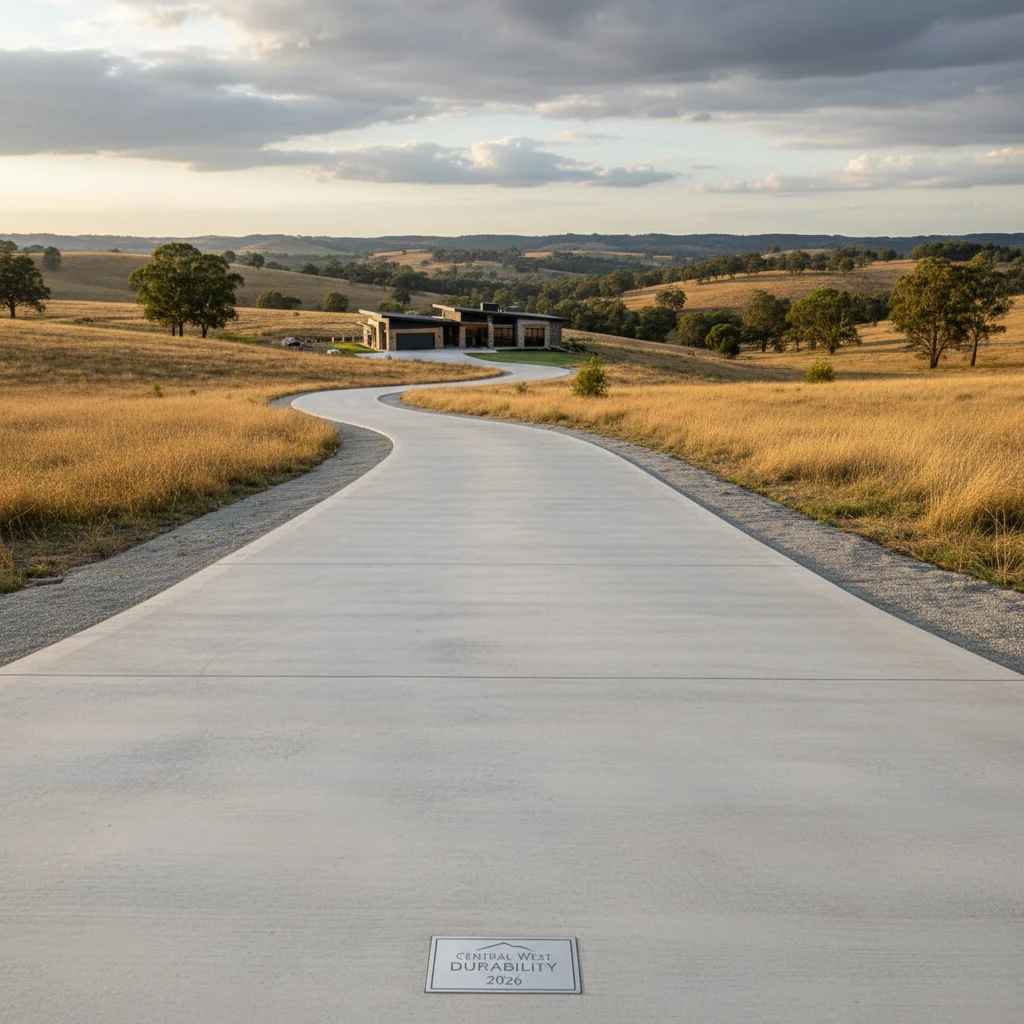
Designing concrete driveways on steep slopes requires careful consideration of several factors. The gradient or slope percentage is paramount; excessively steep driveways can be dangerous and impractical, especially in wet conditions. A gradient exceeding 15% can pose significant challenges for vehicles and pedestrians. Achieving the ideal gradient often involves careful earthworks, which can be handled by our team specialising in excavation solutions. Proper traction is crucial to prevent vehicles from slipping or losing control. Runoff management is another critical aspect. Without adequate drainage, rainwater can accumulate on the driveway, creating hazardous conditions and potentially damaging the concrete over time. Effective drainage systems include channels, drains, and proper surface grading to direct water away from the driveway and surrounding structures. Failing to manage these factors leads to decreased property value and increased risk of accidents.
Surface Finishes for Enhanced Grip: Brushed Concrete, Exposed Aggregate
The surface finish of a sloped concrete driveway plays a vital role in providing adequate traction. A brushed concrete finish is a popular and cost-effective option. The brushing creates a textured surface that increases grip, especially when wet. The texture provides more friction, reducing the risk of slipping. Another excellent choice is exposed aggregate concrete. This finish involves removing the top layer of cement paste to reveal the underlying aggregate (stones or pebbles). The exposed aggregate provides a naturally rough surface with excellent traction. It also offers aesthetic appeal. Consider the colour and size of the aggregate to complement the surrounding landscape and architecture. Polished concrete, while visually appealing for some applications, is generally unsuitable for sloped driveways due to its smooth surface, which can be slippery when wet. Choosing the appropriate finish is integral to the driveway’s safety and usability.
Reinforcement Techniques: Preventing Cracking and Movement on Sloped Surfaces
Proper reinforcement is essential to ensure the longevity and stability of a concrete driveway on a slope. Without adequate reinforcement, the concrete is susceptible to cracking and movement, especially under the stresses of vehicle traffic and soil movement. Steel reinforcement mesh is a common and effective method. The mesh is embedded within the concrete slab to provide tensile strength, resisting cracking and distributing loads evenly. The size and spacing of the mesh depend on the slope’s steepness, the expected load, and the soil conditions. For very steep slopes or heavy traffic areas, additional reinforcement such as steel reinforcing bars (rebar) may be necessary. These bars are strategically placed to provide extra support in areas that are prone to stress. Furthermore, control joints should be incorporated into the driveway design to allow for expansion and contraction, minimizing the risk of cracking. Neglecting reinforcement can result in costly repairs and premature driveway failure. For expert excavation prior to your concrete project, consider our precision excavation services.
Shed Slabs on Sloping Ground: Creating a Level and Stable Foundation
Site Preparation: Excavation, Compaction, and Leveling
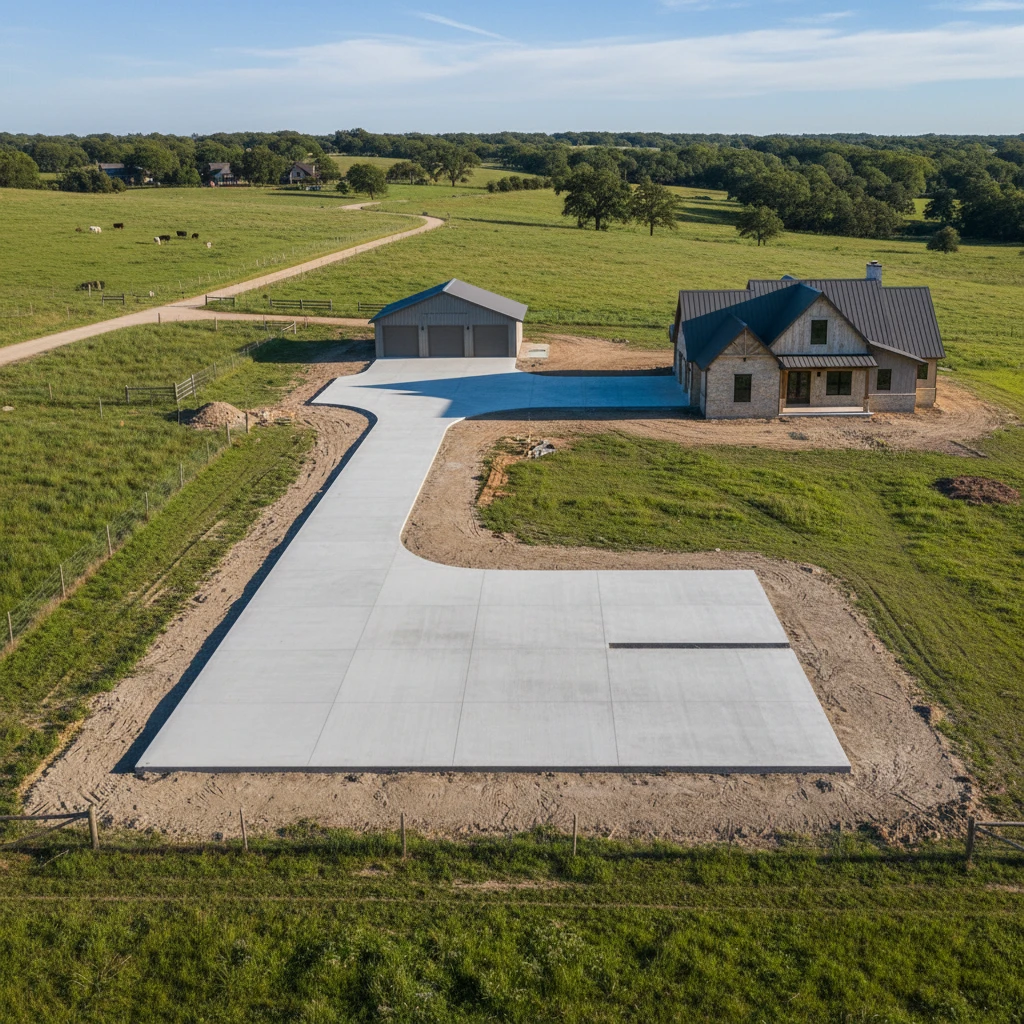
Constructing a shed slab on sloping ground begins with meticulous site preparation. This phase is crucial for ensuring a level, stable, and long-lasting foundation. The first step involves excavation. This means removing topsoil, vegetation, and any unstable material to reach a solid, undisturbed base. On a slope, this may require creating a stepped or terraced excavation to achieve a relatively level area. The depth of the excavation will depend on the soil type and the size of the shed. Next comes compaction. The excavated area must be thoroughly compacted using a plate compactor or roller. Compaction increases the density of the soil, reducing the risk of settlement and instability. Finally, leveling involves bringing the compacted area to a perfectly level plane. This is typically done using a layer of compacted gravel or crushed rock, which is screeded to create a smooth, even surface. Accurate leveling is critical for ensuring that the shed sits evenly and that doors and windows operate correctly. Skipping steps in site preparation can lead to structural issues and costly repairs down the line. A quality excavation provides the perfect foundation for your shed slab.
Slab Thickness and Reinforcement: Ensuring Structural Integrity
The thickness of the shed slab and the amount of reinforcement required are crucial factors in ensuring structural integrity. A thicker slab provides greater strength and load-bearing capacity, while adequate reinforcement prevents cracking and movement. A minimum slab thickness of 100mm (4 inches) is generally recommended for garden sheds, but this may need to be increased for larger or heavier sheds. For workshops or sheds that will house heavy machinery, a thickness of 125mm (5 inches) or more may be necessary. Reinforcement is typically achieved using steel mesh embedded within the concrete. The size and spacing of the mesh depend on the slab thickness and the expected load. For example, SL72 mesh (with 7mm diameter wires spaced at 200mm intervals) is commonly used for garden shed slabs. For heavier loads, SL82 or SL92 mesh may be required. In some cases, additional reinforcement with steel reinforcing bars (rebar) may be necessary, particularly around the edges of the slab or in areas where heavy loads are expected. Proper slab design and reinforcement are essential for preventing cracking, settlement, and other structural problems. More information on shed slabs can be found here on the shed slabs page.
Edge Details and Drainage: Protecting Your Shed Slab from Water Damage
The edge details of a shed slab and proper drainage are essential for protecting the slab from water damage. Edge details refer to the way the edges of the slab are finished and protected. A common practice is to form an edge beam, which is a thickened section of concrete around the perimeter of the slab. The edge beam provides additional support and prevents the edges of the slab from cracking or chipping. It also helps to protect the slab from water intrusion. Drainage is another crucial aspect. Without adequate drainage, rainwater can accumulate around the slab, leading to erosion, water damage, and even structural problems. The site should be graded to direct water away from the slab. This can be achieved by creating a slight slope away from the shed or by installing drainage channels to collect and redirect rainwater. Additionally, a layer of compacted gravel around the perimeter of the shed can help to improve drainage and prevent water from seeping into the soil beneath the slab. Failing to address edge details and drainage can result in costly repairs and a reduced lifespan for the shed slab.
Footpaths and Concrete Stairs: Navigating Slopes with Style and Safety
Stair Design and Construction: Rise, Run, and Safety Regulations
Designing and constructing concrete stairs on a sloped property demands meticulous planning and adherence to safety regulations. The rise (vertical height of each step) and run (horizontal depth of each step) are critical dimensions that determine the comfort and safety of the stairs. Generally, a rise of 150-180mm (6-7 inches) and a run of 250-300mm (10-12 inches) provide a comfortable and natural stride. All steps in a flight of stairs should have consistent rise and run dimensions to prevent tripping hazards. Local building codes often specify minimum and maximum rise and run dimensions, as well as other safety requirements such as minimum stair width and maximum flight length. Proper formwork is essential for creating accurate and consistent step dimensions. The concrete should be properly mixed, poured, and compacted to ensure strength and durability. Additionally, consider adding a slight slope to the steps to facilitate water runoff and prevent ponding.
Handrails and Balustrades: Adding Safety and Aesthetic Appeal
Handrails and balustrades are essential safety features for concrete stairs, particularly on sloped properties. They provide support and prevent falls, especially for children, the elderly, and people with mobility issues. Handrails should be installed on at least one side of the stairs, and preferably on both sides for wider staircases. The height of the handrail should typically be between 900mm and 1000mm (35-39 inches) above the stair nosing (the edge of the step). Balustrades are the vertical posts or panels that support the handrail. They should be spaced closely enough to prevent children from climbing through or falling between them. Building codes often specify the maximum spacing between balustrades. In addition to their safety function, handrails and balustrades can also enhance the aesthetic appeal of the stairs. They can be made from a variety of materials, such as steel, timber, or glass, and can be customised to complement the style of the surrounding property. Poorly installed handrails are a significant safety risk.
Slip-Resistant Surfaces: Ensuring Safe Foot Traffic in All Weather Conditions
A slip-resistant surface is paramount for concrete stairs and footpaths, especially in areas prone to wet or icy conditions. Several techniques can be used to enhance the slip resistance of concrete surfaces. A brushed concrete finish, as mentioned previously, is a simple and effective method. The brushing creates a textured surface that increases grip. Another option is to add a non-slip additive to the concrete mix. These additives, typically made from polymers or aggregates, create a rougher surface that provides better traction. Exposed aggregate is another excellent choice, as the exposed stones or pebbles provide a naturally rough surface. Additionally, consider installing slip-resistant strips or mats on the steps, particularly in areas that are frequently wet. Regular cleaning and maintenance are also essential for maintaining the slip resistance of concrete surfaces. Moss, algae, and other debris can accumulate on the surface, making it slippery. Power washing or scrubbing the surface regularly can help to remove these contaminants. Ignoring slip-resistance can lead to serious injuries and liability issues. Consider the specific environmental conditions when selecting a finish.
Common Pitfalls to Avoid When Concreting on Sloped Blocks
Inadequate Drainage: The Risks of Water Build-up and Erosion
One of the most common and damaging pitfalls when concreting on sloped blocks is inadequate drainage. Slopes naturally channel water, and without a well-designed drainage system, this water can accumulate around concrete structures, leading to a host of problems. Water build-up can saturate the soil beneath the concrete, reducing its load-bearing capacity and causing settlement. This settlement can lead to cracking and instability in the concrete. Erosion is another significant risk. Runoff can wash away soil from around the edges of the concrete, undermining its foundation and leaving it vulnerable to further damage. The freeze-thaw cycle can exacerbate these problems, as water that seeps into cracks in the concrete expands when it freezes, causing the cracks to widen. To avoid these pitfalls, it is essential to incorporate proper drainage into the design. This may include installing drainage channels, swales, or French drains to redirect water away from the concrete. The ground should also be properly graded to ensure that water flows away from the structure. Neglecting drainage is a recipe for premature concrete failure.
Insufficient Reinforcement: Preventing Cracking and Movement
Insufficient reinforcement is another critical mistake that can lead to significant problems when concreting on sloped blocks. As discussed previously, concrete is strong in compression but weak in tension. This means that it can withstand significant compressive forces but is prone to cracking when subjected to tensile forces. On sloped blocks, concrete structures are often subjected to both compressive and tensile forces due to the weight of the concrete, the slope of the ground, and soil movement. Without adequate reinforcement, the concrete is likely to crack and move over time. Cracks can weaken the structure, allow water to penetrate, and create pathways for further damage. Movement can lead to misalignment of walls, doors, and other features. To avoid these problems, it is essential to use appropriate reinforcement techniques. This typically involves embedding steel mesh or reinforcing bars within the concrete to provide tensile strength and distribute loads evenly. The amount and type of reinforcement required will depend on the size and shape of the concrete structure, the slope of the ground, and the soil conditions. Consulting with a structural engineer is recommended for complex projects. It’s important to learn from experts when concreting for challenging terrains. Our team has great experience with excavation and concrete on sloped sites.
Poor Compaction: Leading to Settlement and Instability
Poor compaction of the soil beneath concrete structures is a frequently overlooked but crucial pitfall when working on sloped blocks. When the soil is not properly compacted, it is more likely to settle over time. This settlement can cause the concrete to crack, shift, and become unstable. On sloped blocks, the risk of settlement is often greater due to the uneven distribution of weight and the potential for soil erosion. Poor compaction can also create voids beneath the concrete, which can weaken its foundation and make it more susceptible to damage. To avoid these problems, it is essential to properly compact the soil before pouring concrete. This involves using a plate compactor or roller to increase the density of the soil and reduce the risk of settlement. The soil should be compacted in layers, with each layer being thoroughly compacted before the next one is added. The type of soil will also affect the compaction process. Sandy soils are generally easier to compact than clay soils. It is important to ensure that the soil is properly compacted to the required density before proceeding with the concrete pour. Proper compaction ensures a stable and long-lasting foundation for your concrete structures.
The Long-Term Benefits of Professional Concrete Work on Slopes
Increased Property Value: Enhancing Appeal and Functionality
Investing in professional concrete work, particularly on sloped blocks, significantly boosts your property value. A well-designed and expertly installed concrete driveway or retaining wall enhances the curb appeal, making a strong first impression. Beyond aesthetics, functional improvements also play a crucial role. For example, properly graded concrete surfaces can prevent water runoff issues and erosion, protecting the foundation of your home. Furthermore, consider that a professionally built concrete shed slab provides a stable and level surface, increasing the usability of your land. To maximise the return on investment, consider employing design features such as exposed aggregate finishes or stamped concrete to enhance the visual appeal, as these are features that prospective buyers often seek out. Making informed decisions during the initial planning stages, such as choosing the correct concrete strength for the application, is key to a durable and attractive result. A failed concrete project, conversely, can significantly detract from property value and necessitate costly repairs. One of the services Laser Concrete offers is excavation and concrete for sloped sites, directly addressing these challenges.
Reduced Maintenance Costs: Durable Solutions for Years to Come
Opting for professional concrete solutions translates to lower maintenance expenses over time. While DIY concrete projects might seem cost-effective initially, they often lack the precision and expertise required for long-term durability, especially on sloped terrain. Professional concreters ensure proper site preparation, including adequate compaction and drainage, which are critical for preventing cracks and settling. Furthermore, they use high-quality materials and proven techniques, such as steel reinforcement, to withstand the stresses of the environment. Poorly installed concrete is susceptible to cracking, spalling, and erosion, leading to costly repairs or even complete replacements. The cost of repairing or replacing a poorly installed concrete driveway, for instance, often exceeds the initial savings from a DIY attempt. Investing in professional services minimises the need for ongoing maintenance and extends the lifespan of your concrete structures. For example, professionally installed concrete footpaths are less likely to develop cracks or uneven surfaces, reducing the risk of trips and falls and minimising the need for repairs. The services offered by Laser Concrete will help you achieve a durable concrete solution for your property.
Peace of Mind: Knowing Your Project is Built to Last
Engaging experienced concrete professionals provides peace of mind, knowing your project is built to last. Licensed and insured contractors adhere to strict building codes and standards, ensuring the structural integrity and safety of your concrete installations. They possess the knowledge and skills to address the specific challenges of sloped blocks, such as managing water runoff and preventing soil erosion. Moreover, professional concrete contractors typically offer warranties on their workmanship and materials, providing further assurance of quality and durability. Attempting to DIY concrete work, especially on complex sites, can be risky and may not meet regulatory requirements. This could lead to fines or require the work to be redone. For example, local council regulations often dictate specific requirements for drainage and stormwater management on sloped properties. A professional will navigate these regulations effectively, ensuring compliance and avoiding potential headaches. Consider that a retaining wall built without proper engineering can fail, posing a safety hazard and resulting in significant property damage. Choosing a reputable contractor like Laser Concrete provides assurance that your project is handled with expertise and care. You can learn more about Australian Standards for concrete work on the Standards Australia website.
Laser Concrete: Your Trusted Partner for Sloped Block Solutions in Penrith, Blue Mountains, and Central West
Our Experience and Expertise: Delivering Quality Concreting Services Since [Year Established]
Laser Concrete brings years of experience and a wealth of expertise to every project. Established in [Year Established], we have consistently delivered high-quality concreting services across Penrith, the Blue Mountains, and the Central West. Our team comprises skilled tradespeople who are passionate about their craft and committed to exceeding customer expectations. We specialise in tackling challenging sites, including sloped blocks, rocky terrain, and difficult access areas. Our extensive experience allows us to anticipate potential problems and implement effective solutions, ensuring the success of your project. We’ve successfully completed numerous projects, from residential driveways to large-scale shed slabs, earning a reputation for reliability and quality. Our deep understanding of concrete behaviour, combined with our meticulous attention to detail, guarantees a durable and aesthetically pleasing outcome. For instance, we consider factors such as soil type, drainage patterns, and local climate conditions when designing and installing concrete structures.
Local Knowledge: Understanding the Unique Challenges of the Region
Operating in Penrith, the Blue Mountains, and the Central West gives Laser Concrete a distinct advantage: local knowledge. We understand the unique challenges posed by the region’s diverse terrain, including its steep slopes, rocky soils, and variable weather patterns. Our familiarity with local council regulations and building codes ensures compliance and streamlines the approval process. We have a deep understanding of the specific soil types prevalent in the region and how they affect concrete performance. For example, expansive clay soils can cause concrete to crack if not properly addressed during site preparation. Our local knowledge enables us to tailor our solutions to the specific needs of each site, resulting in durable and long-lasting concrete structures. This also means we are familiar with local suppliers, ensuring access to the best quality materials at competitive prices. By choosing Laser Concrete, you benefit from our intimate understanding of the local environment and our commitment to delivering solutions that are perfectly suited to your property.
Commitment to Quality: Using Premium Materials and Proven Techniques
At Laser Concrete, our commitment to quality is unwavering. We use only premium-grade materials sourced from reputable suppliers, ensuring the strength, durability, and longevity of our concrete structures. We stay up-to-date with the latest industry best practices and employ proven techniques to achieve superior results. Our meticulous attention to detail extends from site preparation to the final finishing touches. We use precision equipment, such as laser levels, to ensure accurate grading and alignment. Our experienced concreters are skilled in a variety of finishing techniques, including exposed aggregate, stamped concrete, and coloured concrete, allowing us to customise the appearance of your concrete to match your aesthetic preferences. For example, we carefully select the appropriate concrete mix design based on the intended use and environmental conditions. This might involve adding specific admixtures to enhance workability, reduce shrinkage, or increase resistance to freeze-thaw cycles. Furthermore, we implement rigorous quality control measures throughout the construction process to ensure that every aspect of the project meets our high standards.
Investing in professional concrete services from Laser Concrete for your sloped block offers long-term value through enhanced property appeal, reduced maintenance, and lasting peace of mind. Our local expertise and commitment to quality ensure a durable and aesthetically pleasing outcome.
Comprehensive Range of Concrete Services Tailored for Sloping Blocks
Laser Concrete provides a comprehensive range of concrete services tailored to the unique requirements of sloping blocks. Whether you need a foundation for a new home, retaining walls to stabilize the land, or a driveway that navigates the terrain with ease, we have the expertise and equipment to deliver exceptional results.
- Foundations for Sloping Blocks: Our expertise in foundation construction ensures a stable and level base for your home, regardless of the slope. We consider factors such as soil stability, drainage, and load-bearing requirements to design and construct foundations that meet the highest standards of safety and durability. This includes pier and beam foundations, slab-on-ground foundations, and split-level foundations.
- Retaining Walls: We design and build retaining walls to prevent soil erosion, create usable outdoor spaces, and enhance the aesthetic appeal of your property. Our retaining walls are constructed using high-quality materials and proven techniques to ensure long-term stability and performance. We offer a variety of retaining wall options, including concrete block walls, sleeper walls, and poured concrete walls.
- Driveways for Sloping Blocks: Navigating a sloping block with a driveway requires careful planning and execution. We specialise in constructing driveways that provide safe and convenient access to your property while minimising excavation and retaining the natural landscape. We can incorporate features such as steps, ramps, and drainage systems to ensure optimal functionality and aesthetics.
- Concrete Slabs: We provide concrete slab solutions for a variety of applications, including sheds, garages, and patios. Our concrete slabs are reinforced with steel mesh to ensure strength and durability, and we offer a range of finishing options to match your aesthetic preferences.
Contact Laser Concrete Today
Ready to transform your sloping block with expertly crafted concrete solutions? Contact Laser Concrete today for a free consultation and quote. Our friendly and knowledgeable team will be happy to discuss your project requirements and provide tailored solutions that meet your needs and budget. We are committed to providing exceptional customer service and delivering results that exceed your expectations. Call us or visit our website to learn more about our services and how we can help you make the most of your sloping block.
Service Areas
Laser Concrete proudly serves the Greater Sydney region and surrounding areas. We are dedicated to providing quality concrete services to both residential and commercial clients throughout the region. Contact us to find out if we service your specific area.
- Sydney
- Northern Beaches
- Eastern Suburbs
- Western Sydney
- Southern Sydney