Concrete is a durable material, but even the best concrete eventually shows signs of wear and tear. The harsh conditions in Central West NSW can accelerate this process. Recognising the early warning signs of concrete deterioration can save you money and prevent more extensive, costly repairs down the line. This article will guide you through identifying common concrete problems, understanding why they occur, and making informed decisions about repair or replacement.
Laser Concrete specialises in providing lasting concrete solutions for homes and businesses across Penrith, the Blue Mountains and the Central West. We pride ourselves on delivering quality workmanship, using premium materials, and ensuring minimal disruption during concrete projects. Whether you need a simple repair or a full concrete replacement, our experienced team is here to help. For challenging blocks, remember that excavation often plays a critical role.
Is Your Central West Concrete Showing Its Age? Spotting the Signs
Cracking and Crumbling: Identifying Types and Severity
Cracks in concrete are almost inevitable, but not all cracks are created equal. Hairline cracks, also known as shrinkage cracks, are common and usually not a cause for immediate concern. They are typically less than 3mm wide and result from the natural shrinking of concrete as it cures. However, wider cracks, especially those wider than 5mm or those that are uneven (one side higher than the other), can indicate structural problems. These cracks may be caused by ground movement, overloading, or poor construction practices. Crumbling concrete, often seen along edges or corners, is another sign of deterioration. Actively crumbling concrete needs prompt attention to prevent further damage. For example, you might see this on a driveway edge constantly driven over.
Subsidence and Uneven Surfaces: Assessing the Underlying Cause
Subsidence, or sinking, of concrete slabs can be a serious issue, particularly for foundations and driveways. This often indicates problems with the underlying soil. The soil may be washing away, compacting unevenly, or expanding and contracting due to moisture changes. Uneven surfaces can also develop due to tree root intrusion or poorly compacted fill material beneath the concrete. If you notice that your concrete slab is sloping or has developed significant dips, it’s crucial to investigate the cause of the subsidence. Ignoring these signs can lead to more extensive structural damage and potential safety hazards. We often find that sloped sites require special attention in this regard. Laser Concrete can assess the situation and suggest solutions such as underpinning or soil stabilisation.
Spalling and Surface Degradation: Understanding Moisture and Weather Damage
Spalling refers to the flaking or peeling of the concrete surface. This is often caused by moisture penetrating the concrete, freezing, and expanding, which puts pressure on the concrete’s internal structure. De-icing salts can exacerbate this problem, as they draw more moisture into the concrete. In the Central West, with its cold winters and hot summers, concrete is susceptible to this type of damage. Surface degradation can also occur due to exposure to sunlight and wind, which can cause the concrete to dry out and become brittle. Look for pitting, scaling, and a powdery surface as signs of surface degradation. Addressing spalling and surface degradation promptly can prevent the damage from spreading and weakening the concrete structure. The Portland Cement Association offers detailed information about concrete durability and deterioration mechanisms: https://www.cement.org/portland-cement-concrete-paving/concrete-technology/durability
Why Central West Concrete Needs Expert Attention
The Impact of Central West Weather on Concrete Durability
The Central West region of New South Wales experiences a wide range of weather conditions, from scorching summers to freezing winters, with significant temperature fluctuations. This constant expansion and contraction places immense stress on concrete, leading to cracking, spalling, and eventual deterioration. The freeze-thaw cycle is particularly damaging, as water trapped within the concrete pores freezes and expands, causing internal pressure. The high UV exposure in the region also contributes to the breakdown of the concrete surface over time. Expert concreters understand these unique challenges and use appropriate materials and techniques to mitigate the effects of the Central West weather. For instance, using concrete mixes with higher cement content or adding sealants can improve durability and resistance to moisture penetration.
Soil Conditions and Their Effect on Concrete Foundations
The soil conditions in the Central West can also significantly impact concrete foundations. Many areas have reactive clay soils that expand when wet and shrink when dry. This movement can exert tremendous pressure on concrete foundations, leading to cracking and shifting. Poorly drained soils can also contribute to hydrostatic pressure, which can force water into the concrete and cause damage. Furthermore, some soils may contain sulfates, which can react with the cement in concrete, leading to deterioration. A thorough understanding of the local soil conditions is essential for designing and constructing durable concrete structures. This often necessitates a site investigation and soil testing before commencing any concrete work.
The Importance of Proper Drainage for Long-Lasting Concrete
Proper drainage is crucial for the longevity of concrete in any environment, but especially in the Central West. Effective drainage systems help to divert water away from concrete surfaces and foundations, preventing moisture penetration and reducing the risk of freeze-thaw damage. Poor drainage can lead to water pooling around concrete, saturating the soil beneath, and increasing hydrostatic pressure. Simple solutions like grading the ground away from the concrete, installing gutters and downpipes, and creating drainage swales can make a significant difference. In some cases, more extensive drainage systems, such as French drains, may be necessary to effectively manage water runoff. Laser Concrete can assess your property’s drainage needs and implement appropriate solutions to protect your concrete investment.
Concrete Repair vs. Replacement: Making the Right Choice for Your Property
Factors Influencing the Decision: Damage Extent, Age, and Budget
Deciding whether to repair or replace damaged concrete depends on several factors. The extent of the damage is a primary consideration. Minor cracks and surface imperfections can often be repaired, while more severe structural damage may necessitate replacement. The age of the concrete is also relevant. Older concrete may be more prone to widespread deterioration, making replacement a more cost-effective long-term solution. Finally, your budget will play a significant role in the decision-making process. While repairs are typically less expensive upfront, they may not address the underlying problem, leading to further costs down the line. A thorough assessment of these factors is essential for making an informed decision.
When Repair is Sufficient: Patching, Resurfacing, and Crack Injection
Concrete repair is often a viable option for addressing localised damage and surface imperfections. Patching involves removing damaged concrete and filling the void with a new concrete mix or patching compound. This is suitable for repairing spalled areas, chipped edges, and shallow cracks. Resurfacing involves applying a thin layer of new concrete or a specialised coating to the existing surface to improve its appearance and protect it from further damage. This is a good option for addressing widespread surface degradation. Crack injection involves injecting epoxy or polyurethane into cracks to seal them and prevent water penetration. This is effective for stabilising cracks and restoring structural integrity, particularly in foundations and walls.
When Replacement is Necessary: Significant Structural Damage, Extensive Cracking
Concrete replacement is usually necessary when the damage is too extensive or severe to be effectively repaired. This includes cases of significant structural damage, such as large, uneven cracks that indicate foundation movement or widespread crumbling and disintegration. If the concrete is severely deteriorated and poses a safety hazard, replacement is the only option. Additionally, if the cost of repairs is approaching the cost of replacement, it may be more economical to replace the concrete altogether. Replacement ensures a long-lasting solution and can improve the overall value and appearance of your property. For shed slabs, it’s often better to think about complete replacement to ensure a lasting foundation, as we discuss on the shed slabs page.
Laser Concrete’s Approach to Concrete Repairs: Quality and Precision First
Our Commitment to Using Premium Materials for Lasting Results
At Laser Concrete, we understand that the quality of materials is paramount for achieving long-lasting concrete repairs. We exclusively use premium-grade concrete mixes, patching compounds, and sealants that are specifically designed to withstand the harsh conditions of the Central West. Our concrete mixes are formulated with the optimal blend of cement, aggregates, and additives to ensure superior strength, durability, and resistance to cracking and spalling. We also use high-quality reinforcing steel to enhance the structural integrity of our concrete repairs. By investing in premium materials, we ensure that our repairs stand the test of time and provide lasting value for our customers.
Experienced Concreters Focused on Detailed Workmanship
Our team of concreters are highly skilled and experienced professionals who take pride in their workmanship. We understand that concrete repair is not just about filling cracks; it’s about meticulously preparing the surface, applying the materials correctly, and ensuring a seamless finish. We pay close attention to detail in every aspect of our work, from surface preparation to curing and sealing. Our concreters are trained in the latest repair techniques and use state-of-the-art equipment to ensure precision and accuracy. We are committed to delivering concrete repairs that are not only structurally sound but also aesthetically pleasing. We are meticulous about preparation and getting the base right.
Minimising Disruption and Ensuring Site Cleanliness During Repairs
We understand that concrete repairs can be disruptive, which is why we strive to minimise inconvenience for our customers. We carefully plan our work to ensure that it is completed efficiently and with minimal noise and dust. We take measures to protect surrounding areas from damage and to contain any debris generated during the repair process. Our team is committed to maintaining a clean and organised work site and to leaving your property in the same condition as we found it. We also provide clear communication throughout the repair process, keeping you informed of our progress and answering any questions you may have. Our goal is to make the concrete repair experience as smooth and stress-free as possible.
The Concrete Replacement Process: From Demolition to a Fresh, Durable Surface
Careful Demolition and Removal of Existing Concrete
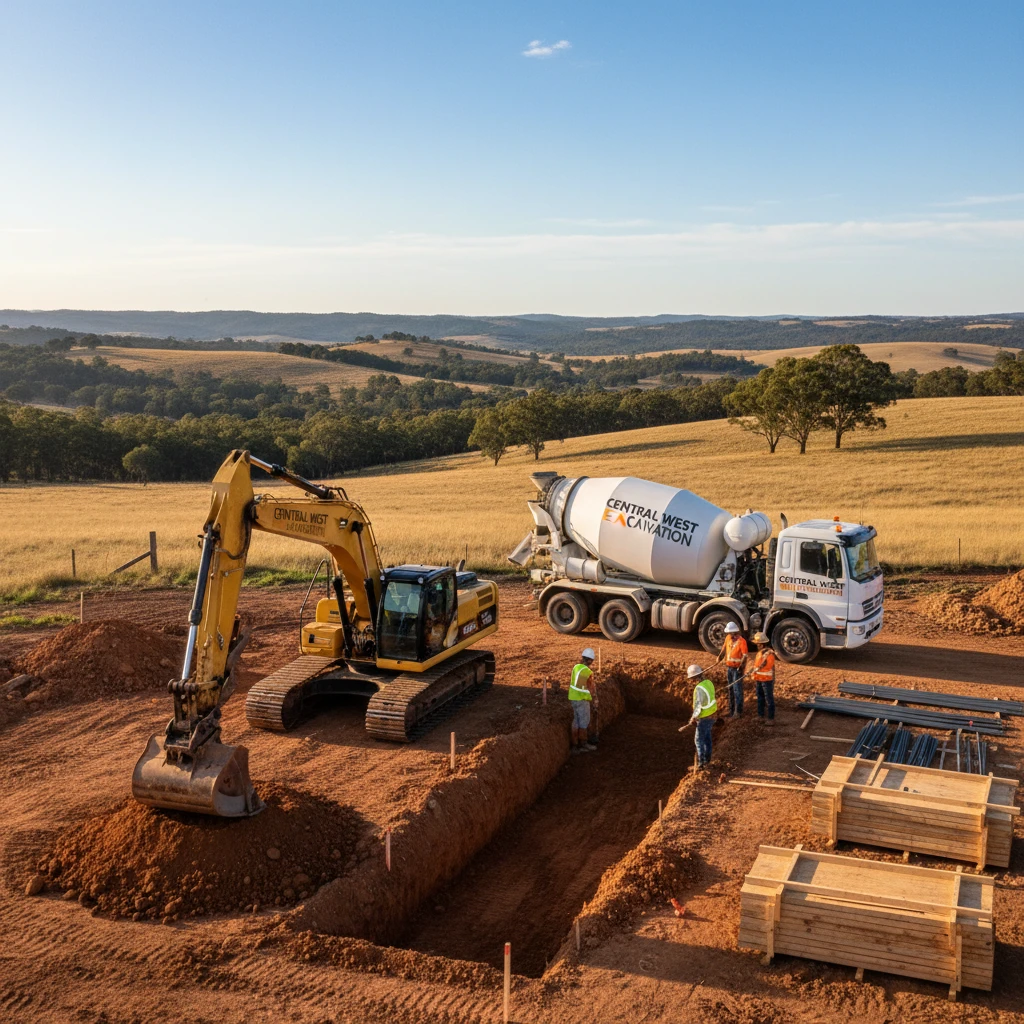
The first step in any successful concrete replacement project is the careful demolition and removal of the existing concrete. This isn’t simply about breaking up the old slab; it’s about doing so in a way that minimises disruption to the surrounding area and prevents damage to underground utilities. Incorrect demolition can lead to costly repairs if gas pipes or electrical lines are accidentally struck. We begin with a thorough site assessment to identify any potential hazards. This assessment guides the selection of appropriate demolition techniques, which might range from jackhammers for smaller areas to more substantial machinery for larger slabs. Special attention is paid to the edges of the concrete to ensure a clean break, preventing future cracking in the new concrete. All debris is then carefully removed and disposed of responsibly, adhering to all local environmental regulations.
Pitfalls to avoid include using overly aggressive demolition methods that can undermine the surrounding soil or damage adjacent structures. A common mistake is failing to properly assess the thickness and reinforcement of the existing concrete, leading to unexpected delays and increased costs. Ignoring underground utilities during demolition is a major safety hazard and can result in significant financial penalties. For instance, let’s say a homeowner attempts to demolish a section of their driveway themselves, striking a gas line. This could lead to a gas leak, potentially causing an explosion and requiring extensive repairs by licensed professionals. Our team prioritizes safety and precision in every project, ensuring a smooth and hazard-free demolition phase. We ensure to dispose of the old concrete in accordance with EPA (Environmental Protection Authority) guidelines.
Proper Site Preparation and Sub-Base Construction
Following demolition, proper site preparation is crucial for the longevity and stability of the new concrete. This involves compacting the sub-base to provide a solid foundation. A well-compacted sub-base prevents settling and cracking in the concrete slab over time. We typically use a vibrating plate compactor to achieve the desired density, ensuring that the soil is firm and level. In areas with poor soil conditions, such as clay or loose sand, it may be necessary to add a layer of gravel or crushed rock to improve drainage and load-bearing capacity. The thickness of this layer will depend on the specific soil conditions and the intended use of the concrete surface. Accurate leveling is essential to ensure proper drainage and prevent water from pooling on the surface, which can lead to deterioration over time. We use laser levels to achieve precise gradients, ensuring that water flows away from buildings and other structures.
Failure to adequately prepare the sub-base is a common cause of concrete failure. If the sub-base is not properly compacted, the concrete slab may settle unevenly, leading to cracks and other structural problems. Another mistake is neglecting to address drainage issues, which can result in water damage and premature deterioration of the concrete. Consider a homeowner who skips the compaction step, leading to a sunken driveway only a year after the concrete was poured. This necessitates costly repairs or even complete replacement. To ensure a stable and durable concrete surface, a related service like excavation may be required.
Expert Concrete Pouring, Levelling, and Finishing Techniques
The final step is the expert pouring, leveling, and finishing of the concrete. This requires skilled tradespeople who understand the properties of concrete and how to achieve the desired finish. We use a high-quality concrete mix that is appropriate for the specific application, taking into account factors such as load-bearing requirements and exposure to the elements. During the pouring process, we ensure that the concrete is evenly distributed and properly consolidated to eliminate air pockets. Leveling is done using screeds and floats to create a smooth, even surface. The finishing techniques will vary depending on the desired aesthetic, from a smooth, troweled finish to a textured, exposed aggregate finish. Proper curing is also essential to ensure that the concrete reaches its full strength and durability. This involves keeping the concrete moist for several days after pouring, typically by covering it with plastic sheeting or applying a curing compound.
A common mistake is rushing the pouring and finishing process, which can lead to uneven surfaces, cracks, and other imperfections. Another issue is neglecting to properly cure the concrete, resulting in a weaker, less durable slab. Imagine an inexperienced contractor who doesn’t properly consolidate the concrete, resulting in a honeycomb effect with numerous air pockets weakening the slab. The concrete might begin to crumble within a few years, requiring extensive repairs. With our experience and meticulous approach, we guarantee a high-quality concrete surface that is both functional and aesthetically pleasing. We also advise clients to avoid walking or driving on new concrete for the recommended period to ensure optimal strength and prevent damage, as recommended by industry best practices such as those from the Cement Concrete & Aggregates Australia (CCAA). Concrete is a long-term investment, and it should be respected as such.
Concrete Solutions for Challenging Central West Terrain: Slopes and Difficult Access
Laser Concrete’s Expertise in Working on Sloped and Uneven Sites
The Central West region of NSW often presents unique challenges when it comes to concrete work, particularly with sloped and uneven sites. Laser Concrete specialises in navigating these complexities, bringing years of experience to ensure successful and durable concrete installations. Working on sloped sites requires careful planning and execution to prevent issues like soil erosion and structural instability. Our expertise begins with a thorough assessment of the site’s topography, soil composition, and drainage patterns. This allows us to develop a customised plan that addresses the specific challenges of the location. We utilize specialized techniques, such as terracing and retaining walls, to create level surfaces for concrete slabs and driveways. This not only enhances the functionality of the space but also improves its aesthetic appeal.
A key consideration is managing water runoff on sloped sites to prevent erosion and damage to the concrete. We incorporate drainage systems, such as French drains and culverts, to effectively channel water away from the slab. Consider a property owner on a steep block in the Blue Mountains who attempts to install a concrete driveway without proper site preparation. The driveway quickly erodes due to rainwater runoff, leading to cracks and eventual failure. With our expertise and the careful excavation methods we employ, we mitigate these risks, providing long-lasting concrete solutions tailored to the Central West’s challenging terrain.
Utilising Specialised Equipment for Tight Access Locations
Many properties in the Central West feature tight access locations that make concrete work particularly difficult. Traditional equipment may be too large or cumbersome to manoeuvre in these confined spaces, requiring innovative solutions. We utilize a range of specialised equipment, including mini excavators and concrete pumps, to overcome these access challenges. Mini excavators are ideal for excavating and preparing sites with limited space, allowing us to create level surfaces and install drainage systems. Concrete pumps enable us to efficiently deliver concrete to hard-to-reach areas, minimising the need for manual labor and reducing the risk of spills. We also employ smaller, more manoeuvrable concrete mixers that can navigate narrow pathways and tight corners.
Attempting to use standard equipment in tight access locations can result in damage to property and delays in the project timeline. Another common mistake is underestimating the amount of concrete required, leading to costly interruptions and the need for additional deliveries. For example, a homeowner in Penrith might try to pour a concrete slab for a shed in their backyard, only to discover that their standard-sized concrete truck cannot access the site. Our specialized equipment and experienced team ensure that concrete work can be completed efficiently and effectively, regardless of access limitations. This often includes working with precision excavation to prepare the area for the concrete pour.
Ensuring Proper Drainage and Structural Stability on Difficult Terrain
On difficult terrain, ensuring proper drainage and structural stability is paramount for the long-term integrity of concrete installations. This involves a comprehensive approach that considers the unique characteristics of the site, including soil type, slope, and water table levels. We begin by conducting a thorough geotechnical investigation to assess the soil’s bearing capacity and drainage properties. This information is used to design a foundation that can withstand the loads and stresses imposed by the concrete structure. We also incorporate drainage systems to prevent water from accumulating around the foundation, which can lead to erosion and structural damage. Retaining walls may be necessary to stabilise slopes and prevent soil from encroaching on the concrete surface.
Ignoring drainage and stability issues can have catastrophic consequences, leading to foundation failure, cracking, and even collapse. Another pitfall is failing to properly reinforce the concrete slab, which can result in premature deterioration and costly repairs. Imagine a rural property owner near Lithgow who installs a concrete slab for a water tank on unstable ground without adequate drainage. The slab cracks and settles over time, eventually causing the tank to topple over, damaging surrounding property. Our expertise in site assessment, foundation design, and drainage systems ensures that concrete installations on difficult terrain are both stable and durable. We consider all related factors, and excavation is a very important one of these to get correct, as mentioned on our Excavation Solutions page.
Concrete Driveways, Shed Slabs & More: Repairing and Replacing Central West Concrete
Restoring the Look and Functionality of Concrete Driveways
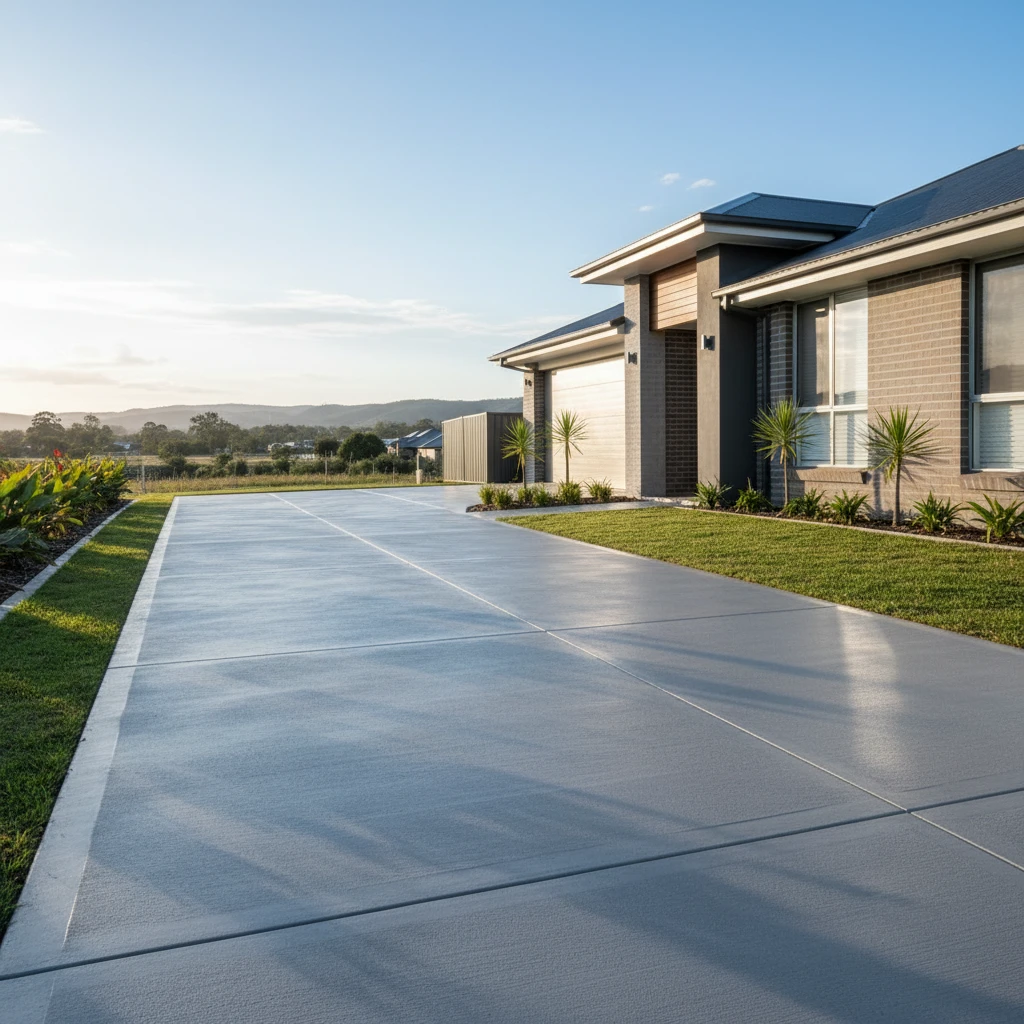
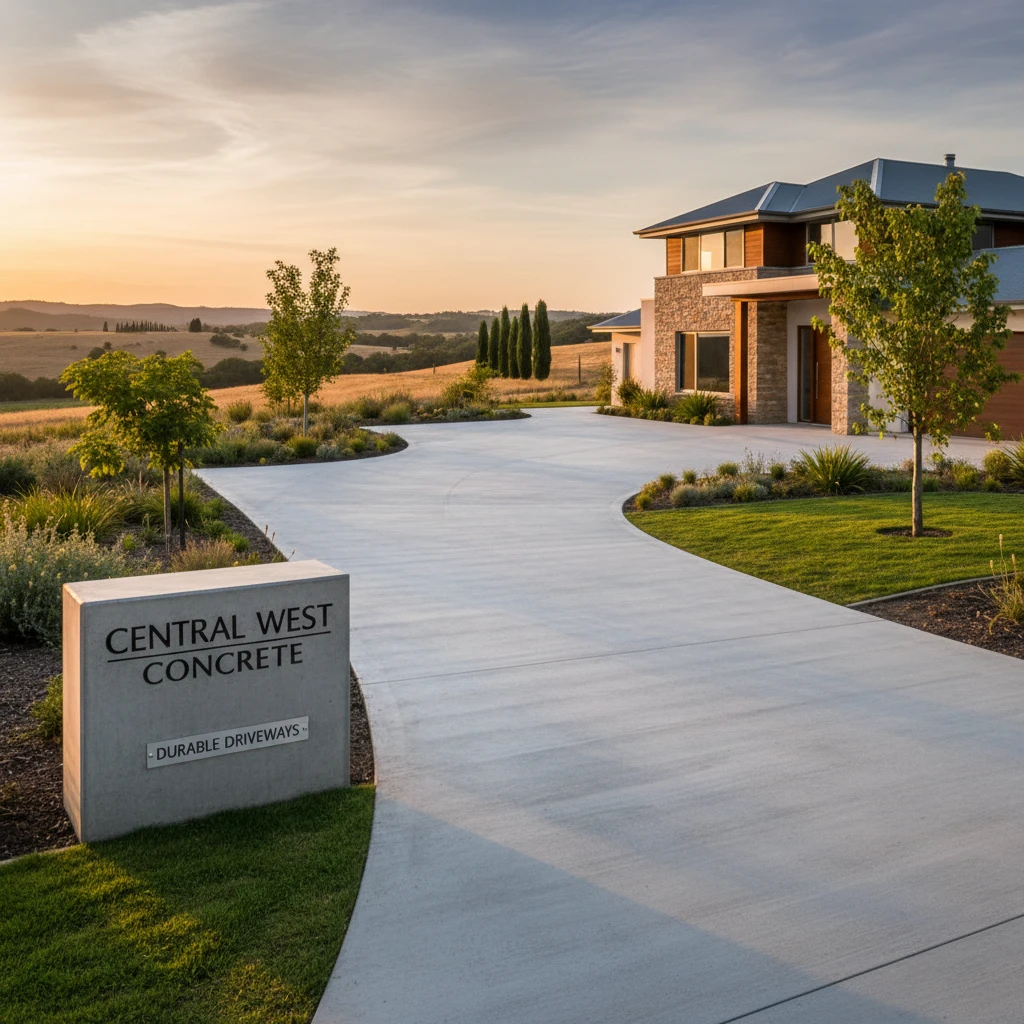
Concrete driveways are subject to wear and tear from vehicles, weather, and general use. Restoring their look and functionality is a common need for Central West homeowners. Repairs might include patching cracks, resurfacing spalled areas, or even a complete replacement of severely damaged sections. A thorough assessment is the first step, identifying the extent of the damage and the underlying causes. Cracks, for example, might be caused by settling, tree root intrusion, or simply age. Patching minor cracks with a concrete repair compound can prevent water from seeping in and causing further damage. Resurfacing involves applying a thin layer of new concrete over the existing surface, providing a fresh, smooth finish. In cases of severe damage, a complete replacement may be necessary, requiring demolition of the old driveway and pouring a new slab. A key factor in driveway longevity is ensuring proper drainage to prevent water from undermining the base.
Ignoring minor driveway damage can lead to more significant problems down the road, increasing repair costs. A common mistake is using the wrong type of repair material, which can result in a mismatched finish and a less durable repair. Example: A homeowner in Bathurst neglects small cracks in their driveway, which widen over time due to freeze-thaw cycles. Eventually, large sections of the driveway crumble, requiring a complete replacement costing significantly more than the initial minor repairs would have. We use only high-quality materials and proven techniques to ensure that repaired or replaced driveways are both aesthetically pleasing and structurally sound. We have extensive experience in concrete services in Penrith, the Blue Mountains, and the Central West.
Ensuring Solid and Level Shed Slabs for Your Workshop or Storage
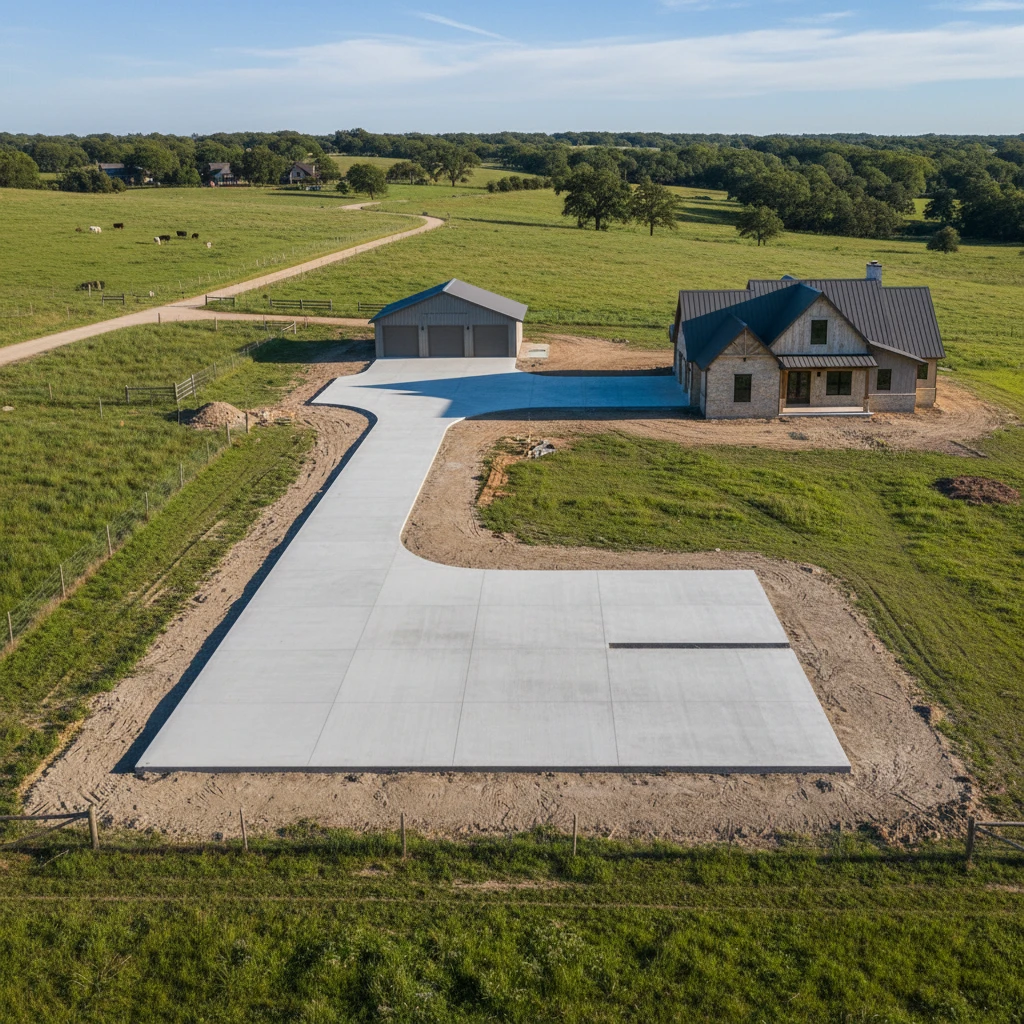
A solid and level shed slab is essential for any workshop or storage space. It provides a stable foundation for tools, equipment, and stored items, preventing damage and ensuring safety. Ensuring a solid and level shed slab starts with proper site preparation, including excavating the area, compacting the sub-base, and installing a moisture barrier. The thickness of the slab will depend on the size of the shed and the loads it will need to support. Reinforcement with steel mesh or rebar is crucial to prevent cracking and ensure long-term durability. Accurate leveling is essential to ensure that the shed is plumb and that doors and windows operate smoothly. Proper curing is also important to allow the concrete to reach its full strength.
A poorly constructed shed slab can lead to a host of problems, including uneven floors, sticking doors, and structural instability. A common mistake is failing to properly compact the sub-base, which can result in settling and cracking. For instance, imagine a homeowner near Mudgee who builds a shed on a poorly prepared slab. The floor is uneven, tools roll around, and the shed doors constantly stick. This can be avoided with appropriate site preparation and the use of quality materials. Getting a precise shed slab is a crucial first step in building, and can be ensured by hiring an expert. As our page on shed slabs shows, precision and quality materials matter.
Repairing and Replacing Concrete Footpaths and Outdoor Areas
Concrete footpaths and outdoor areas provide safe and attractive access around your property. However, they can become damaged over time due to weather, wear, and tree root intrusion. Repairing and replacing concrete footpaths and outdoor areas involves assessing the damage, removing the old concrete, preparing the sub-base, and pouring new concrete. Minor cracks and surface imperfections can be repaired with concrete repair compounds. Severely damaged sections may require replacement. Proper drainage is essential to prevent water from pooling and causing further damage. Consider using decorative concrete finishes to enhance the aesthetic appeal of your outdoor areas. This could involve adding colour, texture, or patterns to the concrete surface.
Neglecting damaged footpaths and outdoor areas can create safety hazards and detract from the overall appearance of your property. A common mistake is failing to address the underlying causes of the damage, such as tree root intrusion, which can lead to recurring problems. Consider a homeowner in the Blue Mountains who patches a cracked footpath without removing the tree roots underneath. The roots continue to grow, quickly causing the new patch to crack as well. We address the underlying issues with professional care. Ensure safety and aesthetics. We can also help with expert excavation of outdoor areas if required.
Maintaining Your Repaired or Replaced Concrete: Tips for Long-Term Durability
Proper Sealing and Waterproofing to Protect Against Moisture Damage
Proper sealing and waterproofing are essential for protecting your concrete from moisture damage, which is a leading cause of deterioration. Concrete is porous, allowing water to penetrate and cause cracking, spalling, and staining. Sealing the concrete creates a barrier that prevents water from entering, extending its lifespan. A variety of sealers are available, including penetrating sealers, which soak into the concrete pores, and topical sealers, which form a protective film on the surface. The best type of sealer will depend on the specific application and the type of concrete. Reapply sealer every 1-3 years, depending on the product and the level of exposure to the elements. Waterproofing is particularly important for concrete surfaces that are exposed to constant moisture, such as pool decks and patios.
Failing to seal or waterproof concrete can significantly shorten its lifespan and lead to costly repairs. A common mistake is using the wrong type of sealer, which can be ineffective or even damage the concrete. Example: A homeowner in Orange doesn’t seal their new concrete driveway, resulting in staining from oil and grease, as well as cracking due to freeze-thaw cycles. Sealing is a proactive measure that protects your investment. We use quality concrete solutions, and sealing is a critical and key part of ensuring the long-term durability of the concrete.
Regular Cleaning and Maintenance to Prevent Staining and Degradation
Regular cleaning and maintenance are crucial for preventing staining and degradation of your concrete surfaces. Dirt, grime, and spills can penetrate the concrete pores, causing discoloration and weakening the material. Sweep or hose down concrete surfaces regularly to remove loose debris. Clean spills immediately to prevent staining. Use a mild detergent and a scrub brush for stubborn stains. Pressure washing can be effective for removing dirt and grime, but be careful not to damage the concrete surface. Avoid using harsh chemicals or abrasive cleaners, which can etch or scratch the concrete. Inspect concrete surfaces regularly for cracks and other signs of damage, and repair them promptly to prevent further deterioration.
Neglecting regular cleaning and maintenance can lead to unsightly stains and premature degradation of your concrete. A common mistake is using harsh chemicals that damage the concrete surface. Picture a business owner in Katoomba who allows grease and oil to accumulate on their concrete loading dock, resulting in permanent stains and a slippery surface. Simple, regular cleaning can prevent these issues. Regular maintenance helps maintain the integrity and look of your concrete.
Avoiding Harsh Chemicals and De-icing Salts That Can Damage Concrete
Avoiding harsh chemicals and de-icing salts is essential for preventing damage to concrete surfaces, particularly in regions with cold winters. Harsh chemicals, such as strong acids and solvents, can etch or dissolve the concrete surface, weakening its structure and causing discoloration. De-icing salts, such as sodium chloride, can penetrate the concrete pores and cause corrosion of the reinforcing steel, leading to cracking and spalling. Use alternative de-icing methods, such as sand or gravel, or opt for de-icing products that are specifically formulated for use on concrete. Protect concrete surfaces from chemical spills by using absorbent materials and cleaning up spills immediately.
Using harsh chemicals or de-icing salts can cause irreversible damage to concrete surfaces, leading to costly repairs or replacement. A common mistake is applying excessive amounts of de-icing salt, which accelerates the corrosion process. For example, a homeowner in Oberon uses large quantities of de-icing salt on their concrete driveway during the winter, resulting in extensive cracking and spalling. By avoiding harsh chemicals and using concrete-friendly de-icing methods, you can extend the lifespan of your concrete surfaces and maintain their appearance. The initial effort is better than dealing with the later issues.
Laser Concrete: Your Local Central West Concrete Repair and Replacement Experts
Serving Penrith, the Blue Mountains, and the Wider Central West Region
Laser Concrete is proud to serve the diverse communities of the Central West, including Penrith and the challenging terrain of the Blue Mountains. Our expertise extends to providing comprehensive concrete repair and replacement services tailored to the specific needs of this region. Whether it’s a residential driveway in Penrith or a robust shed slab in a more rural setting, we bring a commitment to quality and durability to every project. We understand the unique environmental factors at play in the Central West, from soil composition to weather patterns, ensuring that our concrete solutions are built to last. The service area of Laser Concrete means that if you need concrete services in difficult to access areas, we are prepared to help.
A Reputation for Quality Workmanship and Reliable Service
Our reputation is built on a foundation of quality workmanship and reliable service. We believe in doing the job right the first time, using only the highest quality materials and employing skilled tradespeople who are passionate about their craft. Customer satisfaction is at the heart of our approach, and we go the extra mile to ensure that every client is delighted with the finished product. This commitment to excellence is reflected in our attention to detail, our clear communication, and our dedication to completing projects on time and within budget. We understand that concrete work is a long-term investment, and we strive to provide solutions that will stand the test of time.
Committed to Providing Long-Lasting Concrete Solutions for Your Property
At Laser Concrete, we are committed to providing long-lasting concrete solutions that enhance the value and functionality of your property. We don’t just pour concrete; we engineer solutions that are tailored to your specific needs and the unique challenges of your site. From the initial assessment to the final finishing touches, we take a meticulous approach to every project. This includes careful site preparation, precise formwork, proper reinforcement, and expert finishing techniques. If you’re planning to build a shed, consider a precision-poured shed slab for a lasting foundation. Our goal is to provide durable and aesthetically pleasing concrete work that you can enjoy for years to come. We factor in things like soil movement and drainage from the outset, something a cheap quote may miss.
Requesting a Quote for Your Concrete Project: What to Expect
Providing Detailed Information About Your Concrete Needs
When requesting a quote from Laser Concrete, providing detailed information about your concrete needs is crucial for an accurate assessment. Be prepared to discuss the scope of the project, including the dimensions of the area to be concreted, the intended use of the concrete surface, and any specific requirements or design preferences you may have. Photos or sketches can be incredibly helpful in conveying your vision. It’s also important to inform us of any site-specific challenges, such as difficult access, sloping terrain, or existing structures that may impact the project. For complex excavation in preparation for a project, find out how Laser Concrete provide excavation solutions for difficult sites. The more information you provide upfront, the more accurate and tailored our quote will be.
Our Transparent and Competitive Pricing Structure
We believe in transparency and offer a competitive pricing structure that reflects the quality of our workmanship and materials. Our quotes are detailed and clearly outline all costs associated with the project, including materials, labour, equipment, and any necessary permits. We avoid hidden fees and surprise charges, ensuring that you have a clear understanding of the investment required. While we may not always be the cheapest option, we are committed to providing exceptional value for your money. We focus on long-term durability and quality, which ultimately saves you money in the long run by avoiding costly repairs or replacements down the line. While “cheap” concrete is available, it will not match the quality and longevity of professionally laid and prepared concrete.
Scheduling a Site Inspection for Accurate Assessment and Quoting
To provide the most accurate and comprehensive quote possible, we often recommend scheduling a site inspection. This allows us to assess the specific conditions of your property, identify any potential challenges, and take precise measurements. During the site inspection, we will discuss your project in detail, answer any questions you may have, and offer expert advice on the best concrete solutions for your needs. This on-site evaluation is essential for ensuring that our quote accurately reflects the scope of the work and the resources required. For example, a site in the Blue Mountains will likely require a different approach and cost than a flat block in Penrith. A site inspection allows us to tailor our quote to those specific conditions.
See Our Concrete Work: Examples of Central West Concrete Repairs & Replacements
Here are some examples of the kinds of concrete repair and replacement work Laser Concrete can complete. These are realistic but hypothetical scenarios.
Example 1: Damaged Driveway Repair (Penrith)
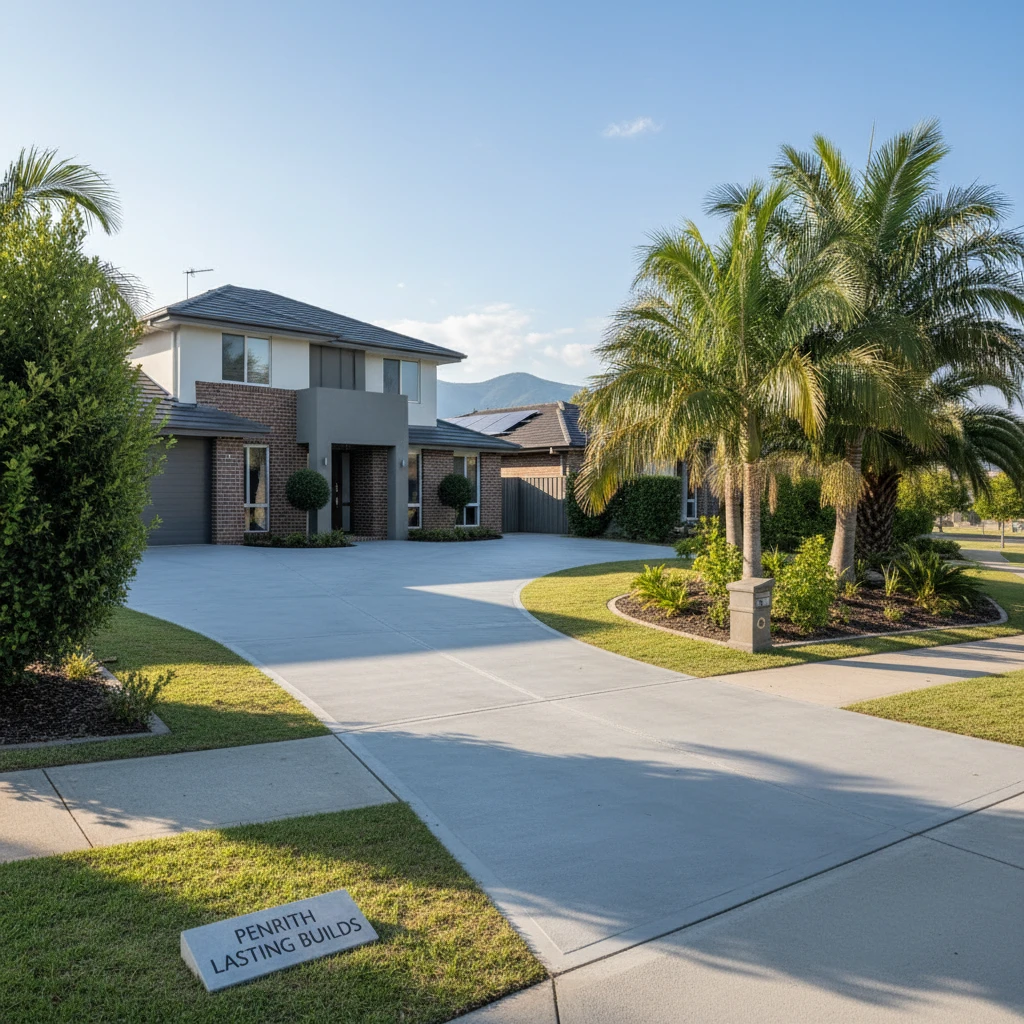
A homeowner in Penrith contacted us regarding a severely cracked and uneven concrete driveway. After a site inspection, we determined that the underlying base had shifted, causing the damage. Our solution involved removing the damaged concrete, re-compacting the base with appropriate materials, and pouring a new, reinforced concrete driveway. The client also requested a decorative exposed aggregate finish to enhance the appearance. The total cost was $7,500 and took 3 days to complete, transforming the curb appeal and safety of their property. See how Laser Concrete can create attractive concrete driveways in Penrith.
Example 2: Shed Slab Replacement (Blue Mountains)
A rural property owner in the Blue Mountains needed to replace an existing shed slab that had deteriorated due to age and poor drainage. The site had limited access, requiring careful planning and execution. We excavated the old slab, improved the drainage around the perimeter, and poured a new, thicker concrete slab with reinforced steel mesh. The client chose a plain concrete finish for durability. The total cost, including excavation and materials, was $12,000, but resulted in a stable and reliable foundation for their new shed.
Example 3: Concrete Footpath Repair (Katoomba)
A business in Katoomba had a section of concrete footpath outside their premises that had become a trip hazard. We removed and replaced the damaged section, ensuring it met safety standards and blended seamlessly with the existing footpath. The project cost $2,800 and improved the safety and accessibility of the business for customers.
In summary, when looking for expert concrete repairs and replacements in the Central West, Laser Concrete is equipped to provide detailed quotes, quality workmanship and long-lasting solutions tailored to the region. Our experience ensures your project is a success.