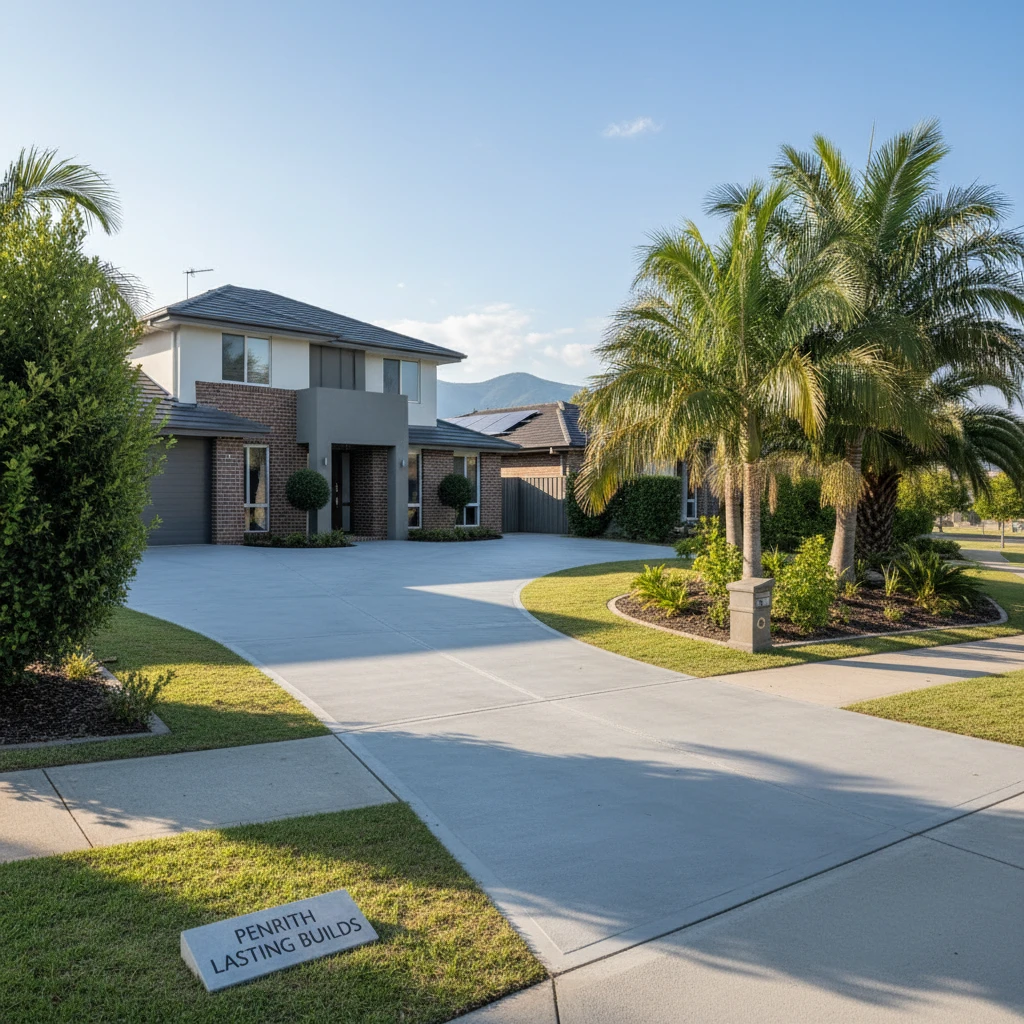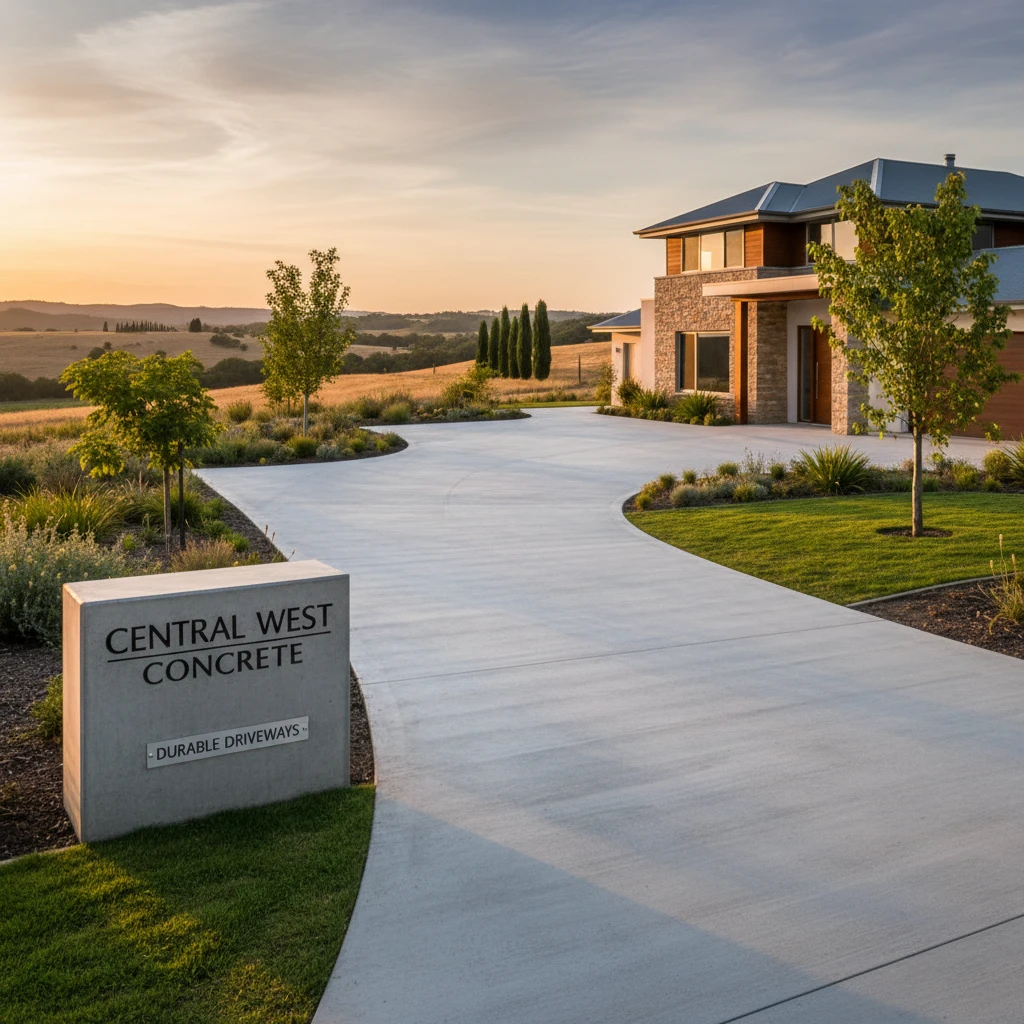
Proper excavation is the unsung hero of any successful concrete project. It’s more than just digging a hole; it’s about creating a stable, properly prepared foundation that ensures your concrete surface stands the test of time. In Penrith, with its diverse soil types and varying topography, getting the excavation right is absolutely critical for long-term durability and preventing costly repairs down the line. We believe in doing excavation right the first time, ensuring your concrete investment provides lasting value.
This guide will walk you through the essential aspects of precision excavation, specifically tailored for concrete projects in the Penrith region. We’ll cover key considerations for assessing your property, what to expect during the excavation process, and the equipment used to achieve pinpoint accuracy, ensuring your concrete project starts on solid ground. For projects requiring excavation and concrete in the Blue Mountains, we offer specialised services.
Laying the Groundwork: Why Precision Excavation Matters for Your Penrith Concrete Project
The crucial role of excavation in concrete durability and longevity
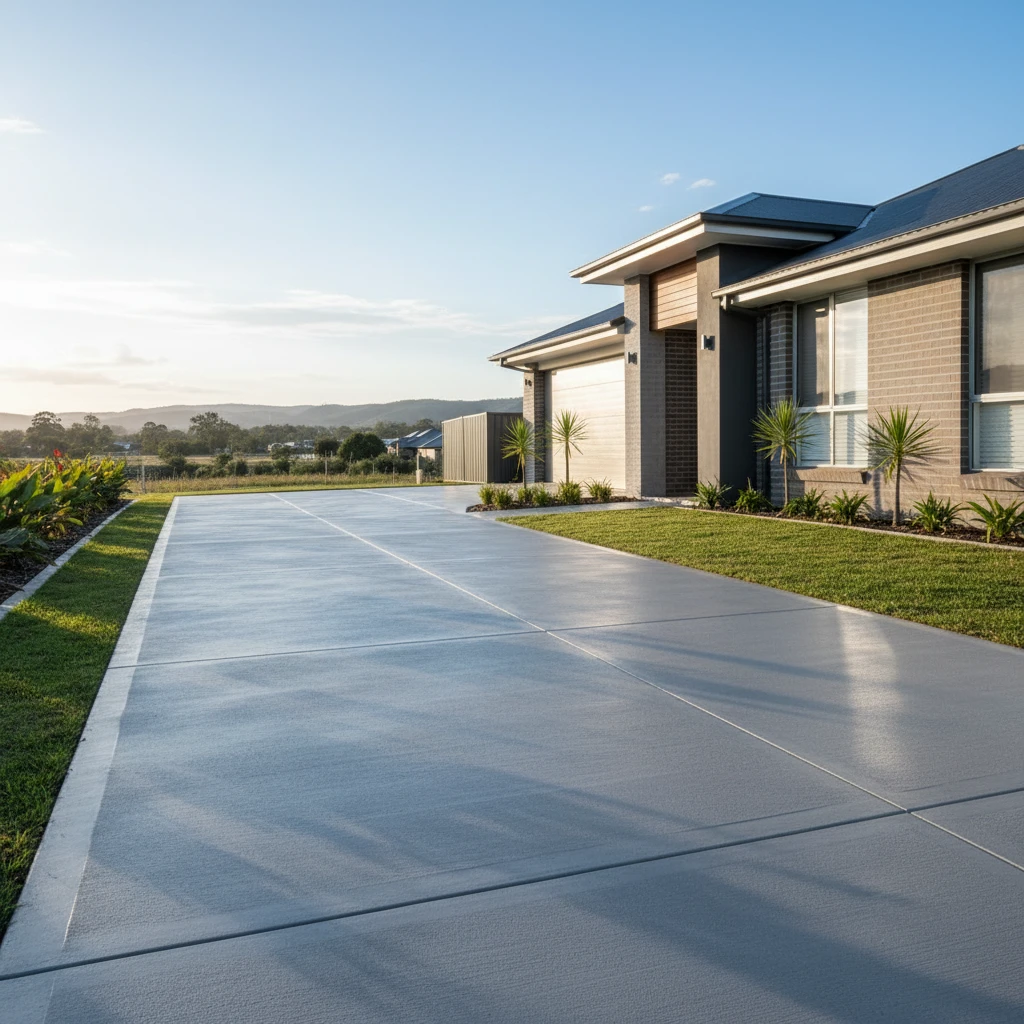
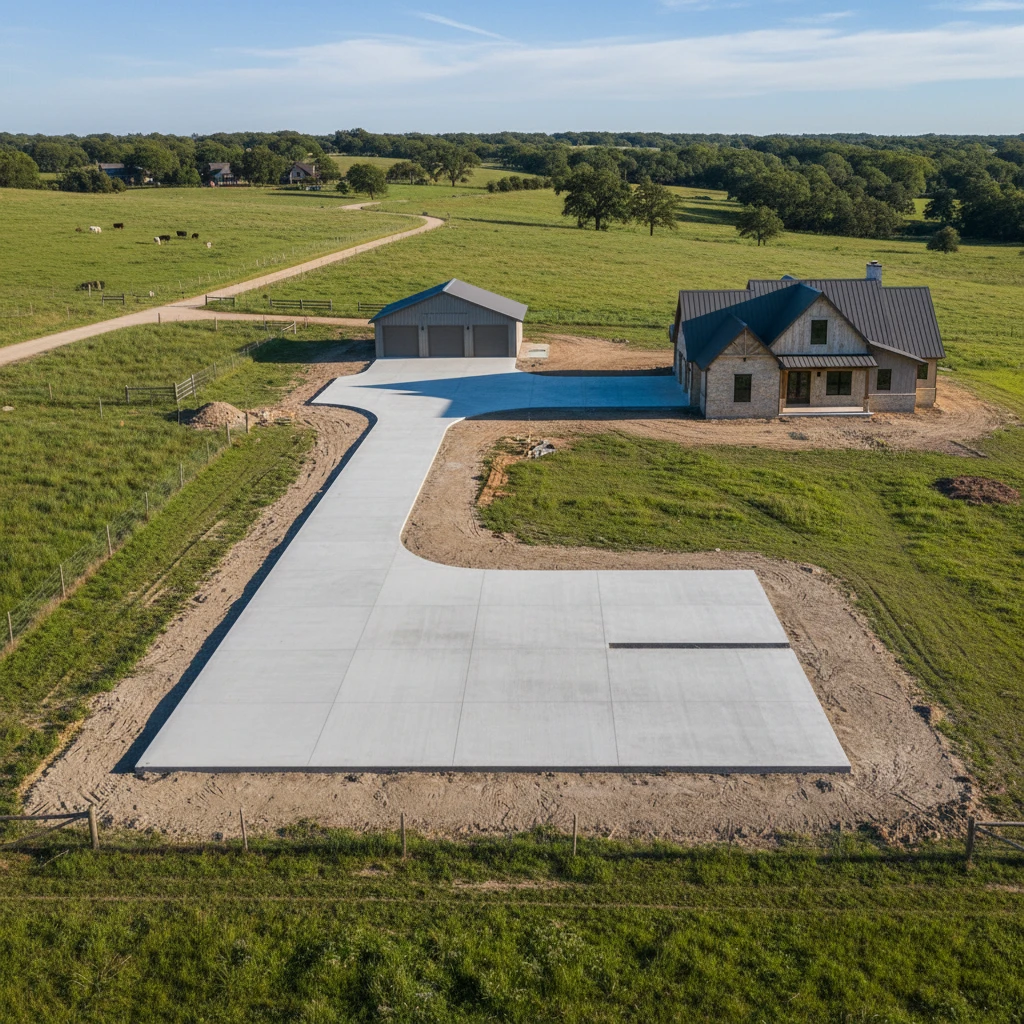
Excavation plays a fundamental role in determining the long-term performance of any concrete structure. It’s not merely about creating space, but about preparing a stable and appropriately compacted sub-base. This sub-base bears the load of the concrete and everything placed upon it. Improper excavation can lead to uneven settling, cracking, and premature failure of the concrete. A well-executed excavation ensures uniform support, distributing weight evenly and minimising stress points within the concrete slab or structure. This directly translates to a longer lifespan for your concrete, saving you money and hassle in the long run. For example, a driveway that has been correctly excavated will withstand heavy vehicle traffic far better than one where the underlying soil has not been properly prepared. You might consider that concrete driveways are only as good as the base that is built for them.
Preventing costly problems down the track: Cracking, sinking, and water damage
Skimping on excavation can have dire consequences for your concrete project. Cracking is a common issue arising from inadequate sub-base preparation. When the soil beneath the concrete is not properly compacted, it can shift and settle unevenly, placing stress on the concrete and leading to cracks. Sinking is another potential problem, particularly in areas with poor drainage or unstable soil. Water accumulating beneath the concrete can weaken the sub-base, causing the concrete to sink or subside. Furthermore, improper excavation can disrupt natural drainage patterns, leading to water damage and erosion around the concrete structure. Addressing these issues after the concrete has been poured is significantly more expensive and disruptive than investing in proper excavation from the outset. Often, the cost of repairing concrete damage far outweighs the initial savings from a cheaper, less thorough excavation. We specialise in avoiding these kinds of problems. We also provide services for excavation and concrete on sloped sites.
Matching excavation to your specific concrete project requirements
The type and extent of excavation required will vary depending on the specific concrete project. A simple concrete pad for a garden shed will have different excavation needs than a large industrial shed slab. Factors to consider include the size and weight of the structure, the soil type, and the site’s drainage characteristics. For instance, a shed slab designed to support heavy machinery will require deeper excavation and more robust compaction than a basic patio slab. Similarly, sites with poor drainage may necessitate the installation of drainage systems as part of the excavation process. We work with clients to determine the optimal excavation strategy for their project, taking into account all relevant factors to ensure a successful and durable outcome. If you’re in need of a shed slab in the Penrith region, we recommend proper preparation as a top priority.
Assessing Your Penrith Property: Key Considerations for Excavation
Soil type and stability: Is it clay, shale, or something else?
Understanding the soil composition of your Penrith property is paramount before commencing any excavation work. Penrith’s geology is diverse, ranging from reactive clay soils to shale and sandstone formations. Clay soils, common in certain areas, are prone to expansion and contraction with changes in moisture content, which can exert significant pressure on concrete structures. Shale, while generally more stable, can be susceptible to weathering and erosion. A geotechnical assessment can provide valuable insights into the soil’s properties, including its bearing capacity, drainage characteristics, and potential for movement. This information allows for tailored excavation and compaction strategies to mitigate risks associated with soil instability. For example, clay soils may require over-excavation and replacement with a more stable fill material. Ignoring the soil type can lead to serious structural problems.
Slope and drainage: Managing water runoff in Penrith’s varied terrain
Penrith’s varied terrain presents unique challenges for managing water runoff. Sloping blocks are common, and effective drainage solutions are essential to prevent water from accumulating around concrete structures. Poor drainage can lead to erosion, soil saturation, and hydrostatic pressure, all of which can compromise the integrity of the concrete. The excavation process should incorporate strategies for directing water away from the structure, such as creating positive grades, installing drainage swales, or incorporating subsurface drainage systems. Proper slope analysis is critical to ensure that water flows away from the concrete and does not pool or pond. Furthermore, consider the impact of your project on neighboring properties and ensure that your drainage solutions do not divert water onto their land. Proper drainage is a must for lasting shed slabs, for instance.
Identifying underground utilities: Avoiding costly and dangerous mistakes
Before any excavation work begins, it’s crucial to identify and locate all underground utilities on your property. This includes water pipes, gas lines, electrical cables, and telecommunications conduits. Hitting a utility line during excavation can result in costly repairs, service disruptions, and, in some cases, serious injury. Dial Before You Dig (DBYD) is a free service that provides information on the location of underground utilities. Submitting a DBYD enquiry before you dig is mandatory in many areas and can save you from significant headaches and potential hazards. Even with DBYD information, it’s essential to exercise caution and use hand digging techniques when working near known utility lines. Professional locators can also be engaged to provide more precise utility mapping. For more details on safe excavation practices, refer to guidelines provided by SafeWork NSW.
The Excavation Process: What to Expect from Laser Concrete
Site preparation: Clearing vegetation and removing obstacles
The first step in the excavation process is thorough site preparation. This involves clearing any vegetation, trees, shrubs, and other obstacles from the area to be excavated. Tree roots can be particularly problematic, as they can undermine the stability of the sub-base and cause cracking in the concrete. Large rocks, debris, and existing structures must also be removed. The site should be cleared to a sufficient extent to allow for safe and efficient operation of excavation equipment. Depending on the size and complexity of the project, this may involve the use of chainsaws, excavators, and other heavy machinery. Proper disposal of cleared vegetation and debris is also important, in compliance with local environmental regulations.
Precise grading and levelling: Achieving the correct concrete depth
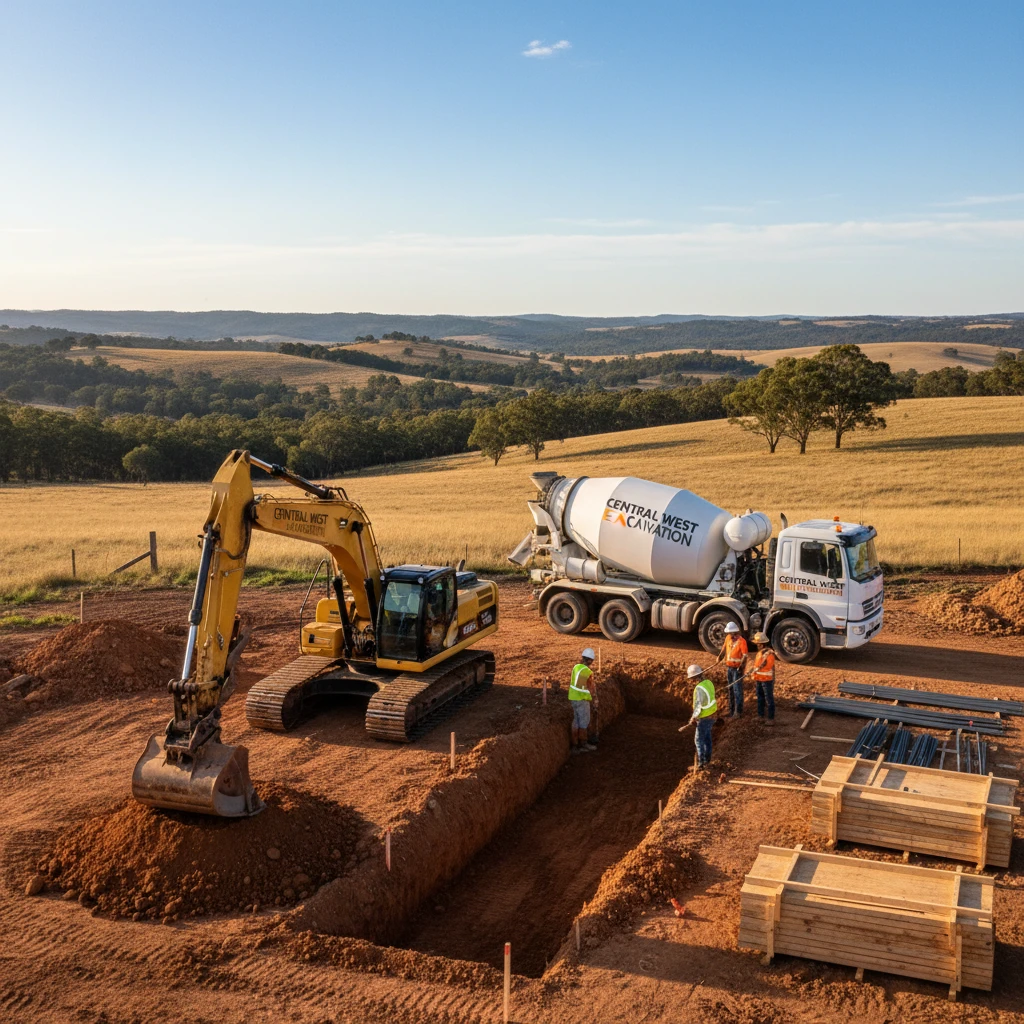
Once the site is cleared, the next step is precise grading and levelling. This involves using surveying equipment to establish the desired concrete depth and ensure a uniform slope across the excavation area. The goal is to create a level and stable sub-base that will support the concrete and prevent uneven settling. Laser levelling technology is often used to achieve pinpoint accuracy in grading and levelling. This technology uses a laser beam to create a reference plane, allowing the excavator operator to precisely control the depth of the excavation. Accurate grading and levelling are essential for achieving the desired concrete thickness and ensuring proper drainage. We pride ourselves on our commitment to accuracy, especially when laying concrete.
Compaction techniques: Ensuring a solid base for your concrete slab
Compaction is the final and crucial step in the excavation process. Compacting the sub-base increases its density and stability, reducing the risk of settling and cracking. Different compaction techniques are used depending on the soil type and the size of the project. Plate compactors are commonly used for smaller areas, while vibratory rollers are more suitable for larger sites. The key is to achieve the required degree of compaction as specified in the project plans. This is typically measured using a soil density test. Proper compaction ensures that the concrete slab has a solid and stable foundation, which is essential for its long-term performance. Compaction should be performed in layers, with each layer being thoroughly compacted before the next is added. This prevents air pockets from forming within the sub-base.
Excavation Equipment: Choosing the Right Tools for the Job
Mini excavators: Ideal for tight access and smaller projects
Mini excavators are compact and versatile machines that are ideal for excavation projects with limited access or confined spaces. Their small size allows them to navigate through narrow openings and work in areas where larger excavators cannot reach. Despite their small size, mini excavators are surprisingly powerful and capable of handling a wide range of excavation tasks, including digging trenches, removing soil, and levelling surfaces. They are also relatively easy to operate and maneuver, making them a popular choice for both residential and commercial projects. In Penrith, where many properties have tight access, mini excavators are invaluable for ensuring that excavation work can be completed efficiently and effectively. Mini excavators are excellent for preparing footpaths, for example.
Bobcats and skid steers: Versatile machines for moving earth and materials
Bobcats and skid steer loaders are versatile machines that can be used for a variety of excavation and material handling tasks. They are equipped with a bucket that can be used to scoop up and move soil, gravel, and other materials. Bobcats and skid steers are also highly maneuverable, allowing them to operate in tight spaces and navigate around obstacles. They can be fitted with a range of attachments, such as augers, trenchers, and graders, making them even more versatile. These machines are particularly useful for removing excess soil from an excavation site, backfilling trenches, and levelling surfaces. Their versatility makes them a valuable asset on any concrete project. We often use them to move materials efficiently and with minimal disruption to the site.
Laser levelling technology: Ensuring pinpoint accuracy
Laser levelling technology is a game-changer in excavation, ensuring pinpoint accuracy in grading and levelling. This technology uses a laser transmitter to create a reference plane, which is then detected by a receiver mounted on the excavation equipment. The receiver provides real-time feedback to the operator, allowing them to precisely control the depth of the excavation. Laser levelling technology is particularly useful for large or complex projects where accuracy is critical. It eliminates the need for manual surveying and reduces the risk of errors. This results in a smoother, more level sub-base, which is essential for achieving a high-quality concrete finish. Investing in laser levelling technology demonstrates a commitment to precision and quality, ensuring that your concrete project starts on the right foot.
Dealing with Difficult Terrain: Excavating on Slopes and Rocky Sites
Excavating for concrete projects in Penrith often involves navigating challenging terrain. Slopes and rocky sites require specialised techniques to ensure a stable and level base. Ignoring these challenges can lead to structural issues and costly repairs down the line. The first step is a thorough site assessment to understand the soil composition, rock formations, and existing slope gradients. This assessment informs the choice of excavation methods and equipment. For example, a site with heavily fractured rock might necessitate using a rock breaker, while a stable but steep slope could benefit from terracing.
Terracing techniques: Creating stable platforms on steep slopes
Terracing is a highly effective method for creating stable platforms on steep slopes. This involves cutting a series of level steps, or terraces, into the hillside. Each terrace is retained by a wall or batter slope to prevent soil erosion. The key to successful terracing lies in the proper design and construction of the retaining structures. These structures must be able to withstand the lateral pressure of the soil behind them and any additional loads, such as water saturation. Effective drainage is also essential to prevent water from building up behind the retaining walls, which can cause them to fail. The spacing between terraces will depend on the angle of the slope and the type of soil, as well as the intended usage of the area. For example, creating shed slabs on a sloping block might require larger, more robust terraces. Proper planning and execution are vital for long-term stability.
Rock breaking and removal: Efficiently handling hard rock formations
Encountering hard rock formations during excavation is common in the Penrith region. Efficient rock breaking and removal are crucial to avoid project delays and cost overruns. Several methods can be employed, including using rock breakers (hydraulic hammers attached to excavators), drilling and blasting (requiring specialised permits and expertise), or chemical rock splitting agents. The choice of method depends on factors such as the type and hardness of the rock, the proximity to other structures, and environmental considerations. Rock breakers are suitable for smaller volumes of rock, while drilling and blasting are more efficient for larger, more solid formations. When using rock breakers, it’s important to select the right size and power for the job to avoid damaging the machine or the surrounding environment. Careful planning and execution, along with the use of appropriate safety measures, are essential for successful rock breaking and removal. Considering the expertise needed, engaging specialists for excavation and concrete solutions on a sloped site might be the optimal choice.
Erosion control measures: Protecting the surrounding environment
Excavation activities can significantly increase the risk of soil erosion, especially on sloped sites. Implementing effective erosion control measures is essential to protect the surrounding environment and comply with local regulations. These measures may include installing silt fences, straw wattles, or erosion control blankets to prevent soil from being washed away by rain or wind. Sediment basins can also be constructed to capture runoff water and allow sediment to settle out before the water is discharged. During excavation, it’s crucial to minimise the amount of exposed soil and to stabilize slopes as quickly as possible. This may involve applying mulch, hydroseeding, or installing temporary vegetation. Regular monitoring of erosion control measures is essential to ensure they are functioning effectively. A failure to control erosion can lead to environmental damage, fines, and project delays. Careful planning and proactive implementation of erosion control measures are crucial for responsible excavation practices.
Permits and Regulations: Navigating Penrith Council’s Excavation Requirements
Before commencing any excavation work in Penrith, it is essential to understand and comply with the Penrith City Council’s regulations. These regulations are in place to protect public safety, preserve the environment, and ensure that development is carried out in a responsible manner. Neglecting to obtain the necessary permits or failing to adhere to the council’s guidelines can result in fines, stop-work orders, and other legal consequences. Therefore, it is crucial to research the specific requirements for your project and to obtain all necessary approvals before starting any excavation work. This includes understanding setback requirements, allowable cut and fill volumes, and any specific conditions related to your site.
Understanding local council guidelines for excavation work
Penrith City Council provides comprehensive guidelines for excavation work, covering aspects such as site management, erosion control, and noise restrictions. These guidelines aim to minimise the impact of excavation on the surrounding environment and community. Familiarising yourself with these guidelines is a crucial first step in the planning process. The council’s website is a valuable resource, offering information on various permits and approvals required for different types of excavation projects. Additionally, it’s advisable to contact the council directly to discuss your specific project and clarify any uncertainties. Understanding the local council’s guidelines is not just about compliance; it’s about ensuring that your excavation work is carried out in a responsible and sustainable manner. Many Councils now reference the “Blue Book” – Managing Urban Stormwater: Soils and Construction Vol 1. (Landcom, 2004) as industry best practice when it comes to sediment and erosion control. This is a useful resource when planning your excavation.
When is a permit required? Common scenarios in Penrith
Determining when an excavation permit is required can be complex, as it depends on various factors such as the volume of earthworks, the proximity to property boundaries, and the presence of any protected trees or heritage items. Generally, any excavation work that involves significant cut or fill, alters drainage patterns, or has the potential to impact neighbouring properties will require a permit. Common scenarios in Penrith that often necessitate permits include excavating for new concrete driveways, preparing sites for shed slabs, and creating retaining walls. Even seemingly minor excavation work may require approval if it is located within a certain distance of a boundary or if it involves disturbing a significant amount of soil. To avoid any surprises, it’s best to err on the side of caution and consult with Penrith City Council to determine whether a permit is required for your specific project. Obtaining the necessary permits upfront can save you time, money, and potential legal headaches in the long run. It also ensures that your excavation work is carried out in accordance with best practices and protects the interests of the community. Remember that Laser Concrete can help with concrete driveways around Penrith.
Ensuring compliance with environmental regulations
Excavation work can have a significant impact on the environment, particularly if not managed properly. Environmental regulations aim to minimise these impacts and protect valuable natural resources. Key areas of concern include soil erosion, water pollution, and disturbance to native vegetation and wildlife. To ensure compliance with environmental regulations, it’s essential to implement appropriate erosion and sediment control measures, manage stormwater runoff effectively, and avoid disturbing sensitive areas. This may involve installing silt fences, sediment basins, and other erosion control devices. It’s also crucial to dispose of excavated materials properly and to avoid polluting waterways. In some cases, an environmental impact assessment may be required to assess the potential environmental consequences of your excavation work and to develop mitigation measures. Compliance with environmental regulations is not only a legal obligation but also a moral one. By taking steps to protect the environment, you can help ensure that your excavation work is sustainable and benefits the community. This might involve engaging specialists for excavation and concreting services in the Central West to ensure compliance.
Common Excavation Pitfalls to Avoid for Concrete Success
Proper excavation is the foundation for any successful concrete project. However, several common pitfalls can compromise the integrity and longevity of your concrete structure. Addressing these potential issues proactively is crucial to avoiding costly repairs and ensuring a lasting outcome. These pitfalls typically stem from inadequate planning, poor execution, or a lack of understanding of soil mechanics and drainage principles. Recognizing and mitigating these risks is an investment in the long-term performance of your concrete project. Remember that good groundwork leads to a reliable final product.
Inadequate soil compaction: The root cause of many concrete failures
One of the most prevalent causes of concrete failure is inadequate soil compaction beneath the slab. When soil is not properly compacted, it can settle over time, leading to cracking and structural instability in the concrete above. The level of compaction required depends on the type of soil and the intended load on the concrete. For example, shed slabs or equipment slabs that need to support heavy machinery will require a higher degree of compaction than a simple patio. Compaction should be performed in layers, using appropriate equipment such as plate compactors or rollers. Each layer should be thoroughly compacted before the next layer is added. It’s crucial to ensure that the soil is at the optimal moisture content for compaction, as soil that is too dry or too wet will not compact properly. Proper soil compaction is not a quick fix; it’s a meticulous process that requires attention to detail and adherence to industry best practices.
Poor drainage: Leading to water damage and erosion
Poor drainage can wreak havoc on concrete structures, leading to water damage, erosion, and even structural failure. When water is allowed to pool around or beneath concrete, it can seep into cracks and joints, causing the concrete to deteriorate over time. In colder climates, the freeze-thaw cycle can exacerbate this problem, as water expands when it freezes, putting additional stress on the concrete. Poor drainage can also lead to soil erosion, undermining the foundation and compromising the stability of the structure. To prevent these problems, it’s essential to ensure that the site is properly graded to allow water to flow away from the concrete. Installing drainage systems, such as surface drains or French drains, can also help to remove excess water. Addressing drainage issues upfront is far more cost-effective than dealing with the consequences of water damage later on. Poor drainage is often linked to the excavation process not being planned correctly to consider site water runoff.
Incorrect slope: Affecting water runoff and functionality
The slope of the excavated surface is a critical factor in ensuring proper water runoff and the overall functionality of the concrete structure. An incorrect slope can lead to water pooling, which can damage the concrete and create safety hazards. For example, a concrete driveway that slopes towards the house can cause water to run into the garage or basement, leading to water damage. Similarly, a patio with an insufficient slope can become slippery and dangerous when wet. The ideal slope will depend on the specific application and the local climate. Generally, a slope of 1% to 2% is sufficient for most concrete surfaces. It’s essential to use surveying equipment to accurately measure and maintain the correct slope during excavation. Careful attention to the slope is a small investment that can pay off in the long run by preventing water damage and ensuring the longevity and safety of your concrete structure.
Ensuring Proper Drainage: Protecting Your Concrete Investment
Investing in concrete work is a significant commitment, and protecting that investment requires careful attention to drainage. Water is a concrete’s worst enemy, leading to cracking, erosion, and ultimately, structural failure. Proper drainage prevents water from accumulating around or beneath the concrete, safeguarding its integrity and extending its lifespan. This section outlines the various drainage techniques and considerations necessary to ensure that your concrete investment remains sound for years to come. Remember, effective drainage is not an afterthought; it’s an integral part of the planning and execution of any concrete project.
Installing drainage systems: Surface drains, French drains, and more
A well-designed drainage system is crucial for diverting water away from concrete surfaces. Several types of drainage systems can be employed, depending on the specific site conditions and the volume of water that needs to be managed. Surface drains, also known as channel drains, are designed to capture surface water and direct it to a designated discharge point. These drains are typically installed along driveways, patios, and other paved areas. French drains, on the other hand, are subsurface drains that consist of a perforated pipe buried in a gravel-filled trench. These drains are effective at collecting groundwater and preventing it from saturating the soil beneath the concrete. Other drainage options include catch basins, which are larger underground structures designed to collect and filter stormwater runoff. The choice of drainage system will depend on factors such as the size of the area to be drained, the type of soil, and the local rainfall patterns. Consulting with a drainage specialist is recommended to determine the most appropriate system for your specific needs. For complex sites, perhaps closer to the Blue Mountains, it is best to choose an expert. Laser Concrete can provide drainage advice for your project.
Grading for optimal water runoff: Preventing water pooling
Proper grading is a fundamental aspect of drainage design. Grading refers to the process of shaping the ground surface to create a slope that directs water away from concrete structures. The goal of grading is to prevent water from pooling around the concrete and to ensure that it flows smoothly to a designated drainage outlet. The ideal slope will depend on the type of surface and the local climate. Generally, a slope of 1% to 2% is sufficient for most concrete surfaces. It’s crucial to ensure that the grading is consistent and that there are no low spots where water can accumulate. During excavation, careful attention should be paid to the grading to ensure that it is accurate and effective. Poor grading can negate the benefits of even the most sophisticated drainage system. Accurate measurements and careful execution are key to achieving optimal water runoff.
Choosing permeable concrete options for reduced runoff
Permeable concrete is an innovative material that allows water to pass through it, reducing stormwater runoff and improving water quality. Unlike traditional concrete, which is impervious to water, permeable concrete has a porous structure that allows water to infiltrate the ground below. This can significantly reduce the amount of stormwater that flows into drains and waterways, helping to prevent flooding and erosion. Permeable concrete is an excellent option for driveways, parking lots, and other paved areas where stormwater runoff is a concern. In addition to its environmental benefits, permeable concrete can also help to reduce the urban heat island effect by allowing water to evaporate from the surface. While permeable concrete may be more expensive than traditional concrete, its long-term benefits and environmental advantages make it a worthwhile investment. Choosing permeable concrete aligns with a more sustainable approach to construction. Note that a solid and well-compacted subbase is critical for the longevity of pervious concrete installations. Laser Concrete can assist with concrete projects from Penrith to the Central West, even offering solutions like shed slabs.
After Excavation: Preparing for Concrete Pouring
Inspecting the excavation site: Ensuring everything is level and compacted
Once excavation is complete, a meticulous inspection is crucial. The goal is to verify that the base is perfectly prepared to receive the concrete. This starts with confirming the excavation depths are accurate, using surveying equipment or laser levels. Any discrepancies can lead to structural issues down the line. Next, check the soil compaction. Poor compaction can cause settling and cracking in your concrete slab over time. This is especially critical in areas like Penrith, where soil conditions can vary significantly.
To assess compaction, a compaction test might be necessary, particularly for larger projects or where the existing soil is questionable. Visual inspection can also provide clues – look for uniform density and the absence of loose material. Another crucial step involves ensuring proper drainage. Water pooling beneath the slab is a recipe for disaster, potentially leading to erosion and structural damage. Ensure drainage slopes are adequate, and consider installing drainage systems if necessary. For more insights into concrete foundations built to last, explore resources regarding shed slabs.
Example: A homeowner in Glenmore Park experienced significant cracking in their new patio slab because the original excavation wasn’t adequately compacted. After removing the damaged concrete and re-compacting the base with professional equipment, the new slab, poured by a reputable concreter, has remained in excellent condition for several years.
Installing formwork: Defining the shape and size of the concrete slab
Formwork acts as a mould, defining the final shape and size of your concrete element. Accuracy in formwork installation is paramount. Begin by selecting the right materials. Timber, steel, or aluminium are common choices, each with its own advantages. Timber is cost-effective, but steel and aluminium offer greater precision and reusability. Next, build the forms according to your design specifications, ensuring they are square, plumb, and level. Pay close attention to corners and joints – these are weak points that can lead to concrete leakage and imperfections.
Proper bracing is essential to prevent the forms from bulging or collapsing under the weight of the wet concrete. Use stakes, supports, and ties to reinforce the formwork. Internal supports should be considered for large slabs to further strengthen the formwork. One common pitfall is neglecting to apply a release agent to the inside of the forms. This prevents the concrete from sticking and makes form removal much easier. Before pouring, double-check all dimensions and ensure the forms are securely fastened.
Example: A commercial project in Penrith needed a large concrete loading dock. The contractors chose steel formwork for its strength and precision, carefully bracing it to withstand the significant weight of the concrete. They also used a high-quality release agent, resulting in a smooth, professional finish after the forms were removed.
Reinforcement placement: Adding strength and durability to your concrete
Reinforcement, typically steel rebar or mesh, dramatically increases the strength and durability of concrete. Concrete is strong in compression but weak in tension; steel reinforcement takes up tensile forces, preventing cracking. The first step is to select the appropriate size and type of reinforcement for your project. Your structural engineer will specify these based on the anticipated loads and stresses. Reinforcement spacing is critical, ensure that it complies with the design specifications. Too much spacing reduces effectiveness; too little can cause concrete to not properly bond with the rebar.
Use chairs or supports to elevate the reinforcement within the formwork. This ensures that the steel is properly embedded in the concrete and provides the correct cover. Concrete cover is the distance between the steel and the surface of the concrete; it protects the steel from corrosion. Laps are essential where reinforcement bars overlap. Ensure that these overlaps are sufficient to transfer loads effectively. All reinforcement should be clean and free of rust, scale, or oil, which can impede bonding. Improper reinforcement placement is a frequent cause of concrete failures.
Example: A new home build in the Blue Mountains specified a complex reinforcement pattern for the foundation slab due to the steep slope. The concreters meticulously followed the engineer’s drawings, using high-strength steel rebar and precisely positioning it within the formwork. This ensured the foundation could withstand the significant stresses imposed by the terrain, as discussed on our page about excavation and concrete solutions for sloped sites.
Choosing the Right Concrete Mix for Your Penrith Project
Understanding concrete strength grades (MPa): What’s appropriate for your needs?
Concrete strength is measured in megapascals (MPa) and indicates its compressive strength. Selecting the correct strength grade is paramount for a durable, long-lasting concrete structure. Lower strength grades (e.g., 20 MPa) are suitable for light-duty applications like footpaths or non-structural slabs. Medium strength grades (e.g., 25-32 MPa) are commonly used for driveways, shed slabs, and house slabs. Higher strength grades (e.g., 40+ MPa) are reserved for heavy-duty applications like commercial buildings, bridges, or structures subjected to extreme loads.
Consider the intended use of the concrete. A driveway that will only see passenger vehicles doesn’t need the same strength as a loading dock. Also, consider the environmental conditions. Exposure to freeze-thaw cycles or aggressive chemicals requires higher strength concrete. Consult with your concrete supplier or structural engineer to determine the most appropriate MPa rating for your specific project. Always err on the side of caution. While higher strength concrete is generally more expensive, it provides greater durability and longevity.
Example: A homeowner in Penrith was building a shed slab. Initially, they planned to use 25 MPa concrete. However, after consulting with a concreter, they upgraded to 32 MPa to account for the possibility of storing heavy equipment in the future. This relatively small investment provided significantly increased peace of mind and long-term durability. Our page on shed slabs can offer more insight into this topic.
Adding admixtures for specific properties: Waterproofing, rapid setting, etc.
Admixtures are chemical compounds added to concrete to modify its properties. They can be used to enhance workability, accelerate or retard setting time, improve durability, and provide waterproofing. Common admixtures include water reducers, air-entraining agents, accelerators, retarders, and pigments. Water reducers improve workability without increasing the water content, leading to stronger, more durable concrete. Air-entraining agents create microscopic air bubbles that improve resistance to freeze-thaw damage.
Accelerators speed up the setting time, which is useful in cold weather. Retarders slow down the setting time, which is beneficial in hot weather. Waterproofing admixtures reduce the permeability of concrete, preventing water from penetrating the structure. When selecting admixtures, consider the specific requirements of your project and consult with your concrete supplier. Using the wrong admixture can have detrimental effects on the concrete’s performance. Carefully follow the manufacturer’s instructions for dosage and mixing.
Example: For a concrete driveway project in the Blue Mountains during winter, the concreters added an accelerating admixture to the concrete mix. This ensured the concrete set properly despite the cold temperatures, preventing delays and ensuring a high-quality finish.
Considering the aggregate size and type: Affecting the finish and durability
Aggregate, which includes sand, gravel, and crushed stone, makes up a significant portion of concrete. The size and type of aggregate affect the concrete’s workability, strength, finish, and durability. Larger aggregates generally produce stronger concrete but can be more difficult to work with. Smaller aggregates create a smoother finish, ideal for decorative applications. The type of aggregate also matters. Crushed stone provides better bonding and strength compared to rounded gravel.
Consider the intended use of the concrete when selecting aggregate. For example, a driveway subjected to heavy traffic requires durable aggregate that can withstand abrasion. The aggregate should also be clean and free of contaminants that can weaken the concrete. Local availability is another factor. Using locally sourced aggregate can reduce transportation costs and environmental impact. Proper aggregate selection can significantly improve the long-term performance of your concrete structure.
Example: When creating exposed aggregate concrete footpaths for a home in the Central West, the concreters carefully selected a decorative aggregate with a range of colours. The exposed aggregate created a visually appealing and durable surface that complemented the property’s landscape. Consider excavation and concrete services as you think about durable and aesthetically pleasing concrete for your Central West home. Information on our Excavation and Concreting: Central West Service page highlights the benefits of this aggregate and provides other advice. More information on aggregates can be found on the National Ready Mixed Concrete Association website. The Portland Cement Association website provides further resources on concrete construction.
Laser Concrete: Your Trusted Partner for Precision Excavation in Penrith and Beyond
Our commitment to quality workmanship and customer satisfaction
At Laser Concrete, we are dedicated to delivering superior workmanship and ensuring complete customer satisfaction on every project we undertake. Our team of experienced professionals takes pride in their attention to detail and commitment to quality. We use only the highest quality materials and employ proven techniques to ensure that your concrete project is built to last. From initial consultation to final inspection, we work closely with our clients to understand their needs and exceed their expectations.
We believe in open communication and transparency throughout the entire process. We will keep you informed every step of the way, addressing any questions or concerns you may have. Our goal is to create lasting relationships with our clients based on trust and mutual respect. We stand behind our work and offer a satisfaction guarantee. If you’re not happy with the results, we’ll do everything we can to make it right.
Example: A homeowner in Emu Plains hired Laser Concrete to replace their old, cracked driveway. They were impressed with the team’s professionalism, attention to detail, and commitment to communication. The new driveway was installed quickly and efficiently, and the homeowner was thrilled with the results.
Experience with challenging sites and diverse concrete projects
Laser Concrete has extensive experience working on challenging sites and completing diverse concrete projects throughout Penrith, the Blue Mountains, and the Central West. We are experts in navigating difficult terrain, including steep slopes, rocky ground, and tight access areas. Whether you need a shed slab on a sloping block, a driveway on a narrow lot, or a footpath with intricate curves, we have the skills and expertise to get the job done right. Our team is equipped with the latest equipment and techniques to handle even the most complex projects.
We have a proven track record of success in residential and light commercial concreting. We have successfully completed numerous driveways, footpaths, shed slabs, and other concrete structures throughout the region. We understand the unique challenges and requirements of each project and tailor our approach accordingly. Our experience with diverse projects enables us to provide innovative solutions and exceptional results.
Example: Laser Concrete successfully completed a challenging shed slab project on a steep, rocky site in the Blue Mountains. The team used specialized excavation techniques and reinforcement methods to ensure the slab was level, stable, and built to withstand the demanding conditions.
Get a free quote for your excavation and concrete needs
Ready to start your concrete project? Contact Laser Concrete today for a free, no-