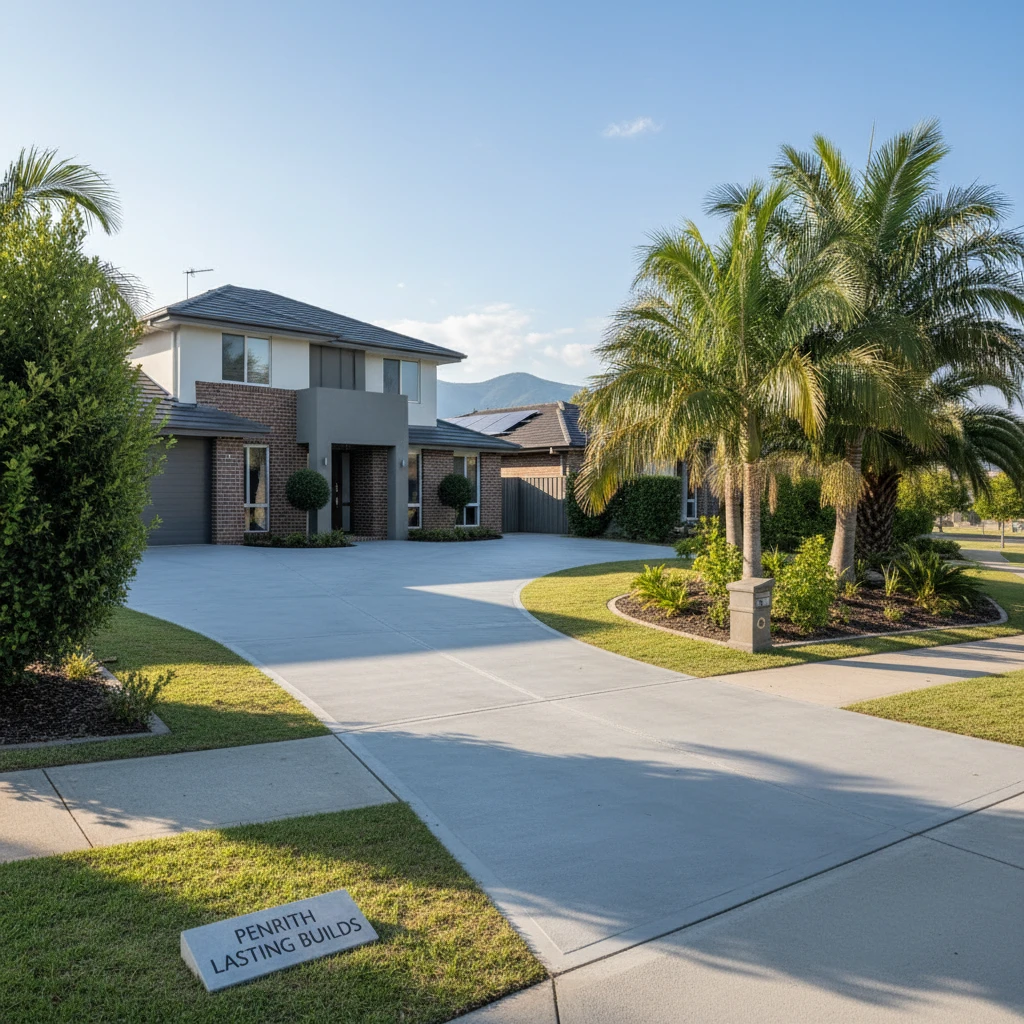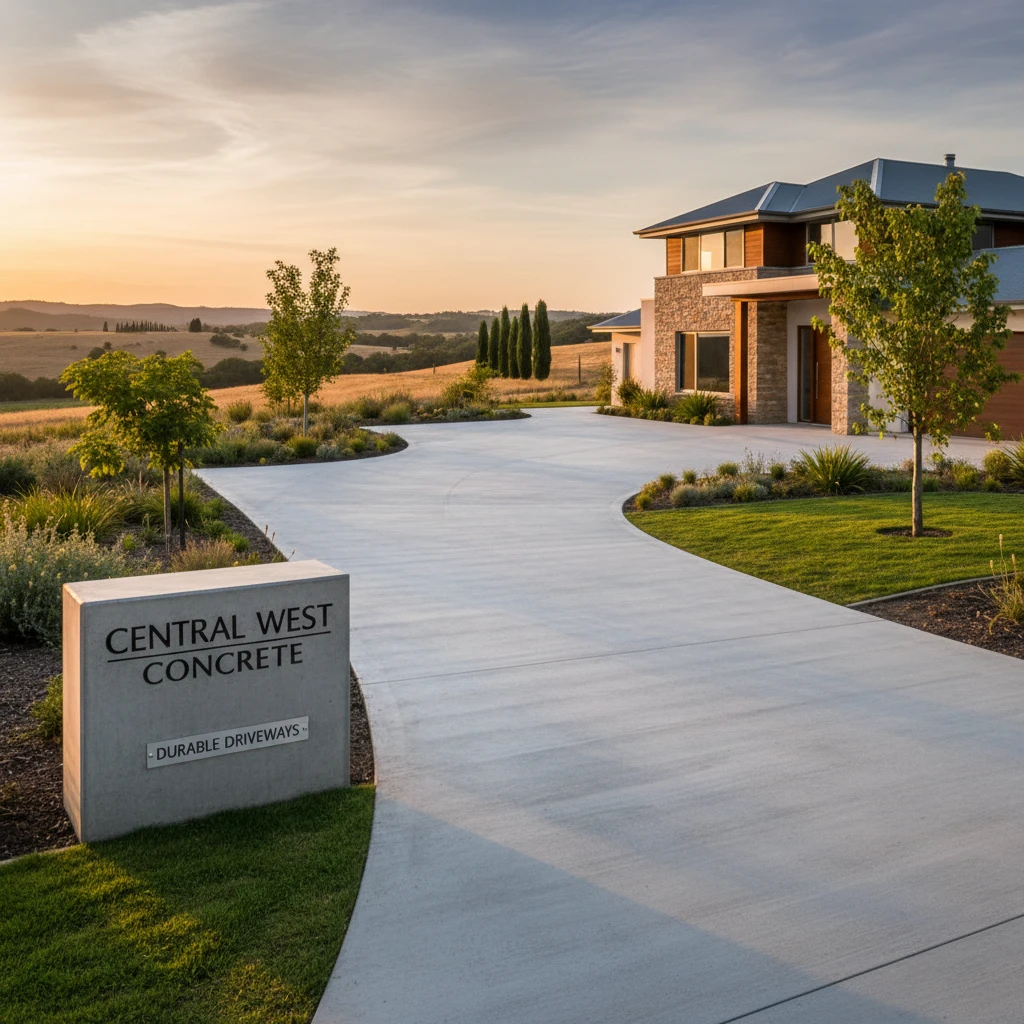
Across the Central West in 2026, property owners are increasingly recognising the importance of expert excavation and concreting services for both residential and commercial projects. From laying robust shed slabs to crafting stunning concrete driveways, the demand for quality workmanship and reliable service continues to grow. This article explores the key considerations and best practices for achieving superior results in your next concreting and excavation project.
Whether you’re planning a new build in Penrith, upgrading your rural property in the Central West, or tackling a challenging excavation in the Blue Mountains, understanding the nuances of concrete and excavation is crucial. We will delve into the specifics of choosing the right concrete mix, preparing sites for optimal drainage, and navigating the unique challenges of each region. With careful planning and skilled execution, your investment in concrete and excavation can significantly enhance your property’s value and functionality.
Transforming Central West Properties: Concrete and Excavation Solutions in 2026
Addressing the Growing Demand for Quality Construction in the Region
The Central West region is experiencing substantial growth in 2026, leading to a heightened demand for skilled tradespeople and quality construction materials. This surge is driven by both residential expansion and the development of commercial infrastructure. Homeowners are investing in property upgrades, including concrete driveways, footpaths, and shed slabs, seeking to enhance their living spaces and increase property value. Businesses, too, are relying on solid concrete foundations for new buildings and equipment pads. As the demand increases, finding a reliable and experienced contractor who prioritises quality becomes paramount.
When selecting a concrete and excavation specialist, several factors should be considered. Beyond competitive pricing, it’s crucial to assess the contractor’s experience, reputation, and adherence to industry standards. Seek out contractors with proven track records in the specific type of project you’re undertaking, whether it’s a complex excavation on a sloping site or a large-scale shed slab pour. Don’t hesitate to ask for references and examples of past work to gauge their level of expertise. Laser Concrete specialises in these kinds of challenging projects across the region. Additionally, ensure the contractor has the necessary licenses, insurance, and equipment to complete the job safely and efficiently.
Why Reliable Excavation is Crucial for Successful Concreting Projects
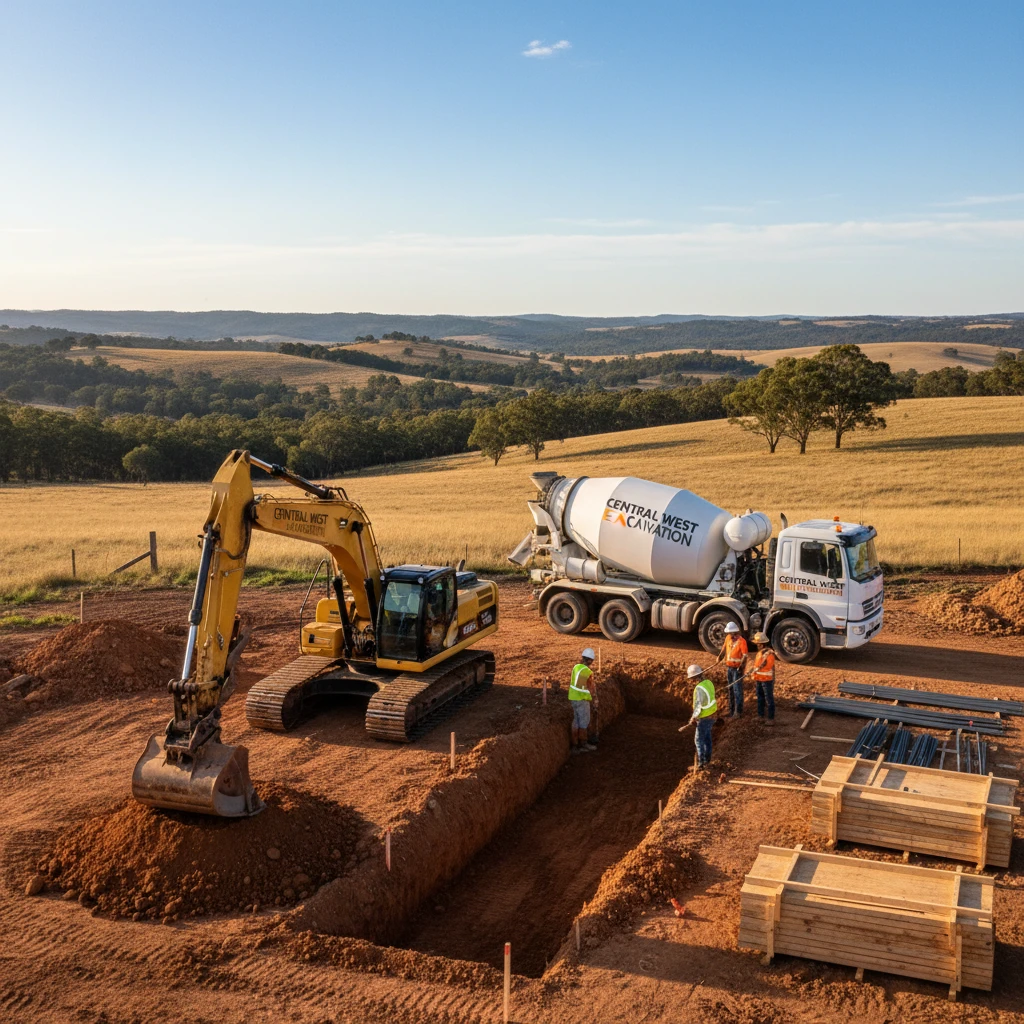
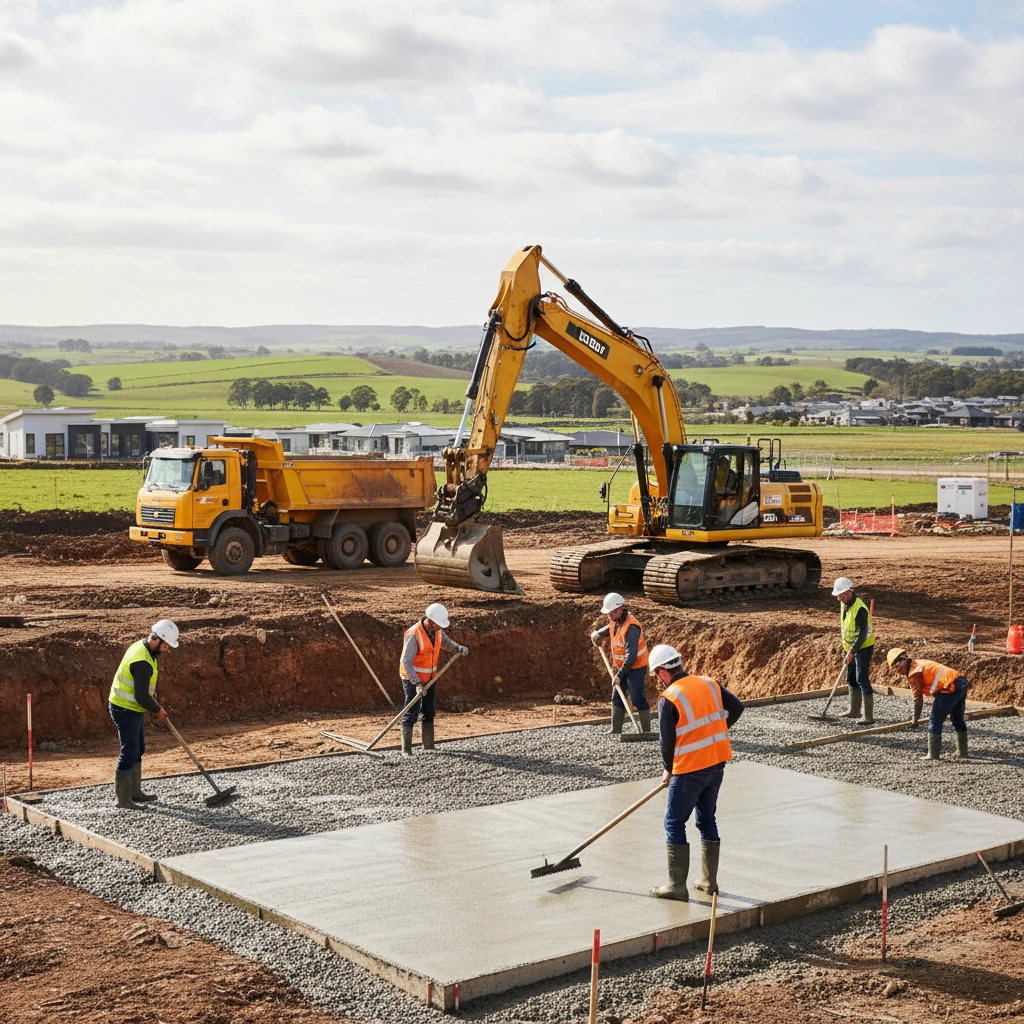
The foundation of any successful concreting project lies in meticulous excavation. Proper excavation ensures stability, correct drainage, and a level surface for concrete pouring. Failing to adequately prepare the site can lead to costly problems down the line, such as cracking, settling, and water damage. For example, if the underlying soil is not properly compacted, the concrete slab may sink unevenly over time, causing structural issues and aesthetic imperfections.
The excavation process involves several key steps, including site clearing, soil removal, grading, and compaction. The specific techniques and equipment used will depend on the project’s scope and the site’s characteristics. For instance, on a sloping site, excavation may involve creating terraces or retaining walls to achieve a level surface. In areas with poor soil drainage, it may be necessary to install drainage systems to prevent water from accumulating beneath the concrete slab. Remember that precision is key during excavation. Incorrect depths, slopes or compaction can all compromise the integrity of the finished concrete. This is where expertise in excavation and concrete preparation becomes invaluable.
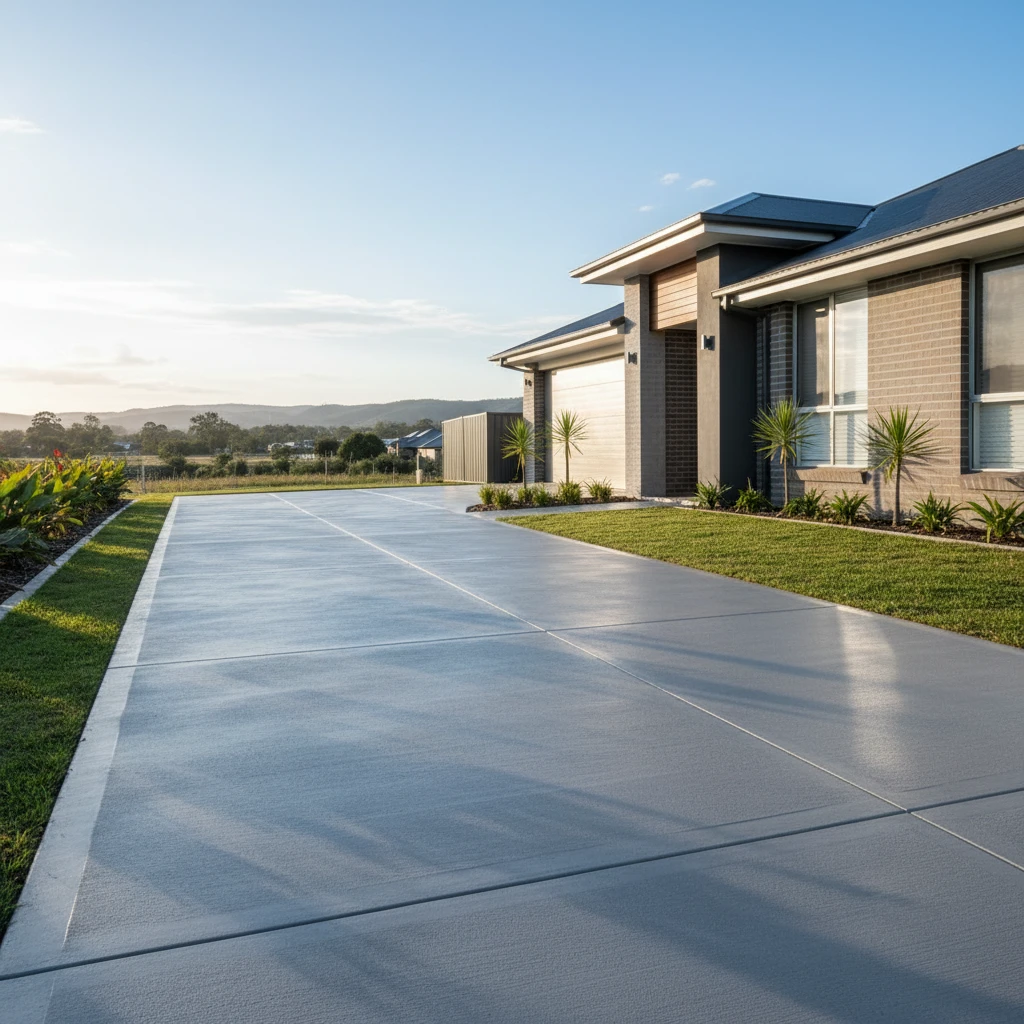
Concrete Driveways: Enhancing Kerb Appeal and Property Value in Penrith and Beyond
Choosing the Right Concrete Mix for Durability and Longevity
Selecting the correct concrete mix is vital for ensuring the durability and longevity of your new driveway. Different concrete mixes are formulated to withstand varying levels of traffic, weight, and environmental exposure. Factors to consider when choosing a mix include the compressive strength, water-to-cement ratio, and aggregate size. For residential driveways in Penrith and the Central West, a mix with a compressive strength of at least 32 MPa (Megapascals) is generally recommended to handle standard vehicle traffic and weather conditions. Concrete mixes stronger than 32 MPa may be needed in situations where there is an expectation of heavier vehicles traversing the surface on a regular basis.
The water-to-cement ratio is another crucial factor to consider. A lower ratio results in a stronger and more durable concrete, but it can also make the mix more difficult to work with. The aggregate size affects the concrete’s workability and its resistance to cracking. Larger aggregates are typically used for thicker slabs, while smaller aggregates are preferred for thinner slabs and decorative finishes. Consult with your concrete contractor to determine the most appropriate mix for your specific driveway requirements. For more information on creating a strong and durable concrete driveway, speak with a local expert.
Customise Your Driveway with Decorative Finishes and Colours
Beyond functionality, concrete driveways offer a fantastic opportunity to enhance your property’s kerb appeal through decorative finishes and colours. There’s a wide array of options available, including exposed aggregate, stamped concrete, and coloured concrete. Exposed aggregate involves removing the top layer of cement to reveal the natural stones beneath, creating a textured and visually appealing surface. Stamped concrete uses patterned stamps to imprint designs into the wet concrete, replicating the look of brick, stone, or tile.
Coloured concrete is achieved by adding pigments to the concrete mix, allowing you to create a driveway that complements your home’s exterior. When choosing decorative finishes and colours, consider the overall style of your property and the surrounding landscape. Opt for colours and textures that blend harmoniously with the existing environment and enhance the property’s aesthetic value. Remember that darker colours tend to absorb more heat, which can be a consideration in warmer climates. Consider a non-slip finish, especially on sloped driveways. Proper sealing is essential to protect the decorative finish and prevent staining.
Permeable Concrete Options for Sustainable Drainage
In areas prone to heavy rainfall or with strict stormwater management regulations, permeable concrete offers a sustainable solution for driveway construction. Permeable concrete allows water to drain through the surface, reducing runoff and replenishing groundwater supplies. This type of concrete has a unique composition with interconnected voids that allow water to pass through, mimicking the natural infiltration process. By reducing stormwater runoff, permeable concrete can help prevent erosion, flooding, and pollution of waterways. It also reduces the need for traditional drainage systems, such as pipes and culverts, saving on construction costs and minimizing environmental impact.
While permeable concrete offers numerous environmental benefits, it’s important to consider its specific requirements for installation and maintenance. The sub-base beneath the concrete must be properly prepared to ensure adequate drainage. Regular cleaning is essential to prevent the voids from clogging with debris. In areas with freezing temperatures, permeable concrete may be more susceptible to damage from freeze-thaw cycles. Consult with a qualified contractor to determine if permeable concrete is the right choice for your driveway and to ensure proper installation and maintenance.
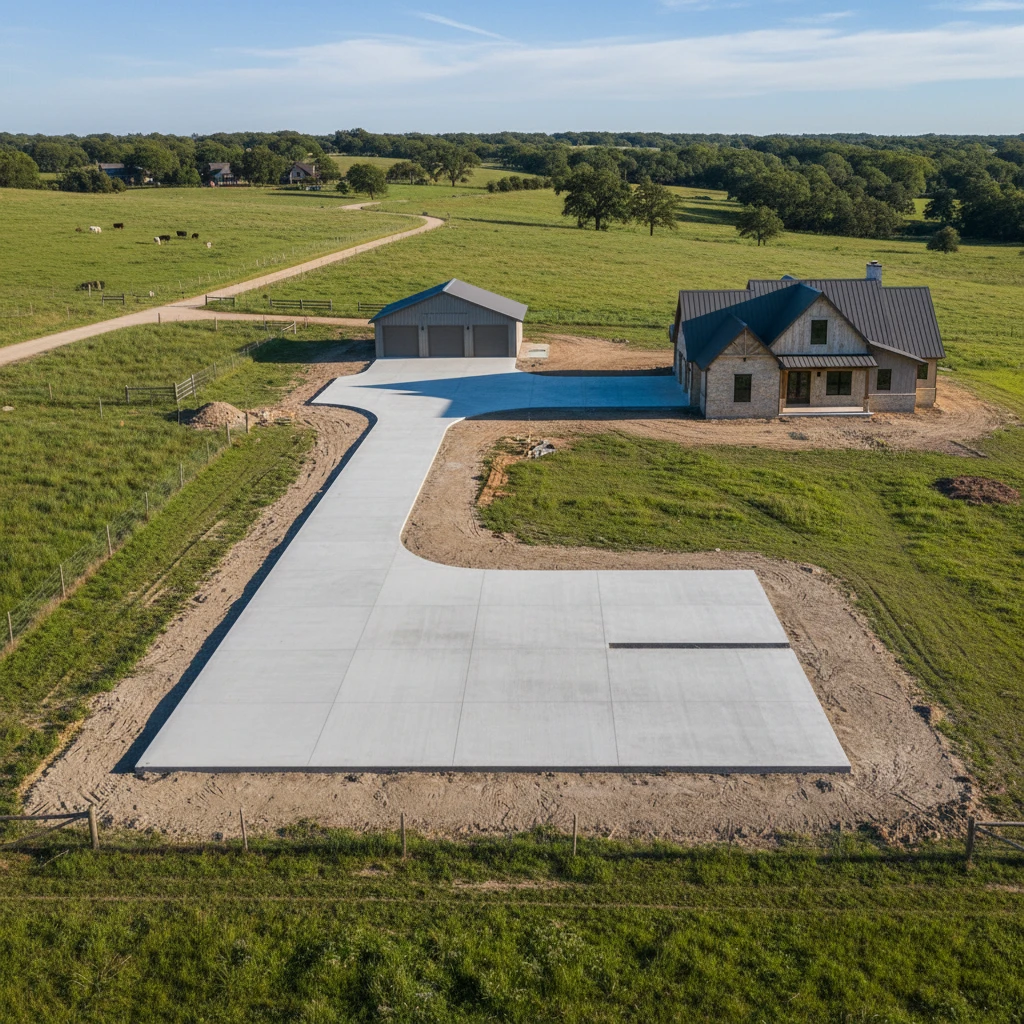
Shed Slabs and Equipment Pads: A Solid Foundation for Rural Properties
Ensuring Correct Slab Thickness and Reinforcement for Heavy Loads
For rural properties in the Central West, shed slabs and equipment pads provide essential foundations for storage sheds, workshops, and heavy machinery. To ensure these structures can withstand heavy loads and maintain their structural integrity over time, it’s crucial to specify the correct slab thickness and reinforcement. The required slab thickness will depend on the size and weight of the shed or equipment, as well as the soil conditions and anticipated usage. For example, a shed designed to store heavy farm equipment will require a thicker slab than a shed used for general storage.
Reinforcement, typically in the form of steel mesh or rebar, adds strength and durability to the concrete slab. The amount and spacing of the reinforcement will depend on the slab thickness and the expected loads. Consult with a structural engineer or experienced concrete contractor to determine the appropriate slab thickness and reinforcement for your specific needs. Failure to provide adequate reinforcement can lead to cracking, settling, and structural failure, potentially resulting in costly repairs or replacement.
Preparing the Site for Optimal Drainage and Stability
Proper site preparation is paramount for ensuring the long-term stability and performance of shed slabs and equipment pads. This involves removing vegetation, topsoil, and any other organic matter that could decompose and cause the slab to settle. The underlying soil should be compacted to provide a solid and level base. Drainage is another critical consideration. The site should be graded to ensure water flows away from the slab, preventing water from pooling underneath and weakening the foundation. In areas with poor soil drainage, it may be necessary to install drainage systems, such as French drains or gravel beds, to channel water away from the site.
The site should also be properly compacted to ensure a stable base for the concrete slab. Compaction can be achieved using a plate compactor or roller, depending on the size of the site. It’s essential to compact the soil in layers, ensuring each layer is thoroughly compacted before adding the next. Poor site preparation can lead to uneven settling, cracking, and water damage, compromising the integrity of the shed slab or equipment pad. Getting the base right is essential, as discussed in more detail on our page dedicated to precision shed slabs.
Common Mistakes to Avoid When Pouring Shed Slabs
Several common mistakes can compromise the quality and longevity of shed slabs. One frequent error is failing to adequately compact the soil, which can lead to settling and cracking. Another mistake is using the wrong type of concrete mix or reinforcement for the intended application. Using too little reinforcement, or incorrect placement of the reinforcement, can greatly reduce the slabs load-bearing capabilities.
Poor curing practices can also weaken the concrete slab. Curing involves keeping the concrete moist for several days after pouring to allow it to properly hydrate and gain strength. Failing to properly cure the concrete can result in a weaker and more brittle slab. Another common mistake is neglecting to provide adequate drainage around the slab, which can lead to water damage. By avoiding these common mistakes and following best practices for site preparation, concrete mixing, reinforcement, and curing, you can ensure a solid and durable shed slab that will provide a reliable foundation for years to come.
Excavation Challenges in the Blue Mountains: Navigating Steep Slopes and Rocky Terrain
Specialised Equipment and Techniques for Difficult Access Sites
The Blue Mountains region presents unique excavation challenges due to its steep slopes, rocky terrain, and often limited access. Traditional excavation methods may not be feasible in these conditions, requiring the use of specialised equipment and techniques. For example, excavators with articulated arms and compact dimensions are often necessary to manoeuvre in tight spaces and on steep slopes. Rock breakers and hydraulic hammers may be needed to break up large rocks and boulders. In some cases, it may be necessary to use drilling and blasting techniques to remove rock formations.
When working on difficult access sites, safety is paramount. It’s essential to have experienced operators who are skilled in using the specialised equipment and techniques required. Proper planning and risk assessment are crucial to identify and mitigate potential hazards. For instance, it may be necessary to install temporary shoring or retaining walls to stabilise slopes and prevent landslides. Effective communication and coordination between the excavation team and other tradespeople on the site are also essential to ensure safety and efficiency.
Soil Testing and Stability Assessments: What You Need to Know
Before commencing any excavation work in the Blue Mountains, it’s essential to conduct thorough soil testing and stability assessments. Soil testing helps determine the type of soil, its load-bearing capacity, and its susceptibility to erosion or landslides. Stability assessments evaluate the stability of slopes and identify potential risks of soil movement. These assessments should be conducted by qualified geotechnical engineers who have experience working in the Blue Mountains region. The results of the soil testing and stability assessments will inform the excavation plan and help determine the appropriate methods and equipment to use. If unstable soil conditions are identified, it may be necessary to implement soil stabilisation techniques, such as soil nailing or retaining walls.
Failing to conduct proper soil testing and stability assessments can lead to unforeseen problems during excavation, such as landslides, soil collapse, and structural damage. These problems can be costly to fix and can also pose a safety risk to workers and nearby properties. By investing in thorough soil testing and stability assessments upfront, you can minimize the risks and ensure a safe and successful excavation project. Many of the same principles apply to excavation on sloped sites elsewhere in the region.
Minimising Environmental Impact During Excavation
Excavation activities can have a significant environmental impact, particularly in sensitive areas like the Blue Mountains. It’s crucial to implement measures to minimize these impacts and protect the natural environment. This includes controlling erosion and sediment runoff, protecting waterways, and minimizing dust and noise pollution. Erosion and sediment control measures may include installing silt fences, sediment traps, and diversion drains to prevent soil from washing into waterways. Waterways should be protected by creating buffer zones and avoiding excavation activities near streams and rivers.
Dust and noise pollution can be minimized by using water sprays to suppress dust and using mufflers on equipment. Waste materials should be properly disposed of in accordance with local regulations. It’s also important to avoid disturbing native vegetation and wildlife habitats. Where possible, use sustainable excavation practices, such as recycling excavated materials and using eco-friendly equipment. By implementing these measures, you can minimize the environmental impact of your excavation project and help preserve the natural beauty of the Blue Mountains for future generations.
Footpaths and Concrete Stairs: Safe and Accessible Pathways for Your Home
Concrete footpaths and stairs are crucial for creating safe and accessible pathways around your property. A well-designed and constructed footpath not only enhances the aesthetic appeal of your home but also provides a durable and low-maintenance surface for years to come. When considering a footpath, think about drainage, slope, and the overall integration with your existing landscaping. For sites with varying levels, properly built concrete stairs become essential. These must adhere to strict building codes to ensure the safety of all users.
Designing Stairs that Meet Australian Building Standards
Designing concrete stairs requires careful consideration of Australian Building Codes. Key aspects include rise (vertical height of each step) and going (horizontal depth of each step). Consistent rise and going dimensions are essential to prevent trips and falls. A common guideline is the “2R + G” formula (twice the rise plus the going) which should fall between 600mm and 640mm for comfortable use. Handrails are mandatory for stairways with a rise of more than 1 metre. They should be continuous, easily gripped, and installed at a height between 865mm and 1070mm above the stair nosings. Proper drainage is also critical; stairs should be designed to prevent water from pooling on the surface. Ignoring these standards can lead to costly rework and, more importantly, safety hazards. SAI Global offers access to Australian Standards.
Slip-Resistant Concrete Finishes for Safety
The risk of slips and falls can be significantly reduced by choosing the right concrete finish. Exposed aggregate, broom finishes, and textured coatings all provide increased traction. When selecting a finish, consider the intended use of the footpath or stairs. For areas prone to moisture, such as near pools or in frequently wet climates, a more aggressive texture is recommended. Sealants can also improve slip resistance, but it’s important to choose products specifically designed for concrete and that maintain their anti-slip properties when wet. Regular cleaning is necessary to maintain the effectiveness of slip-resistant finishes, as dirt and debris can reduce traction. It’s worth considering the long-term maintenance requirements of any chosen finish to ensure sustained safety.
Integrating Landscaping with Concrete Footpaths
A concrete footpath should seamlessly integrate with the surrounding landscape. Consider the existing plant life, topography, and architectural style of your home. Incorporating curves or bends into the footpath design can create a more natural and visually appealing pathway. Planting ground cover along the edges of the footpath can soften the hard lines of the concrete and create a harmonious transition between the built environment and the natural landscape. Remember to allow adequate space for plant growth to avoid future cracking or damage to the concrete. Consider consulting with a landscaper to develop a comprehensive plan that enhances both the functionality and aesthetics of your property. We specialise in creating durable concrete footpaths that integrate well with landscaping on sloped sites; read more about our footpath solutions for sloped sites.
Concrete Repairs and Replacements: Extending the Life of Your Existing Concrete
Concrete, while durable, is not impervious to damage. Over time, factors like weather, traffic, and improper installation can lead to cracking, spalling, and other forms of deterioration. Regular inspection and timely repairs are crucial for extending the lifespan of your concrete surfaces. Addressing minor issues promptly can prevent them from escalating into more costly and extensive repairs or even complete replacements. Knowing when to repair versus replace is a critical decision for any property owner. When you need to look at concrete repairs and replacements, remember that quality concreting solutions offer lasting results.
Identifying the Causes of Concrete Cracking and Deterioration
Understanding the underlying causes of concrete damage is essential for effective repairs. Cracking can result from a variety of factors, including shrinkage during curing, excessive loads, settlement of the underlying soil, or freeze-thaw cycles. Spalling, the breaking away of the concrete surface, is often caused by water penetration, which leads to corrosion of the reinforcing steel. Another factor is the use of incorrect concrete mixes for the application; this can result in the concrete not being able to properly perform. Alkali-silica reaction (ASR), a chemical reaction between the aggregate and cement, can also lead to cracking and expansion. A thorough assessment of the damage, including its extent and pattern, can help identify the root cause and guide the selection of appropriate repair methods.
The Importance of Proper Surface Preparation Before Repairing Concrete
Proper surface preparation is paramount for ensuring the success of any concrete repair. Before applying any patching material, the damaged area must be thoroughly cleaned and prepared to create a strong bond. This typically involves removing loose or deteriorated concrete, cleaning the surface to remove dirt, oil, and other contaminants, and roughening the surface to improve adhesion. Techniques like sandblasting, pressure washing, and chipping can be used to achieve the desired surface profile. Applying a bonding agent before patching can further enhance adhesion. Neglecting surface preparation can lead to premature failure of the repair, requiring additional work and expense.
When to Repair vs. Replace Your Concrete
The decision to repair or replace concrete depends on the extent and nature of the damage. Minor cracks and spalling can often be repaired successfully with patching compounds or epoxy injection. However, if the damage is extensive, affecting a large area or compromising the structural integrity of the concrete, replacement may be the more cost-effective and long-term solution. Factors to consider include the age of the concrete, the severity of the damage, the cost of repair versus replacement, and the desired lifespan of the surface. Consulting with a qualified concrete contractor can help you assess the situation and make an informed decision.
Alternatives to Concrete (and When to Choose Them)
While concrete is a versatile and durable material, it’s not always the best choice for every application. Several alternatives offer different aesthetic qualities, costs, and performance characteristics. Understanding the pros and cons of each option can help you select the most suitable material for your specific needs. Choosing the right material means balancing cost considerations with durability and aesthetics. When planning your project, consider all the options.
Asphalt: A Comparison of Cost, Durability, and Aesthetics
Asphalt is a common alternative to concrete, particularly for driveways and roadways. It typically has a lower initial cost than concrete, making it an attractive option for budget-conscious homeowners. Asphalt is also more flexible than concrete, which allows it to better withstand movement caused by freeze-thaw cycles. However, asphalt is less durable than concrete and requires more frequent maintenance, such as sealing, to prevent cracking and deterioration. Aesthetically, asphalt is generally less appealing than concrete, offering limited design options. It is also more susceptible to heat damage, which can cause softening and deformation in hot weather.
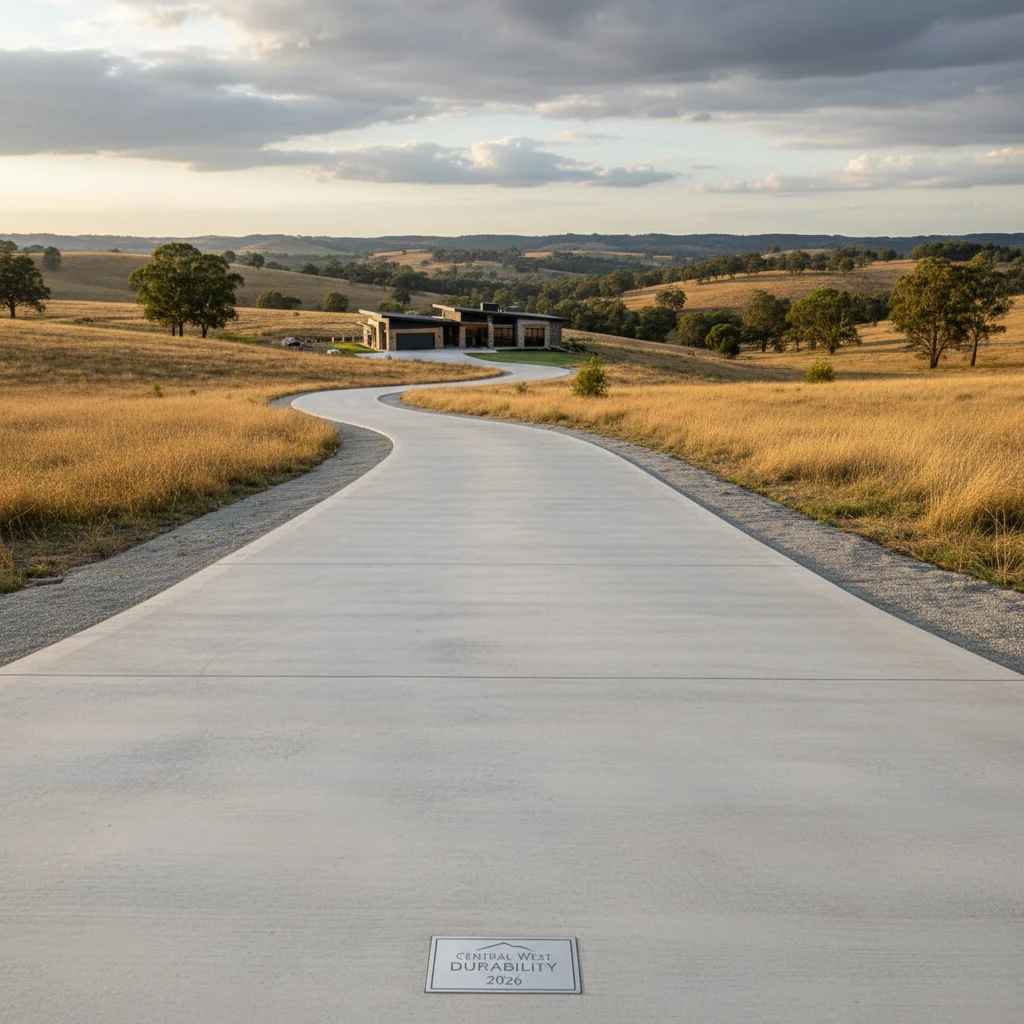
Gravel and Crushed Stone: Practical Applications for Rural Driveways
Gravel and crushed stone are cost-effective options for driveways, walkways, and other non-structural surfaces, particularly in rural areas. They offer good drainage and are relatively easy to install and maintain. However, gravel and crushed stone can be less stable than concrete or asphalt, requiring periodic grading and replenishment. They also tend to be dusty and can track into the house. A well-compacted gravel driveway can provide a rustic and natural look, but it may not be suitable for high-traffic areas or situations where a smooth, even surface is required. Consider consulting local resources on the best gravel types for your region.
Pavers: Design Options and Installation Considerations
Pavers offer a wide range of design options and can be used to create visually appealing driveways, patios, and walkways. They are available in various shapes, sizes, colours, and materials, including concrete, brick, and natural stone. Pavers are generally more expensive than concrete or asphalt, but they can add significant curb appeal to your property. Proper installation is crucial for ensuring the stability and longevity of paver surfaces. This involves preparing a solid base, laying the pavers according to a specific pattern, and filling the joints with sand or other stabilizing material. Pavers can also be permeable, allowing water to drain through the surface and reduce runoff.
The Importance of Proper Drainage in Concrete Construction
Proper drainage is critical for the long-term performance and durability of concrete surfaces. Without adequate drainage, water can accumulate on the surface, leading to cracking, spalling, and other forms of deterioration. Water can also seep into the underlying soil, causing instability and settlement. Effective drainage systems help to protect your investment by preventing water damage and extending the lifespan of your concrete surfaces. When we work on shed slabs, we always make sure to take drainage into consideration.
Surface Drainage vs. Subsurface Drainage: What’s the Difference?
Surface drainage refers to the removal of water from the surface of the concrete, while subsurface drainage addresses water that has infiltrated the soil beneath the concrete. Surface drainage can be achieved through proper grading, sloping the concrete surface away from buildings, and installing gutters and downspouts to collect rainwater. Subsurface drainage involves installing drainage pipes or other systems to intercept groundwater and divert it away from the concrete foundation. Both surface and subsurface drainage are important for maintaining the integrity of concrete structures.
Preventing Water Damage and Erosion with Effective Drainage Systems
Effective drainage systems play a crucial role in preventing water damage and erosion. By diverting water away from concrete surfaces and foundations, these systems help to protect against cracking, spalling, and other forms of deterioration. They also prevent soil erosion, which can undermine the stability of concrete structures. Proper drainage can also reduce the risk of flooding and water damage to your home or property. Investing in a well-designed and properly installed drainage system is a wise investment that can save you money in the long run.
Integrating Drainage Solutions into Your Landscaping Plan
Drainage solutions should be integrated into your overall landscaping plan to ensure both functionality and aesthetics. Consider incorporating drainage swales, French drains, or rain gardens into your landscape to manage stormwater runoff. These features can not only improve drainage but also add visual interest to your property. Choose plants that are well-suited to wet conditions and that can help to absorb excess water. A well-designed landscape can effectively manage water runoff while enhancing the beauty and value of your property.
Choosing the Right Concrete Contractor in the Central West: Key Considerations for 2026
Selecting the appropriate concrete contractor in the Central West for your 2026 project demands careful assessment. It’s not just about price; it’s about ensuring quality, reliability, and adherence to safety standards. Begin by verifying their licensing and insurance, followed by a thorough review of their online reputation and project portfolio. Understand their experience with similar projects, especially if you have unique site conditions like steep slopes or difficult access, which are common in areas surrounding the Blue Mountains. The decision criteria should prioritise contractors with a proven track record of delivering durable and well-finished concrete work. Consider asking for references from previous clients and checking independent review sites.
Checking Licensing and Insurance: Protecting Yourself from Liability
Always verify that a potential contractor holds the necessary licenses to operate legally in NSW. This information is typically available through the NSW Government’s licensing services. Confirm that they possess adequate public liability insurance and workers’ compensation insurance. This protects you from financial responsibility if accidents or property damage occur during the project. Ask for certificates of currency directly from the insurance provider rather than relying solely on copies provided by the contractor. A contractor who cannot readily provide proof of valid insurance should be a significant red flag. Neglecting this step could expose you to considerable legal and financial risks.
Reading Online Reviews and Seeking Recommendations
Online reviews provide valuable insights into a contractor’s reputation and service quality. Look beyond the star rating and read detailed reviews, paying attention to comments about communication, punctuality, workmanship, and problem-solving skills. Seek recommendations from friends, family, or neighbours who have recently undertaken similar concreting projects. Personal referrals often offer the most reliable assessment of a contractor’s capabilities. Furthermore, if you’re seeking concrete shed slabs, you might find feedback that aligns with that specific type of project. While online reviews and recommendations are helpful, remember to consider them as part of a broader evaluation process.
The Value of Experience and Expertise in Challenging Projects
Experience is crucial, particularly when dealing with challenging sites common to the Central West region. Look for contractors with a proven history of successfully completing projects on sloping blocks, rocky terrain, or sites with limited access. Ask detailed questions about their approach to these challenges and request examples of similar projects they have undertaken. A contractor with the right expertise can anticipate potential problems, implement effective solutions, and ensure the project is completed to a high standard. Choosing an inexperienced contractor for a complex job can lead to delays, cost overruns, and unsatisfactory results, highlighting the need to choose your Central West concrete experts wisely.
Cost Factors for Excavation and Concreting Projects: A Transparent Overview
Understanding the cost factors involved in excavation and concreting projects is essential for accurate budgeting and informed decision-making. The overall cost is influenced by labour, materials, equipment hire, and potential hidden expenses. Obtain detailed quotes from multiple contractors, breaking down the costs for each component. Ensure that the quotes are comprehensive and clearly specify the scope of work included. Be wary of quotes that seem significantly lower than others, as this may indicate substandard materials, inexperienced labour, or hidden costs that will emerge later in the project. In 2026, expect material costs to fluctuate, so confirm how the quote addresses potential price changes. For shed slabs specifically, be sure to ask about any additional excavation or preparation costs related to the site.
Understanding Labour Costs, Material Costs, and Equipment Hire
Labour costs typically account for a significant portion of the overall project budget. These costs vary depending on the complexity of the work, the skill level of the workers, and the prevailing wage rates in the Central West. Material costs include the price of concrete, reinforcement steel, formwork, and other consumables. The type and quantity of materials required will depend on the size and design of the project. Equipment hire costs cover the use of excavators, concrete mixers, and other machinery. These costs are usually calculated on a daily or weekly basis. A reputable contractor will provide a detailed breakdown of labour, materials, and equipment hire costs in their quote, allowing you to assess the value and competitiveness of their offer. Transparency here is key to avoiding misunderstandings.
Hidden Costs to Watch Out For During the Quoting Process
Be aware of potential hidden costs that may not be explicitly stated in the initial quote. These can include site preparation costs (e.g., clearing vegetation, removing existing structures), excavation costs (e.g., rock removal, soil disposal), variations due to unforeseen site conditions, and additional charges for after-hours or weekend work. Always ask the contractor to clarify any assumptions they have made in their quote and to identify any potential extra costs that may arise. Also, discuss the process for handling variations and ensure that any changes to the scope of work are documented in writing and agreed upon by both parties before proceeding. For properties with sloping sites, inquire about potential drainage considerations that might increase costs.
Investing in Quality: Balancing Cost with Long-Term Value
While cost is a factor, it’s crucial to balance affordability with quality and long-term value. Choosing the cheapest contractor may seem appealing initially, but it can often lead to substandard workmanship, inferior materials, and ultimately, higher costs in the long run due to repairs or replacements. Investing in a reputable contractor with a proven track record of delivering high-quality work ensures a durable and long-lasting result. Consider concrete work as a long-term investment in your property. Prioritise quality materials, skilled workmanship, and adherence to best practices to maximise the lifespan and value of your concrete structure.
Future Trends in Concrete and Excavation: Innovations Shaping the Industry in 2026
The concrete and excavation industries are constantly evolving, driven by technological advancements and a growing focus on sustainability. In 2026, we are seeing the increased adoption of sustainable concrete mixes, advanced excavation technologies, and the integration of smart sensors for monitoring concrete structures. These innovations are transforming the way concrete projects are planned, executed, and maintained, offering benefits such as reduced environmental impact, improved efficiency, and enhanced durability. By staying abreast of these trends, property owners can make informed decisions and leverage the latest technologies to achieve superior results. Consider discussing these options with potential contractors during the planning phase of your project to explore the possibilities.
The Rise of Sustainable Concrete Mixes and Practices
Sustainable concrete mixes are gaining popularity as a way to reduce the environmental footprint of concrete construction. These mixes often incorporate recycled materials, such as recycled aggregates, fly ash, and slag, to reduce the demand for virgin resources and lower carbon emissions. Other sustainable practices include using water-reducing admixtures to minimise water consumption and optimising concrete mix designs to reduce cement content. Choosing a contractor who is knowledgeable about sustainable concrete mixes and practices can help you achieve your environmental goals and contribute to a more sustainable built environment. Ask potential contractors about their experience with these mixes and their commitment to sustainable construction practices. More information about sustainable construction materials can be found on industry websites like the Concrete Institute of Australia.
Advances in Excavation Technology for Increased Efficiency
Excavation technology is advancing rapidly, with the development of more efficient and precise machinery. GPS-guided excavators, for example, can automate digging and grading operations, reducing the need for manual labour and improving accuracy. Other innovations include robotic excavators for hazardous environments and remote-controlled excavators for confined spaces. These technologies can significantly increase excavation efficiency, reduce project timelines, and minimise environmental impact. When interviewing contractors, ask about the types of excavation equipment they use and their approach to minimising disruption to the surrounding environment. Also, for further insights into excavation techniques, consider reading about preparing for your dream project.
Smart Concrete: Integrating Sensors for Monitoring and Maintenance
Smart concrete involves the integration of sensors into concrete structures to monitor their performance and detect potential problems. These sensors can measure factors such as temperature, strain, moisture content, and crack propagation. The data collected by the sensors can be used to assess the structural health of the concrete, predict maintenance needs, and prevent costly repairs. Smart concrete is particularly valuable for critical infrastructure projects, such as bridges and dams, but it can also be used in residential and commercial buildings. While still relatively new, this technology is expected to become more widespread in the coming years. While not yet commonplace for residential work, inquiring about a contractor’s awareness of smart concrete demonstrates your commitment to long-term quality.
Ensuring a Durable Concrete Finish: Laser Concrete’s Commitment to Quality in Penrith, Blue Mountains, and Central West
Laser Concrete is dedicated to providing durable, high-quality concrete finishes across Penrith, the Blue Mountains, and the Central West. We understand that the key to a long-lasting concrete structure lies in careful planning, meticulous execution, and the use of premium materials. From proper site preparation and accurate formwork to precise concrete mixing and expert finishing techniques, we pay attention to every detail to ensure a result that exceeds your expectations. Our experienced team is skilled in handling challenging sites and delivering exceptional results, even in difficult terrain.
Whether you’re in need of a new driveway, a foundation for your dream home, or a decorative concrete patio, you can trust Laser Concrete to deliver quality workmanship that stands the test of time.
Conclusion
Staying informed about the latest advancements in concrete technology and construction techniques can empower you to make informed decisions and ensure the success of your projects. From self-healing concrete to pervious pavement and 3D printing, the world of concrete is constantly evolving. By working with experienced professionals who are committed to innovation and quality, you can leverage these advancements to create durable, sustainable, and aesthetically pleasing concrete structures that meet your specific needs. Don’t hesitate to ask your concrete contractor about new and emerging technologies; a willingness to explore innovative solutions is often a sign of a forward-thinking and capable professional.
Laser Concrete is committed to delivering these types of innovative solutions to our customers.
Frequently Asked Questions (FAQs)
- What is the typical lifespan of a concrete driveway? A well-maintained concrete driveway can last 25-50 years or even longer. Factors such as climate, usage, and the quality of the initial installation can affect its lifespan.
- How often should I seal my concrete driveway? It is generally recommended to seal your concrete driveway every 2-3 years to protect it from stains, water damage, and freeze-thaw cycles.
- What are the benefits of using fiber-reinforced concrete? Fiber-reinforced concrete offers increased strength, durability, and resistance to cracking. It can also reduce the need for steel reinforcement in some applications.
- How does pervious concrete help with stormwater management? Pervious concrete allows water to drain through it and into the ground, reducing runoff and replenishing groundwater supplies. This helps to minimize flooding and improve water quality.
- What is the difference between stamped concrete and exposed aggregate concrete? Stamped concrete is patterned to resemble materials such as brick, stone, or wood, while exposed aggregate concrete reveals the natural beauty of the aggregate materials used in the mix.
- Can concrete be recycled? Yes, concrete can be recycled and used as aggregate in new concrete mixes or as a base material for roads and other construction projects. This helps to reduce waste and conserve natural resources.
- What factors affect the cost of a concrete project? The cost of a concrete project can vary depending on factors such as the size of the project, the complexity of the design, the type of concrete used, and the site conditions.
- How can I prevent cracks in my concrete slab? Proper site preparation, accurate formwork, and the use of control joints can help to prevent cracks in your concrete slab. It’s also important to ensure that the concrete is properly mixed and cured.
- What is the best way to clean a concrete driveway? A pressure washer and a concrete cleaner are effective tools for cleaning a concrete driveway. Avoid using harsh chemicals that can damage the surface.
- How do I choose the right concrete contractor for my project? Look for a contractor with experience, a good reputation, and the necessary licenses and insurance. Ask for references and check online reviews to get a sense of their workmanship and customer service. A contractor offering innovative solutions is a good sign they keep up to date with best practices.
More information about smart concrete from <