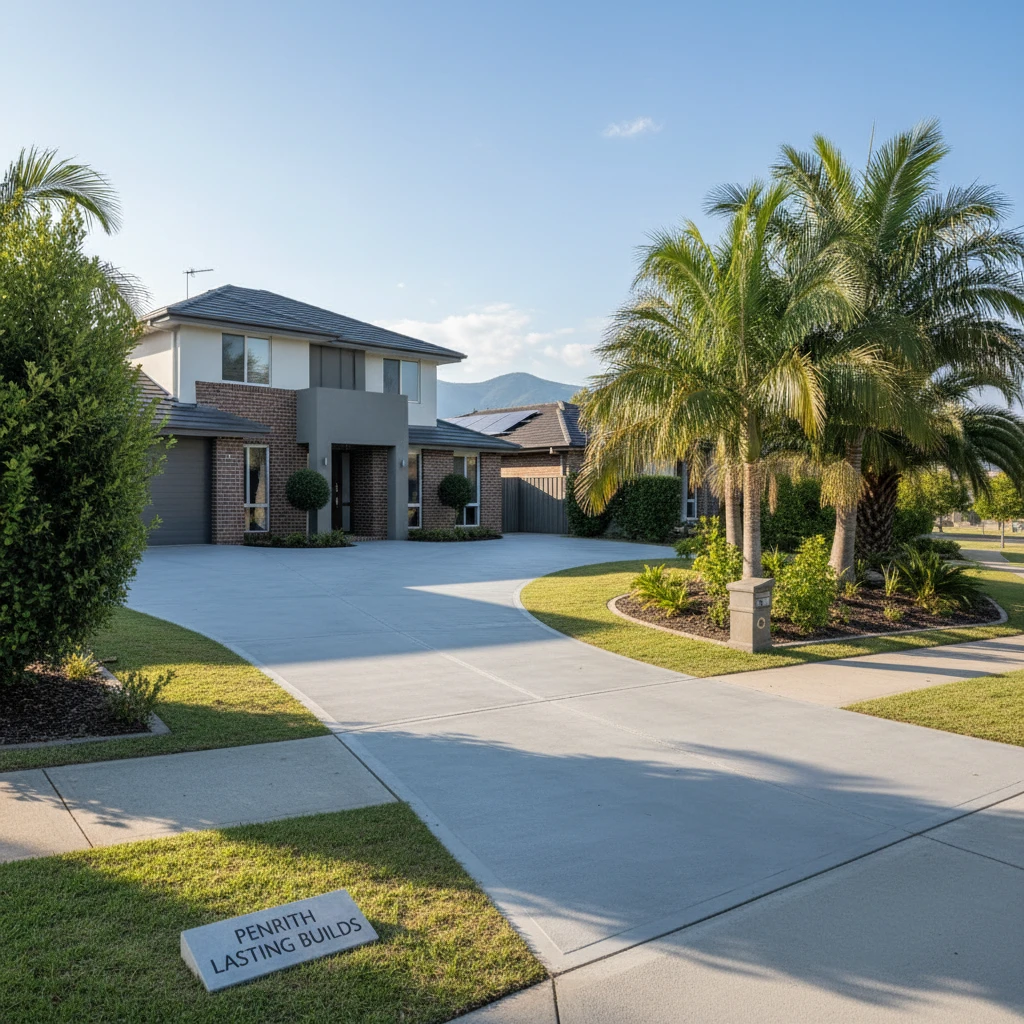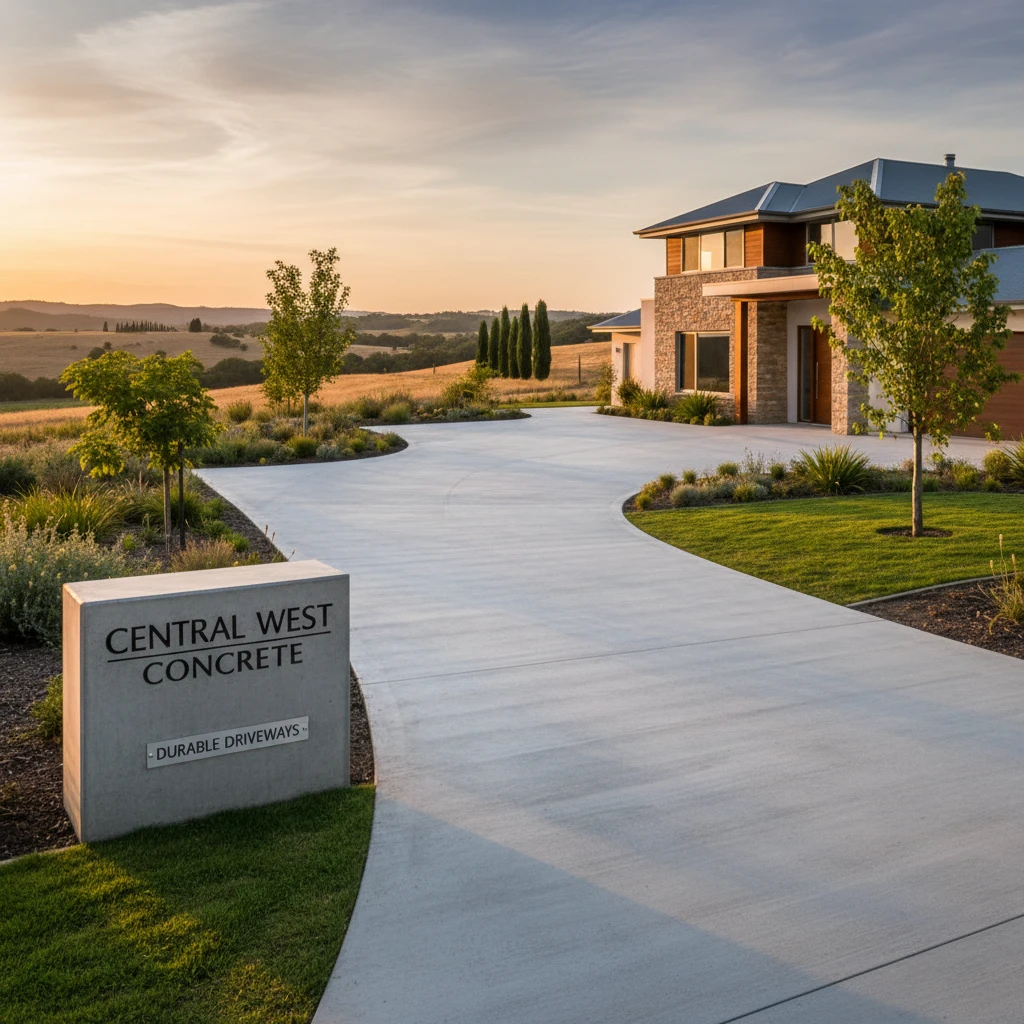
Working with sloping blocks presents unique challenges and opportunities in concreting. Unlike flat sites, these projects demand meticulous planning, specialised techniques, and a deep understanding of soil mechanics and drainage. From preventing erosion to creating usable spaces, mastering concrete work on slopes is crucial for achieving durable and aesthetically pleasing results. This guide explores the key considerations and methods involved in successfully executing concreting projects on sloping sites, ensuring that your investment stands the test of time.
Whether you’re planning a concrete driveway, a shed slab, or simply need to improve accessibility with concrete footpaths, understanding the nuances of sloped site construction is essential. Let’s delve into the specifics of tackling these projects with confidence and expertise, similar to the approach we take with preparing a site for concrete across Penrith.
Concreting on a Slope: Turning Challenges into Lasting Features
Why Sloped Sites Require Specialist Concreting
Sloped sites introduce complexities not found on level ground. Gravity becomes a significant factor, impacting concrete placement, stability, and drainage. Standard concreting techniques often prove inadequate, leading to potential issues like concrete slump during pouring, increased risk of erosion, and compromised structural integrity. Specialist concreting addresses these challenges through tailored approaches, ensuring the finished product is both functional and visually appealing. Ignoring these factors can result in costly repairs or even complete project failure. For example, without proper stabilisation, a concrete driveway on a steep slope could crack and subside within a few years.
The Importance of Proper Planning and Preparation
Successful concreting on a slope hinges on meticulous planning and preparation. This includes conducting thorough site assessments, understanding soil conditions, and designing appropriate drainage systems. A detailed plan should outline the scope of work, specify material requirements, and address potential challenges. Skipping this crucial step can lead to unexpected costs, delays, and compromised quality. Investing time and resources in planning upfront significantly reduces the risk of encountering problems later in the project. Proper planning also encompasses obtaining necessary permits and complying with local building regulations. A well-prepared site not only streamlines the concreting process but also ensures the long-term stability and performance of the structure.
Assessing Your Sloped Site: Key Considerations Before You Start
Identifying Soil Types and Stability
Different soil types exhibit varying levels of stability, which directly affects the design and construction of concrete structures on slopes. Clay soils, for instance, tend to expand and contract with moisture changes, potentially causing concrete to crack. Sandy soils, while generally well-draining, may lack the cohesive strength needed to support heavy loads. A geotechnical investigation is essential to determine the soil composition and its bearing capacity. This assessment informs the selection of appropriate concrete mixes, reinforcement strategies, and foundation designs. Ignoring soil characteristics can lead to structural failures and costly remediation. For example, building a shed slab on unstable soil without proper compaction and reinforcement could result in significant settling and cracking of the concrete. Understanding these factors is key, especially in regions like the Blue Mountains where varied soil types are common.
Understanding Drainage Patterns and Water Runoff
Effective drainage is paramount to preventing water damage and erosion on sloped sites. Understanding the natural drainage patterns and potential water runoff paths is crucial for designing appropriate drainage systems. These systems may include surface drains, subsurface drains, and retaining walls with weep holes to redirect water away from the concrete structure. Improper drainage can lead to water pooling, hydrostatic pressure build-up, and soil erosion, ultimately compromising the integrity of the concrete. For instance, a concrete driveway without adequate drainage could experience cracking and displacement due to water infiltration and freeze-thaw cycles. Consider the slope’s angle and surface area when designing drainage solutions to ensure they can effectively handle anticipated rainfall and runoff volumes. Consulting with a drainage specialist is recommended to develop a comprehensive drainage plan tailored to the specific site conditions.
Checking for Underground Utilities and Obstructions
Before commencing any excavation work, it’s imperative to identify and locate all underground utilities and obstructions. This includes water pipes, gas lines, electrical cables, and telecommunication conduits. Damaging these utilities can pose serious safety risks, cause service disruptions, and result in significant repair costs. Dial Before You Dig (or your local equivalent) is an essential service that provides information on the location of underground infrastructure. In Australia, you can learn more at the Dial Before You Dig website. Additionally, conduct a thorough site inspection to identify any visible obstructions, such as tree roots, rocks, or existing structures. Addressing these obstructions early in the process prevents delays and minimises the risk of damage during excavation. Failing to identify and protect underground utilities can have severe consequences, highlighting the importance of thorough planning and due diligence.
Excavation Techniques for Sloping Blocks: Precision and Safety
Terracing: Creating Level Areas for Concrete Work
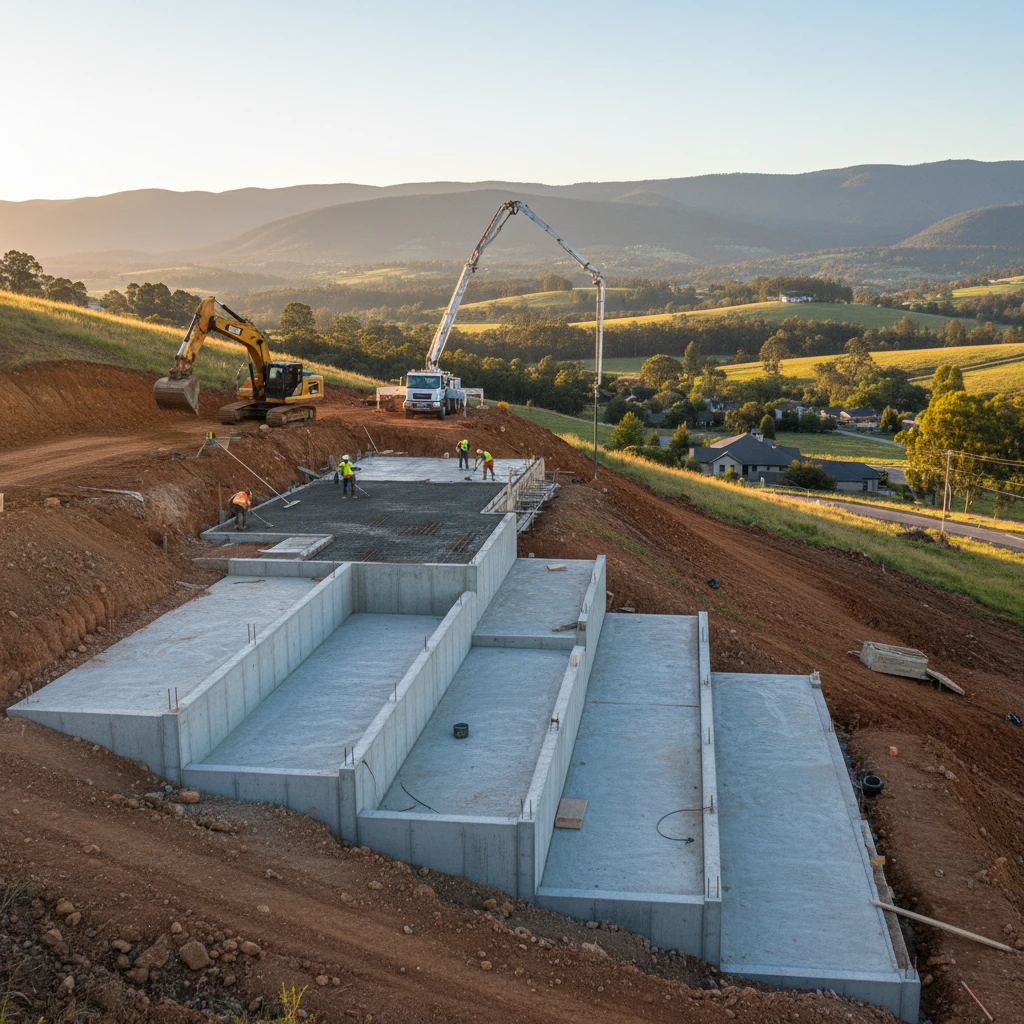
Terracing is a technique used to create a series of level platforms on a sloping block, providing stable areas for concrete placement. This involves excavating and retaining soil to form steps or tiers, allowing for easier access and more controlled concrete application. Terracing is particularly useful for constructing driveways, patios, or garden beds on steep slopes. Each terrace should be properly compacted and reinforced to prevent settling or movement. Retaining walls are often incorporated to support the terraces and prevent soil erosion. The design of the terraced areas should consider the overall aesthetics of the landscape and integrate seamlessly with the surrounding environment. Implementing terracing not only facilitates concrete work but also enhances the usability and visual appeal of the sloped site.
Retaining Walls: Stabilising Slopes and Preventing Erosion
Retaining walls are crucial structural elements for stabilising slopes and preventing soil erosion. They are designed to withstand the lateral pressure of soil and water, preventing the slope from collapsing or sliding. Retaining walls can be constructed from various materials, including concrete, timber, stone, or steel. The choice of material depends on the height of the wall, the soil conditions, and the desired aesthetic. Proper drainage is essential for retaining walls to prevent hydrostatic pressure from building up behind the wall. Weep holes or drainage pipes are typically incorporated to allow water to escape. Retaining walls require careful design and construction to ensure their long-term stability and effectiveness. A structural engineer should be consulted to determine the appropriate design and specifications for the retaining wall, especially for taller or more complex structures. You can find resources on retaining wall design at the National Concrete Masonry Association (NCMA) website. Building a retaining wall is often necessary before any concrete work can be done on significantly sloped blocks. The process can be complex, but professional excavation services can ensure the task is handled safely.
Cut and Fill: Balancing Earthworks for Optimal Results
Cut and fill is an earthmoving technique used to balance the amount of soil excavated (cut) with the amount of soil used as fill on a site. This process aims to create level areas while minimising the need to import or export soil. The cut portion involves removing soil from higher elevations, while the fill portion involves using that soil to raise lower elevations. Proper compaction of the fill material is crucial to ensure stability and prevent settling. Cut and fill can be an effective way to reduce costs and environmental impact by utilising existing soil resources. However, it requires careful planning and execution to ensure that the resulting levels are accurate and the soil is properly compacted. Inaccurate cut and fill can lead to drainage problems, structural instability, and increased costs. The cut and fill method is commonly used in preparing sites for concrete shed slabs or driveways on sloping blocks. Achieving a balance between cut and fill minimises disturbance to the natural landscape and promotes sustainable construction practices.
Choosing the Right Concrete Mix for Sloped Applications
Understanding Concrete Strength and Durability Requirements
Selecting the appropriate concrete mix is vital for achieving the desired strength and durability in sloped applications. The concrete mix design should consider factors such as the slope’s angle, the intended use of the concrete structure, and the environmental conditions. Higher strength concrete may be required for structures subjected to heavy loads or exposed to harsh weather. Durability is also a key consideration, particularly in areas prone to freeze-thaw cycles or chemical exposure. The concrete mix should be designed to resist cracking, spalling, and other forms of deterioration. Consulting with a concrete supplier or structural engineer can help determine the optimal concrete mix design for the specific application. Using the wrong concrete mix can compromise the structural integrity and longevity of the concrete structure, leading to costly repairs or replacements. Consider the long-term performance requirements when specifying the concrete mix to ensure a durable and reliable outcome.
Selecting Additives to Improve Workability and Set Time
Concrete additives play a significant role in enhancing the workability and adjusting the set time of concrete, especially in sloped applications. Plasticisers or water reducers can improve the flowability of the concrete, making it easier to place and consolidate on slopes. This is particularly beneficial for steep slopes where concrete slump can be a concern. Retarders can slow down the setting process, providing more time to work with the concrete and prevent premature hardening. Accelerators, on the other hand, can speed up the setting process, which may be desirable in cold weather or when time is of the essence. The selection of additives should be based on the specific site conditions and the desired characteristics of the concrete. Using the wrong additives or incorrect dosages can negatively impact the concrete’s performance. Always follow the manufacturer’s instructions and consult with a concrete expert to determine the appropriate additives for the application.
Considering the Impact of Weather Conditions on Concrete Curing
Weather conditions significantly influence the concrete curing process, particularly on sloped sites that may be more exposed to the elements. Hot weather can cause rapid evaporation of moisture from the concrete, leading to cracking and reduced strength. Cold weather can slow down the curing process and even cause freezing, which can damage the concrete. Proper curing techniques are essential to maintain adequate moisture levels and protect the concrete from extreme temperatures. This may involve using curing blankets, applying curing compounds, or regularly wetting the concrete surface. The curing duration should be determined based on the concrete mix design and the prevailing weather conditions. Failing to properly cure concrete can compromise its strength, durability, and overall performance. Monitoring the weather forecast and implementing appropriate curing measures are crucial for ensuring a successful concrete project, especially on sloped sites where environmental factors can have a significant impact.
Formwork Strategies for Sloping Concrete Projects
Designing Formwork to Withstand Concrete Pressure on Slopes
Constructing formwork on a slope presents unique challenges compared to flat surfaces. The lateral pressure exerted by wet concrete increases with depth and slope angle, demanding robust formwork design. Consider using thicker timber or steel sheeting and closer stud spacing to resist bowing and potential failure. Soil type at the footing of the formwork must also be factored in; unstable soil can lead to formwork settlement and concrete slumping. Accurate pressure calculations are crucial – exceeding the formwork’s capacity can result in catastrophic blowouts. Always consult relevant engineering standards like AS 3600 for guidance on concrete structures. For very steep slopes, consider stepped formwork to reduce the hydrostatic pressure on any single section. A good practice is to slightly over-engineer the formwork; the additional cost is minimal compared to the cost of repairing a failure. Remember to factor in the weight of the workers and equipment that will be on or near the formwork during the pour.
Using Timber or Steel Formwork for Optimal Stability
The choice between timber and steel formwork depends on factors like project scale, budget, and desired finish. Timber formwork is generally more cost-effective for smaller, custom projects and allows for easy on-site adjustments. However, it is less durable and may not provide the same level of precision as steel. Steel formwork offers superior strength, accuracy, and reusability, making it ideal for larger or repetitive projects. It also provides a smoother concrete finish, reducing the need for extensive grinding or patching. Steel formwork systems often incorporate adjustable components that simplify alignment on slopes. When using timber, ensure it’s treated to resist moisture and decay, extending its lifespan. For example, for a small retaining wall project on a sloped site, timber may suffice, while a large multi-level carpark would definitely warrant the use of steel formwork. Also, consider the environmental impact; sustainably sourced timber is preferable.
Ensuring Accurate Alignment and Leveling of Formwork
Precise alignment and leveling are essential for achieving a structurally sound and aesthetically pleasing concrete slope. Use surveying equipment like laser levels or total stations to establish accurate reference points and guide formwork placement. Regularly check for deviations and make adjustments as needed. On steeper slopes, consider using temporary bracing or shoring to prevent formwork from shifting during the concrete pour. Employ wedges or adjustable supports to fine-tune the level and ensure a consistent slope angle. Furthermore, consider using string lines as a visual guide for maintaining straight lines and consistent elevations. Always double-check measurements before pouring concrete; even minor errors can become significant over the length of the slope. For complex geometries, creating a 3D model can help visualise the formwork and identify potential alignment issues before construction begins. Proper site preparation also is critical for formwork stability.
Reinforcement and Steel Fixing on Inclined Concrete Slabs
Calculating Steel Reinforcement Requirements for Structural Integrity
Reinforcement, commonly known as rebar, is critical for enhancing the tensile strength of concrete slabs, especially on slopes where gravitational forces induce bending moments. Accurate calculation of steel reinforcement is paramount for structural integrity. Consult a structural engineer to determine the appropriate rebar size, spacing, and grade based on load calculations, slope angle, and concrete thickness. Factors influencing rebar requirements include anticipated live loads (e.g., pedestrian or vehicular traffic), dead loads (e.g., soil surcharge), and environmental conditions (e.g., seismic activity). Consider using finite element analysis (FEA) software to model the concrete slab and optimise rebar placement. Remember that insufficient reinforcement can lead to cracking and premature failure, while excessive reinforcement can be uneconomical and hinder concrete consolidation. Always adhere to relevant building codes and standards when designing reinforcement.
Spacing and Placement of Rebar to Prevent Cracking
Proper spacing and placement of rebar are vital for distributing stresses and minimising cracking in concrete slabs. Follow the structural engineer’s specifications for rebar spacing, ensuring uniform distribution throughout the slab. Pay close attention to areas of high stress concentration, such as corners, edges, and support points, where additional reinforcement may be required. Use appropriate rebar chairs or supports to maintain the correct cover and prevent rebar from settling during the concrete pour. Overlapping rebar correctly is also very important. Stagger lap joints to avoid creating weak planes within the concrete. Rebar should be securely tied together using tie wire to maintain its position during the pour. For example, in a retaining wall, the rebar at the base will need closer spacing than at the top. Ignoring this can lead to structural deficiencies. Detailed rebar placement drawings are essential for clear communication on-site.
Ensuring Proper Concrete Cover for Long-Term Protection
Concrete cover refers to the distance between the outermost surface of the rebar and the exposed surface of the concrete. Adequate concrete cover protects the rebar from corrosion and fire damage, ensuring long-term durability of the structure. Minimum cover requirements vary depending on environmental conditions, concrete grade, and rebar size, and are typically specified in building codes. On sloping surfaces, maintaining consistent cover can be challenging; carefully use rebar chairs and spacers to prevent rebar from shifting during the concrete pour. Insufficient cover can lead to premature corrosion of the rebar, weakening the concrete slab and reducing its lifespan. Conversely, excessive cover can increase the risk of surface cracking. Regularly inspect the formwork and rebar placement to ensure compliance with specified cover requirements. Remember, coastal environments require greater concrete cover due to the increased risk of chloride attack. Consider using corrosion-resistant rebar in aggressive environments to further enhance durability.
Pouring Concrete on a Slope: Techniques for Success
Methods for Evenly Distributing Concrete on Inclined Surfaces
Achieving a uniform concrete distribution on a slope is crucial for structural integrity and a level finish. Using a concrete pump with a controllable nozzle allows for precise placement, minimizing segregation and ensuring even coverage. For smaller projects, wheelbarrows can be used, but careful attention must be paid to avoid overloading specific areas. Start pouring from the lowest point of the slope and work upwards, allowing gravity to assist in spreading the concrete. Avoid dumping large quantities of concrete in one spot, which can create uneven distribution and increase the risk of formwork failure. Employ experienced concrete placers who understand the nuances of working on slopes. Consider using chutes to direct concrete flow in hard-to-reach areas. The consistency of the concrete mix is also important; a slightly stiffer mix can help prevent slump on steeper inclines. For optimal results on concrete driveways, experienced Penrith’s trusted concreters will have plans for even distribution on all slopes.
Preventing Concrete Segregation During Placement
Concrete segregation, the separation of coarse aggregate from the cement paste, weakens the concrete and compromises its durability. To prevent segregation during placement on a slope, use a concrete mix with adequate workability and cohesion. Avoid dropping concrete from excessive heights, as this can cause the aggregate to separate from the mortar. Use a concrete pump with a controlled flow rate to minimise impact forces. Vibrate the concrete gently to consolidate it without over-vibration, which can also lead to segregation. Ensure the formwork is properly sealed to prevent leakage of cement paste. If using wheelbarrows, avoid overfilling them and transport the concrete smoothly to minimise vibration. Regular inspection of the placed concrete can help identify and address any signs of segregation. Remember that the correct water-cement ratio is critical for preventing segregation; consult your concrete supplier for optimal mix designs. The effects of temperature can also influence segregation, for example, hot weather can accelerate the setting process.
Using Vibration to Consolidate Concrete and Remove Air Pockets
Vibration is essential for consolidating concrete on slopes, removing air pockets, and ensuring proper bond between the concrete and rebar. Use a hand-held vibrator to penetrate the concrete at regular intervals, overlapping each vibrated area. Avoid over-vibration, which can cause segregation and settlement. Hold the vibrator vertically and allow it to penetrate the concrete under its own weight; do not force it. Lift the vibrator slowly to avoid creating voids. Pay close attention to areas around formwork and rebar, where air pockets are more likely to form. The vibration process should be performed systematically to ensure uniform consolidation throughout the slab. Check the concrete surface for signs of air bubbles and re-vibrate as needed. Different concrete mixes require different vibration frequencies; consult your concrete supplier for recommendations. Note that self-consolidating concrete (SCC) may reduce or eliminate the need for vibration in certain applications, but its suitability for slopes should be carefully evaluated. Incorrect vibration techniques can lead to weakened sections.
Finishing and Curing Concrete on Slopes: Achieving a Durable Surface
Choosing the Right Finishing Technique for Your Project
The finishing technique for a concrete slope depends on the desired aesthetic and functional requirements. A broom finish provides a textured surface that enhances slip resistance, making it ideal for walkways and driveways. A smooth trowel finish creates a sleek, modern look, suitable for patios and decorative surfaces. Exposed aggregate finishes offer a unique aesthetic appeal, showcasing the natural beauty of the aggregate. Consider the slope angle when selecting a finishing technique; steeper slopes may require more textured finishes to prevent slipping. Proper timing is crucial for achieving the desired finish; avoid working the concrete when it is too wet or too dry. Use appropriate tools and techniques to ensure a consistent and uniform finish. For example, when doing excavation and concrete for quality footpaths for sloped sites, a broom finish provides excellent grip. Always practice on a small, inconspicuous area to test the chosen finishing technique before applying it to the entire surface.
Controlling Moisture Loss During the Curing Process
Proper curing is essential for achieving strong, durable concrete. Controlling moisture loss during the curing process prevents cracking and ensures adequate hydration of the cement. Use curing compounds, wet burlap, plastic sheeting, or continuous water sprinkling to maintain moisture levels. Curing compounds form a membrane on the concrete surface, reducing evaporation. Wet burlap and plastic sheeting provide a physical barrier against moisture loss. Continuous water sprinkling keeps the concrete surface consistently moist. The curing method should be implemented immediately after finishing to prevent premature drying. The duration of curing depends on the concrete mix, ambient temperature, and humidity levels; generally, a minimum of seven days is recommended. Monitor the concrete surface regularly and adjust the curing method as needed to maintain adequate moisture levels. In hot, dry weather, more intensive curing methods may be required. For example, wind is a catalyst for water evaporation so wind breaks may be needed.
Protecting Concrete from Environmental Damage During Curing
Protecting concrete from environmental damage during curing is crucial for long-term durability. Extreme temperatures, wind, and direct sunlight can accelerate moisture loss and cause cracking. Use windbreaks, shading, or insulation to mitigate the effects of these environmental factors. In cold weather, protect the concrete from freezing temperatures, which can disrupt the hydration process and weaken the concrete. Use insulating blankets or heating devices to maintain a suitable curing temperature. In hot weather, implement cooling measures, such as shading and water sprinkling, to prevent excessive heat build-up. Protect the concrete from rain and snow, which can dilute the surface and disrupt the curing process. Regularly inspect the concrete surface for signs of environmental damage and take corrective action as needed. For example, during the winter months in the Blue Mountains, ensure newly poured concrete is properly insulated from frost. Taking these precautions will help ensure that the concrete develops its full strength and durability.
Common Problems with Sloped Site Concreting and How to Avoid Them
Dealing with Soil Instability and Erosion
Soil instability and erosion are significant challenges when concreting on a sloped site. Unstable soil can lead to concrete structures shifting or collapsing over time, and erosion can undermine foundations. The key to preventing these problems is thorough site assessment and preparation.
Decision Criteria: Before any concreting begins, determine the soil type (clay, sand, loam, etc.) and its load-bearing capacity. Geotechnical reports are often necessary for larger projects or visibly unstable soils. Assess the slope’s gradient and existing drainage patterns. Consider the local climate and potential for heavy rainfall, which can exacerbate erosion. Look for signs of previous soil movement, such as cracks in the ground or leaning trees.
Pitfalls: Failing to properly compact the soil before pouring concrete is a common mistake. Another is neglecting to install adequate erosion control measures. Using the wrong type of concrete mix for the soil conditions can also lead to problems. Poor drainage design will also contribute to erosion issues.
Actionable Steps:
- Conduct a soil test to determine its properties.
- Compact the soil in layers using appropriate machinery.
- Install retaining walls or other earth retention systems if necessary.
- Implement erosion control measures such as silt fences, mulch, or vegetation. You can learn more about erosion control at the EPA’s website.
- Ensure proper drainage to divert water away from the concrete structure. Consider a French drain system.
Preventing Water Damage and Drainage Issues
Water damage is a persistent threat to concrete structures on sloped sites. Poor drainage can lead to water pooling around the foundation, causing it to weaken and crack. Water runoff can also erode the surrounding soil, destabilising the entire structure. Proper drainage is critical to the longevity of any concrete installation.
Decision Criteria: Evaluate the existing drainage system on the property. Consider the volume of water runoff during heavy rainfall. Determine the optimal location for drainage outlets. Choose drainage materials that are durable and resistant to clogging.
Pitfalls: Overlooking the importance of proper grading is a major pitfall. Insufficient drainage capacity can lead to water backups and flooding. Using inadequate materials for drainage pipes or channels can result in leaks and failures. Failing to maintain the drainage system can lead to clogs and reduced effectiveness.
Actionable Steps:
- Grade the site to ensure proper water runoff away from the concrete structure.
- Install drainage pipes or channels to collect and divert water.
- Use permeable paving materials to reduce surface runoff.
- Construct swales or retention basins to manage stormwater.
- Regularly inspect and maintain the drainage system to prevent clogs.
For complex drainage problems, it’s worth consulting with specialists in excavation and concrete work. Skilled excavation helps to ensure correct grading and drainage.
Addressing Cracking and Settling in Concrete Structures
Cracking and settling are common problems in concrete structures, especially on sloped sites where the ground is more prone to movement. These issues can compromise the structural integrity and aesthetics of the concrete. Addressing these issues requires careful planning, proper reinforcement, and appropriate concrete mixes.
Decision Criteria: Determine the expected load on the concrete structure. Assess the soil’s load-bearing capacity. Choose a concrete mix with the appropriate strength and durability. Consider the use of reinforcement, such as steel bars or mesh. Decide on the optimal joint spacing to control cracking. Consider the long-term maintenance needs of the structure. Consult with experienced shed slab and concrete experts.
Pitfalls: Using a concrete mix that is too weak for the application is a common mistake. Insufficient reinforcement can lead to cracking and structural failure. Improper joint placement can result in uncontrolled cracking. Failing to properly compact the subgrade can cause settling. Not allowing concrete to cure properly leads to weakness and cracking.
Actionable Steps:
- Use a concrete mix with the appropriate strength and additives.
- Install steel reinforcement to enhance the concrete’s tensile strength.
- Place control joints to allow for expansion and contraction. You can get detailed guides on joint placement from the American Concrete Institute (ACI).
- Ensure proper compaction of the subgrade.
- Properly cure the concrete to achieve its full strength.
Case Studies: Inspiring Sloped Site Concrete Solutions in the Blue Mountains and Penrith
Showcasing Successful Driveway and Footpath Projects
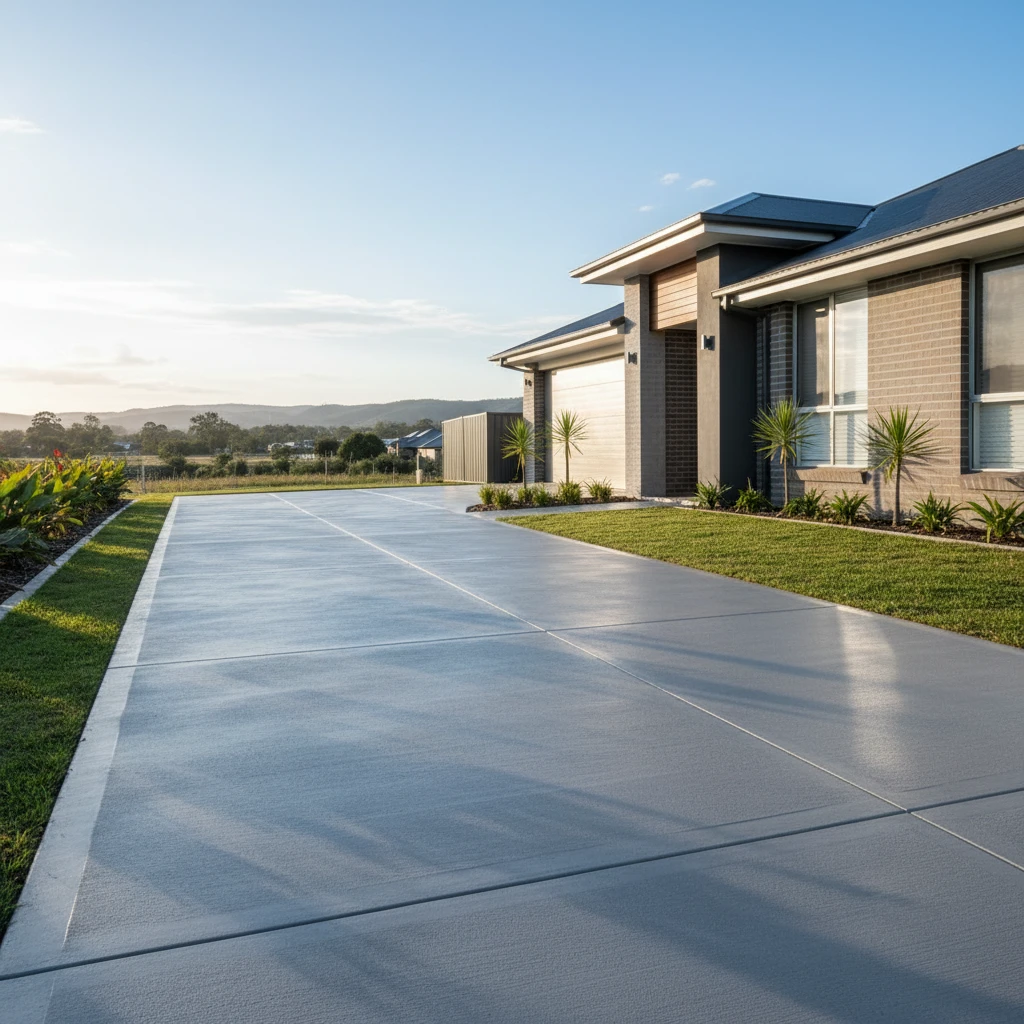
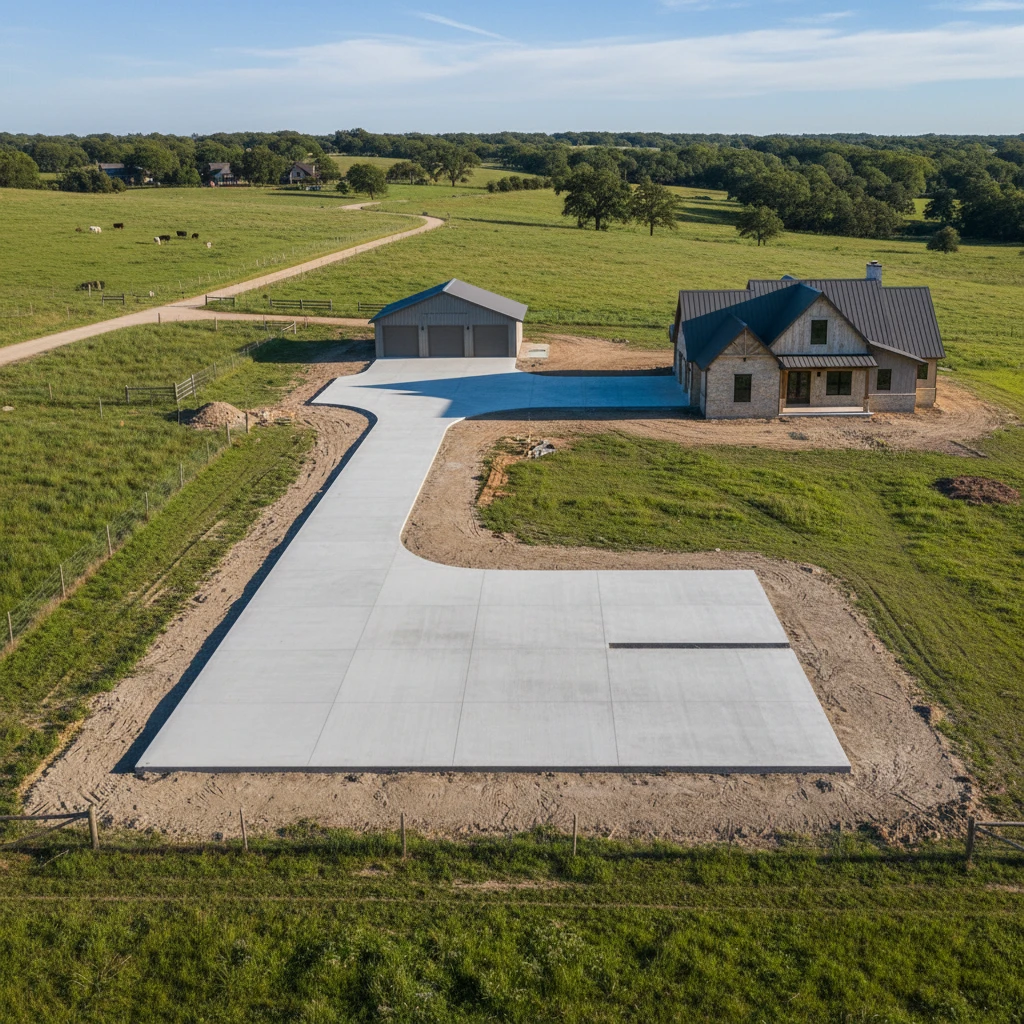
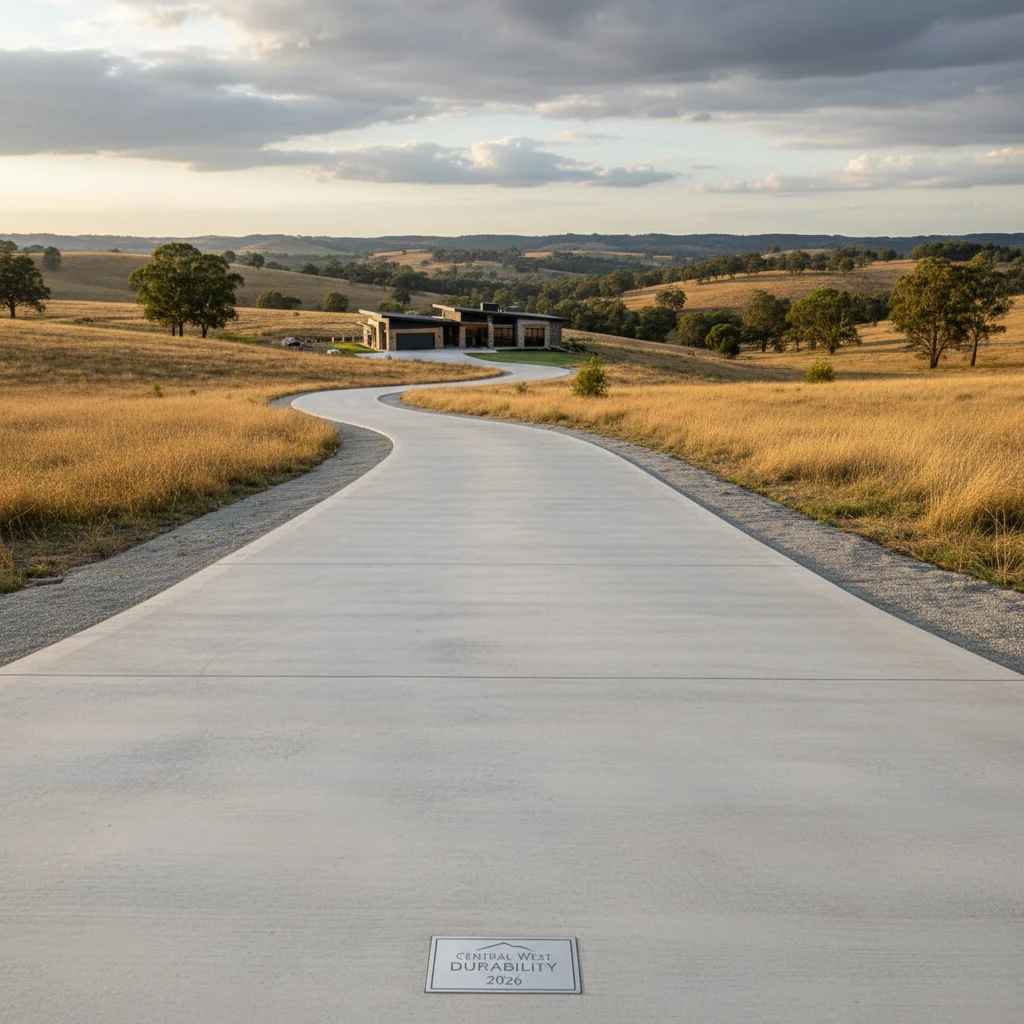
Sloped driveways and footpaths present unique challenges in concreting, requiring careful planning and execution. These projects often demand creative solutions to manage water runoff, ensure safe access, and create aesthetically pleasing results. Durable concrete footpaths are an investment in your home.
Example: A homeowner in Katoomba wanted a driveway that navigated a steep incline. We installed a series of stepped concrete sections, combined with a textured finish for improved grip. Drainage channels were integrated to prevent water from pooling on the driveway. The result was a safe, functional, and visually appealing driveway that blended seamlessly with the surrounding landscape.
Highlighting Innovative Retaining Wall Designs
Retaining walls are essential for managing slopes and preventing soil erosion. Concrete retaining walls can be designed to be both functional and aesthetically pleasing, adding value and character to a property.
Example: In a property in Hazelbrook, a severely eroded slope threatened the house’s foundation. We designed and built a terraced retaining wall system using reinforced concrete blocks. Each terrace was backfilled with gravel for drainage and planted with native vegetation to create a visually appealing and environmentally friendly solution. The retaining wall not only stabilised the slope but also created usable garden space.
Featuring Complex Excavation and Concreting Work
Some sloped site projects require extensive excavation and concreting to create level building pads, foundations, or other structures. These projects demand skilled operators, specialised equipment, and meticulous planning.
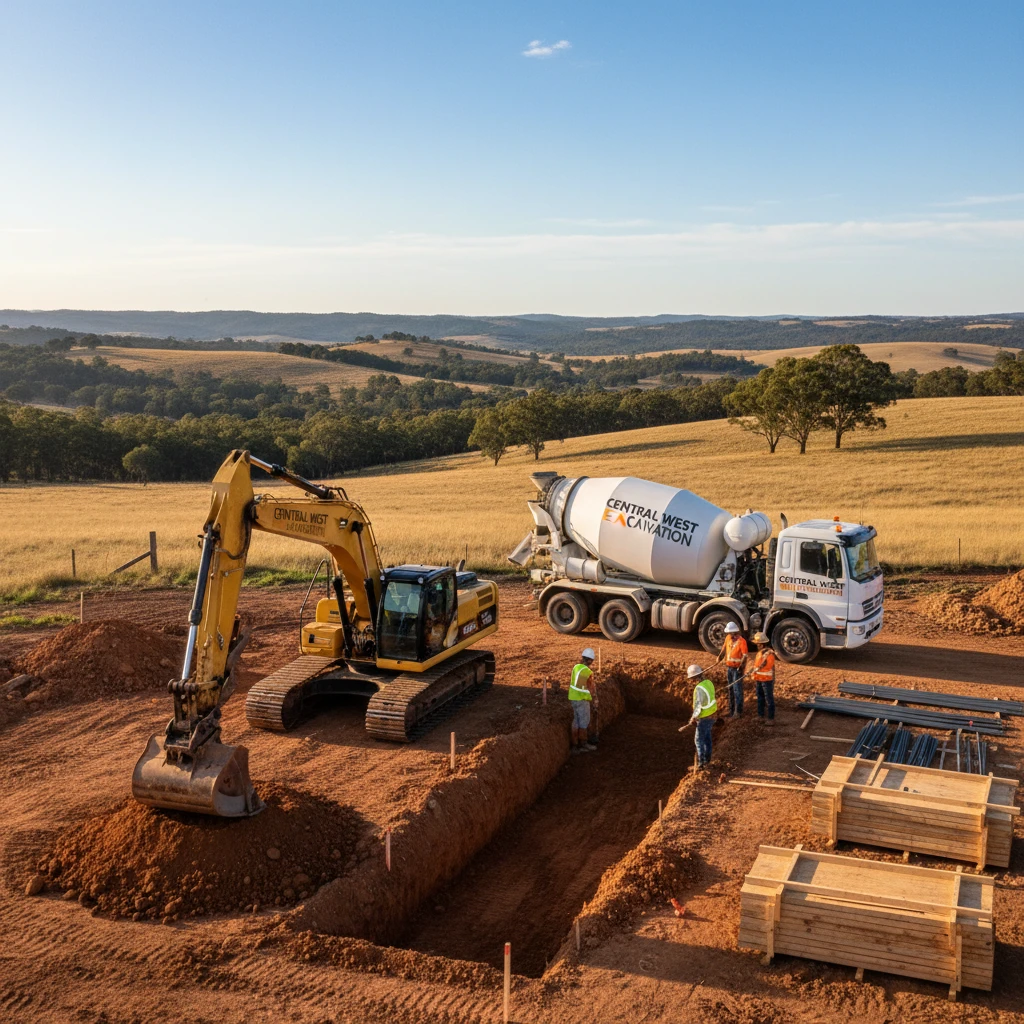
Example: A builder in Penrith needed to construct a new house on a block with a significant slope. The project required extensive excavation to create a level building pad, followed by the construction of a reinforced concrete foundation with integrated drainage. The entire process required precise laser levelling and careful coordination between the excavation and concreting teams. This ensured the foundation met all structural requirements and provided a stable base for the new house.
Why Choose Laser Concrete for Your Sloped Site Project in the Central West?
Our Experience and Expertise with Challenging Terrain
Laser Concrete has a proven track record of successfully completing concreting projects on challenging terrain in the Central West, Blue Mountains, and Penrith regions. Our team has the knowledge and experience to handle even the most complex sloped site projects.
We understand the unique challenges posed by sloped sites, including soil instability, drainage issues, and difficult access. We use our expertise to develop customized solutions that meet the specific needs of each project.
Commitment to Quality Workmanship and Long-Term Results
At Laser Concrete, we are committed to providing our clients with the highest quality workmanship and long-term results. We use only the best materials and employ skilled tradespeople who take pride in their work. We are local Central West Concrete Specialists.
We stand behind our work with a comprehensive warranty. We ensure that our clients are completely satisfied with the finished product. We aim to deliver concrete structures that are durable, functional, and aesthetically pleasing.
Using Laser Technology for Precision and Accuracy
We utilise state-of-the-art laser technology to ensure precision and accuracy in all our concreting projects. Laser levelling allows us to create perfectly level surfaces, even on sloped sites. Laser-guided excavation ensures accurate cuts and fills, minimising the risk of errors and delays. With excavation experts preparing your Penrith site, precision is key. This technology ensures accurate grading and drainage, which are critical for the longevity of concrete structures on sloped sites.
Planning Your Project: A Checklist for Concreting on a Sloped Block
- Site Assessment: Conduct a thorough assessment of the site, including soil testing, slope analysis, and drainage evaluation.
- Design and Planning: Develop a detailed plan that addresses the specific challenges of the sloped site.
- Permitting: Obtain all necessary permits and approvals from local authorities.
- Excavation: Carefully excavate the site to create a level building pad or foundation.
- Drainage: Install a proper drainage system to manage water runoff.
- Reinforcement: Use steel reinforcement to enhance the strength and durability of the concrete.
- Concreting: Pour and finish the concrete according to industry best practices.
- Curing: Properly cure the concrete to achieve its full strength.
- Landscaping: Landscape the surrounding area to stabilise the soil and enhance the aesthetics of the project.
Sloped site concreting demands a combination of technical skill, experience, and meticulous planning. By addressing the common problems and following a careful checklist, homeowners and property developers in the Central West, Blue Mountains, and Penrith can achieve successful and long-lasting concrete solutions for their properties.