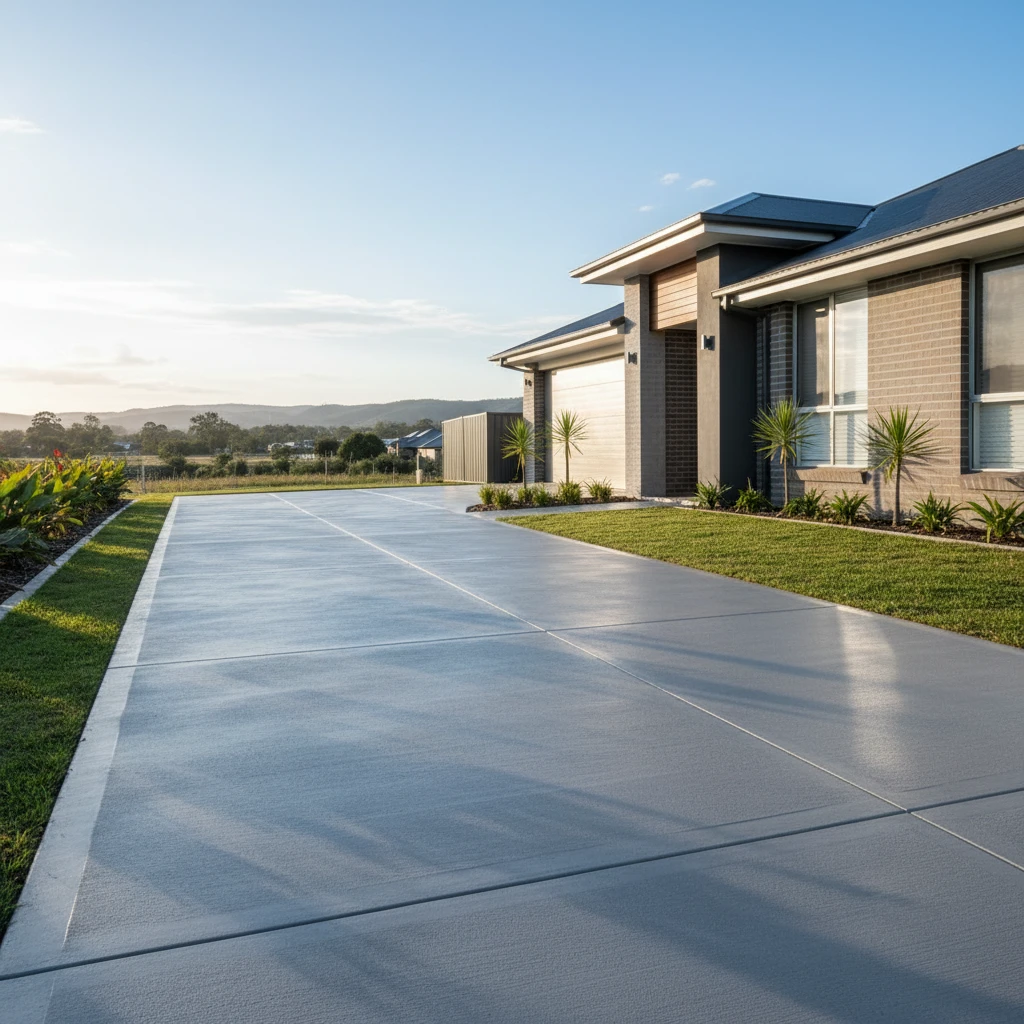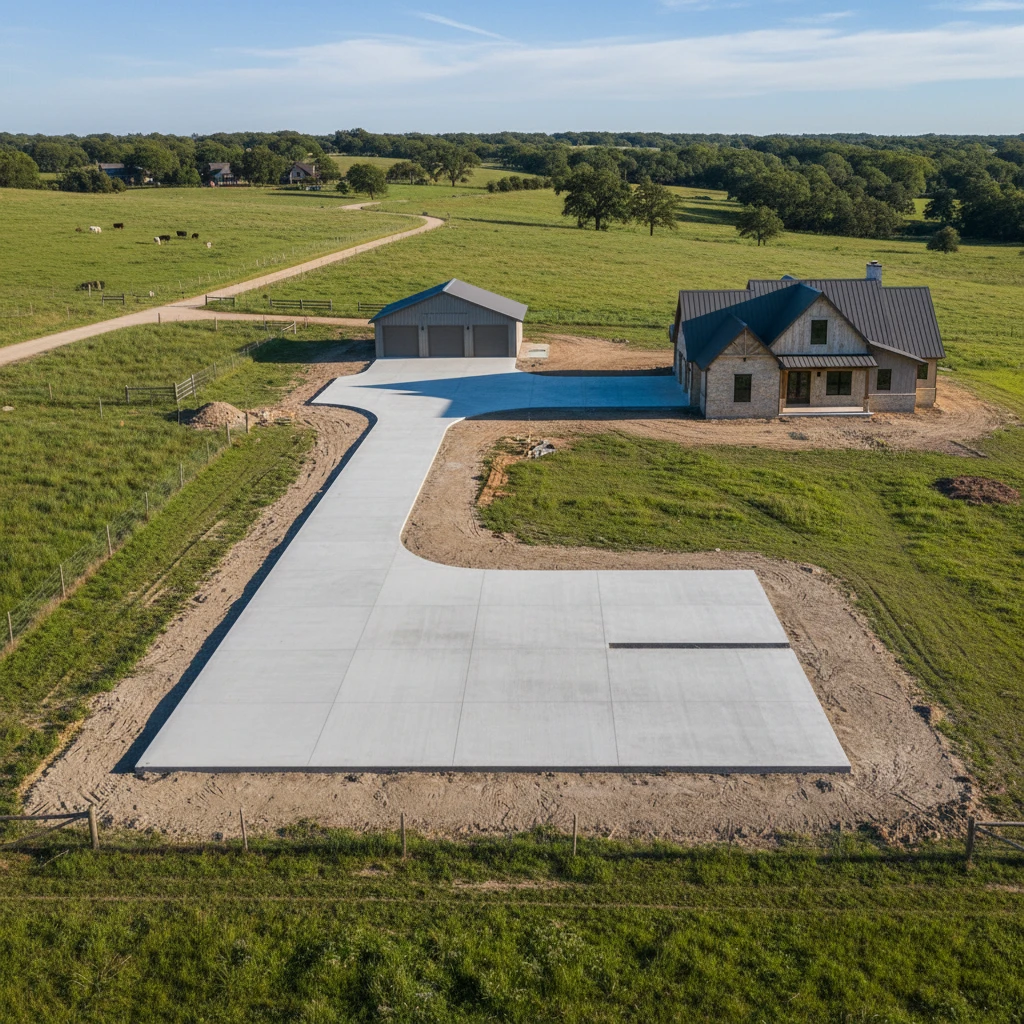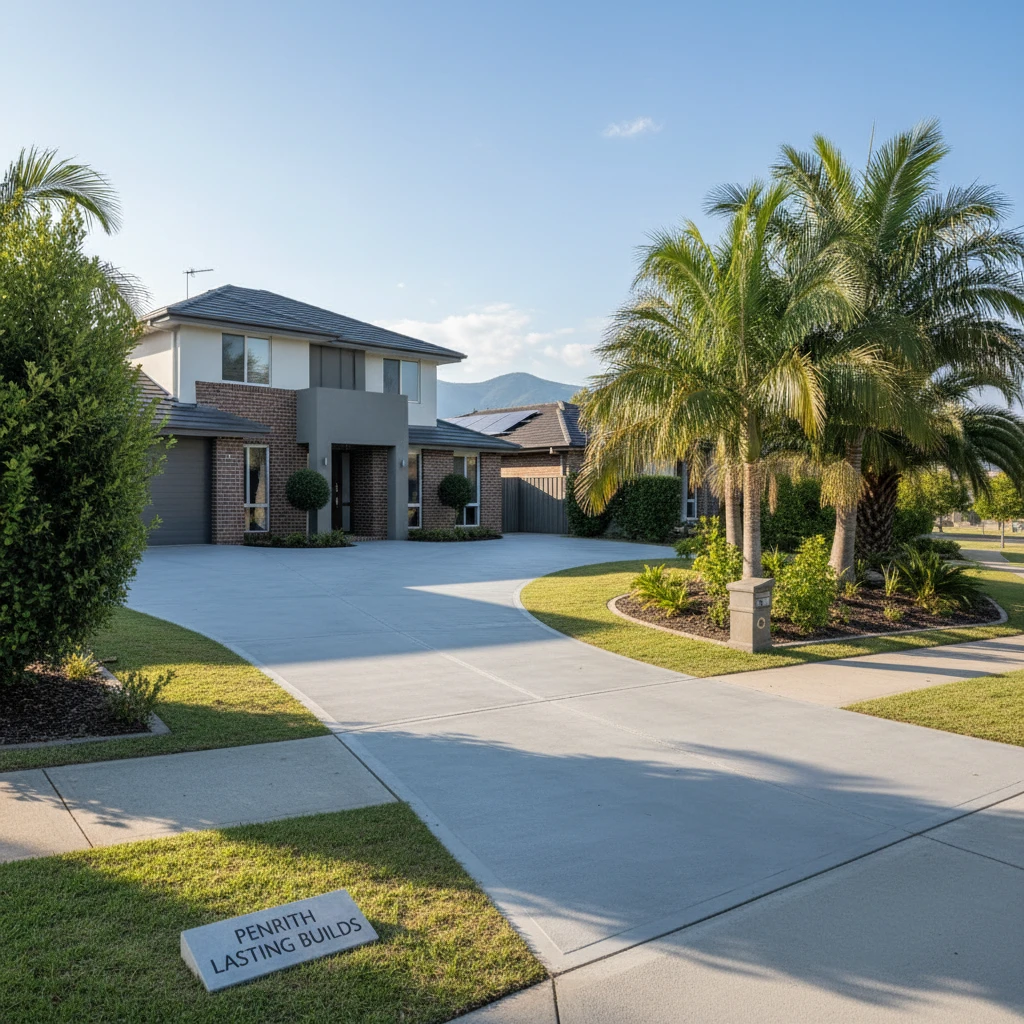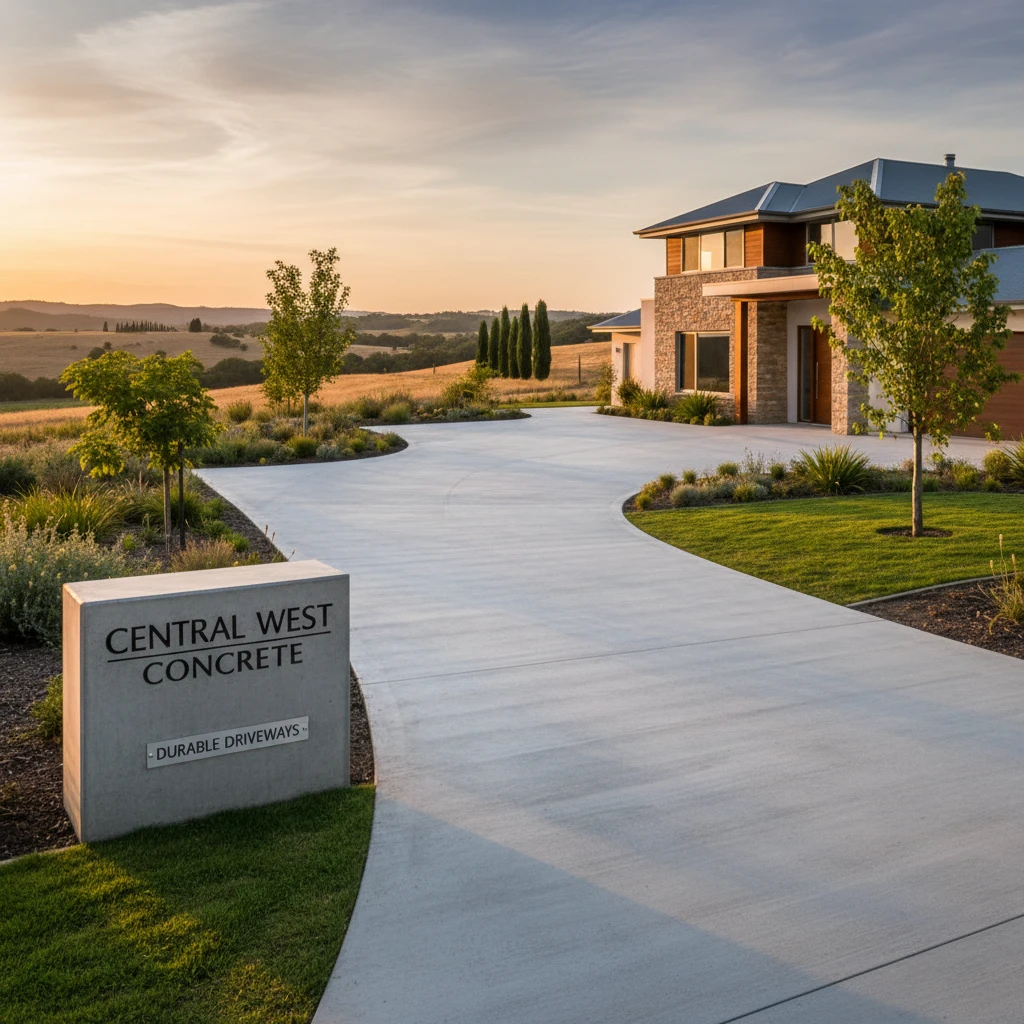
A well-laid concrete driveway not only enhances the kerb appeal of your Penrith property but also provides a durable and low-maintenance surface that can withstand the rigours of daily use and the Australian climate. Choosing the right concrete contractor is crucial for achieving a result that stands the test of time. We’re here to guide you through the process of assessing your driveway needs and making informed decisions about your concrete driveway project.
From initial assessment to final finishing, understanding the key factors involved in concrete driveway construction will help you navigate the process smoothly and ensure a lasting investment for your home.
Is Your Penrith Driveway Showing Its Age?
Common signs your driveway needs attention
Several indicators suggest that your Penrith driveway might be nearing the end of its lifespan or require significant repairs. Obvious cracks, especially large or numerous ones, are a primary concern. These can worsen over time due to water penetration and freeze-thaw cycles, even though Penrith doesn’t experience hard freezes often. Potholes and crumbling concrete indicate severe deterioration and pose safety hazards. A sinking or uneven driveway suggests subgrade issues that need addressing. Discolouration and staining, while often cosmetic, can sometimes point to underlying problems. Efflorescence, a white, powdery deposit on the surface, indicates moisture movement through the concrete and can lead to future damage. Ignoring these signs can lead to more extensive and costly repairs down the track; sometimes, a complete driveway replacement is the only sensible and cost-effective solution.
Why a new driveway enhances property value
A new concrete driveway is more than just a functional addition; it’s a significant investment that enhances your property’s value and kerb appeal. A well-maintained driveway creates a positive first impression for potential buyers, signalling that the property is cared for. It directly impacts the perceived value of your home. A new driveway can increase the overall aesthetic appeal, making your property more attractive and marketable. Moreover, it eliminates safety hazards associated with damaged driveways, a key concern for families with children or elderly residents. Upgrading to a modern concrete driveway with decorative finishes like exposed aggregate can further enhance the visual appeal and increase your property’s market value. Think of it as a long-term investment that pays dividends both in terms of daily use and potential resale value. If you’re thinking of a complete overhaul, consider how your driveway complements your landscaping or the overall aesthetic of your house. Durable Concrete Driveway Replacements can transform the look and feel of your entire property.
Why Choose Concrete for Your Penrith Driveway?
Durability and longevity in the Penrith climate
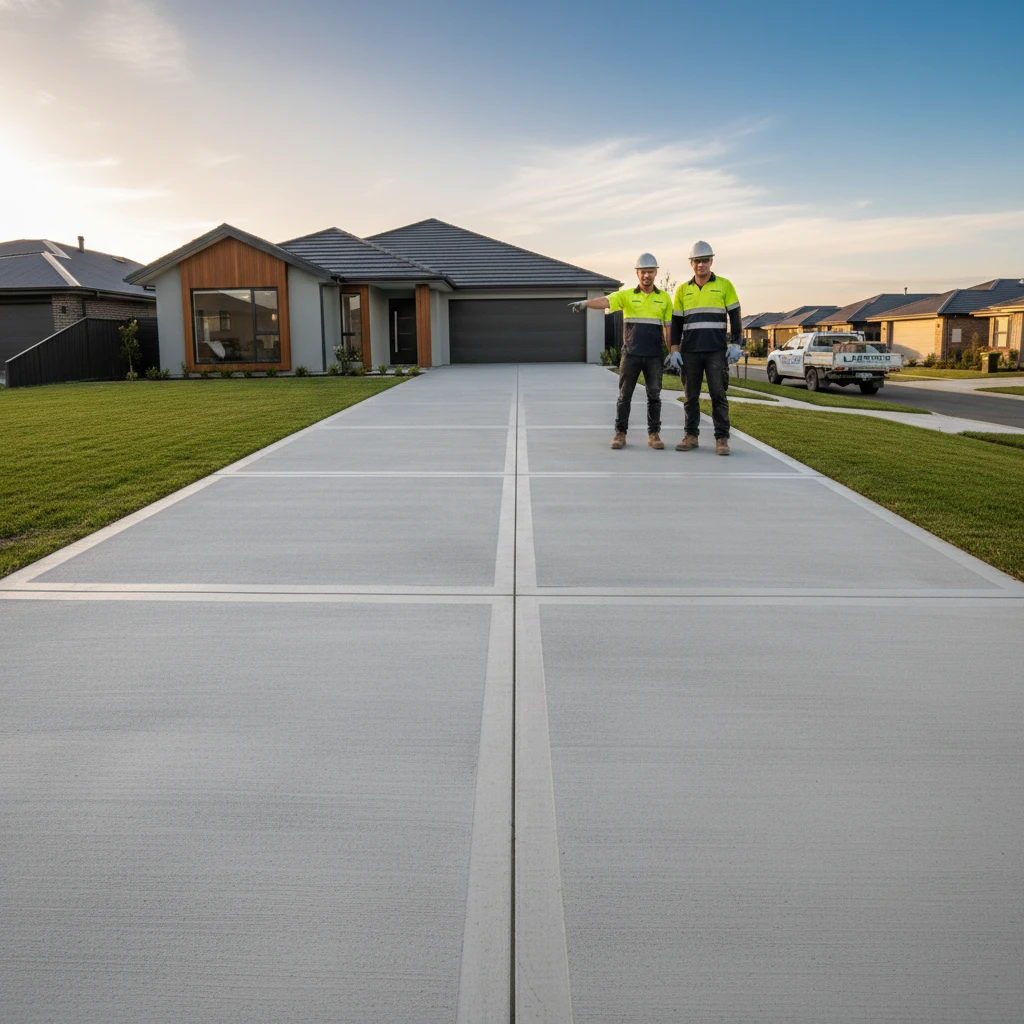
Concrete is a particularly well-suited material for driveways in Penrith due to its inherent durability and longevity. Concrete can withstand heavy loads, vehicular traffic, and the fluctuating temperatures characteristic of the region. The correct concrete mix design, appropriate reinforcement, and proper installation techniques are critical for maximising its lifespan. Factors like proper curing and sealing contribute significantly to its ability to resist cracking, crumbling, and other forms of deterioration. While no driveway is entirely maintenance-free, a well-constructed concrete driveway can last for decades with minimal upkeep. In Penrith’s climate, the expansion and contraction caused by temperature variations can stress other materials, making concrete’s inherent stability a major advantage. Investing in a quality concrete driveway ensures a long-lasting surface that can handle the demands of daily use for years to come. Learn more about concrete’s suitability for specific applications on challenging sites.
Versatility in design and finishes (exposed aggregate, coloured concrete)
One of the major advantages of concrete is its design versatility. Beyond the standard grey finish, concrete driveways can be customised to complement the style of your Penrith home. Exposed aggregate offers a textured, decorative finish by revealing the stones within the concrete mix, adding visual interest and slip resistance. Coloured concrete allows you to integrate specific hues that match your landscaping or exterior paint colours. Stamped concrete can mimic the look of brick, stone, or other materials at a fraction of the cost. The possibilities are virtually endless. Discussing design options with your concrete contractor is essential to determine the best aesthetic and functional choices for your property. Consider how different finishes will affect the overall appearance and maintenance requirements of your driveway. From contemporary to traditional styles, concrete offers unparalleled design flexibility.
Low maintenance compared to other driveway materials
Compared to other driveway materials like asphalt, gravel, or paving stones, concrete offers significantly lower maintenance requirements. Asphalt requires periodic sealing to prevent cracking and deterioration. Gravel driveways need frequent regrading to maintain a smooth surface. Pavers can shift and become uneven over time. Concrete, on the other hand, generally only requires occasional cleaning to remove dirt and stains. Sealing the concrete every few years can further extend its lifespan and protect it from water damage and staining. Weeds are less likely to grow through concrete compared to other materials, reducing the need for herbicide application. While cracks can occur, proper installation and maintenance can minimise the risk. The low maintenance nature of concrete driveways saves you time and money in the long run, making it a practical choice for busy homeowners. Look at Durable Concrete Footpaths for more information about concrete’s value as a low-maintenance choice.
Factors Affecting the Cost of a Concrete Driveway in Penrith
Driveway size and shape complexities
The size of your driveway is a primary factor influencing the overall cost of a concrete driveway in Penrith. Larger driveways naturally require more concrete and labour, increasing the price. However, the shape of the driveway also plays a significant role. Complex shapes with curves, angles, or multiple levels demand more intricate formwork and cutting, leading to higher labour costs. Accessibility can be a factor too; driveways with difficult access for concrete trucks or machinery may incur additional charges. Before obtaining quotes, accurately measure the dimensions of your desired driveway, noting any unusual features or obstacles. Providing detailed information to your concrete contractor will allow them to provide a more accurate and transparent estimate. Discuss potential design modifications that could simplify the construction process and reduce costs without compromising the overall aesthetic.
Concrete thickness and reinforcement requirements
The intended use of your driveway dictates the necessary concrete thickness and reinforcement requirements, which directly impact the cost. A driveway primarily used for passenger vehicles typically requires a thickness of 100mm. However, if you plan to park heavier vehicles like trucks or SUVs, or if the driveway will be subject to frequent heavy loads, a greater thickness of 125mm or 150mm is recommended. Reinforcement, such as steel mesh or rebar, adds strength and prevents cracking. The type and amount of reinforcement needed will depend on the concrete thickness, soil conditions, and anticipated load. While thicker concrete and heavier reinforcement increase the initial cost, they significantly enhance the driveway’s durability and lifespan, representing a worthwhile investment in the long run. Don’t skimp on thickness and reinforcement; it could cost you dearly in repairs later.
Site preparation: excavation and levelling considerations
Proper site preparation is crucial for the long-term performance of your concrete driveway, and it can significantly affect the overall cost. Excavation is necessary to remove existing vegetation, topsoil, and any unstable materials. The depth of excavation will depend on the existing ground conditions and the desired driveway thickness. Levelling and compacting the subgrade (the soil beneath the concrete) ensures a stable base and prevents settling or cracking. In areas with poor soil drainage, additional measures like installing a gravel base may be required. The cost of site preparation will vary depending on the complexity of the excavation, the amount of material that needs to be removed, and the accessibility of the site. A thorough site assessment by your concrete contractor is essential to accurately estimate these costs. In Penrith’s varied landscape, proper Excavation Experts are essential for a successful concrete project.
Chosen finish (plain, coloured, exposed aggregate)
The chosen finish for your concrete driveway has a direct impact on the overall cost. A plain grey concrete finish is the most economical option, as it requires minimal additional materials or labour. Coloured concrete involves adding pigments to the concrete mix, increasing the material cost. Exposed aggregate requires additional labour for washing away the surface cement to reveal the aggregate underneath. Stamped concrete involves using special stamps to create patterns and textures, adding both material and labour costs. More intricate or elaborate finishes will naturally command a higher price. When selecting a finish, consider your budget, aesthetic preferences, and the overall style of your home. Obtain quotes for different finishes to compare the costs and make an informed decision. Remember that the finish is a key element in the overall appearance of your driveway, so it’s worth investing in a finish that you’ll be happy with for years to come.
Navigating Penrith’s Unique Terrain: Slopes, Rocks, and Drainage
Specialised excavation techniques for challenging sites
Penrith’s diverse topography often presents unique challenges for concrete driveway construction, requiring specialised excavation techniques. Sloping blocks, rocky terrain, and areas with poor drainage demand careful planning and execution to ensure a stable and long-lasting driveway. Excavation on steep slopes requires benching or terracing to create level surfaces. Rocky sites may necessitate the use of heavy machinery to remove boulders and other obstructions. Tight access sites demand smaller machinery and more manual labour. Failing to address these challenges adequately can result in structural problems, such as cracking, settling, or drainage issues. Engaging a concrete contractor with experience in handling difficult sites is crucial. They will possess the necessary expertise and equipment to overcome these obstacles and deliver a high-quality result. Look into expert concreters for challenging terrains. Mastering difficult access is a key consideration for any Penrith-based excavation project.
Retaining walls and drainage solutions for sloped driveways
Sloped driveways in Penrith often require retaining walls to provide structural support and prevent soil erosion. Retaining walls can be constructed from various materials, including concrete blocks, timber, or stone. The design and construction of retaining walls must comply with local building codes and regulations. Proper drainage is equally important to prevent water from accumulating behind the retaining wall and causing it to fail. Drainage solutions may include installing weep holes, drainage pipes, or gravel backfill. The cost of retaining walls and drainage systems will depend on the size, complexity, and materials used. Investing in these measures is essential to ensure the stability and longevity of your sloped driveway. Ignoring these factors can lead to costly repairs or even complete failure of the driveway in the future. When planning a driveway on a sloped site, factor in the cost of retaining walls and drainage as essential components of the project. Refer to Excavation and Concrete: Quality Footpaths for Sloped Sites for examples of dealing with sloping properties.
Ensuring proper water runoff to prevent future damage
Proper water runoff is essential for preventing future damage to your concrete driveway in Penrith. Poor drainage can lead to water pooling on the surface, which can cause cracking, staining, and erosion. Inadequate drainage can also saturate the subgrade, weakening its stability and leading to settling. To ensure proper water runoff, the driveway should be sloped slightly away from your house. Drainage channels or grates can be installed to collect and redirect water away from the driveway. Downpipes should be properly connected to drainage systems to prevent water from flowing onto the driveway surface. Regular cleaning and maintenance of drainage systems are necessary to prevent blockages. Addressing drainage issues during the initial construction phase is far more cost-effective than dealing with the consequences of water damage later on. Make sure your chosen contractor has a solid plan for managing water runoff to protect your investment.
The American Concrete Institute (ACI) provides standards and best practices for concrete construction, including drainage considerations.
Concrete Driveway Installation: A Step-by-Step Guide
Excavation and sub-base preparation
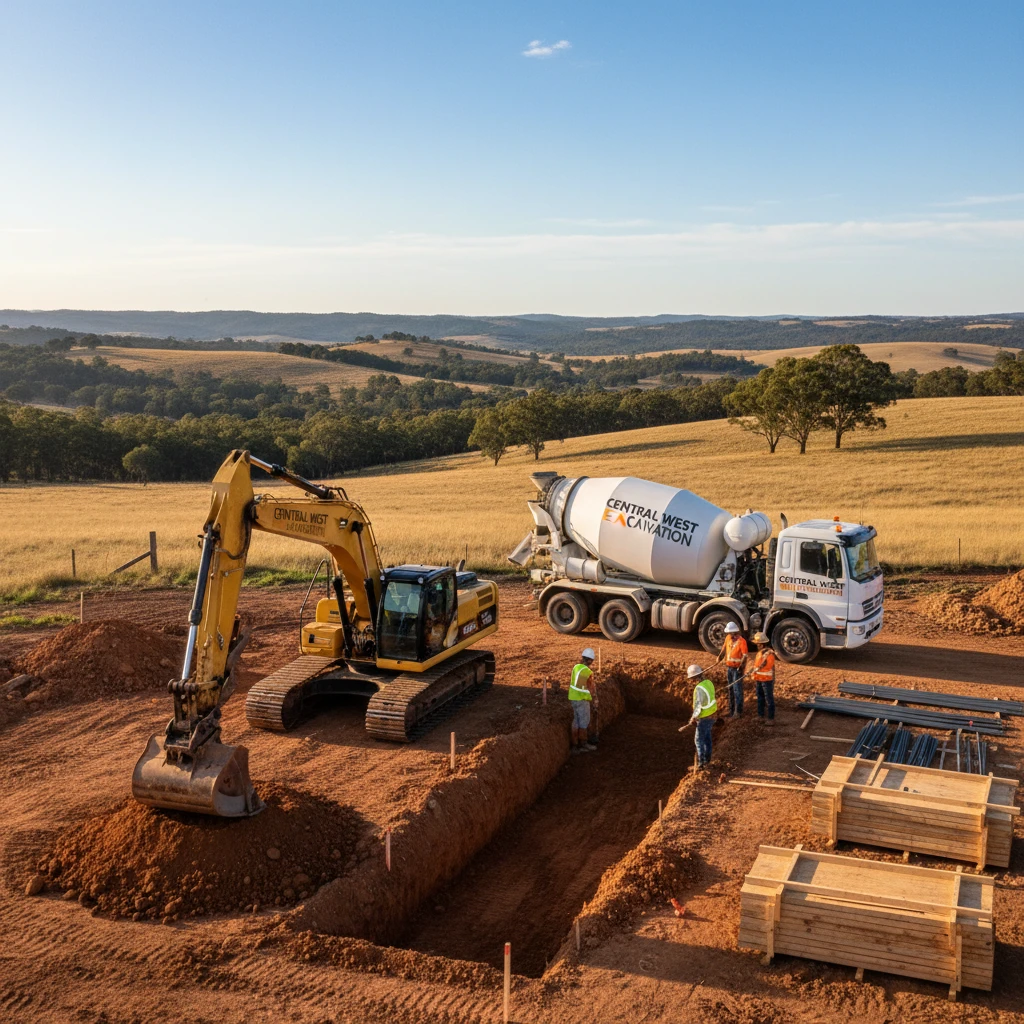
The first crucial step in concrete driveway installation involves careful excavation. The depth of excavation depends on the existing soil conditions and the intended use of the driveway. A typical depth ranges from 150mm to 300mm. Removing all vegetation and topsoil is essential, as organic matter can decompose and compromise the driveway’s stability. After excavation, the sub-base is prepared. This usually consists of a compacted layer of crushed rock or gravel, typically 100mm to 150mm thick. Proper compaction is vital; a vibrating plate compactor should be used in multiple passes to achieve a solid, stable base. The sub-base provides drainage and support for the concrete slab. Insufficient compaction is a common pitfall, leading to settling and cracking later. For sites with poor soil conditions, such as clay, geofabric may be used to prevent the sub-base material from mixing with the underlying soil, further enhancing stability. Laser Concrete’s excavation experts understand the nuances of Penrith soil types and can ensure the correct sub-base preparation for a long-lasting driveway.
Formwork and reinforcement placement
Formwork defines the shape and size of the concrete driveway. It’s typically constructed from timber or steel and must be securely staked to prevent movement during concrete pouring. Accurate levelling is crucial to ensure proper drainage and a smooth surface. The formwork should extend slightly above the desired concrete level to allow for screeding. Reinforcement, such as steel mesh or rebar, is placed within the formwork to enhance the concrete’s tensile strength and prevent cracking. The type and spacing of reinforcement depend on the expected load and the concrete slab thickness. Steel mesh should be elevated using chairs to ensure it’s positioned in the middle of the concrete slab. Overlapping the mesh correctly at joins is also essential. Insufficient or incorrectly placed reinforcement significantly increases the risk of cracking. Before pouring, inspect the formwork and reinforcement carefully to ensure everything is secure and properly positioned.
Concrete pouring, levelling, and finishing
The concrete mix design is critical for driveway durability. A mix with a compressive strength of 32 MPa is generally recommended. Ordering from a reputable supplier ensures consistent quality. When pouring, distribute the concrete evenly within the formwork, avoiding large piles that can cause uneven settling. Levelling, or screeding, involves using a screed board to remove excess concrete and create a smooth, level surface. This process must be done immediately after pouring. Finishing techniques, such as floating and trowelling, refine the surface texture. Floating brings fine particles to the surface, while trowelling creates a smooth, dense finish. The timing of these steps is crucial; working the concrete too early or too late can lead to surface defects. For example, waiting too long to trowel can cause surface discolouration. If the driveway is adjacent to the house, ensuring the correct set down is another critical factor that expert concreters in Penrith like Laser Concrete will take care of.
Curing process and its importance for strength
Curing is the process of maintaining adequate moisture and temperature in the concrete to allow it to hydrate properly and gain strength. This is often the most overlooked aspect of concrete driveway installation, yet it’s essential for long-term durability. Concrete reaches its specified strength through a chemical reaction between cement and water, and this reaction requires moisture. Methods include applying a curing compound, covering the concrete with plastic sheeting, or regularly spraying it with water for at least seven days. The ideal temperature for curing is between 10°C and 25°C. Failure to cure properly can result in weak, brittle concrete that is prone to cracking and surface scaling. A well-cured driveway will be significantly stronger and more resistant to wear and tear. Poor curing can reduce the concrete’s strength by up to 50%, highlighting its importance. Ensuring a quality driveway is a lasting investment starts with proper curing techniques.
Customising Your Concrete Driveway: Finishes and Design Options
Exposed aggregate: achieving a textured, decorative look
Exposed aggregate is a popular choice for adding visual interest and texture to concrete driveways. This finish involves removing the surface layer of cement paste to reveal the decorative aggregate beneath. The aggregate can be natural stones, pebbles, or even recycled glass, offering a wide range of aesthetic possibilities. The key to a successful exposed aggregate finish is timing. The surface must be washed at the right stage of curing, typically 24-48 hours after pouring, to prevent the aggregate from being dislodged or the cement paste from being too difficult to remove. A chemical retarder can also be applied to the surface to slow down the setting process and facilitate the washing. Sealing the exposed aggregate is crucial to protect the surface and enhance the colours of the aggregate. The choice of aggregate size and colour should complement the surrounding landscape and architecture. Using smaller aggregates generally results in a smoother surface, while larger aggregates create a more textured, non-slip surface.
Coloured concrete: adding a personal touch
Coloured concrete allows you to infuse your driveway with personality and complement your home’s exterior. Colour is achieved by adding pigments to the concrete mix before pouring. A wide range of colours is available, from subtle earth tones to vibrant reds and blues. It’s important to choose high-quality pigments that are UV-resistant to prevent fading over time. Integral colour, where the pigment is mixed throughout the entire concrete volume, is preferred over surface staining for greater colour consistency and longevity. Lighter colours tend to show dirt and stains more easily, so consider darker shades for high-traffic areas. Always order enough coloured concrete in a single batch to avoid slight colour variations between loads. Before committing to a colour, request a sample and view it in different lighting conditions to ensure it meets your expectations. Maintaining coloured concrete involves regular cleaning and sealing to protect the colour and prevent fading.
Stencilled and stamped concrete patterns
Stencilled and stamped concrete patterns offer a cost-effective way to mimic the look of more expensive paving materials, such as brick or stone. Stencils are applied to the freshly poured concrete, and a coloured powder release agent is broadcast over the surface. After stamping with the chosen pattern, the stencils are removed, revealing the coloured design. Stamped concrete involves using textured mats to imprint patterns into the wet concrete. The mats come in a variety of designs, replicating natural stone, slate, and other materials. A key consideration is the complexity of the pattern; simpler patterns are easier to install and maintain. Proper preparation of the sub-base is crucial to prevent the patterns from cracking or shifting over time. Sealing is essential to protect the stamped concrete and enhance the colours. Re-sealing every few years will maintain the appearance and protect against wear and tear. When working on a sloped driveway, ensuring the stamped pattern provides adequate grip is very important.
Borders and decorative edges for visual appeal
Adding borders and decorative edges can significantly enhance the visual appeal of your concrete driveway. Borders can be created using different coloured concrete, exposed aggregate, or even contrasting materials like brick or pavers. Decorative edges can be formed using shaped formwork or by adding features like bullnoses or chamfers. A well-defined border creates a sense of enclosure and frames the driveway. Consider the architectural style of your home when choosing border and edge treatments. A modern home might benefit from clean, geometric lines, while a traditional home could suit more ornate details. Ensure the borders and edges are properly integrated with the main driveway slab to prevent tripping hazards. The colour and texture of the borders should complement the main driveway surface. For example, a charcoal grey border can provide a striking contrast to a light grey concrete driveway. Proper drainage is also an important consideration when designing borders and edges.
Maintaining Your Concrete Driveway for Long-Term Durability
Sealing your driveway to protect against stains and weather
Sealing your concrete driveway is paramount to its longevity. Sealers act as a protective barrier against water penetration, oil stains, de-icing salts, and UV damage. There are two main types of sealers: penetrating sealers and film-forming sealers. Penetrating sealers soak into the concrete pores, providing water repellency without altering the surface appearance. Film-forming sealers create a glossy or matte finish on the surface, enhancing the colour and providing stain resistance. The choice depends on the desired look and the level of protection required. Apply the sealer according to the manufacturer’s instructions, ensuring the surface is clean and dry. Re-apply the sealer every one to three years, depending on the traffic and weather conditions. A good sealer will prevent water from soaking into the concrete, which can lead to cracking during freeze-thaw cycles. Check the product’s Material Safety Data Sheet (MSDS) [example: MSDS Authoring Services] before use and follow all safety precautions.
Regular cleaning and pressure washing tips
Regular cleaning is essential to keep your concrete driveway looking its best. Sweep the driveway regularly to remove loose dirt and debris. For stains, use a mild detergent and scrub with a brush. Avoid harsh chemicals or abrasive cleaners, as they can damage the concrete surface. Pressure washing can be effective for removing stubborn stains and algae, but use a low-pressure setting to avoid damaging the concrete. Hold the nozzle at a safe distance and use a wide fan spray pattern. Be careful not to etch the concrete by holding the nozzle too close or using too high a pressure. For oil stains, apply a degreaser and let it soak for several minutes before scrubbing and rinsing. After cleaning, consider re-sealing the driveway to maintain its protection. Preventative measures, such as placing drip trays under vehicles, can help minimize stains.
Repairing cracks and minor damage promptly
Addressing cracks and minor damage promptly is crucial to prevent them from escalating into larger, more costly problems. Small cracks can be filled with a concrete crack filler or patching compound. Clean the crack thoroughly before applying the filler, and follow the manufacturer’s instructions. For larger cracks, you may need to use a concrete saw to widen the crack and create a clean edge before filling it with a patching compound. If the damage is extensive, consult a professional concrete contractor for repair or replacement options. Ignoring cracks allows water to penetrate, which can lead to further damage, especially during freeze-thaw cycles. Early intervention can save you significant money and extend the life of your driveway. Laser Concrete also provide concrete repairs and replacements for driveways in Penrith and surrounds.
Choosing the Right Concreter in Penrith: What to Look For
Licensing and insurance requirements
Ensuring your concreter is properly licensed and insured is non-negotiable. In New South Wales, concreters must hold a valid contractor licence from NSW Fair Trading. This licence demonstrates that the concreter has the necessary qualifications and experience to perform the work. Public liability insurance is also essential to protect you from financial liability in case of accidents or property damage during the project. Ask for proof of both licensing and insurance before hiring a concreter. Verify the licence details on the NSW Fair Trading website to ensure it’s current and valid. Don’t hesitate to ask questions about their insurance coverage and policy limits. Engaging an unlicensed or uninsured concreter puts you at significant risk.
Experience with local soil conditions and council regulations
Penrith and the surrounding areas have unique soil conditions that can impact concrete driveway installation. Experience with local soil types, such as clay or shale, is crucial for ensuring proper sub-base preparation and drainage. A concreter familiar with local council regulations will also be able to navigate the permit process and ensure the driveway complies with all requirements. This includes factors like driveway width, setbacks, and drainage. Ask potential concreters about their experience working in the Penrith area and their knowledge of local council regulations. A local concreter will understand the challenges posed by the region’s specific conditions and can tailor their approach accordingly. Knowing the importance of proper excavation for foundations in the Central West also helps here.
Reviewing past projects and customer testimonials
Reviewing a concreter’s past projects and customer testimonials is a valuable way to assess their workmanship and reliability. Ask for photos or addresses of completed driveways that you can inspect in person. Read online reviews on sites like Google, Facebook, or review platforms. Look for consistent patterns in the reviews, both positive and negative. Pay attention to comments about the quality of the work, the concreter’s communication skills, and their adherence to timelines and budgets. Don’t rely solely on the concreter’s own website or marketing materials; seek out independent sources of information. A reputable concreter will be happy to provide references and allow you to inspect their previous work.
Example: John from Penrith said, “Laser Concrete transformed my crumbling driveway into a beautiful, durable surface. The team was professional, communicative, and the finish is flawless. Highly recommended!”
Importance of a clear and detailed quote
A clear and detailed quote is essential for avoiding misunderstandings and ensuring the project stays within budget. The quote should itemise all costs, including excavation, sub-base preparation, formwork, reinforcement, concrete supply, pouring, finishing, and sealing. It should also specify the concrete mix design, the type of reinforcement, and the finish to be applied. Ask for clarification on any unclear or ambiguous items. Be wary of quotes that are significantly lower than others, as this may indicate substandard materials or workmanship. The quote should also outline the payment schedule and any guarantees or warranties offered. A written quote provides a legally binding agreement and protects both you and the concreter. A detailed quote demonstrates the concreter’s professionalism and attention to detail.
Common Concrete Driveway Problems and How to Avoid Them
Cracking due to poor sub-base preparation
One of the most frequent issues with concrete driveways is cracking. This often stems from inadequate preparation of the sub-base. A properly compacted and stable sub-base is crucial for supporting the concrete slab and distributing loads evenly. If the sub-base is not properly prepared, it can shift, settle, or contain organic matter that decomposes over time, creating voids and causing the concrete to crack. For example, using topsoil instead of a compacted gravel base will almost certainly lead to problems.
Actionable Step: Ensure your concreter excavates to the required depth (typically 100-150mm), removes all vegetation and topsoil, and uses a well-graded gravel aggregate compacted in layers. Using the correct materials and compaction equipment will significantly reduce the risk of cracking. We often see this issue arise when corners are cut on the excavation phase, which is why our team prioritises proper preparation from the start. A concrete driveway is only as strong as the base beneath it. See our services in Penrith site preparation for concrete.
Surface scaling from freeze-thaw cycles
In regions with significant temperature fluctuations, such as the Blue Mountains, concrete driveways can suffer from surface scaling. This occurs when water penetrates the concrete surface, freezes, and expands, causing the top layer to flake off. This is exacerbated by the use of de-icing salts, which further damage the concrete. Using air-entrained concrete mixes helps to mitigate this issue by creating tiny air bubbles within the concrete that provide space for the water to expand during freezing.
Actionable Step: Specify an air-entrained concrete mix for your driveway. This type of concrete is designed to withstand freeze-thaw cycles. Also, avoid using de-icing salts on your driveway. Consider using sand or gravel for traction instead. For optimal results, ensure the concrete is properly sealed with a high-quality concrete sealer, reapplying it every few years as recommended by the manufacturer. Regular sealing will protect the surface from water penetration and extend the lifespan of your driveway.
Discolouration and staining from oil or chemicals
Concrete is porous and susceptible to staining from oil, grease, chemicals, and other substances. Oil leaks from vehicles are a common culprit, leaving unsightly marks on the driveway surface. Spilled chemicals like fertilisers or cleaning products can also cause discolouration. While some stains can be removed with specialised cleaners, prevention is always better than cure.
Actionable Step: Seal your concrete driveway with a high-quality penetrating sealer to prevent stains from penetrating the surface. Clean up spills immediately with absorbent materials and appropriate cleaning solutions. Consider using drip trays under vehicles to catch oil leaks. An example: a customer in Emu Plains noticed oil stains appearing only 6 months after a new driveway was installed. Regular cleaning and prompt spill management, combined with a sealer reapplication, can greatly reduce these issues. A well-maintained driveway will retain its aesthetic appeal for years to come.
Settling and sinking due to inadequate compaction
Similar to cracking, settling and sinking can occur if the sub-base is not adequately compacted. This is particularly common in areas with unstable soil conditions or where fill has been used. Inadequate compaction leads to voids and weak spots in the sub-base, causing the concrete to settle unevenly and potentially sink over time. This can create tripping hazards and compromise the structural integrity of the driveway.
Actionable Step: Insist on thorough compaction of the sub-base using appropriate equipment such as a plate compactor or roller. The compaction process should be done in layers, ensuring each layer is properly compacted before the next is added. In areas with known soil instability, consider using a geo-textile fabric to provide additional reinforcement and prevent soil erosion beneath the concrete. A qualified concreter will assess the soil conditions and recommend the appropriate compaction methods.
Why Laser Concrete is Penrith’s Trusted Choice
Our commitment to quality workmanship and durable results
Laser Concrete is committed to providing Penrith and surrounding areas with the highest quality concrete workmanship. We understand that a concrete driveway is a significant investment, and we strive to deliver durable results that will stand the test of time. This means using premium materials, employing skilled tradespeople, and adhering to industry best practices. We don’t cut corners or compromise on quality, ensuring every project meets our exacting standards. From the initial site preparation to the final finishing touches, we pay close attention to detail to achieve a superior outcome. See our recent work in Complex Concrete? Excavation Solutions 2026.
Experience with challenging sites across Penrith and the Blue Mountains
Penrith and the Blue Mountains region presents unique challenges for concreting projects, including steep slopes, rocky terrain, and difficult access. Laser Concrete has extensive experience working in these challenging environments. We have the expertise and equipment to overcome these obstacles and deliver exceptional results, even on the most difficult sites. Our team is skilled in excavation techniques, retaining wall construction, and other specialised solutions required for complex projects. We take pride in our ability to find innovative solutions to overcome site limitations and create functional and aesthetically pleasing concrete driveways.
Focus on customer satisfaction and long-term relationships
At Laser Concrete, customer satisfaction is our top priority. We believe in building long-term relationships with our clients based on trust, transparency, and open communication. We take the time to understand your specific needs and preferences, and we work closely with you throughout the entire project to ensure your complete satisfaction. From providing detailed quotes and timelines to keeping you informed of progress and addressing any concerns promptly, we are committed to providing a seamless and stress-free experience. Our reputation is built on exceeding customer expectations and delivering exceptional value.
Ready to Transform Your Penrith Property with a New Concrete Driveway?
Contact us for a free quote and consultation
If you’re considering a new concrete driveway for your Penrith property, we encourage you to contact Laser Concrete for a free quote and consultation. Our experienced team will assess your site, discuss your requirements, and provide you with a detailed and transparent quote. We’ll explain the different options available, answer your questions, and help you make informed decisions. There’s no obligation, and we’re confident you’ll appreciate our professional and consultative approach.
Discussing your project goals and design preferences
During the consultation, we’ll take the time to understand your project goals and design preferences. We’ll discuss the size, shape, and style of your driveway, as well as any specific features you may want to incorporate, such as decorative finishes, exposed aggregate, or coloured concrete. We can provide you with samples and examples of different finishes to help you visualise the final result. We’ll also consider the functionality of the driveway, ensuring it meets your needs for parking, access, and drainage. This collaborative approach ensures that your new concrete driveway not only looks great but also functions perfectly for your lifestyle.
By addressing common problems proactively and choosing Laser Concrete for our commitment to quality and customer satisfaction, Penrith homeowners can be confident in a durable and aesthetically pleasing driveway. We’re dedicated to providing lasting concrete solutions for your property.
You can learn more about driveway construction and building regulations by consulting your local Penrith City Council.