Concrete, while incredibly durable, isn’t immune to the effects of time, weather, and everyday use. Whether it’s a driveway, a pathway, or a shed slab, damage can occur, leading to unsightly cracks, uneven surfaces, and even safety hazards. Understanding when to repair and when to replace is crucial for ensuring the longevity and safety of your concrete structures.
This guide will walk you through the tell-tale signs that your concrete needs attention, the factors to consider when deciding between repair and replacement, and what to expect from the repair and replacement processes, particularly if you live in Penrith, the Blue Mountains, or the Central West.
Is Your Concrete Showing Its Age? Signs You Need Repairs or Replacement
Cracking and Spalling: Understanding the Difference and Their Causes
Cracking and spalling are two common signs of concrete deterioration, but they represent different issues. Cracking refers to fractures in the concrete surface. These can range from hairline cracks, often caused by shrinkage during curing, to wider cracks caused by settlement, heavy loads, or tree root intrusion. Spalling, on the other hand, involves the surface of the concrete flaking or crumbling away. This is usually caused by water penetrating the concrete, freezing, and expanding, which puts pressure on the material. Poor concrete mix design, inadequate curing, and the use of de-icing salts can also contribute to spalling.
Distinguishing between the two is important for determining the best course of action. Minor hairline cracks might only require sealing to prevent water ingress. However, wide cracks, especially those that are uneven, could indicate a more serious structural problem requiring professional assessment. Similarly, spalling that is limited to the surface might be repairable, while extensive spalling could necessitate complete replacement. For properties with challenging access, like many in the Blue Mountains, it’s vital that any assessment considers how these issues may have developed and whether excavation expertise might be needed to resolve the underlying problems.
Example: A Penrith homeowner noticed hairline cracks appearing on their newly laid concrete driveway within a year. Upon inspection, it was determined that rapid drying during a particularly hot summer caused shrinkage cracking. A sealant was applied to prevent further damage. A different homeowner in the Blue Mountains had severe spalling on a concrete pathway due to years of freeze-thaw cycles. The damage was so extensive that complete replacement of the pathway was deemed necessary.
Uneven Surfaces and Trip Hazards: Addressing Safety Concerns
Uneven concrete surfaces pose significant trip hazards and can lead to serious injuries. These uneven surfaces can arise from several factors, including ground movement, tree root activity, and frost heave. In areas like Penrith and the Blue Mountains, where soil conditions can vary greatly, it’s essential to address these issues promptly to ensure the safety of residents and visitors.
The severity of the unevenness will dictate the appropriate solution. Minor height differences might be corrected with concrete grinding or patching. Grinding involves using a specialised machine to smooth out the surface, while patching fills in low spots to create a level plane. However, if the unevenness is significant or covers a large area, complete concrete replacement is often the safest and most effective option. When assessing trip hazards, consider the location and use of the concrete surface. A slightly uneven patio might be less of a concern than a significantly uneven public footpath.
Before undertaking any repair work, it’s crucial to identify the root cause of the problem. For example, if tree roots are causing the unevenness, removing or redirecting the roots may be necessary to prevent future damage. Neglecting the underlying cause can lead to the problem recurring even after repairs have been made. Remember that correcting a tripping hazard is not merely a cosmetic improvement; it is a matter of safety and potential liability.
Drainage Problems: How Damaged Concrete Can Affect Your Property
Concrete surfaces are often designed with a slight slope to facilitate water runoff and prevent water from pooling. Cracks and damage can disrupt this drainage, leading to water accumulating on the surface or, worse, seeping into the ground around the foundation of your home. This can cause a host of problems, including foundation damage, soil erosion, and the growth of mould and mildew. Poor drainage can also accelerate the deterioration of the concrete itself, as water penetration contributes to freeze-thaw damage and corrosion of any reinforcing steel within the concrete.
Identifying drainage problems early is crucial. Look for areas where water consistently pools after rain. Check for signs of water damage on nearby structures, such as water stains on walls or dampness in the basement. If you notice these issues, it’s essential to address them promptly to prevent further damage. Minor drainage issues can sometimes be resolved by patching cracks and resealing the concrete surface. However, if the damage is extensive or the underlying slope is incorrect, complete replacement might be the only effective solution. When planning any concrete work, ensure that proper drainage is incorporated into the design to prevent future problems. This may involve re-grading the area, installing drainage pipes, or adjusting the slope of the concrete surface.
Consider, for instance, that damaged concrete around a shed slab can lead to water pooling which can then accelerate corrosion of the shed’s base. Ensuring proper drainage is key to maintaining the integrity of the entire structure, and a reliable shed slab forms a crucial part of this.
Concrete Repair vs. Replacement: Making the Right Decision for Your Penrith Property
Assessing the Extent of the Damage: A Critical First Step
The first step in deciding between concrete repair and replacement is a thorough assessment of the damage. This involves carefully inspecting the concrete surface to identify the type, size, and extent of the cracks, spalling, or other damage. It’s also important to assess the underlying cause of the damage. Is it due to age, weather exposure, poor construction, or underlying soil issues? Understanding the root cause is essential for determining the most effective long-term solution.
For example, a single, narrow crack might be a simple fix, but a network of interconnected cracks suggests a more widespread problem. Similarly, superficial spalling might be easily repaired, while deep spalling that exposes the reinforcing steel indicates a more serious issue. If you are unsure about the extent of the damage or the underlying cause, it’s best to consult with a qualified concrete contractor. They can perform a detailed inspection and provide expert advice on the best course of action. For sites with challenging access, it’s especially important to engage someone with experience in similar conditions.
The assessment should also consider the location and function of the concrete surface. A cracked driveway might require a different approach than a cracked patio, as driveways are subjected to heavier loads and more frequent use. Take detailed photographs of the damage and keep a record of any observations you make. This will be helpful when discussing the project with contractors and obtaining quotes. This is an important step that provides the information needed to get the right solution for your concrete needs.
Cost Considerations: Weighing Short-Term Savings Against Long-Term Value
Cost is a significant factor in any home improvement project, and concrete repairs and replacements are no exception. Generally, concrete repair is less expensive than replacement, as it involves less labour and materials. However, it’s essential to weigh the short-term savings of repair against the long-term value of replacement. A repair might seem like the more economical option upfront, but if the underlying problem is not addressed, the damage could recur, leading to further expenses down the road. Replacement, on the other hand, is a more significant investment, but it provides a new, durable concrete surface that can last for many years with proper care. Consider the disruption to your property as well. Extensive repairs can be almost as disruptive as a full replacement.
When comparing quotes from different contractors, be sure to get a detailed breakdown of the costs involved, including labour, materials, and any additional expenses such as excavation or site preparation. Ask about the warranty offered on the work and the expected lifespan of the repair or replacement. Don’t be tempted to choose the lowest bidder without considering the quality of the work and the reputation of the contractor. A poorly executed repair or replacement can end up costing you more in the long run. While affordability is a valid concern, remember that concrete work is a long-term investment. Prioritise quality and durability over the lowest price to ensure that you get the best value for your money. Remember that for properties in areas like the Blue Mountains, engaging a local contractor familiar with the specific challenges of the region could affect the final cost but could also lead to a better, longer-lasting outcome.
Example: A homeowner in Penrith received two quotes for repairing a cracked concrete patio. One quote was significantly lower, but the contractor proposed a quick patch job without addressing the underlying drainage issues. The second quote was higher, but it included a comprehensive repair plan that addressed the drainage problem and provided a longer warranty. The homeowner chose the second option, recognising that it would provide better long-term value.
Longevity and Performance: Ensuring a Durable Solution
The longevity and performance of your concrete surface are crucial considerations when deciding between repair and replacement. A well-executed concrete replacement can provide a durable, long-lasting surface that will stand up to the elements and the rigours of everyday use. Concrete repairs, on the other hand, can extend the life of your existing concrete, but they may not provide the same level of durability or longevity as a complete replacement.
If the damage is extensive or the concrete is nearing the end of its lifespan, replacement is often the best option for ensuring long-term performance. Consider the intended use of the concrete surface. A driveway, for example, requires a stronger, more durable surface than a patio or pathway. If you are planning to put heavy loads on the concrete, replacement might be necessary to ensure that it can withstand the weight. The quality of the materials and workmanship will also affect the longevity and performance of the concrete. Choose a reputable contractor who uses high-quality concrete mixes and employs skilled workers. In areas like Penrith, Blue Mountains and Central West where weather conditions can be harsh, selecting a contractor who understands local conditions is vital. In some cases, the ground conditions may need to be addressed. For example, you may need excavation to prepare the site before laying the concrete.
Before making a decision, ask the contractor about the expected lifespan of the repair or replacement. Find out what steps you can take to maintain the concrete and extend its life. Regular cleaning, sealing, and prompt repairs of any new damage can help to keep your concrete surface in good condition for many years.
The Concrete Repair Process: What to Expect From Laser Concrete
Preparation is Key: Cleaning, Chipping, and Ensuring Proper Bonding
Proper preparation is paramount for a successful concrete repair. The first step involves thoroughly cleaning the damaged area to remove any dirt, debris, loose concrete, and contaminants. This can be achieved using methods like pressure washing, wire brushing, or sandblasting. The goal is to create a clean, sound surface that the repair material can properly bond to.
Next, any loose or deteriorated concrete needs to be removed. This is typically done by chipping away the damaged areas with a hammer and chisel or using a power tool. The chipping should extend to a point where sound, solid concrete is exposed. Feathered edges should be avoided, as they can create weak points that are prone to cracking. Instead, the edges of the repair area should be squared off or slightly undercut to provide a mechanical key for the repair material.
To further enhance bonding, a bonding agent may be applied to the prepared surface. Bonding agents are liquid materials that create a chemical or mechanical bond between the old concrete and the new repair material. Follow the manufacturer’s instructions carefully when applying a bonding agent. Proper preparation is a time-consuming process, but it is essential for ensuring a durable and long-lasting repair.
Choosing the Right Repair Materials: Matching Strength and Appearance
Selecting the appropriate repair materials is crucial for achieving a successful concrete repair. The repair material should be compatible with the existing concrete in terms of strength, colour, and texture. There are a variety of concrete repair products available, including cement-based patching compounds, epoxy mortars, and polyurethane sealants. Cement-based patching compounds are suitable for filling cracks and holes in concrete surfaces. They are relatively inexpensive and easy to apply, but they may not be as strong or durable as other repair materials. Epoxy mortars are stronger and more durable than cement-based patching compounds, and they are resistant to chemicals and abrasion. They are ideal for repairing damaged edges, corners, and surfaces that are subject to heavy wear. Polyurethane sealants are used to seal cracks and joints in concrete surfaces. They are flexible and can accommodate movement in the concrete, preventing water from penetrating and causing further damage.
When choosing a repair material, consider the type and extent of the damage, the intended use of the concrete surface, and the desired appearance. It’s always advisable to consult with a concrete professional to get advice on the best repair material for your specific situation. For example, matching the colour of the repair material to the existing concrete can be challenging, especially if the concrete has weathered over time. A professional can help you choose a repair material that will blend in seamlessly with the surrounding concrete. Many choose to engage expert Blue Mountains Concrete services due to their familiarity with local materials and appearance expectations.
Remember to follow the manufacturer’s instructions carefully when mixing and applying the repair material. Proper mixing ratios and application techniques are essential for achieving a strong and durable repair.
Curing and Sealing: Protecting Your Investment
Curing and sealing are essential steps in the concrete repair process that help to protect your investment and ensure the longevity of the repair. Curing refers to maintaining the moisture content of the concrete during the early stages of hardening. This allows the concrete to hydrate properly and achieve its full strength. Improper curing can lead to cracking, shrinkage, and reduced durability. There are several ways to cure concrete, including keeping the surface moist with water, covering the surface with plastic sheeting, or applying a curing compound.
Sealing involves applying a protective coating to the concrete surface to prevent water penetration, staining, and other damage. Sealers can be penetrating sealers, which soak into the concrete and create a waterproof barrier, or topical sealers, which form a protective film on the surface. The type of sealer you choose will depend on the type of concrete, the intended use of the surface, and the desired appearance. For example, a penetrating sealer is a good choice for a driveway, as it will protect the concrete from oil stains and de-icing salts. A topical sealer might be preferred for a patio, as it can enhance the colour and texture of the concrete.
Apply the sealer according to the manufacturer’s instructions, and be sure to reapply it periodically to maintain its protective properties. Regular cleaning and maintenance will also help to extend the life of your concrete repair. By taking these steps, you can ensure that your concrete repair will provide years of reliable service.
When Replacement is the Only Option: A Complete Concreting Solution
Demolition and Removal: Safe and Efficient Concrete Removal
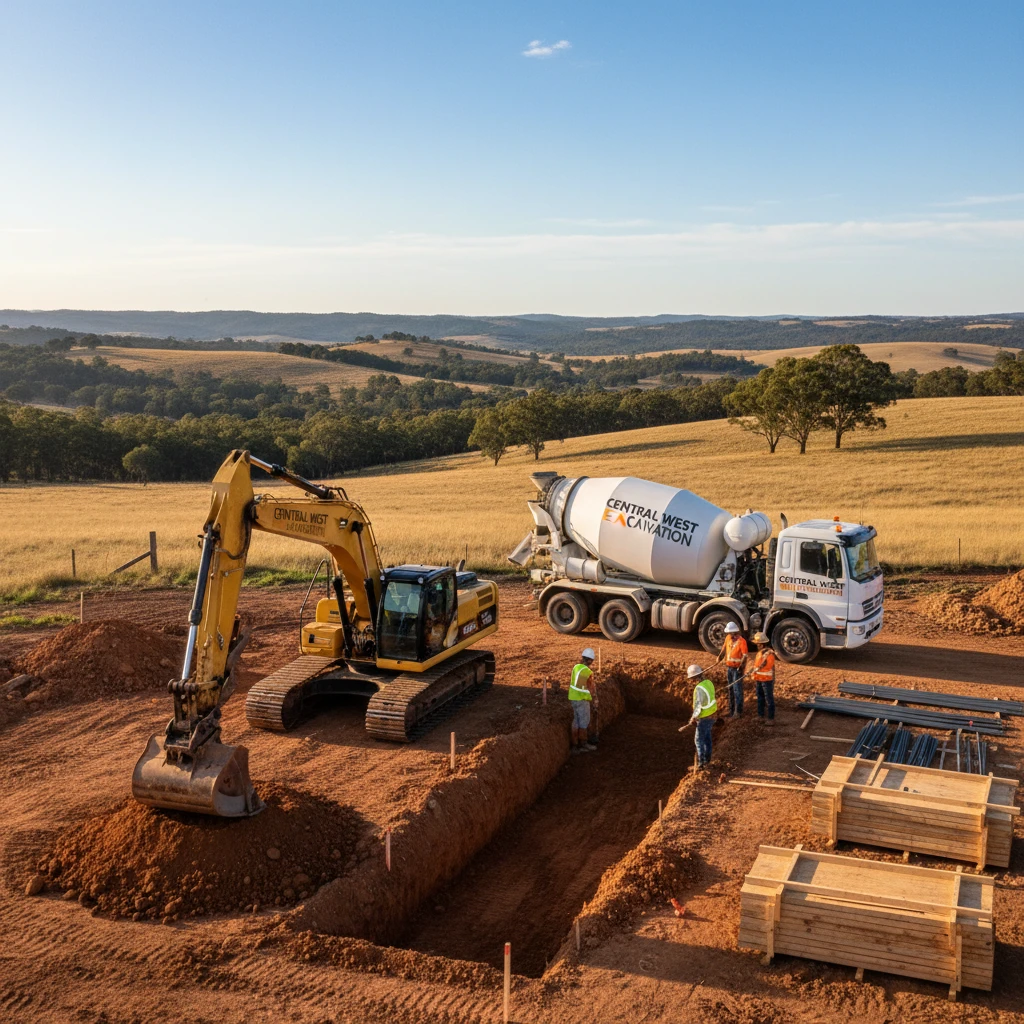
When concrete damage is too extensive for repair, complete replacement becomes necessary. The first step in the replacement process is demolition and removal of the old concrete. This can be a labour-intensive task, but it’s essential to ensure that the new concrete has a solid and stable foundation. The method of demolition will depend on the size and thickness of the concrete slab, as well as the accessibility of the site. For smaller slabs, a jackhammer or sledgehammer might be sufficient. For larger slabs, heavier equipment such as excavators or concrete breakers may be required. It’s crucial to take safety precautions during the demolition process, including wearing appropriate personal protective equipment (PPE) such as safety glasses, gloves, and hearing protection. Dust control measures, such as water spraying, should also be implemented to minimise the risk of respiratory problems.
Once the concrete has been broken up, it needs to be removed from the site. This can be done manually or with the aid of machinery. Proper disposal of the old concrete is important to minimise environmental impact. Many concrete contractors will recycle the old concrete by crushing it and using it as a base material for new construction. If recycling is not possible, the concrete should be disposed of at a licensed landfill. Ensure that you factor removal and disposal costs into your budget for the project. In locations with difficult access, like some areas of the Blue Mountains, removal can be a complex task requiring specialist skills and equipment, which could affect the cost.
Before commencing demolition, check for any underground utilities such as gas lines, water pipes, or electrical cables. Damaging these utilities can be dangerous and costly. If you are unsure about the location of underground utilities, contact your local utility companies for assistance. If the site is on a slope, you may need expert excavation to ensure that the area is stable.
Base Preparation: Ensuring a Solid Foundation for Your New Concrete
Proper base preparation is critical for ensuring the long-term stability and durability of your new concrete surface. The base provides support for the concrete and prevents it from settling, cracking, or shifting. The type of base preparation required will depend on the soil conditions and the intended use of the concrete surface. Generally, the base should consist of a layer of compacted gravel or crushed stone. The thickness of the base will vary depending on the soil conditions and the expected load on the concrete.
Before placing the base material, the subgrade should be properly compacted and graded to ensure a level surface. Any soft or unstable soil should be removed and replaced with compacted fill. The base material should be spread evenly and compacted in layers using a plate compactor or roller. The compacted base should be firm, stable, and free of any loose material. In areas with poor drainage, a drainage layer may be required beneath the base to prevent water from accumulating and weakening the foundation. For sites where tree roots are present, ensure any root systems are managed to prevent future intrusion that could affect the concrete base. Get professional advice about dealing with complex situations like unstable soil.
Example: Before pouring a new concrete driveway in a Penrith home, the contractor excavated the existing soil to a depth of 200mm. They then installed a 150mm layer of compacted crushed rock as a base, ensuring a solid foundation for the concrete. For a shed slab, you may need a thicker base. For example, for durable shed slabs, expert concrete solutions should always consider underlying conditions.
Pouring and Finishing: Achieving a High-Quality, Durable Surface
Pouring and finishing are the final steps in the concrete replacement process, and they are crucial for achieving a high-quality, durable surface. The concrete should be mixed according to the manufacturer’s instructions and poured evenly into the prepared formwork. It’s important to ensure that the concrete is properly consolidated to eliminate air pockets and ensure a dense, strong surface. This can be done using a vibrator or by manually tamping the concrete.
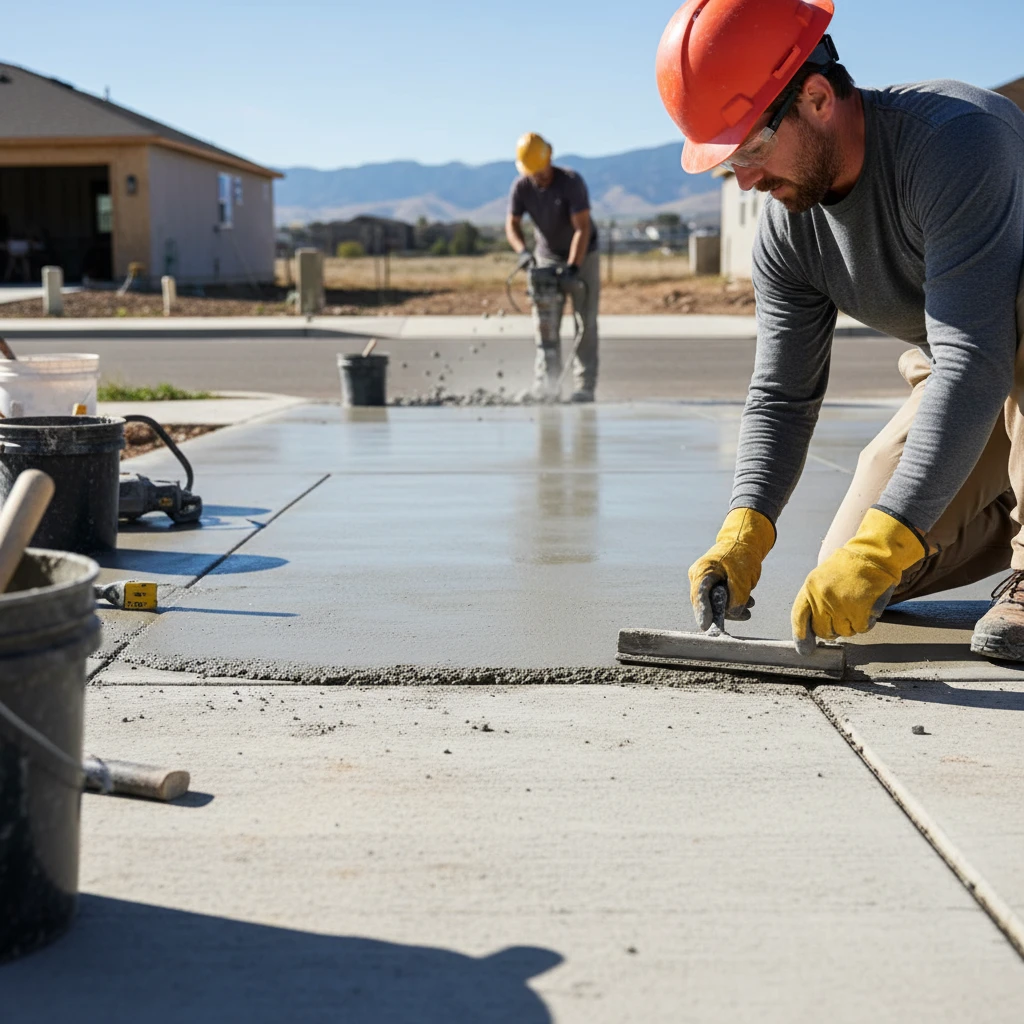
Once the concrete has been poured and consolidated, it needs to be finished. Finishing involves levelling the surface, creating a smooth texture, and adding any desired decorative elements. The finishing process typically involves several stages, including screeding, floating, and trowelling. Screeding involves using a long, straight edge to level the concrete surface. Floating involves using a hand float or power float to smooth the surface and remove any imperfections. Trowelling involves using a steel trowel to create a smooth, hard finish. Different finishing techniques can be used to achieve different textures and appearances. For example, a broom finish provides a slip-resistant surface, while a stamped concrete finish can mimic the look of brick or stone.
After finishing, the concrete needs to be properly cured to ensure that it achieves its full strength and durability. Curing involves keeping the concrete moist for several days, which can be done by covering it with plastic sheeting, spraying it with water, or applying a curing compound. The quality of the concrete mix, the skill of the finishers, and the curing process all contribute to the final outcome. If concrete work is completed poorly, it can impact the value of your property. For sites in areas that experience temperature extremes, such as Central West properties, curing is extremely important. Skilled technicians will be able to advise on the best mix and finishing techniques for your situation.
Common Concrete Problems in the Blue Mountains and Central West: And How We Address Them
Soil Movement and Subsidence: Solutions for Unstable Ground
The Blue Mountains and Central West regions of NSW are known for their variable soil conditions, ranging from reactive clays to rocky terrain. These soil types can cause significant problems for concrete structures due to soil movement and subsidence. Reactive clay soils expand when wet and shrink when dry, exerting considerable pressure on concrete slabs and foundations, potentially leading to cracking and displacement. Rocky terrain, while generally more stable, can still present challenges during excavation and require careful compaction to prevent future settling. To mitigate these risks, Laser Concrete conducts thorough soil testing and site assessments before any concrete work begins. This allows us to determine the soil’s reactivity and bearing capacity. We then employ appropriate solutions such as reinforced concrete, deepened footings, or soil stabilisation techniques like chemical grouting or compaction to ensure a stable base for your concrete project. For example, on a recent project near Katoomba, we encountered highly reactive clay. We addressed this by over-excavating the site, installing a layer of compacted crushed rock, and using a heavily reinforced concrete slab to distribute the load evenly. This prevented cracking and ensured the long-term stability of the concrete structure. Understanding the unique geological features is crucial for quality concrete work, especially for shed slabs or even driveways. You can learn more about site preparation on our excavation page.
Extreme Weather Conditions: Protecting Concrete From Freeze-Thaw Cycles
The temperature extremes experienced in the Blue Mountains and Central West can significantly impact concrete durability. In winter, temperatures frequently drop below freezing, leading to freeze-thaw cycles. When water penetrates the concrete and freezes, it expands, creating internal pressure that can cause cracking and spalling (surface flaking). Over time, this can severely weaken the concrete and reduce its lifespan. To combat these effects, Laser Concrete utilizes air-entrained concrete mixes. Air entrainment introduces microscopic air bubbles into the concrete, which provide space for water to expand when it freezes, relieving pressure and preventing cracking. We also ensure proper sealing of the concrete surface to minimise water penetration. Furthermore, we carefully consider the concrete mix design, using a lower water-to-cement ratio to reduce porosity and increase strength. The type of aggregate used is also important. We source durable, frost-resistant aggregates that can withstand the harsh weather conditions. For instance, in Oberon, where heavy frosts are common, we always recommend air-entrained concrete with a high-quality sealant for exposed concrete surfaces. Properly protecting concrete from these extreme conditions is a key factor in long-term concrete driveway solutions. The Portland Cement Association provides further information on freeze-thaw durability.
Tree Root Damage: Preventing and Repairing Damage From Root Intrusion
Tree roots can pose a significant threat to concrete structures, particularly footpaths, driveways, and foundations. As trees grow, their roots can extend considerable distances, exerting immense pressure on surrounding surfaces. Roots can penetrate cracks in concrete, widening them over time and eventually causing structural damage. Prevention is key when dealing with tree root intrusion. During site preparation, Laser Concrete carefully assesses the proximity of trees to proposed concrete structures. We may recommend root barriers, which are physical barriers installed in the ground to redirect root growth away from the concrete. We also ensure that concrete is properly reinforced to resist root pressure. If root damage has already occurred, we offer concrete repair services that address the underlying cause. This may involve removing the offending roots, repairing or replacing the damaged concrete, and installing root barriers to prevent future intrusion. Example: A homeowner in Blackheath noticed significant cracking in their concrete footpath due to nearby eucalyptus tree roots. We removed the damaged sections of the path, carefully pruned back the encroaching roots, installed a root barrier along the edge of the path, and replaced the concrete with a reinforced mix. This resolved the immediate problem and prevented future damage.
Choosing the Right Concrete Mix for Your Project: Factors to Consider
Strength Requirements: Matching the Mix to the Intended Use
Selecting the appropriate concrete mix is paramount for the success and longevity of any concrete project. One of the most crucial factors to consider is the required strength of the concrete, which must be matched to the intended use of the structure. Concrete strength is typically measured in megapascals (MPa), representing the compressive strength of the concrete after 28 days of curing. For instance, a standard concrete driveway might require a strength of 32 MPa, while a heavy-duty industrial slab could necessitate 40 MPa or more. Laser Concrete carefully assesses the load-bearing requirements of each project to determine the appropriate concrete strength. This involves considering factors such as the weight of vehicles, equipment, or other loads that the concrete will need to support. We also take into account the potential for impact or abrasion. Using a concrete mix with insufficient strength can lead to premature cracking, spalling, and structural failure. Conversely, using a mix that is stronger than necessary can be unnecessarily expensive. It’s essential to balance performance with cost-effectiveness, so it’s not about chasing the absolute strongest mix possible. Expert concreters can find the sweet spot and help you make smart material choices that are matched to your budget. Example: A client in Lithgow requested a concrete slab for a new shed to house heavy machinery. We specified a 40 MPa concrete mix with steel fibre reinforcement to withstand the weight and vibration of the equipment.
Exposure Conditions: Selecting a Mix Suitable for the Environment
The environmental conditions to which the concrete will be exposed are another critical consideration when selecting a concrete mix. As discussed earlier, the Blue Mountains and Central West regions experience a wide range of weather conditions, including temperature extremes, freeze-thaw cycles, and exposure to moisture. These factors can significantly impact concrete durability. For concrete exposed to freeze-thaw cycles, as is often the case in the Blue Mountains, an air-entrained concrete mix is essential. Air entrainment creates microscopic air bubbles in the concrete that provide space for water to expand when it freezes, preventing cracking. For concrete exposed to high levels of moisture or chemical attack, such as in industrial settings, a concrete mix with a low water-to-cement ratio and the addition of chemical admixtures may be necessary. A lower water-to-cement ratio reduces the concrete’s permeability, making it more resistant to water penetration. Chemical admixtures can provide added protection against specific chemicals or environmental factors. Careful attention to exposure conditions is particularly important for exposed concrete surfaces, such as driveways, patios, and walkways. Using the wrong concrete mix can lead to premature deterioration and costly repairs. Different cements also have different resistant properties; for example, some cements are more sulphate resistant than others.
Finish and Appearance: Achieving the Desired Aesthetic
While strength and durability are paramount, the finish and appearance of the concrete are also important considerations, particularly for residential and commercial projects where aesthetics are a key concern. The desired finish can influence the choice of concrete mix and the finishing techniques used. For example, a smooth, troweled finish may require a concrete mix with a higher proportion of fine aggregates, while an exposed aggregate finish will necessitate a mix with larger, decorative aggregates. The colour of the concrete can also be customised by adding pigments to the mix. It’s important to select pigments that are compatible with concrete and resistant to fading from sunlight exposure. Laser Concrete offers a range of concrete finishes to suit different aesthetic preferences, including smooth troweled, exposed aggregate, stamped concrete, and coloured concrete. We work closely with our clients to understand their design vision and select the appropriate concrete mix and finishing techniques to achieve the desired look. It is worth noting that certain coloured pigments or decorative aggregates can impact the overall strength of the concrete, and this should be factored in when selecting your materials. Getting expert advice on these points is critical to long-term performance. Consider also that the concrete driveway can contribute significantly to curb appeal.
The Importance of Proper Drainage for Long-Lasting Concrete
Grading and Sloping: Directing Water Away From Structures
Proper drainage is crucial for the long-term durability and stability of concrete structures. Water is one of the biggest enemies of concrete, as it can penetrate cracks, cause erosion, and contribute to freeze-thaw damage. Effective drainage systems prevent water from pooling around concrete structures, minimising the risk of water-related damage. Grading and sloping are fundamental aspects of drainage design. Grading involves creating a gentle slope away from the concrete structure to encourage water runoff. The slope should be sufficient to prevent water from pooling, but not so steep that it causes erosion. Sloping is particularly important for driveways, patios, and walkways, where water can easily accumulate. Laser Concrete carefully assesses the site’s topography and drainage patterns to determine the optimal grading and sloping requirements. We use surveying equipment to ensure accurate grading and prevent low spots where water can collect. A common rule of thumb is to provide a minimum slope of 1% (1/8 inch per foot) for paved surfaces. However, the specific slope requirements may vary depending on the site conditions and the type of surface. Neglecting proper grading and sloping can lead to water damage, erosion, and premature deterioration of the concrete structure. Always ensure proper slope on your shed slabs for optimal performance.
Installing Drainage Systems: Channel Drains, French Drains, and More
In addition to grading and sloping, more sophisticated drainage systems may be necessary to effectively manage water runoff, particularly in areas with heavy rainfall or poor soil drainage. Several types of drainage systems are commonly used in concrete construction, including channel drains, French drains, and surface drains. Channel drains, also known as trench drains, are linear drains installed flush with the concrete surface. They collect surface water and channel it away from the structure. French drains are subsurface drains consisting of a trench filled with gravel and a perforated pipe. They collect groundwater and channel it away from the site. Surface drains are grated drains installed at low points in the landscape to collect surface water. Laser Concrete can install a variety of drainage systems to suit different site conditions and drainage requirements. We carefully consider the amount of water that needs to be managed, the soil permeability, and the aesthetics of the site when selecting the appropriate drainage system. Proper installation is critical to ensure that the drainage system functions effectively and does not cause any damage to the concrete structure. This might be needed if you are working with an expert for complex excavation solutions.
Preventing Water Damage: Protecting Your Concrete From Erosion and Cracking
Preventing water damage is an ongoing process that requires a combination of proactive measures and regular maintenance. In addition to proper drainage, several other techniques can be used to protect concrete from water-related damage. Sealing the concrete surface is one of the most effective ways to prevent water penetration. Concrete sealers create a protective barrier that repels water and prevents it from entering the pores of the concrete. Sealers should be applied regularly, following the manufacturer’s instructions. Repairing cracks promptly is also essential to prevent water from entering the concrete and causing further damage. Cracks can be filled with a variety of patching materials, depending on the size and type of crack. Regularly cleaning the concrete surface to remove dirt, debris, and algae can also help to prevent water damage. Dirt and debris can trap moisture and promote the growth of algae, which can damage the concrete surface. Laser Concrete provides concrete sealing and repair services to help protect your concrete from water damage. We use high-quality sealers and patching materials to ensure long-lasting protection. We also offer regular maintenance programs to keep your concrete looking its best and prevent costly repairs.
Why Choose Laser Concrete for Your Concrete Repairs and Replacements in Penrith?
Local Expertise: Understanding the Unique Challenges of the Region
When it comes to concrete repairs and replacements in Penrith, choosing a local company with extensive knowledge of the area’s unique challenges is crucial. Laser Concrete has been serving Penrith, the Blue Mountains, and the Central West for many years, and we have a deep understanding of the region’s specific soil conditions, weather patterns, and building regulations. We are familiar with the reactive clay soils common in Penrith, the freeze-thaw cycles experienced in the Blue Mountains, and the challenges of working on steep or difficult sites. Our local expertise allows us to tailor our concrete solutions to meet the specific needs of each project, ensuring long-lasting durability and performance. We also have strong relationships with local suppliers and subcontractors, which enables us to source high-quality materials and complete projects efficiently. Choosing a non-local company may result in inadequate site assessments, inappropriate concrete mixes, and ultimately, costly repairs down the road. Our understanding also extends to dealing with things such as difficult access.
Quality Workmanship: Delivering Durable and Beautiful Results
Laser Concrete is committed to providing the highest quality workmanship on every project we undertake. We employ a team of experienced and skilled concrete tradespeople who are passionate about their craft. We use only the best materials and equipment, and we adhere to strict quality control standards throughout the entire process, from site preparation to finishing. Our attention to detail ensures that every concrete repair and replacement is completed to the highest standards of durability and aesthetics. We take pride in our work and stand behind our results. We believe that quality workmanship is an investment that pays off in the long run, by reducing the need for future repairs and extending the lifespan of your concrete structures. Example: A homeowner in Emu Plains hired Laser Concrete to replace their cracked and uneven concrete driveway. We carefully removed the old driveway, properly prepared the subgrade, installed a reinforced concrete slab, and finished it with a smooth, even surface. The homeowner was extremely pleased with the result, noting that the new driveway not only looked great but also significantly improved the curb appeal of their home. When you need Penrith Concrete Driveways built for the long haul, choose Laser Concrete.
Reliable Service: Ensuring a Smooth and Stress-Free Experience
At Laser Concrete, we understand that concrete repairs and replacements can be disruptive and stressful. That’s why we are committed to providing reliable and professional service that makes the entire process as smooth and stress-free as possible. We communicate clearly and openly with our clients, keeping them informed every step of the way. We arrive on time, complete projects within the agreed-upon timeframe, and clean up thoroughly after ourselves. We are also fully licensed and insured, providing our clients with peace of mind. Our goal is to exceed our clients’ expectations and build long-term relationships based on trust and satisfaction. We believe that reliable service is just as important as quality workmanship. From initial consultation to project completion, we strive to provide a positive and hassle-free experience. By prioritising clear communication, punctuality, and professionalism, we aim to make concrete repairs and replacements a manageable and even enjoyable process for our clients. Choosing Laser Concrete means choosing a partner dedicated to your satisfaction from start to finish. It is not just about concrete driveways but the entire process.
Beyond Repairs: Enhancing Your Property with New Concrete Features
While concrete repairs are essential for maintaining structural integrity and safety, sometimes the best solution is to consider new concrete features that enhance your property’s functionality and aesthetic appeal. Replacing outdated or damaged concrete with new installations offers an opportunity to customise your outdoor spaces to better suit your lifestyle and needs. This might involve upgrading a cracked driveway, building a new patio for entertaining, or adding a shed slab for extra storage. Carefully consider the scope of the project, budget, and desired aesthetic when making your decision. Will the upgrade affect drainage? What are the council approval requirements? Poor planning can lead to costly mistakes and delays.
Driveways and Pathways: Creating Functional and Attractive Access
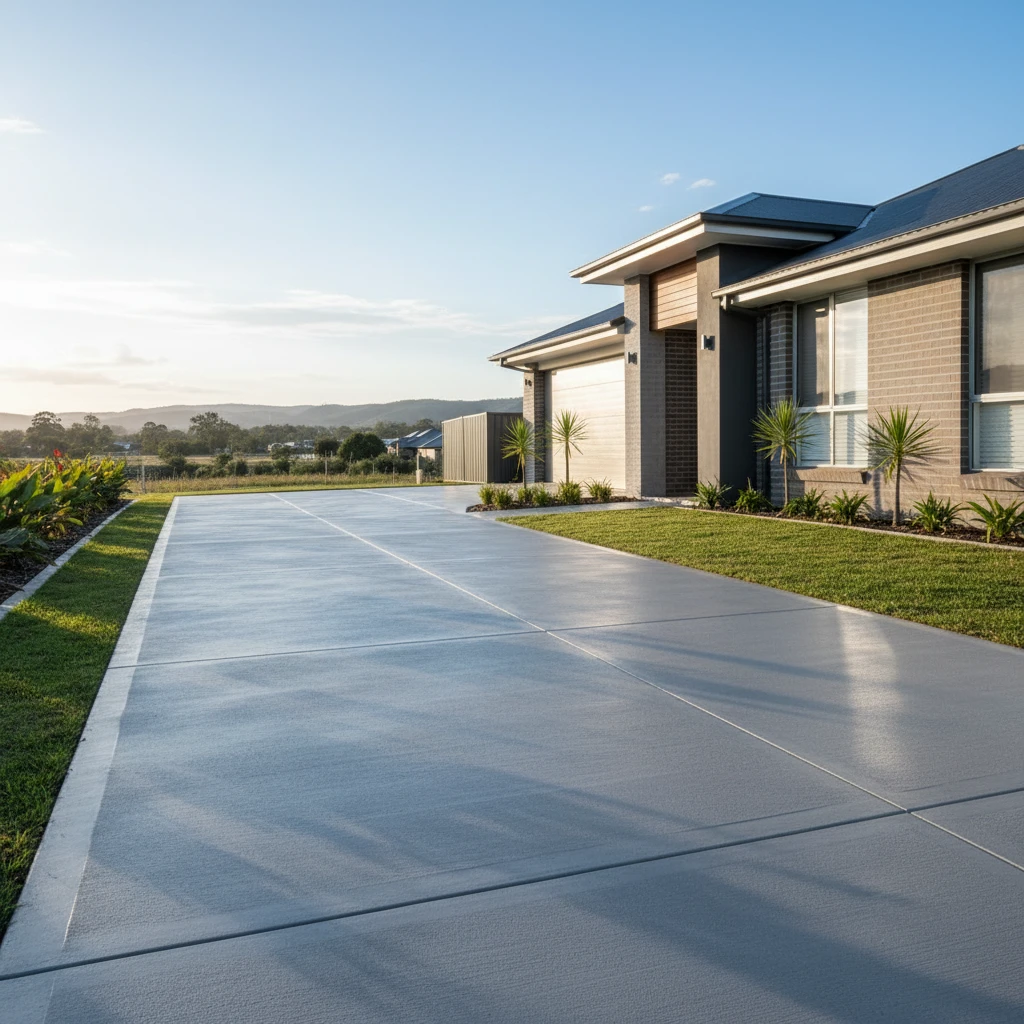
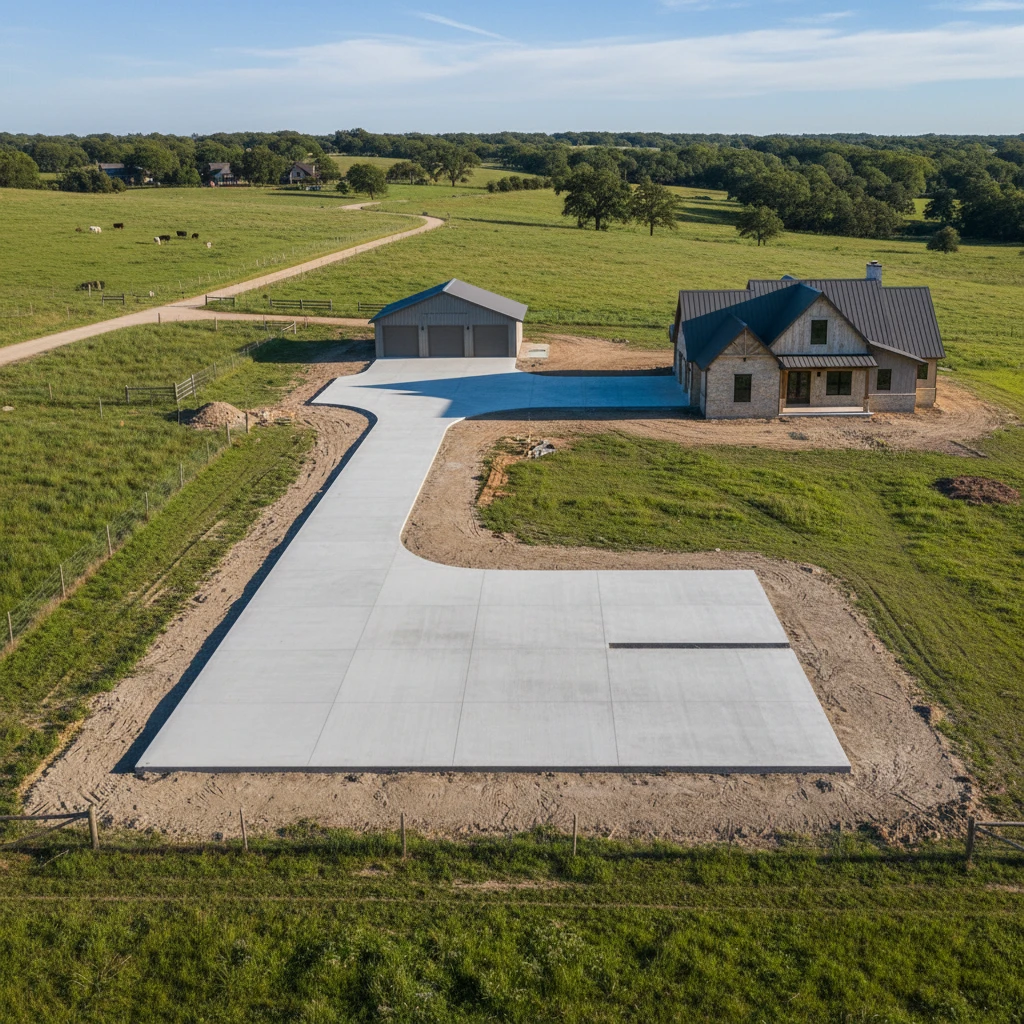
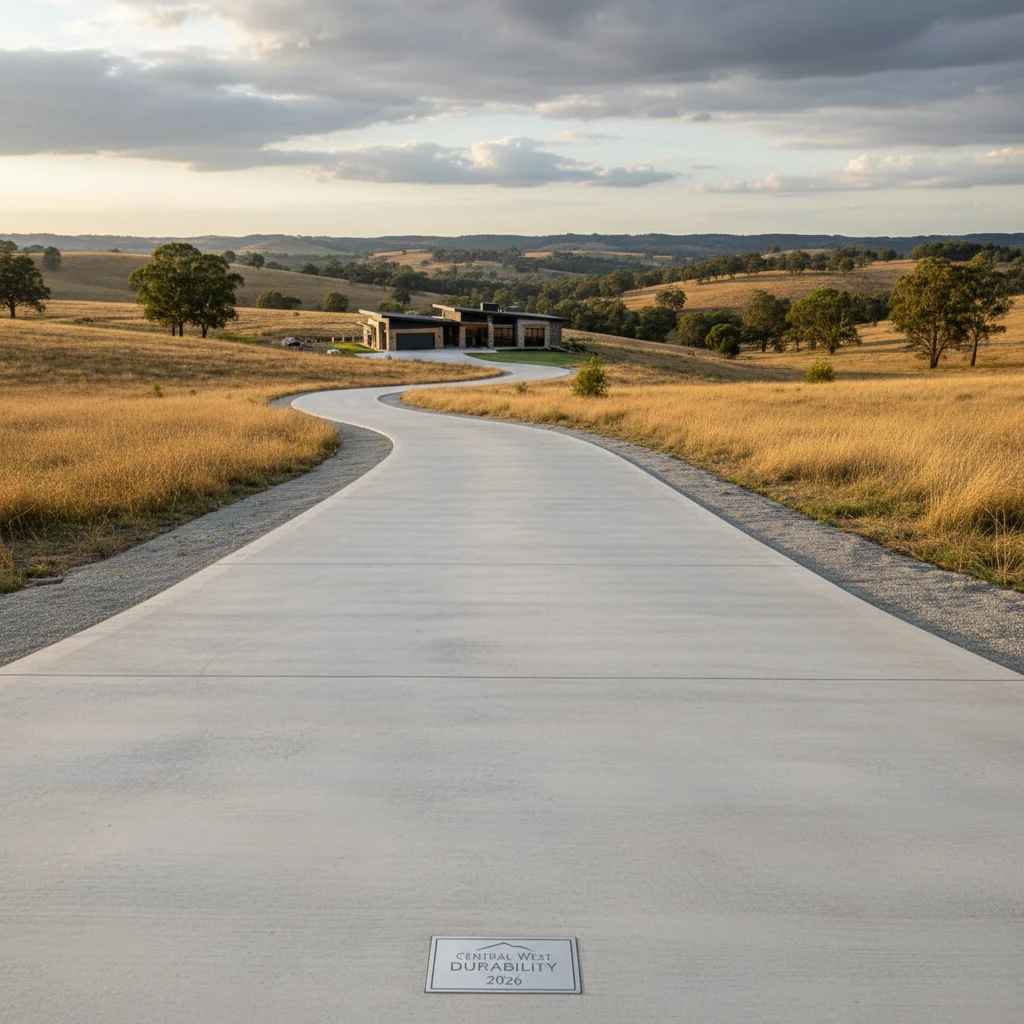
A well-designed concrete driveway and pathway not only provide practical access to your home but also significantly contribute to its kerb appeal. Consider replacing an old, cracked asphalt driveway with a durable concrete surface. Options include exposed aggregate for a decorative finish or coloured concrete to complement your home’s exterior. When planning your new driveway, factor in the expected traffic load and choose a concrete mix appropriate for heavy vehicles if needed. Proper base preparation is crucial for preventing future cracking and settling. Don’t underestimate the importance of drainage; ensure that water is directed away from your home’s foundation. See more information about concrete driveway solutions and their lasting value.
Shed Slabs and Patios: Expanding Your Living Space
Adding a concrete shed slab or patio