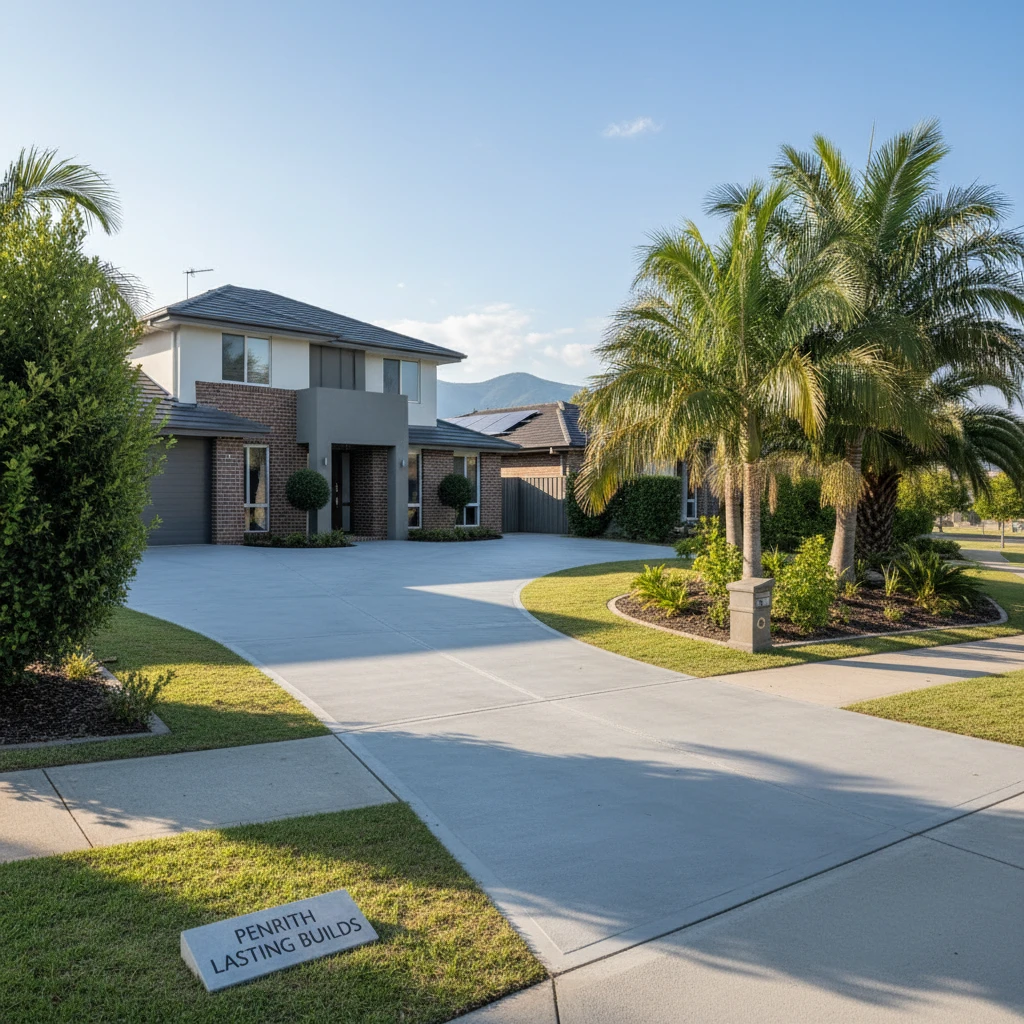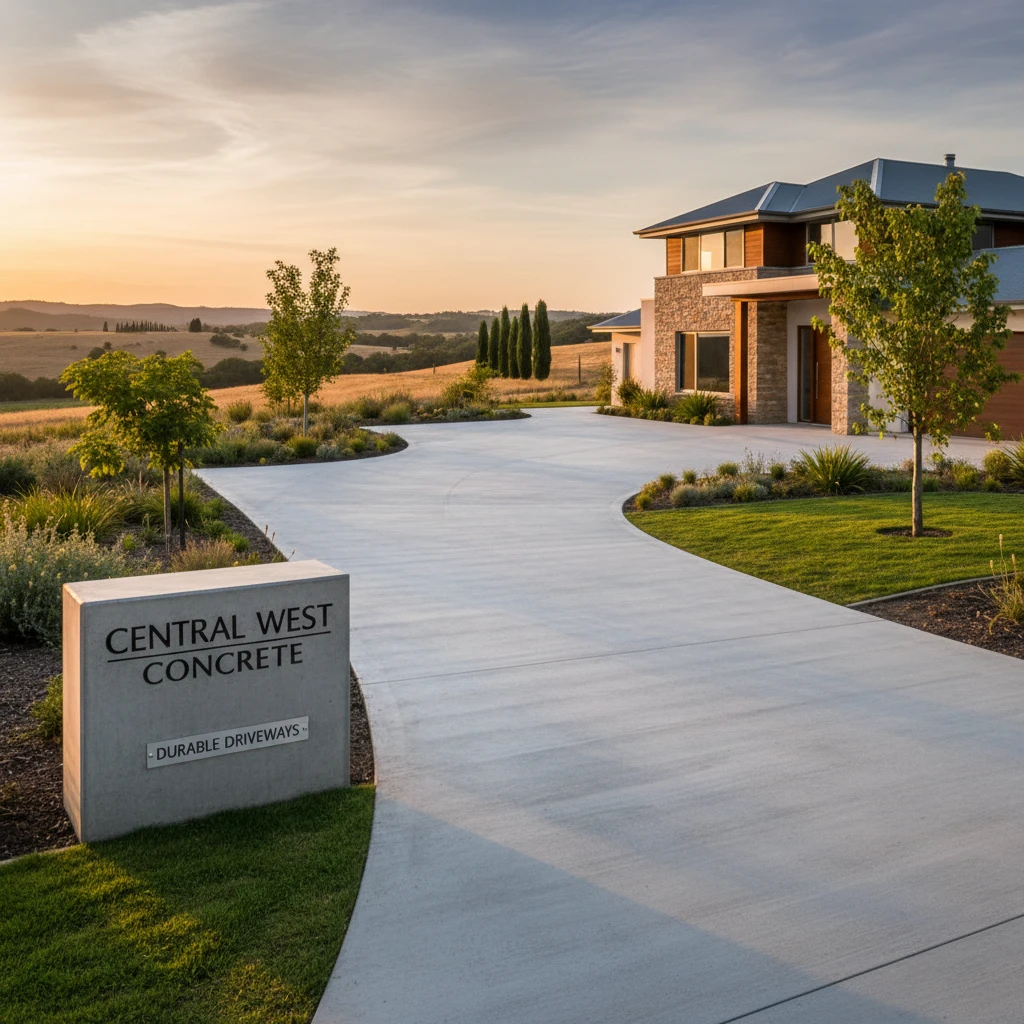
Investing in a new driveway is a significant decision for any homeowner. You want a solution that not only looks great but also stands the test of time. Concrete driveways offer an excellent balance of durability, aesthetic appeal, and low maintenance, making them a popular choice for properties across Penrith, the Blue Mountains, and the Central West.
This comprehensive guide explores the benefits of concrete driveways, the various types available, essential considerations before installation, and the importance of professional concreting. By understanding these factors, you can ensure a lasting investment that enhances your property’s value and functionality.
Why Choose Concrete for Your Penrith, Blue Mountains, or Central West Driveway?
Durability and Longevity in the Australian Climate
Concrete’s inherent strength and resistance to the elements make it ideal for the diverse Australian climate. From the hot summers of Penrith to the cooler, wetter conditions of the Blue Mountains, a properly installed concrete driveway can withstand extreme temperatures and heavy rainfall without significant degradation. Unlike asphalt, which can soften and crack in high heat, concrete maintains its structural integrity, offering a longer lifespan. With correct installation and proper care, a concrete driveway can last for 30 years or more. For example, a correctly installed, reinforced concrete driveway will hold up to heavy traffic for much longer than alternative materials. Furthermore, concrete is not susceptible to rot or insect infestation, common problems with timber driveways. Consider the long-term cost savings from reduced repairs and replacements when evaluating your driveway options. Choosing the right concrete mix, appropriate reinforcement and proper surface finishing will help to maximise lifespan.
Enhancing Kerb Appeal and Property Value
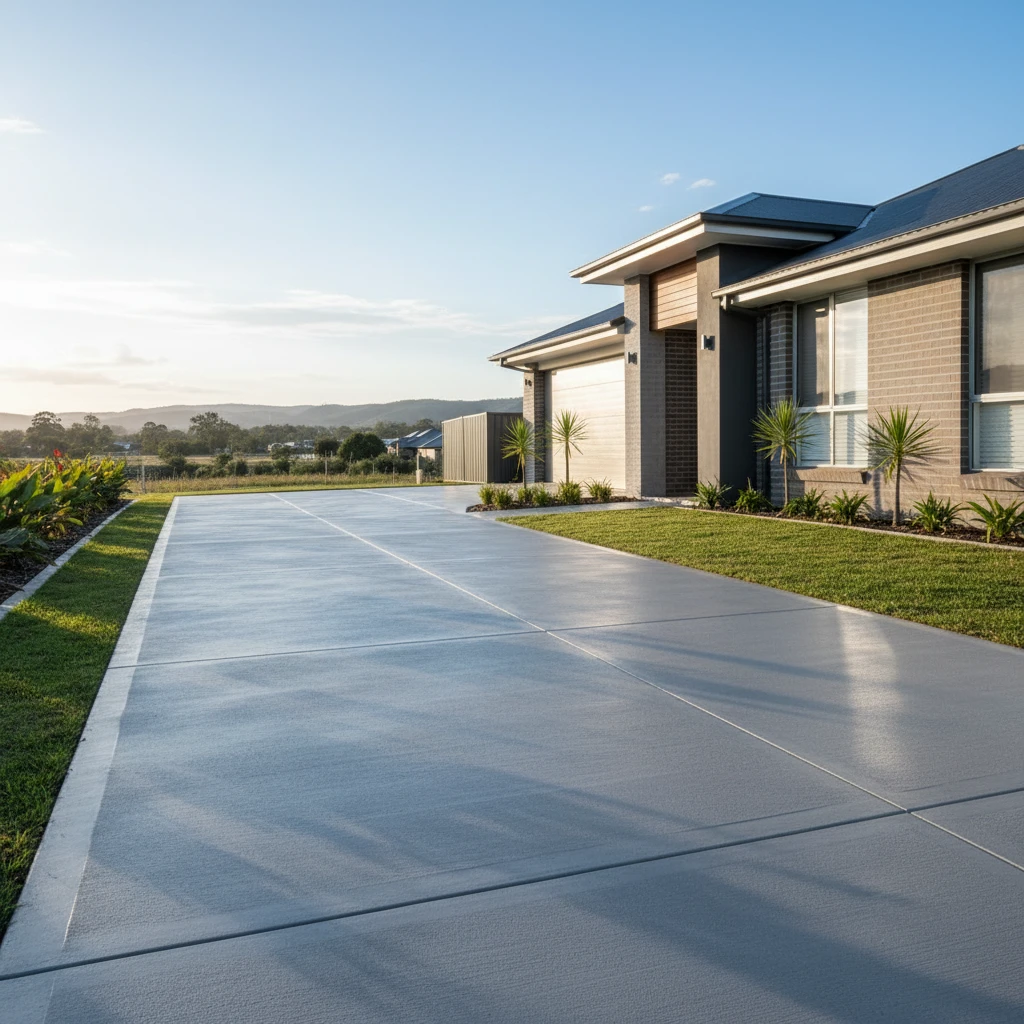
A well-designed and professionally installed concrete driveway significantly enhances your property’s kerb appeal, creating a positive first impression. Concrete offers a clean, modern look that complements various architectural styles. Moreover, options like exposed aggregate and coloured concrete allow you to customise the driveway’s appearance to match your home’s aesthetic. Real estate agents often cite driveway condition as a key factor influencing buyer perceptions. Example: A property in Glenbrook with a new exposed aggregate concrete driveway sold for $20,000 more than a comparable property with an old, cracked asphalt driveway, highlighting the return on investment potential. Investing in a high-quality concrete driveway is therefore not just about functionality; it’s about increasing your property’s market value and desirability. The impact is more pronounced than you might imagine, as a driveway is a very visible part of the property, especially from the street. According to RealEstate.com.au, kerb appeal can add up to 10% to your home’s value.
Low Maintenance Compared to Other Driveway Materials
Concrete driveways require minimal maintenance compared to alternatives like gravel or paving stones. Once sealed, concrete is resistant to stains, oil spills, and weed growth, reducing the need for frequent cleaning or repairs. Regular sweeping and occasional pressure washing are typically sufficient to keep your driveway looking its best. In contrast, gravel driveways require periodic replenishment and weed control, while paving stones may shift or settle over time, requiring re-levelling. While concrete sealing is recommended every few years to protect against water penetration and surface damage, the overall maintenance burden is significantly lower. Example: A homeowner in Katoomba saved an estimated 40 hours per year in maintenance time by switching from a gravel driveway to a sealed concrete driveway. This freed up time for other property improvements and leisure activities. Actionable step: Schedule a professional sealing service every 2-3 years to extend the life of your concrete driveway and maintain its appearance.
Understanding Different Types of Concrete Driveways
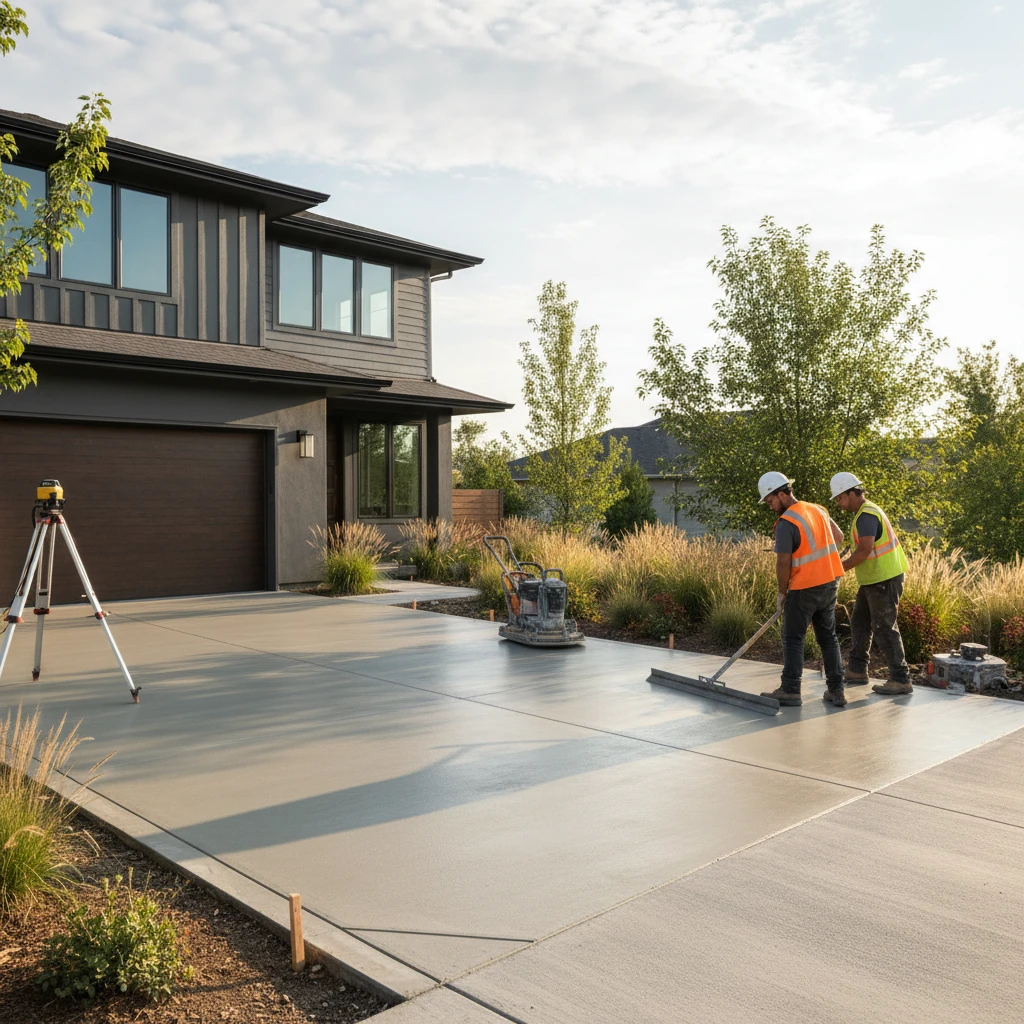
Plain Concrete: A Cost-Effective and Reliable Option
Plain concrete is the most straightforward and often most economical choice for driveways. It offers a smooth, uniform surface that is easy to clean and maintain. While it may lack the visual flair of other options, plain concrete provides a durable and reliable solution for everyday use. It’s a great fit for practical homeowners looking for a functional driveway without unnecessary embellishments. The simplicity also lends itself well to modern architectural styles. The key to a successful plain concrete driveway is proper preparation, mixing, and finishing. Without correct planning and execution, even plain concrete can be susceptible to issues such as cracking. Actionable step: Discuss reinforcement options with your concreter to enhance the strength and longevity of your plain concrete driveway. Remember that the “plain” aspect is the aesthetic, but you still want to ensure durability through expert installation, proper concrete mix, and adequate reinforcement. Be sure to ask your concrete contractor about the different levels of reinforcement that can be used.
Exposed Aggregate: Adding Texture and Visual Interest
Exposed aggregate concrete offers a unique and visually appealing alternative to plain concrete. This technique involves removing the top layer of cement paste to reveal the natural beauty of the stones and pebbles within the concrete mix. The result is a textured surface that adds character and slip resistance to your driveway. Exposed aggregate is available in a wide range of colours and sizes, allowing you to customise the look to complement your home’s design. The process involves careful timing and skill to ensure uniform aggregate exposure without compromising the concrete’s structural integrity. Example: A homeowner in Springwood chose exposed aggregate with river pebbles to create a driveway that blended seamlessly with the surrounding natural landscape. However, exposed aggregate is slightly more expensive than plain concrete due to the added labour and materials required. Also, consider that textured concrete can be a little harder to shovel snow or scrape ice from, so it’s something to keep in mind if you live in an area where winter weather is common.
Coloured Concrete: Customise Your Driveway’s Appearance
Coloured concrete allows you to completely customise your driveway’s appearance by adding pigments to the concrete mix. This opens up a vast array of design possibilities, enabling you to create a driveway that perfectly matches your home’s colour scheme and landscaping. From subtle earth tones to bold, vibrant hues, coloured concrete can transform your driveway into a stunning visual feature. However, it’s essential to choose high-quality pigments that are UV-resistant to prevent fading over time. Different pigment colours will have different reactions to the sun and weather over time. Poor quality pigments can lead to uneven discolouration and a less-than-desirable result. Furthermore, coloured concrete may require more frequent sealing to maintain its vibrancy. Example: A homeowner in Leura used coloured concrete to create a driveway that mirrored the sandstone facade of their historic home, achieving a cohesive and elegant look. Another consideration is the integration of color with other techniques, such as exposed aggregate. Colored concrete with exposed aggregate can be a beautiful, long-lasting option. Reputable suppliers like Adbri offer extensive colour ranges, and consulting their guides can help inform your decision. You can also explore examples of coloured concrete driveways online for inspiration.
Key Considerations Before Installation: Site Assessment and Preparation
Soil Testing and Ground Stability
Before any concrete is poured, a thorough site assessment is crucial to ensure the ground’s stability and suitability for supporting a driveway. Soil testing helps determine the soil’s composition, load-bearing capacity, and drainage characteristics. Unstable or expansive soils can cause concrete to crack or shift over time, compromising its structural integrity. In areas like the Blue Mountains, where soil conditions can vary significantly, soil testing is particularly important. If the soil is found to be unsuitable, remediation measures such as soil compaction or the addition of stabilizing materials may be necessary. Actionable step: Engage a geotechnical engineer to conduct soil testing and provide recommendations for site preparation. Failing to do so can lead to costly repairs down the line. This is especially true in areas with known clay soils, which can expand and contract with moisture changes, putting stress on the concrete slab.
Proper Drainage and Water Runoff
Adequate drainage is essential to prevent water from accumulating under the concrete slab, which can lead to erosion and cracking. The driveway should be designed with a slight slope to allow water to flow away from your home’s foundation and into designated drainage areas. Consider the existing landscape and drainage patterns to ensure that the new driveway does not disrupt the natural flow of water. In areas with heavy rainfall, such as parts of the Blue Mountains and Central West, installing drainage channels or permeable paving sections may be necessary to manage water runoff effectively. Ignoring drainage can lead to water pooling, which can freeze in winter, causing further damage to the concrete. Remember, preventing water from getting *under* the concrete is just as important as preventing water from pooling *on* the concrete. Actionable step: Discuss drainage solutions with your concreter and ensure that the driveway design incorporates adequate measures to manage water runoff. Ensuring that your driveway has sufficient drainage is vital for preventing premature deterioration.
Addressing Slopes and Difficult Terrain in the Blue Mountains
The steep slopes and challenging terrain of the Blue Mountains require specialised concreting techniques to ensure a stable and durable driveway. Proper excavation and grading are essential to create a level base for the concrete slab. Retaining walls may be necessary to support the driveway on steep slopes and prevent soil erosion. The design should also consider accessibility and safety, particularly in areas with limited space. Working on sloped sites often requires specialized equipment and expertise. For example, using a concrete pump can help transport concrete efficiently and safely to difficult-to-reach areas. Proper planning and execution are crucial to overcome the challenges posed by the Blue Mountains’ unique landscape. We specialise in Complex Concrete? Excavation Solutions 2026. Actionable step: Choose a concreter with experience working on sloped sites and a proven track record of delivering high-quality results in the Blue Mountains. Don’t take shortcuts; the long-term consequences of poor workmanship on a steep slope can be severe.
The Importance of Professional Concreting: Avoiding Costly Mistakes
Ensuring Correct Concrete Mix and Compaction
The concrete mix’s quality and composition directly impact the driveway’s strength and durability. Using the correct ratio of cement, sand, aggregate, and water is crucial to achieve the desired strength and workability. Proper compaction is also essential to remove air pockets and ensure a dense, uniform concrete slab. Insufficient compaction can lead to weakened areas and increased susceptibility to cracking. The correct mix will also vary depending on the intended use of the driveway. For example, a driveway designed for heavy vehicles will require a stronger mix than one used primarily for passenger cars. Professional concreters have the knowledge and experience to select the appropriate mix design and ensure proper compaction techniques are used. A poorly mixed or compacted concrete slab will likely fail prematurely, resulting in costly repairs or replacements. Actionable step: Ask your concreter about the specific mix design they will be using and their compaction methods. This knowledge will help you to evaluate their expertise and ensure that the job is done right. Furthermore, be sure that they use industry standard equipment to complete this work, rather than using smaller, less effective substitutes.
Proper Curing Techniques for Maximum Strength
Curing is the process of maintaining adequate moisture and temperature levels in the concrete during the initial hardening phase. Proper curing is essential to allow the concrete to achieve its full strength and durability. Insufficient curing can lead to surface cracking, reduced strength, and increased permeability. Curing methods include water curing (keeping the concrete surface wet), using curing compounds (spraying a sealant on the surface), and covering the concrete with plastic sheeting. The choice of curing method depends on the weather conditions and the type of concrete used. Professional concreters understand the importance of proper curing and will implement appropriate techniques to ensure optimal results. This is perhaps one of the most overlooked aspects of concrete installation, and yet it’s crucial for long-term performance. Neglecting the curing process can undo all the hard work that went into the mixing and pouring stages. Actionable step: Discuss the curing process with your concreter and ensure they have a plan in place to maintain adequate moisture levels in the concrete. Be sure that they have factored this into their planning, especially during the hotter summer months.
Preventing Cracking and Other Common Issues
Cracking is one of the most common problems with concrete driveways, but it can be minimised with proper design, installation, and maintenance. Control joints should be strategically placed to allow for expansion and contraction of the concrete slab without causing uncontrolled cracking. Using reinforced concrete with steel mesh or fibres can also significantly reduce the risk of cracking. Other common issues include surface scaling, spalling (chipping), and discolouration. These problems can be caused by factors such as improper mixing, poor curing, or exposure to de-icing salts. Professional concreters have the knowledge and experience to identify and address potential problems before they arise. They can also provide advice on how to maintain your driveway to prevent future issues. For example, sealing the driveway every few years can protect it from water penetration and surface damage. Ultimately, investing in professional concreting services is a smart way to ensure a durable and long-lasting driveway that adds value to your property. A well-maintained concrete driveway is a testament to quality workmanship and a wise investment. If you are in Penrith, consider Penrith Concrete Driveways: Built for the Long Haul.
Achieving the Perfect Finish: Finishing Techniques and Options
The final finish of your concrete driveway significantly impacts its appearance and functionality. Choosing the right technique ensures a durable and aesthetically pleasing surface that complements your home’s style. The selection should also consider slip resistance, especially in areas prone to wet weather. Poor finishing can lead to premature cracking, uneven surfaces, and unsightly blemishes. Professional concreters in the Blue Mountains Concrete area understand the unique challenges posed by the local climate and terrain, tailoring their techniques accordingly.
Broom Finish: A Traditional and Practical Choice
A broom finish is created by dragging a broom across the surface of freshly poured concrete. This creates a textured, non-slip surface, making it an ideal choice for driveways. The level of coarseness can be adjusted by using different broom types. A finer broom creates a less aggressive texture, while a stiffer broom offers a more pronounced grip. A common pitfall is inconsistent brushing, resulting in an uneven appearance. Ensure the contractor uses consistent pressure and overlaps each pass slightly. This is a cost-effective option, particularly suitable for large areas. The improved traction is especially beneficial in areas with frequent rainfall or steep inclines. For example, consider a driveway with a gradient; a broom finish drastically reduces the risk of slipping, especially for pedestrians.
Trowel Finish: Achieving a Smooth and Polished Look
A trowel finish results in a smooth, polished concrete surface. This is achieved by using a steel trowel to repeatedly smooth the concrete as it cures. While aesthetically pleasing, a trowel finish can be slippery when wet. To mitigate this, consider adding a non-slip additive to the concrete mix or applying a textured sealer. Achieving a truly smooth surface requires skill and experience. Imperfections, such as trowel marks or blisters, can be difficult to correct. A common mistake is over-trowelling, which can weaken the surface layer and increase the risk of cracking. A trowel finish is often chosen for modern homes where a sleek and minimalist aesthetic is desired. This technique, while aesthetically desirable, is not always the best choice for the varying climates found in Penrith.
Stamped Concrete: Replicating the Look of Natural Stone
Stamped concrete involves using patterned stamps to imprint designs onto the surface of freshly poured concrete, replicating the look of natural stone, brick, or tile. This allows for a wide range of aesthetic options without the high cost of natural materials. The key is proper preparation and execution. The concrete must be at the correct consistency for stamping, and the stamps must be applied evenly and with consistent pressure. A common pitfall is improper alignment of the stamps, resulting in a disjointed and unnatural appearance. Sealing stamped concrete is crucial to protect the colour and prevent staining. Choose a sealer specifically designed for stamped concrete. Consider choosing a pattern that complements the architectural style of your house. For instance, a cobblestone pattern might suit a traditional home, while a slate pattern could complement a more contemporary design.
Customisation Options: Personalising Your Concrete Driveway
Beyond the basic finish, several customisation options allow you to personalise your concrete driveway and enhance its visual appeal. These options range from decorative borders and patterns to integrated lighting and coloured concrete. Careful planning and execution are essential to achieve a cohesive and aesthetically pleasing result. Poorly chosen or executed customisation can detract from the overall appearance of your home and even reduce its value.
Adding Decorative Borders and Patterns
Decorative borders and patterns can add visual interest and define different areas of your driveway. Borders can be created using different colours of concrete, exposed aggregate, or even inlaid materials such as brick or stone. Patterns can be achieved through stamping, stencilling, or saw-cutting. The design should complement the style of your home and the surrounding landscape. Avoid overly complex or busy patterns that can overwhelm the space. For example, a simple brick border can add a touch of elegance to a plain concrete driveway. Saw-cut patterns can create the illusion of tiles or pavers. Always ensure that the decorative elements are properly sealed and maintained to prevent damage and discoloration. Consider the long-term maintenance requirements of any decorative elements you choose.
Integrating Lighting for Safety and Aesthetics
Integrating lighting into your concrete driveway can enhance both safety and aesthetics. Low-voltage LED lights can be embedded in the concrete to illuminate the driveway at night, improving visibility and preventing accidents. Uplighting can be used to highlight architectural features of your home or landscaping. Proper planning is essential to ensure that the lighting is installed correctly and safely. Consult with a qualified electrician to determine the best type of lighting and wiring for your needs. Consider the placement of the lights to avoid glare and ensure adequate illumination. Solar-powered lights are an environmentally friendly option, but they may not provide as much light as hard-wired fixtures. Think about the colour temperature of the lights; warmer tones are generally more inviting than cooler tones. Remember to protect all wiring from the elements. Integrating lighting will also enhance the value of Penrith concrete driveways.
Choosing the Right Colour to Complement Your Home
Concrete can be coloured using integral pigments or surface stains. Integral pigments are added to the concrete mix before pouring, resulting in a uniform and long-lasting colour. Surface stains are applied after the concrete has cured, allowing for more flexibility in colour selection. The colour of your driveway should complement the colour of your home and the surrounding landscape. Consider using a colour that blends in with the natural environment or that provides a subtle contrast to your home’s exterior. Avoid overly bright or trendy colours that may quickly become dated. Test a small sample of the colour on a scrap piece of concrete before applying it to the entire driveway. Sunlight and weather conditions can affect the appearance of the colour, so it’s important to see how it looks in different lighting conditions. Consider the impact of the colour on the overall temperature of the driveway; darker colours absorb more heat than lighter colours. A popular choice is to match the colour to existing brickwork or roofing tiles.
Concrete Driveway Maintenance: Protecting Your Investment for Years to Come
Proper maintenance is crucial to extending the life of your concrete driveway and preserving its appearance. Regular cleaning, sealing, and prompt repair of cracks and damage can prevent costly repairs down the road. Neglecting maintenance can lead to premature deterioration, staining, and structural problems.
Regular Cleaning and Sealing
Regular cleaning removes dirt, debris, and stains that can damage the surface of your concrete driveway. Use a broom or pressure washer to remove loose debris. For stubborn stains, use a mild detergent and a scrub brush. Avoid using harsh chemicals or abrasive cleaners that can damage the sealer. Sealing protects the concrete from water penetration, stains, and de-icing salts. Apply a sealer every one to two years, depending on the climate and traffic volume. Choose a sealer that is specifically designed for concrete driveways. Before sealing, make sure the surface is clean and dry. Follow the manufacturer’s instructions carefully when applying the sealer. A well-maintained concrete driveway improves the kerb appeal, especially on durable concrete driveways for Penrith homes.
Repairing Cracks and Damage Promptly
Cracks and damage should be repaired promptly to prevent them from worsening. Small cracks can be filled with a concrete crack filler. Larger cracks may require more extensive repairs, such as patching or resurfacing. Consult with a qualified concrete contractor to determine the best repair method for your specific situation. Ignoring cracks and damage can lead to water penetration, which can cause the concrete to crumble and deteriorate. Freezing and thawing cycles can exacerbate the damage. Repairing cracks promptly can save you money in the long run by preventing more costly repairs. Before applying any repair materials, make sure the area is clean and dry.
Avoiding the Use of De-icing Salts
De-icing salts can damage concrete by causing it to scale and crumble. If possible, avoid using de-icing salts on your concrete driveway. Instead, use sand or gravel to improve traction. If you must use de-icing salts, choose a product that is specifically designed for concrete. Apply the salts sparingly and avoid over-application. After the snow and ice have melted, rinse the driveway with water to remove any residual salts. Consider using a snow blower or shovel to remove snow and ice instead of relying on de-icing salts. Calcium chloride is generally considered to be less damaging to concrete than sodium chloride (rock salt), but it should still be used with caution. Proper preparation and sealing can help to protect your concrete driveway from the damaging effects of de-icing salts.
Cost Factors: Estimating the Price of Your Concrete Driveway Project
The cost of a concrete driveway project can vary widely depending on several factors, including the size of the driveway, the complexity of the design, the materials used, and the labour costs. Understanding these cost factors can help you estimate the price of your project and budget accordingly. Getting multiple quotes from different contractors is essential to ensure that you are getting a fair price. A failure to adequately budget for unforeseen site issues can cause significant problems.
Materials and Labour Costs
The cost of materials, including concrete, reinforcement, and sealer, can account for a significant portion of the overall project cost. The price of concrete can vary depending on the type of mix, the quantity required, and the distance from the concrete plant. Labour costs will depend on the size and complexity of the project, as well as the experience and skill of the contractor. Get a detailed breakdown of the materials and labour costs from each contractor you are considering. Ask about any potential price fluctuations in materials. Experienced contractors will factor in time for adequate curing, especially in the Blue Mountains Concrete region with its variable weather conditions. Choosing a cheaper contractor may result in lower quality materials or workmanship, which can lead to higher costs in the long run.
Site Preparation and Excavation Expenses
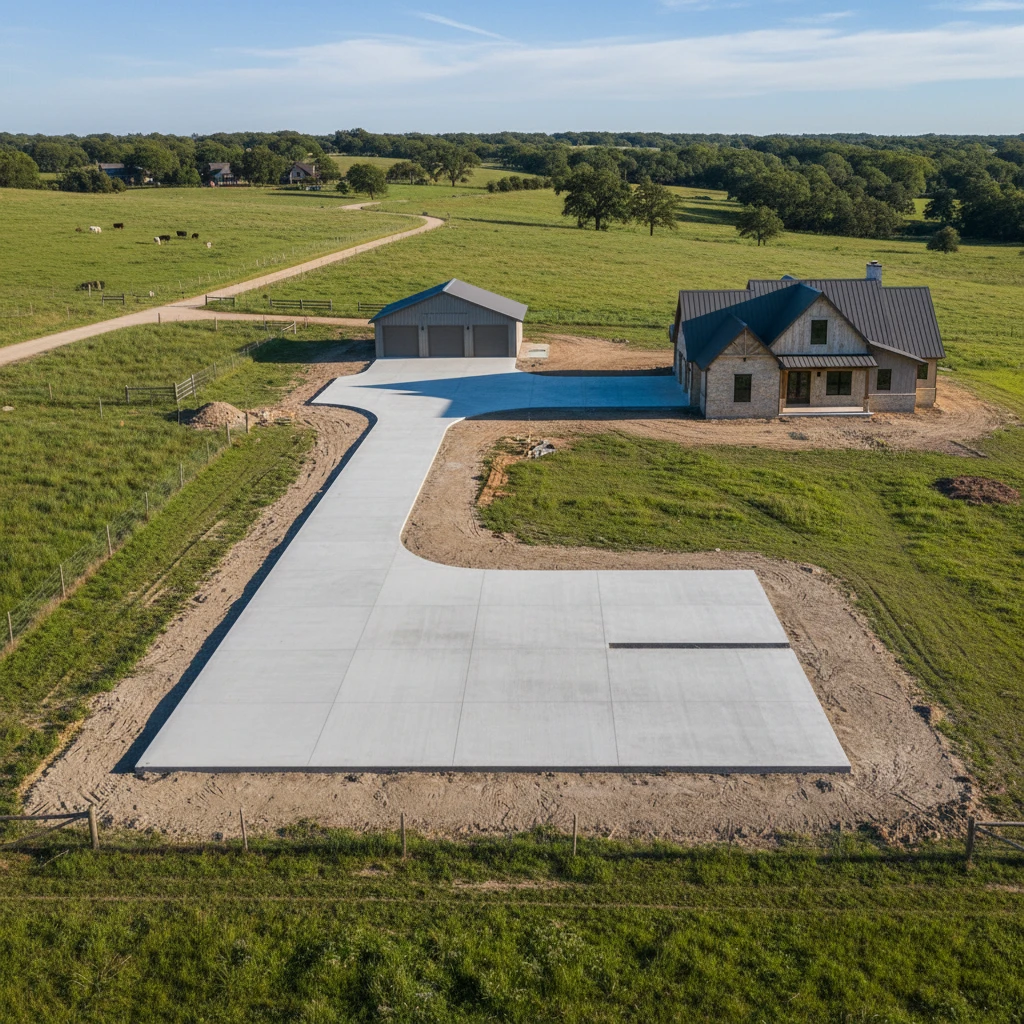
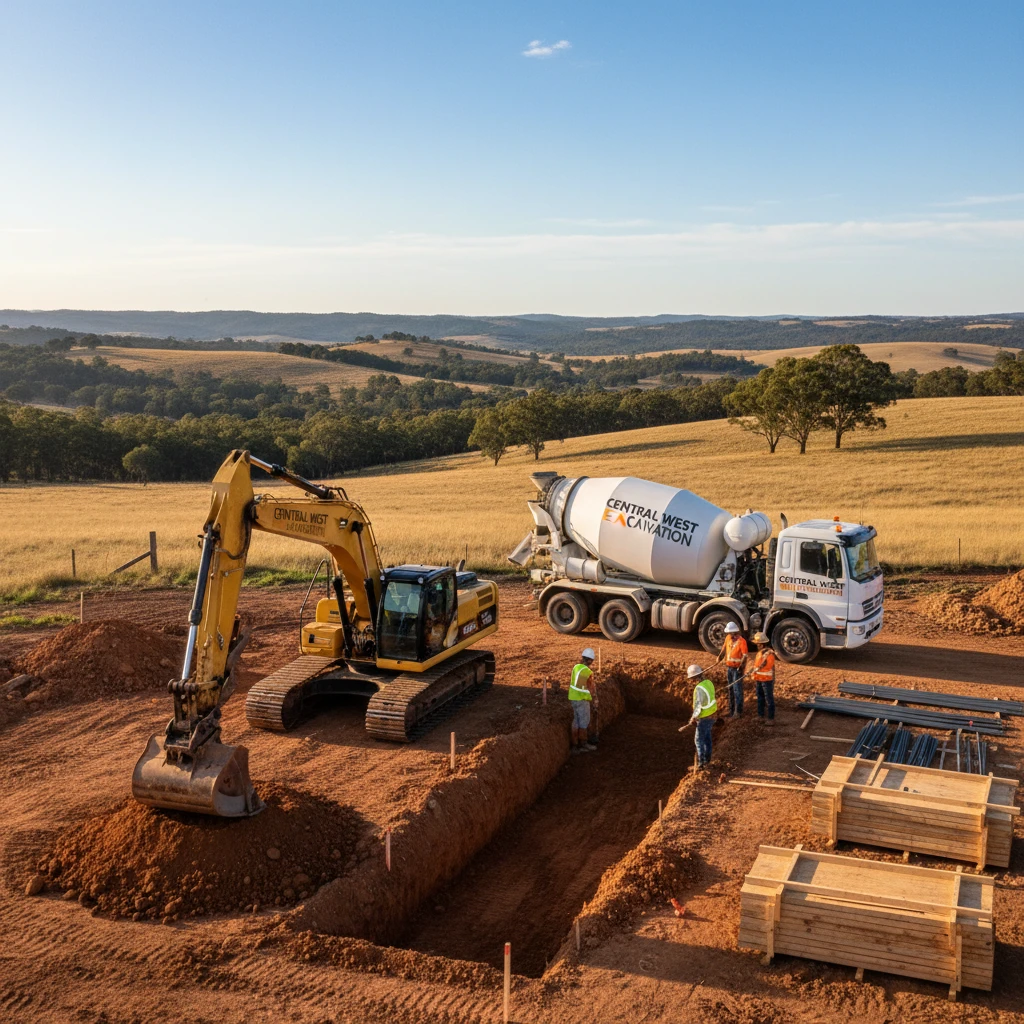
Site preparation and excavation can add significantly to the cost of a concrete driveway project. The amount of site preparation required will depend on the existing condition of the ground. If the ground is uneven or unstable, it may need to be excavated and compacted before pouring the concrete. Excavation costs will depend on the amount of soil that needs to be removed and the accessibility of the site. If the site is difficult to access, it may require the use of specialised equipment, which can increase the cost. Ensure that the contractor has experience with similar site conditions. For example, Complex Concrete? Excavation Solutions 2026 require expert experience and specialised knowledge. Failing to properly prepare the site can lead to cracking and other structural problems.
The Impact of Design Complexity and Customisation
The complexity of the design and the level of customisation can significantly impact the cost of a concrete driveway project. Simple, rectangular driveways are typically less expensive than more complex designs with curves, angles, or decorative elements. Customisation options, such as stamped concrete, coloured concrete, or integrated lighting, will also add to the cost. Get a detailed quote for each design option you are considering. Consider the long-term maintenance requirements of any custom features you choose. Be realistic about your budget and prioritise the features that are most important to you. For instance, opting for a simple broom finish instead of stamped concrete can save you a significant amount of money without sacrificing durability. More intricate designs may require more skilled labour and specialised equipment, increasing the overall cost.
Working with Laser Concrete: Expertise in Challenging Sites Across Penrith and the Central West
Our Commitment to Quality Workmanship and Lasting Results
At Laser Concrete, we understand that a concrete driveway is a significant investment, and we are committed to delivering exceptional results that stand the test of time. Our team of experienced concreters possesses the skills and knowledge to handle even the most demanding projects. We prioritise proper preparation, using high-quality materials, and employing meticulous construction techniques to ensure a durable and aesthetically pleasing finish. This commitment extends to every stage of the project, from initial consultation and design to excavation, formwork, concrete pouring, and curing. We don’t cut corners; we build driveways designed for longevity. Choosing the right concrete mix, reinforcement, and drainage solutions are all crucial for a driveway that lasts. For instance, understanding the soil type and local rainfall patterns is vital to prevent cracking and erosion. We always consider these factors when designing and installing your driveway, ensuring optimal performance and minimal maintenance over the years.
Experience with Sloped and Rocky Terrain
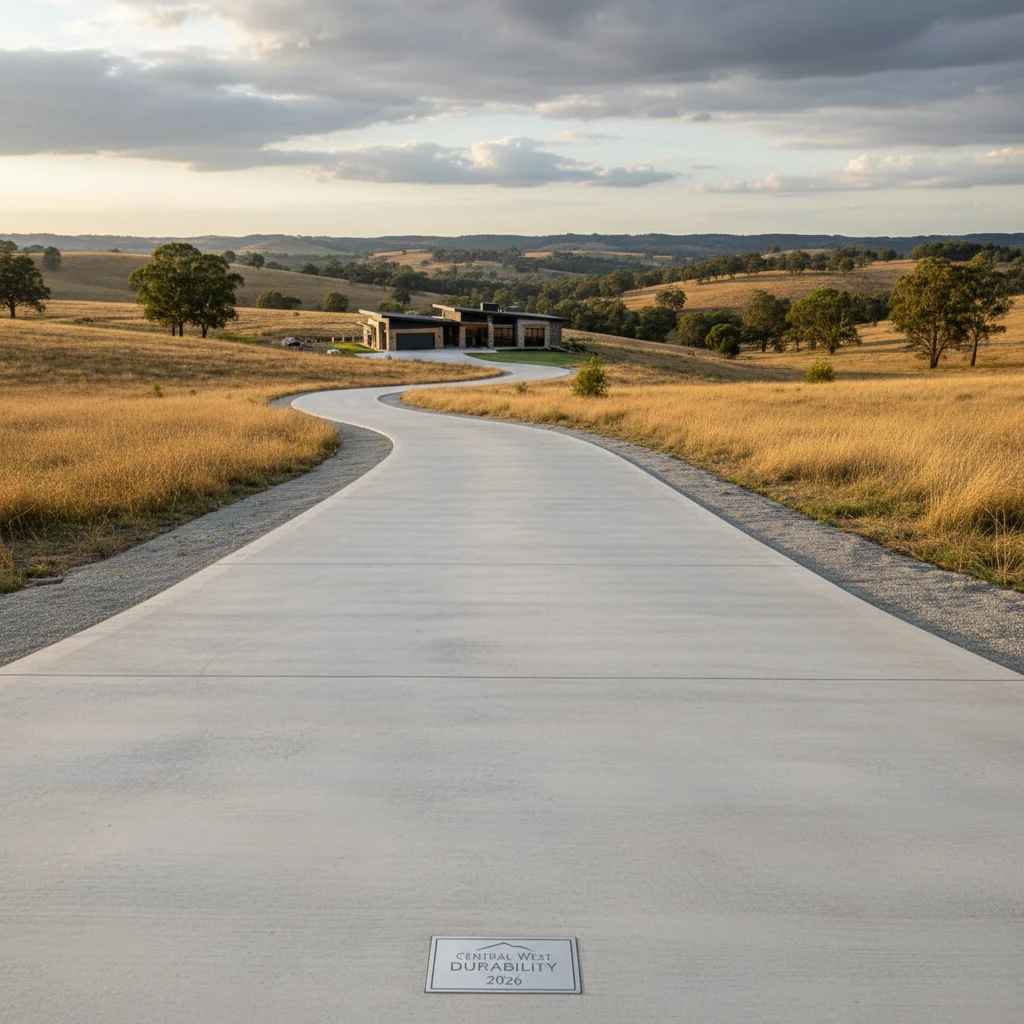
Many properties in Penrith and the Central West present unique challenges, such as steep slopes and rocky terrain. Laser Concrete has extensive experience in navigating these difficulties. We utilise specialised excavation and concreting techniques to create stable and functional driveways on even the most challenging sites. This often involves careful planning of drainage systems to manage water runoff and prevent erosion. Retaining walls may be necessary to stabilise slopes, and we have the expertise to design and construct these structures to meet all relevant engineering standards. When dealing with rocky ground, we employ appropriate excavation methods to remove obstacles and create a solid base for the driveway. Our experience in complex concrete excavation ensures a properly prepared foundation for lasting results. Example: A property in Glenbrook had a severely sloping driveway area with significant rock outcrops. Laser Concrete designed a stepped driveway with integrated drainage, incorporating retaining walls where needed to ensure stability and prevent water damage. The project, completed in 2025, resulted in a safe and aesthetically pleasing driveway that significantly enhanced the property’s value.
Reliable and Professional Service from Start to Finish
We pride ourselves on providing reliable and professional service from the initial consultation to the final inspection. We understand that clear communication and transparency are essential for a successful project. We’ll work closely with you to understand your specific needs and preferences, providing expert advice and guidance along the way. We offer detailed quotes with no hidden costs, and we adhere to strict timelines to ensure that your project is completed on time and within budget. Our team is fully licensed and insured, giving you peace of mind knowing that your project is in capable hands. We also ensure that all work complies with relevant building codes and regulations. Before any work begins, we thoroughly assess the site, discuss potential challenges, and clearly outline the project plan. Regular updates are provided throughout the process, and we are always available to answer any questions you may have. For truly tricky jobs, we suggest considering our Expert Excavation & Concreting Across Penrith services as well.
Concrete Driveway Regulations and Permits in the Local Area
Navigating local council regulations and obtaining the necessary permits can be a complex and time-consuming process. Laser Concrete has extensive experience working with councils across Penrith, the Blue Mountains, and the Central West, and we can assist you in ensuring that your project complies with all relevant requirements. Depending on the scope of your project, you may need to obtain permits for excavation, stormwater drainage, or driveway construction. Regulations vary between councils, so it is crucial to understand the specific requirements for your area. For example, the Penrith City Council may have different requirements than the Blue Mountains City Council. We can help you determine which permits are required and assist you in preparing and submitting the necessary documentation. We are familiar with setback requirements, allowable driveway widths, and other regulations that may affect your project. Furthermore, compliance with Australian Standards, specifically AS 2870-2011 “Residential Slabs and Footings,” is crucial for structural integrity. It is also worth checking the NSW Planning Portal (https://www.planningportal.nsw.gov.au/) for general planning information.
Investing in a Concrete Driveway: A Long-Term Value Proposition
While the initial cost of a concrete driveway may be higher than some other options, it is a worthwhile investment that offers significant long-term benefits. Concrete driveways are incredibly durable and require minimal maintenance compared to gravel or asphalt driveways. A properly installed concrete driveway can last for decades, providing a smooth and stable surface for vehicles and pedestrians. The increased kerb appeal also adds value to your property. When considering the cost, it’s important to factor in the lifecycle costs. Gravel driveways require regular grading and topping up, while asphalt driveways can crack and require sealing or resurfacing. Concrete, on the other hand, requires minimal upkeep, typically just occasional cleaning and sealing. This can save you significant money over the lifespan of the driveway. The strength of concrete also protects against damage from heavy vehicles and extreme weather conditions. Our durable concrete driveways for Penrith homes are built with quality and longevity in mind. Example: A homeowner in Katoomba replaced their failing asphalt driveway with a concrete driveway in 2024. Although the initial cost was $3,000 higher, they have already saved money on maintenance and repairs, and the driveway is expected to last at least 30 years, significantly increasing the property’s resale value.
Ultimately, choosing Laser Concrete means choosing a partner dedicated to delivering quality, durability, and professional service. We are committed to providing concrete driveway solutions that are not only functional and aesthetically pleasing but also represent a lasting investment for your property.
Working with Laser Concrete: Expertise in Challenging Sites Across Penrith and the Central West
Laser Concrete stands out due to our extensive experience working on diverse and challenging sites throughout Penrith and the Central West. We understand that not all properties are created equal, and many present unique obstacles to driveway construction. From steep slopes to rocky terrain, we have the knowledge and equipment to overcome these hurdles and deliver outstanding results.
Our Commitment to Quality Workmanship and Lasting Results
At Laser Concrete, quality is not just a buzzword – it is the foundation of everything we do. We are committed to using only the highest quality materials and employing proven construction techniques to ensure that your concrete driveway is built to last. Our team of skilled professionals takes pride in their workmanship, paying meticulous attention to detail at every stage of the project. We adhere strictly to industry best practices and relevant Australian Standards. This dedication to quality ensures that your driveway will withstand the test of time, providing you with a durable and attractive surface for years to come.
Experience with Sloped and Rocky Terrain
Many properties in Penrith and the Central West feature sloped or rocky terrain, which can pose significant challenges for driveway construction. We have extensive experience working on such sites and are equipped to handle any obstacle that may arise. Our team is skilled in site preparation techniques, including excavation, grading, and retaining wall construction, which are essential for creating a stable and level base for your driveway. We also have access to specialized equipment, such as excavators and rock breakers, that allow us to efficiently clear rocky terrain and prepare the site for concrete pouring. Our experience working with challenging terrains ensures that your driveway is not only functional but also aesthetically pleasing and seamlessly integrated into your landscape. We can offer solutions like stepped driveways, reinforced concrete, and effective drainage systems to manage water runoff and prevent erosion on sloped properties.
Reliable and Professional Service from Start to Finish
We understand that undertaking a construction project can be stressful. That’s why we are committed to providing reliable and professional service from start to finish. We will keep you informed every step of the way, answering your questions and addressing any concerns you may have. We pride ourselves on our clear communication, transparent pricing, and adherence to project timelines. Our team will arrive on time, work efficiently, and leave your property clean and tidy once the project is complete. We believe in building long-term relationships with our clients, and our goal is to exceed your expectations and earn your trust. Laser Concrete is fully licensed and insured, giving you peace of mind knowing that your project is in safe and capable hands. Contact us today to discuss your concrete driveway needs and experience the difference that our commitment to quality and professionalism can make.
Concrete Driveway Regulations and Permits in the Local Area
Navigating local regulations and obtaining the necessary permits can be a daunting task. We are well-versed in the specific concrete driveway regulations and permit requirements for Penrith City Council and surrounding councils in the Central West. We can assist you with the application process, ensuring that your driveway project complies with all relevant guidelines and standards. This includes understanding requirements related to driveway width, setbacks, stormwater drainage, and environmental considerations. By entrusting us with this aspect of the project, you can avoid potential delays and costly fines associated with non-compliance. We handle the paperwork and liaise with the relevant authorities on your behalf, allowing you to focus on other aspects of your project.
Investing in a Concrete Driveway: A Long-Term Value Proposition
While the initial investment in a concrete driveway may seem significant, it is a long-term investment that adds value to your property and provides numerous benefits over time. Concrete driveways are durable, low-maintenance, and can significantly enhance the curb appeal of your home. Unlike asphalt driveways, which require regular sealing and patching, concrete driveways require minimal upkeep. They are also resistant to cracking, crumbling, and fading, ensuring that they retain their attractive appearance for many years. A well-maintained concrete driveway can also increase the resale value of your property, making it a wise investment for the future. Furthermore, concrete driveways are environmentally friendly, as they are made from readily available materials and can be recycled at the end of their lifespan. By choosing a concrete driveway, you are making a sustainable choice that benefits both your property and the environment. Contact Laser Concrete to learn more about the long-term benefits of concrete driveways and how we can help you create a driveway that meets your needs and enhances the value of your home.