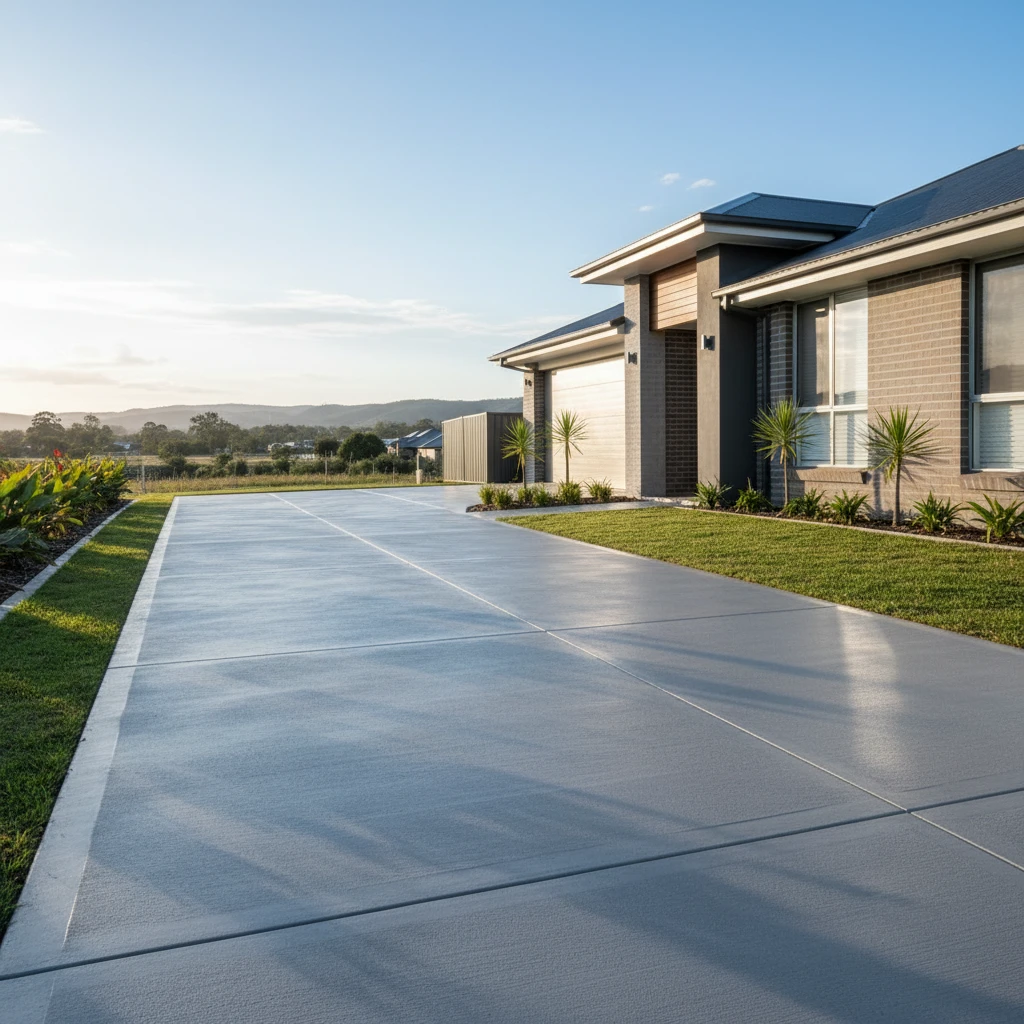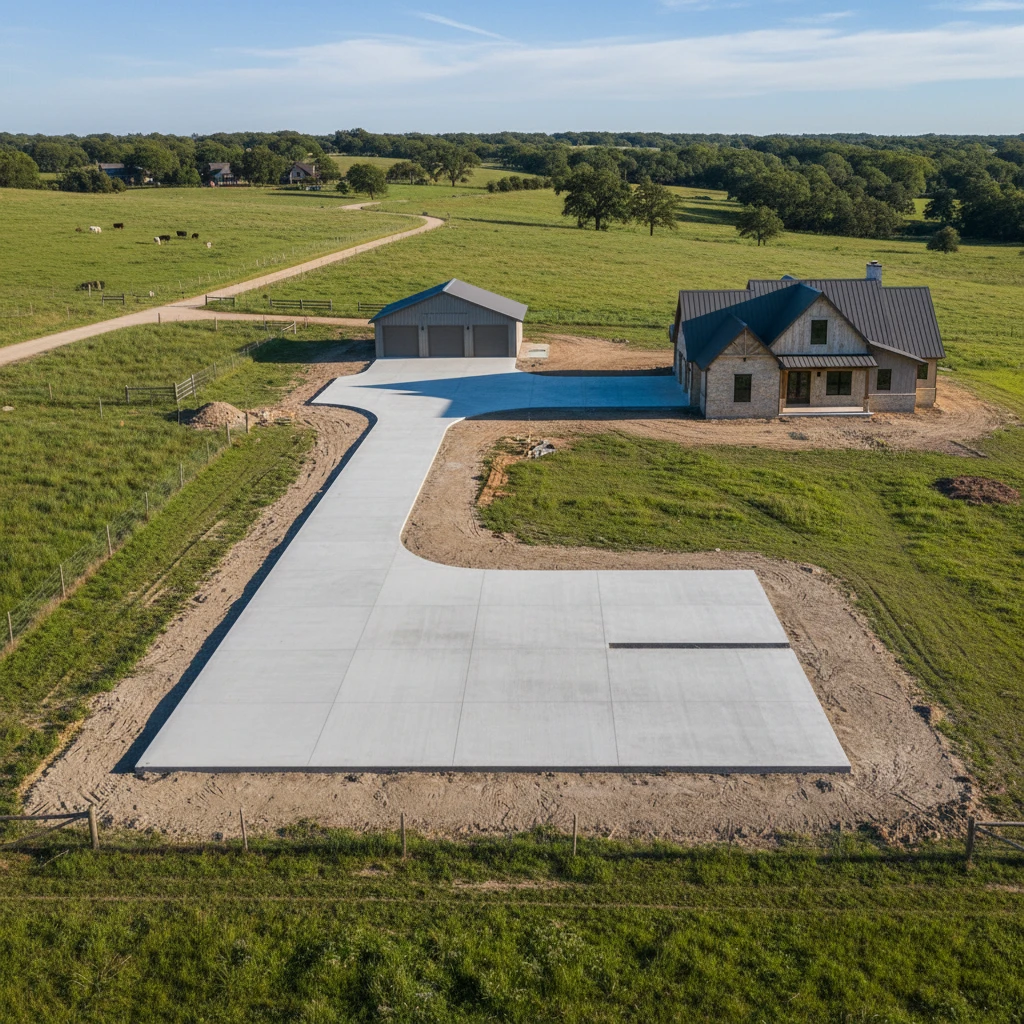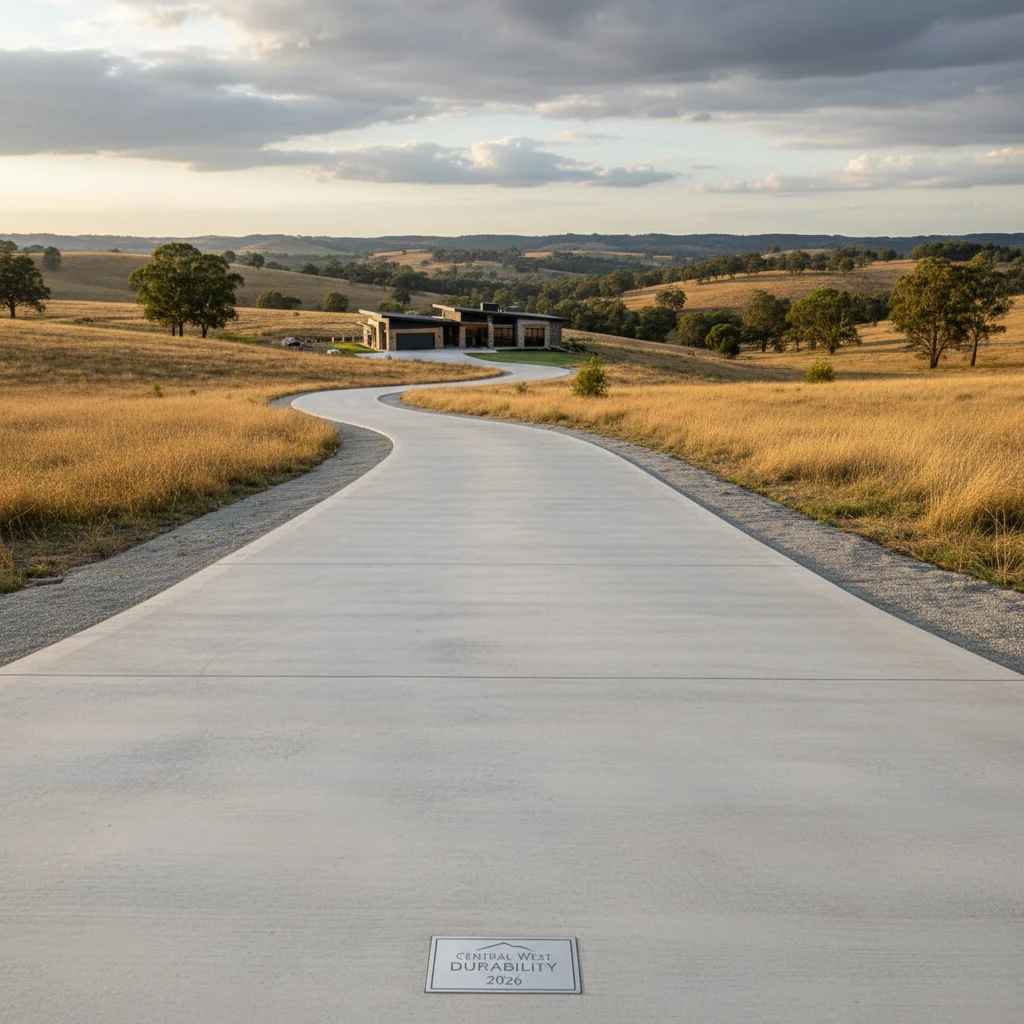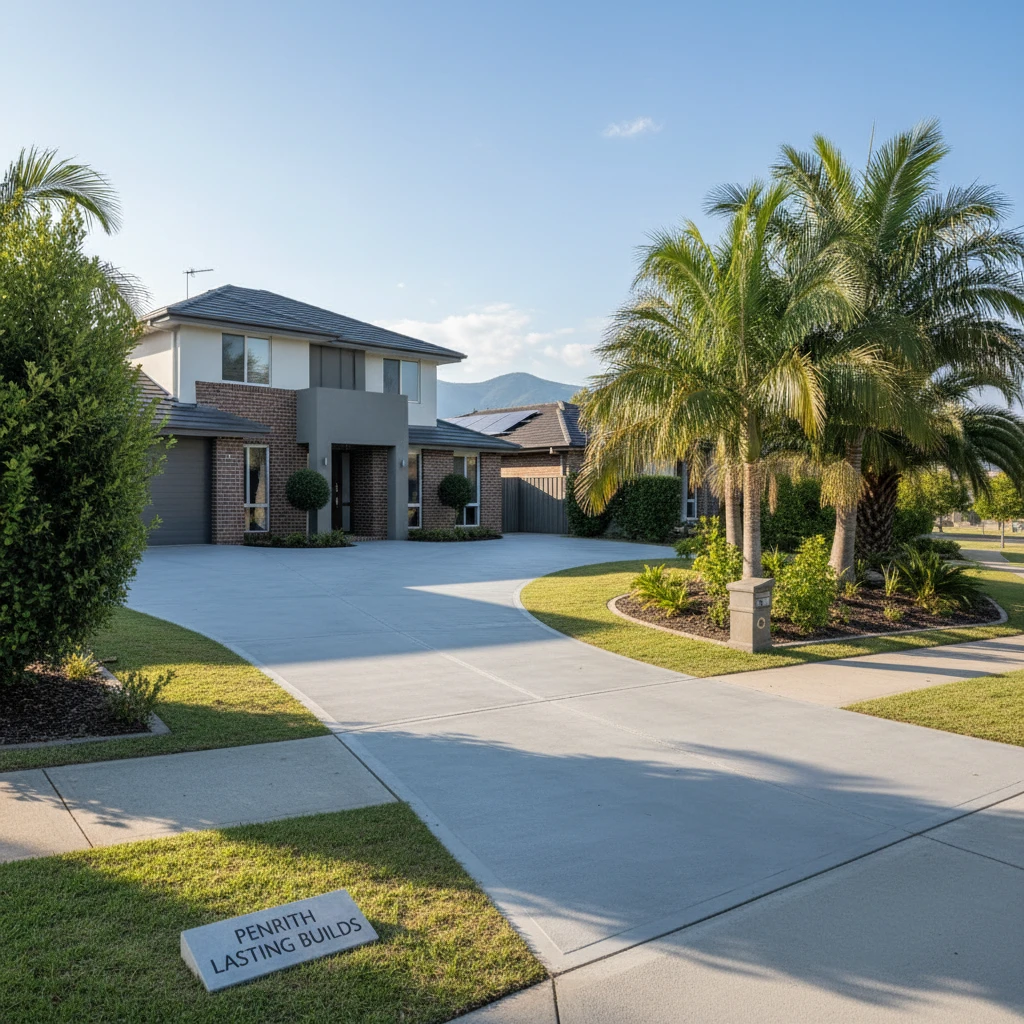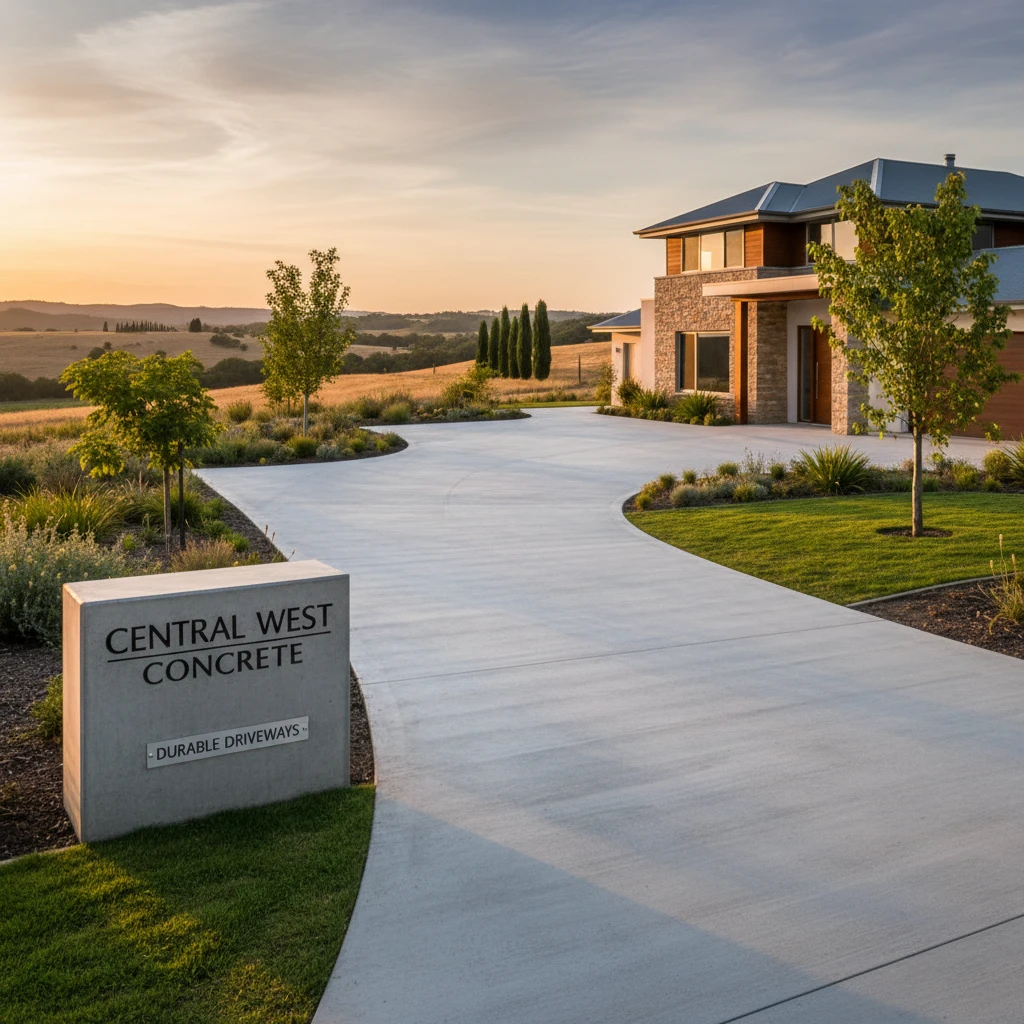
A driveway is more than just a place to park your car; it’s a critical element of your property’s curb appeal, functionality, and overall value. Over time, even the best concrete driveways can succumb to the wear and tear of daily use, weather exposure, and ground movement. Knowing when it’s time for a replacement and understanding the process involved is crucial for ensuring a lasting investment.
This guide will walk you through the signs that indicate a concrete driveway replacement is necessary, the benefits of choosing concrete for your new driveway in areas like the Blue Mountains and the Central West, and the key considerations for ensuring a durable and long-lasting result. From choosing the right concrete mix to understanding the installation process, we’ll provide the information you need to make informed decisions and ensure your new driveway stands the test of time. For residents in Penrith, you can also read more about Penrith Concrete Driveways: Built for the Long Haul.
Is Your Driveway Showing Its Age? Signs You Need a Replacement in Penrith
Recognising the signs that your concrete driveway is failing is the first step in preventing further damage and ensuring the safety of your property. While minor cracks and blemishes can often be repaired, more significant issues indicate that a full replacement is the most effective solution in the long run. Failing to address these problems can lead to decreased property value and potential safety hazards for you and your family. Prompt action is essential.
Cracking and Spalling: Understanding the damage
Cracking is perhaps the most obvious sign of a failing concrete driveway. While hairline cracks may be superficial, larger, wider cracks indicate a deeper problem with the foundation or the concrete mix itself. Spalling, the chipping or flaking away of the concrete surface, is another sign of significant damage, often caused by freeze-thaw cycles or the use of de-icing salts. In Penrith, where temperatures can fluctuate, spalling can worsen rapidly, compromising the structural integrity of the driveway. Ignoring these issues can lead to extensive deterioration, requiring a more costly and disruptive repair in the future. Address these problems quickly to minimize further damage. For more information, you can also refer to this resource on understanding concrete damage.
Extensive Weed Growth: A symptom of deeper problems
While a few weeds popping up in cracks might seem like a minor annoyance, extensive weed growth can be a sign of a more serious issue. Weeds exploit existing cracks and weaknesses in the concrete, further expanding them and weakening the overall structure. Their roots can penetrate deep into the foundation, causing significant damage over time. Moreover, excessive weed growth can indicate poor drainage, which can exacerbate moisture-related problems and accelerate the deterioration of the concrete. Regular removal and addressing the underlying causes are crucial to prevent further damage to your driveway. Ensuring proper drainage is key to preventing weed growth.
Uneven Surfaces and Poor Drainage: Safety and maintenance concerns
Uneven surfaces and poor drainage are not only unsightly but also pose significant safety hazards. Depressions or sunken areas can create tripping hazards, especially for elderly individuals or children. Poor drainage can lead to water pooling on the surface, creating slippery conditions and potentially contributing to the growth of mold and mildew. Furthermore, standing water can accelerate the deterioration of the concrete by seeping into cracks and expanding during freeze-thaw cycles. Addressing these issues promptly is essential to ensure the safety of your property and prevent further damage to your driveway. Regular inspections and timely repairs are key to maintaining a safe driveway.
Why Concrete Driveway Replacements Are a Smart Investment for Your Blue Mountains Property
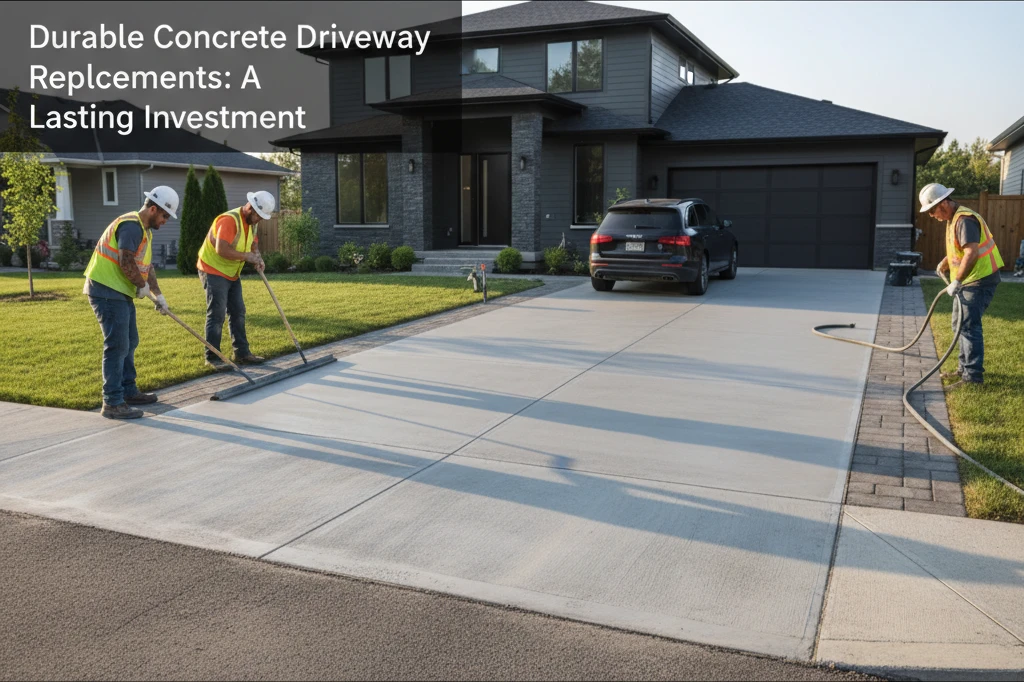
Replacing your concrete driveway is more than just a repair; it’s a strategic investment that can significantly enhance the value, functionality, and aesthetic appeal of your Blue Mountains property. A well-maintained driveway not only improves the curb appeal but also contributes to the overall safety and convenience of your home. Furthermore, choosing concrete for your replacement ensures durability and longevity, making it a cost-effective solution in the long run. For properties in the Blue Mountains, a robust driveway is critical given the often challenging terrain.
Boosting Kerb Appeal and Property Value
A new concrete driveway instantly enhances the kerb appeal of your property, creating a positive first impression for visitors and potential buyers. A well-maintained driveway can significantly increase the perceived value of your home, making it a worthwhile investment if you’re considering selling in the future. Potential buyers often view a damaged or neglected driveway as a sign of overall neglect, which can negatively impact their perception of the property. Investing in a new concrete driveway signals that the property has been well cared for and maintained, increasing its attractiveness and market value. This is particularly important in the competitive Blue Mountains property market.
Minimising Long-Term Maintenance Costs
While the initial cost of a concrete driveway replacement may seem significant, it’s important to consider the long-term savings in maintenance costs. Unlike asphalt or gravel driveways, concrete requires minimal upkeep and is resistant to cracking, rutting, and other forms of damage. With proper installation and sealing, a concrete driveway can last for decades with minimal maintenance. This translates to fewer repairs, less frequent resealing, and lower overall costs over the lifespan of the driveway. Furthermore, concrete is a durable material that can withstand heavy traffic and harsh weather conditions, making it a cost-effective choice for your property.
Enhancing Safety and Functionality
A new concrete driveway significantly enhances the safety and functionality of your property. A smooth, even surface eliminates tripping hazards and provides a safe and convenient place to park your vehicles. Proper drainage ensures that water is effectively diverted away from your home’s foundation, preventing water damage and potential structural problems. Furthermore, a well-designed driveway can improve access to your property, making it easier to park and maneuver vehicles. By investing in a new concrete driveway, you can create a safer, more functional, and more enjoyable living environment for you and your family. A functional driveway is a key selling point for any property.
Choosing the Right Concrete Mix for a Durable Driveway in the Central West
Selecting the appropriate concrete mix is paramount to ensuring the longevity and durability of your new driveway, especially in the diverse climate of the Central West. Factors such as temperature fluctuations, soil conditions, and the anticipated load on the driveway all play a role in determining the ideal concrete mix for your specific needs. A substandard mix can lead to premature cracking, spalling, and other forms of damage, resulting in costly repairs down the road. Consulting with a concrete professional is essential to ensure that you choose the right mix for your project. The correct concrete mix is an investment in the future of your driveway.
Understanding Concrete Grades and PSI Ratings
Concrete is graded based on its compressive strength, measured in pounds per square inch (PSI). The higher the PSI rating, the stronger the concrete and the better it’s able to withstand heavy loads and harsh weather conditions. For residential driveways, a minimum PSI rating of 4,000 is generally recommended, but in areas with frequent freezing and thawing, a higher rating of 4,500 or even 5,000 PSI may be necessary. Understanding these ratings is crucial for selecting a concrete mix that will provide adequate strength and durability for your driveway. It’s also important to consider the type of aggregate used in the mix, as this can also affect its strength and durability. It’s important to choose a concrete grade suitable for your driveway needs.
Factors Influencing Concrete Durability: Climate, soil type, and usage
Several factors can influence the durability of your concrete driveway, including the local climate, the type of soil, and the anticipated usage. In areas with frequent freezing and thawing, it’s important to choose a concrete mix that is resistant to freeze-thaw damage. The type of soil can also affect the durability of the driveway, as expansive soils can cause the concrete to crack and heave. Furthermore, the anticipated usage of the driveway, such as the weight of the vehicles that will be parked on it, should also be considered when selecting a concrete mix. Consulting with a concrete professional is essential to assess these factors and choose a mix that is appropriate for your specific needs and conditions. Consider these factors when choosing your concrete mix.
The Importance of Proper Curing
Proper curing is essential for achieving the full strength and durability of your concrete driveway. Curing involves keeping the concrete moist for several days after it’s poured, allowing it to hydrate properly and reach its maximum strength. Improper curing can lead to premature cracking, spalling, and other forms of damage. There are several methods of curing concrete, including spraying it with water, covering it with plastic sheeting, or applying a curing compound. The best method will depend on the specific conditions and the type of concrete used. Following proper curing procedures is critical for ensuring the long-term durability of your concrete driveway. For more in-depth guidance, resources like the Portland Cement Association offer valuable insights into best practices. Ensuring correct concrete curing will prolong the life of your driveway.
The Concrete Driveway Replacement Process: From Demolition to Finishing
Replacing a concrete driveway is a multi-stage process that requires careful planning, skilled execution, and attention to detail. From demolishing the old driveway to pouring and finishing the new concrete, each step is crucial for ensuring a durable and long-lasting result. Understanding the process involved can help you make informed decisions and ensure that your project is completed to your satisfaction. A skilled team can ensure a high-quality result. For Expert Excavation & Concreting Across Penrith, contact our team for a consultation.
Site Preparation and Excavation: Ensuring a solid foundation
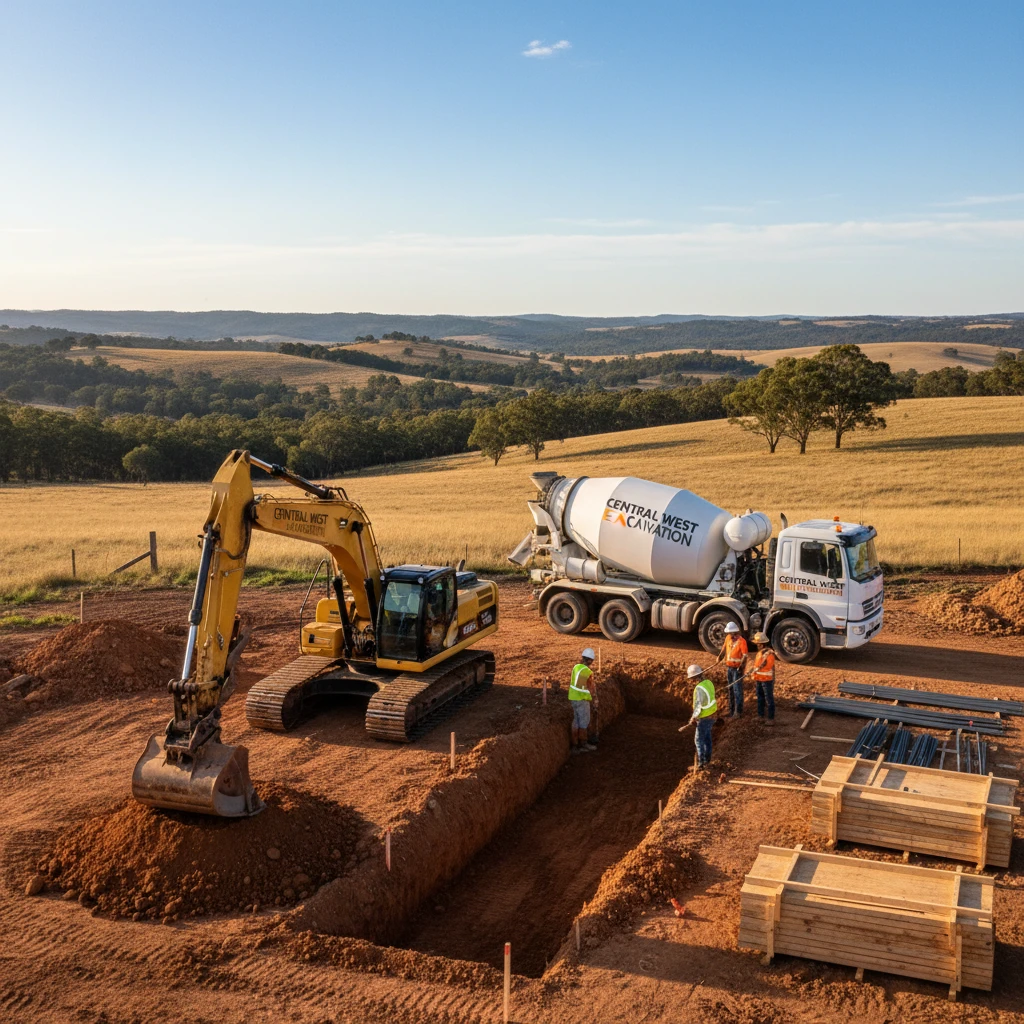
The first step in the concrete driveway replacement process is site preparation and excavation. This involves removing the old driveway, clearing any debris, and grading the area to ensure proper drainage. It’s essential to excavate deep enough to provide a solid foundation for the new concrete. The depth of excavation will depend on the type of soil and the anticipated load on the driveway. In areas with expansive soils, it may be necessary to install a layer of gravel or other base material to prevent cracking and heaving. Proper site preparation is crucial for ensuring the long-term stability and durability of your new driveway. This step sets the stage for a successful project.
Formwork and Reinforcement: Laying the groundwork for strength
Once the site has been properly prepared, the next step is to install the formwork and reinforcement. Formwork consists of wooden or metal frames that define the shape and dimensions of the new driveway. Reinforcement, typically steel rebar or wire mesh, is placed within the formwork to provide additional strength and prevent cracking. The type and amount of reinforcement will depend on the thickness of the concrete and the anticipated load on the driveway. Proper formwork and reinforcement are essential for ensuring that the concrete is properly supported and that it can withstand the stresses of daily use. Ensure the correct reinforcement for a durable result. You can learn more about concrete reinforcement from organizations like the Concrete Reinforcing Steel Institute (CRSI).
Pouring and Finishing: Achieving a smooth and lasting surface
The final step in the concrete driveway replacement process is pouring and finishing the concrete. The concrete is carefully poured into the formwork and then spread and levelled using a variety of tools. Once the concrete has been levelled, it’s finished to create a smooth, even surface. There are several different finishing techniques that can be used, including broom finishing, trowel finishing, and exposed aggregate finishing. The choice of finishing technique will depend on the desired aesthetic and the specific requirements of the project. Proper pouring and finishing are essential for achieving a durable and aesthetically pleasing concrete driveway. Skilled tradespeople are vital at this stage.
Addressing Challenging Terrain: Concrete Solutions for Sloped or Rocky Driveways
Many properties in Penrith, the Blue Mountains, and the Central West present unique challenges due to sloping blocks and rocky terrain. These conditions necessitate specialised concrete driveway solutions that go beyond standard installations. Failure to address these challenges correctly can lead to premature cracking, shifting, and costly repairs down the line. A thorough site assessment is the first crucial step. This involves evaluating the soil type, existing drainage patterns, and the degree of slope to determine the most appropriate construction methods.
Terracing and Retaining Walls: Managing elevation changes
On steeply sloped driveways, terracing can create level sections, making the driveway safer and easier to navigate. Retaining walls are essential for supporting these terraces and preventing soil erosion. They must be properly engineered to withstand the lateral pressure of the soil. Consider the aesthetic integration of retaining walls into the overall landscape design. For example, sandstone block walls can complement the natural beauty of the Blue Mountains, while rendered concrete walls offer a modern look for properties closer to Penrith. A common pitfall is underestimating the size and strength of the retaining wall needed, which can lead to structural failure. For significant elevation changes, consult with a structural engineer to ensure the design is adequate. Actionable step: Obtain soil testing to determine the soil’s load-bearing capacity before designing retaining walls.
Reinforced Concrete: Adding strength and stability on uneven ground
Reinforcing concrete with steel mesh or rebar is crucial on unstable or uneven ground. The reinforcement distributes the load and prevents cracking caused by ground movement. The type and amount of reinforcement needed will depend on the soil conditions and the anticipated load on the driveway. Fibre-reinforced concrete is another option that can enhance the concrete’s resistance to cracking. When pouring concrete on rocky terrain, ensure that any large rocks are either removed or adequately covered with a layer of compacted fill to prevent them from puncturing the concrete slab over time. Example: A homeowner in Leura experienced significant cracking in their driveway within two years of installation because the contractor didn’t adequately reinforce the concrete over an area with underlying rock. Cost of repairs was $8,000. Consider increasing the thickness of the concrete slab in areas prone to high stress or heavy traffic. Actionable step: Specify the concrete’s strength (e.g., 32 MPa) and the type and spacing of reinforcement in your contract.
Proper Drainage Solutions: Preventing water damage and erosion
Effective drainage is paramount to the longevity of any concrete driveway, especially in areas with high rainfall or sloping terrain. Water runoff can erode the base material under the concrete, leading to instability and cracking. Installing drainage channels, such as strip drains or grated drains, along the sides of the driveway can effectively divert water away from the surface. Consider the placement of downpipes and ensure they discharge water away from the driveway. A common mistake is neglecting the slope of the driveway, which should be slightly angled to allow water to drain off naturally. Proper compaction of the base material is also crucial for preventing water from pooling underneath the concrete. Actionable step: Ensure your contractor includes a detailed drainage plan in their quote, specifying the type and location of drainage features.
Decorative Concrete Options for a Customised Driveway Look
Beyond functionality, a concrete driveway can significantly enhance your property’s kerb appeal. Decorative concrete offers a wide range of options for customising the look of your driveway, from adding texture and colour to mimicking the appearance of more expensive materials like brick or stone. When selecting a decorative finish, consider the overall style of your home and the surrounding landscape. A well-chosen decorative finish can complement your property and increase its value.
Exposed Aggregate: Adding texture and visual interest
Exposed aggregate concrete involves removing the top layer of cement paste to reveal the decorative aggregate beneath. This creates a textured surface that is both visually appealing and slip-resistant. The type of aggregate used can be varied to achieve different looks, from small pebbles to larger stones. Exposed aggregate is a durable and low-maintenance option that is well-suited for driveways. A potential downside is that the textured surface can be slightly more difficult to clean than smooth concrete. Consider sealing the exposed aggregate to protect it from staining and to enhance its colour. Example: A property owner in Katoomba chose exposed aggregate with locally sourced blue metal gravel to create a driveway that blends seamlessly with the natural surroundings. Actionable step: Request samples of different aggregate types and colours to visualise how they will look on your driveway.
Coloured Concrete: Enhancing your property’s aesthetic
Adding colour to concrete can dramatically transform the look of your driveway. Pigments are mixed into the concrete before it is poured, creating a consistent and long-lasting colour. A wide range of colours are available, from subtle earth tones to bold contemporary hues. When choosing a colour, consider the style of your home and the surrounding landscape. Lighter colours can help to brighten up a dark area, while darker colours can add a touch of sophistication. Be aware that some colours may fade slightly over time due to exposure to sunlight. Sealing the concrete can help to protect the colour and prevent fading. Actionable step: Ask your contractor about the different colour options available and request samples to see how they look in natural light.
Stamped Concrete: Mimicking the look of brick or stone
Stamped concrete allows you to replicate the look of more expensive materials like brick, stone, or slate at a fraction of the cost. Patterns are imprinted into the concrete while it is still wet, creating a realistic texture and appearance. Stamped concrete is a versatile option that can be customised to match a wide range of architectural styles. It’s crucial to choose a pattern that is appropriate for a driveway, as some patterns may be too delicate or slippery. Proper sealing is essential to protect the stamped concrete from wear and tear and to enhance its colour. Actionable step: Research different stamp patterns and choose one that complements your home’s style and is suitable for driveway use.
Essential Considerations Before Hiring a Concrete Contractor in Penrith, Blue Mountains & Central West
Choosing the right concrete contractor is crucial for ensuring a successful and long-lasting driveway replacement. Not all contractors are created equal, and it’s essential to do your research and select a reputable and experienced professional. A well-qualified contractor will have the knowledge and expertise to handle the specific challenges of your project, from site preparation to concrete placement and finishing. Selecting a reliable contractor can save you money and headaches in the long run.
Checking Licences and Insurance: Protecting your investment
Before hiring any contractor, it’s essential to verify that they are properly licensed and insured. A valid contractor’s licence demonstrates that the contractor has met the required qualifications and has the necessary skills to perform the work. Insurance protects you from liability in case of accidents or damage that may occur during the project. Public liability insurance covers damage to property or injury to third parties, while workers’ compensation insurance covers injuries to the contractor’s employees. Failing to check licences and insurance can leave you vulnerable to financial loss and legal complications. You can verify a contractor’s licence through the NSW Fair Trading website. Actionable step: Request copies of the contractor’s licence and insurance certificates and verify their validity with the issuing authorities.
Reviewing Past Projects and Testimonials: Assessing quality and reliability
Examining a contractor’s past projects and reading testimonials from previous clients is a valuable way to assess their quality of work and reliability. Look for projects that are similar in scope and complexity to your own. Pay attention to the details of the workmanship, such as the smoothness of the concrete finish and the straightness of the edges. Testimonials can provide insights into the contractor’s communication skills, professionalism, and ability to meet deadlines. Be wary of contractors who are unwilling to provide references or show examples of their work. Example: A homeowner in Springwood reviewed several contractors and chose one based on positive testimonials highlighting their attention to detail and problem-solving skills on a challenging sloped driveway. Actionable step: Ask the contractor for a list of references and contact at least three previous clients to discuss their experience.
Obtaining Detailed Quotes: Understanding the scope of work and costs
Obtain detailed, written quotes from multiple contractors before making a decision. The quote should clearly outline the scope of work, including site preparation, concrete type and thickness, reinforcement details, drainage provisions, and finishing options. It should also itemise the costs for labour, materials, and any other expenses. A vague or incomplete quote is a red flag. Compare the quotes carefully and ask the contractors to explain any discrepancies. Be wary of quotes that are significantly lower than the others, as this may indicate that the contractor is cutting corners or underestimating the costs. Consider that Penrith Concrete Driveways are investments, not just expenses. Actionable step: Ensure that the quote includes a payment schedule and a clear explanation of the contractor’s warranty.
Common Mistakes to Avoid During Concrete Driveway Replacement
Even with a skilled contractor, being aware of common pitfalls can help you ensure a successful concrete driveway replacement. Poor planning, inadequate preparation, and neglecting essential steps can lead to costly repairs and a shortened lifespan for your new driveway. Understanding these mistakes allows you to proactively address them and protect your investment.
Skimping on Site Preparation: A recipe for future problems
Inadequate site preparation is one of the most common reasons for concrete driveway failure. This includes neglecting to properly remove existing debris, compact the subgrade, or provide a stable base for the concrete. The subgrade must be properly compacted to prevent settling and cracking. A layer of compacted gravel or crushed stone provides a stable base for the concrete and helps to improve drainage. Failing to address these issues can lead to premature cracking, shifting, and an uneven surface. Actionable step: Insist on proper site preparation, including excavation to the required depth, compaction of the subgrade, and placement of a compacted base layer.
Incorrect Concrete Mix Ratios: Compromising strength and durability
Using the wrong concrete mix ratios can significantly compromise the strength and durability of your driveway. The concrete mix must be properly proportioned with the correct amount of cement, aggregate, and water. Too much water can weaken the concrete, while too little water can make it difficult to work with. The type of aggregate used can also affect the concrete’s strength and durability. Consult with your contractor to ensure that they are using a concrete mix that is appropriate for driveway applications and local climate conditions. Actionable step: Specify the desired concrete strength (e.g., 32 MPa) in your contract and ask for documentation verifying the mix proportions.
Neglecting Proper Curing: Weakening the concrete
Proper curing is essential for achieving the full strength and durability of concrete. Curing involves keeping the concrete moist for several days after it is poured to allow the cement to properly hydrate. This can be achieved by covering the concrete with plastic sheeting, spraying it with water, or applying a curing compound. Neglecting to cure the concrete properly can lead to cracking, scaling, and a weakened surface. The curing process is especially crucial in hot or windy weather, which can cause the concrete to dry out too quickly. Actionable step: Ensure that your contractor includes a detailed curing plan in their quote and monitor the curing process to ensure it is being done properly.
Addressing Challenging Terrain: Concrete Solutions for Sloped or Rocky Driveways
Sloped or rocky properties can present unique challenges when it comes to installing a concrete driveway. However, with proper planning and execution, concrete can be successfully used to create a durable and aesthetically pleasing driveway even on difficult terrain.
Terracing and Retaining Walls: Managing elevation changes
Terracing and retaining walls are effective solutions for managing significant elevation changes. Terraces create a series of level platforms, reducing the overall slope of the driveway. Retaining walls are used to support the terraced sections and prevent soil erosion. These features can be constructed from concrete, stone, or other materials and can be designed to complement the surrounding landscape. Proper design and construction are essential to ensure the stability and longevity of terracing and retaining walls. Actionable step: Engage a qualified engineer to design terracing and retaining walls to ensure structural integrity and compliance with local building codes.
Reinforced Concrete: Adding strength and stability on uneven ground
Reinforced concrete is often necessary to provide added strength and stability on uneven or unstable ground. Reinforcement typically consists of steel bars or mesh embedded within the concrete. This reinforcement helps to distribute loads and prevent cracking, especially in areas where the ground may be prone to shifting or settling. The amount and placement of reinforcement will depend on the specific soil conditions and the anticipated loads on the driveway. Actionable step: Discuss the need for reinforced concrete with your contractor and ensure that they are using appropriate reinforcement materials and techniques.
Proper Drainage Solutions: Preventing water damage and erosion
Proper drainage is crucial for preventing water damage and erosion on sloped or rocky driveways. Water runoff can quickly erode the soil around the driveway, leading to instability and damage. Effective drainage solutions include installing drainage channels, swales, or catch basins to divert water away from the driveway. The drainage system should be designed to handle heavy rainfall and prevent water from pooling on the surface of the driveway. Actionable step: Implement a comprehensive drainage plan, including grading the driveway to promote runoff and installing appropriate drainage structures.
Decorative Concrete Options for a Customised Driveway Look
Concrete driveways don’t have to be plain and grey. There are many decorative options available to enhance the appearance of your driveway and complement your home’s style.
Exposed Aggregate: Adding texture and visual interest
Exposed aggregate involves removing the top layer of cement paste to reveal the underlying aggregate (typically small stones or pebbles). This creates a textured surface that is both visually appealing and slip-resistant. Exposed aggregate can be customized by choosing different types, sizes, and colors of aggregate. It is a durable and low-maintenance option that adds character to any driveway. Actionable step: Select the aggregate type and color that best suits your aesthetic preferences and complements your home’s exterior.
Coloured Concrete: Enhancing your property’s aesthetic
Colored concrete is achieved by adding pigments to the concrete mix. This allows you to create a driveway in virtually any color. The color can be subtle or bold, depending on your preferences. Colored concrete can be used to complement your home’s exterior or to create a unique and eye-catching design. It is important to choose high-quality pigments that are resistant to fading and weathering. Actionable step: Discuss the available color options with your contractor and choose a pigment that is durable and UV-resistant.
Stamped Concrete: Mimicking the look of brick or stone
Stamped concrete involves using stamps to create patterns and textures on the surface of the concrete. This can be used to mimic the look of brick, stone, pavers, or other materials. Stamped concrete is a more affordable alternative to using actual brick or stone, and it offers a wide range of design possibilities. It’s crucial to choose a pattern that is appropriate for driveway applications and to ensure that the stamps are applied properly to create a consistent and realistic look. Actionable step: Research different stamp patterns and choose one that complements your home’s style and is suitable for driveway use.
Essential Considerations Before Hiring a Concrete Contractor in Penrith, Blue Mountains & Central West
Choosing the right concrete contractor is crucial for ensuring a successful driveway installation or replacement. Here are some essential considerations to keep in mind.
Checking Licences and Insurance: Protecting your investment
Before hiring a concrete contractor, it is essential to verify that they are properly licensed and insured. A valid license indicates that the contractor has met the necessary qualifications and is authorized to perform concrete work in your area. Insurance protects you from liability in case of accidents or damage that may occur during the project. Ask for proof of both license and insurance and verify their validity with the relevant authorities. Actionable step: Request copies of the contractor’s license and insurance certificates and verify their authenticity with the issuing agencies.
Reviewing Past Projects and Testimonials: Assessing quality and reliability
Reviewing a contractor’s past projects and testimonials is a great way to assess the quality of their work and their reliability. Look for examples of similar driveway projects that they have completed and pay attention to the details, such as the quality of the finish, the alignment of joints, and the overall appearance. Read testimonials from previous clients to get an idea of their experience working with the contractor. Contact references to ask specific questions about the contractor’s professionalism, communication, and adherence to timelines. Actionable step: Request a portfolio of past projects and contact several references to gather feedback on the contractor’s performance.
Obtaining Detailed Quotes: Understanding the scope of work and costs
Obtaining detailed quotes from multiple contractors is essential for understanding the scope of work and the associated costs. A detailed quote should include a breakdown of all the tasks involved, such as site preparation, concrete pouring, curing, and finishing. It should also specify the type and quantity of materials to be used, as well as the estimated timeline for the project. Compare the quotes carefully, paying attention to the details and ensuring that all contractors are bidding on the same scope of work. Be wary of quotes that are significantly lower than the average, as this may indicate substandard materials or workmanship. Actionable step: Obtain at least three detailed quotes from different contractors and compare them carefully to identify the best value for your needs.
Addressing Challenging Terrain: Concrete Solutions for Sloped or Rocky Driveways
Challenging terrain, such as sloped or rocky areas, requires specialised concrete solutions to ensure a durable and functional driveway. Properly addressing these challenges is crucial for preventing future issues such as cracking, erosion, and drainage problems.
Terracing and Retaining Walls: Managing elevation changes
Terracing and retaining walls are effective techniques for managing elevation changes on sloped driveways. Terraces create level sections that reduce the overall slope, making the driveway easier to navigate and improving accessibility. Retaining walls provide structural support to hold back soil and prevent erosion. These walls can be constructed from concrete, stone, or other durable materials, and should be properly engineered to withstand the pressure of the surrounding soil. Actionable step: Consult with a structural engineer to design appropriate terracing and retaining wall solutions for your sloped driveway.
Reinforced Concrete: Adding strength and stability on uneven ground
Reinforced concrete is essential for driveways built on uneven or unstable ground. Reinforcing the concrete with steel mesh or rebar increases its tensile strength and resistance to cracking. This is particularly important in areas with expansive soils or seismic activity. The amount and placement of reinforcement should be determined by a qualified engineer based on the specific site conditions and anticipated loads. Actionable step: Ensure that your concrete contractor uses appropriate reinforcement techniques, such as steel mesh or rebar, to enhance the strength and stability of your driveway.
Proper Drainage Solutions: Preventing water damage and erosion
Proper drainage is crucial for preventing water damage and erosion on driveways, especially in areas with heavy rainfall or poor soil drainage. Effective drainage solutions include installing drainage channels, catch basins, and French drains to divert water away from the driveway and prevent it from pooling on the surface. Sloping the driveway slightly away from buildings and towards drainage areas can also help to minimise water accumulation. Actionable step: Incorporate effective drainage solutions, such as drainage channels and French drains, to prevent water damage and erosion on your driveway.
Decorative Concrete Options for a Customised Driveway Look
Decorative concrete options allow you to customise the appearance of your driveway and enhance your property’s curb appeal. These options offer a wide range of colors, textures, and patterns to create a unique and visually appealing driveway.
Exposed Aggregate: Adding texture and visual interest
Exposed aggregate concrete involves removing the top layer of cement paste to reveal the decorative stones or pebbles embedded in the concrete. This technique adds texture and visual interest to the driveway surface, creating a unique and natural look. The type of aggregate used can be varied to achieve different colors and textures, allowing for a wide range of design possibilities. Actionable step: Choose the type of aggregate that complements your home’s architecture and landscape design.
Coloured Concrete: Enhancing your property’s aesthetic
Coloured concrete is achieved by adding pigments or dyes to the concrete mix, resulting in a driveway that is uniformly coloured throughout. This option allows you to match or complement your home’s exterior, creating a cohesive and visually appealing look. A wide range of colors is available, from subtle earth tones to vibrant hues. Actionable step: Select a concrete color that complements your home’s architecture and landscape design.
Stamped Concrete: Mimicking the look of brick or stone
Stamped concrete involves using textured stamps to create patterns and designs on the surface of the concrete, mimicking the look of brick, stone, or other materials. This technique offers a cost-effective way to achieve the look of high-end paving materials without the expense and maintenance. Stamped concrete can be further enhanced with color stains and sealers to create a realistic and durable surface. Actionable step: Choose a stamp pattern that complements your home’s architecture and landscape design.
Common Mistakes to Avoid During Concrete Driveway Replacement
Replacing a concrete driveway involves careful planning and execution to ensure a durable and long-lasting result. Avoiding common mistakes can save you time, money, and frustration.
Skimping on Site Preparation: A recipe for future problems
Skimping on site preparation is a common mistake that can lead to serious problems down the road. Proper site preparation involves removing the old driveway, grading and compacting the subgrade, and installing a stable base layer. Failure to properly prepare the site can result in uneven settling, cracking, and premature failure of the new driveway. Actionable step: Ensure that your contractor thoroughly prepares the site by removing the old driveway, grading and compacting the subgrade, and installing a stable base layer.
Incorrect Concrete Mix Ratios: Compromising strength and durability
Using incorrect concrete mix ratios can compromise the strength and durability of the driveway. The concrete mix should be carefully formulated to meet the specific requirements of the project, taking into account factors such as climate, soil conditions, and anticipated loads. Using too much or too little water, cement, or aggregate can weaken the concrete and make it more susceptible to cracking and damage. Actionable step: Verify that your contractor uses a concrete mix that meets industry standards and is appropriate for your specific site conditions.
Neglecting Proper Curing: Weakening the concrete
Neglecting proper curing is a common mistake that can significantly weaken the concrete. Curing is the process of keeping the concrete moist and at a stable temperature to allow it to hydrate properly and gain strength. Improper curing can result in cracking, surface scaling, and reduced durability. Actionable step: Ensure that your contractor properly cures the concrete by keeping it moist for at least seven days after pouring, using methods such as covering it with plastic sheeting or applying a curing compound.
Maintenance Tips to Extend the Life of Your New Concrete Driveway
Regular Cleaning and Sealing: Protecting against stains and damage
A new concrete driveway, particularly one expertly installed in areas like Penrith, represents a significant investment. To safeguard this investment, regular maintenance is crucial. Cleaning your concrete driveway every few months helps remove dirt, oil, and other debris that can stain or degrade the surface. Use a stiff brush and a mild detergent solution, followed by a thorough rinse. For stubborn stains, consider a specialised concrete cleaner.
Sealing is equally important. A quality concrete sealer creates a protective barrier against water penetration, chemicals, and freeze-thaw cycles, common challenges, especially in the Blue Mountains. Sealing should be done every one to three years, depending on the type of sealer and the level of traffic. Before sealing, ensure the surface is clean and dry. Choose a sealer appropriate for your climate and the type of concrete used. For example, an acrylic sealer might be suitable for general protection, while an epoxy sealer offers greater resistance to chemicals and abrasion. Poorly applied sealers can lead to bubbling or peeling, so follow manufacturer instructions carefully or hire a professional.
Promptly Repairing Cracks: Preventing further deterioration
Even with the best installation and materials, concrete can crack over time due to ground movement, heavy loads, or weather exposure. Addressing cracks promptly is essential to prevent them from widening and causing further damage. Small cracks (less than 1/4 inch wide) can often be repaired with a concrete crack filler. Clean the crack thoroughly, remove any loose debris, and apply the filler according to the manufacturer’s instructions. For larger cracks, consider using a concrete patching compound or consulting with a concrete repair specialist. Ignoring cracks can lead to water infiltration, which can freeze and expand, exacerbating the damage and potentially requiring more extensive and costly repairs down the line.
Avoiding De-Icing Salts: Protecting the concrete surface in winter
While de-icing salts can be effective in melting ice and snow, they can also be detrimental to concrete driveways. The chemical reaction between the salt and the concrete can cause scaling and surface deterioration, especially in newer concrete. In regions like the Blue Mountains, where freezing temperatures are common, consider alternative de-icing methods such as using sand or gravel for traction. If you must use de-icing salts, choose a calcium chloride-based product, which is less harmful than sodium chloride-based salts. Always use de-icing agents sparingly. If