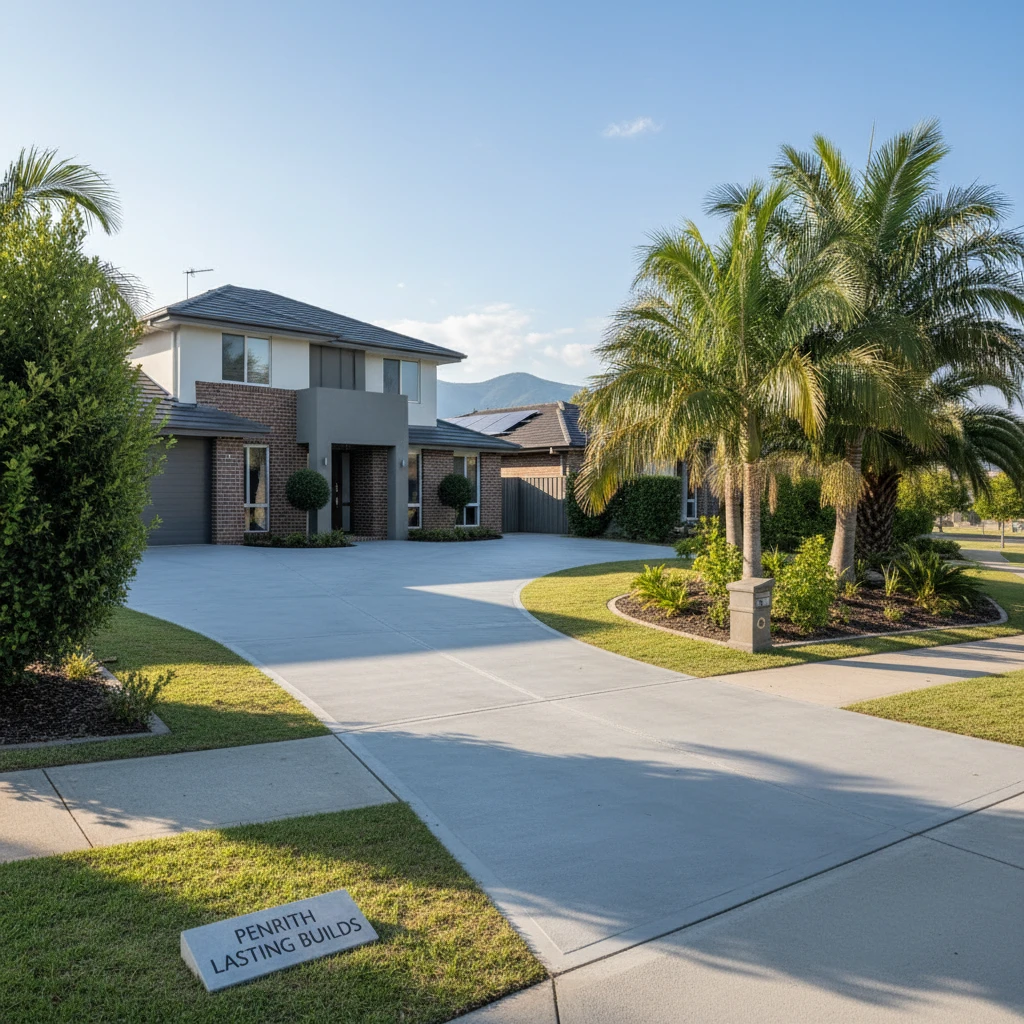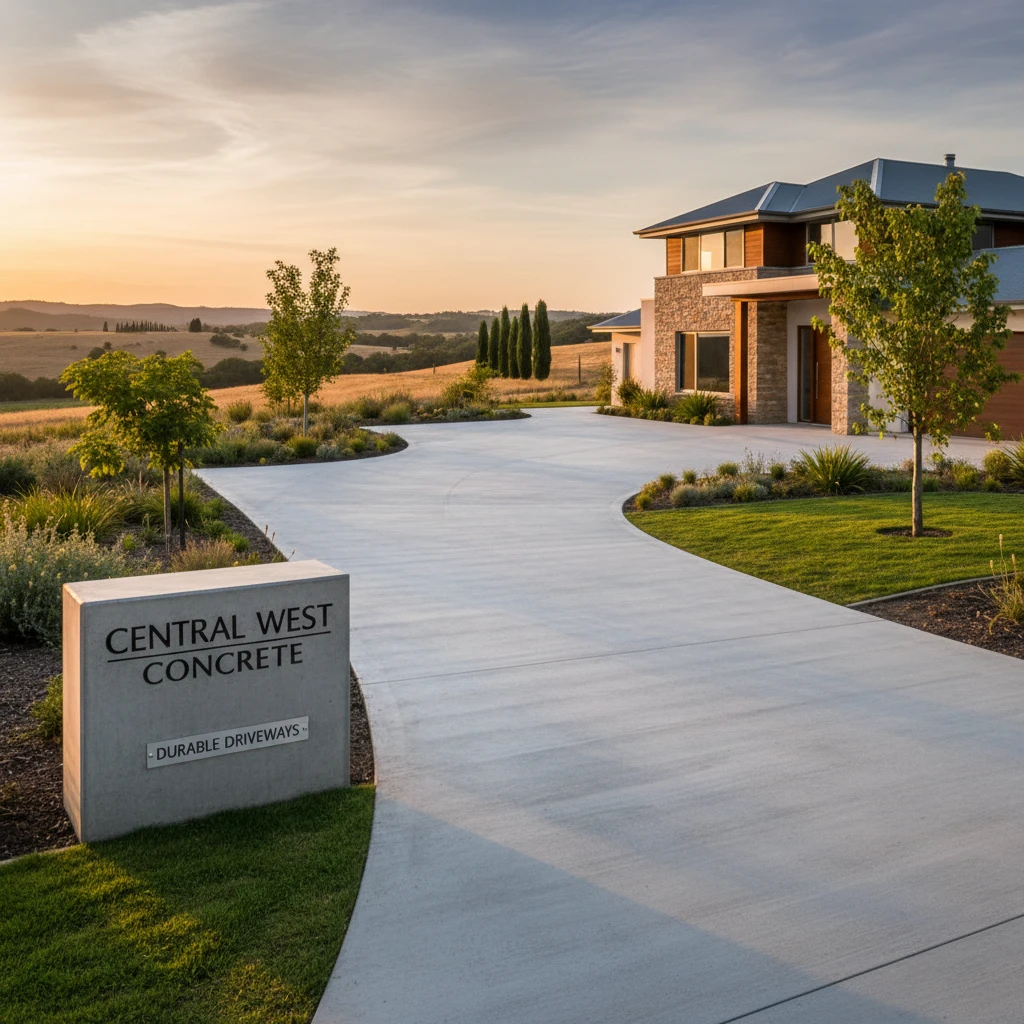
Concrete in the Blue Mountains faces unique challenges. From fluctuating temperatures to steep inclines and difficult access, a standard approach simply won’t suffice. Choosing the right concrete contractor is an investment in the long-term stability and aesthetic appeal of your property.
This article explores the factors that separate enduring concrete solutions from those that crumble under pressure. We delve into the critical elements of preparation, material selection, and expert execution, ensuring your concrete project withstands the test of time and the elements.
Why Blue Mountains Concrete Demands More Than Just a Pour: Investing in Longevity
Understanding the Unique Challenges of the Blue Mountains Environment
The Blue Mountains region presents distinct environmental hurdles for concrete. Dramatic temperature swings cause expansion and contraction, leading to cracks if the concrete mix isn’t formulated correctly. High rainfall and potential for flooding necessitate proper drainage design to prevent water damage and erosion. Additionally, the prevalence of clay soils, known for their expansive properties, requires meticulous site preparation and potentially specialised foundation solutions to avoid shifting and cracking. Failing to account for these specific environmental factors can lead to premature deterioration and costly repairs down the line. Successful concrete projects in this area demand a thorough understanding of local conditions and the implementation of tailored solutions, such as using fibre reinforced concrete to reduce cracking and incorporating adequate drainage systems.
The True Cost of Cutting Corners on Concrete Work
Opting for the cheapest concrete quote may seem appealing initially, but it often leads to significant long-term costs. Substandard materials are more susceptible to cracking, crumbling, and staining, requiring frequent repairs or even complete replacements. Poor workmanship, such as inadequate base preparation or improper finishing, can compromise the structural integrity of the concrete, resulting in safety hazards and decreased property value. Furthermore, neglecting crucial aspects like drainage can lead to water damage and foundation problems, exacerbating the initial savings. For example, a homeowner who chose a cheaper contractor for a driveway project had to pay twice as much to have it redone after just two years due to extensive cracking caused by improper compaction. Investing in quality concrete work from the outset ensures durability, minimises future expenses, and enhances the overall value of your property.
Laser Concrete: Our Commitment to Precision Concreting in the Blue Mountains
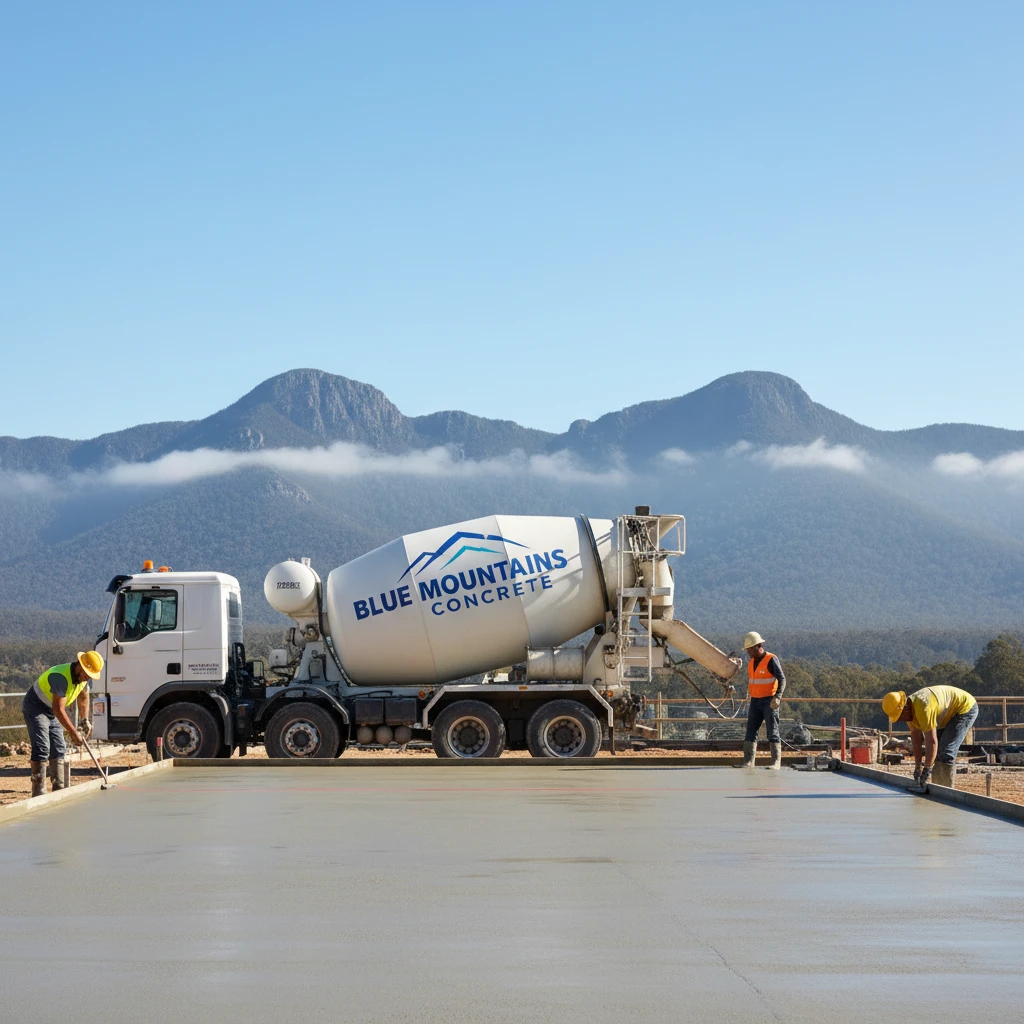
Local Expertise: Serving Penrith, the Blue Mountains, and the Central West since [Year of Establishment]
Laser Concrete has been providing reliable and high-quality concreting services across Penrith, the Blue Mountains, and the Central West since [Year of Establishment]. Our deep understanding of the local environment, soil conditions, and specific challenges of the region sets us apart. We have a proven track record of successfully completing projects of all sizes, from residential driveways to light commercial shed slabs. Our team is composed of experienced tradespeople who are dedicated to delivering exceptional workmanship and customer satisfaction. We are committed to using only the highest quality materials and employing industry-best practices to ensure the longevity and durability of our concrete solutions. Our local experience informs every aspect of our work, from initial site assessment to final finishing touches.
Our Approach: Quality Materials, Skilled Tradespeople, and Meticulous Execution
At Laser Concrete, our approach is built on three core pillars: quality materials, skilled tradespeople, and meticulous execution. We source our concrete mixes from trusted suppliers who adhere to strict quality control standards. Our team consists of highly trained and experienced concreters who possess the expertise to handle even the most complex projects. We pay close attention to every detail, from proper site preparation and formwork to precise pouring and finishing. This comprehensive approach ensures that every project is completed to the highest standards of quality and durability. We also prioritise clear communication with our clients throughout the entire process, keeping them informed every step of the way. We believe that a collaborative approach, combined with our technical expertise, leads to the best possible outcomes.
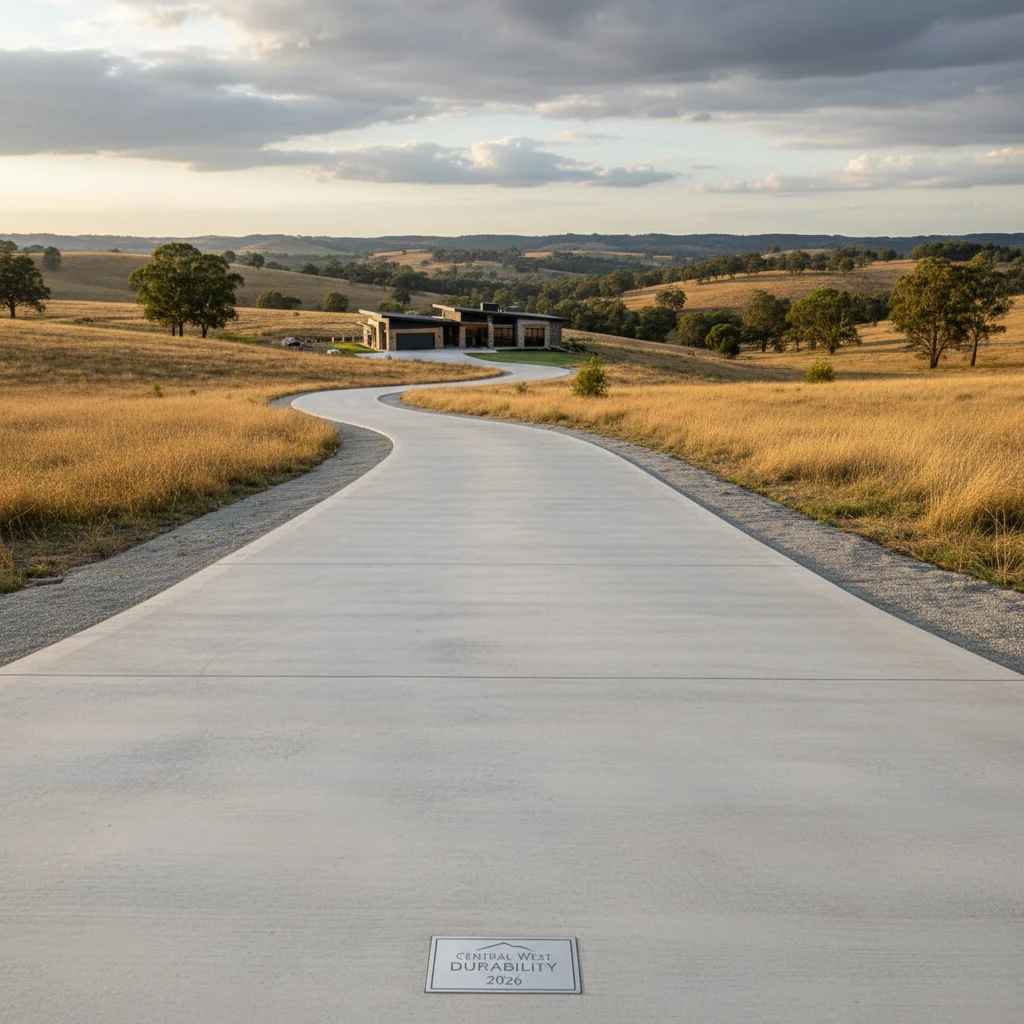
Concrete Driveways Built to Last: Withstanding the Blue Mountains Climate
Proper Base Preparation: The Foundation of a Durable Driveway
The base preparation is the single most critical factor in determining the lifespan of a concrete driveway, particularly in the demanding Blue Mountains climate. This involves excavating the existing soil to the appropriate depth, typically around 150-200mm, and then compacting a layer of suitable base material, such as crushed rock or road base, to create a stable and level foundation. Proper compaction is essential to prevent settling and cracking. This process often requires specialised equipment, such as a plate compactor or roller, to achieve the necessary density. Drainage is also crucial; the base should be sloped slightly to allow water to drain away from the driveway, preventing water from pooling and weakening the concrete. Failing to properly prepare the base is a common shortcut that leads to premature failure of the driveway, regardless of the quality of the concrete itself. Ignoring tree roots is also a pitfall. Durable Concrete Driveways for Penrith Homes start with the ground work. You can find useful information about calculating the correct base depth on the Pavement Calculator website.
Choosing the Right Concrete Mix for Your Specific Needs
Selecting the appropriate concrete mix is paramount for ensuring the durability and longevity of your driveway. Factors to consider include the intended use of the driveway, the expected traffic load, and the local climate conditions. For example, a driveway that will be used to park heavy vehicles, such as trucks or caravans, will require a higher strength concrete mix than a driveway that will only be used for passenger cars. Similarly, in areas with harsh winters and freeze-thaw cycles, a concrete mix with air entrainment is essential to prevent cracking and spalling. The concrete’s slump (consistency) also needs to be appropriate for the paving method used. Consulting with a concrete professional is highly recommended to determine the ideal mix design for your specific needs. They can advise on the appropriate cement content, aggregate size, and admixture types to ensure optimal performance and durability.
Reinforcement Options: Steel Mesh vs. Fibres
Concrete reinforcement plays a crucial role in enhancing the strength and durability of your driveway. The two most common reinforcement options are steel mesh and fibres. Steel mesh, typically made of welded steel wires, provides excellent tensile strength and helps to distribute loads evenly across the concrete slab. Fibre reinforcement, on the other hand, consists of small fibres (typically polypropylene or steel) that are mixed into the concrete mix to increase its resistance to cracking and shrinkage. The choice between steel mesh and fibres depends on the specific requirements of the project. Steel mesh is generally preferred for heavy-duty applications, while fibre reinforcement can be a cost-effective alternative for lighter-duty driveways. In some cases, a combination of both steel mesh and fibres may be used to provide optimal reinforcement. [External link to authoritative concrete reinforcement resource, e.g., Standards Australia or similar] provides further detail on industry best practices. A correctly reinforced driveway provides decades of use. The Concrete Reinforcing Steel Institute (CRSI) offers detailed resources on choosing the correct reinforcement for your project.
Footpaths and Concrete Stairs: Safe and Stylish Access for Your Blue Mountains Property
Addressing Slope and Drainage Considerations
When constructing footpaths and concrete stairs in the Blue Mountains, slope and drainage are critical factors that must be carefully addressed. Steep slopes can pose significant safety hazards, especially during wet or icy conditions. To mitigate these risks, stairs should be designed with appropriate riser heights and tread depths to ensure comfortable and safe ascent and descent. Handrails are also essential for providing support and stability. Drainage is equally important to prevent water from accumulating on the footpath or stairs, which can lead to slippery surfaces and potential damage to the concrete. Proper drainage can be achieved through sloping the surface away from buildings, installing drainage channels, or incorporating permeable paving materials.
Non-Slip Finishes for Enhanced Safety
To enhance safety, especially in wet or icy conditions, non-slip finishes are essential for footpaths and concrete stairs. Several options are available, including broom finishes, exposed aggregate finishes, and textured coatings. A broom finish is a simple and cost-effective option that involves dragging a broom across the wet concrete surface to create a slightly rough texture. Exposed aggregate finishes involve removing the top layer of cement paste to reveal the underlying aggregate, creating a naturally textured surface. Textured coatings are applied to the concrete surface after it has cured and provide a durable and slip-resistant finish. The choice of non-slip finish will depend on the aesthetic preferences of the property owner, the level of slip resistance required, and the budget constraints.
Customising Your Footpath or Stairs to Complement Your Landscape
Your footpaths and stairs don’t need to be purely functional; they can also enhance the aesthetic appeal of your property. Consider customising them to complement your existing landscape and architectural style. This could involve using decorative concrete finishes, such as stamped concrete or coloured concrete, to create unique and visually appealing surfaces. You can also incorporate landscaping elements, such as plants, rocks, or lighting, to further enhance the overall look and feel of your footpaths and stairs. The possibilities are endless, and with careful planning and execution, you can create footpaths and stairs that are both safe, functional, and stylish. For example, you could use exposed aggregate concrete with river stones to echo the natural materials found in the Blue Mountains landscape.
Why Blue Mountains Concrete Demands More Than Just a Pour: Investing in Longevity
Concrete work in the Blue Mountains requires a different level of attention and expertise compared to more sheltered environments. The harsh weather conditions, varied terrain, and unique soil composition all present challenges that must be addressed to ensure the longevity and structural integrity of your concrete structures. Investing in quality concrete work is an investment in the long-term value and safety of your property.
Understanding the Unique Challenges of the Blue Mountains Environment
The Blue Mountains region is known for its dramatic temperature fluctuations, high rainfall, and frequent frosts. These conditions can cause significant stress on concrete, leading to cracking, spalling, and other forms of damage. The soil in the area can also be highly reactive, which can affect the stability of concrete foundations and slabs. Understanding these challenges is crucial for selecting the right concrete mix, implementing appropriate construction techniques, and ensuring the long-term performance of your concrete structures.
The True Cost of Cutting Corners on Concrete Work
While it may be tempting to cut corners on concrete work to save money in the short term, doing so can end up costing you more in the long run. Substandard concrete, poor workmanship, and inadequate preparation can lead to premature failure of your concrete structures, requiring costly repairs or even complete replacement. By investing in quality concrete work from the outset, you can avoid these headaches and ensure that your concrete structures stand the test of time.
Laser Concrete: Our Commitment to Precision Concreting in the Blue Mountains
At Laser Concrete, we are passionate about delivering high-quality concrete solutions that meet the unique needs of our clients in the Blue Mountains and surrounding areas. We understand the challenges posed by the local environment and have the expertise and experience to overcome them. Our commitment to precision and attention to detail ensures that your concrete structures are built to last.
Local Expertise: Serving Penrith, the Blue Mountains, and the Central West since [Year of Establishment]
We have been proudly serving the Penrith, Blue Mountains, and Central West regions since [Year of Establishment]. Over the years, we have developed a deep understanding of the local environment and the specific challenges it presents for concrete construction. Our local expertise allows us to provide tailored solutions that are perfectly suited to the needs of our clients.
Our Approach: Quality Materials, Skilled Tradespeople, and Meticulous Execution
We believe that quality concrete work starts with quality materials. That’s why we only use the finest aggregates, cements, and admixtures from trusted suppliers. We also employ a team of highly skilled and experienced tradespeople who are passionate about their craft. Our meticulous execution ensures that every project is completed to the highest standards of quality and precision.
Concrete Driveways Built to Last: Withstanding the Blue Mountains Climate
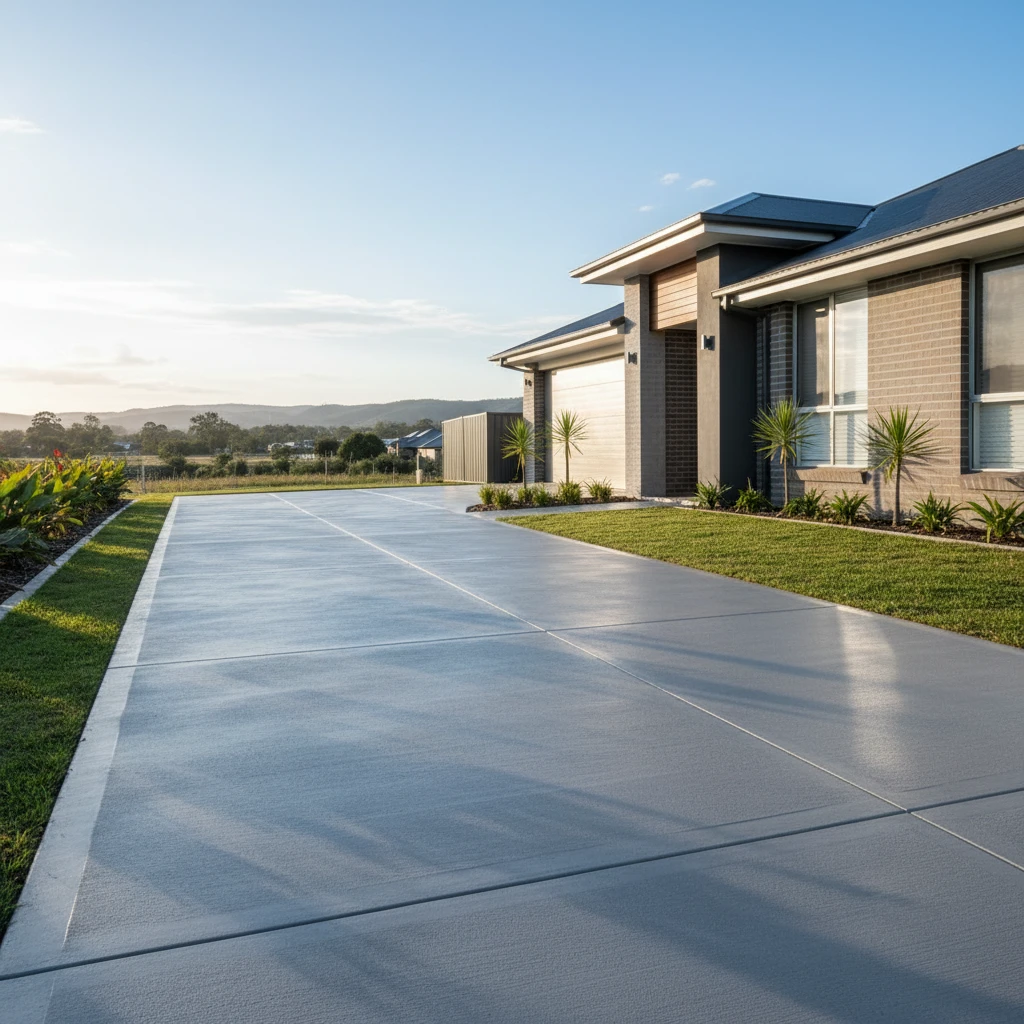
A well-constructed concrete driveway can significantly enhance the curb appeal and value of your Blue Mountains property. However, to withstand the harsh climate and heavy use, your driveway needs to be built to last. This requires careful planning, proper preparation, and the use of high-quality materials.
Proper Base Preparation: The Foundation of a Durable Driveway
The foundation of any durable concrete driveway is a properly prepared base. This involves excavating the existing soil, compacting the subgrade, and installing a layer of compacted gravel or crushed rock. The base provides a stable and level surface for the concrete to be poured, preventing settling and cracking over time. Proper base preparation is essential for ensuring the longevity of your driveway.
Choosing the Right Concrete Mix for Your Specific Needs
The right concrete mix is crucial for ensuring the strength and durability of your driveway. Factors to consider include the expected traffic load, the soil conditions, and the climate. In the Blue Mountains, it is important to choose a concrete mix that is resistant to freeze-thaw damage and can withstand the stresses of heavy use. We can help you select the perfect concrete mix for your specific needs.
Reinforcement Options: Steel Mesh vs. Fibres
Reinforcement is essential for preventing cracking and increasing the load-bearing capacity of your concrete driveway. The two most common reinforcement options are steel mesh and fibres. Steel mesh is a grid of steel wires that is placed within the concrete slab, providing tensile strength and preventing cracks from propagating. Fibres are small strands of material that are mixed into the concrete mix, providing distributed reinforcement throughout the slab. The choice of reinforcement will depend on the specific requirements of your project.
Footpaths and Concrete Stairs: Safe and Stylish Access for Your Blue Mountains Property
Well-designed footpaths and concrete stairs are essential for providing safe and stylish access to your Blue Mountains property. Whether you need to connect different areas of your garden, create a welcoming entrance to your home, or provide access to a sloped area, we can design and build footpaths and stairs that meet your needs and complement your landscape.
Addressing Slope and Drainage Considerations
When designing footpaths and stairs, it is important to address slope and drainage considerations. Proper slope ensures that water flows away from your home and prevents puddling, which can lead to slips and falls. Effective drainage systems, such as French drains or surface drains, can help to manage stormwater runoff and prevent erosion. We can design footpaths and stairs that are both safe and functional.
Non-Slip Finishes for Enhanced Safety
Safety is a top priority when designing footpaths and stairs. Non-slip finishes, such as textured concrete or exposed aggregate, can provide enhanced traction and reduce the risk of slips and falls, especially in wet or icy conditions. We offer a variety of non-slip finish options to meet your needs and preferences.
Customising Your Footpath or Stairs to Complement Your Landscape
Your footpaths and stairs should not only be functional but also aesthetically pleasing. We can customise your footpaths and stairs to complement your landscape by using a variety of colours, textures, and patterns. Whether you prefer a modern, minimalist design or a more traditional, rustic look, we can create footpaths and stairs that enhance the beauty of your Blue Mountains property.
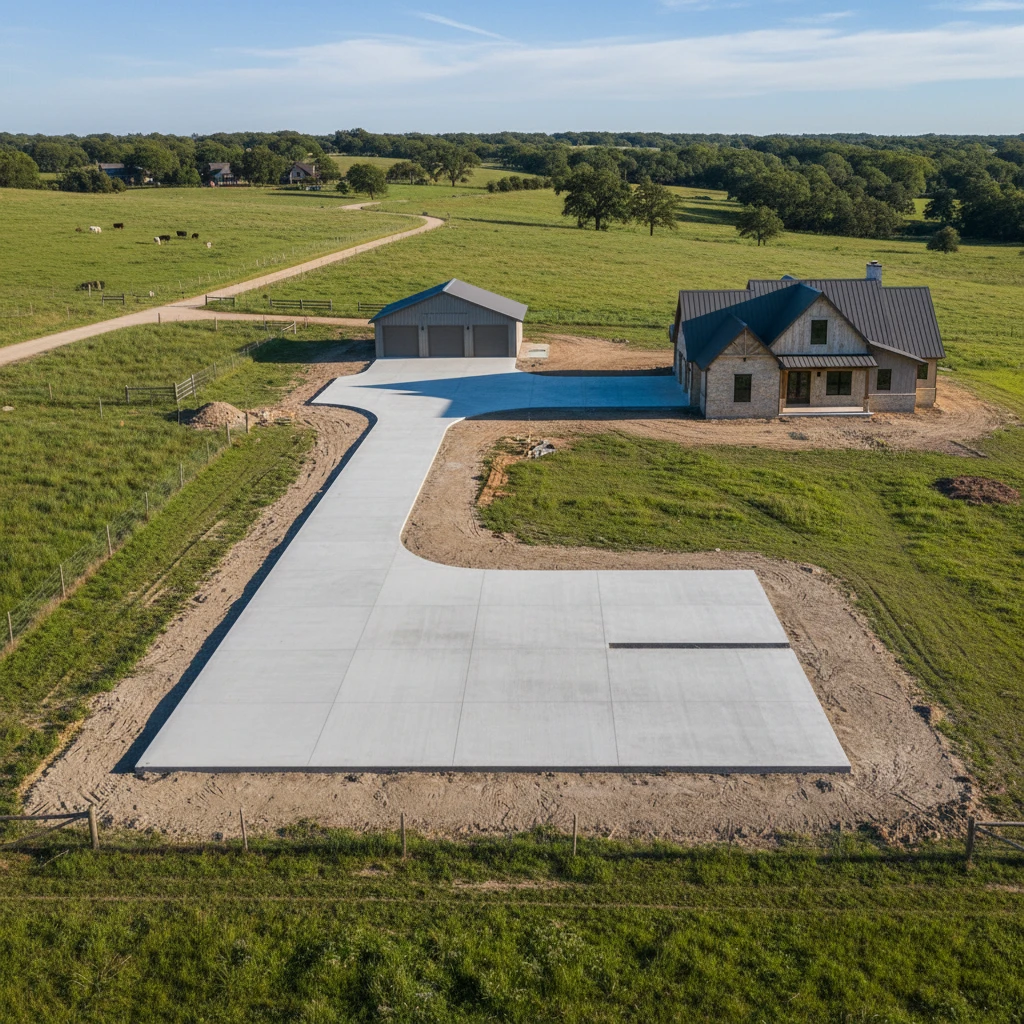
Shed Slabs and Equipment Pads: Solid Foundations for Your Blue Mountains Projects
Determining the Correct Slab Thickness for Your Load Requirements
The required thickness of a shed slab or equipment pad hinges directly on the anticipated load it will bear. For a basic garden shed storing lightweight tools, a 100mm slab might suffice. However, for heavier loads, such as a workshop housing machinery or a shed intended to store vehicles, a significantly thicker slab is essential. A general rule is to add 25mm of thickness for every tonne of anticipated load. Consulting with a structural engineer is highly recommended, especially for equipment pads supporting heavy machinery, as they can accurately calculate the load-bearing capacity needed and ensure compliance with local building codes. Underestimating the required thickness can lead to cracking and premature failure, necessitating costly repairs or even complete replacement. Always err on the side of caution and build for the maximum potential load.
Reinforcing Your Slab to Prevent Cracking
Reinforcement is crucial for preventing cracks and ensuring the long-term integrity of your shed slab or equipment pad. Steel reinforcing mesh is commonly used, but the specific type and gauge depend on the slab’s thickness and intended load. For thinner slabs (100-125mm), a single layer of SL72 mesh might be adequate. For thicker slabs or those bearing heavier loads, consider using SL82 or SL92 mesh, or even rebar. The mesh should be properly lapped (overlapped) at the joints to ensure continuous reinforcement throughout the slab. Proper placement is also vital; the mesh should be positioned in the middle of the slab’s depth, not resting on the ground or exposed at the surface. Using chairs or supports to hold the mesh in place during the pour is a best practice. Ignoring proper reinforcement leads to cracking, compromising the slab’s structural integrity and reducing its lifespan. See the Australian Standard AS 2870 for more details regarding residential slab and footing construction.
Ensuring Proper Drainage to Protect Your Investment
Proper drainage is paramount to prevent water from undermining your shed slab or equipment pad. Water pooling around the slab’s perimeter can erode the soil beneath, leading to settling and cracking. The ground around the slab should be graded to slope away from the structure, encouraging water runoff. Installing a perimeter drain, such as a French drain, can further enhance drainage, especially in areas with poor soil drainage or high rainfall. The drain should consist of a perforated pipe surrounded by gravel, directing water away from the slab. Downpipes from the shed’s roof should also be directed away from the slab, preventing concentrated water flow. Neglecting drainage can lead to significant structural problems over time, requiring extensive and costly repairs. Effective drainage is a simple yet crucial step in ensuring the longevity of your concrete investment. For example, Laser Concrete always ensures a minimum 5% slope away from any shed slab we install in the Blue Mountains.
Concrete Repairs and Replacements: Restoring the Integrity of Your Existing Concrete
Identifying Common Causes of Concrete Damage (and How to Prevent Them)
Concrete damage can arise from various sources. One common culprit is freeze-thaw cycles, especially prevalent in the Blue Mountains. Water penetrates the concrete, expands when frozen, and causes cracking. Proper sealing and the use of air-entrained concrete can mitigate this risk. Another frequent issue is overloading, exceeding the concrete’s designed load-bearing capacity, resulting in structural failure. Regular inspections and adherence to load limits are crucial. Chemical attack, such as from de-icing salts or acidic substances, can also degrade concrete. Applying protective coatings can prevent this. Finally, poor workmanship, including improper mixing, pouring, or curing, can lead to inherent weaknesses and premature failure. Engaging experienced concrete contractors is essential. By understanding and addressing these common causes, you can proactively prevent concrete damage and extend the lifespan of your structures.
When to Repair vs. Replace: A Practical Guide
The decision to repair or replace damaged concrete depends on the severity and extent of the damage. Minor cracks and surface imperfections can often be repaired with patching compounds or epoxy injections. However, if the damage is extensive, such as large cracks, significant spalling (surface flaking), or structural instability, replacement is usually the more practical and cost-effective option. Factors to consider include the age of the concrete, the cost of repair versus replacement, and the long-term implications. For example, repairing a severely cracked driveway might seem cheaper initially, but if the underlying issues are not addressed, the cracks will likely reappear, leading to further expenses. In such cases, a complete replacement offers a more durable and reliable solution. Consult with a qualified concrete contractor to assess the damage and provide a professional recommendation. Laser Concrete provides free on-site assessments to help you determine the best course of action.
Matching Existing Finishes for Seamless Repairs
When undertaking concrete repairs, achieving a seamless blend with the existing finish is crucial for aesthetic appeal. This requires careful attention to detail and expertise in concrete finishing techniques. Factors to consider include the colour, texture, and aggregate exposure of the existing concrete. To match the colour, use the same type of cement and aggregate as the original mix. For the texture, employ similar finishing techniques, such as broom finishing or trowel finishing. If the existing concrete has exposed aggregate, carefully select aggregate that matches in size, colour, and type. A test patch is always recommended to ensure a close match before proceeding with the full repair. In cases where an exact match is impossible, consider applying a decorative overlay to the entire surface to create a uniform finish. Matching existing finishes requires skill and experience, but the result is a repair that is virtually undetectable. Example: For a recent repair in Katoomba, we used a custom-tinted concrete mix and a light broom finish to perfectly match the existing driveway.
Excavation and Earthworks: Tackling Challenging Terrain in the Blue Mountains
Expertise in Tight Access and Sloped Sites
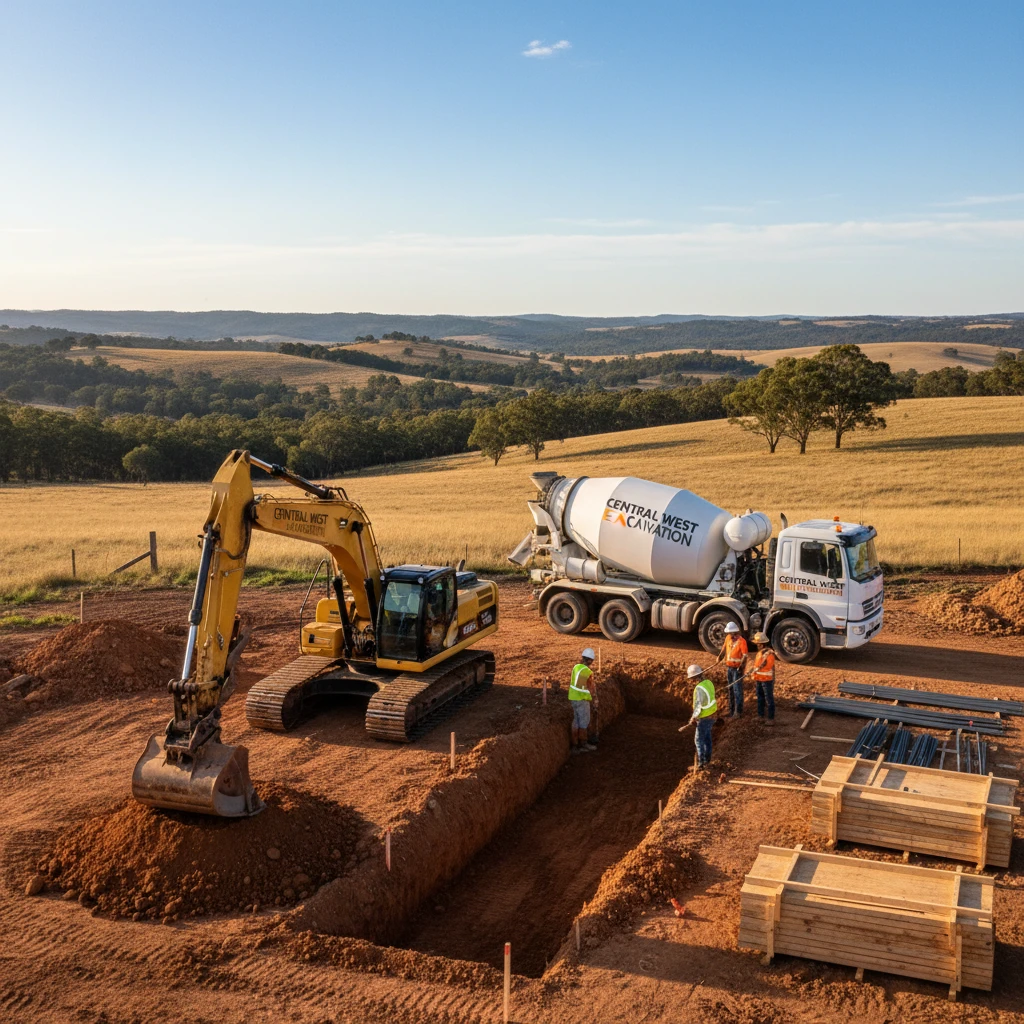
The Blue Mountains region presents unique challenges for excavation and earthworks due to its often tight access and sloped sites. Navigating narrow driveways, working around existing structures, and managing steep inclines require specialised equipment and expertise. Mini excavators and skid steer loaders are often essential for accessing confined spaces. Sloped sites demand careful planning and execution to prevent soil erosion and ensure stability. Retaining walls might be necessary to create level areas and prevent landslides. Experienced operators are crucial for safely and efficiently operating equipment in these challenging conditions. Prior to commencing any excavation, a thorough site assessment is essential to identify potential hazards and develop a safe work plan. Laser Concrete specialises in excavation and earthworks in difficult terrain, ensuring your project is completed safely and efficiently.
Site Preparation for Optimal Concrete Performance
Proper site preparation is fundamental to ensuring the long-term performance of any concrete structure. This involves clearing the site of vegetation, debris, and topsoil. The underlying soil should be compacted to provide a stable base. If the soil is unstable or poorly draining, it might be necessary to import suitable fill material and compact it in layers. For shed slabs and equipment pads, a layer of compacted gravel is often used to improve drainage and provide a level surface. The subgrade should be properly graded to ensure proper drainage away from the concrete. Formwork should be accurately set out and securely anchored to prevent movement during the pour. Reinforcement should be properly placed and supported. Neglecting proper site preparation can lead to settling, cracking, and premature failure of the concrete. A well-prepared site is the foundation for a durable and long-lasting concrete structure. We follow the guidelines detailed in AS 3798-2007 for earthworks to ensure best practices are met.
Minimising Environmental Impact During Excavation
Excavation activities can have a significant environmental impact if not properly managed. Minimising soil erosion is a primary concern, especially in the sensitive Blue Mountains environment. Implementing erosion control measures, such as silt fences and sediment traps, is crucial to prevent soil from washing into waterways. Dust control measures, such as water spraying, can reduce air pollution. Proper disposal of excavated material is also essential, avoiding dumping in sensitive areas. Protecting existing vegetation and minimising disturbance to wildlife habitats are important considerations. Adhering to all relevant environmental regulations and obtaining necessary permits is mandatory. Employing sustainable excavation practices not only protects the environment but also enhances the project’s long-term sustainability. Laser Concrete is committed to minimising the environmental impact of our excavation activities, ensuring responsible and sustainable construction practices. We aim to adhere to guidelines published by the NSW Environment Protection Authority (EPA).
The Laser Concrete Process: From Consultation to Completion
Step-by-Step Guide: Understanding Our Workflow
Our concrete process is designed for clarity and efficiency. It starts with an initial consultation where we discuss your project requirements, assess the site conditions, and provide a detailed quote. Once you approve the quote, we proceed to the planning phase, which includes obtaining necessary permits and scheduling the work. Next is the site preparation phase, involving excavation, grading, and formwork construction. The concrete pour is then carried out by our experienced team, followed by careful finishing and curing. After the concrete has cured adequately, we remove the formwork and complete any necessary cleanup. Throughout the process, we maintain open communication with you, keeping you informed of our progress and addressing any concerns you may have. This structured approach ensures a smooth and successful project outcome, delivering high-quality concrete that meets your specific needs. This commitment to process is what separates Blue Mountains Concrete: Quality That Lasts from our competitors.
Communication and Transparency: Keeping You Informed Every Step of the Way
We believe that clear and consistent communication is paramount to a successful project. From the initial consultation to the final inspection, we keep you informed every step of the way. We provide regular updates on our progress, address any questions or concerns promptly, and ensure that you are fully satisfied with the work. We use various communication channels, including phone calls, emails, and on-site meetings, to keep you in the loop. We are also transparent about our pricing, providing detailed quotes that clearly outline the scope of work and associated costs. Our commitment to communication and transparency fosters trust and ensures a positive working relationship with our clients. Example: During a recent driveway project in Penrith, we proactively informed the client about a minor weather delay, allowing them to adjust their schedule accordingly. This open communication helped maintain a positive relationship and ensured the project was completed to their satisfaction. We aim to emulate communication found in services like Penrith Concrete Driveways: Built for the Long Haul.
Why Choose Laser Concrete for Your Blue Mountains Concreting Needs? Quality, Experience, and Reliability
Selecting the right concreter for your Blue Mountains project is crucial. It’s about more than just pouring concrete; it’s about ensuring a durable, aesthetically pleasing, and structurally sound result that stands the test of time. At Laser Concrete, we prioritise quality, drawing on years of experience working in the unique terrain of the Blue Mountains. We understand the challenges posed by steep slopes, rocky ground, and the need for robust foundations. Our commitment extends beyond simply meeting minimum standards; we strive for excellence in every project, from small residential jobs to light commercial undertakings. Choosing Laser Concrete means choosing peace of mind, knowing that your project is in capable hands.
Fully Licensed and Insured Concreters
Protecting your investment is paramount. Laser Concrete operates with full licensing and comprehensive insurance coverage. This protects you from potential liabilities arising from on-site accidents or property damage during the concreting process. Hiring unlicensed or uninsured contractors can expose you to significant financial risk, should something go wrong. Our adherence to legal requirements provides assurance that we operate professionally and ethically, prioritising the safety of our team and your property. We are dedicated to compliance and best practices within the construction industry, as maintaining the necessary licenses and insurance is fundamental to responsible contracting. Ensure any concreter you engage possesses valid and verifiable credentials.
Commitment to Australian Standards
We are dedicated to upholding stringent Australian Standards (AS) in all our concreting work. This ensures structural integrity, durability, and safety. Using substandard materials or neglecting proper construction techniques can lead to premature cracking, sinking, and costly repairs down the line. We meticulously follow AS guidelines for concrete mix design, reinforcement placement, curing processes, and surface finishing. Our commitment means your concrete structures meet and exceed expectations, providing a long-lasting and reliable result. For instance, we ensure appropriate concrete slump for different applications and perform regular slump tests onsite. We also adhere to AS 3600 for concrete structures. Our team stays updated on the latest revisions to these standards, guaranteeing that our methods reflect current best practices. For example, a shed slab that isn’t properly reinforced according to AS 2870 can crack under load. Learn more about Australian standards at Standards Australia.
Real Projects, Real Results: Portfolio Examples
Words are only part of the story; seeing is believing. Our portfolio showcases a range of successful concreting projects undertaken throughout the Blue Mountains region. These examples demonstrate our expertise in handling diverse challenges, from creating stable Blue Mountains concrete driveways on sloping blocks to constructing robust shed slabs designed to withstand heavy loads. Each project highlights our attention to detail, commitment to quality workmanship, and ability to deliver exceptional results that meet our clients’ specific needs.
Example: A homeowner in Katoomba required a new driveway on a steep incline. Other concreters had deemed the project too difficult. Laser Concrete designed and installed a reinforced concrete driveway with integrated drainage, ensuring stability and preventing water runoff issues. The project was completed on time and within budget, exceeding the client’s expectations.
Frequently Asked Questions About Concreting in the Blue Mountains
We understand that you may have questions about the concreting process. Here are answers to some frequently asked questions to help you make informed decisions.
What factors influence the cost of concrete work?
Several factors influence the cost of concrete work in the Blue Mountains. These include the size of the project (square meterage), the complexity of the design (including angles, curves, and multiple levels), the type of concrete finish required (e.g., plain, coloured, exposed aggregate), the site accessibility (difficult access increases labour costs), the amount of excavation and site preparation needed, the type and amount of reinforcement required (e.g., steel mesh, rebar), and prevailing material costs. Projects requiring specialised equipment, such as pumps or excavators, will also incur higher expenses. The distance to the site from the concrete supplier can impact delivery costs, particularly in remote areas of the Blue Mountains. Obtaining multiple quotes and clearly defining the scope of work will help you compare pricing accurately. Keep in mind that the cheapest quote isn’t always the best value; consider the contractor’s experience, reputation, and quality of materials used.
How long does concrete take to cure?
Concrete curing is a critical process that significantly impacts the concrete’s strength and durability. While concrete may appear to be dry within 24-48 hours, the full curing process typically takes 28 days to reach its maximum strength. During this time, the concrete undergoes a chemical reaction called hydration, where water reacts with the cement to form a strong, hardened matrix. Proper curing involves keeping the concrete moist to allow the hydration process to continue effectively. This can be achieved by spraying the concrete with water regularly, covering it with plastic sheeting, or using curing compounds. Premature drying can lead to cracking and reduced strength. Light foot traffic is generally permissible after 24-48 hours, but heavy loads or vehicular traffic should be avoided for at least 7 days, and ideally 28 days, to prevent damage. Curing time can vary based on weather conditions, with cooler temperatures slowing down the process.
What type of concrete finish is best for my needs?
The best type of concrete finish depends on the intended use and aesthetic preferences. A plain concrete finish is the most economical option and suitable for functional areas like shed slabs or underlayments. Coloured concrete adds visual appeal and can be customised to match your home’s exterior or landscaping. Exposed aggregate finishes reveal decorative stones within the concrete matrix, providing a textured and slip-resistant surface ideal for driveways and patios. Stamped concrete mimics the look of natural stone, brick, or tile, offering a cost-effective alternative to these materials. Polished concrete provides a smooth, glossy surface that’s easy to clean and suitable for interior floors. Consider the durability, maintenance requirements, and slip resistance of each finish when making your decision. For driveways, a broom finish provides good traction. For patios, consider stamped concrete for an upscale look. Your desired budget will be a major factor; plain concrete is cheapest while polished and stamped will be higher.
Ready to Discuss Your Blue Mountains Concrete Project? Contact Us Today
We’re ready to help you bring your concrete project to life. Our team is dedicated to providing expert advice, quality workmanship, and reliable service throughout the Blue Mountains region. Contact us today to discuss your project requirements and receive a free, no-obligation quote.
Request a Free Quote
Getting a quote is easy. Simply visit our website and fill out the online form, providing details about your project, including dimensions, location, and desired finish. Alternatively, you can call us directly to discuss your needs with one of our experienced team members. We’ll promptly assess your requirements and provide a comprehensive and transparent quote, outlining all associated costs. We aim to provide accurate estimates, so please be as detailed as possible when describing your project. If necessary, we’ll schedule a site visit to gather further information and ensure our quote is tailored to your specific needs.
Schedule a Site Visit
For complex projects or when precise measurements are required, we recommend scheduling a site visit. Our team will visit your property to assess the terrain, identify any potential challenges, and discuss your project requirements in detail. This allows us to provide you with a more accurate quote and ensure that we fully understand your vision. Site visits are particularly important for projects involving sloping blocks, difficult access, or complex designs. During the site visit, we can also advise on the best concrete mix and finish for your specific application, taking into account the local environmental conditions.
See before and after photos of similar projects
Visit our website to view our project gallery. Seeing before and after photos of our work will demonstrate our capabilities and show the transformations we can create. Each photo set showcases our commitment to quality and precision. You’ll find examples of completed driveways, patios, shed slabs, and other concrete structures. This visual representation can help you imagine the possibilities for your own property and inspire ideas for your project.
Choosing the right concrete contractor in the Blue Mountains is essential for a successful and long-lasting outcome. Laser Concrete offers the expertise, experience, and commitment to quality that you need for a worry-free project.
Why Choose Laser Concrete for Your Blue Mountains Concreting Needs? Quality, Experience, and Reliability
Laser Concrete stands out as a premier concreting service provider in the Blue Mountains due to our unwavering commitment to quality, extensive experience in the industry, and dedication to providing reliable solutions. We understand the unique challenges and requirements of concreting projects in this region and tailor our services to meet those specific needs.
Fully Licensed and Insured Concreters
We are fully licensed and insured, providing you with peace of mind knowing that your project is in safe and capable hands. Our team adheres to strict safety protocols and industry best practices to ensure a secure and efficient work environment. Our comprehensive insurance coverage protects you from any potential liabilities during the construction process.
Commitment to Australian Standards
We are committed to upholding Australian Standards in all our concreting work. This commitment guarantees the structural integrity, durability, and longevity of your concrete structures. We use only the highest quality materials and employ proven techniques to ensure compliance with all relevant regulations and guidelines. By adhering to these standards, we deliver concrete solutions that are built to last and withstand the test of time.
Real Projects, Real Results: Portfolio Examples
Our portfolio showcases a diverse range of successfully completed concreting projects across the Blue Mountains. These examples demonstrate our ability to handle projects of all sizes and complexities, from residential driveways to commercial foundations. Each project reflects our dedication to quality workmanship, attention to detail, and customer satisfaction. We encourage you to explore our portfolio to see the tangible results of our expertise and experience.
Frequently Asked Questions About Concreting in the Blue Mountains
We understand you might have questions about the concreting process. Here are some frequently asked questions to help you understand the process.
What factors influence the cost of concrete work?
Several factors influence the cost of concrete work, including the size of the project, the type of concrete mix required, the complexity of the design, site accessibility, and any necessary site preparation. Projects requiring specialized finishes or additional features, such as decorative concrete or reinforced steel, may also incur higher costs. We provide transparent and detailed quotes that outline all associated costs, ensuring you have a clear understanding of the investment involved.
How long does concrete take to cure?
Concrete curing time varies depending on environmental conditions, the type of concrete mix used, and the desired strength. Generally, concrete takes around 28 days to reach its full strength. However, it is typically safe to walk on a concrete surface after 24-48 hours and drive on it after 7 days. Proper curing techniques, such as keeping the concrete moist, are essential to prevent cracking and ensure optimal strength development.
What type of concrete finish is best for my needs?
The best type of concrete finish depends on the intended use of the concrete surface and your aesthetic preferences. Common concrete finishes include plain concrete,