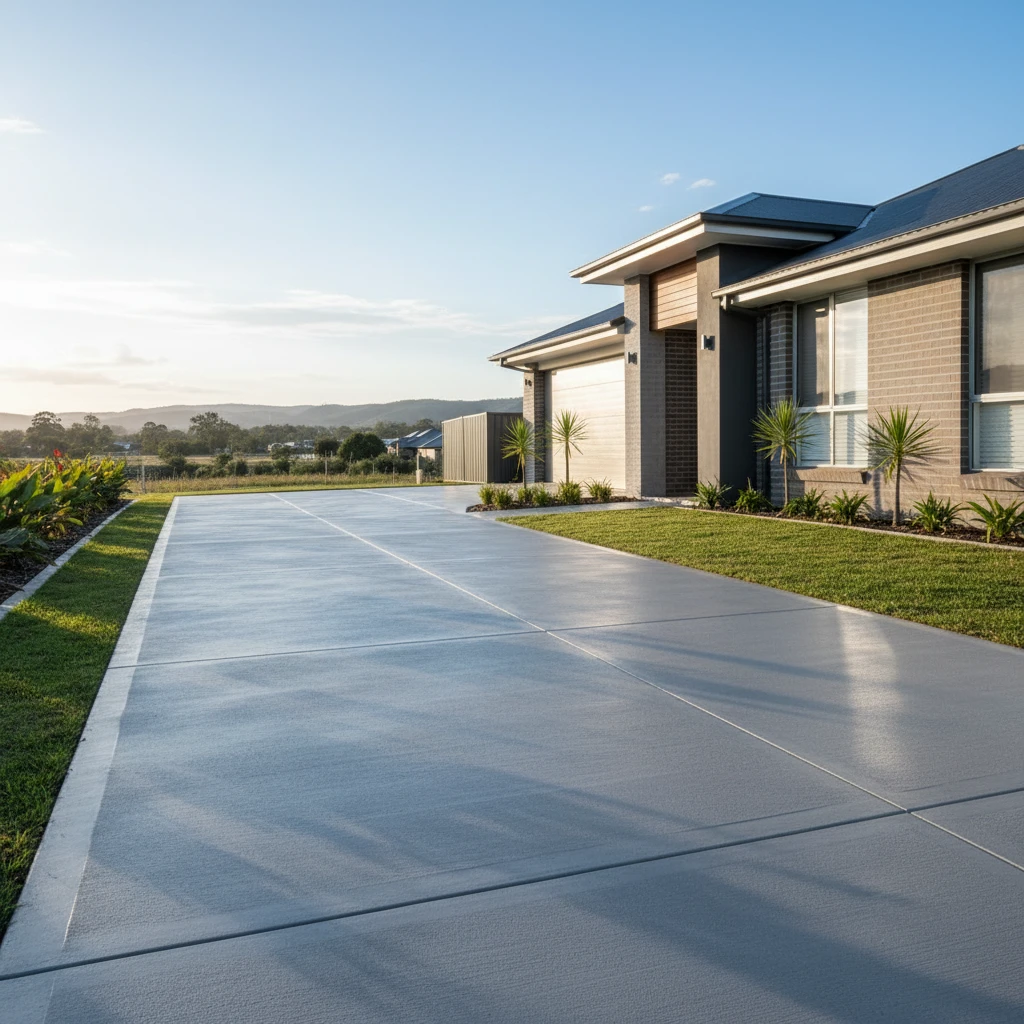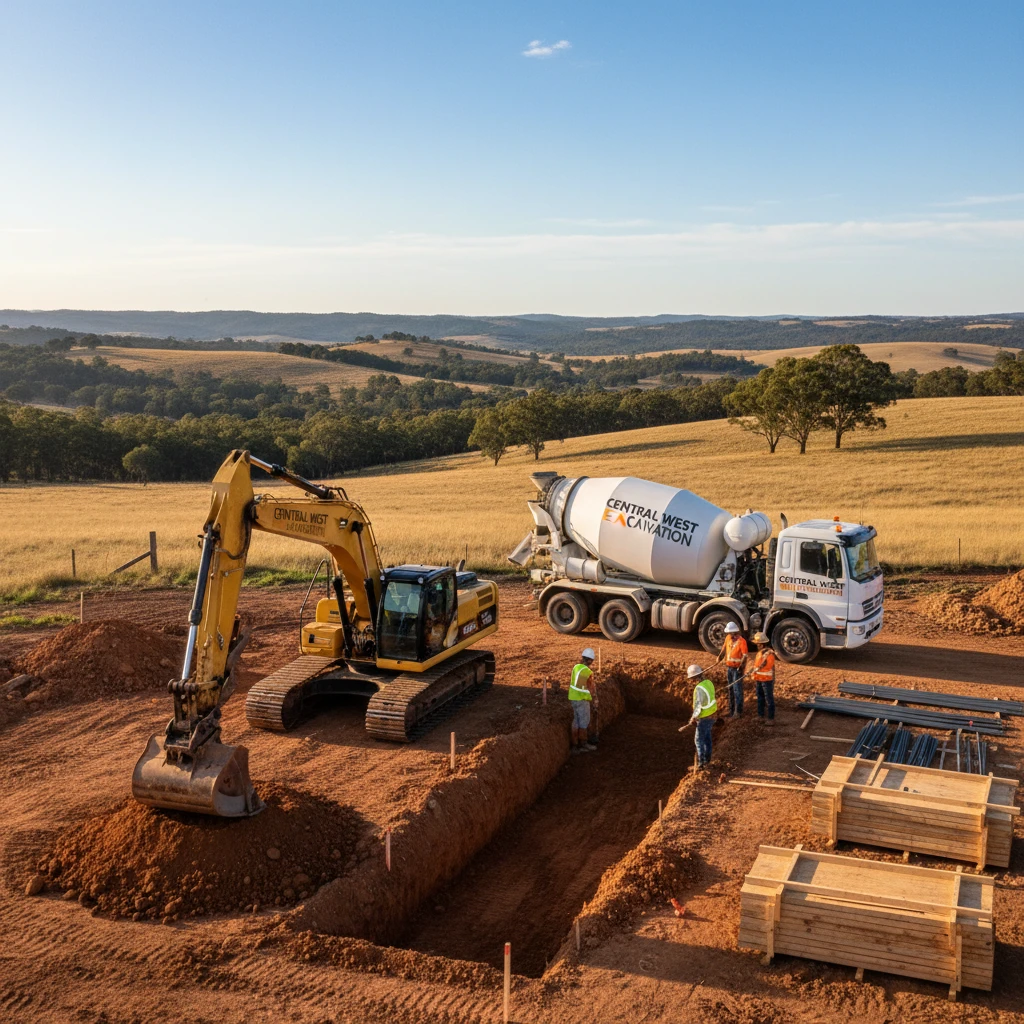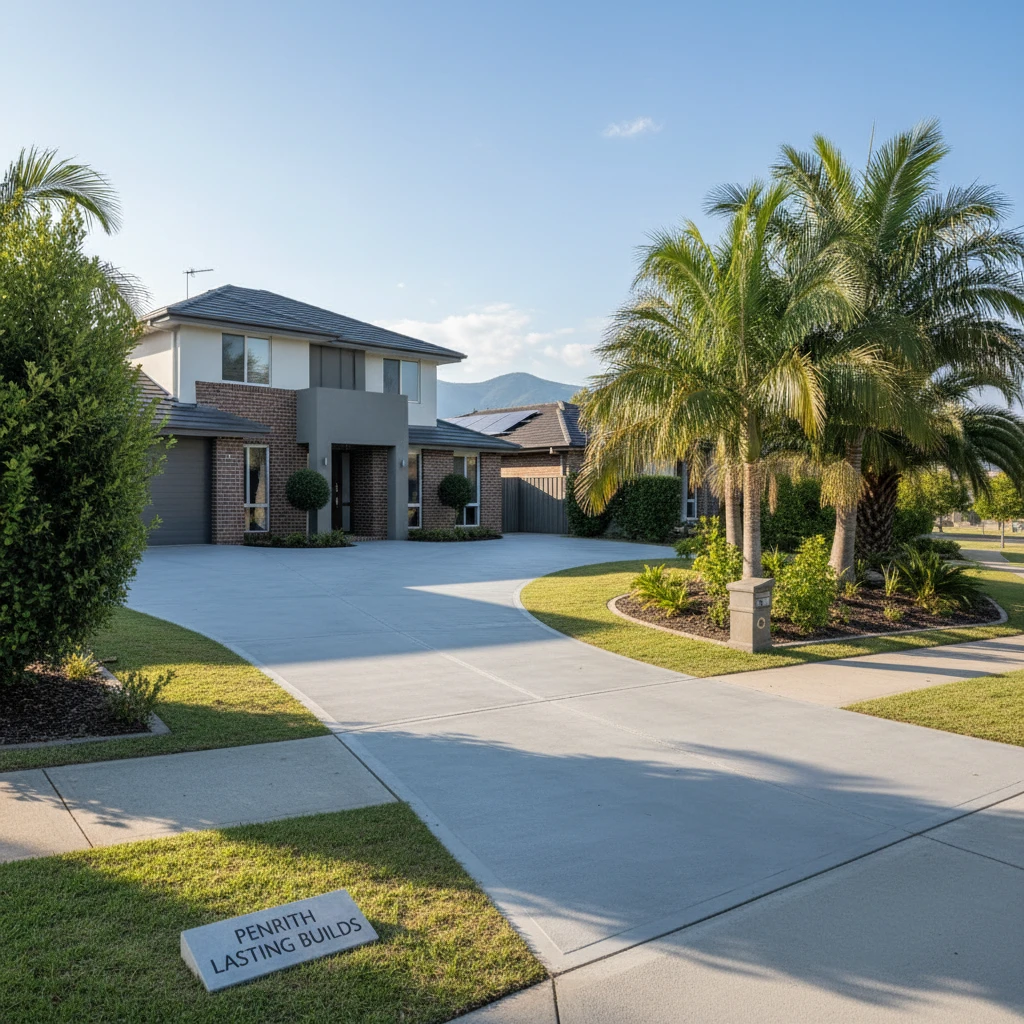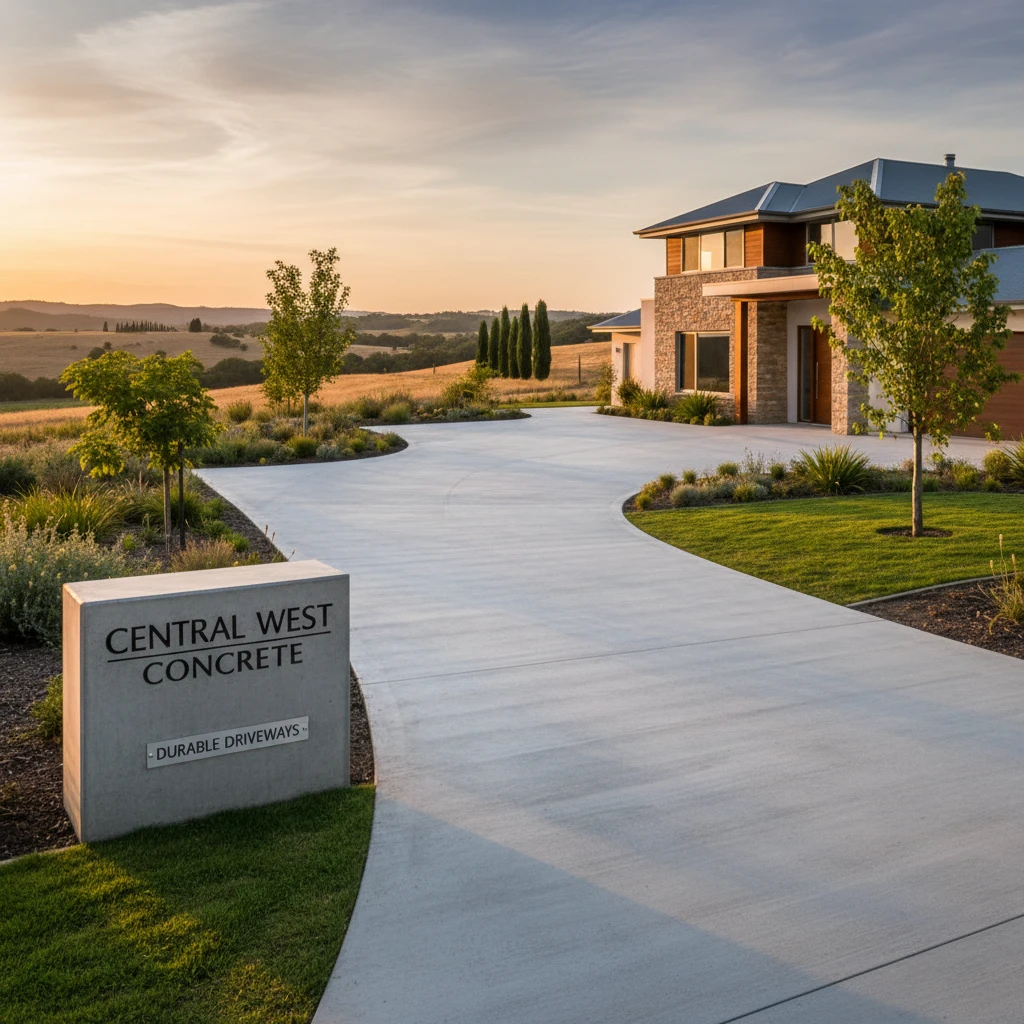
A concrete driveway is a significant investment in your Penrith property. It’s not just about curb appeal; it’s about functionality, durability, and increasing your home’s value. However, a driveway that cracks, crumbles, or sinks within a few years is money wasted. Achieving a driveway that lasts requires careful planning, the right materials, and expert installation.
This guide dives deep into the essential elements of building a long-lasting concrete driveway in Penrith. We’ll explore the specific challenges presented by the local environment, the importance of selecting the correct concrete mix, proper sub-base preparation, and the role of reinforcement. Understanding these factors will empower you to make informed decisions and ensure your new driveway stands the test of time. You can also explore Penrith Concrete Driveways: Expert Installation for professional guidance.
Why Your Penrith Driveway Needs to Stand the Test of Time (and Weather)
The unique challenges of Penrith’s climate for concrete
Penrith’s climate presents unique challenges for concrete driveways. The area experiences significant temperature fluctuations, with hot summers and relatively cool winters. This constant expansion and contraction can lead to cracking if the concrete mix and installation methods are not properly tailored to these conditions. Furthermore, Penrith can experience periods of heavy rainfall, which can saturate the ground and undermine the sub-base, leading to driveway settlement. The soil composition in many parts of Penrith also contributes to the challenge; reactive clay soils can expand and contract with moisture changes, placing additional stress on the concrete slab. Failing to account for these specific local conditions will inevitably result in a driveway that deteriorates prematurely. Consider the freeze-thaw cycle that might affect properties closer to the Blue Mountains, as discussed on Blue Mountains Concrete Driveways: Built to Last, and plan accordingly.
How proper installation ensures longevity
Proper installation is paramount to ensuring the longevity of your Penrith concrete driveway. This includes meticulous preparation of the sub-base, accurate formwork to ensure correct levels and falls for drainage, precise concrete pouring and finishing techniques, and appropriate curing procedures. A rushed or poorly executed installation will compromise the integrity of the concrete, regardless of the quality of the materials used. For example, inadequate compaction of the sub-base will lead to settlement, while improper curing can result in a weaker, more crack-prone concrete surface. Skilled tradespeople will ensure the correct control joints are installed to manage thermal movement and prevent random cracking. They will also use appropriate tools and techniques to achieve the desired finish and texture, which can also impact the driveway’s durability and slip resistance. A qualified concreter understands the subtle nuances of working with concrete in Penrith’s environment. It’s worth paying more for quality workmanship upfront to avoid costly repairs down the line.
Choosing the Right Concrete Mix for a Durable Driveway in Penrith

Understanding concrete strength ratings (MPa) and what they mean
Concrete strength is measured in megapascals (MPa), which indicates the compressive strength of the concrete. For a typical residential driveway in Penrith, a concrete mix with a strength rating of at least 32 MPa is generally recommended. However, for heavier vehicles or commercial applications, a higher strength rating (e.g., 40 MPa or higher) may be necessary. The MPa rating refers to the concrete’s ability to withstand compressive forces – the higher the number, the stronger the concrete. It’s important to understand that the MPa rating is just one factor to consider; other factors, such as the type of aggregate used, the water-to-cement ratio, and the use of additives, also play a significant role in the concrete’s overall durability. Consulting with your concrete supplier or contractor is crucial to determine the appropriate strength rating for your specific needs and the anticipated loads on the driveway.
The importance of proper aggregate selection
The aggregate, which comprises the bulk of the concrete mix, plays a crucial role in its strength, durability, and workability. The type and size of aggregate used can significantly impact the concrete’s resistance to cracking, shrinkage, and abrasion. For driveways in Penrith, it’s important to choose aggregates that are well-graded (meaning they contain a range of particle sizes), clean, and free from impurities. The aggregate should also be durable and resistant to weathering. The specific type of aggregate used (e.g., crushed rock, gravel, or recycled concrete) will depend on the desired properties of the concrete and the availability of materials. Generally, crushed rock provides better interlock and strength compared to rounded gravel. Poor aggregate selection can lead to a weaker, less durable concrete mix that is more susceptible to damage.
Additives that enhance durability and resistance to cracking
Various additives can be incorporated into the concrete mix to enhance its durability and resistance to cracking. For example, air-entraining agents can improve the concrete’s resistance to freeze-thaw damage, which can be particularly important in areas of Penrith that experience colder temperatures. Waterproofing admixtures can reduce the concrete’s permeability, preventing water from penetrating the surface and causing damage. Fibre reinforcement, either steel or synthetic, can increase the concrete’s tensile strength and reduce cracking. Curing compounds are applied to the surface of the freshly poured concrete to slow down the evaporation of water, which helps to ensure proper hydration and strength development. Choosing the right additives can significantly improve the performance and lifespan of your Penrith driveway. Discussing options with your supplier is critical.
Sub-Base Preparation: The Unsung Hero of a Long-Lasting Concrete Driveway
Why proper compaction is crucial
The sub-base is the foundation upon which your concrete driveway rests, and its preparation is often the most critical step in ensuring long-term stability and preventing cracking or settlement. Proper compaction of the sub-base is essential to create a solid, uniform, and load-bearing surface. Inadequate compaction will leave voids and weak spots in the sub-base, which will eventually lead to the concrete slab cracking or sinking under the weight of vehicles. Compaction should be done in layers, using appropriate equipment such as a plate compactor or roller, to achieve the desired density. The type of material used for the sub-base (e.g., crushed rock, gravel) and its thickness will also affect the level of compaction required. Failing to invest in proper sub-base compaction is a false economy that will ultimately result in costly repairs or replacement.
Dealing with Penrith’s often rocky soil conditions
Penrith’s soil conditions can be challenging, often characterised by rocky or clay-rich soils. Rocky soils can create uneven support for the concrete slab, while clay soils are prone to expansion and contraction with changes in moisture content, which can exert significant stress on the concrete. In these situations, it’s crucial to carefully assess the existing soil conditions and take appropriate measures to create a stable and well-draining sub-base. This may involve removing large rocks, importing suitable fill material, and compacting the sub-base in multiple layers. Geotextile fabric can also be used to separate the sub-base from the underlying soil and prevent the migration of fines. Proper preparation of the sub-base is crucial to overcome Penrith’s challenging soil conditions and ensure the long-term stability of your driveway. It may involve Expert Excavation & Concreting Across Penrith to resolve site issues before concreting.
Ensuring adequate drainage to prevent water damage
Adequate drainage is essential to prevent water from accumulating under the concrete slab and undermining the sub-base. Poor drainage can lead to water damage, including erosion, settlement, and cracking. The driveway should be sloped to allow water to drain away from the house and onto the surrounding landscape or into a drainage system. Surface drains or grated drains can be installed to collect surface water and direct it away from the driveway. The sub-base should also be permeable to allow water to drain through it. In areas with heavy rainfall or poor soil drainage, it may be necessary to install a drainage system, such as a French drain, to effectively remove water from the area. Ensuring adequate drainage is a critical step in protecting your Penrith driveway from water damage and prolonging its lifespan. Neglecting this aspect can lead to significant structural problems over time.
Reinforcement Strategies for Heavy-Duty Penrith Driveways
When to use steel mesh vs. rebar
Reinforcement is used within the concrete slab to increase its tensile strength and reduce cracking. Steel mesh and rebar are two common types of reinforcement, each with its own advantages and disadvantages. Steel mesh, typically consisting of a grid of welded steel wires, is suitable for lighter-duty driveways and provides uniform reinforcement throughout the slab. Rebar, which consists of individual steel bars, is stronger and more durable than steel mesh and is better suited for heavy-duty driveways or areas with high traffic loads. Rebar is typically used in thicker concrete slabs and can be strategically placed to provide additional reinforcement in areas that are prone to cracking. The choice between steel mesh and rebar will depend on the anticipated loads on the driveway, the thickness of the concrete slab, and the specific soil conditions in Penrith.
The correct placement and spacing of reinforcement
The correct placement and spacing of reinforcement are critical to ensure that it effectively strengthens the concrete slab and prevents cracking. The reinforcement should be placed in the middle third of the slab’s thickness to provide maximum resistance to bending and cracking. The spacing of the reinforcement will depend on the type of reinforcement used (steel mesh or rebar), the thickness of the slab, and the anticipated loads on the driveway. For steel mesh, a typical spacing is 200mm x 200mm. For rebar, the spacing will depend on the diameter of the bars and the load requirements, but a common spacing is 400mm. It’s important to ensure that the reinforcement is properly supported during the concrete pouring process to prevent it from sinking to the bottom of the slab. Incorrect placement or spacing of the reinforcement can significantly reduce its effectiveness and compromise the driveway’s durability.
Fibre reinforcement as an alternative or supplement
Fibre reinforcement, consisting of small fibres distributed throughout the concrete mix, can be used as an alternative or supplement to traditional steel mesh or rebar. Fibres can be made from steel, synthetic materials, or glass. Fibre reinforcement helps to improve the concrete’s resistance to cracking, shrinkage, and impact damage. It also enhances the concrete’s ductility, making it less brittle. While fibre reinforcement alone may not provide the same level of structural support as steel mesh or rebar in heavy-duty applications, it can be a cost-effective way to improve the overall durability and performance of a residential driveway in Penrith. The type and amount of fibre reinforcement used will depend on the specific requirements of the project and the desired properties of the concrete. Fibre reinforcement can be particularly beneficial in areas that are prone to cracking due to thermal movement or expansive soils.
Controlling Cracking: Expansion Joints and Control Joints Explained
Cracking is a common concern with concrete driveways, but it can be effectively managed through the strategic use of expansion and control joints. These joints are designed to relieve stress within the concrete slab caused by temperature changes, moisture variations, and ground movement. Understanding the difference between these joint types and proper placement are crucial for a durable driveway.
Understanding the difference between expansion and control joints
Expansion joints are designed to allow for the expansion and contraction of the concrete slab without putting stress on the surrounding structures. They are typically wider than control joints and are filled with a flexible material, like a rubber sealant, to accommodate movement. They completely isolate the concrete slab from other elements, such as the house foundation or adjacent paving. Control joints, on the other hand, are shallow cuts made in the concrete to create weakened planes. These planes encourage the concrete to crack along these lines rather than randomly across the slab. Control joints don’t fully separate the concrete; they just provide a predetermined path for cracking. The depth of a control joint is generally one-quarter to one-third of the slab’s thickness. Choosing the right joint and sealant requires careful consideration of local climate factors in Penrith. For instance, warmer temperatures typically cause more expansion.
Proper joint placement for optimal crack control in Penrith conditions
In Penrith, with its hot summers and occasional cold snaps, proper joint placement is critical. As a general rule, control joints should be spaced at intervals equal to 24 to 36 times the slab thickness in inches. So, a 4-inch thick slab should have joints every 8 to 12 feet. For driveways, a grid pattern is often preferred. Expansion joints are needed where the driveway abuts other rigid structures. Consider placing expansion joints every 20-30 feet in long driveways and where the driveway meets the garage or house foundation. Driveways exceeding these measurements should have a professional assessment. The shape of the concrete driveway also influences joint placement; irregular shapes may require additional joints to mitigate stress concentrations. It’s also worth considering consulting the American Concrete Institute (ACI) for guidelines on joint placement and spacing. A properly planned and executed jointing strategy is essential for minimizing uncontrolled cracking. This complements the work required for expert excavation before any concrete is poured.
Sealing joints to prevent water penetration
Once the concrete has cured and any necessary cracking has occurred along the control joints, it’s essential to seal the joints. Sealing prevents water from penetrating the joints and potentially causing erosion of the sub-base, freeze-thaw damage (although less frequent in Penrith than some other areas), or weed growth. Use a high-quality, flexible sealant specifically designed for concrete joints. Clean the joints thoroughly before applying the sealant, ensuring they are free of debris and moisture. Follow the manufacturer’s instructions for application, and consider using a backer rod to ensure proper sealant depth and prevent three-sided adhesion, which can compromise the sealant’s effectiveness. Regular inspection and resealing of joints, every few years, will significantly extend the life of the driveway. A durable driveway needs good preparation, crack control, and proper maintenance. Even with proper jointing, hairline cracks can still occur due to shrinkage.
Achieving the Perfect Finish: Aesthetics and Functionality Combined
The finish of your concrete driveway is more than just an aesthetic choice; it impacts both the look and the safety of your property. There are multiple finishing techniques available, allowing you to customise your driveway to complement your home’s style and meet your practical needs. The optimal finish blends aesthetics and safety. A well-chosen finish will boost kerb appeal, while also providing essential slip resistance for pedestrians and vehicles.
Different finishing techniques: exposed aggregate, stamped concrete, coloured concrete
Several decorative concrete options exist to allow personalisation of your concrete driveway. Exposed aggregate involves removing the top layer of cement paste to reveal the stones beneath, creating a textured, non-slip surface and adding visual interest. Stamped concrete uses patterned stamps to imprint designs onto the wet concrete, mimicking the look of brick, stone, or other materials. This is a popular option for adding a decorative touch but must be sealed regularly. Coloured concrete involves adding pigments to the concrete mix to achieve a desired hue, offering a wide range of colour options to match your home’s exterior. Each technique has its advantages and disadvantages. Exposed aggregate is highly durable and slip-resistant, but can be more expensive. Stamped concrete offers design flexibility, but needs more maintenance. Coloured concrete adds visual appeal, but the colour can fade over time if not properly sealed. Consider the long-term maintenance requirements of each finish before making a decision.
Slip resistance: a crucial factor for safety
Slip resistance is a critical safety consideration for any driveway, especially in areas prone to wet weather. Smooth, trowelled concrete can become slippery when wet, posing a risk to pedestrians. Textured finishes, such as exposed aggregate, broom finishes, or stamped concrete with a textured pattern, provide better traction. Choose a finish that provides adequate slip resistance, particularly on sloped driveways or areas with high foot traffic. Consider the Australian Standards for slip resistance when selecting your finish. The angle of the driveway will have a significant effect on the required slip resistance. For example, a steep driveway will need a more aggressive finish than a flat surface. Ask your concrete contractor about the slip resistance rating of different finishes. Applying a non-slip coating or sealant can further enhance slip resistance on existing driveways. Regular cleaning will also help to maintain the slip resistance of your driveway by removing dirt and debris.
Choosing a finish that complements your Penrith property
Selecting the right finish for your concrete driveway involves considering your Penrith property’s architectural style, surrounding landscape, and personal preferences. For modern homes, a sleek, coloured concrete finish might be a good choice. For more traditional homes, exposed aggregate or stamped concrete mimicking natural stone could be more suitable. Consider the colour palette of your home and garden when selecting a colour for your driveway. Darker colours can absorb more heat, while lighter colours can reflect sunlight and keep the surface cooler. Also consider the long-term maintenance requirements of different finishes. Some finishes, such as stamped concrete, may require more frequent sealing than others. Look at examples of driveways in your area to get inspiration and see what finishes complement the local architecture. Driveways that are well-matched to their surroundings will enhance the overall value and appeal of your property.
Curing Concrete Properly: A Critical Step Often Overlooked
Curing is the process of maintaining adequate moisture content and temperature in concrete during its early hardening period. Proper curing is essential for achieving the desired strength, durability, and resistance to cracking. It is often overlooked, but it’s arguably the most critical step in concrete construction after pouring and finishing. Without proper curing, the concrete will not reach its full potential. This leads to a weaker, less durable driveway that is more susceptible to cracking and other damage. Poor curing is a false economy that can lead to costly repairs or replacements down the line.
Why curing is essential for concrete strength and durability
Concrete gains strength through a chemical process called hydration, where cement reacts with water. Curing provides the moisture necessary for this hydration process to continue, allowing the concrete to reach its designed strength. Premature drying of the concrete can stop hydration, leading to a weaker and more porous structure. Proper curing also reduces the risk of cracking caused by rapid moisture loss, which leads to shrinkage. A well-cured concrete driveway will be more resistant to abrasion, impact, and freeze-thaw damage, ensuring a longer lifespan. The curing process contributes significantly to the long-term performance and durability of your concrete driveway, ensuring it can withstand the stresses of daily use and environmental factors. Skimping on curing saves time and money in the short term, but it significantly reduces the lifespan of the concrete.
Different curing methods: water curing, membrane curing
There are several methods for curing concrete, each with its advantages and disadvantages. Water curing involves keeping the concrete surface continuously wet for a specified period, typically 3 to 7 days. This can be achieved by ponding water on the surface, using soaker hoses, or covering the concrete with wet burlap or fabric. Water curing is the most effective method, as it provides continuous moisture and helps to maintain a consistent temperature. Membrane curing involves applying a liquid curing compound to the concrete surface, which forms a waterproof membrane that prevents moisture loss. Membrane curing is more convenient than water curing, as it requires less labour. However, it is essential to choose a high-quality curing compound that is compatible with the concrete and the intended finish. The best method will vary depending on the specific project requirements, weather conditions, and available resources. Water curing is generally preferred for critical applications, while membrane curing is a good option for large areas or where water is scarce.
How weather conditions impact curing time and method
Weather conditions significantly impact the curing process and the curing time and method. In hot, dry weather, concrete will dry out more quickly, requiring more intensive curing methods to prevent premature moisture loss. Water curing is especially beneficial in hot weather, as it helps to keep the concrete surface cool. In cool, damp weather, the curing process will be slower, and less intensive curing methods may be sufficient. However, it is still important to protect the concrete from freezing temperatures, which can damage the surface. Penrith experiences seasonal temperature variations that impact curing requirements. During summer, more frequent watering or a heavier application of curing compound may be necessary. During winter, insulating the concrete with blankets or plastic sheeting can help to prevent freezing. It is essential to adjust the curing method and duration based on the prevailing weather conditions to ensure optimal concrete strength and durability.
Maintaining Your Penrith Concrete Driveway for Years to Come
A concrete driveway is a significant investment, and proper maintenance is essential to ensure its longevity and appearance. Regular cleaning, sealing, and prompt repair of any damage will help to keep your driveway looking its best for years to come. Preventative maintenance is more cost-effective than reactive repairs.
Regular cleaning and sealing to protect the surface
Regular cleaning removes dirt, oil, and other contaminants that can stain or damage the concrete surface. Sweep the driveway regularly to remove loose debris. Wash the driveway with a mild detergent and water every few months, using a brush or pressure washer to remove stubborn stains. Avoid using harsh chemicals or abrasive cleaners, as these can damage the concrete. Sealing provides a protective barrier against water, oil, and other contaminants, preventing them from penetrating the concrete and causing damage. Apply a concrete sealer every 1 to 3 years, depending on the type of sealer and the amount of traffic the driveway receives. Choose a sealer that is compatible with the concrete finish and the local climate. Cleaning and sealing are relatively inexpensive and straightforward tasks that can significantly extend the life of your concrete driveway.
Repairing cracks and damage promptly
Cracks and other damage should be repaired promptly to prevent them from worsening. Small cracks can be filled with a concrete crack filler. Larger cracks may require more extensive repairs, such as patching or resurfacing. If you are not comfortable performing the repairs yourself, hire a qualified concrete contractor. Ignoring cracks and damage can lead to more extensive and costly repairs down the line. Water penetration through cracks can cause erosion of the sub-base, freeze-thaw damage, and weed growth. Addressing minor issues early on will prevent them from escalating into major problems. The earlier you act, the better the chance of a successful and long-lasting repair. Laser Concrete also provides Penrith concrete driveway installation and can assess existing damage.
Avoiding the use of de-icing salts that can damage concrete
De-icing salts can damage concrete by causing it to scale and deteriorate. While Penrith does not experience frequent heavy snowfall, occasional frost can necessitate de-icing measures. Instead of using salts, consider using sand or gravel to improve traction on icy surfaces. If you must use de-icing salts, choose a product specifically designed for concrete and apply it sparingly. Rinse the driveway with water after the ice has melted to remove any residual salt. Consider installing a snow-melting system instead of using de-icing salts. These systems use radiant heat to melt snow and ice, preventing damage to the concrete. Prevention is always better than cure. Taking steps to avoid the use of de-icing salts will help to protect your concrete driveway from damage and extend its lifespan.
Common Concrete Driveway Problems in Penrith (and How to Avoid Them)
While concrete driveways are known for their durability, Penrith’s unique climate and soil conditions can present challenges. Being aware of potential problems allows you to proactively address them during the design and construction phase, ensuring a longer lifespan for your investment. Ignoring these factors can lead to premature wear and tear, costly repairs, and an unsightly driveway. Proper planning, quality materials, and skilled workmanship are crucial for a driveway that can withstand the test of time.
Subsidence and settling due to unstable soil
The Penrith region, like many areas around Sydney, can have reactive clay soils. These soils expand and contract with changes in moisture content, leading to ground movement and potential driveway subsidence. Signs of this include visible sinking or unevenness in the driveway surface. To avoid this, a thorough site assessment is essential. This involves soil testing to determine the soil type and its load-bearing capacity. Based on the findings, the sub-base preparation should include proper compaction and potentially the use of geo-textile fabrics to improve drainage and stability. Proper excavation and base preparation are key. For severely unstable soils, piering or piling might be necessary, although this adds significant cost. Consider consulting with a geotechnical engineer for complex sites.
Cracking from tree root intrusion
Many established Penrith properties feature mature trees, and their roots can pose a threat to concrete driveways. As roots grow, they can exert significant pressure on the concrete, leading to cracking and displacement. This is especially common near expansion joints or along the driveway edges. Prevention starts with strategic driveway placement, considering the mature size of existing trees and their root systems. Root barriers can be installed during construction to deflect roots away from the driveway. These are typically made of strong, durable plastic or geotextile materials. Alternatively, consider using flexible paving materials near trees or carefully prune roots during driveway construction. Be aware that root pruning can impact the health and stability of the tree, so consult with an arborist. Regular inspections can help detect early signs of root intrusion, allowing for timely repairs before significant damage occurs.
Surface scaling and spalling from freeze-thaw cycles
Although Penrith doesn’t experience prolonged freezing temperatures like some other parts of Australia, occasional frost and freezing rain can still cause surface scaling and spalling on concrete driveways. This occurs when water penetrates the concrete surface, freezes, and expands, causing the concrete to flake or peel. While less frequent than in colder climates, this issue still warrants attention. Using air-entrained concrete mixes can significantly improve freeze-thaw resistance. Air entrainment creates microscopic air bubbles within the concrete, providing space for water to expand upon freezing. Applying a quality concrete sealer can also help protect the surface from water penetration. Choose a sealer specifically designed for concrete driveways and reapply it every few years as recommended by the manufacturer. Avoid using de-icing salts on your driveway, as these can accelerate scaling and spalling. Opt for sand or gravel for traction instead. The Portland Cement Association offers detailed information on concrete durability.
The Laser Concrete Difference: Experience You Can Trust in Penrith, Blue Mountains & Central West
Laser Concrete distinguishes itself through a commitment to quality workmanship and a deep understanding of the unique challenges presented by Penrith, the Blue Mountains, and the Central West. We aren’t simply pouring concrete; we are providing lasting solutions. Our team has years of experience navigating the complexities of sloped blocks, reactive soils, and difficult access points that are common in this region. We prioritise thorough site preparation, using the correct concrete mixes for the application, and employing skilled tradespeople who take pride in their work. We understand that a concrete driveway is a significant investment, and we strive to deliver results that exceed expectations in terms of both durability and aesthetics. Laser Concrete doesn’t cut corners to offer the cheapest price; we offer value through longevity and reliability. Consider Penrith Concrete Driveways: Expert Installation for more information about our process.
Investing in a Concrete Driveway: A Long-Term Value Proposition
A concrete driveway is more than just a place to park your car; it’s an investment in your property’s value, curb appeal, and functionality. While the initial cost may seem higher than some alternatives, the long-term benefits of a well-constructed concrete driveway outweigh the upfront expense. Concrete driveways are incredibly durable and require minimal maintenance compared to asphalt or gravel driveways. A properly installed concrete driveway can last for 25-30 years or more, providing decades of reliable service. Furthermore, a well-maintained concrete driveway enhances the overall appearance of your property, increasing its market value. Consider the cost of ongoing repairs and replacements associated with cheaper alternatives when evaluating your options. Choosing Laser Concrete means investing in a driveway that will stand the test of time, providing both practical benefits and aesthetic appeal for years to come. Also consider the Blue Mountains Concrete solutions offered by Laser Concrete here.
By addressing potential problems proactively and choosing a reputable contractor like Laser Concrete, you can ensure that your concrete driveway in Penrith is a durable, attractive, and long-lasting investment for your property.