Ensuring a successful concreting project in Penrith starts far before the first drop of concrete is poured. Understanding the specific challenges of your property, from its slope and soil type to its accessibility, is paramount. Addressing these issues proactively guarantees a durable and aesthetically pleasing final result.
Laser Concrete brings years of experience navigating Penrith’s diverse landscape. We don’t just pour concrete; we engineer solutions that stand the test of time, providing homeowners with lasting value. From initial excavation to the final finish, precision and quality are our top priorities.
Is Your Penrith Property Ready for Quality Concreting? Common Site Challenges Solved
Penrith’s varied topography and soil conditions present unique challenges for concreting projects. Failing to adequately address these factors can lead to cracking, sinking, and premature failure of your concrete surfaces. Let’s look at some of the most common issues and how to solve them:
Assessing Slopes and Drainage for Concrete Longevity
Sloped properties require careful consideration of drainage to prevent water from undermining the concrete. Poor drainage leads to hydrostatic pressure, which can crack and lift concrete slabs. Before pouring, we evaluate the slope and existing drainage patterns. Decision criteria include the severity of the slope, the type of soil, and the volume of rainfall typical for the area. Solutions might include installing drainage channels, French drains, or grading the area to redirect water away from the concrete. For example, on a steeply sloped driveway, we might install a series of grated drains to capture runoff. Pitfalls to avoid are insufficient drainage capacity and improper grading that directs water *toward* the concrete. Actionable step: Have a professional assess your property’s slope and drainage before any excavation begins. For more information on the impact of hydrostatic pressure on concrete, visit the American Concrete Institute website.
Addressing Rocky Terrain and Soil Instability Before Pouring
Rocky terrain and unstable soil significantly impact concrete’s structural integrity. Rocks can create uneven support, leading to cracks, while unstable soil can shift and settle, causing the concrete to sink. Before pouring, a thorough soil test is crucial. Decision criteria include soil composition (clay, sand, loam), compaction levels, and the presence of bedrock or large rocks. Solutions range from rock removal and soil compaction to the addition of a reinforced sub-base with crushed rock. For example, if the soil is mostly clay, we would compact it thoroughly and add a thick layer of gravel to provide a stable base. Pitfalls to avoid include neglecting soil testing and failing to adequately compact the sub-base. Actionable step: Conduct a soil test and address any instability issues before concrete placement. It’s wise to consult a geotechnical engineer for the most accurate soil analysis; you can find qualified professionals via Engineers Australia.
Planning for Access and Equipment Movement on Your Property
Limited access can significantly increase the cost and complexity of concreting projects. Consider how concrete trucks, excavators, and other equipment will access the site. Narrow driveways, fences, and vegetation can all pose obstacles. Decision criteria include the width of access points, the turning radius required for equipment, and the presence of overhead obstructions (e.g., power lines, trees). Solutions might involve temporary fence removal, tree trimming, or using smaller, more maneuverable equipment. For example, on a property with a very narrow driveway, we might use a mini-excavator and a concrete pump to minimize disruption. Pitfalls to avoid include underestimating the space required for equipment and failing to plan for material delivery. Actionable step: Walk your property with a contractor and identify any access challenges.
The Laser Concrete Difference: Precision Excavation and Concreting Expertise
At Laser Concrete, we understand that quality concreting is more than just pouring concrete. It’s about meticulous planning, precise excavation, and skilled finishing. Our expertise allows us to deliver durable and aesthetically pleasing concrete solutions, even on challenging sites. We take pride in our attention to detail and our commitment to customer satisfaction.
Why Experience Matters in Penrith’s Diverse Landscape
Penrith’s diverse landscape demands experience. Soil types vary dramatically across the region, and microclimates can significantly impact concrete curing times and long-term performance. An experienced contractor understands these nuances and can tailor their approach accordingly. For example, a contractor familiar with Penrith knows that properties near the Nepean River may have higher water tables, requiring specific drainage considerations. Experience also means having established relationships with local suppliers and a deep understanding of local building codes. Choosing a contractor with a proven track record in Penrith ensures your project is completed to the highest standards and built to last. This is particularly important if you require specialist concrete solutions such as Shed Slabs Built to Last: Concrete Solutions.
Our Commitment to Durable, Long-Lasting Concrete Solutions
We are committed to providing durable, long-lasting concrete solutions. This commitment starts with using only the highest quality materials and employing proven construction techniques. We understand that concrete is a significant investment, and we want to ensure that our clients receive maximum value for their money. This means using the correct concrete mix for the application, properly reinforcing the concrete, and meticulously controlling the curing process. We also offer a warranty on our workmanship, providing our clients with added peace of mind. We use resources such as the Australian Standards AS 3600-2018 “Concrete structures” to guide our work practices (you can find it at Standards Australia).
The Importance of Correct Preparation for a Flawless Finish
Correct preparation is crucial for achieving a flawless concrete finish. This includes proper excavation, compaction, and formwork installation. The sub-base must be properly compacted to prevent settling, and the formwork must be level and secure to ensure accurate dimensions. We pay close attention to every detail during the preparation phase, ensuring a smooth and even surface for the concrete pour. For example, we use laser levels to ensure that the formwork is perfectly aligned and that the concrete is poured to the correct thickness. We also use vibrators to consolidate the concrete, eliminating air pockets and ensuring a strong and durable finish. For driveways, we can provide you with Durable Concrete Driveways for Penrith Homes, built to last.
Concrete Driveways That Last: From Excavation to Expert Finishing
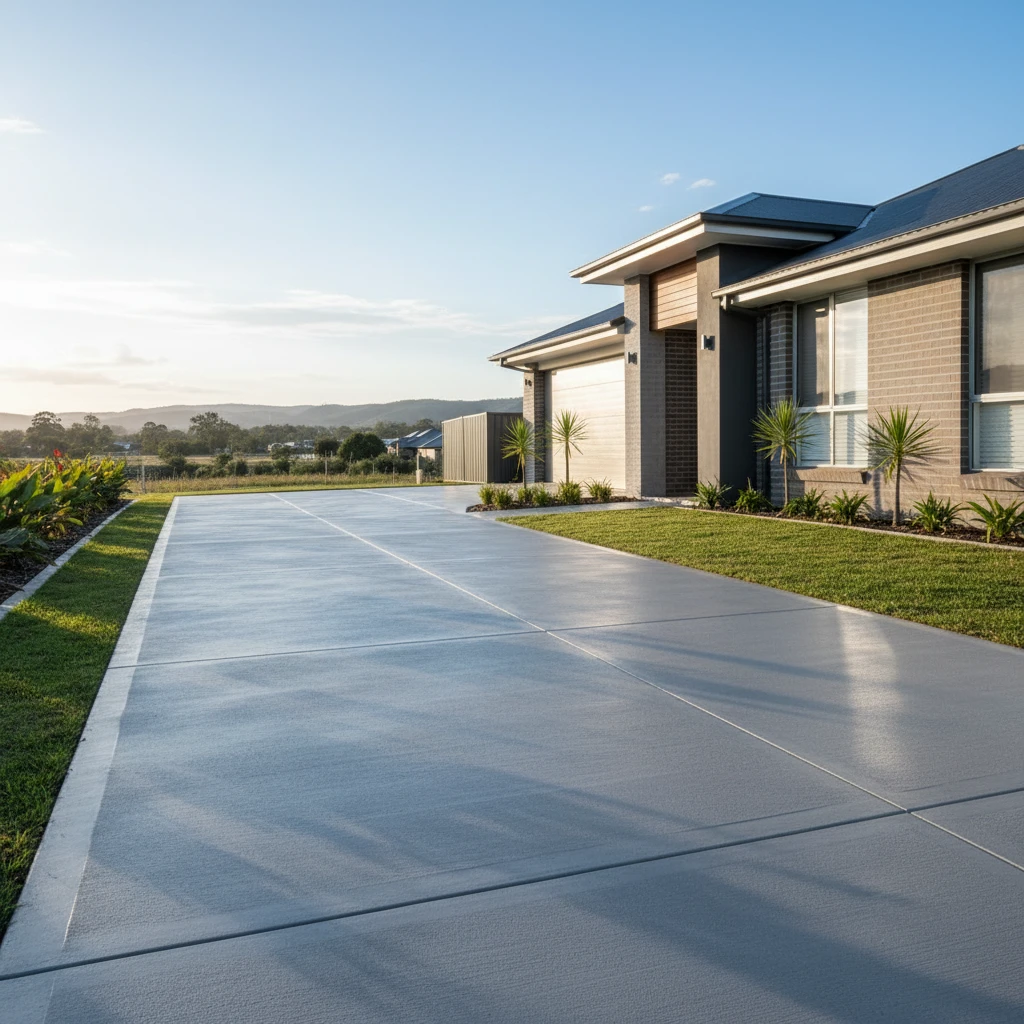
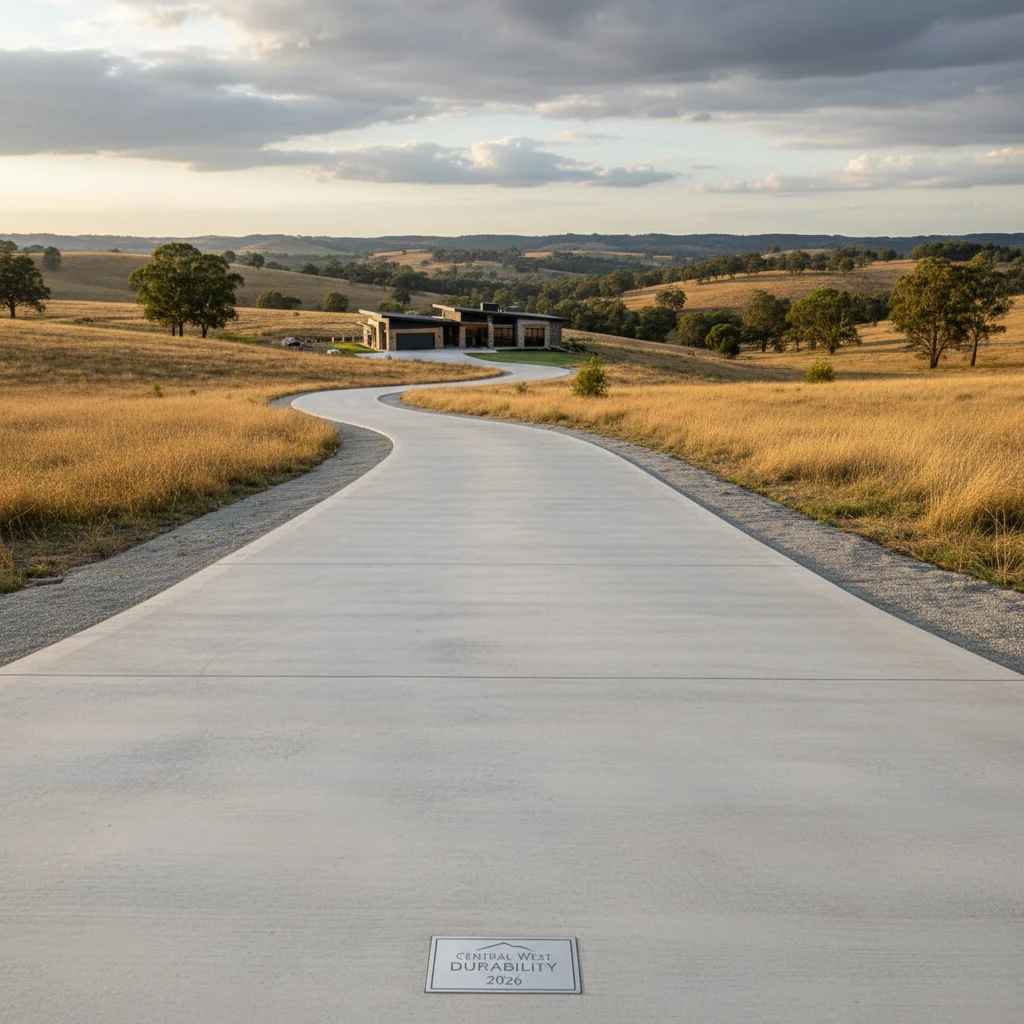
A well-constructed concrete driveway enhances curb appeal and adds value to your property. However, a poorly constructed driveway can quickly deteriorate, leading to costly repairs. We specialise in building concrete driveways that are both beautiful and durable, using a proven process that ensures long-lasting performance.
Choosing the Right Concrete Mix for Penrith’s Climate
Penrith’s climate, with its hot summers and occasional cold snaps, demands a concrete mix designed to withstand these temperature fluctuations. The right mix depends on factors such as exposure to sunlight, drainage conditions, and anticipated traffic load. A higher strength concrete mix is generally recommended for driveways to resist cracking and wear. Additives, such as air-entraining agents, can also improve the concrete’s resistance to freeze-thaw damage. We work with our suppliers to select the optimal concrete mix for each project, ensuring it meets the specific requirements of the site and the client’s needs. For example, a driveway exposed to full sun might benefit from a mix with a higher cement content to reduce shrinkage cracking.
Proper Drainage and Base Preparation for a Crack-Free Driveway
Proper drainage and base preparation are essential for preventing cracks in a concrete driveway. Water can seep under the concrete, causing it to heave and crack during freeze-thaw cycles. A well-drained base allows water to escape, preventing this damage. The base typically consists of a compacted layer of gravel or crushed rock. The thickness of the base depends on the soil type and the anticipated traffic load. We also ensure that the driveway is properly sloped to promote drainage. Pitfalls to avoid include using unsuitable base materials and failing to compact the base adequately. Actionable step: Ensure a minimum of 100mm of compacted gravel base for a residential driveway.
Customising Your Driveway with Colours, Finishes, and Designs
Concrete driveways can be customised to complement your home’s architecture and landscaping. Options include adding colour, texture, and decorative patterns. Coloured concrete can be achieved by adding pigments to the concrete mix or by applying a stain or sealer after the concrete has cured. Textured finishes, such as exposed aggregate or stamped concrete, can add visual interest and improve traction. Decorative patterns can be created using stencils or by hand-tooling the concrete. We work with our clients to select the colours, finishes, and designs that best suit their style and budget. Example: A homeowner chose an exposed aggregate finish for their driveway to match the natural stone in their garden.
Creating Safe and Stylish Footpaths and Concrete Stairs
Well-designed footpaths and concrete stairs not only enhance the aesthetic appeal of your property but also ensure safe and convenient access. We specialise in creating footpaths and stairs that are both functional and visually appealing, using durable materials and expert craftsmanship.
Meeting Australian Standards for Footpath and Stair Construction
Australian Standards outline specific requirements for footpath and stair construction, ensuring safety and accessibility. These standards cover aspects such as stair rise and run dimensions, handrail heights, and slip resistance. We are familiar with these standards and ensure that all our footpaths and stairs comply with the relevant regulations. This includes ensuring adequate lighting for stairs and providing tactile indicators for visually impaired pedestrians. Deviation from these standards can lead to liability issues and safety hazards. Example: A flight of stairs must have consistent rise and run dimensions to prevent tripping hazards. Furthermore, you may want to consider our Footpaths and Concrete Stairs Built to Last.
Choosing Non-Slip Finishes for Increased Safety
Slip resistance is a critical consideration for footpaths and stairs, particularly in wet or icy conditions. Non-slip finishes can significantly reduce the risk of falls and injuries. Options include textured concrete, abrasive coatings, and rubber inserts. The choice of finish depends on factors such as the location of the footpath or stairs, the amount of foot traffic, and the desired aesthetic. We recommend non-slip finishes for all our footpaths and stairs, prioritising safety without compromising style. Example: A heavily trafficked public footpath might benefit from a coarse textured finish for maximum slip resistance.
Integrating Footpaths and Stairs with Your Landscaping
Footpaths and stairs should seamlessly integrate with your landscaping, creating a cohesive and visually appealing outdoor space. This can be achieved by using materials and colours that complement your existing landscape features. Planting vegetation alongside footpaths and stairs can soften the hard edges of the concrete and create a more natural feel. We work with our clients to design footpaths and stairs that enhance their landscaping and create a welcoming and inviting environment. Example: A winding footpath leading through a garden might be bordered by flowering shrubs and groundcover plants. Integrating with the surrounding environment not only enhances the aesthetics but also ensures the structure complements the landscape, adding to the overall value of the property.
Shed Slabs and Equipment Pads: Building Strong Foundations in Penrith
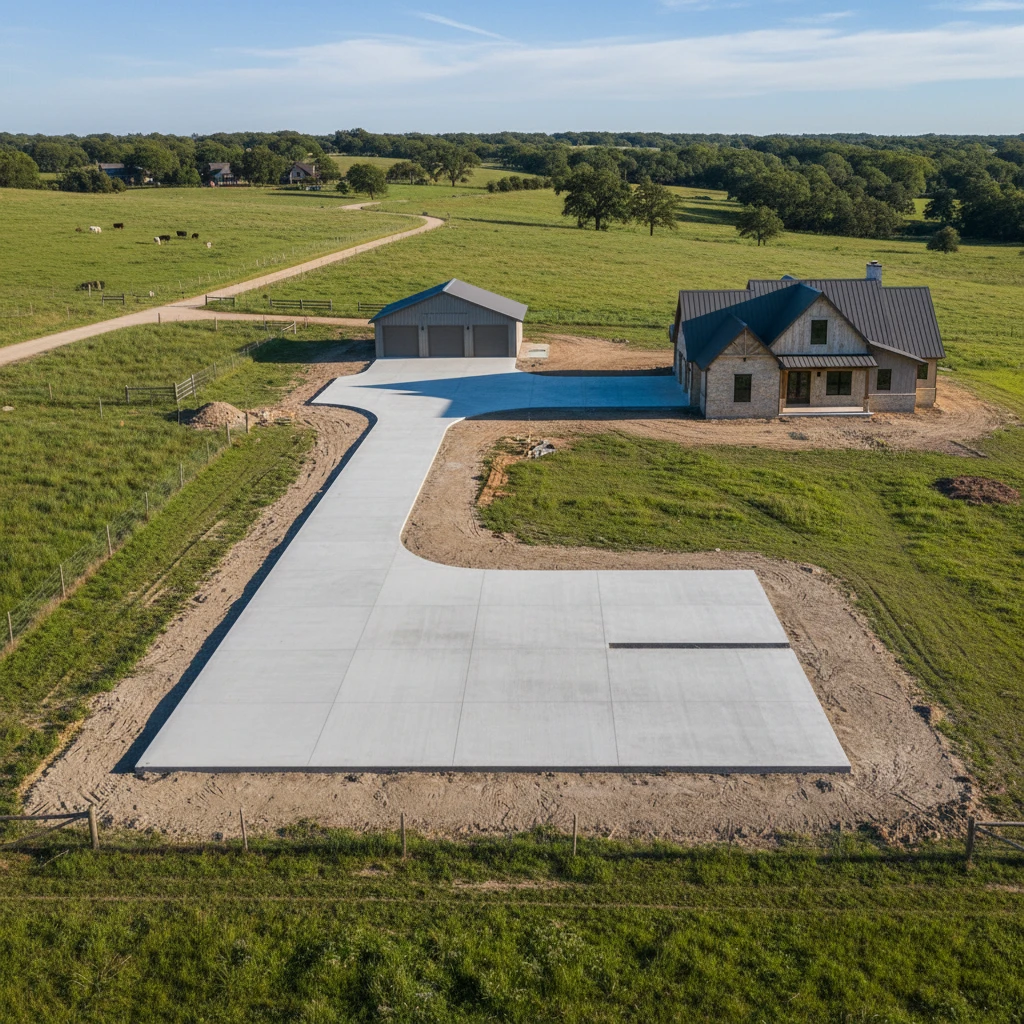
A properly constructed shed slab or equipment pad is critical for the longevity and functionality of your shed or machinery in Penrith. Factors such as soil type, drainage, and intended load must be carefully considered to prevent cracking, settling, and other structural issues. We don’t just pour concrete; we engineer a foundation tailored to your specific needs. For example, a shed intended for heavy storage requires a thicker slab with more robust reinforcement than a simple garden shed. The cost of a poorly installed slab is far greater than the initial savings, leading to costly repairs or even replacement down the line.
Calculating Load Requirements for Your Shed or Equipment
Accurately determining the load your slab will bear is the first step. This includes the static load (the weight of the shed itself and its contents) and the dynamic load (the force exerted by moving equipment or people). A structural engineer can provide precise calculations, especially for heavy machinery or complex storage systems. Consider the maximum weight capacity of your shelving or storage units and factor in a safety margin. For instance, if you plan to store heavy tools and equipment, a standard 100mm slab might be insufficient; a 150mm or even 200mm slab with increased reinforcement may be necessary. Neglecting this crucial step can lead to premature slab failure and potential damage to your belongings.
Reinforcement Options for Heavy Machinery and Storage
The choice of reinforcement is dictated by the load requirements. Options range from steel mesh to rebar, with variations in thickness and spacing. Steel mesh is suitable for lighter loads, while rebar provides superior strength for heavy machinery or substantial storage. Fiber reinforcement can also be added to the concrete mix to increase its tensile strength and reduce cracking. The correct placement and spacing of reinforcement are crucial; incorrect installation can significantly reduce its effectiveness. For instance, rebar should be adequately embedded within the concrete to ensure proper bonding and load transfer. Consider using a higher grade of steel for added durability, especially in corrosive environments.
Ensuring Proper Drainage Around Your Shed Slab
Water is the enemy of concrete. Poor drainage can lead to water pooling around the slab, causing erosion, cracking, and even frost heave in colder months. Ensuring proper drainage is essential for the long-term integrity of your shed slab. This can be achieved through several methods, including sloping the slab away from the shed, installing drainage channels, and using permeable paving materials around the perimeter. Consider the existing drainage patterns of your property and address any potential issues before pouring the concrete. For example, if your shed is located at the bottom of a slope, you may need to install a French drain to divert water away from the slab. A well-drained site will significantly extend the lifespan of your concrete investment, as discussed further at Shed Slabs Built to Last: Concrete Solutions.
Repairing and Replacing Damaged Concrete: Restoring Strength and Appearance
Concrete, despite its inherent strength, is susceptible to damage over time due to environmental factors, wear and tear, or improper installation. Addressing these issues promptly is crucial to prevent further deterioration and maintain the structural integrity and aesthetic appeal of your concrete surfaces. We provide comprehensive repair and replacement services, ensuring a seamless and durable finish that blends seamlessly with the existing concrete. Remember that small cracks can quickly escalate into major structural problems if left unaddressed.
Identifying the Causes of Concrete Cracking and Deterioration
Understanding the root cause of concrete damage is essential for effective repair. Common causes include shrinkage during curing, freeze-thaw cycles, overloading, chemical attack, and tree root intrusion. Different types of cracks indicate different underlying problems. For example, hairline cracks are often cosmetic and can be addressed with a simple sealant, while wider, deeper cracks may indicate structural issues requiring more extensive repairs. Efflorescence (a white powdery deposit) suggests moisture penetration, which can lead to corrosion of the reinforcing steel. A thorough inspection by a qualified professional can pinpoint the cause of the damage and determine the appropriate repair strategy. Ignoring the underlying cause will only lead to a recurrence of the problem.
Matching Existing Concrete Colours and Textures
Achieving a seamless repair requires careful attention to detail, particularly when matching the colour and texture of the existing concrete. Concrete colour can vary due to several factors, including the type of cement, aggregates, and pigments used, as well as the curing conditions. We use specialized techniques to match the existing colour and texture, ensuring that the repaired area blends seamlessly with the surrounding concrete. This may involve using coloured pigments, adjusting the aggregate mix, or employing specialized finishing techniques. A small test patch is often recommended to verify the colour match before proceeding with the full repair. The goal is to create a visually appealing and structurally sound repair that is virtually indistinguishable from the original concrete.
Extending the Life of Your Concrete with Preventative Maintenance
Preventative maintenance is key to extending the lifespan of your concrete surfaces. Regular cleaning, sealing, and prompt repair of minor cracks can significantly reduce the risk of major damage. Sealing the concrete surface protects it from moisture penetration, chemical attack, and staining. Reapply sealant every few years, following the manufacturer’s instructions. Promptly address any cracks or spalling to prevent water from entering and causing further damage. Avoid using de-icing salts on concrete surfaces, as they can accelerate deterioration. By implementing a proactive maintenance plan, you can protect your concrete investment and avoid costly repairs in the future. See our related article on Durable Concrete Driveways for Penrith Homes for more preventative maintenance tips.
Excavation Services Tailored for Challenging Penrith Properties
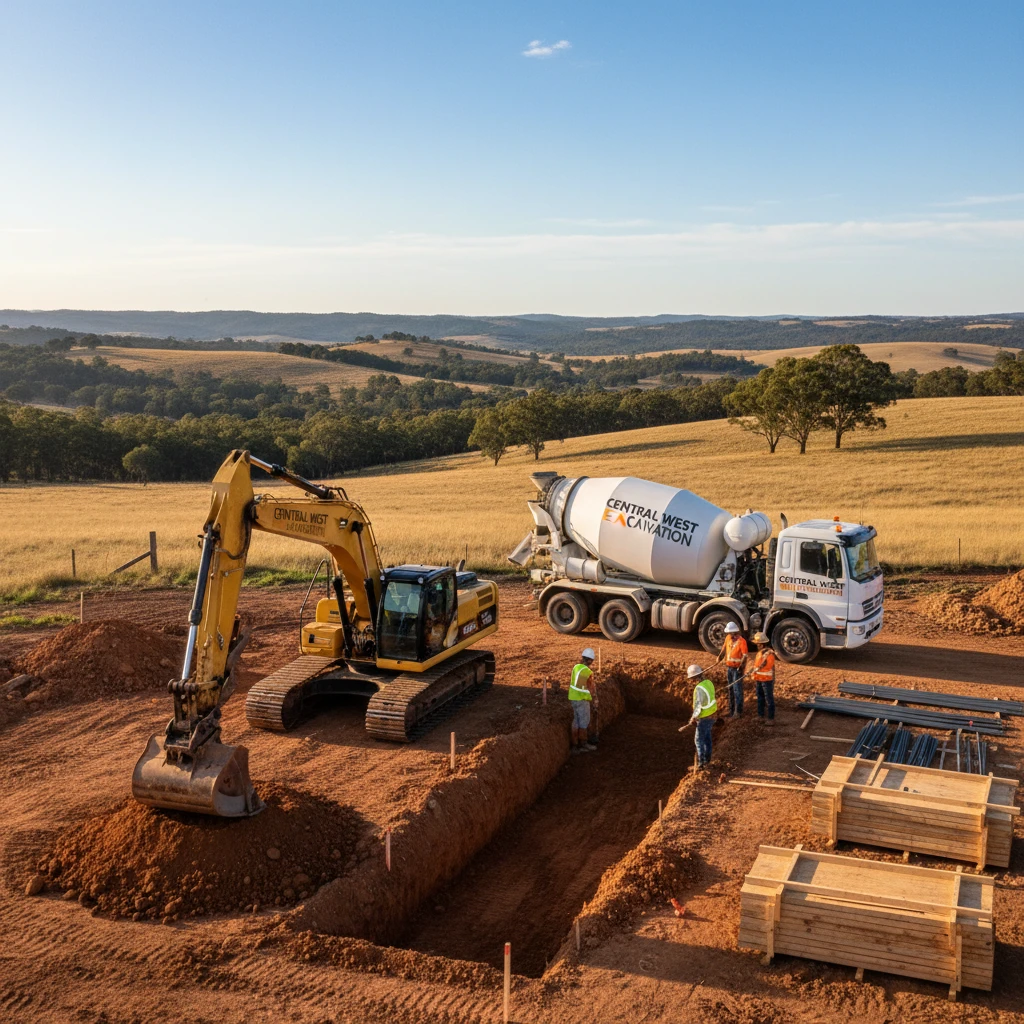
Penrith’s diverse terrain, ranging from flatlands to steep slopes and rocky outcrops, often presents unique challenges for excavation projects. Our expertise in navigating these challenges ensures that your excavation is completed safely, efficiently, and to the highest standards. We understand the nuances of working in challenging terrain and employ specialized equipment and techniques to overcome obstacles and deliver exceptional results. Proper site preparation is the bedrock for successful construction, and our excavation services lay that foundation.
Navigating Tight Access and Confined Spaces
Many properties in Penrith feature tight access and confined spaces, making excavation difficult. Traditional excavation equipment may be too large to maneuver in these areas. We utilize specialized mini excavators and other compact equipment to access tight spaces and perform excavation work with minimal disruption. Our experienced operators are skilled at navigating confined areas and working safely around existing structures. Before commencing any excavation, we conduct a thorough site assessment to identify potential obstacles and develop a tailored excavation plan. Precise planning and execution are critical for minimizing damage and ensuring a successful outcome.
Safe Excavation Practices for Underground Utilities
Excavating without knowing the location of underground utilities can be extremely dangerous and costly. Striking a gas line, water pipe, or electrical cable can result in serious injury, property damage, and service disruptions. Before commencing any excavation, we utilize Dial Before You Dig (DBYD) services to identify the location of underground utilities. We then carefully excavate around these utilities, using hand tools and non-destructive methods to avoid damage. Our team is trained in safe excavation practices and adheres to strict safety protocols to protect workers, the public, and the environment. Safety is our top priority, and we take all necessary precautions to prevent accidents and ensure a safe working environment. You can find information about safe excavation practices from Safe Work Australia.
Earthworks for Retaining Walls and Landscaping Projects
Retaining walls are essential for managing slopes, preventing erosion, and creating usable outdoor spaces in Penrith’s hilly terrain. Our excavation services include earthworks for retaining walls, landscaping projects, and other site development activities. We carefully excavate and grade the site to create a stable and level base for the retaining wall or other structure. We also handle the removal and disposal of excess soil and debris. Our expertise in earthworks ensures that your retaining wall is properly constructed and will provide long-term stability and functionality. Consider consulting with a landscape architect to design a retaining wall that complements your property’s aesthetic appeal.
Understanding the Concreting Process: What to Expect From Start to Finish
Transparency and clear communication are essential throughout the concreting process. From the initial consultation to the final curing stage, we keep you informed every step of the way. Understanding the process allows you to make informed decisions and ensures that your expectations are met. We pride ourselves on our attention to detail and commitment to delivering high-quality results.
Initial Consultation and Site Assessment
The first step is a thorough consultation to discuss your project requirements and assess the site conditions. This involves understanding your specific needs, reviewing architectural plans, and inspecting the site for potential challenges, such as slopes, drainage issues, or access restrictions. We’ll discuss concrete options, reinforcement requirements, and finishing techniques. We provide a detailed quote outlining the scope of work, materials, and timeline. A comprehensive site assessment is crucial for identifying potential problems early on and developing a tailored plan that meets your needs and budget. This stage also involves confirming council approvals if required.
Preparation, Formwork, and Reinforcement
Proper preparation is crucial for a successful concrete pour. This involves clearing the site, grading the soil, and compacting the base material. Formwork is then constructed to create the desired shape and dimensions of the concrete slab. The formwork must be strong and stable to withstand the weight of the concrete. Reinforcement, such as steel mesh or rebar, is then installed to provide added strength and prevent cracking. The placement and spacing of the reinforcement are critical for ensuring proper load distribution. Careful attention to detail during this stage is essential for creating a solid and durable foundation.
Pouring, Finishing, and Curing Your Concrete
Once the preparation is complete, the concrete is poured into the formwork. The concrete is then spread evenly and vibrated to remove air pockets and ensure proper consolidation. Finishing techniques are then applied to create the desired surface texture. This may involve using a trowel to create a smooth finish or a broom to create a non-slip surface. Curing is the final and most crucial step. Concrete needs to be kept moist for several days to allow it to fully harden and gain strength. This is typically achieved by covering the concrete with plastic sheeting or spraying it with water. Proper curing is essential for preventing cracking and ensuring the long-term durability of the concrete. The timeline to utilise Footpaths and Concrete Stairs Built to Last will vary depending on drying and curing times.
Concrete Solutions for Sloping Blocks in Penrith and the Blue Mountains
Terracing and Retaining Walls for Usable Outdoor Spaces
Sloping blocks present unique challenges, but also unique opportunities. Instead of viewing a sloping block as a disadvantage, consider it as a canvas for creating tiered outdoor living spaces. Terracing involves cutting into the slope to create level platforms, held in place by retaining walls. These walls can be constructed from concrete blocks, poured concrete, or even decorative stone, depending on the aesthetic you’re aiming for. When planning terracing, consider the following:
- Soil type: Conduct a soil test to determine its stability and drainage characteristics. This will inform the design of your retaining walls.
- Height of retaining walls: Walls exceeding a certain height (typically around 900mm to 1 metre, depending on local council regulations) will require engineering approval.
- Access: Plan for access during construction. Tight access can significantly increase costs, as it may require specialized equipment or manual labour.
- Drainage: Incorporate adequate drainage behind the retaining walls to prevent water buildup, which can lead to wall failure.
Example: The Smiths in Katoomba had a steep backyard they couldn’t use. Laser Concrete installed two terraced levels with concrete sleeper retaining walls, creating a play area for their kids and a separate space for a garden. The project cost $18,000 and took 2 weeks, including excavation and drainage.
Drainage Solutions for Preventing Water Damage
Effective drainage is critical on sloping blocks to prevent erosion and water damage. Poor drainage can lead to soil instability, undermining of structures, and even flooding. Solutions include:
- Surface drains: These channels collect surface water and direct it away from structures. They’re often installed along driveways and pathways.
- Subsurface drains: Also known as French drains, these consist of perforated pipes buried in gravel trenches. They collect groundwater and carry it away from the building’s foundations or retaining walls.
- Stormwater pits and pipes: These systems collect runoff from roofs and paved areas and direct it to the stormwater system.
- Swales: These are shallow, vegetated channels that slow down and filter stormwater runoff.
When planning drainage, consider the volume of water you need to manage, the slope of the land, and the location of existing drainage systems. Consulting with a qualified drainage specialist is recommended. Incorrect installation of drainage can exacerbate problems, leading to costly repairs.
Creating Level Areas for Building and Landscaping
Creating level areas on sloping blocks often involves excavation and filling. Excavation removes soil from high areas, while filling adds soil to low areas to create a level surface. Key considerations include:
- Cut and fill balance: Aim to balance the amount of soil excavated with the amount needed for filling. This minimizes the need to import or export soil, reducing costs and environmental impact.
- Compaction: Properly compacting the fill is essential to prevent settling and ensure the stability of the soil. Use appropriate compaction equipment and techniques.
- Retaining walls: Retaining walls may be necessary to support the excavated or filled areas.
- Site access: Evaluate site access for machinery needed during excavation and filling. Tight access will increase the cost.
For building projects, soil testing is mandatory to comply with building codes. The soil report will specify the required compaction levels and foundation design. Remember that https://laserconcrete.com.au/shed-slabs-built-to-last-concrete-solutions/ will need a level base.
Why Choose Laser Concrete for Your Next Project? Quality You Can Trust in 2026
Licensed, Insured, and Experienced Concreting Professionals
Engaging a licensed, insured, and experienced concreting contractor is paramount for a successful project. Licensing ensures that the contractor meets the required standards of competence and adheres to industry best practices. Insurance protects you from liability in case of accidents or property damage during the project. Experience is invaluable in dealing with the complexities of concrete work, especially on challenging sites. Before hiring a contractor, verify their license, check their insurance coverage, and ask for references. A reputable contractor will be transparent about their qualifications and experience.
Laser Concrete holds all necessary licenses and insurances for concreting work in NSW. We have a proven track record of delivering high-quality concrete solutions for residential and light commercial projects across Penrith, the Blue Mountains, and the Central West.
Commitment to Clear Communication and Customer Satisfaction
Clear and consistent communication is essential throughout the concreting process. From the initial consultation to the final inspection, you should be kept informed of progress, any potential issues, and any changes to the plan. A good contractor will listen to your needs, answer your questions patiently, and provide regular updates. Customer satisfaction is a direct result of effective communication and quality workmanship. Look for a contractor who values your input and is committed to exceeding your expectations. If you are putting in https://laserconcrete.com.au/blue-mountains-concrete-driveways-built-to-last/, you’ll need to communicate with us about the driveway gradient.
At Laser Concrete, we prioritize clear communication and customer satisfaction. We believe in building strong relationships with our clients based on trust and transparency.
Serving Penrith, the Blue Mountains, and the Central West
Laser Concrete is proud to serve the Penrith, Blue Mountains, and Central West regions. We have extensive experience working on a wide range of projects in these areas, from residential driveways and patios to commercial shed slabs and retaining walls. Our local knowledge allows us to understand the specific challenges and requirements of each region, such as soil conditions, climate, and council regulations. We are committed to providing reliable and efficient concreting services to our local communities. Familiarity with local council regulations is key, as noted on https://www.penrith.city/.
Frequently Asked Questions About Concreting in the Penrith Area
What permits are required for concrete work in Penrith?
Permit requirements for concrete work in Penrith vary depending on the scope and nature of the project. Generally, permits are required for:
- Structural concrete work: This includes foundations, retaining walls, and other load-bearing structures.
- Driveways and crossovers: Any work that affects the public footpath or road requires council approval.
- Work in environmentally sensitive areas: Projects near waterways or protected vegetation may require additional permits.
It’s essential to check with Penrith City Council to determine the specific permit requirements for your project. We can assist you with the permit application process.
How long does concrete take to cure?
Concrete curing is the process of maintaining adequate moisture and temperature to allow the concrete to hydrate and gain strength. The curing time depends on factors such as the concrete mix design, the ambient temperature, and the humidity. Generally, concrete should be cured for at least 7 days, but longer curing periods may be required for high-strength concrete or in cold weather. Proper curing is essential to ensure the durability and longevity of the concrete.
How much does concrete cost per square metre?
The cost of concrete per square metre varies depending on several factors, including:
- Concrete mix design: Different mix designs have different costs.
- Thickness of the concrete: Thicker concrete requires more material.
- Reinforcement: The amount and type of reinforcement (e.g., steel mesh, reinforcing bars) affect the cost.
- Site access: Difficult site access can increase labour costs.
- Finishing requirements: Different finishes (e.g., plain, coloured, exposed aggregate) have different costs.
As a general guide, expect to pay between $80 and $150 per square metre for standard concrete slabs. Requesting a detailed quote is essential for an accurate estimate.
Ready to Transform Your Property? Get a Quote for Expert Concreting Today
Contact us for a free consultation and site assessment
The first step towards transforming your property with quality concrete is to contact us for a free consultation and site assessment. We will visit your property, assess your needs, and discuss your options. This allows us to understand the specific challenges and requirements of your project and provide you with tailored solutions.
Discuss your project requirements and budget
During the consultation, we will discuss your project requirements in detail. This includes the type of concrete work you need, the desired finish, and any specific design considerations. We will also discuss your budget to ensure that we can provide you with a solution that meets your needs and your financial constraints.
Receive a detailed and transparent quote for your concreting needs
Following the site assessment and discussion of your requirements, we will provide you with a detailed and transparent quote for your concreting needs. The quote will outline all the costs involved in the project, including materials, labour, and equipment. We are committed to providing you with clear and accurate pricing, so you can make an informed decision. There are no hidden fees, and we pride ourselves on honest transparent pricing.
Laser Concrete is ready to bring your concreting vision to life across Penrith, the Blue Mountains, and the Central West. We offer reliable service and quality workmanship that you can depend on.