A driveway is more than just a place to park your car; it’s a critical element of your property’s curb appeal and functionality. In the Blue Mountains, however, the unique climate and challenging terrain demand more than just a standard concrete pour. A poorly constructed driveway can quickly deteriorate, costing you time, money, and frustration.
Laser Concrete understands the specific challenges faced by Blue Mountains residents. We deliver durable, high-quality concrete driveways that stand the test of time. Our expertise ensures your investment not only looks great but also provides lasting value for years to come.
Tired of Driveways That Crack Under Blue Mountains Weather?
The Unique Challenges of Concrete in the Blue Mountains Climate
The Blue Mountains region presents a demanding environment for concrete. Frequent temperature fluctuations, heavy rainfall, and occasional frost create a constant cycle of expansion and contraction. This puts significant stress on concrete, leading to cracking, crumbling, and a shortened lifespan. The porous nature of standard concrete allows water to penetrate, which can freeze and expand in colder months, further exacerbating the problem. Additionally, the soil composition in many parts of the Blue Mountains can be unstable, placing uneven pressure on driveway foundations.
Why a Standard Driveway Often Fails
Many standard driveway installations fail in the Blue Mountains because they don’t account for these specific environmental factors. Using a low-grade concrete mix, inadequate reinforcement, or improper curing techniques will inevitably lead to problems. For example, a driveway poured with insufficient concrete depth (less than 100mm) is more susceptible to cracking under the weight of vehicles. Similarly, neglecting proper drainage can lead to water pooling and subsequent damage. Cutting corners on site preparation, such as failing to compact the sub-base adequately, also compromises the driveway’s structural integrity.
Introducing Durable Concrete Driveway Solutions from Laser Concrete
Laser Concrete takes a comprehensive approach to driveway construction, specifically tailored for the Blue Mountains climate. We use only high-quality concrete mixes designed for Australian conditions, coupled with robust reinforcement and meticulous curing processes. Our experienced team understands the importance of proper site preparation, including thorough compaction and effective drainage solutions. We assess each property individually to determine the specific needs and challenges, ensuring a driveway that can withstand the region’s harsh weather patterns and ground conditions.
The Laser Concrete Difference: Quality Materials and Expert Craftsmanship
Using High-Strength Concrete Mixes Suitable for Australian Conditions
We utilise concrete mixes with higher compressive strengths than standard mixes. This means the concrete can withstand greater loads and is more resistant to cracking. For example, we commonly use a mix with a minimum compressive strength of 32 MPa (megapascals) for driveways, significantly higher than the 20-25 MPa often used in less demanding applications. We also incorporate additives, such as air entrainers, to improve the concrete’s resistance to freeze-thaw cycles, a crucial factor in the Blue Mountains climate. This ensures a denser, more durable concrete that resists water penetration and lasts longer. We always follow Australian Standard AS 3600 for concrete structures.
Reinforcement Techniques for Enhanced Durability (Rebar, Mesh)
Reinforcement is crucial for distributing loads and preventing cracking. We use both steel reinforcing mesh and rebar, depending on the specific requirements of the project. Reinforcing mesh provides a grid-like structure that helps to distribute weight evenly across the driveway surface. Rebar, on the other hand, is used to provide additional support in areas that are subject to high stress, such as edges and corners. For example, we might use 12mm rebar spaced at 400mm intervals in areas where heavy vehicles will be parked. Proper placement of the reinforcement is also critical. It must be positioned within the concrete slab so that it is fully encapsulated and protected from corrosion.
The Importance of Proper Curing for Long-Lasting Results
Curing is the process of maintaining adequate moisture and temperature levels in the concrete during its early stages of hardening. Proper curing is essential for achieving the concrete’s full strength and durability. We use a variety of curing methods, including wet curing (covering the concrete with wet burlap or continuously spraying it with water) and applying curing compounds that seal the surface and prevent moisture loss. Curing typically lasts for at least seven days, but can be extended depending on the weather conditions and the specific concrete mix used. Neglecting proper curing can result in a significantly weaker concrete slab that is more prone to cracking and other damage. A poorly cured driveway may exhibit surface crazing and dusting, leading to premature failure. For more information, refer to resources from Cement Concrete & Aggregates Australia (CCAA) about best practice curing techniques CCAA Website.
Driveway Design Considerations for Blue Mountains Properties
Matching Your Driveway to Your Home’s Style
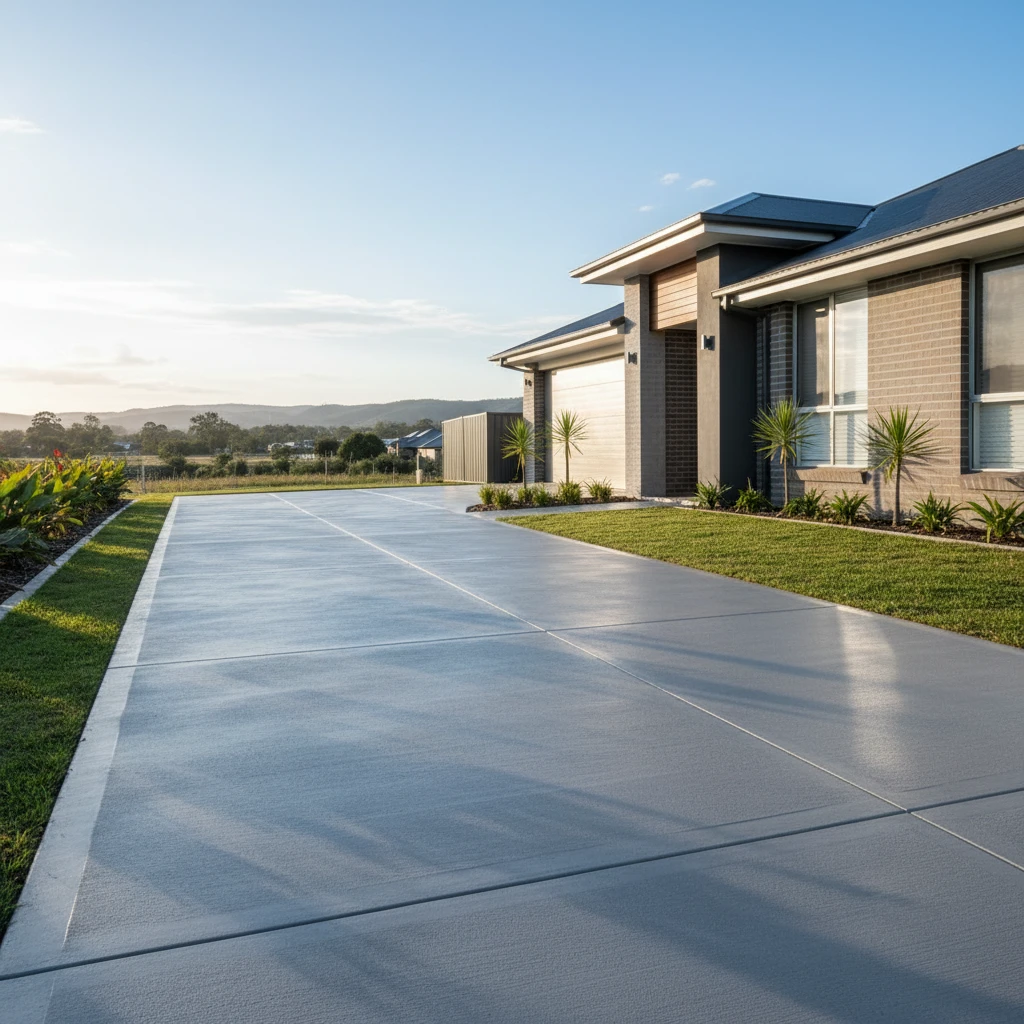
A well-designed driveway should complement your home’s architecture and landscaping. Consider the overall style of your property when choosing the shape, colour, and finish of your driveway. For example, a modern home might benefit from a sleek, minimalist driveway with a smooth finish, while a traditional home might look better with a textured or coloured driveway that blends in with the surrounding environment. Also consider the colour scheme of your home. A driveway that is too similar in colour to your house may look monotonous, while one that is too contrasting may clash. We offer a wide range of customisation options to help you create a driveway that perfectly matches your home’s aesthetic.
Choosing the Right Concrete Finish (Exposed Aggregate, Stamped, Coloured)
The concrete finish significantly impacts the appearance and functionality of your driveway. Exposed aggregate offers a textured, non-slip surface that is ideal for sloped driveways. Stamped concrete allows you to replicate the look of natural stone or brick at a fraction of the cost. Coloured concrete can add visual interest and complement your home’s colour scheme. Each finish has its own advantages and disadvantages. Exposed aggregate, while providing excellent traction, can be more difficult to clean. Stamped concrete requires careful application and sealing to prevent fading and cracking. Coloured concrete can be more susceptible to fading over time. We can advise you on the best finish for your specific needs and preferences.
Incorporating Drainage to Prevent Water Damage
Effective drainage is crucial for preventing water damage to your driveway and your property’s foundation. Water can seep beneath the driveway, eroding the sub-base and causing the concrete to crack or sink. We incorporate various drainage solutions, such as surface drains, channel drains, and permeable pavers, to ensure that water is effectively removed from the driveway surface. Surface drains are typically installed along the edges of the driveway to capture runoff. Channel drains are linear drains that can be used to collect water from large areas. Permeable pavers allow water to drain directly through the driveway surface, reducing runoff and replenishing groundwater. Proper grading is also essential for ensuring that water flows away from your home’s foundation.
Handling Slopes and Difficult Terrain: Our Speciality
Site Preparation for Uneven Ground
Blue Mountains properties often feature sloping or uneven terrain, which requires careful site preparation before pouring concrete. We begin by excavating the area to the desired depth, removing any topsoil, vegetation, and other debris. The sub-base is then compacted to create a stable foundation for the concrete. For uneven ground, we may need to use additional fill material to level the surface. The type of fill material used will depend on the soil conditions and the slope of the land. We always ensure that the sub-base is properly compacted to prevent settling and cracking of the concrete.
Retaining Walls for Driveway Stability
On steep slopes, retaining walls may be necessary to provide support for the driveway and prevent soil erosion. Retaining walls can be constructed from various materials, including concrete, stone, and timber. The design and construction of retaining walls require careful planning and engineering to ensure their stability and longevity. We can design and build retaining walls that are both functional and aesthetically pleasing, blending seamlessly with your property’s landscape. Proper drainage is essential for retaining walls to prevent water buildup behind the wall, which can lead to failure.
Precision Excavation Techniques for a Perfect Base
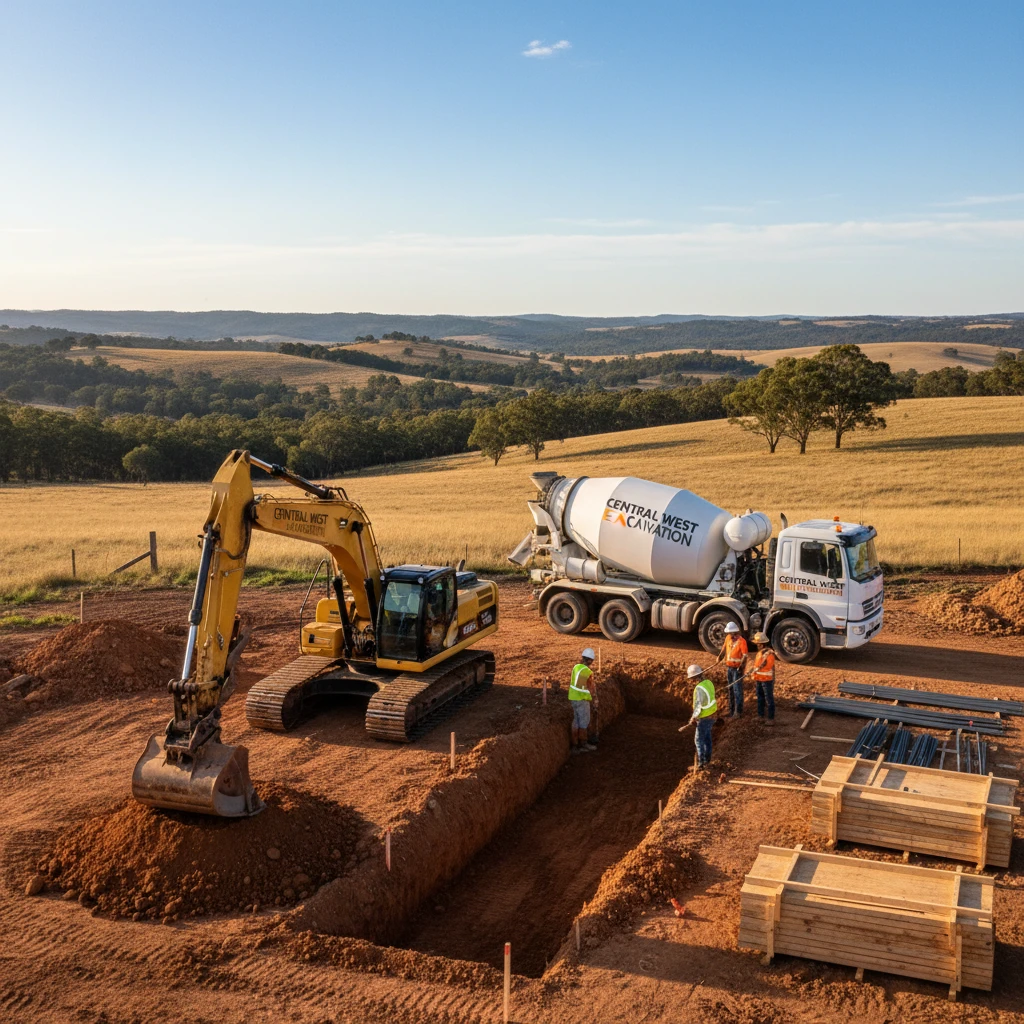
Achieving a level and stable base is paramount for a durable driveway, especially on challenging terrain. Laser Concrete uses precise excavation techniques, employing laser levels and GPS equipment to ensure accurate grading and compaction. We understand the importance of removing unstable soil and replacing it with compacted gravel or other suitable fill materials. This process creates a uniform sub-base that can withstand the weight of vehicles and resist settling. We also pay close attention to the slope of the driveway, ensuring proper drainage and preventing water from pooling on the surface. Our commitment to precision excavation guarantees a solid foundation for your concrete driveway, minimising the risk of cracking and other structural problems. Consider looking at our Durable Concrete Driveways for Penrith Homes to see another example of our quality site preparation.
Understanding the Concrete Driveway Construction Process
Step-by-Step Guide: From Excavation to Finishing
The construction of a durable concrete driveway involves a meticulously planned and executed process. First, excavation removes the existing surface material and any unsuitable soil. This step is crucial to achieve a stable base for the concrete. We carefully assess the soil type and depth required, taking into account the expected load and drainage needs. For example, on steep slopes common in the Blue Mountains, we might terrace the excavation to prevent future slippage. Next, formwork is installed to define the shape and boundaries of the driveway. Accurate formwork ensures the correct dimensions and desired finish. This is followed by the base preparation. A compacted base layer, typically consisting of crushed rock or gravel, is laid to provide a solid foundation. Compaction is key; poorly compacted bases are a primary cause of driveway failure. We use vibrating plate compactors or rollers to achieve optimal density. Then comes the concrete pour. The concrete mix must be carefully controlled to ensure the correct strength and workability. Factors like slump, water-cement ratio, and aggregate size are critical. Finally, finishing involves levelling, smoothing, and texturing the concrete surface. This stage also includes applying any desired decorative finishes. Curing is the last and most important step, involving keeping the concrete moist for several days to allow it to gain strength. Poor curing leads to weak, crack-prone concrete.
What to Expect During the Installation
The installation process inevitably involves some disruption. Expect noise from excavation equipment, concrete trucks, and power tools. Dust and debris will also be generated, although we take measures to minimise this. Concrete delivery requires access for large trucks, so you’ll need to ensure adequate clearance and inform neighbours if access is temporarily restricted. The pouring and finishing process usually takes a full day, and the concrete needs to cure undisturbed for at least 7 days before you can drive on it. Foot traffic is typically permissible after 24-48 hours. We will provide clear timelines and updates throughout the project, communicating any unexpected delays or adjustments promptly. Prior to the start of work, we clearly mark out the work area and install safety barriers to protect your property and prevent accidents. You’ll also need to consider where vehicles can be parked during the curing period.
Minimising Disruption to Your Property
Minimising disruption is a priority. Before starting, we conduct a thorough site assessment to identify potential challenges and develop a plan to mitigate them. This includes protecting existing landscaping, marking underground utilities, and establishing designated access routes for equipment and materials. We use dust suppression techniques, such as water spraying, to control airborne particles. Our team is trained to work efficiently and respectfully, minimising noise levels where possible. We also ensure that the work area is kept tidy and that all debris is removed at the end of each day. Open communication is key; we encourage you to raise any concerns you have during the installation process so we can address them promptly. We also offer options such as phased construction to minimise disruption to driveways that are essential access points. For difficult access sites in the Blue Mountains, smaller machinery is used to limit the impact on gardens and surrounding areas. See examples of our tight access solutions on our excavation and earthworks page.
The Long-Term Benefits of a Professionally Installed Concrete Driveway
Increased Property Value
A well-constructed concrete driveway significantly enhances property value. Potential buyers recognize the durability and low maintenance associated with concrete, making it a desirable feature. A cracked, uneven, or poorly maintained driveway, on the other hand, can detract from a property’s overall appeal. Replacing an old, dilapidated driveway with a new concrete one is an investment that pays off in the long run. Real estate agents often cite concrete driveways as a selling point, especially in areas like Penrith and the Blue Mountains where the climate can be harsh on other materials. Upgrading to a decorative concrete finish, such as exposed aggregate or stamped concrete, can further increase the perceived value and aesthetic appeal. Example: A home in Katoomba that invested $12,000 in a new concrete driveway saw an estimated $25,000 increase in resale value.
Reduced Maintenance Costs Compared to Other Materials
Compared to asphalt, gravel, or pavers, concrete driveways require minimal maintenance. Asphalt needs regular sealing to prevent cracking and deterioration, while gravel driveways require periodic grading and topping up. Pavers can shift and settle over time, creating uneven surfaces. Concrete, on the other hand, is inherently durable and resistant to weathering. Occasional cleaning and sealing are typically all that’s needed to keep it in good condition. This translates to significant cost savings over the lifespan of the driveway. For example, asphalt driveways typically need resealing every 3-5 years at a cost of several hundred dollars each time, whereas a concrete driveway may only need resealing every 5-7 years or even longer depending on the sealer used. Furthermore, the longer lifespan of concrete compared to other materials means fewer replacement costs.
Enhanced Curb Appeal
A well-designed concrete driveway significantly improves curb appeal, creating a positive first impression. Concrete can be customised with various finishes, colours, and textures to complement the style of your home. Options include exposed aggregate, stamped concrete, coloured concrete, and decorative scoring. Unlike asphalt, which is typically only available in black, concrete offers a wide range of aesthetic possibilities. A professionally installed concrete driveway demonstrates attention to detail and adds a touch of sophistication to your property. Consider the impact a worn-out, cracked driveway has on potential buyers, compared to a smooth, stylish concrete driveway. Example: A home in Leura with a newly installed exposed aggregate driveway saw a noticeable increase in online interest and positive feedback from prospective buyers. See more on enhancing visual appeal through our durable concrete driveways page.
Concrete Driveway Maintenance Tips to Maximise Lifespan
Regular Cleaning to Prevent Staining
Regular cleaning is essential to prevent stains and maintain the appearance of your concrete driveway. Oil spills, tire marks, and leaf stains can penetrate the concrete surface if left unattended. Use a broom or pressure washer to remove dirt, debris, and spills promptly. For stubborn stains, use a mild detergent or degreaser specifically designed for concrete. Avoid harsh chemicals or abrasive cleaners, as they can damage the surface. A simple solution of water and dish soap is often sufficient for general cleaning. Rinse thoroughly after cleaning to remove any residue. Consider investing in a driveway cleaner attachment for your pressure washer to make the job easier and more effective. Regularly sweeping debris away prevents build-up and reduces the risk of staining. For oil spills, absorb as much of the liquid as possible with absorbent materials like kitty litter or sawdust before cleaning.
Sealing Your Driveway for Added Protection
Sealing your concrete driveway provides an added layer of protection against stains, water damage, and freeze-thaw cycles. A good quality sealer penetrates the concrete pores, creating a barrier that prevents water and contaminants from entering. Sealing also enhances the appearance of the concrete, giving it a richer colour and a slight sheen. Choose a sealer that is specifically designed for concrete driveways and follow the manufacturer’s instructions carefully. Before sealing, clean the driveway thoroughly and allow it to dry completely. Apply the sealer evenly using a roller or sprayer. Most sealers require two coats for optimal protection. Reapply the sealer every 2-5 years, depending on the product and the level of traffic. Sealing is particularly important in areas with harsh winters, as it helps prevent damage from salt and de-icing chemicals. Consult with a concreting professional to determine the best sealer for your specific driveway and climate. For more information, refer to resources from the Concrete Institute of Australia on concrete protection Concrete Institute of Australia.
Addressing Cracks Promptly to Avoid Further Damage
Even with proper installation and maintenance, cracks can sometimes appear in concrete driveways. Addressing these cracks promptly is crucial to prevent them from worsening and causing further damage. Small cracks can be repaired with a concrete crack filler or sealant. Clean the crack thoroughly and remove any loose debris before applying the filler. For larger cracks, you may need to use a patching compound or consult with a concreting professional. Ignoring cracks can lead to water penetration, which can cause the concrete to expand and contract, leading to further cracking and eventual disintegration. In areas with freeze-thaw cycles, water that enters cracks can freeze and expand, causing significant damage. If you notice a network of cracks or significant structural damage, it’s best to seek professional advice. A structural engineer can assess the situation and recommend the appropriate repairs.
Common Concrete Driveway Problems (and How We Prevent Them)
Preventing Cracking Due to Poor Soil Compaction
One of the most common causes of concrete driveway failure is inadequate soil compaction beneath the concrete slab. When the underlying soil is not properly compacted, it can settle over time, causing the concrete to crack. We prevent this by thoroughly compacting the subgrade using appropriate equipment, such as vibrating plate compactors or rollers. The degree of compaction required depends on the soil type and the expected load on the driveway. We also ensure that any organic matter or debris is removed from the subgrade before compaction. Proper drainage is also crucial, as water can weaken the soil and contribute to settlement. We assess the soil conditions and implement drainage solutions as needed, such as installing drainage pipes or creating a sloped subgrade. Geotextile fabric may be used to stabilize the soil and prevent erosion. Rigorous quality control measures are in place to ensure that the subgrade meets the required compaction standards before the concrete is poured.
Avoiding Surface Scaling Caused by Incorrect Mix Ratios
Surface scaling, the flaking or peeling of the concrete surface, is often caused by incorrect concrete mix ratios or poor finishing practices. To prevent this, we carefully control the concrete mix to ensure that it meets the required specifications for strength, workability, and durability. We use high-quality aggregates and cement and maintain a consistent water-cement ratio. Over-watering the concrete mix can weaken the surface and make it more susceptible to scaling. We also avoid over-finishing the concrete surface, as this can create a weak layer that is prone to flaking. Proper curing is essential to ensure that the concrete hydrates properly and develops its full strength. We keep the concrete moist for several days after pouring by covering it with plastic sheeting or applying a curing compound. We also avoid pouring concrete in extreme weather conditions, such as very hot or very cold temperatures, as this can affect the curing process and increase the risk of scaling.
Addressing Drainage Issues That Lead to Erosion
Poor drainage can lead to erosion and undermining of the concrete driveway, causing it to crack and settle. We address drainage issues by carefully assessing the site’s topography and implementing appropriate drainage solutions. This may include installing drainage pipes, creating a sloped driveway surface, or building retaining walls to divert water away from the driveway. We also ensure that the surrounding landscaping is properly graded to promote drainage. Downpipes from gutters should be directed away from the driveway to prevent water from pooling around the edges. In areas with heavy rainfall, we may recommend installing a French drain or a similar drainage system to collect and divert excess water. Regular maintenance, such as cleaning out drainage pipes and removing debris from gutters, is essential to ensure that the drainage system functions properly. Ignoring drainage issues can lead to costly repairs in the long run, so it’s important to address them proactively.
Serving the Blue Mountains and Beyond: Our Service Areas
Providing Concrete Driveway Solutions Across the Blue Mountains Region
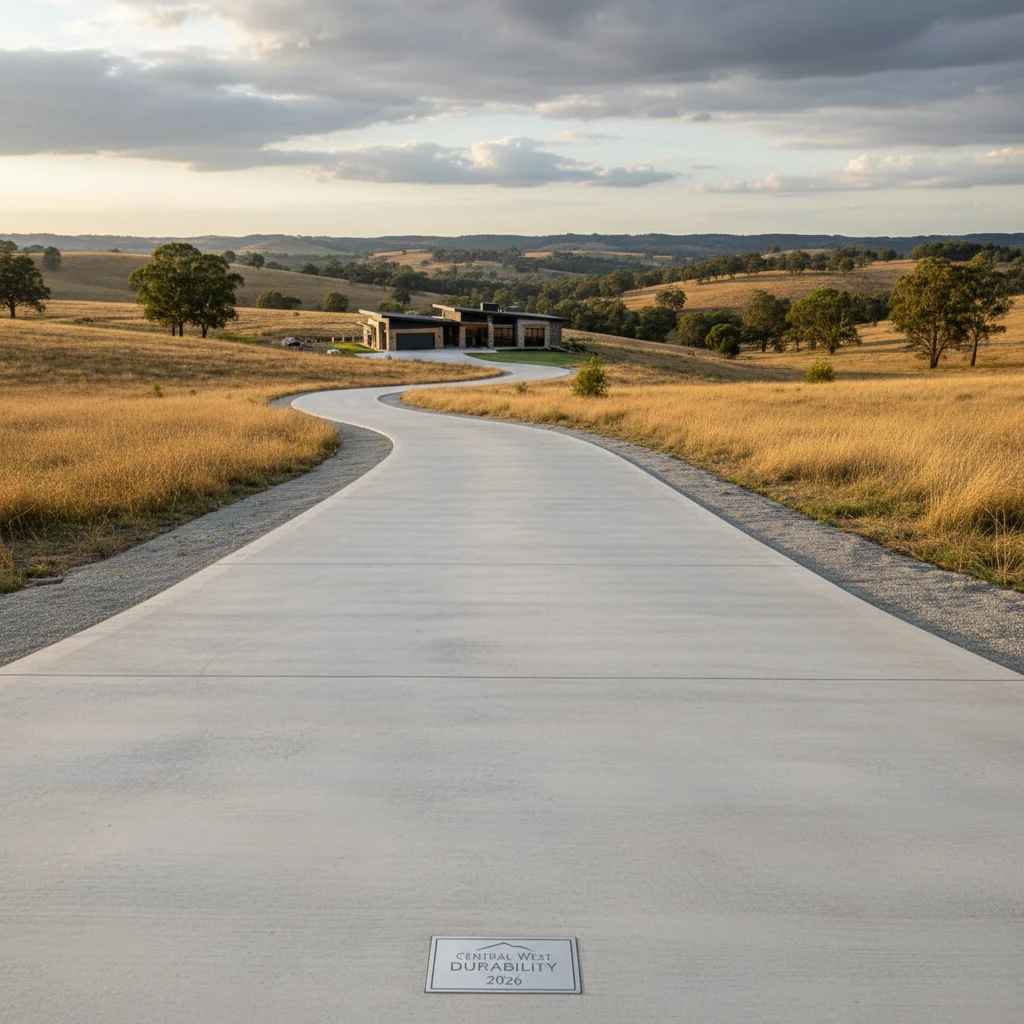
Laser Concrete is proud to provide comprehensive concrete driveway solutions throughout the Blue Mountains. From the lower mountains suburbs like Glenbrook and Blaxland, known for their established homes and challenging blocks, to the upper mountains towns of Katoomba and Leura, where weather conditions demand durable materials, we have the experience and expertise to deliver exceptional results. Whether you’re dealing with steep inclines, rocky terrain, or difficult access points, our team is equipped to handle any challenge. Our process begins with a thorough site assessment, taking into account factors such as soil composition, drainage requirements, and existing landscaping. This allows us to recommend the most appropriate concrete mix and construction techniques to ensure a long-lasting and visually appealing driveway.
Proper drainage is crucial in the Blue Mountains due to the higher rainfall. Neglecting this can lead to water pooling, erosion, and ultimately, driveway damage. We implement solutions like sub-surface drainage systems and correctly sloped surfaces to mitigate these risks. Furthermore, the freeze-thaw cycle in the upper mountains can cause concrete to crack if the wrong mix is used. We always select concrete mixes that are specifically designed to withstand these harsh conditions. For example, we often incorporate air entrainment admixtures to improve freeze-thaw resistance. A common pitfall is inadequate base preparation; we ensure a stable and well-compacted base to prevent settling and cracking over time.
Extending Our Services to Penrith and the Central West
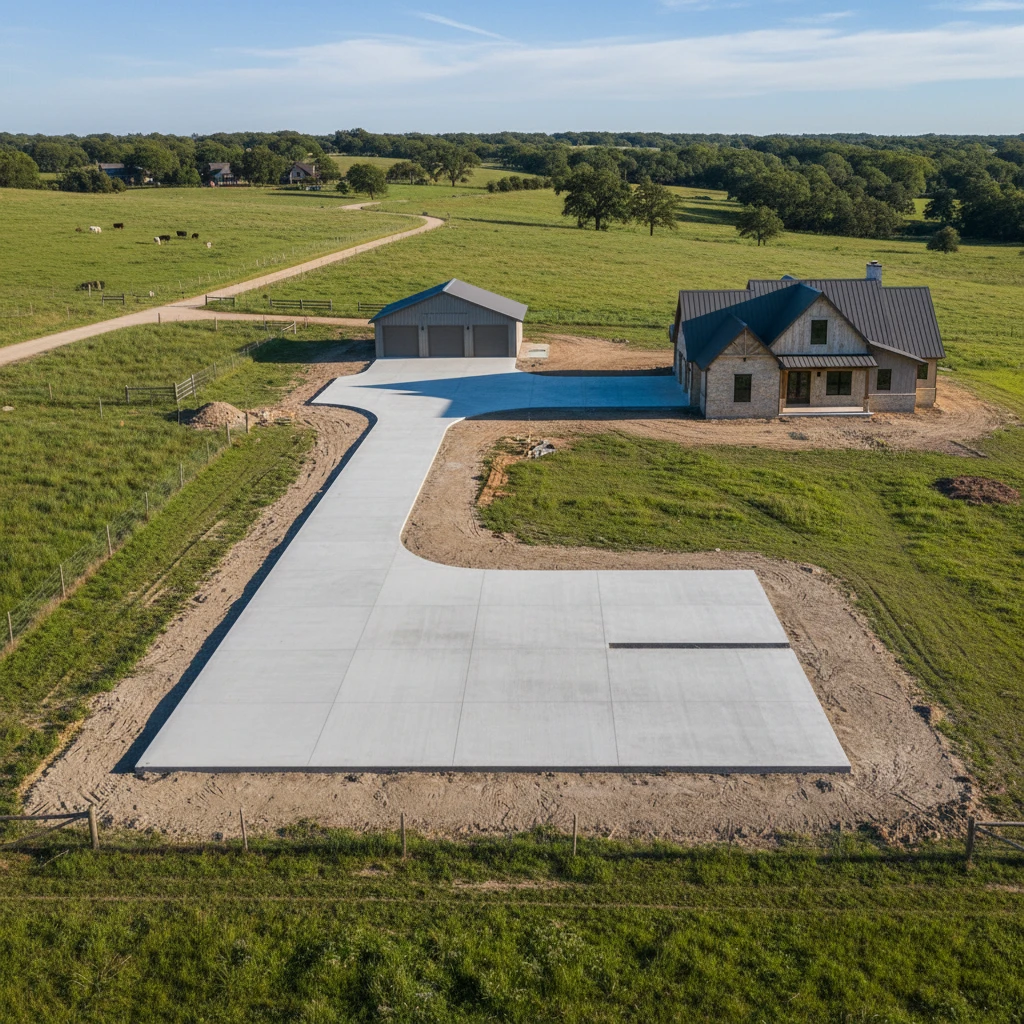
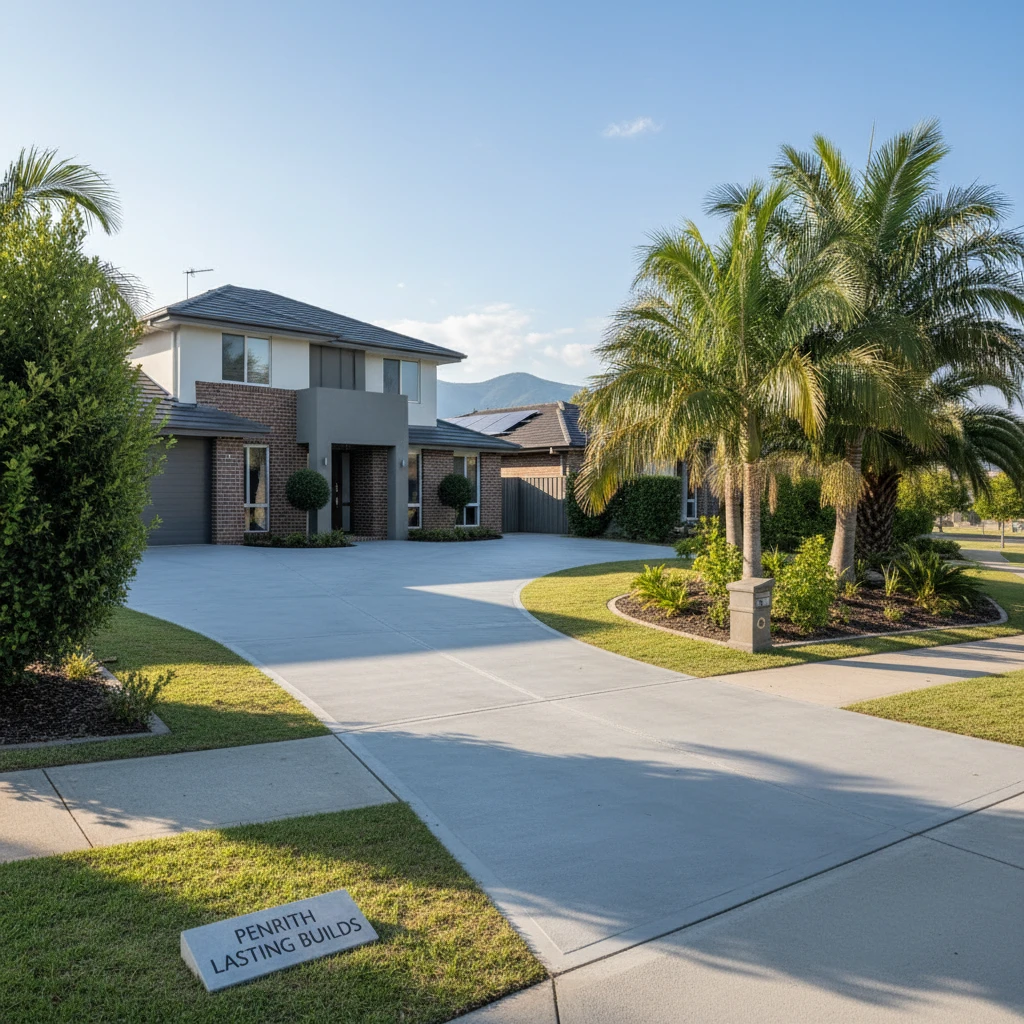
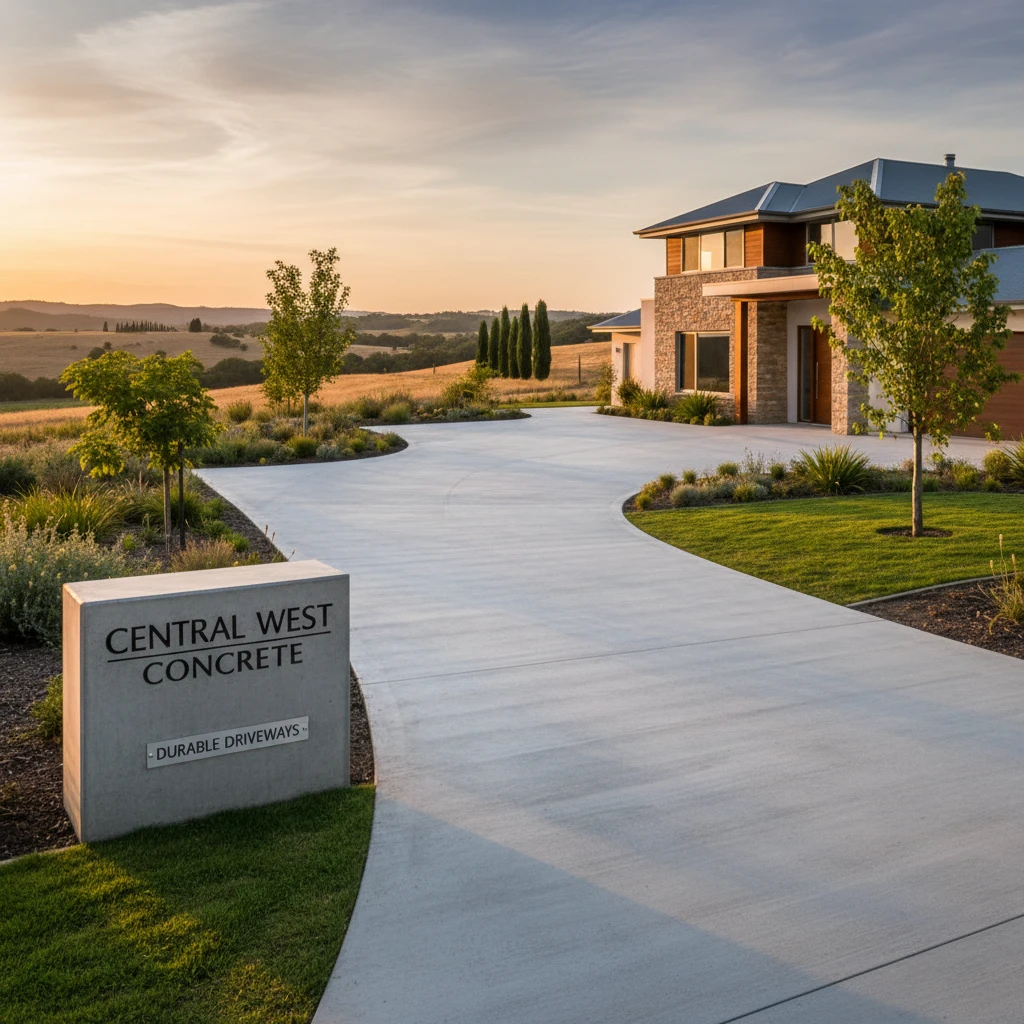
In addition to the Blue Mountains, we also extend our concrete driveway services to Penrith and the Central West. In Penrith, we understand the importance of creating driveways that complement the modern aesthetic of the area. We offer a range of decorative concrete options, including exposed aggregate and coloured concrete, to enhance the kerb appeal of your home. We also provide durable and functional driveways for rural properties in the Central West, capable of withstanding heavy vehicle traffic and the demands of agricultural activities. Clients in this area often require extra thick concrete for areas subject to heavy loads, such as access points for farm machinery. A crucial aspect of our service is adherence to local council regulations. We navigate the approval processes for you, ensuring your driveway meets all necessary standards. Learn more about our services in Penrith on our Durable Concrete Driveways for Penrith Homes page.
Local Knowledge, Reliable Service
Our extensive experience working in the Blue Mountains, Penrith, and the Central West gives us a unique understanding of the specific challenges and requirements of each region. We are familiar with local soil types, weather patterns, and council regulations, allowing us to provide tailored solutions that are built to last. We pride ourselves on our reliable service and commitment to customer satisfaction. From the initial consultation to the final inspection, we will keep you informed every step of the way. We understand the importance of clear communication and transparency, and we are always available to answer your questions and address your concerns. We also offer concrete solutions for Shed Slabs Built to Last: Concrete Solutions, ensuring consistency and quality across all your concreting needs.
Ready to Transform Your Blue Mountains Property with a Durable Concrete Driveway?
Contact Us for a Free Consultation and Quote
Are you ready to upgrade your Blue Mountains property with a durable and visually appealing concrete driveway? Contact Laser Concrete today for a free consultation and quote. Our experienced team will visit your site to assess your specific needs and provide you with a detailed proposal outlining the scope of work, materials, and costs. We believe in transparent pricing and will never surprise you with hidden fees. Our initial consultation involves a thorough discussion of your vision, budget, and timeline. We then perform a detailed site inspection to identify any potential challenges or opportunities. Based on this information, we will develop a customised plan that meets your specific requirements.
Discussing Your Specific Needs and Requirements
During the consultation, we will discuss your specific needs and requirements in detail. This includes factors such as the size and shape of your driveway, the type of vehicles you will be parking on it, and your desired aesthetic. We will also discuss the various concrete options available, including plain concrete, exposed aggregate, and coloured concrete. We’ll also advise you on aspects like driveway width and turning circles, based on the size and type of vehicle typically used. We can also help you choose the most appropriate finish and colour to complement your home’s existing style. For example, a darker coloured concrete can help to absorb heat in colder climates, while a lighter colour can reflect heat in warmer climates. We also factor in pedestrian traffic, and may suggest specific textures to provide more grip, especially on sloped driveways. We also take into account aspects such as integrating drainage to protect existing structures, referencing the Australian Building Codes Board guidelines on stormwater management. The Australian Building Codes Board is a great resource for homeowners and builders.
Let Laser Concrete Build a Driveway That Lasts
Laser Concrete is committed to providing high-quality concrete driveways that are built to last. We use only the best materials and employ skilled tradespeople who are passionate about their work. We are confident that you will be satisfied with the results. Our commitment extends to providing ongoing support and maintenance advice. We offer tips on how to properly care for your concrete driveway to ensure it remains in excellent condition for years to come. For example, regular cleaning with a pressure washer can help to remove dirt and grime, while sealing the concrete every few years can help to protect it from staining and weathering. We take pride in our workmanship and stand behind our products.
Recent Blue Mountains Concrete Driveway Projects (Case Studies)
Below are hypothetical examples to illustrate our recent Blue Mountains concrete driveway projects.
Example 1: Steep Slope Success in Wentworth Falls
A client in Wentworth Falls had a very steep driveway leading to their garage. Access was difficult, especially in wet weather. Laser Concrete designed and installed a textured concrete driveway with strategically placed drainage channels. The result was improved access, enhanced safety, and increased property value. The client reported a significant improvement in vehicle and pedestrian access, particularly during winter.
Example 2: Exposed Aggregate Elegance in Leura
In Leura, a homeowner wanted to enhance the kerb appeal of their property with a decorative concrete driveway. Laser Concrete installed an exposed aggregate driveway with a custom colour blend to complement the home’s existing sandstone features. The project added a touch of elegance to the property and significantly increased its visual appeal.
Example 3: Durable Solution in Blackheath
A property in Blackheath required a new driveway to withstand heavy vehicles and frequent use. Laser Concrete installed a reinforced concrete driveway with a thicker slab and improved sub-base preparation. The client reported that the driveway has held up perfectly to the demands of their busy household, with no signs of cracking or wear after two years.
We hope this information has provided helpful details about our concrete driveway services in the Blue Mountains region. Contact us to discuss your specific needs and get a free quote.