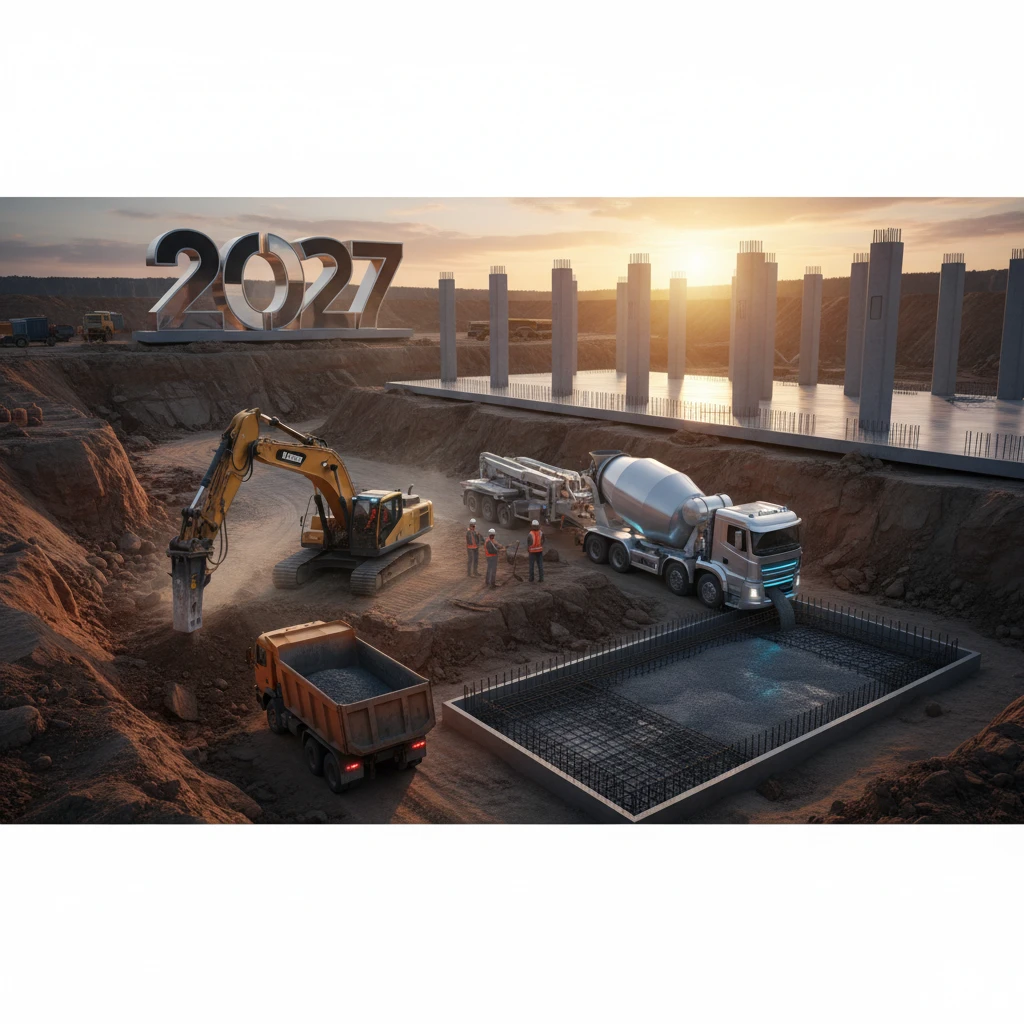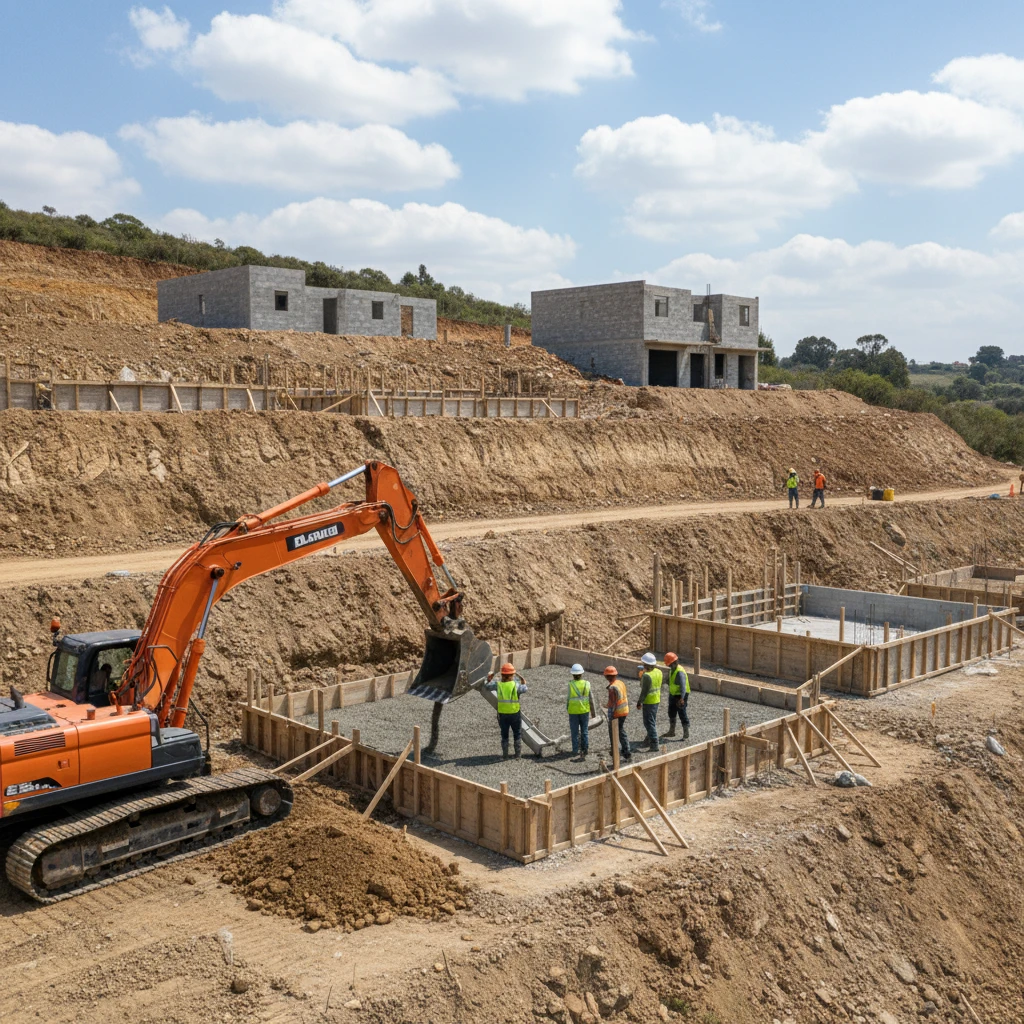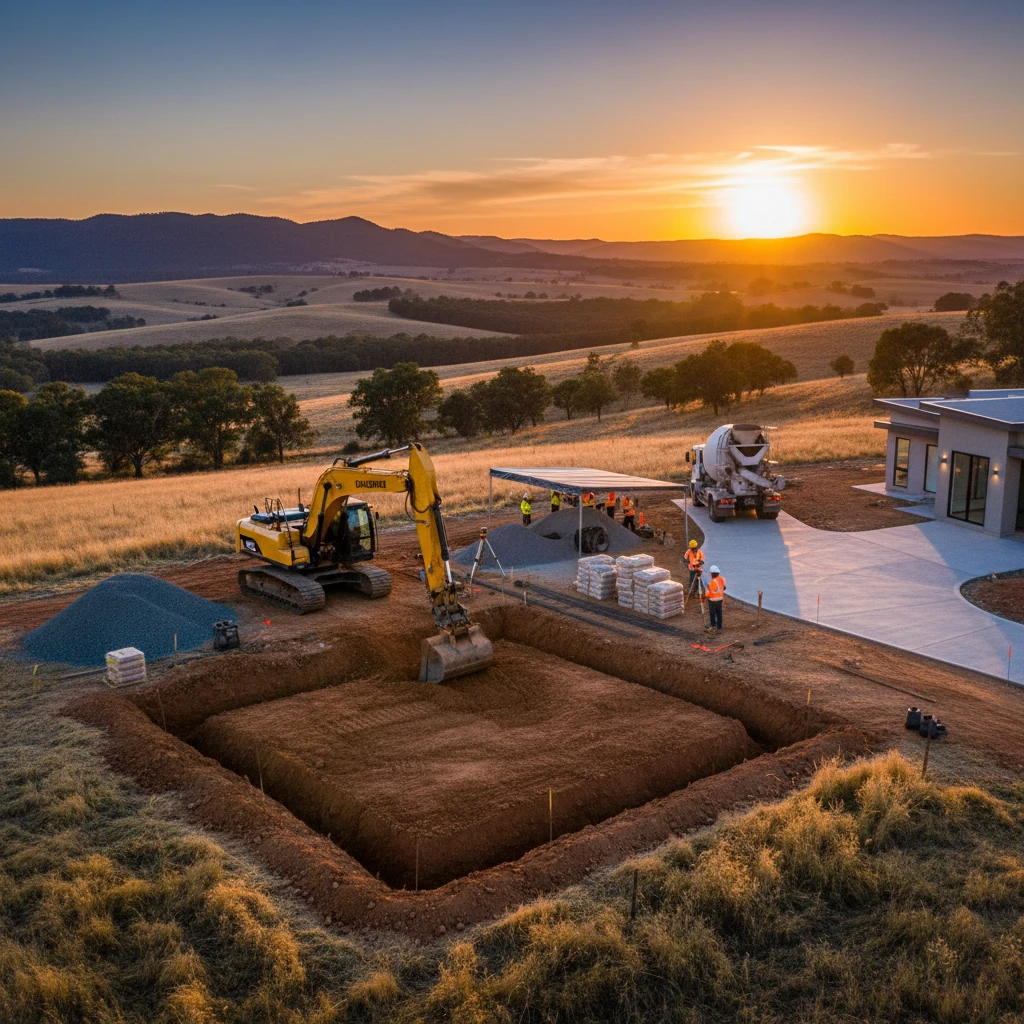
When planning concrete work, the excitement often centres on the finished surface – the smooth expanse of a new driveway or the sturdy foundation of a shed slab. However, the real key to a concrete project’s longevity lies beneath the surface, in the quality of the excavation. Proper excavation ensures a stable, well-draining base, preventing future cracks, shifts, and costly repairs. It’s the foundation upon which your entire concrete investment rests. We have years of experience providing quality excavation and concreting services across the Central West.
In the Central West, with its diverse terrain and variable soil conditions, expert excavation is even more crucial. From the rocky slopes of the Blue Mountains to the expansive plains around Penrith, each site presents unique challenges that demand a thorough understanding of soil mechanics, drainage principles, and precision excavation techniques. Choosing the right excavation partner can make all the difference in achieving a durable and beautiful concrete result. Discover how critical excavation is to long-lasting concrete.
Why Proper Excavation is the Unsung Hero of Long-Lasting Concrete in the Central West
The connection between excavation and concrete lifespan
The relationship between excavation and concrete lifespan is direct and profound. Poor excavation leads to uneven settling, cracking, and premature failure of the concrete. Conversely, proper excavation provides a uniform, stable base that can withstand the stresses of weather, traffic, and ground movement. Think of excavation as preparing the canvas before an artist begins to paint. A poorly prepared canvas will ruin even the most beautiful artwork. Similarly, subpar excavation dooms even the highest-quality concrete to an early demise. When we talk about precision excavation, we’re not just aiming for aesthetics, we’re striving for longevity.
Common excavation shortcuts and their costly consequences
Many contractors, in an attempt to cut costs or save time, take shortcuts during excavation. These shortcuts often lead to severe problems down the line. Some common examples include inadequate compaction, failure to remove organic matter, and improper grading. Inadequate compaction leaves air pockets in the soil, causing it to settle unevenly over time. Failure to remove organic matter, such as roots and decaying vegetation, creates weak spots that can compromise the concrete’s integrity. Improper grading leads to poor drainage, which allows water to seep under the concrete and erode the base. The cost of rectifying these issues far outweighs the initial savings from the shortcuts. For example, a poorly compacted driveway base might save a day’s labour upfront, but could require complete replacement within five years due to cracking and deformation. Reputable contractors understand these risks and prioritize quality excavation. A quality contractor will never sacrifice the future stability of your concrete for short-term savings.
Why laser levelling provides a superior concrete base
Traditional excavation methods rely on manual measurements and visual estimations, which are prone to human error. Laser levelling, on the other hand, uses laser technology to achieve unparalleled accuracy in grading and levelling. This ensures a perfectly even surface, which is essential for uniform concrete thickness and consistent load distribution. Laser levelling also helps to identify and correct subtle imperfections in the subgrade that would otherwise go unnoticed. These imperfections can cause localized stress points in the concrete, leading to cracking and spalling over time. Choosing a contractor that invests in laser levelling demonstrates a commitment to quality and precision. For optimal results, laser levelling is used to create consistent slopes for drainage. For shed slabs in particular, laser levelling is crucial for ensuring the floor is perfectly level. For more information on laser levelling, consult resources from reputable civil engineering organizations.
Understanding the Ground Beneath: Site Assessment for Optimal Concrete Results
Identifying soil types and their impact on concrete foundations
The type of soil on your Central West property significantly impacts the design and execution of your concrete project. Clay soils, for instance, are prone to expansion and contraction with changes in moisture content, which can exert significant pressure on concrete foundations. Sandy soils, while generally stable, may lack the necessary cohesion to provide adequate support. Rocky soils present challenges in excavation and require specialized equipment and techniques. A thorough site assessment involves identifying the soil type, assessing its load-bearing capacity, and determining its drainage characteristics. This information is then used to select the appropriate excavation depth, compaction methods, and base materials. For example, a site with expansive clay soil might require a deeper excavation and the installation of a non-reactive granular base to prevent movement. Ignoring these factors can lead to costly foundation problems in the future. Understanding the specific characteristics of your site’s soil is paramount for creating a durable concrete foundation.
Drainage considerations: Preventing water damage before it starts
Proper drainage is critical for preventing water damage to concrete structures. Water that accumulates around or beneath concrete can lead to erosion, cracking, and even structural failure. Effective drainage solutions include grading the site to direct water away from the foundation, installing subsurface drainage systems, and using permeable paving materials. The goal is to ensure that water is efficiently removed from the site and does not have the opportunity to saturate the soil beneath the concrete. In areas with high rainfall or poor soil drainage, it may be necessary to install French drains or other advanced drainage systems. Neglecting drainage considerations is a common mistake that can have devastating consequences. Prioritising drainage during the excavation phase is a proactive approach to preserving the integrity of your concrete investment for years to come. Consider how water flows across your property during heavy rain and plan your drainage accordingly.
Dealing with rocky terrain and steep slopes in Central West properties
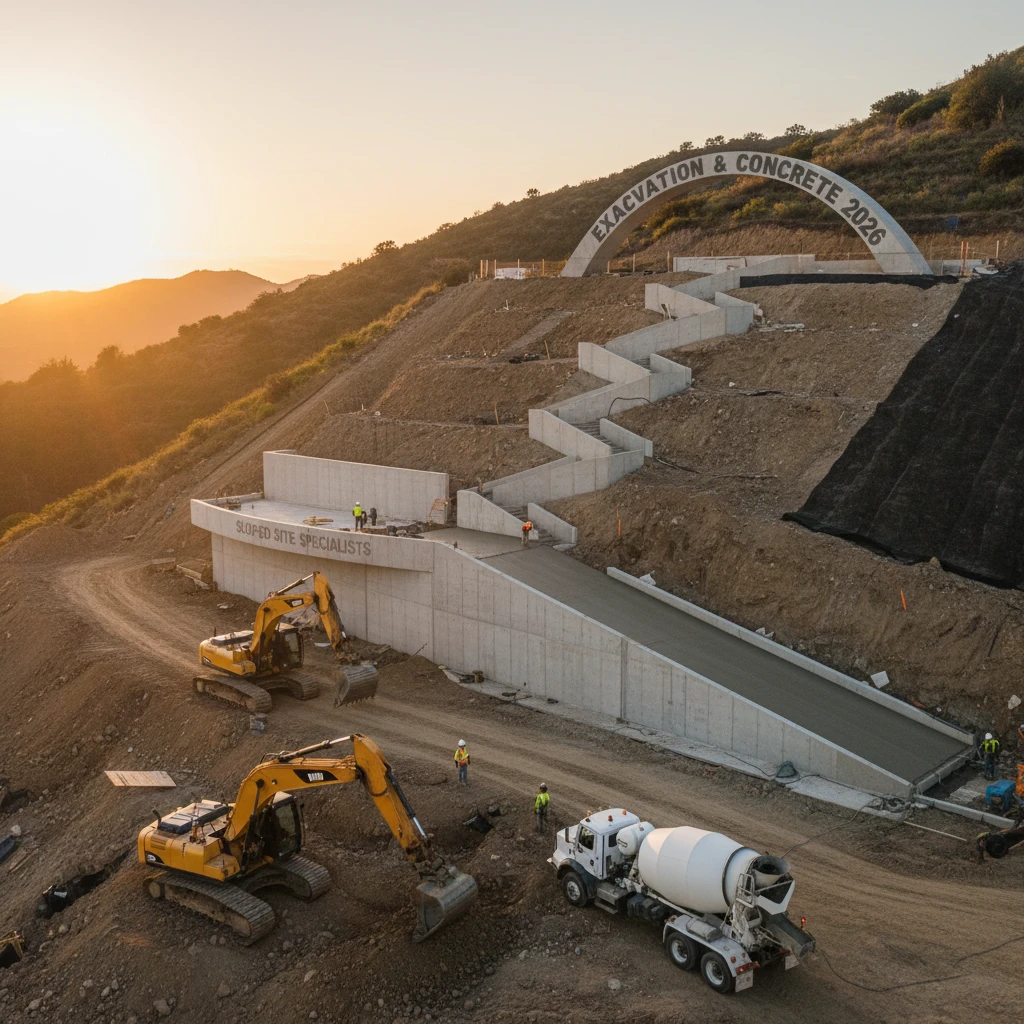
Many properties in the Central West, particularly in the Blue Mountains region, feature rocky terrain and steep slopes. These conditions pose unique challenges for excavation and concrete work. Excavating rocky ground requires specialized equipment, such as rock breakers and excavators with rock buckets. Steep slopes require careful planning to ensure stability and prevent erosion. Retaining walls may be necessary to create level areas for concrete slabs or driveways. It’s crucial to engage a contractor with experience working on challenging sites. They will have the knowledge and expertise to develop innovative solutions that address the specific challenges of your property. Attempting to DIY excavation on steep or rocky terrain is extremely dangerous and can lead to serious injury or property damage. Expertise in handling difficult sites separates average contractors from those who deliver exceptional results. We are experts at excavation on sloped sites.
The Laser Concrete Excavation Process: Precision and Quality at Every Step
Detailed site preparation: Clearing, levelling, and compaction
Our laser concrete excavation process begins with a detailed site preparation phase. This involves clearing the area of all vegetation, debris, and topsoil. Topsoil is unsuitable for supporting concrete due to its high organic content and instability. Once the site is cleared, we begin the levelling process, using laser technology to establish the desired grade and slope. Precise levelling is essential for ensuring proper drainage and preventing ponding. After levelling, the soil is compacted in layers, using specialized compaction equipment. Each layer is carefully compacted to achieve the required density, ensuring a stable and uniform base for the concrete. The type of compaction equipment used will depend on the soil type and the size of the project. For example, a plate compactor may be used for smaller areas, while a vibratory roller is more suitable for larger projects.
Using laser technology for accurate gradients and even surfaces
Laser technology is the cornerstone of our excavation process. We use laser levels and transits to establish precise gradients and ensure perfectly even surfaces. This technology allows us to achieve an accuracy of within millimeters, which is far superior to traditional excavation methods. The laser level emits a beam of light that serves as a reference point for the excavator operator. The operator adjusts the excavator’s bucket until it is aligned with the laser beam, ensuring that the excavation is at the correct depth and angle. This precise control minimizes the risk of errors and ensures that the concrete is poured on a perfectly prepared surface. The laser technology is particularly useful for creating consistent slopes for drainage, which is essential for preventing water damage. The use of laser technology reflects our commitment to quality and precision.
Safety protocols during excavation: Protecting your property and our team
Safety is our top priority during every excavation project. We adhere to strict safety protocols to protect your property, our team, and the public. Before beginning any excavation work, we conduct a thorough site assessment to identify potential hazards, such as underground utilities, unstable slopes, and hazardous materials. We also implement traffic control measures to ensure the safety of pedestrians and vehicles. Our team members are trained in safe excavation practices and are equipped with the necessary personal protective equipment (PPE), including hard hats, safety glasses, and high-visibility vests. We also use shoring and bracing techniques to prevent collapses in deep excavations. Regular safety inspections are conducted to ensure that all safety protocols are being followed. By prioritizing safety, we minimize the risk of accidents and ensure that your excavation project is completed safely and efficiently. A safe work environment is a productive work environment.
Concrete Driveways: Excavation Considerations for Heavy Use and Durability
Calculating the correct depth and base for driveway longevity
For concrete driveways, calculating the correct excavation depth and base thickness is crucial for ensuring longevity and withstanding heavy use. The depth of excavation depends on several factors, including the soil type, the expected traffic load, and the climate. Generally, a minimum excavation depth of 200mm is recommended for residential driveways, with an additional allowance for the base material. The base material typically consists of crushed rock or gravel, which provides a stable and well-draining foundation for the concrete. The thickness of the base layer should be at least 100mm, but may need to be increased depending on the soil conditions and traffic load. A poorly designed base can lead to cracking, settling, and premature failure of the driveway. Consulting with a qualified excavation contractor is essential for determining the optimal excavation depth and base thickness for your specific driveway project. Proper planning ensures a long-lasting driveway.
Choosing the right compaction techniques for heavy vehicle traffic
The compaction technique used for a concrete driveway significantly impacts its ability to withstand heavy vehicle traffic. Proper compaction ensures that the base material is dense and stable, preventing settling and cracking. For driveways that will be subjected to heavy vehicle traffic, such as trucks or SUVs, a vibratory roller is recommended. A vibratory roller uses vibration to compact the soil, achieving a higher density than a plate compactor. The compaction should be performed in multiple passes, with each pass overlapping the previous one. The moisture content of the soil is also important for proper compaction. Too much moisture can make the soil unstable, while too little moisture can prevent the soil from compacting properly. A soil test can be performed to determine the optimal moisture content. Investing in proper compaction is an investment in the longevity of your driveway.
Ensuring proper drainage to prevent driveway cracking and erosion
Proper drainage is essential for preventing water damage to concrete driveways. Water that accumulates around or beneath the driveway can lead to erosion, cracking, and even structural failure. To ensure proper drainage, the driveway should be sloped away from the house and towards a drainage outlet, such as a swale or a drain. The slope should be at least 1% to allow for adequate water runoff. It may also be necessary to install subsurface drainage systems, such as French drains, to collect and remove water from beneath the driveway. Permeable paving materials, such as porous concrete or pavers, can also be used to improve drainage. Neglecting drainage considerations can lead to costly repairs and premature replacement of the driveway. Integrating drainage solutions during excavation prevents long-term water damage. Consider installing channel drains across the driveway if water flow is significant.
Shed Slabs and Equipment Bases: Excavating for Stability and Load Bearing
Proper excavation is paramount when preparing for shed slabs and equipment bases, ensuring long-term stability and preventing structural issues. The excavation process directly impacts the load-bearing capacity of the concrete, influencing the lifespan of the structure and the safety of any equipment housed within or placed upon it. For instance, insufficient excavation can lead to settling and cracking, while improper compaction can compromise the entire foundation. A qualified excavation contractor understands the intricacies of soil types and how they react under load. To understand the importance of site preparation, see how we handle excavation and concrete shed slabs.
Assessing load requirements: Matching excavation depth to shed or equipment weight
Accurately assessing load requirements is the first critical step in determining the necessary excavation depth. This involves a detailed analysis of the shed’s weight (including potential contents) or the weight of the equipment to be placed on the concrete base. A geotechnical engineer can provide valuable insights into the soil’s bearing capacity and recommend appropriate excavation depths. As an example, a small garden shed might require a shallower excavation compared to a large workshop filled with heavy machinery. An example of load requirement assessment: a proposed shed of 10m x 5m to store machinery weighing 5 tonnes total might need to be excavated to a depth of 300mm, compacted with crushed rock, and reinforced with steel mesh, whereas a smaller 3m x 3m garden shed could require just 150mm excavation.
Reinforcement considerations: Integrating steel mesh for added strength
The inclusion of steel mesh reinforcement significantly enhances the strength and durability of concrete slabs. After the excavation is complete and the base is compacted, steel mesh is placed within the formwork before pouring the concrete. This helps distribute the load and minimise cracking, particularly in areas prone to stress. The type and gauge of steel mesh used should be determined based on the anticipated load and the type of soil. For example, heavier equipment bases will require thicker steel mesh with smaller grid spacing than lighter-duty shed slabs. Furthermore, the placement of the steel mesh is important; it should be positioned within the middle third of the concrete slab’s depth to maximise its effectiveness. An example reinforcement consideration: A slab designed for storing vehicles and tools might require SL82 mesh, while a lighter slab might use SL72 mesh.
Preventing subsidence and movement in rural Central West properties
Rural properties in the Central West often present unique challenges regarding soil stability and drainage. Subsidence and ground movement can occur due to various factors, including fluctuating moisture levels, expansive clay soils, and improper drainage. To mitigate these risks, thorough soil testing is crucial to identify potential issues. Proper excavation techniques, such as benching or terracing on sloping sites, can help prevent soil erosion and landslides. Effective drainage systems should be implemented to divert water away from the foundation, preventing waterlogging and weakening of the soil. For example, installing agricultural drains around the perimeter of the shed slab can help manage groundwater and prevent it from undermining the foundation. Careful soil compaction, using appropriate machinery, is also critical to ensure a stable and level base, mitigating the risks of future subsidence.
Excavation for Concrete Footpaths and Stairs: Ensuring Safe and Compliant Access
Excavation for concrete footpaths and stairs requires meticulous attention to detail to ensure safe and compliant access. The goal is to create a stable and level surface that meets relevant building codes and provides a comfortable and secure pathway. Failure to properly excavate can result in uneven surfaces, tripping hazards, and non-compliance with accessibility standards. A well-executed excavation sets the foundation for a long-lasting and user-friendly concrete structure. Prioritize working with an experienced team, who understand excavation and concrete well.
Meeting building code requirements for gradient and surface evenness
Compliance with building codes regarding gradient and surface evenness is essential for ensuring the safety and accessibility of concrete footpaths and stairs. Building codes typically specify maximum allowable gradients for footpaths to prevent steep inclines that could pose a hazard to users. Similarly, strict standards are set for surface evenness to eliminate tripping hazards. Excavation must be precise to achieve the required gradients and level surfaces. This often involves using surveying equipment to accurately measure and mark the excavation area. For example, the National Construction Code (NCC) outlines specific requirements for gradient and surface evenness in accessible pathways. Deviations from these standards can result in costly rework and potential liability issues. Ensure you consult the most recent version of the NCC or relevant local council regulations for the most current guidance.
Creating stable foundations for steps on sloping blocks
Sloping blocks present unique challenges when constructing concrete steps. Excavation is crucial for creating stable foundations that can withstand the forces of gravity and prevent settling or shifting. The process typically involves cutting into the slope to create level terraces for each step. Each terrace must be adequately compacted to provide a solid base. Retaining walls may be necessary to support the excavated soil and prevent erosion. The depth of the excavation will depend on the steepness of the slope and the size of the steps. For example, steeper slopes may require deeper excavations and more substantial retaining walls. An example scenario: creating a flight of five steps on a 30-degree slope might necessitate excavating individual terraces, each with a depth of 200mm and reinforced with concrete footings. Poor excavation here can lead to instability and potential collapse of the stairs over time.
Considering accessibility needs during excavation and preparation
When excavating for concrete footpaths and stairs, it’s imperative to consider the accessibility needs of all users, including those with mobility impairments. This involves adhering to accessibility guidelines and standards, such as those outlined in the Disability Discrimination Act (DDA). Accessible footpaths should have a smooth, even surface with a gentle gradient. Stairs should have consistent riser heights and tread depths, and handrails should be provided on both sides. During excavation, ensure sufficient width for wheelchair users and those using mobility aids. For example, consider incorporating tactile indicators at the top and bottom of stairs to warn visually impaired individuals. By prioritising accessibility during the excavation and preparation phase, you can create pathways and stairs that are safe and inclusive for everyone. Incorporating a resting platform every 10-15 meters on a long pathway for those with mobility issues is a further consideration.
Addressing Challenging Sites: Excavation Expertise for Steep Slopes and Rocky Terrain
Excavation on steep slopes and rocky terrain demands specialised expertise and equipment. These sites often pose significant challenges, requiring innovative solutions to ensure stability, safety, and environmental protection. Standard excavation techniques may be inadequate or even dangerous in these conditions. A contractor experienced in navigating these difficult environments can mitigate risks and deliver successful outcomes. Expertise in excavation on these sites often involves the use of specialised equipment and techniques.
Specialised equipment and techniques for excavation on difficult sites
Excavating on steep slopes and rocky terrain often necessitates the use of specialised equipment adapted for these challenging environments. Mini excavators, for example, are ideal for tight access areas and can manoeuvre effectively on uneven surfaces. Rock breakers, mounted on excavators, are used to break up large rocks and boulders. Grading machinery with slope sensors helps maintain consistent gradients on steep inclines. Techniques like benching and terracing are employed to create stable platforms for excavation. For example, on a steep slope, a contractor might use a combination of a mini excavator and a rock breaker to create a series of terraces, gradually working their way up the hill. The correct selection and operation of equipment is vital for safe and efficient excavation in these conditions. Example: Using remote-controlled excavators allows operation on unstable slopes without direct human risk.
Minimising environmental impact during excavation in sensitive areas
Excavation in sensitive environmental areas requires careful planning and execution to minimise potential harm. Erosion control measures are crucial to prevent soil runoff and sedimentation of waterways. These measures can include silt fences, sediment traps, and temporary vegetation cover. Dust suppression techniques, such as water spraying, help reduce air pollution. Protecting existing vegetation is also important; trees and shrubs should be carefully marked and avoided during excavation. For example, when excavating near a creek, a contractor might install a silt fence to prevent sediment from entering the water. Furthermore, adherence to local environmental regulations and permits is essential. Proper waste management, including the disposal of excavated materials at approved sites, is also vital. Prioritising environmental protection throughout the excavation process demonstrates a commitment to sustainable practices. Environmental impact assessments can identify sensitive species and habitats before commencement.
Stabilising soil and preventing landslides: Essential precautions in the Blue Mountains
The Blue Mountains region is particularly susceptible to landslides due to its steep terrain, abundant rainfall, and unique geological conditions. Therefore, soil stabilisation is of paramount importance during excavation projects in this area. Techniques such as soil nailing, shotcrete, and retaining walls are commonly used to reinforce slopes and prevent landslides. Soil nailing involves inserting steel bars into the soil to increase its shear strength. Shotcrete is a type of concrete that is sprayed onto the soil surface to provide a protective layer. Retaining walls can be constructed to support unstable slopes. For example, when excavating for a house foundation on a sloping block in the Blue Mountains, a contractor might use a combination of soil nailing and a retaining wall to ensure the stability of the site. Regular monitoring of soil conditions and prompt implementation of corrective measures are also essential for preventing landslides. Geo-textile fabrics are sometimes used to add additional strength.
How to Spot a Qualified Excavation Contractor in Penrith, the Blue Mountains, and Central West
Choosing the right excavation contractor is crucial for the success of any concrete project. A qualified contractor possesses the necessary expertise, experience, and equipment to handle a wide range of excavation tasks safely and efficiently. This selection process requires due diligence to verify credentials, assess past performance, and ensure a clear understanding of your project requirements. The long-term success of your project relies heavily on the quality of the excavation work; therefore, careful consideration should be given to selecting a suitable contractor.
Checking for relevant licenses, insurance, and experience
Before engaging any excavation contractor, verifying their licenses, insurance, and experience is paramount. Valid licenses demonstrate that the contractor meets the required qualifications and is authorised to perform excavation work in your area. Public liability insurance protects you from financial liabilities in case of accidents or damages during the excavation process. Checking for adequate workers compensation insurance is also critical. A contractor’s experience, particularly in similar projects and terrain to yours, is a strong indicator of their competence. For example, if your project involves excavating on a steep slope, ensure the contractor has experience in similar projects. Example: a contractor might display NSW Fair Trading license details, ABN/ACN and proof of insurance on their website. Ask for copies of these documents and independently verify their validity with the issuing authorities. Do not rely solely on verbal assurances.
Reviewing past projects and testimonials: Demonstrating quality workmanship
A reputable excavation contractor will readily provide examples of their past projects and testimonials from satisfied clients. Reviewing these materials offers valuable insights into the contractor’s quality of workmanship, attention to detail, and commitment to customer satisfaction. Look for projects that are similar in scope and complexity to your own. Contacting previous clients to inquire about their experience with the contractor can provide firsthand feedback. Pay attention to both the positive and negative aspects of the feedback. Example: look for online reviews on platforms like Google, Facebook, or industry-specific websites. A contractor with a consistent track record of positive reviews and successful projects is a strong candidate. Pay particular attention to projects located within Penrith, the Blue Mountains and Central West, to verify local experience.
Asking the right questions: Ensuring a thorough understanding of your project
Engaging in a thorough discussion with potential excavation contractors is essential for ensuring a clear understanding of your project requirements. Ask specific questions about their approach to the excavation, their equipment and techniques, and their plans for managing potential challenges. Inquire about their experience with similar projects, their safety protocols, and their approach to environmental protection. For example, ask how they plan to stabilise the soil on a sloping site or how they will minimise dust and noise pollution. A contractor who can answer your questions clearly and confidently demonstrates their expertise and professionalism. Ensure they provide a detailed written quote outlining the scope of work, the timeline, and the total cost. Understand their process. For example, ask about their typical process from initial site assessment through to final sign-off. Probing questions are essential to finding the right fit and ensuring successful project completion.
Investing in Quality: Why Professional Excavation Adds Value to Your Concrete Project
Avoiding costly repairs and replacements down the line
Proper excavation is an investment in the long-term durability of your concrete project. Skimping on this crucial step can lead to a host of problems, including cracking, sinking, and premature failure. For example, inadequate compaction of the sub-base can cause the concrete to shift and crack under the weight of vehicles or foot traffic. Professional excavation ensures that the soil is properly prepared to support the concrete, minimising the risk of these costly issues. A well-prepared base will also help to prevent water damage, which can weaken the concrete and lead to further deterioration. The team at Laser Concrete understands the importance of a solid foundation, extending the lifespan of your concrete and saving you money in the long run. We prepare sites in the Central West with precision. We also offer excavation solutions for preparing difficult sites.
Ensuring a level, stable base for all types of concrete structures
A level and stable base is essential for all types of concrete structures, from driveways and patios to shed slabs and foundations. Uneven ground can cause the concrete to crack and settle unevenly, leading to structural problems and an unsightly appearance. Professional excavation ensures that the ground is properly graded and compacted, creating a level and stable surface for the concrete to be poured. This is especially important for shed slabs, where an uneven base can compromise the structural integrity of the building. Precision excavation is also vital for concrete driveways, preventing water from pooling and causing damage to the surface. Consider Portland Cement Association’s guidance on concrete driveways for best practices in driveway construction. By investing in professional excavation, you can ensure that your concrete structure is built on a solid foundation that will last for years to come. For example, imagine a poorly excavated shed slab; the entire shed could be compromised, making access difficult and storage a nightmare. We perform precision concrete work for shed slabs, guaranteeing long-lasting foundations.
Protecting your property from water damage and soil erosion
Water is a major enemy of concrete. When water seeps into the ground beneath the concrete, it can cause the soil to expand and contract, leading to cracking and shifting. Poor drainage can also lead to soil erosion, which can undermine the foundation of the concrete structure. Professional excavation addresses these issues by ensuring proper drainage and preventing water from accumulating beneath the concrete. This includes grading the land to direct water away from the structure, installing drainage systems such as French drains, and compacting the soil to prevent erosion. By protecting your property from water damage and soil erosion, professional excavation helps to extend the life of your concrete and preserve the value of your property. Proper drainage solutions are vital in areas prone to heavy rainfall. Effective excavation can mitigate these risks. For example, a well-designed excavation plan will channel rainwater away from a concrete patio, preventing puddles and potential damage to the surrounding landscape. This approach, prioritising water management, saves time, money, and stress in the long run.
Concrete Repair and Replacement: Excavation’s Role in a Fresh Start
Removing old concrete properly: Protecting surrounding structures
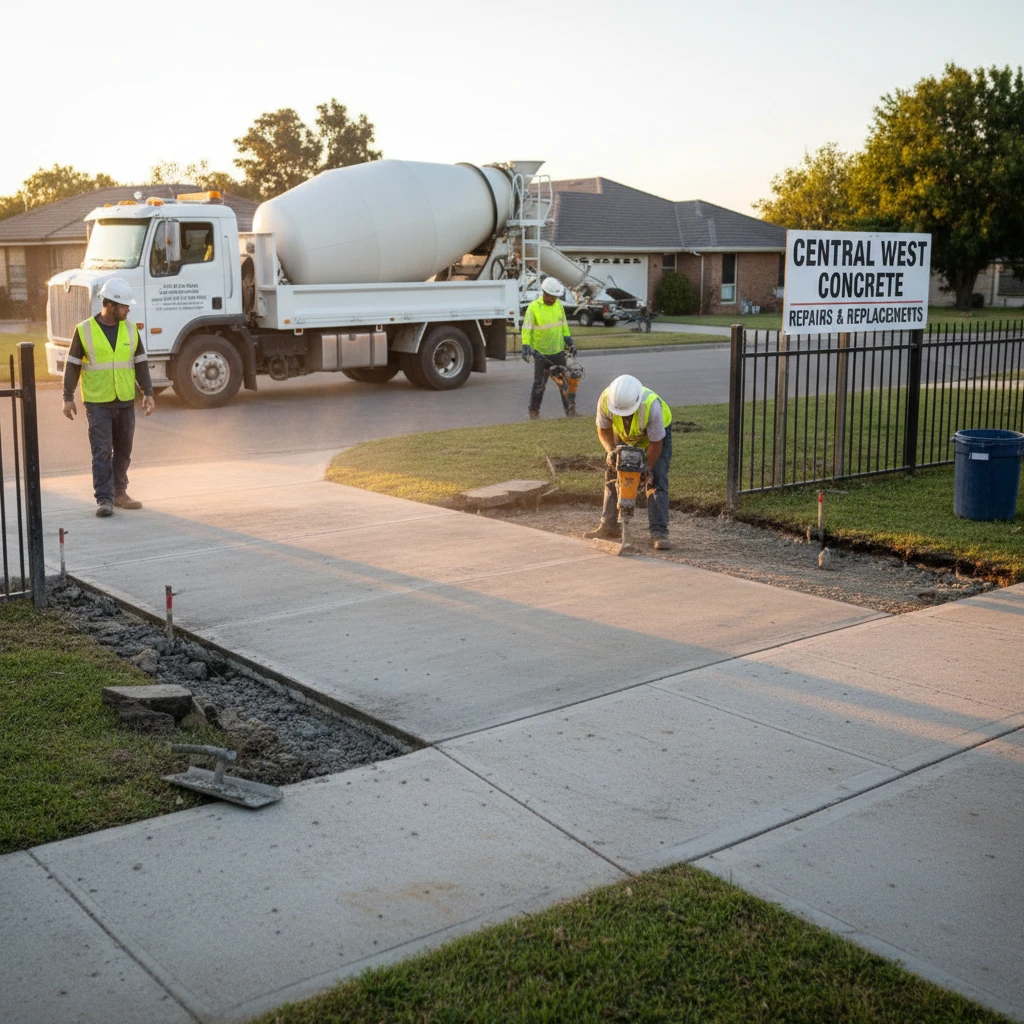
When repairing or replacing concrete, proper removal of the old concrete is crucial. Simply breaking up the old concrete and pouring new concrete on top can lead to problems down the line, such as cracking and uneven settling. Professional excavation ensures that the old concrete is removed completely and carefully, without damaging surrounding structures such as foundations, walls, or landscaping. This may involve using specialised equipment such as jackhammers, concrete saws, and excavators to break up and remove the old concrete. Careful demolition prevents damage to adjacent areas. The excavated area is then properly prepared for the new concrete, including compacting the soil and installing a new sub-base. Failing to remove all the debris can cause the new concrete to fail prematurely. For example, leaving chunks of old concrete beneath the new slab can create weak spots and lead to cracking. This meticulous removal process ensures a stable base for the new concrete, providing a lasting solution. We are Excavation and Concrete: Blue Mountains Specialists.
Assessing damage to underlying base: Correcting problems before re-pouring
Once the old concrete is removed, a thorough assessment of the underlying base is essential. This involves inspecting the soil for signs of damage, such as erosion, compaction, or contamination. Any problems with the underlying base must be corrected before the new concrete is poured. For example, if the soil is compacted unevenly, it can cause the new concrete to settle unevenly, leading to cracking. If the soil is contaminated with chemicals or organic matter, it can weaken the concrete and cause it to deteriorate prematurely. Professional excavation addresses these issues by removing damaged or contaminated soil, compacting the soil to the proper density, and installing a new sub-base if necessary. Base assessment identifies potential problems early. Ignoring these issues can compromise the integrity of the new concrete. Addressing underlying issues proactively ensures the longevity of the repair. For example, discovering a previously unknown drainage issue during excavation allows for the installation of proper drainage systems, preventing future water damage.
Improving drainage with updated excavation practices
Modern excavation practices offer opportunities to improve drainage around concrete structures. Traditional methods may not have adequately addressed water management, leading to problems with water damage and soil erosion. Updated excavation techniques incorporate features such as French drains, swales, and permeable pavers to improve drainage and prevent water from accumulating beneath the concrete. These features can be integrated into the excavation process to create a more sustainable and resilient concrete structure. For example, installing a French drain along the edge of a concrete patio can help to channel water away from the structure, preventing puddles and protecting the surrounding landscape. Improved drainage safeguards against water damage. Updating excavation practices can provide better long-term performance. Proactive water management extends the life of your concrete investment. Consider integrating permeable paving solutions near concrete driveways, which allow rainwater to filter back into the ground, reducing runoff and replenishing groundwater supplies. Professional excavation can incorporate these modern techniques to create a more durable and sustainable concrete structure. Our team are Excavation and Concrete: Sloped Site Solutions.
What Does Excavation for Concrete Cost in the Central West Region? (Factors & Estimates)
Understanding cost factors such as soil type, access, and project size
Excavation costs in the Central West region can vary significantly depending on several factors. Soil type is a major consideration, as some soils are more difficult to excavate than others. For example, rocky or clay-rich soils may require specialised equipment and techniques, increasing the cost of the project. Access to the site is another important factor. If the site is difficult to access, it may require the use of smaller equipment or manual labour, which can also increase the cost. Project size is also a key determinant. Larger projects typically require more excavation work, resulting in higher costs. Other factors that can influence excavation costs include the depth of excavation, the presence of underground utilities, and the need for shoring or other safety measures. Soil conditions greatly influence excavation expenses. Furthermore, limited site accessibility impacts the overall cost. The size and complexity of the excavation needed for your concrete project contribute to the final price.
Getting a detailed, transparent quote from Laser Concrete
To get an accurate estimate for excavation costs in the Central West, it’s essential to obtain a detailed and transparent quote from Laser Concrete. A reputable contractor will assess the site conditions, taking into account factors such as soil type, access, and project size. They will then provide a written quote that breaks down the costs associated with the excavation work. This quote should include the cost of labour, equipment, materials, and any other relevant expenses. It’s also important to ask about any potential hidden costs or contingencies that may arise during the excavation process. A transparent quote avoids surprises later on. Make sure to ask about possible additional fees and inclusions in the quote. Requesting multiple quotes from different contractors helps compare pricing and services.
Considering the long-term cost savings of quality excavation
While professional excavation may seem like an added expense, it’s important to consider the long-term cost savings. As mentioned earlier, proper excavation can prevent costly repairs and replacements down the line by ensuring a level, stable base for the concrete and protecting the property from water damage and soil erosion. By investing in quality excavation, you can extend the life of your concrete and avoid the expense of repairing or replacing it prematurely. In the long run, the cost of professional excavation is often less than the cost of dealing with the problems that can arise from poor excavation. Furthermore, well-executed excavation enhances the overall value and appeal of your property. The initial investment of quality excavation offers lasting value. Ignoring this step can result in substantial expenses in the future. Long-term savings justify the upfront investment.
Investing in proper excavation is an investment in the long-term success of your concrete project. From preventing costly repairs to ensuring a stable base and improving drainage, the benefits of professional excavation far outweigh the costs. Get a detailed quote and consider the long-term savings when planning your concrete project in the Central West.