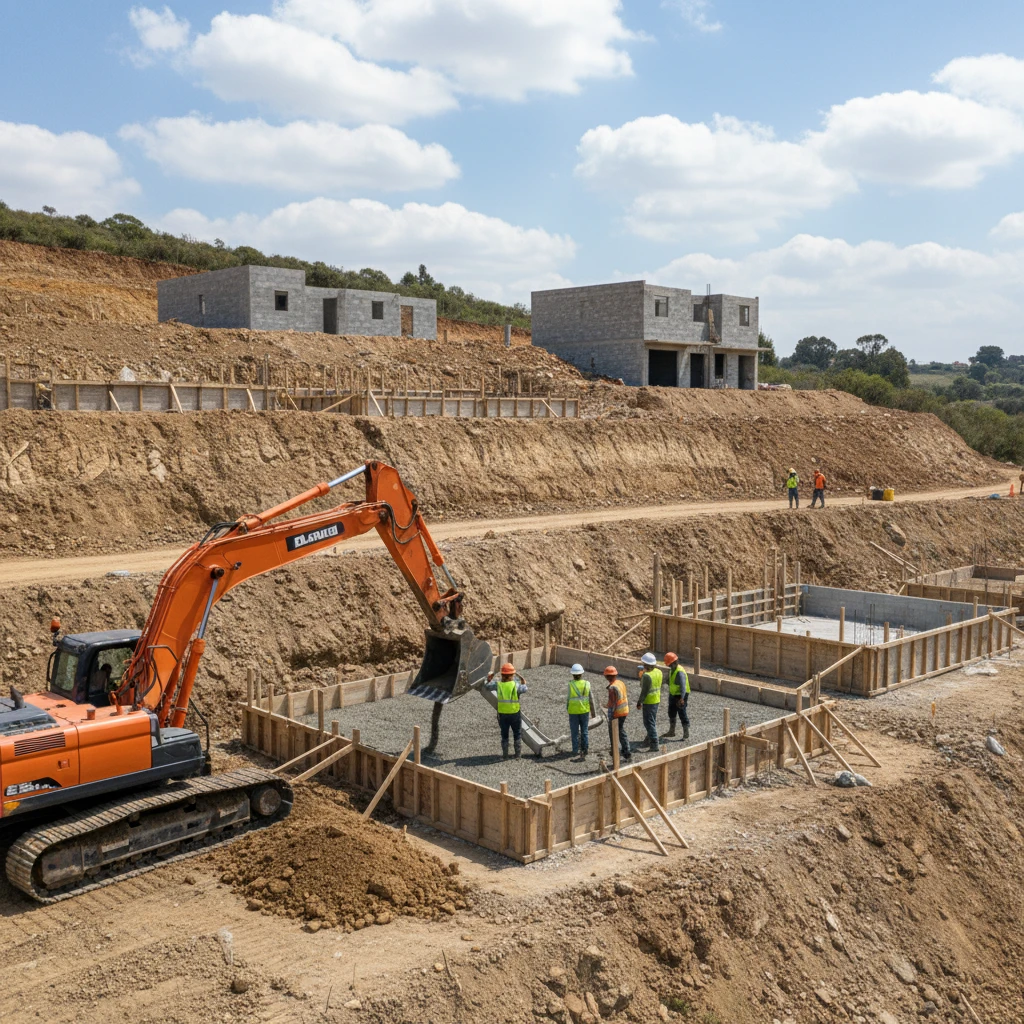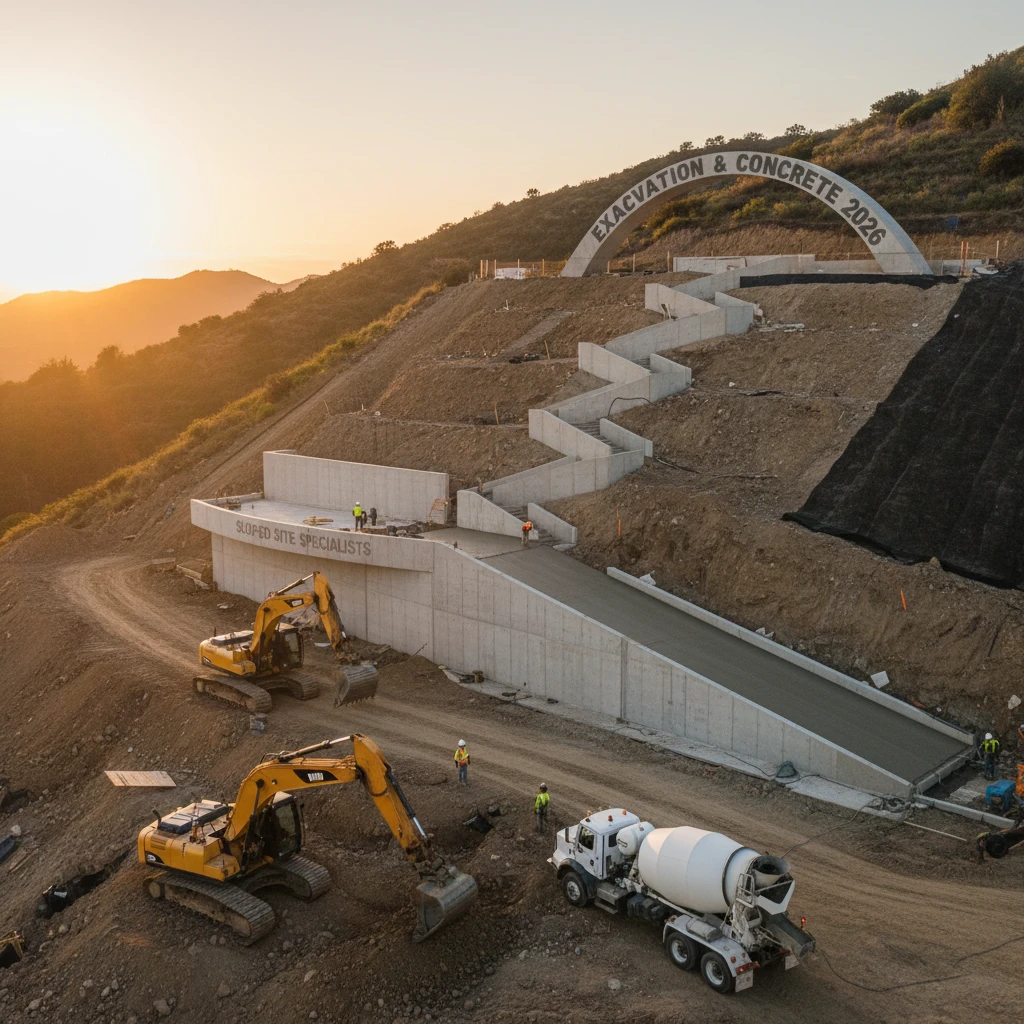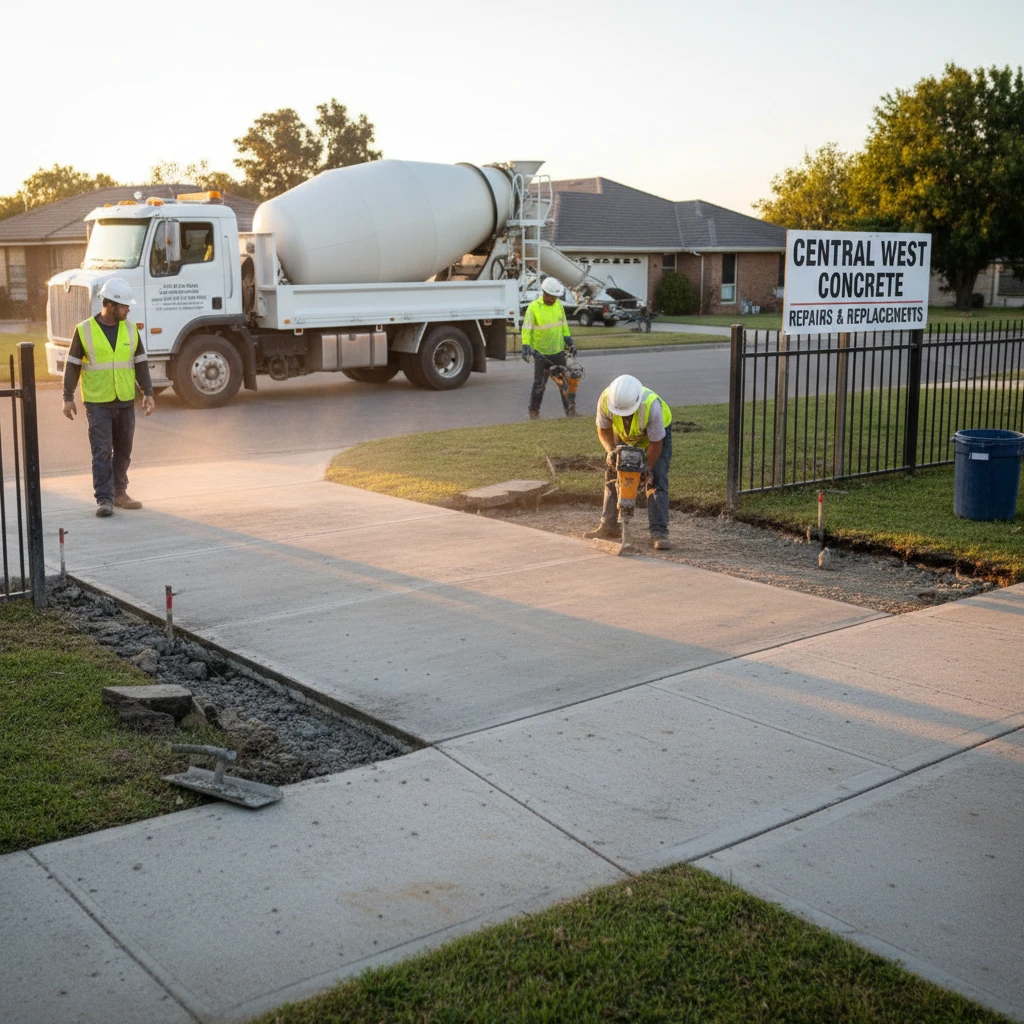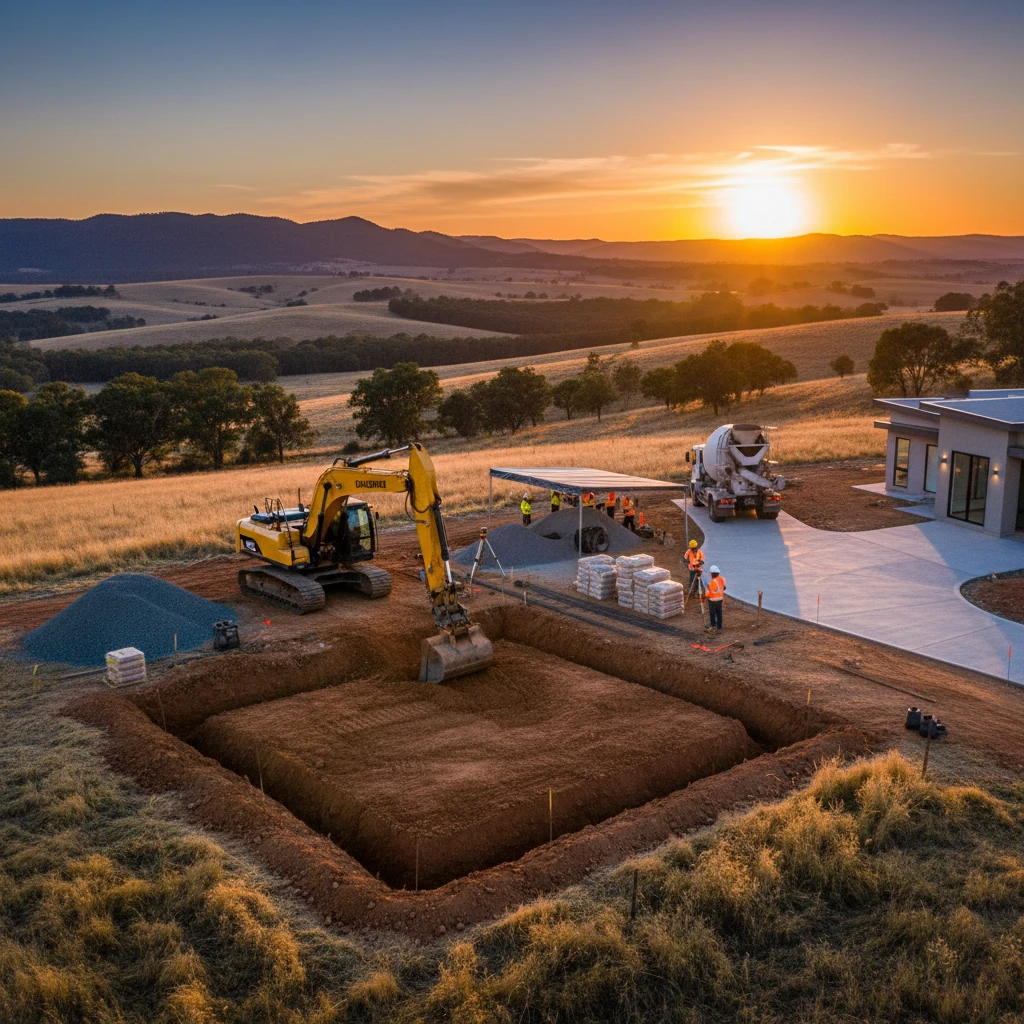
Laying a concrete slab, driveway, or shed foundation in Penrith requires more than just pouring concrete. The success and longevity of your project hinge on the often-overlooked crucial first step: excavation. Proper excavation ensures a stable base, manages drainage effectively, and prevents costly problems from arising down the line. This article explores the vital role of professional excavation in preparing your Penrith property for concrete, covering everything from assessing your site to understanding drainage considerations.
Whether you’re planning a new concrete driveway or a sturdy shed slab, taking the time to prepare your site properly with expert excavation is an investment in the long-term durability and value of your Penrith property. It may even involve navigating difficult access, as discussed on our difficult access excavation page.
Laying the Groundwork: Why Proper Excavation is Crucial for Your Penrith Concrete Project
Proper excavation forms the bedrock of any successful concrete project. It’s not merely about digging a hole; it’s about meticulously preparing the ground to ensure the concrete’s structural integrity and longevity. This involves understanding the soil composition, accurately excavating to the required depth, compacting the base for stability, and addressing potential drainage issues before they escalate. Investing in professional excavation services from the outset can save you significant time, money, and headaches in the long run.
Preventing Costly Concrete Failures Down the Line
Inadequate excavation is a common culprit behind concrete failures such as cracking, sinking, and crumbling. These failures often stem from an unstable base, poor drainage, or the presence of organic matter that decomposes over time, creating voids beneath the concrete. Addressing these issues during the excavation phase prevents such problems from materialising. For instance, failing to remove tree roots can lead to significant damage as the roots decay, creating unstable pockets beneath the concrete slab. Similarly, not compacting the subgrade sufficiently can cause the concrete to settle unevenly, leading to cracks. Hiring excavation experts ensures that potential problems are identified and rectified before the concrete is poured, safeguarding your investment against future repairs or replacements. A poorly prepared site can, for example, compromise even the most durable Penrith concrete driveway.
Ensuring a Solid and Level Base for Long-Term Durability
A solid and level base is paramount for the long-term durability of any concrete structure. Excavation involves creating a uniform and stable subgrade that can support the weight of the concrete and withstand environmental factors such as temperature fluctuations and moisture changes. This often requires removing topsoil, which is rich in organic matter and prone to decomposition, and replacing it with a compacted layer of gravel or other suitable fill material. Achieving the correct level is also essential for ensuring proper drainage and preventing water from pooling on the surface of the concrete. Precision levelling during excavation prevents uneven drying and curing, which can weaken the concrete and make it more susceptible to cracking. Precise measurements are key. For example, when preparing the foundation for durable shed slabs, consistent depth and compaction are critical.
Addressing Potential Drainage Issues Before They Arise
Water is a concrete’s biggest enemy. If water is allowed to seep under the concrete slab or pool on its surface, it can cause significant damage over time. This is why addressing potential drainage issues during the excavation phase is crucial. Proper excavation involves creating a gradient that allows water to flow away from the concrete slab, preventing it from accumulating underneath. This may involve installing subsurface drains or grading the surrounding area to ensure effective water runoff. Identifying and rectifying drainage problems before pouring concrete is a proactive approach that protects the integrity and longevity of your concrete structure. The NSW Government provides guidelines for stormwater drainage on residential properties, highlighting the importance of effective water management: NSW Planning Portal – Exempt and Complying Development.
Assessing Your Penrith Property: Identifying Potential Excavation Challenges
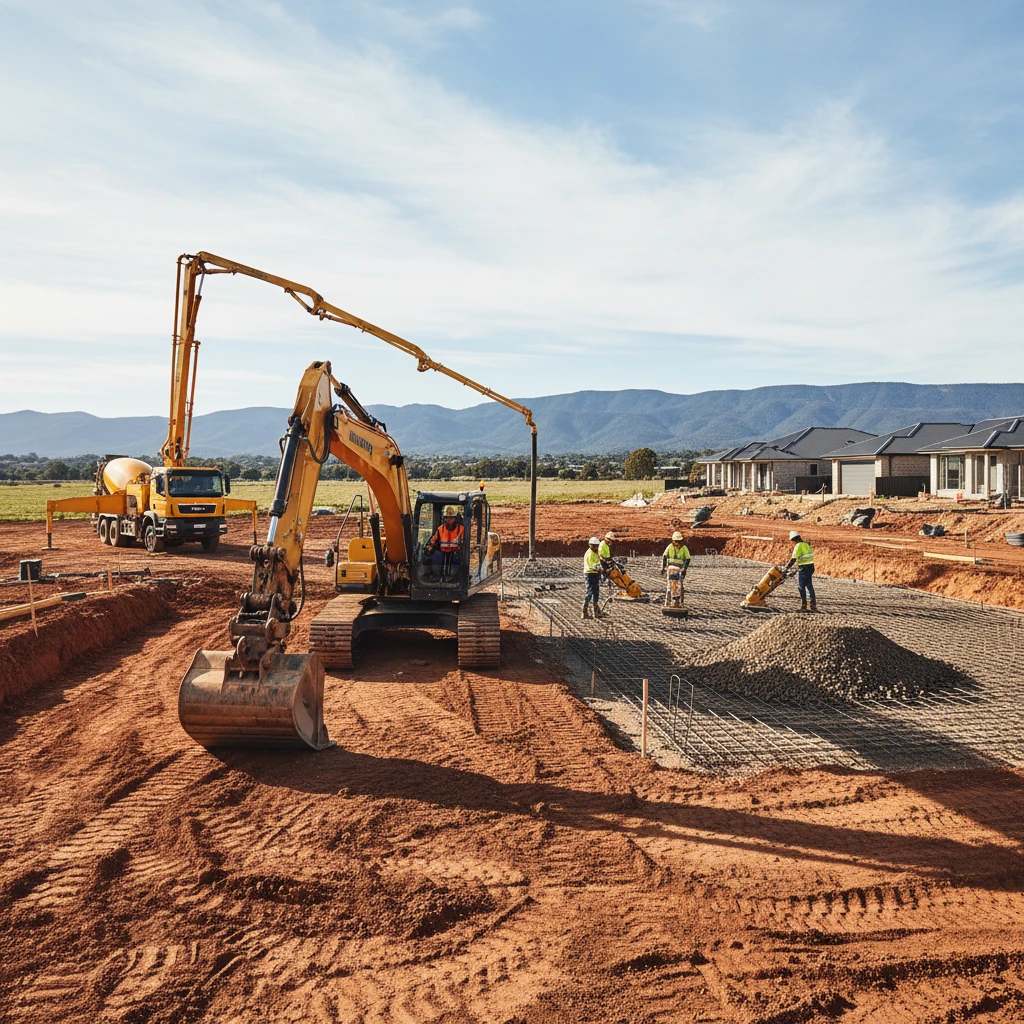
Every property in Penrith presents unique excavation challenges. Before commencing any excavation work, it’s essential to conduct a thorough assessment of the site to identify potential obstacles and plan accordingly. This assessment should consider factors such as soil type, slope, terrain, and the presence of any underground utilities or obstructions. A comprehensive site evaluation enables you to anticipate potential problems and implement appropriate mitigation strategies, ensuring a smooth and efficient excavation process.
Understanding Soil Types and Their Impact on Concrete
Soil type is a critical factor in determining the excavation requirements for your concrete project. Different soil types have varying load-bearing capacities, drainage characteristics, and susceptibility to erosion. Clay soils, for instance, tend to retain water and expand when wet, which can exert pressure on concrete structures and cause cracking. Sandy soils, on the other hand, drain well but may be less stable and prone to erosion. Rocky soils present challenges in terms of excavation and compaction. Understanding the specific properties of the soil on your Penrith property is essential for selecting the appropriate excavation techniques and materials to ensure a stable and durable foundation for your concrete. Geotechnical testing can provide valuable insights into the soil composition and its suitability for supporting concrete structures. For example, a project on highly reactive clay soils may require deeper excavation and the use of specific stabilisation techniques to prevent movement.
Recognising and Mitigating Issues with Sloping Blocks
Sloping blocks are a common feature in many parts of Penrith and the Blue Mountains, and they present unique excavation challenges. Excavating on a slope requires careful planning and execution to ensure a level and stable base for your concrete structure. This may involve cutting into the slope to create a level platform or building retaining walls to support the soil. Proper drainage is also crucial on sloping blocks to prevent erosion and water damage. Failing to address the slope adequately can lead to uneven settling, cracking, and even structural failure of the concrete. Professional excavation services are equipped to handle the complexities of sloping blocks and can implement effective solutions to mitigate potential problems. The excavation may also require specialised machinery depending on the angle and access.
Dealing with Rocky Terrain and Buried Obstacles
Penrith’s diverse terrain can often include rocky ground and buried obstacles such as tree roots, old foundations, or underground utilities. These obstacles can significantly complicate the excavation process and require specialised equipment and techniques to overcome. Rocky terrain may necessitate the use of rock breakers or jackhammers to remove large rocks, while buried obstacles may need to be carefully excavated around to avoid damage. Before commencing any excavation work, it’s crucial to conduct a thorough site survey to identify potential underground utilities and ensure that appropriate safety precautions are taken. Dial Before You Dig is a valuable resource for locating underground services and preventing accidental damage. Failing to address rocky terrain or buried obstacles properly can lead to delays, increased costs, and even safety hazards. Dial Before You Dig helps you find the location of underground utilities before you start digging.
The Excavation Process: A Step-by-Step Guide for Penrith Homeowners
The excavation process involves a series of steps, each of which is crucial for ensuring a successful outcome. While the specific steps may vary depending on the nature of the project and the site conditions, the general process typically includes site clearing, excavation to the correct depth, and ensuring proper compaction. Understanding these steps will help you communicate effectively with your excavation contractor and ensure that your project is completed to your satisfaction.
Site Clearing and Preparation: Removing Vegetation and Debris
The first step in the excavation process is site clearing and preparation. This involves removing any vegetation, topsoil, debris, and other materials that may interfere with the excavation or compromise the stability of the concrete. Trees, shrubs, and grass should be removed, along with any roots that could potentially decompose and create voids beneath the concrete. Topsoil, which is rich in organic matter, should also be removed and replaced with a more stable fill material. This step ensures a clean and level surface for excavation and helps to prevent future problems such as cracking and settling. Site clearing may also involve demolishing existing structures, such as old sheds or driveways, and removing any underground utilities or obstructions. If you’re in the Blue Mountains, this might mean even more care is required to minimise environmental impact. Proper disposal of vegetation and debris is also an important consideration.
Excavating to the Correct Depth and Dimensions
Once the site has been cleared, the next step is to excavate to the correct depth and dimensions. The depth of excavation will depend on the specific requirements of the concrete project, as well as the soil conditions and the desired load-bearing capacity. It’s essential to excavate to a uniform depth to ensure a level and stable base for the concrete. The dimensions of the excavation should also be precise to ensure that the concrete slab fits properly and aligns with any adjacent structures. Surveying equipment is often used to ensure accurate measurements and levels. Failing to excavate to the correct depth and dimensions can lead to a range of problems, including uneven settling, cracking, and structural instability. Laser levelling is a common technique used to ensure precise excavation depths.
Ensuring Proper Compaction for a Stable Base
After excavating to the correct depth and dimensions, the next step is to ensure proper compaction of the subgrade. Compaction involves compressing the soil to increase its density and stability. This is typically achieved using heavy machinery such as plate compactors or rollers. Proper compaction is essential for creating a solid and stable base that can support the weight of the concrete and prevent settling. The degree of compaction required will depend on the soil type and the intended use of the concrete structure. For example, a driveway that will be subjected to heavy vehicle traffic will require a higher degree of compaction than a simple footpath. Compaction testing can be used to verify that the subgrade has been compacted to the required density. Well-compacted fill means your concrete driveway solution is more likely to last.
Drainage Considerations: Protecting Your Concrete from Water Damage
Effective drainage is paramount for protecting your concrete structure from water damage and ensuring its long-term durability. Water can infiltrate the subgrade, causing erosion, instability, and cracking. It can also freeze and thaw, expanding and contracting and putting stress on the concrete. Proper drainage involves implementing a system that effectively channels water away from the concrete slab, preventing it from accumulating underneath or on the surface. This may involve installing subsurface drains, grading the surrounding area, and ensuring that downpipes and gutters are properly connected and functioning.
The Importance of Effective Drainage Systems
An effective drainage system is not an optional extra; it’s a critical component of any well-designed concrete project. Without proper drainage, water can accumulate beneath the concrete, leading to a range of problems such as erosion, settling, and cracking. Water can also seep into the concrete itself, causing it to deteriorate over time. An effective drainage system should be designed to quickly and efficiently remove water from the area surrounding the concrete slab, preventing it from accumulating or causing damage. This may involve a combination of surface drainage and subsurface drainage techniques, tailored to the specific site conditions and the intended use of the concrete structure. Neglecting drainage can significantly shorten the lifespan of your concrete and lead to costly repairs.
Installing Subsurface Drains and Grading for Water Runoff
Subsurface drains and grading are two common techniques used to improve drainage around concrete structures. Subsurface drains, also known as French drains, are perforated pipes buried beneath the surface that collect and channel water away from the area. They are particularly effective in areas with poor drainage or high water tables. Grading involves sloping the ground surface away from the concrete slab to encourage water runoff. This can be achieved by adding soil or other fill material to create a gentle slope that directs water away from the structure. The slope should be sufficient to ensure adequate drainage but not so steep as to cause erosion. Combining subsurface drains and grading can provide a comprehensive drainage solution that effectively protects your concrete from water damage. A well-graded surface minimises the amount of water that reaches the subsurface drains, prolonging their effectiveness.
Preventing Water Pooling and Erosion Around Your Concrete Slab
Preventing water pooling and erosion around your concrete slab is crucial for maintaining its structural integrity and preventing water damage. Water pooling can create a breeding ground for mosquitos and other pests, while erosion can undermine the foundation and cause settling. To prevent water pooling, ensure that the ground surface is properly graded and that any low spots are filled in. To prevent erosion, consider planting vegetation or installing erosion control measures such as retaining walls or riprap. Regular maintenance is also important to ensure that drainage systems remain clear and functioning properly. This may involve cleaning out gutters and downpipes, removing debris from drains, and repairing any erosion damage. Proactive measures to prevent water pooling and erosion will significantly extend the lifespan of your concrete structure and protect your investment.
Working with Sloping Sites in the Blue Mountains: Expertise Matters
Terracing and Retaining Walls: Creating Level Surfaces
The rugged terrain of the Blue Mountains presents unique challenges for concrete projects. Sloping sites require careful planning and execution to ensure a stable and level foundation. Terracing involves creating a series of level platforms, stepping up or down the slope. This approach is beneficial for both aesthetic appeal and practical functionality, allowing for usable outdoor spaces and preventing soil erosion. Retaining walls are crucial for supporting these terraces and preventing soil from collapsing. The decision to use terracing and retaining walls depends on several factors, including the angle of the slope, the type of soil, the intended use of the space, and the overall aesthetic goals.
Decision Criteria: Consider the cost-benefit ratio of terracing versus other methods. Retaining walls require engineering expertise and can be expensive, especially for tall structures. Soil testing is crucial to determine the soil’s bearing capacity and drainage properties. Poor drainage behind a retaining wall can lead to hydrostatic pressure build-up, causing the wall to fail. Ensure proper drainage systems are installed, such as weep holes or perforated pipes. The height of the retaining wall dictates the complexity of the design and the need for reinforcement. Walls taller than 1 meter typically require council approval and engineered designs. For example, a homeowner in Leura wanted a level backyard for entertaining. The initial quote for a single, large retaining wall was prohibitive. By terracing the slope with two smaller, reinforced concrete walls, we achieved the desired outcome at a significantly lower cost, while also improving the visual appeal of the garden.
Managing Soil Erosion on Steep Inclines
Steep inclines are highly susceptible to soil erosion, particularly during heavy rainfall. Effective erosion control measures are essential to prevent damage to the site and surrounding properties. Soil erosion can undermine foundations, destabilise slopes, and pollute waterways. Several techniques can be employed to manage soil erosion, including the use of erosion control blankets, silt fences, and vegetation. Erosion control blankets are biodegradable mats that cover the soil surface, protecting it from wind and rain. Silt fences are temporary barriers that trap sediment-laden runoff, preventing it from leaving the site. Vegetation, such as native grasses and shrubs, helps to stabilise the soil with its root system. Consider using jute mesh, which is both effective and environmentally friendly, for soil stabilisation on steeper slopes. The NSW Government provides guidelines on managing urban stormwater, including best practices for erosion and sediment control which can be found on their website.
Ensuring Structural Stability on Challenging Terrain
Building on challenging terrain requires a thorough understanding of soil mechanics and structural engineering principles. Uneven ground, unstable soil, and the presence of bedrock can all pose significant challenges. Proper site preparation is critical to ensure the long-term stability of the concrete structure. This includes excavating to a stable base, compacting the soil to the required density, and providing adequate drainage. In some cases, it may be necessary to use ground improvement techniques, such as soil stabilisation or piling, to enhance the soil’s bearing capacity. Soil testing is essential to identify potential issues, such as expansive clay soils or the presence of groundwater. For instance, in a project near Katoomba, we encountered highly reactive clay soils. To prevent future cracking and movement in the concrete slab, we implemented a soil stabilisation program using lime and cement, significantly increasing the soil’s strength and reducing its swelling potential. These factors are crucial when creating durable shed slabs or other foundational elements.
Excavation Equipment: Selecting the Right Tools for Your Penrith Project
Mini Excavators: Versatility for Tight Access and Small Jobs
Mini excavators are compact and versatile machines, ideal for excavation work in confined spaces or on smaller projects. Their small size allows them to navigate tight access points and work in areas where larger excavators would be impractical. Mini excavators are commonly used for tasks such as trenching, digging footings, and landscaping. They are also equipped with a variety of attachments, such as augers and breakers, which can further expand their capabilities. When selecting a mini excavator, consider the size of the project, the accessibility of the site, and the depth of excavation required. A crucial decision point is whether to hire or purchase the equipment. For infrequent use, hiring is usually more cost-effective. However, for contractors who regularly undertake excavation work, purchasing a mini excavator may be a worthwhile investment. For example, consider a Penrith homeowner needing a trench dug for a new drainage system. A mini excavator proved perfect, easily fitting through the side gate and minimising disruption to the existing garden.
Bobcats and Skid Steer Loaders: Efficient Earthmoving and Material Handling
Bobcats and skid steer loaders are powerful machines designed for efficient earthmoving and material handling. They are highly maneuverable and can operate in a variety of terrains. Bobcats are commonly used for tasks such as loading and unloading materials, grading surfaces, and clearing debris. They are also equipped with a range of attachments, such as buckets, forks, and sweepers, which can be quickly interchanged to suit different tasks. When selecting a bobcat, consider the size of the project, the type of material being handled, and the terrain conditions. The tipping load and operating capacity are important factors to consider, particularly when handling heavy materials. Daily checks of fluid levels and tyre pressures are crucial for safe and efficient operation. If the machine is to be used around trees or other obstacles, a roll-over protection system (ROPS) is essential. Ensuring proper maintenance and operator training will greatly enhance the safety and efficiency of using skid steer loaders.
Graders and Compactors: Achieving Precise Levels and Compaction
Graders and compactors are essential for achieving precise levels and compaction, ensuring a solid foundation for concrete pouring. Graders are used to level and smooth surfaces, creating a uniform base for concrete slabs, driveways, and other structures. Compactors are used to compress the soil, increasing its density and stability. There are several types of compactors available, including plate compactors, roller compactors, and rammer compactors, each suited for different soil types and applications. Plate compactors are ideal for compacting granular soils, while roller compactors are better suited for cohesive soils. The choice of compactor depends on the soil type, the depth of compaction required, and the size of the area being compacted. Soil compaction testing is crucial to ensure that the soil has been compacted to the required density. This is typically measured using a Proctor test. Insufficient compaction can lead to settling and cracking in the concrete structure. These tools play a key role in the success of Penrith concrete driveways and other critical installations.
Safety First: Ensuring a Safe Excavation Site in Penrith
Identifying Underground Utilities and Avoiding Damage
One of the most critical aspects of excavation is identifying and avoiding underground utilities. Striking a gas line, power cable, or water pipe can have severe consequences, including injury, property damage, and service disruptions. Before commencing any excavation work, it is essential to contact Dial Before You Dig (1100) to obtain plans of underground utilities in the area. These plans will provide information on the location of gas pipes, power cables, water pipes, and other services. Once the plans have been obtained, it is important to carefully mark the location of the utilities on the ground using paint or stakes. Hand digging is recommended within a safe distance of the marked utilities to avoid accidental damage. Never assume the accuracy of the plans; always exercise caution and visually confirm the location of utilities before excavating. A recent example involved a contractor in St Marys who failed to contact Dial Before You Dig and struck a gas line, causing a significant gas leak and requiring the evacuation of several homes. This incident highlights the importance of following proper safety procedures and taking the necessary precautions to avoid damaging underground utilities.
Implementing Proper Site Fencing and Signage
Proper site fencing and signage are essential for maintaining a safe and secure excavation site. Fencing prevents unauthorised access to the site, protecting the public from hazards such as open excavations, heavy machinery, and falling debris. Signage provides warnings about potential hazards and directs people to safe pathways. Fencing should be sturdy and well-maintained, with clear warning signs posted at regular intervals. The type of fencing required will depend on the location of the site and the level of risk. In areas with high pedestrian traffic, a solid fence is recommended to prevent access. Signage should be clear, concise, and easily visible, using symbols and text to convey important safety messages. Examples include “Danger: Open Excavation,” “Hard Hats Required,” and “Authorised Personnel Only.” Regularly inspect the fencing and signage to ensure they are in good condition and replace any damaged or missing items promptly. Insufficient fencing and signage can lead to accidents and injuries, potentially resulting in legal liability. Make sure all signage complies with Australian Standards.
Wearing Appropriate Personal Protective Equipment (PPE)
Personal Protective Equipment (PPE) is essential for protecting workers from the hazards associated with excavation work. PPE includes items such as hard hats, safety glasses, steel-toed boots, gloves, and high-visibility clothing. Hard hats protect workers from head injuries caused by falling objects or impacts. Safety glasses protect the eyes from dust, debris, and chemical splashes. Steel-toed boots protect the feet from crushing injuries and punctures. Gloves protect the hands from cuts, abrasions, and chemical exposure. High-visibility clothing makes workers more visible to machinery operators and other workers, reducing the risk of being struck by equipment. The specific PPE required will depend on the tasks being performed and the potential hazards present. Conduct a risk assessment to identify the hazards and determine the appropriate PPE for each task. Ensure that all workers are properly trained on how to use and maintain their PPE. Regularly inspect PPE for damage and replace any worn or defective items promptly. Failure to wear appropriate PPE can significantly increase the risk of injury.
Beyond Excavation: Preparing for the Concrete Pour
Installing Formwork to Define the Concrete’s Shape
Formwork is a temporary mould into which concrete is poured, defining its final shape and dimensions. The quality of the formwork directly impacts the quality of the finished concrete structure. Accurate and sturdy formwork is crucial for achieving the desired shape, size, and surface finish. Common formwork materials include timber, plywood, steel, and aluminium. The choice of material depends on the complexity of the design, the size of the pour, and the desired surface finish. Timber formwork is relatively inexpensive and easy to work with, but it is less durable than steel or aluminium. Steel formwork is more expensive but offers greater strength, durability, and precision. Properly bracing and supporting the formwork is essential to prevent it from collapsing under the weight of the wet concrete. Ensure that the formwork is watertight to prevent leakage, which can weaken the concrete and create unsightly surface defects. Accurate measurements and careful construction are paramount for achieving the desired result. The type of formwork needed will vary greatly from a simple shed slab to a complex driveway design.
Reinforcing the Slab with Steel Mesh or Rebar
Reinforcing steel, in the form of steel mesh or rebar (reinforcing bars), is embedded within the concrete to increase its tensile strength and prevent cracking. Concrete is strong in compression but weak in tension. Reinforcing steel provides the necessary tensile strength to resist bending and cracking. Steel mesh is a grid of welded steel wires, commonly used for reinforcing concrete slabs, driveways, and patios. Rebar is thicker steel bars, typically used for reinforcing foundations, walls, and columns. The amount and spacing of reinforcing steel required will depend on the size of the slab, the load it will bear, and the soil conditions. A structural engineer can provide guidance on the appropriate reinforcement requirements. Ensure that the reinforcing steel is properly positioned and supported within the formwork before pouring the concrete. The steel should be clean and free of rust or other contaminants that could weaken the bond between the steel and the concrete. Proper reinforcement is crucial for ensuring the long-term durability and stability of the concrete structure. This step ensures that the concrete driveway replacement will stand the test of time.
Ensuring Proper Levels and Slopes for Drainage
Proper levels and slopes are essential for ensuring adequate drainage and preventing water from pooling on the concrete surface. Water pooling can lead to several problems, including surface scaling, cracking, and the growth of mold and mildew. The concrete surface should be sloped away from buildings and other structures to direct water away from the foundation. A minimum slope of 1% (10mm per meter) is generally recommended. Ensure that the levels are accurate and consistent across the entire surface. Use a spirit level or laser level to check the levels and slopes during the formwork construction. Pay particular attention to areas around drains and downspouts to ensure that water flows freely into the drainage system. Proper drainage is crucial for preserving the integrity and appearance of the concrete surface. Ignoring proper drainage can lead to costly repairs and premature deterioration. Effective planning and careful execution are key to achieving optimal drainage.
Permits and Regulations: Navigating Local Council Requirements in Penrith
Understanding Development Applications and Building Approvals
Before commencing any excavation work in Penrith, it’s crucial to understand the local council’s requirements regarding development applications (DAs) and building approvals. A DA is typically required for significant earthworks, especially if they impact neighbouring properties, drainage, or vegetation. Building approvals, on the other hand, focus on ensuring the structural integrity and safety of any construction related to the excavation, such as retaining walls or foundations. Start by checking the Penrith City Council’s website for specific guidelines and application forms. The complexity of the approval process will depend on the scale and nature of your project. Factors influencing the process include proximity to waterways, heritage considerations, and whether the site is bushfire prone.
Decision Criteria:
- Scope of excavation (volume of earth moved, depth, area).
- Proximity to property boundaries.
- Impact on drainage patterns.
- Presence of protected vegetation.
- Soil stability and potential for erosion.
- Necessity for retaining walls or other structures.
Failure to obtain the necessary approvals can result in work being stopped, costly fines, and even legal action. Therefore, it’s always best to err on the side of caution and consult with the council early in the planning process.
Ensuring Compliance with Environmental Regulations
Excavation projects can have a significant impact on the environment if not managed properly. Environmental regulations aim to minimise soil erosion, prevent water pollution, and protect native flora and fauna. In Penrith, these regulations are enforced by the local council and, in some cases, state environmental agencies. Before starting work, you should conduct a site assessment to identify potential environmental risks and implement appropriate mitigation measures. This may involve installing sediment fences to prevent soil runoff, stabilising exposed soil with vegetation or mulch, and managing stormwater effectively. Furthermore, ensure that any chemicals or fuels used on site are stored and handled in accordance with regulations to prevent spills and contamination. The NSW Environment Protection Authority (EPA) provides comprehensive guidelines on managing environmental risks during construction activities: EPA Website
Avoiding Costly Fines and Delays
Non-compliance with council regulations and environmental laws can lead to substantial fines and project delays. Ignorance of the rules is not an excuse. Councils are actively monitoring construction sites and issuing penalties for breaches. To avoid these pitfalls, take the following steps:
- Thoroughly research all applicable regulations before starting work.
- Obtain all necessary permits and approvals.
- Implement robust environmental protection measures.
- Maintain clear communication with the council and respond promptly to any requests for information.
- Document all compliance activities, including site inspections and monitoring data.
Example: A homeowner in Glenmore Park started excavating for a pool without obtaining the necessary DA. The council issued a stop-work order and a $5,000 fine. The homeowner then had to apply for a DA retrospectively, causing further delays and expenses.
Why Choose Laser Concrete for Your Excavation and Concreting Needs in Penrith, the Blue Mountains and Central West?
Our Experience with Challenging Sites and Difficult Terrain
Our extensive experience working across Penrith, the Blue Mountains, and the Central West has equipped us with the expertise to handle even the most challenging sites. We understand the unique geological conditions of the region, from the steep slopes of the Blue Mountains to the rocky terrain prevalent in many parts of Penrith. This local knowledge allows us to develop tailored excavation and concreting solutions that are both effective and sustainable. Whether you’re building a shed slab on uneven ground or need excavation for a driveway with limited access, we have the skills and equipment to get the job done right. We use specialised equipment, such as mini excavators and concrete pumps, to overcome access limitations and minimise disruption to your property. See how we handle difficult access in our recent projects.
Pitfalls to Avoid:
- Underestimating the complexity of the site.
- Using inadequate equipment for the terrain.
- Failing to address drainage issues properly.
- Neglecting soil stabilisation measures.
Commitment to Quality Workmanship and Long-Lasting Results
At Laser Concrete, we are committed to providing our clients with the highest quality workmanship and long-lasting results. We use only premium-grade materials and employ proven construction techniques to ensure that our concrete structures are strong, durable, and visually appealing. Our team of experienced concreters takes pride in their attention to detail and strives to exceed our clients’ expectations on every project. We understand that concrete is a significant investment, and we want you to be completely satisfied with the finished product. That’s why we offer a comprehensive warranty on all our work, giving you peace of mind knowing that your investment is protected. When selecting a concrete contractor, consider their experience, qualifications, and reputation. Ask for references and inspect examples of their previous work to assess the quality of their workmanship. Investing in a durable concrete driveway ensures less maintenance and a safer entrance for years to come.
Reliable Service and Attention to Detail
We understand that communication and reliability are essential for a successful excavation and concreting project. From the initial consultation to the final inspection, we keep our clients informed every step of the way. We provide clear and transparent quotes, adhere to agreed-upon timelines, and respond promptly to any questions or concerns. Our commitment to attention to detail ensures that every aspect of the project is carefully planned and executed, from the accurate setting out of the excavation to the precise finishing of the concrete surface. We treat every project as if it were our own, and we are not satisfied until our clients are completely happy with the result. We meticulously plan our excavation work to minimise disturbances and work promptly in Penrith.
Navigating permits, regulations, and challenging sites in Penrith requires expertise and attention to detail. By understanding the local council requirements and choosing a reliable contractor like Laser Concrete, you can ensure a smooth and successful project that delivers lasting value.
Permits and Regulations: Navigating Local Council Requirements in Penrith
Before commencing any excavation or concreting work in Penrith, it’s crucial to understand and comply with the local council’s requirements. This includes obtaining the necessary permits and approvals to ensure that your project meets all relevant regulations and standards. Failing to do so can result in costly fines, delays, and even legal action.
Understanding Development Applications and Building Approvals
Depending on the scope and nature of your project, you may need to submit a development application (DA) to the Penrith City Council. A DA assesses the potential impact of your project on the surrounding environment and community. It considers factors such as zoning regulations, building height restrictions, and heritage conservation. In addition to a DA, you may also need to obtain a building approval (BA) to ensure that your project complies with the Building Code of Australia and other relevant standards. A BA covers aspects such as structural integrity, fire safety, and accessibility.
Ensuring Compliance with Environmental Regulations
Excavation and concreting work can have a significant impact on the environment, particularly in sensitive areas such as waterways and bushland. It’s essential to comply with all relevant environmental regulations to minimise the risk of pollution, erosion, and habitat destruction. This may involve implementing erosion and sediment control measures, managing stormwater runoff, and protecting vegetation. It is critical to have an environmental management plan to mitigate any potential impacts during excavation and concreting work.
Avoiding Costly Fines and Delays
Failure to comply with local council requirements can result in costly fines, delays, and even the suspension of your project. It’s essential to research and understand the regulations that apply to your specific project and to obtain all necessary permits and approvals before commencing any work. Engaging a qualified and experienced contractor who is familiar with the local council requirements can help you avoid these problems and ensure a smooth and successful project.
Why Choose Laser Concrete for Your Excavation and Concreting Needs in Penrith, the Blue Mountains and Central West?
When it comes to excavation and concreting in Penrith, the Blue Mountains and Central West, you need a contractor you can trust to deliver high-quality workmanship, reliable service, and lasting results. Laser Concrete has a proven track record of success in the region, with countless satisfied clients who have benefited from our expertise and dedication.
Our Experience with Challenging Sites and Difficult Terrain
The Penrith, Blue Mountains and Central West region is known for its diverse terrain, including steep slopes, rocky outcrops, and unstable soil conditions. These challenging sites require specialised equipment and expertise to ensure that excavation and concreting work is carried out safely and effectively. Laser Concrete has extensive experience working on difficult sites throughout the region. We have the knowledge, skills, and equipment to overcome any challenges and deliver exceptional results.
Commitment to Quality Workmanship and Long-Lasting Results
At Laser Concrete, we are committed to providing our clients with the highest quality workmanship and long-lasting results. We use only premium-grade materials and employ proven construction techniques to ensure that our concrete structures are strong, durable, and visually appealing. Our team of experienced concreters takes pride in their attention to detail and strives to exceed our clients’ expectations on every project. We understand that concrete is a significant investment, and we want you to be completely satisfied with the finished product. That’s why we offer a comprehensive warranty on all our work, giving you peace of mind knowing that your investment is protected.
Reliable Service and Attention to Detail
We understand that communication and reliability are essential for a successful excavation and concreting project. From the initial consultation to the final inspection, we keep our clients informed every step of the way. We provide clear and transparent quotes, adhere to agreed-upon timelines, and respond promptly to any questions or concerns. Our commitment to attention to detail ensures that every aspect of the project is carefully planned and executed, from the accurate setting out of the excavation to the precise finishing of the concrete surface. We treat every project as if it were our own, and we are not satisfied until our clients are completely happy with the result.
Permits and Regulations: Navigating Local Council Requirements in Penrith
Navigating the