Building in the Blue Mountains presents unique challenges not found in flatter, more forgiving terrains. From the steep slopes to the prevalence of rocky outcrops, a successful project requires a deep understanding of both excavation and concrete techniques tailored to the specific demands of this environment. Choosing the right approach from the outset can be the difference between a stable, long-lasting structure and a costly, headache-inducing failure.
That’s why skilled services are essential. This article outlines the critical considerations for excavation and concrete work in the Blue Mountains, focusing on best practices for site assessment, equipment selection, concrete mixes, and long-term durability. For those facing challenging projects, understanding these nuances is key to achieving a successful outcome that stands the test of time.
Conquering the Challenges: Why Blue Mountains Sites Need Specialised Concrete and Excavation
The unique terrain: Steep slopes, rocky outcrops, and bushfire risks.
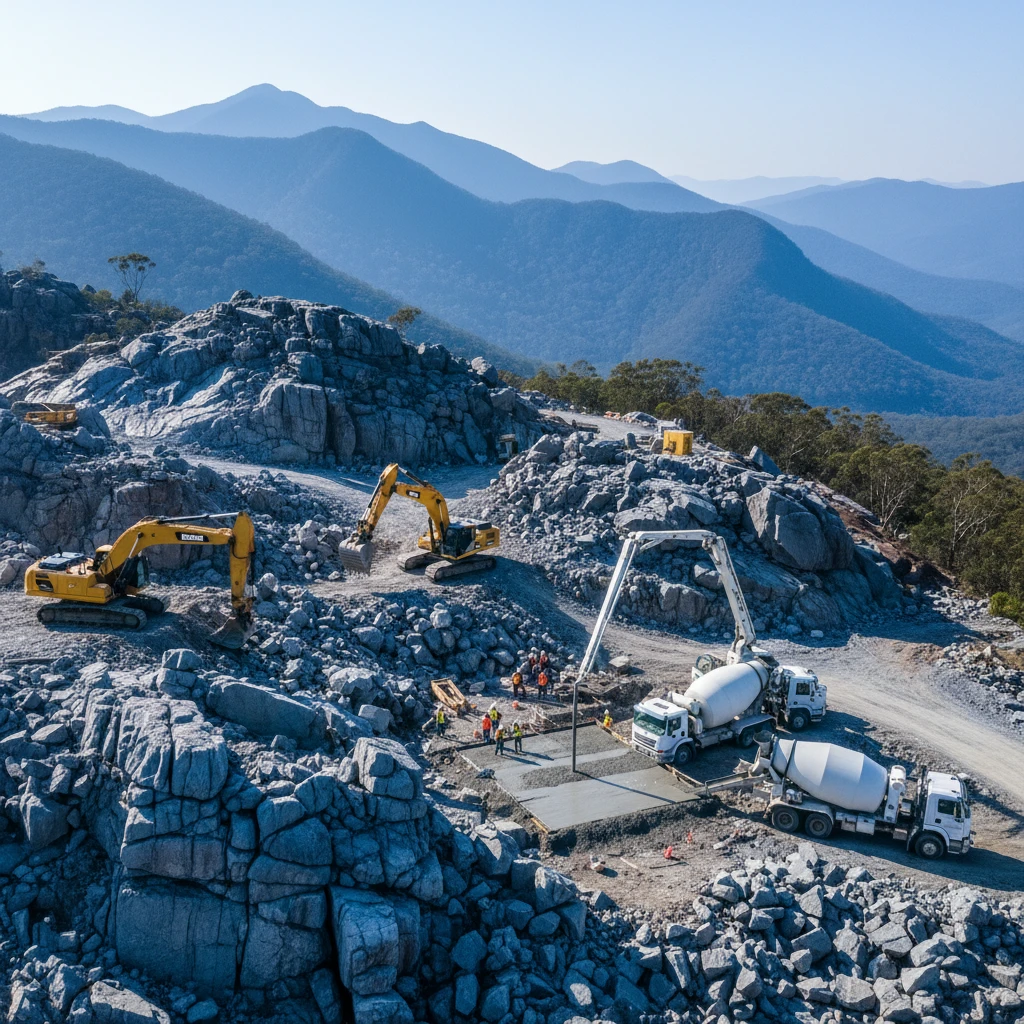
The Blue Mountains region is defined by its dramatic topography. Steep slopes are commonplace, creating difficulties for both access and site preparation. Rocky outcrops, often composed of tough sandstone, further complicate excavation efforts. Unlike working on relatively flat land, every project requires careful assessment of the existing gradient to ensure stability and prevent landslides. Moreover, the region’s high bushfire risk necessitates careful consideration of fire-resistant materials and construction techniques, including the use of concrete for crucial structural elements. These three factors – steepness, rock, and fire danger – combine to make even seemingly simple projects far more complex and require expert handling from the initial stages.
Understanding the impact on concrete foundations and drainage.
The unique soil conditions and topography of the Blue Mountains directly impact concrete foundations and drainage systems. Uneven ground necessitates specialised foundation designs to ensure uniform load distribution and prevent cracking. Poor drainage can lead to water pooling around foundations, causing erosion and potential structural damage. Concrete is vulnerable to freeze-thaw cycles at higher altitudes; thus, proper drainage is vital for concrete longevity. Careful attention must be paid to the design and installation of drainage systems to divert water away from buildings and prevent soil saturation. This could involve incorporating retaining walls, drainage channels, or subsurface drainage systems tailored to the specific site conditions. Ignoring these considerations can result in foundation instability and costly repairs down the line.
Why DIY solutions often fall short in the Blue Mountains environment.
While DIY projects can be tempting, the complexities of Blue Mountains construction often render them inadequate. Amateurs frequently underestimate the challenges posed by rocky terrain and steep slopes, leading to improper excavation and foundation preparation. Without the right equipment and expertise, DIYers may struggle to achieve proper compaction and curing of concrete, resulting in weakened structures prone to cracking and failure. Furthermore, a lack of understanding of local building codes and regulations can lead to non-compliant work that requires costly rectification. Example: A homeowner attempted to pour a shed slab themselves, but failed to properly compact the base. Within two years, the slab cracked significantly, requiring professional demolition and replacement costing $8,000. Such occurrences highlight the necessity of engaging experienced professionals who understand the nuances of the Blue Mountains environment. See also Difficult Excavation? Quality Concrete Solutions 2027 for additional insights.
Excavation Essentials for Rocky Blue Mountains Properties
Site assessment and planning: identifying potential hazards and obstacles.
Before any excavation begins, a thorough site assessment is crucial. This involves a detailed inspection of the property to identify potential hazards such as underground utilities, unstable slopes, and hidden rock formations. A geotechnical survey may be necessary to assess soil conditions and determine the bearing capacity of the ground. Careful planning is essential to minimise environmental impact and ensure the safety of workers and the surrounding community. This includes developing an excavation plan that outlines the sequence of operations, the equipment to be used, and the measures to be taken to prevent erosion and sediment runoff. The assessment should identify potential drainage issues before work commences. The presence of protected vegetation requires specific strategies. Proper planning results in efficient excavation and lowers the risk of unforeseen problems.
The right equipment for the job: Excavators, bobcats, and rock breakers.
The selection of appropriate equipment is critical for efficient and safe excavation in the Blue Mountains. Excavators are essential for removing large volumes of soil and rock, while bobcats are ideal for smaller tasks such as levelling and grading. Rock breakers, also known as hydraulic hammers, are necessary for breaking up tough sandstone formations. The choice of equipment will depend on the size and complexity of the project, as well as the specific site conditions. Using the right tool for the right job will save time and money, while also minimising the risk of equipment damage and worker injury. Furthermore, experienced operators are essential to safely and effectively operate the machinery.
Strategies for dealing with sandstone and other tough rock formations.
Sandstone is a common rock formation in the Blue Mountains, and it can present significant challenges during excavation. Traditional excavation methods may be ineffective against sandstone, requiring the use of specialised techniques such as rock sawing, hydraulic splitting, or controlled blasting (where permitted and safe). Rock sawing involves using a diamond-tipped saw to cut through the rock, creating clean and precise cuts. Hydraulic splitting uses hydraulic pressure to crack the rock along natural fissures. Controlled blasting requires careful planning and execution to minimise noise and vibration and prevent damage to surrounding structures. The chosen strategy will depend on the type and extent of the rock formation, as well as the proximity to other buildings and infrastructure. For further information, consider reading about Excavation Solutions: Preparing Difficult Sites for Concrete.
Concrete Solutions Tailored for Challenging Landscapes
Reinforced concrete: Adding strength and durability on uneven ground.
Reinforced concrete is crucial for construction on the uneven ground common in the Blue Mountains. By embedding steel reinforcement within the concrete, we enhance its tensile strength and resistance to cracking. This is especially important for foundations, retaining walls, and other structures that are subject to significant stress. The amount and type of reinforcement will depend on the specific design requirements and the anticipated loads. Fibre reinforced concrete offers an alternative, where synthetic fibres are mixed into the concrete to improve its resistance to cracking and shrinkage. Ultimately, reinforced concrete provides a stronger, more durable, and longer-lasting solution for building in challenging landscapes.
Slab design considerations: accounting for soil movement and drainage.
Slab design in the Blue Mountains must account for potential soil movement and drainage issues. Expansive soils, which swell and shrink with changes in moisture content, can exert significant pressure on concrete slabs, leading to cracking and heaving. To mitigate this risk, it’s important to use a well-draining base material beneath the slab and to incorporate expansion joints to allow for movement. Proper drainage is also essential to prevent water from accumulating around the slab, which can lead to erosion and structural damage. The design should include adequate slope to direct water away from the foundation and the installation of subsurface drainage systems where necessary. Ignoring these considerations can result in costly repairs and premature slab failure. For expert solutions for sloped blocks, see Excavation and Concrete: Sloped Site Solutions.
The importance of proper compaction and curing in the Blue Mountains climate.
Proper compaction and curing are essential for ensuring the strength and durability of concrete in the Blue Mountains climate. Compaction removes air pockets from the concrete mix, increasing its density and strength. Curing involves maintaining the concrete at a proper moisture level and temperature for a specified period of time, allowing it to fully hydrate and gain strength. In the Blue Mountains, where temperatures can fluctuate significantly, curing is particularly important to prevent cracking and shrinkage. This might involve covering the concrete with plastic sheeting, applying a curing compound, or using wet burlap. Neglecting these steps can result in weak, brittle concrete that is susceptible to damage. The process of concrete hydration is vital, and should never be overlooked.
Driveways That Last: Concrete Solutions for Steep and Winding Blue Mountains Roads
Choosing the right concrete mix for a durable and safe driveway.
Selecting the appropriate concrete mix is paramount for ensuring a long-lasting and safe driveway in the Blue Mountains. Given the region’s steep and winding roads, the concrete needs to withstand heavy loads, resist cracking from temperature fluctuations, and provide adequate traction. A mix with a higher compressive strength is often recommended, along with the addition of fibres to enhance durability and reduce shrinkage. The mix design should also consider the local soil conditions and drainage patterns. Additionally, using air-entrained concrete can provide increased resistance to freeze-thaw damage, particularly in higher-altitude areas. Consulting with a concrete specialist is crucial to determine the ideal mix for your specific driveway requirements.
Surface treatments to improve grip and prevent skidding.
Safety is a critical consideration for driveways in the Blue Mountains, especially on steep inclines. Surface treatments can significantly improve grip and prevent skidding, particularly in wet or icy conditions. Options include brushed finishes, exposed aggregate, and stamped concrete with textured patterns. A brushed finish creates a series of fine grooves that provide increased traction. Exposed aggregate involves removing the surface layer of cement paste to reveal the underlying aggregate, creating a rougher, more slip-resistant surface. Stamped concrete allows for customisable textures and patterns that can enhance both aesthetics and safety. The best choice will depend on the desired look and level of traction required.
Drainage solutions to prevent water damage and erosion.
Effective drainage is essential for protecting concrete driveways from water damage and erosion in the Blue Mountains. Steep slopes can accelerate water runoff, potentially undermining the driveway and causing cracks or displacement. Solutions include installing drainage channels along the sides of the driveway to intercept and redirect water, creating a slight slope to encourage water to flow away from the surface, and incorporating permeable pavers or concrete to allow water to infiltrate the ground. A well-designed drainage system will prevent water from pooling on the driveway surface, reducing the risk of hydroplaning and preventing damage to the underlying base. Regular maintenance, such as clearing debris from drainage channels, is also crucial for ensuring long-term performance. See also Expert Excavation for Quality Concrete in Central West.
Shed Slabs and Equipment Pads: Building Solid Foundations on Unstable Ground
The importance of site preparation for shed and equipment slabs.
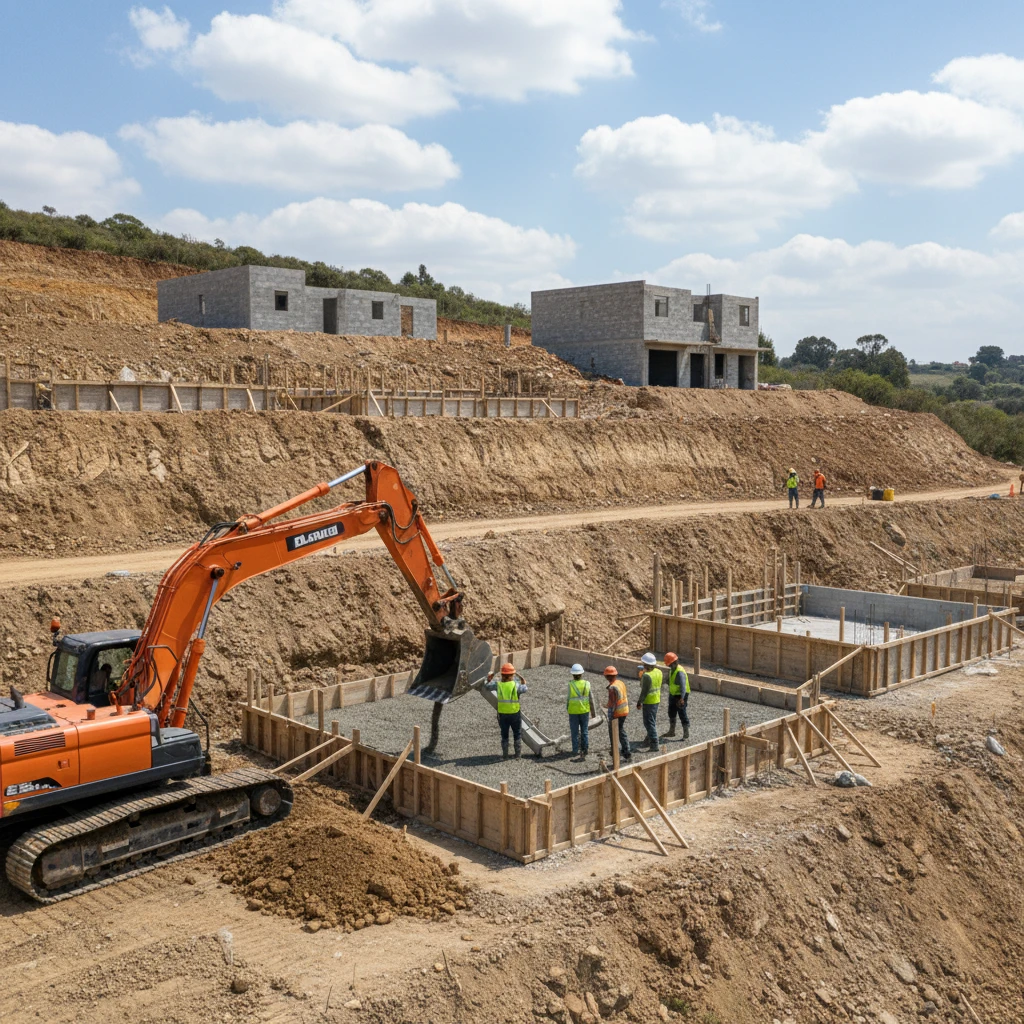
Proper site preparation is paramount for the longevity and stability of any shed slab or equipment pad, particularly in areas like the Blue Mountains where terrain can be challenging. Inadequate preparation can lead to settling, cracking, and ultimately, structural failure. The first step involves a thorough assessment of the existing soil conditions. Is it predominantly clay, rock, or a mixture? This assessment informs the excavation depth and the type of base material required. For instance, a clay-heavy soil will require deeper excavation and a more substantial gravel base than a site with naturally well-draining soil. Proper compaction of the base layer is also essential. Failure to adequately compact the base will result in settling over time. Using appropriate equipment, such as a plate compactor, ensures that the base material is dense and stable. Finally, consider the presence of underground utilities. Before commencing any excavation, it’s crucial to identify and mark the location of any buried services to avoid costly and potentially dangerous accidents. Site preparation isn’t just about clearing the ground; it’s about creating a solid, stable, and safe foundation for your structure. To avoid problems and ensure a long lasting build, read more about excavation solutions preparing difficult sites for concrete.
Concrete thickness and reinforcement requirements for heavy loads.
The concrete thickness and reinforcement needed for a shed slab or equipment pad depend heavily on the anticipated loads. A simple garden shed will have different requirements than a workshop housing heavy machinery. Generally, for light to medium loads, a concrete slab thickness of 100mm to 125mm is sufficient, reinforced with a single layer of steel mesh (e.g., SL72). However, for heavier loads, such as vehicles or industrial equipment, a thicker slab (150mm or more) with increased reinforcement is necessary. This might involve using thicker mesh (e.g., SL82 or SL92) or even incorporating steel reinforcing bars (rebar) for added strength. The spacing of the reinforcement is also crucial. Closer spacing provides better distribution of loads and reduces the risk of cracking. Consider also the concrete mix design. Using a higher strength concrete (e.g., 32MPa or 40MPa) will provide greater load-bearing capacity and durability. Consult with a structural engineer to determine the precise thickness, reinforcement, and concrete mix design required for your specific application. Skimping on these elements can lead to premature failure and costly repairs.
Dealing with sloping sites: creating level and stable platforms.
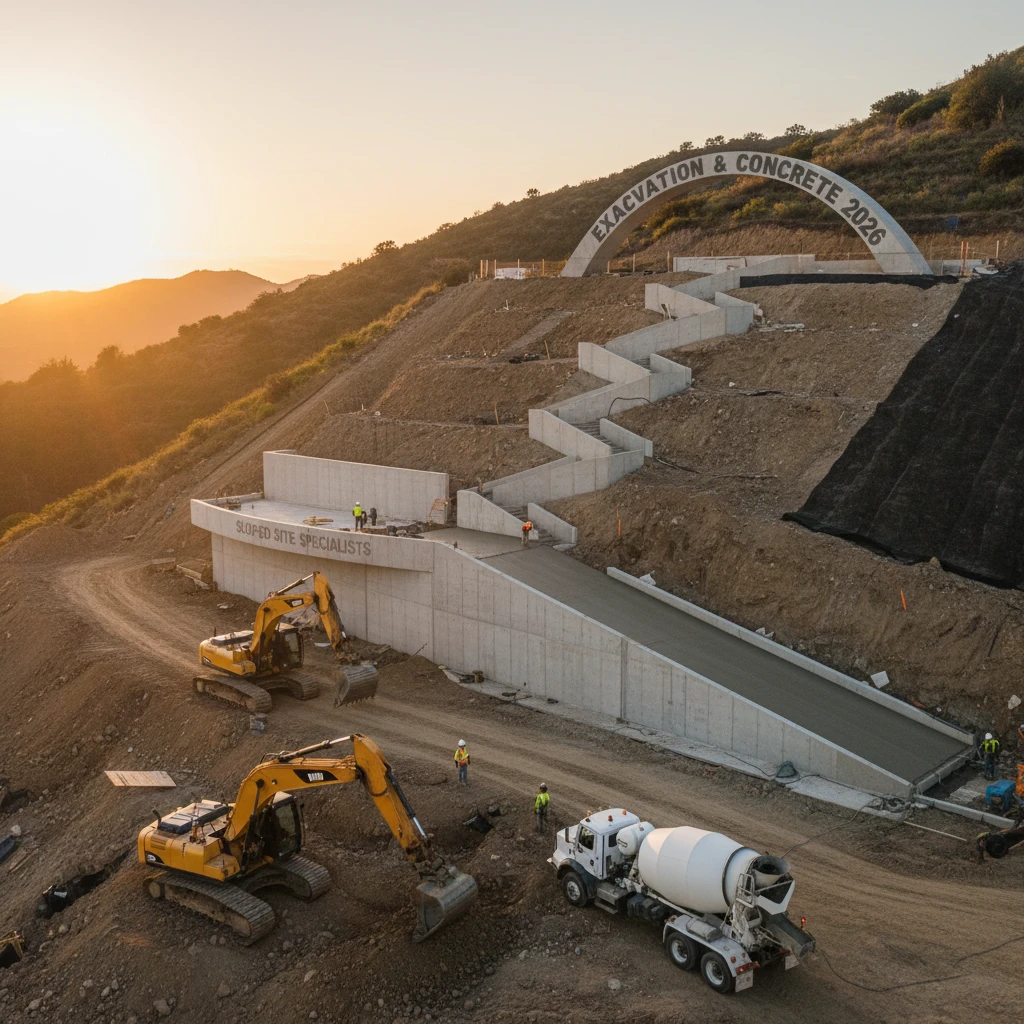
Sloping sites present unique challenges when constructing shed slabs or equipment pads. The primary goal is to create a level and stable platform upon which to build. This often involves a combination of cut and fill techniques. Cut and fill refers to cutting away soil from the higher areas of the slope and using it to fill in the lower areas. However, simply piling soil onto the lower areas is not sufficient. The fill material must be properly compacted in layers to prevent settling. Retaining walls may also be necessary to support the excavated areas and prevent soil erosion. These walls must be properly designed and constructed to withstand the lateral pressure of the soil. Drainage is another critical consideration on sloping sites. Surface water runoff can erode the soil around the slab, undermining its stability. Installing drainage systems, such as French drains or surface swales, can effectively divert water away from the structure. Consider using excavation and concrete sloped site solutions to ensure your project lasts. Remember that even seemingly minor slopes can pose significant challenges, so seeking professional advice is always recommended.
Footpaths and Concrete Stairs: Safe and Stylish Access on Sloping Properties
Designing stairs that comply with safety regulations and building codes.
Designing concrete stairs that adhere to safety regulations and building codes is crucial, particularly on sloping properties where the risk of falls is heightened. Australian standards outline specific requirements for stair dimensions, including riser height, tread depth, and handrail height. Risers should have a consistent height (typically between 115mm and 190mm), and treads should have a sufficient depth (typically between 240mm and 355mm) to provide adequate foot support. It’s important to maintain a consistent rise and run throughout the entire staircase to prevent tripping hazards. Handrails are mandatory and must be installed on at least one side of the stairs, and preferably on both sides for added safety. The handrail height should be between 865mm and 1070mm above the stair nosing. Furthermore, consider the overall width of the stairs. Narrow stairs can be difficult to navigate, especially when carrying items. Adequate lighting is also essential, particularly for stairs located in dimly lit areas. Ensure that the stairs are well-lit, and consider installing motion-sensor lights for added convenience and energy efficiency. Failure to comply with building codes can result in fines and the requirement to rectify the non-compliant work.
Choosing the right materials for slip-resistant surfaces.
Selecting the appropriate materials is crucial for creating slip-resistant concrete surfaces, especially for footpaths and stairs exposed to the elements. Smooth, polished concrete can become extremely slippery when wet, posing a significant safety hazard. Several options are available to enhance the slip resistance of concrete surfaces. One common approach is to add a textured finish to the concrete. This can be achieved through various techniques, such as broom finishing, exposed aggregate, or stamping. Broom finishing involves dragging a stiff-bristled broom across the surface of the wet concrete to create a series of fine ridges. Exposed aggregate involves removing the surface layer of cement paste to reveal the underlying aggregate, providing a naturally textured surface. Stamping involves using patterned stamps to imprint a decorative texture onto the concrete. Another option is to incorporate non-slip additives into the concrete mix. These additives, such as silica sand or polymer granules, increase the surface friction of the concrete. Regardless of the chosen method, it’s essential to ensure that the slip resistance meets the relevant Australian standards. Regular maintenance, such as cleaning to remove dirt and grime, is also necessary to maintain the slip resistance of the surface. Even with the right material, regular cleaning and maintenance is recommended.
Integrating stairs and footpaths seamlessly into the landscape.
Integrating concrete stairs and footpaths seamlessly into the landscape enhances both the aesthetic appeal and functionality of the property. Consider the natural contours of the land when designing the pathways and stairs. Avoid creating abrupt changes in elevation that can disrupt the flow of the landscape. Instead, gently slope the pathways and incorporate gradual steps where necessary. The choice of materials and finishes should complement the surrounding environment. For example, using exposed aggregate concrete with locally sourced stones can create a natural and rustic look that blends well with the landscape. Planting vegetation along the edges of the pathways can soften the hard lines of the concrete and create a more inviting atmosphere. Consider using native plants that are well-suited to the local climate and soil conditions. Furthermore, incorporating lighting into the landscape design can enhance the safety and visual appeal of the pathways and stairs. Low-voltage landscape lighting can be used to illuminate the pathways and highlight key features of the landscape. The goal is to create a harmonious balance between the built environment and the natural environment, resulting in a landscape that is both beautiful and functional. Think about the overall look to achieve a unified style.
Concrete Repairs and Replacements: Restoring Structural Integrity and Preventing Further Damage
Identifying the causes of concrete cracking and deterioration.
Understanding the root causes of concrete cracking and deterioration is critical for effective repair and prevention. Concrete is a durable material, but it is susceptible to various forms of damage over time. One of the most common causes of cracking is shrinkage. As concrete cures, it loses moisture and shrinks, which can create tensile stresses that exceed the concrete’s tensile strength, leading to cracking. Another common cause is thermal expansion and contraction. Concrete expands when heated and contracts when cooled, and these movements can create stresses that lead to cracking, especially in large, unreinforced slabs. Settlement of the underlying soil can also cause cracking, particularly in areas with unstable soil conditions. Chemical attack, such as from sulfates or chlorides, can deteriorate the concrete matrix, weakening its structure and leading to cracking and spalling. Finally, impact damage, such as from vehicles or heavy equipment, can cause localized cracking and spalling. Identifying the specific cause of the damage is essential for selecting the appropriate repair method.
Effective repair techniques for cracks, spalling, and other damage.
Selecting the right repair technique is crucial for restoring the structural integrity and appearance of damaged concrete. For narrow, non-structural cracks (less than 3mm wide), epoxy injection is often an effective solution. Epoxy injection involves injecting a high-strength epoxy resin into the crack to bond the concrete back together. For wider, structural cracks, more extensive repairs may be necessary, such as routing and sealing the crack with a flexible sealant, or even removing and replacing the damaged section of concrete. Spalling, which is the breaking away of the concrete surface, can be repaired by removing the loose concrete and patching the area with a cementitious repair mortar. The repair mortar should be compatible with the existing concrete and should be properly cured to ensure a strong bond. For more extensive spalling, it may be necessary to apply a concrete overlay to the entire surface. Before applying any repair materials, it’s essential to properly prepare the surface by cleaning it thoroughly and removing any loose debris. Surface preparation is key to ensuring a strong and durable bond between the repair material and the existing concrete. Seeking professional concrete repair and replacement advice will ensure a job well done.
When to repair and when to replace: making informed decisions about concrete restoration.
Deciding whether to repair or replace damaged concrete requires careful consideration of several factors, including the extent of the damage, the cost of repair versus replacement, and the expected lifespan of the repaired concrete. In general, if the damage is minor and localized, such as hairline cracks or small areas of spalling, repair is often the most cost-effective option. However, if the damage is extensive and affects the structural integrity of the concrete, replacement may be necessary. Factors to consider include the depth and width of the cracks, the presence of underlying corrosion, and the overall condition of the concrete. If the cost of repair is approaching the cost of replacement, it may be more prudent to replace the concrete, as this will provide a longer-lasting solution. Consider the long-term implications. Repairing severely damaged concrete may only provide a temporary fix, while replacement will provide a new, structurally sound surface. Also, be aware that trying to cut costs with a repair when a full replacement is needed, is likely to cost more in the long run. Consulting with a qualified concrete contractor can help you assess the damage and make an informed decision about whether to repair or replace the concrete.
Drainage Considerations: Protecting Your Concrete from Water Damage
Surface drainage: Directing water away from foundations and slabs.
Effective surface drainage is crucial for protecting concrete structures from water damage. Standing water can seep into cracks and pores in the concrete, leading to deterioration and weakening of the structure. The primary goal of surface drainage is to direct water away from foundations, slabs, and other concrete surfaces. This can be achieved through various methods, including proper grading, the installation of surface drains, and the use of impervious surfaces. Proper grading involves sloping the ground away from the foundation or slab at a minimum slope of 2% (20mm per metre). This ensures that water flows away from the structure rather than pooling around it. Surface drains, such as channel drains or grated drains, can be installed to collect and redirect surface water. These drains should be located in areas where water tends to accumulate, such as along driveways or patios. Using impervious surfaces, such as concrete or asphalt, can also help to prevent water from seeping into the ground and undermining the foundation. Regular maintenance, such as cleaning gutters and downpipes, is also essential for ensuring proper surface drainage. Ignoring surface drainage can lead to costly repairs and even structural failure.
Subsurface drainage: Managing groundwater and preventing hydrostatic pressure.
Subsurface drainage plays a critical role in managing groundwater and preventing hydrostatic pressure from building up against concrete foundations and slabs. Hydrostatic pressure is the force exerted by water on the surrounding soil and structures. Excessive hydrostatic pressure can cause cracking, water seepage, and even structural damage. Subsurface drainage systems are designed to collect and redirect groundwater away from the foundation, reducing hydrostatic pressure. One common type of subsurface drainage system is a French drain. A French drain consists of a perforated pipe buried in a trench filled with gravel. The gravel allows water to flow freely into the pipe, which then carries the water away from the foundation. Another option is to install a perimeter drain around the foundation. A perimeter drain is similar to a French drain but is located directly adjacent to the foundation wall. The drain collects groundwater before it reaches the foundation, preventing it from building up hydrostatic pressure. The effectiveness of any subsurface drainage system depends on proper design and installation.
The role of proper grading and slope in effective drainage.
Proper grading and slope are fundamental to effective drainage, both on the surface and subsurface. Grading refers to the process of shaping the ground surface to control the flow of water. A properly graded site will direct water away from foundations, slabs, and other structures, preventing water damage. As mentioned previously, the ground should slope away from the foundation at a minimum slope of 2%. This ensures that water flows away from the structure rather than pooling around it. The slope should be consistent and uniform, without any dips or depressions that could trap water. In addition to surface grading, subsurface grading is also important. The soil beneath the foundation should be compacted and graded to promote drainage. This can be achieved by using a well-draining backfill material, such as gravel, around the foundation. The subsurface grading should also be sloped to direct groundwater towards the subsurface drainage system. Integrating these drainage solutions effectively requires expert knowledge, like that provided at excavation and concreting Central West service. Proper grading and slope are essential for preventing water damage and ensuring the long-term stability of concrete structures.
Permits and Regulations: Navigating the Approval Process in the Blue Mountains
Understanding the local council’s requirements for excavation and concrete work.
Before commencing any excavation or concrete project in the Blue Mountains, it’s crucial to understand the specific requirements set forth by the local council. These regulations are designed to protect the environment, ensure public safety, and maintain the aesthetic character of the region. It is vital to be aware of the council’s regulations for excavation and concrete works. This includes understanding zoning restrictions, building codes, and any specific overlays that may apply to your property. Failure to comply with these regulations can result in costly delays, fines, or even the complete cessation of your project. Familiarise yourself with council guidelines well in advance of starting any work.
Obtaining the necessary permits and approvals before starting your project.
The process of obtaining the necessary permits and approvals can seem daunting, but it’s a crucial step in ensuring the legality and safety of your project. Typically, this involves submitting detailed plans and specifications to the local council, along with the required application fees. Depending on the scope of your project, you may need to obtain permits for excavation, building, and even environmental protection. Be prepared to provide information about the project’s impact on the surrounding environment, including measures to control erosion and sediment runoff. Ignoring permit requirements can lead to significant legal and financial repercussions. Engage with experienced professionals who are familiar with the local council’s processes to streamline the approval process.
Ensuring compliance with environmental regulations and safety standards.
The Blue Mountains region is known for its sensitive environmental areas, so adhering to environmental regulations is paramount during excavation and concrete work. This includes implementing measures to prevent soil erosion, protect waterways, and minimize the impact on native flora and fauna. Strict adherence to safety standards is also non-negotiable. This includes providing adequate safety equipment for workers, implementing traffic management plans (if necessary), and ensuring that the work site is properly secured to prevent unauthorized access. Non-compliance with environmental regulations and safety standards not only puts the environment and people at risk but can also result in substantial fines and legal action. Proper site management is key and can be greatly aided by engaging companies experienced in difficult excavation, allowing for quality concrete solutions on a range of sites.
Laser Concrete: Your Local Experts for Demanding Concrete and Excavation Projects in Penrith, Blue Mountains and Central West NSW
Our experience with Blue Mountains terrain and construction challenges.
Laser Concrete brings extensive experience navigating the unique terrain and construction challenges presented by the Blue Mountains. We understand the complexities of working on sloped blocks, managing rocky ground conditions, and dealing with limited access. Our team possesses the specialized skills and equipment necessary to overcome these obstacles and deliver exceptional results. For instance, we’ve successfully completed numerous projects on sites with gradients exceeding 30 degrees, employing specialized excavation techniques and concrete pouring methods to ensure stability and structural integrity. Our familiarity with local soil types and drainage patterns allows us to design and implement effective solutions that withstand the region’s specific environmental conditions. As Blue Mountains specialists, we are adept at implementing innovative strategies to maximise space and minimise environmental impact.
Commitment to quality workmanship and long-lasting results.
At Laser Concrete, quality workmanship is our top priority. We are committed to using only the highest-grade materials and employing proven construction techniques to ensure the longevity and durability of our work. Our team of skilled tradespeople takes pride in their attention to detail and strives for perfection in every project. We use advanced laser levelling technology to ensure precise measurements and accurate concrete placement. We also implement rigorous quality control measures throughout the construction process to identify and address any potential issues before they become problems. Our commitment extends to concrete repairs, ensuring any defects are rectified swiftly and effectively, as described on our concrete repairs and replacements page.
Offering durable and cost-effective services.
While we prioritise quality and durability, we also understand the importance of cost-effectiveness. We strive to provide our customers with competitive pricing without compromising on the quality of our workmanship or materials. By employing efficient project management techniques and leveraging our experience in the Blue Mountains region, we can minimise waste and reduce overall project costs. We provide detailed and transparent quotes upfront, so our customers know exactly what to expect. We also offer a range of concrete solutions to suit different budgets and project requirements. Durable solutions are essential, and we aim to deliver value for money on every job. For example, recommending specific concrete mixes that offer superior resistance to cracking and weathering can significantly reduce long-term maintenance costs.
Investing in Quality: Why Professional Concrete Work is Worth It in the Long Run
Durability and longevity: avoiding costly repairs and replacements.
Choosing professional concrete work is an investment in the long-term durability and longevity of your property. While DIY or less experienced contractors may offer lower upfront costs, the potential for future repairs and replacements can quickly outweigh any initial savings. Poorly executed concrete work is susceptible to cracking, spalling, and other forms of deterioration, particularly in the harsh Blue Mountains climate. These issues can lead to costly repairs, or even the complete replacement of the concrete structure. Professional concrete contractors, like Laser Concrete, use high-quality materials, proper installation techniques, and experienced tradespeople to ensure that your concrete work will withstand the test of time.
Enhanced property value: improving the aesthetics and functionality of your home.
Well-executed concrete work not only enhances the structural integrity of your property but also improves its aesthetics and functionality, ultimately increasing its overall value. A beautifully designed and expertly installed concrete driveway, patio, or walkway can significantly enhance the curb appeal of your home. Similarly, a functional and well-maintained concrete shed slab can add valuable storage space and versatility to your property. By investing in professional concrete work, you’re not just improving the look and feel of your home, you’re also making a smart financial decision that will pay off in the long run. For example, consider a seamlessly integrated concrete patio extending from the house into the garden – this instantly creates an attractive outdoor living space that enhances the home’s appeal to potential buyers. The use of decorative concrete finishes can further enhance the aesthetic appeal, although it is essential to consider the excavation needs. For preparing difficult sites for concrete, professional excavation will ensure long-term stability.
Peace of mind: knowing that your concrete work is done right, from start to finish.
Perhaps the most significant benefit of investing in professional concrete work is the peace of mind that comes with knowing that your project is being handled by experienced and qualified professionals. From the initial planning stages to the final finishing touches, a reputable concrete contractor will guide you through every step of the process, ensuring that your project is completed to the highest standards. This includes obtaining the necessary permits, managing the excavation process, pouring and finishing the concrete, and providing ongoing support and maintenance. Knowing that your concrete work is done right, from start to finish, allows you to relax and enjoy the benefits of your investment without worrying about potential problems down the road. For example, Laser Concrete provides comprehensive warranties on our workmanship, giving our customers added assurance and peace of mind.
Investing in quality excavation and concrete services in the Blue Mountains is an investment in your property’s future. By understanding local regulations, choosing experienced professionals, and prioritising quality workmanship, you can ensure durable, aesthetically pleasing, and cost-effective results that will enhance your property’s value and provide peace of mind for years to come.
Cost Considerations: Balancing Quality and Budget
When planning a concrete project, it’s crucial to carefully consider the costs involved and balance your budget with the desired level of quality. While it may be tempting to opt for the cheapest option, remember that cutting corners on materials or workmanship can lead to problems down the line. Investing in quality concrete and experienced professionals will ultimately save you money in the long run by reducing the need for repairs and replacements. It’s also important to obtain detailed quotes from multiple contractors, comparing not just the price but also the scope of work, materials used, and warranty offered. Don’t hesitate to ask questions and clarify any uncertainties before making a decision. For instance, discussing the pros and cons of different concrete mixes and finishes can help you make an informed choice that aligns with your budget and aesthetic preferences.
Local Expertise: The Value of Blue Mountains Specialists
Choosing a concrete contractor with specific experience in the Blue Mountains region offers several advantages. Local contractors are familiar with the area’s unique climate, soil conditions, and building codes, allowing them to tailor their approach to the specific challenges of your project. They also have established relationships with local suppliers and subcontractors, ensuring access to quality materials and reliable services. Furthermore, a local contractor is more likely to be responsive to your needs and available for ongoing support and maintenance. For instance, Laser Concrete has been serving the Blue Mountains community for many years, developing a deep understanding of the local environment and building requirements. This local knowledge is invaluable in ensuring the success of your concrete project.
Environmental Responsibility: Sustainable Concrete Practices
In today’s world, environmental responsibility is a growing concern, and concrete contractors are increasingly adopting sustainable practices to minimise their impact on the planet. This includes using recycled materials in concrete mixes, implementing water conservation measures, and reducing waste through efficient project management. Choosing a contractor committed to sustainable concrete practices not only benefits the environment but can also enhance your property’s value and appeal to environmentally conscious buyers. Laser Concrete, for example, is committed to using eco-friendly concrete solutions and reducing our carbon footprint through responsible waste management and energy-efficient equipment.
Future Trends in Concrete: Innovation and Technology
The concrete industry is constantly evolving, with new innovations and technologies emerging to improve its performance, durability, and sustainability. Some of the key trends to watch include self-healing concrete, which can automatically repair cracks, and permeable concrete, which allows water to drain through it, reducing stormwater runoff. Additionally, advancements in concrete mixes and additives are enhancing its strength, resistance to weathering, and aesthetic appeal. Staying informed about these future trends can help you make informed decisions about your concrete project and ensure that you are investing in cutting-edge solutions that will provide long-term value. An example would be decorative concrete options constantly evolving to meet customer desires.