Embarking on a concrete project, whether it’s a new driveway, a shed slab, or a retaining wall, demands meticulous planning and execution. Cutting corners during preparation can lead to structural weaknesses, aesthetic flaws, and ultimately, costly repairs down the line. A solid foundation, both literally and figuratively, is the key to a lasting and successful outcome.
This article delves into the essential elements of preparing for a concrete project, from initial excavation to concrete mix selection and formwork considerations. We’ll explore the critical factors that contribute to a durable and aesthetically pleasing final product, emphasising quality and precision over quick fixes.
Laying the Groundwork for Success: Why Preparation Matters
Beyond Aesthetics: The Importance of Structural Integrity
While the visual appeal of your completed concrete project is undoubtedly important, its structural integrity is paramount. A well-prepared base and properly mixed concrete ensure the structure can withstand the elements, the weight it’s intended to bear, and the test of time. Neglecting preparation can lead to cracks, sinking, and even complete failure of the concrete structure. Structural failure not only compromises the aesthetic value but also poses significant safety risks. For example, a poorly constructed retaining wall could collapse, causing property damage or injury. Similarly, a cracked driveway can become a tripping hazard and reduce the overall value of your property.
Avoiding Costly Mistakes: Prevention is Key
Investing in thorough preparation upfront is significantly more cost-effective than rectifying problems caused by inadequate groundwork. Correcting structural issues often requires extensive demolition and reconstruction, which can be several times more expensive than doing the job right the first time. Furthermore, preventative measures, such as proper soil compaction and drainage, can extend the lifespan of your concrete structure and reduce the need for future repairs. For example, proper drainage prevents water from pooling beneath the concrete, which can lead to erosion and cracking during freeze-thaw cycles. Similarly, compacting the soil ensures that the concrete has a stable base to rest on, preventing it from shifting or sinking over time.
Example: A homeowner in Penrith decided to save money by skipping soil testing before pouring a shed slab. Within two years, the slab developed significant cracks due to soil movement. The cost to repair the slab and reinforce the foundation was triple the initial savings.
Decoding Excavation: The First Step in Your Concrete Project
Assessing Your Site: Soil Type, Drainage, and Potential Challenges
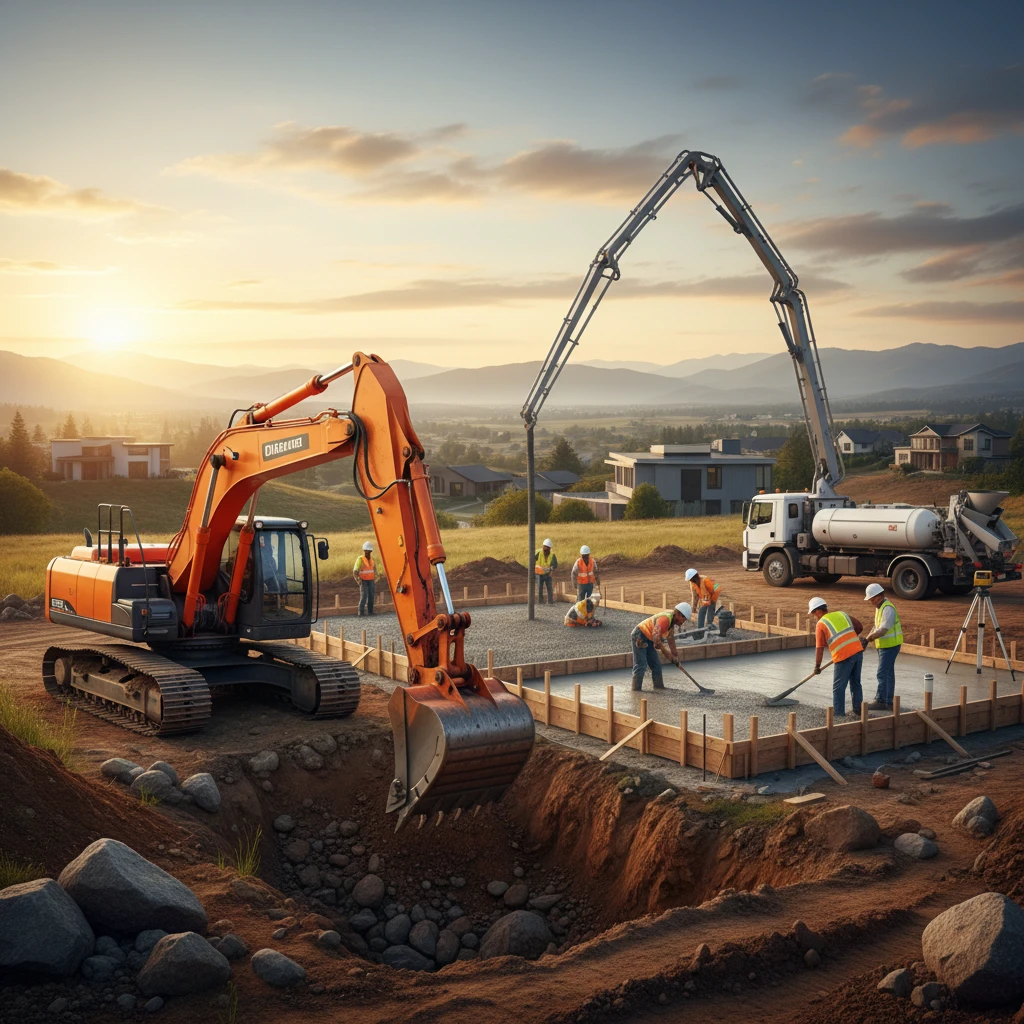
Before any concrete is poured, a comprehensive site assessment is crucial. This involves evaluating the soil type, drainage patterns, and any potential challenges, such as underground utilities or tree roots. Different soil types have different load-bearing capacities and drainage characteristics, which can significantly impact the design and construction of your concrete structure. For instance, clay soils tend to retain water and expand when wet, while sandy soils drain quickly but have lower load-bearing capacity. Proper drainage is essential to prevent water from accumulating beneath the concrete, which can lead to erosion, cracking, and frost heave. Additionally, identifying any potential obstacles, such as underground utilities or tree roots, is crucial to avoid costly damage or delays during excavation.
Excavation Techniques: Matching Method to Terrain (especially in the Blue Mountains)
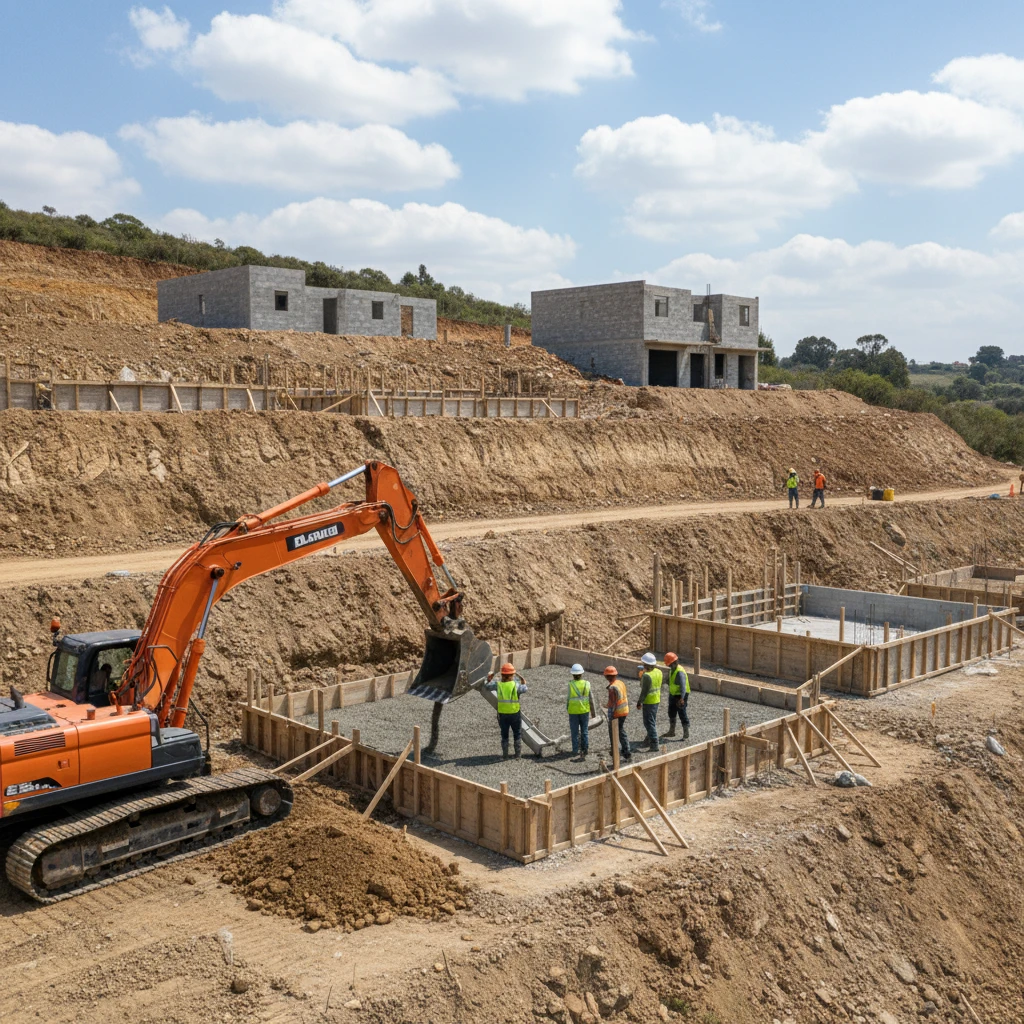
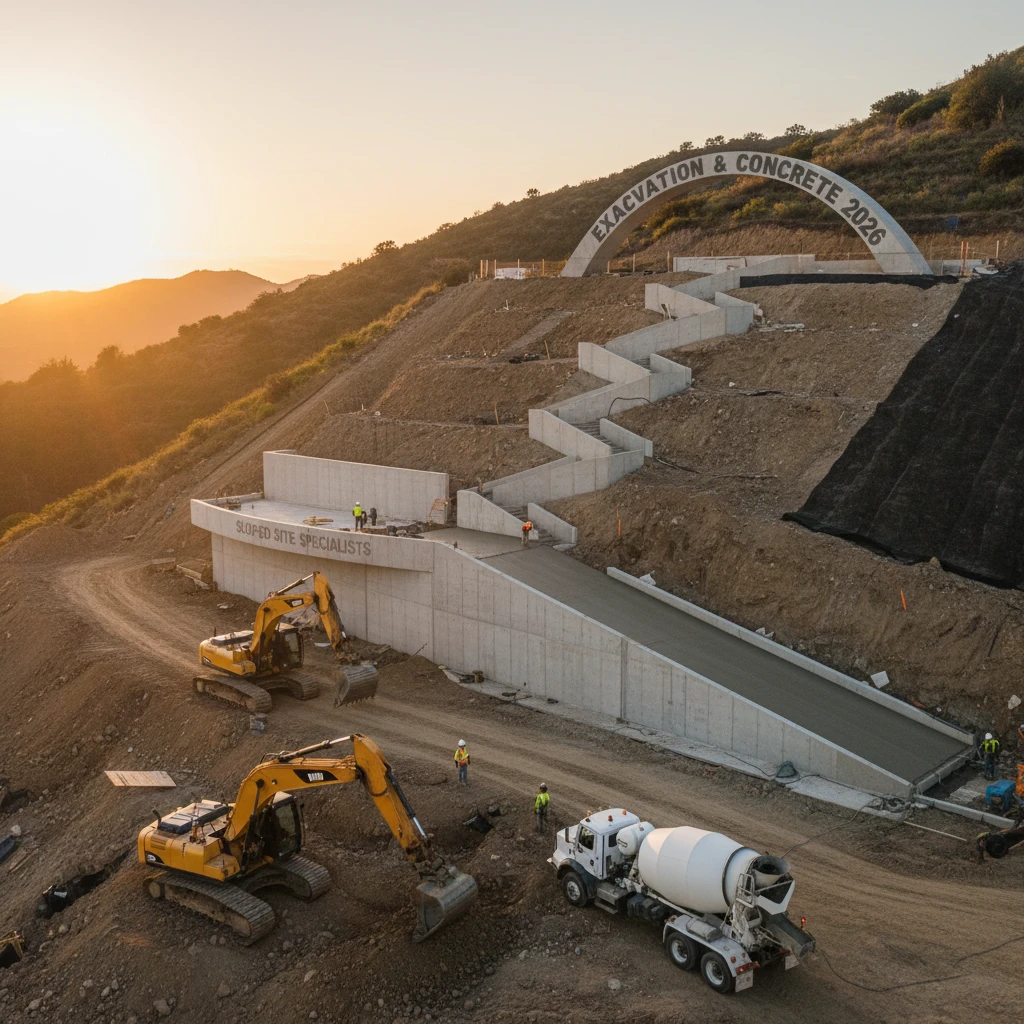
The choice of excavation technique depends on the terrain, soil type, and the size of the project. For relatively flat and easily accessible sites, traditional excavation methods using bulldozers and excavators may be sufficient. However, for steep slopes, rocky terrain, or sites with limited access, specialised techniques may be required. In the Blue Mountains, for example, where steep slopes and rocky outcrops are common, excavation may require the use of rock breakers, hydraulic hammers, or even manual labour. It’s also essential to consider the impact of excavation on the surrounding environment and to implement measures to minimise soil erosion and dust pollution. Expert operators can leverage machinery more effectively on challenging blocks.
Safety First: Protecting Underground Utilities
Before commencing any excavation work, it is imperative to locate and protect all underground utilities, such as gas lines, water pipes, and electrical cables. Contacting “Dial Before You Dig” (or the equivalent service in your region) is a crucial step in this process. They will provide information on the location of underground utilities in your area, allowing you to mark them out and avoid damaging them during excavation. Damaging underground utilities can be extremely dangerous and can result in serious injury, property damage, and costly repairs. In addition to contacting “Dial Before You Dig”, it is also important to visually inspect the site for any signs of underground utilities, such as manhole covers, utility boxes, or warning signs.
Concrete Considerations: Choosing the Right Mix for the Job
Understanding Concrete Grades and Their Applications
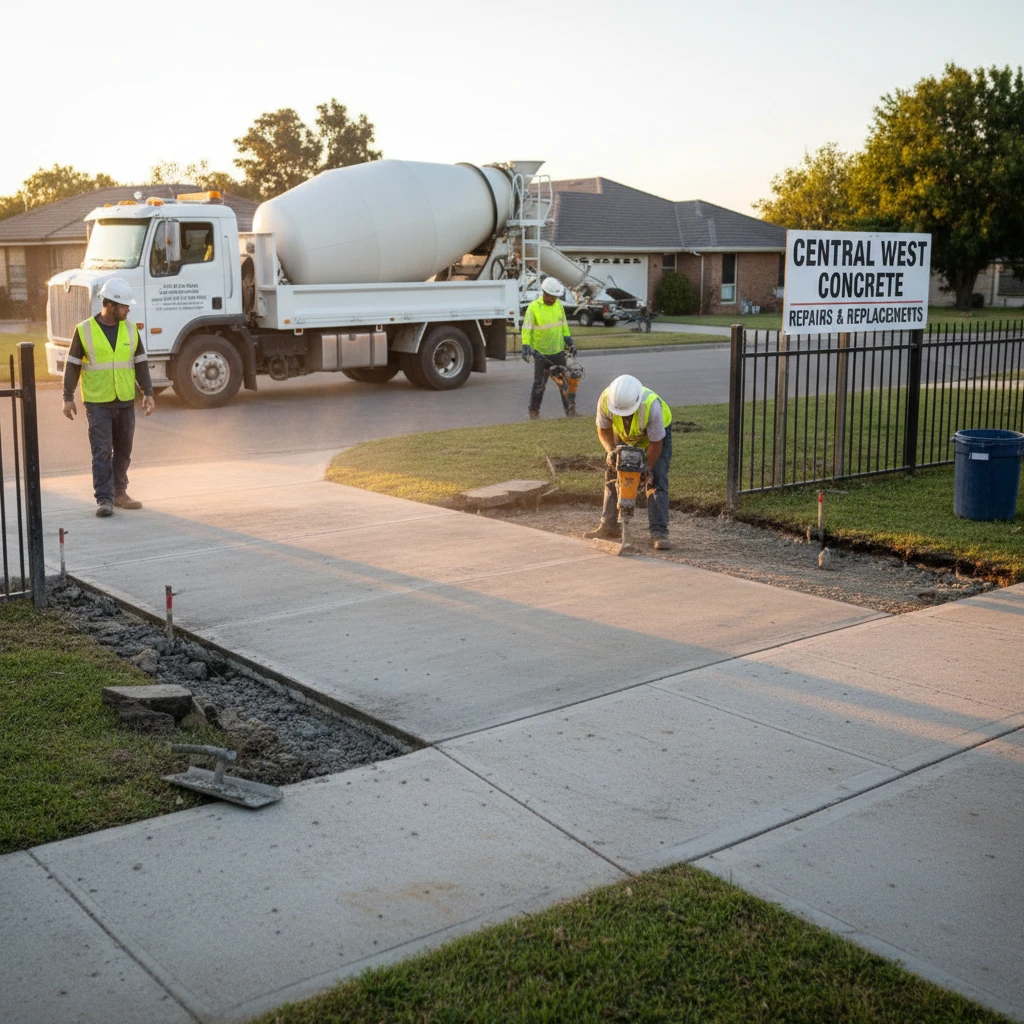
Concrete isn’t just concrete; it comes in various grades, each designed for specific applications and load-bearing requirements. The grade of concrete refers to its compressive strength, measured in megapascals (MPa). Higher MPa values indicate stronger concrete. For example, a driveway might require a 32MPa concrete, while a shed slab could suffice with 25MPa, depending on anticipated load. Using the wrong grade can lead to premature cracking or failure. Consulting with a concreting professional is crucial to determine the appropriate concrete grade for your project, considering factors such as the intended use of the concrete, the expected loads, and the environmental conditions. Getting the concrete driveway right the first time is important.
Additives and Enhancements: Optimising for Durability and Performance
Concrete additives can significantly enhance its durability, workability, and performance. These additives include plasticisers, which improve workability; retarders, which slow down the setting time; and accelerators, which speed it up. Fibres can increase tensile strength and reduce cracking. Sealers provide a protective layer against moisture and chemicals. The choice of additives depends on the specific requirements of the project and the environmental conditions. For example, in areas with harsh winters, air-entraining agents can be added to the concrete mix to improve its resistance to freeze-thaw damage. Similarly, in areas with high salt concentrations, corrosion inhibitors can be added to protect the reinforcing steel from corrosion. Proper use of additives ensures a longer lifespan and superior performance for your concrete structure.
The Role of Proper Curing in Concrete Strength
Curing is the process of maintaining adequate moisture content and temperature in concrete after it has been placed and finished. Proper curing is essential for achieving the desired strength and durability of the concrete. During curing, the cement hydrates, forming strong bonds between the aggregate particles. Insufficient curing can lead to weak, brittle concrete that is prone to cracking and failure. Curing methods include keeping the concrete surface moist with water, covering it with plastic sheeting, or applying a curing compound. The duration of curing depends on the type of cement, the environmental conditions, and the desired strength of the concrete. Generally, concrete should be cured for at least seven days, but longer curing periods may be required in certain circumstances. It is important to note that even high-quality concrete can fail if it is not properly cured. You can learn more about concrete curing at the Portland Cement Association website.
Formwork Fundamentals: Shaping Your Concrete Vision
Selecting Formwork Materials: Timber, Steel, or Plastic?
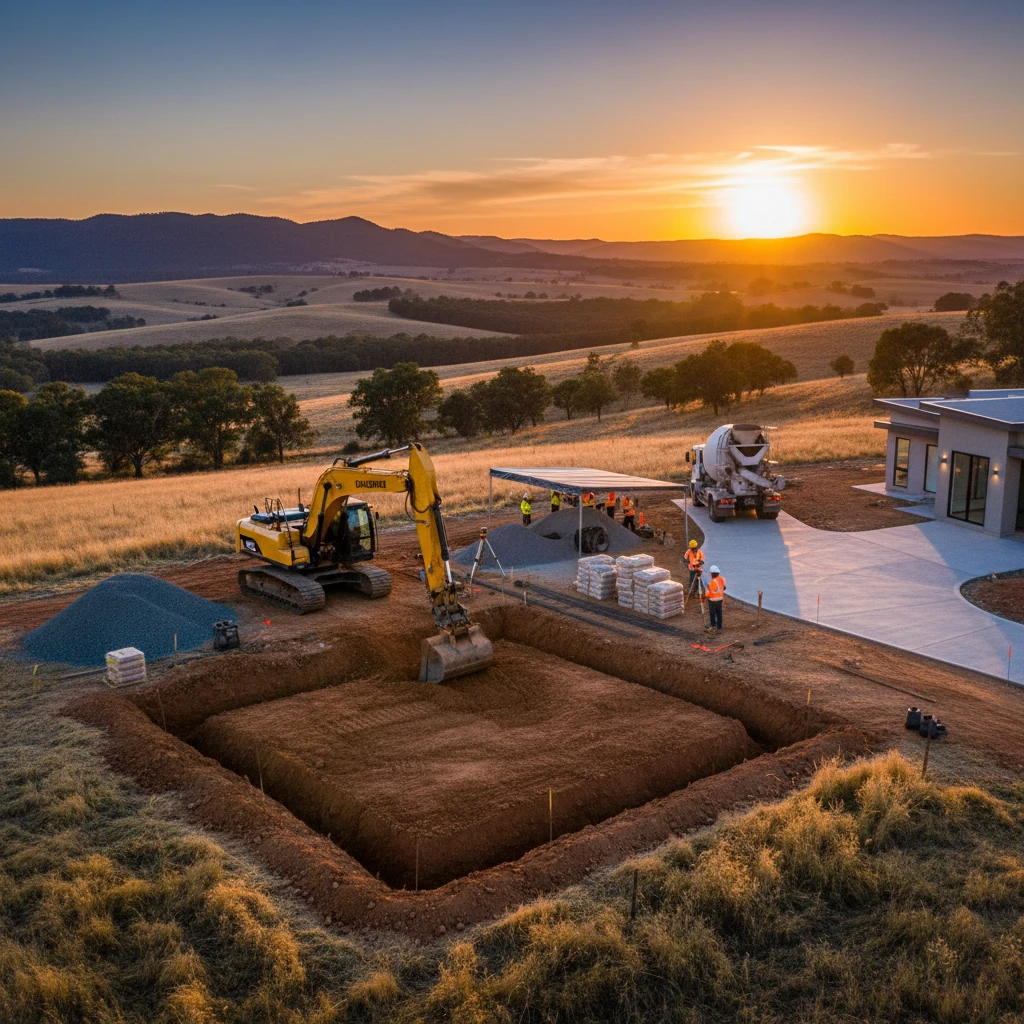
Formwork serves as a mould, dictating the shape and dimensions of your concrete structure until it hardens. The choice of formwork material depends on several factors, including the complexity of the design, the size of the project, and the budget. Timber is a traditional and relatively inexpensive option, suitable for simple designs. Steel formwork is more durable and can be reused multiple times, making it ideal for large or complex projects. Plastic formwork is lightweight, easy to handle, and resistant to moisture, making it a good choice for projects where these factors are important. Ultimately, the best formwork material for your project will depend on your specific needs and priorities. A key aspect of shed slabs is getting the formwork perfect.
Ensuring Accurate Dimensions and Alignment
Accurate dimensions and precise alignment are crucial for achieving the desired aesthetic and structural integrity of your concrete structure. Before pouring the concrete, it is essential to carefully check the formwork for any errors or misalignments. Use measuring tapes, levels, and plumb bobs to ensure that the formwork is square, level, and plumb. Any errors in the formwork will be reflected in the finished concrete structure, so it is important to take the time to get it right. Also, ensure that the formwork is adequately braced and supported to prevent it from shifting or collapsing during the concrete pour. Poor alignment can compromise structural integrity.
Formwork Stripping: Timing and Techniques for Optimal Results
The timing of formwork stripping is critical to avoid damaging the concrete. Stripping the formwork too early can cause the concrete to crack or collapse, while leaving it in place for too long can make it difficult to remove. The optimal stripping time depends on the type of cement, the environmental conditions, and the load-bearing requirements of the structure. Generally, formwork can be removed when the concrete has reached sufficient strength to support its own weight. The removal process should be done carefully to avoid jarring or impacting the concrete. Use appropriate tools and techniques to loosen the formwork and gradually remove it. Proper formwork stripping techniques ensure a smooth and undamaged concrete surface.
Reinforcement Realities: Strengthening Your Concrete Structure
Understanding Steel Reinforcement (Rebar): Size, Spacing, and Placement
Steel reinforcement, commonly known as rebar, is crucial for enhancing the tensile strength of concrete. Concrete is strong in compression but weak in tension, meaning it can handle crushing forces well but is susceptible to cracking under pulling or bending forces. Rebar provides the necessary tensile strength, preventing cracks from propagating and compromising the structure’s integrity. The size and spacing of rebar are determined by engineering calculations based on the anticipated loads and the concrete’s compressive strength. Thicker slabs or areas bearing heavy loads will require larger diameter rebar and closer spacing. For instance, a standard driveway might use N12 rebar (12mm diameter) spaced at 200mm centres, while a heavy-duty shed slab intended for machinery could require N16 rebar (16mm diameter) at 150mm centres. Correct placement is also vital; rebar must be securely tied together and positioned within the formwork *before* the concrete is poured. Using tie wire and ensuring adequate support prevents displacement during the pour. Consult engineering plans and local building codes to ensure compliance with reinforcement requirements. Avoid the pitfall of assuming standard spacing is always adequate – always assess the specific load requirements of your project.
The Importance of Adequate Concrete Cover for Steel Protection
Concrete cover refers to the distance between the outermost layer of rebar and the surface of the concrete. This cover is essential for protecting the steel from corrosion. Concrete is naturally alkaline, which passivates the steel and prevents rust. However, exposure to moisture, chlorides (such as de-icing salts), or carbon dioxide can neutralise the concrete, leading to corrosion. Adequate cover provides a barrier against these elements. The required cover depth varies depending on the exposure conditions. For example, a driveway exposed to rain and occasional de-icing salts requires more cover than an interior slab. Typical cover depths range from 25mm for interior slabs to 50mm or more for exposed exterior elements. Using plastic or concrete spacers during the pour ensures that the rebar remains properly positioned and that the required cover is maintained. Failing to provide adequate cover can significantly reduce the lifespan of your concrete structure, leading to costly repairs down the line. The Austroads Guide to Pavement Technology provides guidelines for concrete cover in road construction, which can offer insights into best practices. Austroads is a reliable source for technical guidelines.
Alternative Reinforcement Options: Fibre Reinforcement
While steel rebar is the most common reinforcement method, alternative options like fibre reinforcement are gaining popularity. Fibre reinforcement involves adding small fibres (typically made of polypropylene, steel, or glass) to the concrete mix. These fibres distribute throughout the concrete and provide tensile strength in multiple directions. Fibre reinforcement can reduce cracking, improve impact resistance, and simplify the construction process by eliminating the need for rebar placement in some applications. However, it’s important to note that fibre reinforcement is not a direct replacement for rebar in all cases. It’s most suitable for applications where crack control and increased toughness are desired, such as driveways, footpaths, and some types of slabs. For structural elements bearing heavy loads, rebar is still generally required. The type and dosage of fibres must be carefully selected based on the specific application and the desired performance characteristics. Consult with a concrete supplier or structural engineer to determine the appropriate fibre reinforcement solution for your project. An example case where fibre reinforcement might suffice: A residential footpath project, where the primary concern is minimizing surface cracking from temperature changes. As a cautionary note: Fibre reinforcement is generally not suitable for projects requiring very high structural load capacity.
Drainage Done Right: Preventing Water Damage and Ensuring Longevity
Surface Drainage Solutions: Sloping and Channels
Effective surface drainage is paramount to preventing water from pooling on your concrete surfaces, which can lead to issues such as staining, cracking due to freeze-thaw cycles, and the growth of mould and mildew. The most basic surface drainage solution is to slope the concrete slab away from buildings and towards designated drainage areas. A minimum slope of 1% (10mm per metre) is generally recommended. This slope should be consistent and uniform to prevent water from ponding in low spots. In areas where a simple slope is insufficient, drainage channels can be incorporated into the concrete surface. These channels, often made of concrete or polymer concrete, collect surface water and direct it to a drain or outlet. Channels should be sized appropriately to handle the anticipated rainfall and designed to be easily cleaned and maintained. For example, a driveway in a high-rainfall area might incorporate a trench drain along its edge to intercept water runoff before it reaches the garage. Proper planning and execution of surface drainage are crucial for the long-term performance and aesthetics of your concrete surfaces. The cost of poor drainage far outweighs the initial investment in a well-designed system.
Subsurface Drainage Systems: Managing Groundwater
Subsurface drainage systems are designed to manage groundwater and prevent it from saturating the soil beneath your concrete slab. Saturated soil can weaken the subgrade, leading to settlement and cracking of the concrete. These systems typically consist of perforated pipes buried in gravel trenches, which collect groundwater and direct it away from the site. The depth and spacing of the pipes depend on the soil type, groundwater level, and the anticipated amount of rainfall. In areas with high groundwater tables or poorly draining soils, subsurface drainage is essential. A common example is the use of agricultural drains (ag-pipe) around the perimeter of a shed slab to prevent water from seeping under the slab and causing moisture issues. Geotextile fabric is often used to wrap the gravel trenches, preventing soil particles from clogging the pipes. Proper installation of subsurface drainage requires careful excavation and backfilling to ensure that the system functions effectively. Ignoring subsurface drainage needs can lead to significant structural problems and costly repairs in the future.
Integrating Drainage with Landscaping
Effective drainage should not only be functional but also aesthetically pleasing. Integrating drainage solutions with landscaping can create a visually appealing and environmentally sound result. For example, a swale – a shallow, vegetated channel – can be used to collect surface runoff and direct it to a rain garden or other infiltration area. This approach not only manages water but also filters pollutants and provides habitat for wildlife. Another option is to use permeable paving materials, such as porous concrete or paving stones with open joints, which allow rainwater to infiltrate directly into the ground. These materials can reduce runoff and recharge groundwater. When integrating drainage with landscaping, it’s important to consider the local climate, soil conditions, and plant species. Select plants that are tolerant of both wet and dry conditions and that can help to stabilize the soil. A well-designed landscape can enhance the beauty of your property while effectively managing water and protecting your concrete surfaces. Ignoring the aesthetic aspect can lead to drainage solutions that look like afterthoughts rather than integrated features.
Dealing with Difficult Sites: Slopes, Rocks, and Tight Access (Common in Penrith and Central West)
Specialised Excavation Equipment for Challenging Terrain
Excavating on slopes, around rocks, or in tight access areas often requires specialised equipment. Standard excavators may be too large or unstable for these conditions. Mini excavators and skid steer loaders are ideal for tight spaces, allowing for precise digging and maneuvering. For rocky terrain, rock breakers (hydraulic hammers) can be attached to excavators to break up large boulders. On steep slopes, excavators with long reach booms can be used to access areas that would otherwise be inaccessible. The choice of equipment depends on the specific challenges of the site and the type of excavation required. It’s crucial to select equipment that is appropriately sized and equipped for the job to ensure safety and efficiency. Attempting to use inadequate equipment can result in delays, damage to property, and even accidents. For example, Laser Concrete has successfully used mini excavators to create level pads for shed slabs on properties in the Blue Mountains with significant slope variations.
Retaining Walls: Stabilising Slopes and Creating Usable Space
Retaining walls are structures designed to hold back soil and create level surfaces on sloped sites. They are essential for preventing erosion, stabilizing slopes, and creating usable outdoor spaces. Retaining walls can be constructed from various materials, including concrete, timber, stone, and steel. Concrete retaining walls are particularly durable and long-lasting, making them a popular choice for residential and commercial applications. The design of a retaining wall must consider the soil type, slope angle, and the anticipated loads. A poorly designed retaining wall can fail, leading to costly repairs and potential safety hazards. Building codes typically require engineering approval for retaining walls exceeding a certain height. In Penrith and the Central West, where sloped properties are common, retaining walls are often used to create level areas for gardens, patios, or driveways. Before constructing a retaining wall, it’s essential to obtain the necessary permits and consult with a qualified engineer or contractor. For very tall retaining walls (over 1.5m) it is often more effective and economical to use a terraced system of smaller walls.
Concrete Pumping: Overcoming Access Limitations
When access to a construction site is limited, concrete pumping can be an effective solution. Concrete pumps use hydraulic pressure to transport concrete through hoses to the desired location. This eliminates the need for wheelbarrows or other manual methods of transporting concrete, which can be time-consuming and labour-intensive. Concrete pumps can reach areas that are inaccessible to concrete trucks, such as elevated slabs or areas behind buildings. There are two main types of concrete pumps: boom pumps and line pumps. Boom pumps have a long, articulating boom that can reach over obstacles, while line pumps use a series of hoses to deliver concrete over longer distances. The choice of pump depends on the site conditions and the volume of concrete to be placed. Concrete pumping requires careful planning and coordination to ensure that the concrete is delivered smoothly and efficiently. It’s important to select a reputable concrete pumping company with experienced operators. An Example: On a recent job in Lawson, the concrete truck was unable to directly access the backyard due to a narrow driveway. A line pump was used to deliver the concrete over 50 metres to the slab location, saving significant time and labour.
Working with Professionals: Finding the Right Excavation and Concrete Contractor
Checking Credentials and Licenses: Ensuring Compliance and Expertise
Before hiring an excavation and concrete contractor, it’s crucial to verify their credentials and licenses. In Australia, contractors are required to hold a valid license for the type of work they perform. This ensures that they have the necessary qualifications, experience, and insurance to carry out the job safely and competently. Check the contractor’s license with the relevant state licensing authority. In New South Wales, you can verify licenses through the Service NSW website. Also, ensure the contractor has adequate public liability insurance and workers compensation insurance. Public liability insurance protects you from financial losses in case of damage to your property or injury to third parties during the project. Workers compensation insurance covers the contractor’s employees in case of injury on the job. Asking for proof of insurance is a standard practice. Choosing a licensed and insured contractor provides peace of mind and protects you from potential legal and financial liabilities. A failure to check these can lead to significant financial consequences if something goes wrong.
Reviewing Portfolios and References: Assessing Past Performance
A contractor’s portfolio showcases their past work and provides evidence of their skills and expertise. Review the portfolio carefully to assess the quality of their workmanship and the types of projects they have completed. Look for projects that are similar to your own in terms of size, complexity, and site conditions. Ask the contractor for references from previous clients. Contact these references and inquire about their experience working with the contractor. Ask about the contractor’s communication skills, reliability, and attention to detail. Were they satisfied with the quality of the work? Did the contractor complete the project on time and within budget? Did they encounter any problems, and if so, how did they resolve them? Obtaining feedback from previous clients can provide valuable insights into the contractor’s performance and help you make an informed decision. Don’t rely solely on the contractor’s website or marketing materials; do your own due diligence to verify their claims. For example: Asking for photos of completed shed slabs on similar rural properties to yours helps gauge the contractor’s relevant experience.
Clear Communication: Outlining Your Expectations and Budget
Effective communication is essential for a successful excavation and concrete project. Before hiring a contractor, clearly outline your expectations and budget. Provide detailed specifications for the project, including the dimensions of the concrete slab, the type of finish desired, and any specific requirements for drainage or reinforcement. Obtain a written quote from the contractor that clearly outlines the scope of work, the materials to be used, and the payment schedule. Discuss any potential challenges or risks associated with the project and how they will be addressed. Be sure to ask the contractor about their process for handling change orders or unexpected issues that may arise during the project. Maintain open and honest communication throughout the project. Regularly check in with the contractor to monitor progress and address any concerns. A clearly defined scope of work and open communication can help prevent misunderstandings and ensure that the project is completed to your satisfaction. Failure to communicate effectively can lead to disputes, delays, and cost overruns. Remember: Document all communication in writing to avoid future disagreements.
Avoiding Common Pitfalls: Mistakes to Watch Out For
Inadequate Site Preparation
One of the most significant pitfalls is rushing or skimping on site preparation. This includes proper clearing, levelling, and compaction. Without a stable and properly prepared base, even the best concrete work is doomed to crack, settle unevenly, or fail prematurely. Consider soil testing to understand the ground’s load-bearing capacity and drainage characteristics. Insufficient compaction is a frequent culprit. Hire professionals who use appropriate compaction equipment, such as plate compactors or rollers, and perform multiple passes to achieve the required density. Furthermore, overlooking buried utilities can lead to costly damage and delays. Always conduct a thorough site survey and contact “Dial Before You Dig” (or the equivalent service in your area) to locate any underground services before commencing excavation.
Example: A homeowner in the Blue Mountains decided to DIY a shed slab. They leveled the ground by eye, laid some weed mat, and poured concrete. Within a year, the slab had cracked extensively due to uneven settling caused by inadequate compaction and varying soil conditions. The cost to rectify the problem was significantly higher than if they had engaged professionals for proper excavation and preparation in the first place. Proper site preparation should include excavation of any topsoil that contains organic matter, as the decomposition of this matter will cause settling over time.
Incorrect Concrete Mix Ratios
Using the wrong concrete mix or improper mixing techniques is another common mistake. Concrete strength and durability depend heavily on precise ratios of cement, aggregate, sand, and water. Too much water, for instance, weakens the concrete and increases its susceptibility to cracking and scaling. Always specify the correct concrete mix for the intended application (e.g., higher strength for driveways, lower strength for footpaths). Consider using pre-mixed concrete from a reputable supplier to ensure consistent quality. If mixing on-site, carefully measure the ingredients and follow established guidelines for water-to-cement ratios. For example, a mix design might specify a 28-day compressive strength of 32 MPa, requiring specific proportions of cement, coarse aggregate, fine aggregate, and water. Consult with an engineer or experienced concrete contractor to determine the appropriate mix design for your project. It’s also crucial to thoroughly mix the concrete to achieve a homogenous consistency. Avoid “dry pockets” or areas with excessive water. You can find resources at the National Ready Mixed Concrete Association.
Poor Drainage Design
Improper drainage can lead to water pooling, erosion, and ultimately, damage to your concrete structures. Ensure that your site has adequate drainage to divert water away from concrete surfaces. This may involve installing drainage channels, creating proper slopes, or using permeable paving materials in certain areas. Failure to address drainage issues can result in hydrostatic pressure building up under slabs, causing them to crack and heave. Consider the local rainfall patterns and soil permeability when designing your drainage system. For example, a property in Penrith that experiences heavy rainfall will require a more robust drainage solution than a property in a drier area. A well-designed drainage system is an investment that protects your concrete from premature deterioration. Poor drainage can also lead to safety hazards, such as slippery surfaces and increased risk of falls. You can even consider something like a French drain to pull water away from a problem area.
Budgeting for Your Project: Understanding the Costs Involved
Excavation Expenses: Equipment, Labour, and Disposal
Excavation costs encompass a variety of factors, including equipment rental (e.g., excavators, bobcats), labour for operators and assistants, and disposal of excavated material. The size and complexity of the excavation will significantly impact the overall cost. Difficult access sites will require specialized equipment and techniques, increasing labour costs. Soil type also plays a role; rocky or heavily compacted soil will be more challenging to excavate than loose soil. Waste disposal can be a substantial expense, especially if the excavated material is contaminated or requires specialized handling. Obtain multiple quotes from reputable excavation contractors to compare prices and ensure transparency. Factor in potential unforeseen costs, such as unexpected rock formations or underground obstructions. Furthermore, consider the cost of permits and inspections, which may be required by local authorities. A detailed excavation plan is crucial for accurate cost estimation. Always ensure the contractor has relevant insurance coverage.
Concrete Costs: Materials, Delivery, and Placement
Concrete costs are determined by the volume of concrete required, the specified mix design, and delivery charges. Concrete prices fluctuate based on the cost of raw materials, such as cement and aggregates. Higher-strength concrete mixes generally cost more than lower-strength mixes. Delivery charges vary depending on the distance from the concrete plant to the job site. Placement costs include labour for pouring, levelling, and finishing the concrete. Complex shapes or intricate designs will increase placement costs. Consider using a concrete calculator to estimate the volume of concrete needed for your project. Obtain quotes from multiple concrete suppliers to compare prices and delivery options. Factor in the cost of concrete additives, such as fibre reinforcement or water reducers, if required. For example, a driveway requiring 10 cubic metres of 32 MPa concrete, delivered to a site in the Central West, will have a different cost than a small footpath requiring 2 cubic metres of 25 MPa concrete in Penrith. Consider the time of year as concrete prices can fluctuate with demand.
Formwork and Reinforcement: Material and Labour Costs
Formwork and reinforcement are essential components of many concrete projects, and their costs should be carefully considered. Formwork provides the temporary mould that shapes the concrete while it cures. The cost of formwork depends on the complexity of the design and the type of materials used (e.g., timber, steel, aluminium). Reinforcement, typically steel rebar or mesh, adds strength and durability to the concrete. The amount of reinforcement required will depend on the structural load and the design specifications. Labour costs for formwork and reinforcement include installation and removal. Complex formwork designs will require skilled carpenters, increasing labour costs. Ensure that the formwork is properly braced and aligned to prevent deformation during concrete placement. Reinforcement should be accurately placed and securely tied to ensure proper load distribution. The cost of reinforcement can vary based on the type of steel and market conditions. A well-designed and executed formwork and reinforcement system is crucial for the structural integrity of the concrete. For a shed slab, consider the potential future load when specifying the reinforcement to use, as discussed on this page about shed slabs.
The Long-Term Value of Quality Concrete Work: An Investment in Your Property
Increased Property Value
Quality concrete work, such as a well-constructed driveway or a durable shed slab, significantly enhances your property value. Potential buyers recognize the value of durable, well-maintained concrete structures. A professionally installed concrete driveway, for instance, can be a major selling point, especially compared to gravel or asphalt. Investing in high-quality concrete materials and workmanship demonstrates a commitment to long-term property maintenance. Furthermore, well-designed concrete features can improve the overall aesthetics of your property, making it more attractive to potential buyers. A well-built concrete structure signals stability and low-maintenance, which are highly desirable qualities for homeowners. Consider the long-term return on investment when making decisions about your concrete project. A small upfront investment in quality can yield significant financial benefits in the future. This is particularly true if you are building a shed in the Central West where tough weather can take its toll.
Enhanced Curb Appeal
Concrete elements contribute significantly to curb appeal. A freshly poured concrete driveway or a beautifully designed concrete footpath can instantly transform the look of your home. Consider incorporating decorative concrete finishes, such as exposed aggregate or coloured concrete, to enhance the visual appeal of your property. Well-maintained concrete surfaces create a clean and modern aesthetic, which can significantly improve your home’s first impression. A professionally designed concrete landscape can also add value and beauty to your property. Furthermore, consider the use of concrete retaining walls to create visually appealing and functional outdoor spaces. Curb appeal is not just about aesthetics; it also reflects the overall care and maintenance of your property. Improving your home’s curb appeal with quality concrete work can make it more attractive to potential buyers and increase its market value. A well-designed and maintained property creates a positive impression on visitors and neighbours alike.
Reduced Maintenance Costs
Investing in quality concrete work translates to lower maintenance costs over the long term. Durable concrete structures require minimal upkeep compared to other materials, such as timber or asphalt. Properly installed concrete surfaces resist cracking, spalling, and other forms of deterioration. This reduces the need for frequent repairs and replacements. A well-maintained concrete driveway, for instance, can last for decades with minimal maintenance. Furthermore, concrete is resistant to pests and rot, unlike timber. Regular cleaning and sealing can further extend the lifespan of your concrete surfaces. By choosing high-quality concrete materials and workmanship, you can avoid costly repairs and replacements down the road. Consider the long-term savings when making decisions about your concrete project. While the initial cost may be higher, the reduced maintenance expenses will more than offset the difference over time. Consider concrete driveways for example, which reduce weed growth and simplify surface maintenance.
Beyond the Slab: Customise your finish
Concrete doesn’t need to be plain grey. There are many options to personalise your project. Consider coloured concrete, using oxide pigments mixed into the concrete to create a custom hue that complements your house. Exposed aggregate finishes reveal the stones within the concrete mix, creating a textured and visually interesting surface. Stamped concrete replicates the look of brick, stone, or tile, offering a cost-effective way to add visual interest. Polished concrete provides a sleek and modern look, suitable for both indoor and outdoor applications. Consider adding borders, patterns, or decorative inlays to further enhance the design. Talk to your concrete contractor about the various customisation options available and choose a finish that reflects your personal style and complements your property. The cost of custom finishes will vary depending on the complexity of the design and the materials used. A little customisation can greatly increase the finished quality.
Proper planning, careful execution, and attention to detail are essential for a successful concrete project. By avoiding common pitfalls and investing in quality materials and workmanship, you can create durable and aesthetically pleasing concrete structures that will enhance your property for years to come.
For further information and expert advice on concrete and excavation services in Penrith, the Blue Mountains, and the Central West, visit laserconcrete.com.au.