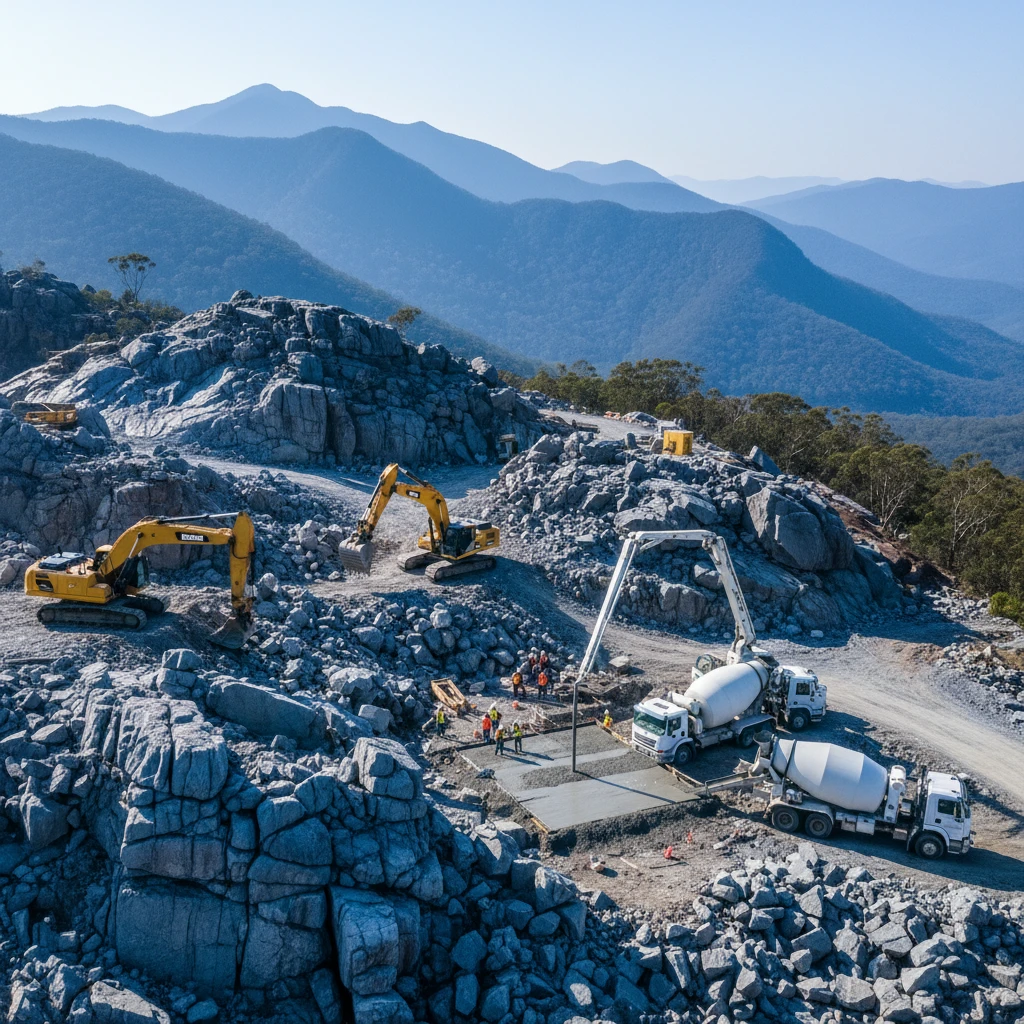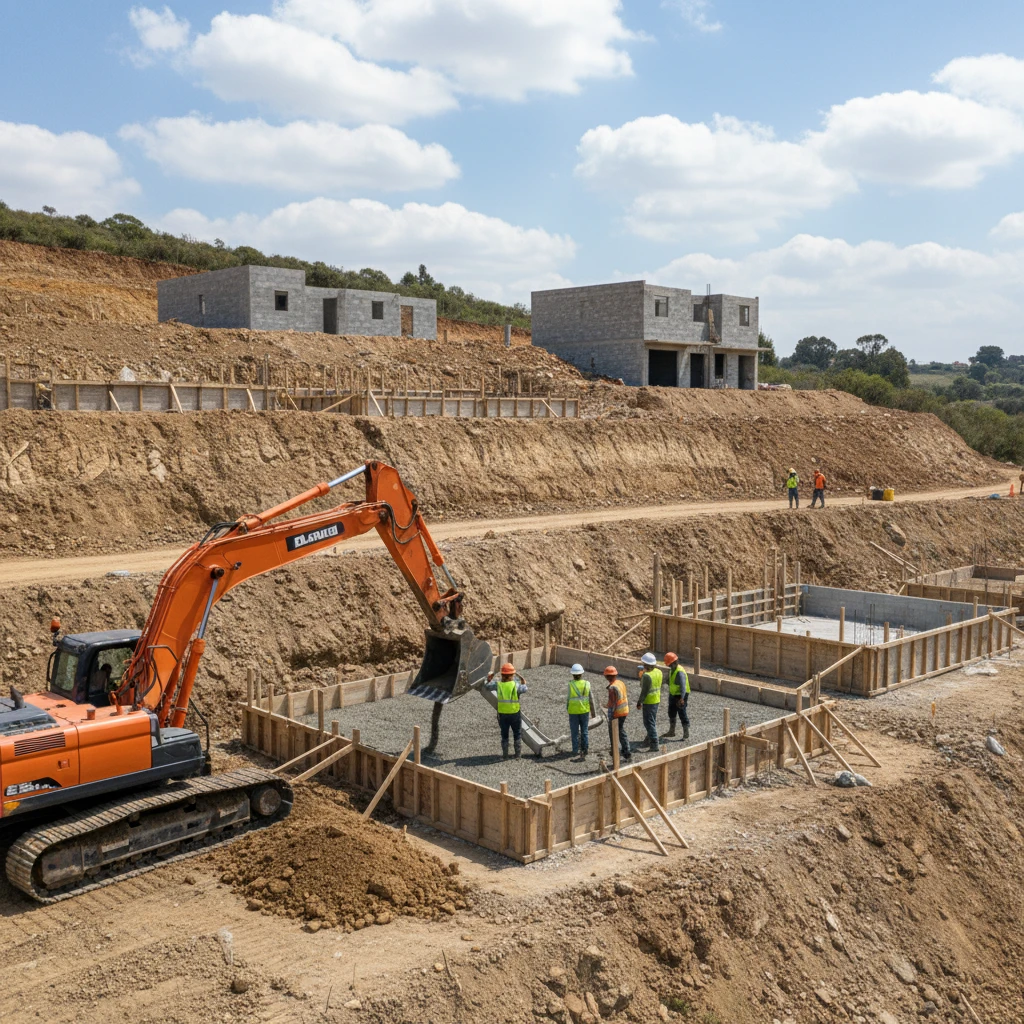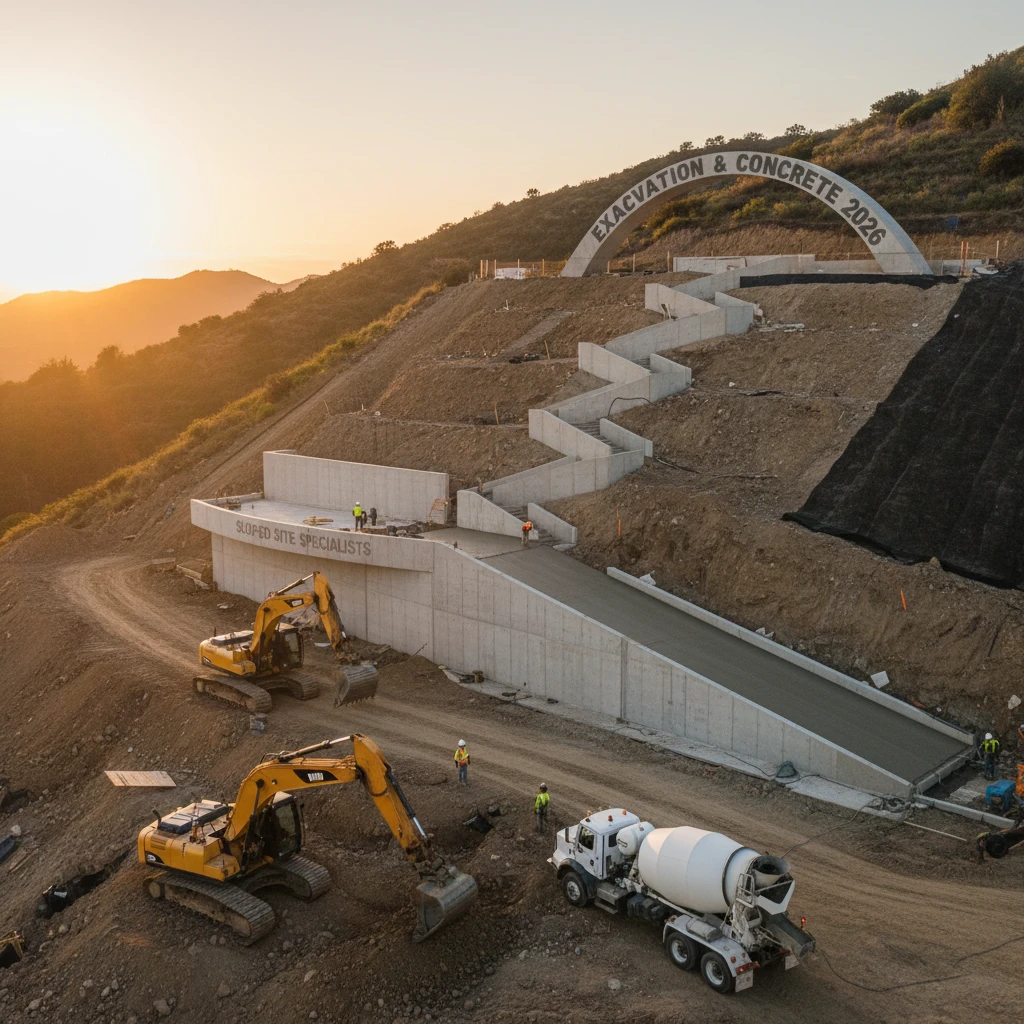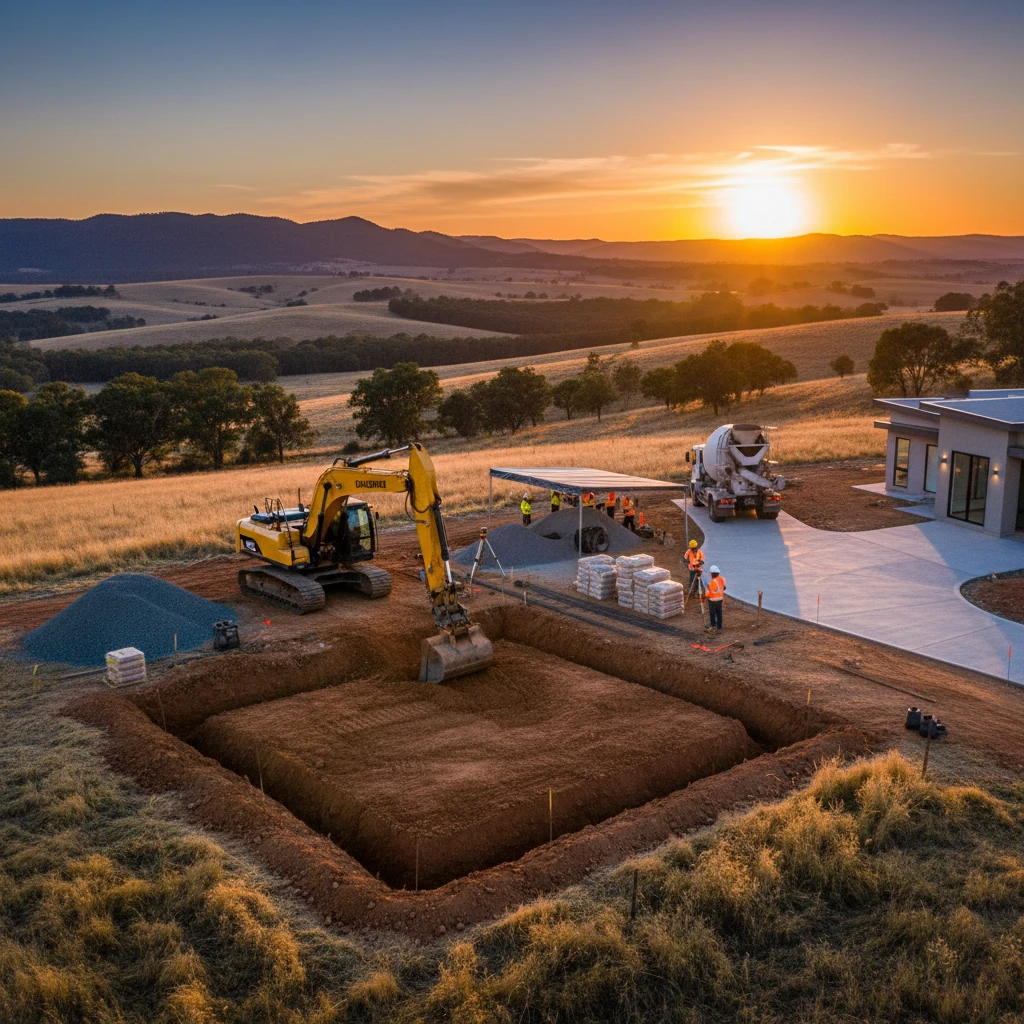
Penrith’s diverse landscape, from its rolling hills to its established residential areas, presents unique challenges for excavation and concrete projects. Difficult access shouldn’t mean settling for second-rate workmanship. With the right expertise and equipment, even the trickiest sites can achieve stunning and durable concrete solutions.
This guide will explore the specific considerations for navigating difficult access in Penrith, outlining how Laser Concrete approaches these challenges to deliver exceptional results that stand the test of time.
Why Difficult Access Doesn’t Have to Mean Compromised Concrete in Penrith
The Unique Challenges of Penrith’s Terrain
Penrith’s geographical diversity creates a range of access challenges. Many properties feature sloping blocks that require careful excavation and retaining solutions before any concrete work can commence. The presence of established trees, underground utilities, and neighbouring structures further complicates the process, demanding precision and meticulous planning. Furthermore, the soil composition in certain areas of Penrith can be unstable, requiring additional soil testing and stabilisation measures. Ignoring these factors can lead to significant problems down the line, including foundation failures and drainage issues. For more information on soil types and their behavior, refer to resources from the NSW Department of Planning and Environment about soil types in Western Sydney.
Ensuring Quality Concrete Work, Even in Tight Spaces
Achieving quality concrete work in tight spaces requires a combination of skilled operators, specialised equipment, and a commitment to proper techniques. This involves selecting appropriate concrete mixes that are workable in confined areas and using smaller, more maneuverable machinery for placement. It also means employing techniques such as hand-pouring and careful screeding to ensure a smooth, level finish. Crucially, proper preparation is key. This includes accurate formwork construction and adequate reinforcement to compensate for any limitations imposed by the site’s accessibility. Without meticulous attention to detail, even the best concrete mix will fail to perform adequately in the long term.
Assessing Your Penrith Property’s Access Challenges: Key Considerations
Identifying Obstacles: Slopes, Rocks, and Limited Space
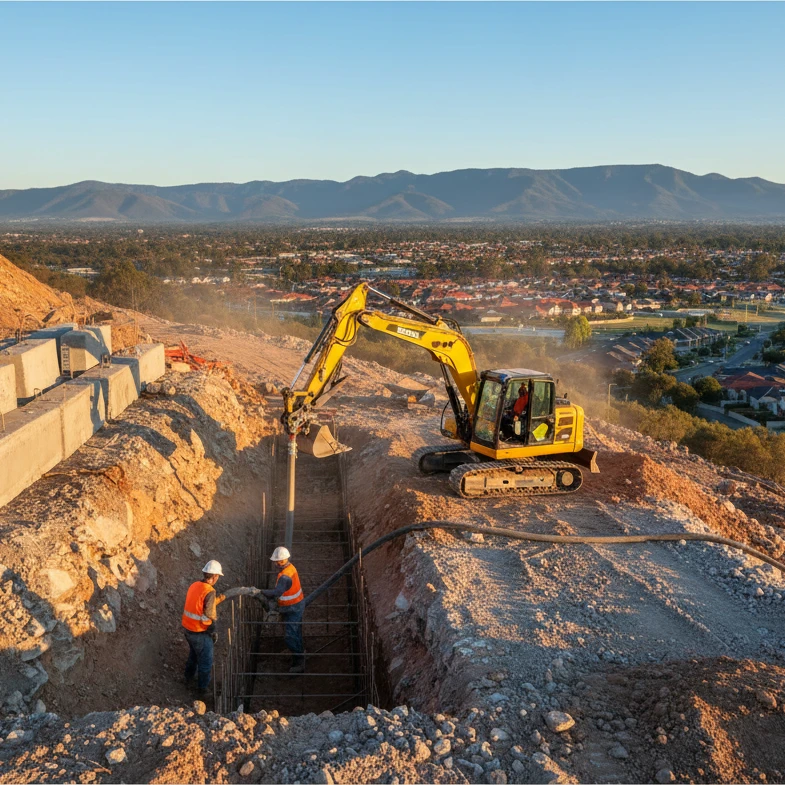
The first step is a thorough site assessment. This involves identifying all potential obstacles, including steep slopes, existing rock formations, and limited maneuvering space for equipment. Accurate measurements are essential, and a detailed site plan should be created to visualise the challenges. Consider the proximity of neighbouring properties and potential impact on their access. For example, a steep driveway might necessitate specialised excavation techniques to prevent erosion or damage to adjacent land. Overlooking these initial assessments can lead to costly rework and delays.
Understanding Load Limits and Equipment Restrictions
Load limits on existing driveways or access points must be carefully considered before bringing in heavy machinery or concrete trucks. Soil conditions also play a critical role, as soft ground may require temporary support to prevent equipment from becoming bogged. Smaller, more agile machinery, such as mini excavators and concrete buggies, are often necessary for sites with restricted access. Remember to check for overhead obstructions like power lines and tree branches that could impede equipment movement. A failure to address these limitations can result in damaged property, equipment breakdowns, or even safety hazards. It’s wise to consult with a local excavation specialist, like Laser Concrete, to assess the site’s specific load-bearing capacity.
Drainage and Environmental Factors Impacting Excavation
Penrith’s weather patterns can significantly impact excavation projects. Heavy rainfall can saturate the soil, making it unstable and difficult to work with. Proper drainage is crucial to prevent water from pooling and undermining the foundation. Environmental factors, such as native vegetation and protected species, must also be considered. Complying with local council regulations regarding erosion control and sediment management is essential to avoid fines and project delays. Furthermore, consider the impact of excavation on nearby waterways. Implementing appropriate sediment control measures, like silt fences, is vital to protecting the environment. See guidelines from the NSW Environment Protection Authority for more information regarding environmental regulations here.
The Laser Concrete Approach: Precision Excavation for Lasting Results
Advanced Equipment for Precise Earthworks
Laser Concrete utilizes a modern fleet of excavators, loaders, and concrete placement equipment designed for optimal performance in challenging environments. Our machinery includes mini excavators and skid steer loaders which are well-suited for navigating tight spaces. We also employ laser levelling technology to ensure precise excavation depths and gradients, minimising the need for manual adjustments and reducing the risk of errors. This precision is particularly important for projects such as shed slabs where accurate levelling is critical to the structure’s integrity. Regular maintenance and upgrades to our equipment fleet ensure reliability and efficiency on every job.
Minimising Disruption to Your Property and Neighbours
We understand that excavation and concrete work can be disruptive. That’s why we prioritise minimising inconvenience to both your property and your neighbours. This involves careful planning to optimise workflow and reduce the duration of the project. We use noise reduction techniques where possible and maintain open communication with neighbours to address any concerns. Dust suppression measures are also implemented to minimise airborne particles. We also ensure that all work areas are kept clean and tidy throughout the project, minimising the impact on the surrounding environment. This proactive approach helps to foster positive relationships with the local community and ensures a smooth construction process.
Our Commitment to Safety and Environmental Responsibility
Safety is our top priority. We adhere to strict safety protocols on every job site, including mandatory PPE for all workers and comprehensive risk assessments. Our team is fully trained in all aspects of excavation and concrete work, ensuring that they are equipped to handle any situation safely and efficiently. We are also committed to environmental responsibility, minimising waste and utilising sustainable practices wherever possible. This includes recycling concrete waste and implementing erosion control measures to protect waterways. We believe that responsible construction practices are essential for the long-term sustainability of our community.
Concrete Solutions for Tricky Penrith Locations: Driveways, Shed Slabs, and More
Designing Concrete Driveways for Steep Slopes
Steep driveways require careful design considerations to ensure both functionality and safety. A common issue is managing water runoff, which can cause erosion and damage to the driveway surface. Solutions include installing drainage channels or creating textured concrete surfaces to improve traction. Reinforced concrete is essential to withstand the additional stress caused by the slope. Consider incorporating retaining walls to prevent soil erosion and provide additional support. Proper grading and compaction are also critical to ensure a stable base. Laser Concrete specialises in Penrith concrete driveways that are designed to last, even on the most challenging slopes.
Creating Solid Shed Slabs on Uneven Ground
Building a shed slab on uneven ground presents unique challenges. The first step is to level the ground through excavation and backfilling. Compacting the soil is crucial to prevent settling and ensure a stable foundation. A reinforced concrete slab is essential to distribute the weight of the shed evenly. Consider using a thicker slab or adding additional reinforcement in areas where the ground is particularly unstable. Installing a moisture barrier beneath the slab is also important to prevent moisture from seeping into the shed. We offer durable shed slab concrete solutions tailored to the unique conditions of your Penrith property. We ensure every project adheres to the highest standards.
Constructing Durable Concrete Stairs and Footpaths
Concrete stairs and footpaths on sloped properties require careful planning and execution to ensure both safety and longevity. Proper footing is essential to prevent the stairs from shifting or settling over time. Reinforcement is needed throughout the structure. We ensure adequate reinforcement to withstand the stresses of foot traffic and weather exposure. Textured concrete surfaces can provide improved traction, especially in wet conditions. Drainage is also an important consideration, preventing water from pooling on the steps or footpath and causing damage. Handrails should be installed to improve safety, particularly on steeper inclines. Laser Concrete can construct custom concrete stairs and footpaths that blend seamlessly with your landscape and provide safe, durable access to all areas of your property.
Site Preparation is Key: Excavation Techniques for Complex Concrete Projects
Proper site preparation is the unsung hero of any successful concrete project, particularly in areas like Penrith where the terrain can present significant challenges. It’s not just about clearing the area; it’s a strategic process involving excavation, grading, and stabilisation. The decisions made during site preparation directly impact the concrete’s long-term performance, stability, and resistance to cracking or movement. Skipping steps or cutting corners here will almost certainly lead to problems down the track, resulting in costly repairs or even complete failure of the concrete structure.
Before any excavation begins, a thorough site assessment is crucial. This involves identifying underground utilities (dial before you dig!), assessing soil types, and understanding the existing drainage patterns. Soil testing, performed by a geotechnical engineer, can determine the soil’s bearing capacity and identify any potential issues like reactive clay or unstable fill. The location of existing trees and their root systems must also be considered, as roots can undermine concrete foundations. This detailed pre-planning phase minimizes surprises and ensures that the excavation is carried out safely and efficiently. Effective excavation strategies minimize disturbance to the surrounding environment and neighboring properties.
Choosing the right excavation equipment is also crucial, particularly when access is restricted. Mini excavators and skid steer loaders are ideal for tight spaces, offering maneuverability without sacrificing power. The selection depends on the volume of material to be removed, the type of soil, and any obstacles on the site.
Cut and Fill Methods: Leveling Uneven Terrain
Cut and fill is a common excavation technique used to create level building pads or surfaces on sloping ground. “Cutting” involves removing soil from higher elevations, while “filling” uses the excavated material to raise lower areas. The goal is to achieve a balanced site where the amount of cut material equals the amount of fill required. This minimises the need to import or export soil, reducing costs and environmental impact. Compaction of the fill material is absolutely critical to ensure stability and prevent settling. Each layer of fill should be compacted using appropriate equipment, such as a plate compactor or roller, to achieve the specified density. Failure to properly compact fill can lead to significant settlement over time, causing cracks in the concrete slab or other structural problems. For example, poorly compacted fill under a driveway can lead to cracking and uneven surfaces within a year or two of construction.
Retaining Walls: Managing Slopes and Preventing Erosion
Retaining walls are essential structures for managing steep slopes and preventing soil erosion. They provide lateral support to soil masses, allowing for the creation of usable space on otherwise unusable land. When selecting a retaining wall system, factors such as soil type, slope angle, and aesthetic requirements must be considered. Common types of retaining walls include gravity walls (relying on their mass for stability), cantilever walls (using a reinforced concrete stem and base), and piled walls (using driven piles to resist lateral forces). Proper drainage behind the retaining wall is crucial to prevent hydrostatic pressure from building up and potentially causing failure. Geotextile fabric and gravel backfill are commonly used to facilitate drainage. The design and construction of retaining walls should always be performed by a qualified engineer to ensure structural integrity and compliance with local building codes. Consider, for example, a property on the fringe of the Blue Mountains. Blue Mountains Concrete projects need to take into account the sometimes extreme slopes.
Dealing with Rock and Difficult Soil Conditions
Rock outcrops and difficult soil conditions, such as reactive clay or unstable fill, can significantly complicate excavation. Rock excavation may require specialized equipment like rock breakers or even controlled blasting. Reactive clay soils expand and contract with changes in moisture content, which can exert significant pressure on concrete structures. To mitigate this, soil stabilization techniques such as lime or cement stabilization can be employed to improve the soil’s properties. Unstable fill should be removed and replaced with engineered fill that is properly compacted. In some cases, deep foundations, such as piers or piles, may be required to transfer the load of the concrete structure to a more stable soil layer below. A thorough geotechnical investigation is essential to identify these challenging soil conditions and recommend appropriate solutions. Ignoring these factors can lead to cracking, settlement, and ultimately, structural failure. Learn more about geotechnical investigations from the Engineers Australia website.
Concrete Mixes and Reinforcement for Maximum Durability in Challenging Environments
The durability of concrete structures, particularly in challenging environments, hinges on selecting the appropriate concrete mix and reinforcement. “One size fits all” is not an option when dealing with varying soil conditions, weather patterns, and load requirements. Understanding the properties of different concrete mixes and reinforcement options is essential for creating long-lasting and reliable structures. Furthermore, proper placement and curing techniques are critical for achieving the desired strength and durability.
Concrete mix design involves carefully selecting the proportions of cement, aggregates, water, and admixtures to achieve specific performance characteristics. The water-cement ratio is a key factor influencing the concrete’s strength and durability. A lower water-cement ratio generally results in stronger and more durable concrete, but it also makes the mix more difficult to work with. Admixtures, such as air-entraining agents, water reducers, and accelerators, can be added to modify the concrete’s properties. Air-entraining agents improve resistance to freeze-thaw damage, water reducers increase workability, and accelerators speed up the setting time. Choosing the right admixtures is crucial for optimizing the concrete’s performance in specific environmental conditions. For instance, in areas prone to frost, air-entrained concrete is a must.
Reinforcement, typically in the form of steel bars or mesh, is used to increase the concrete’s tensile strength and resistance to cracking. Concrete is strong in compression but weak in tension, so reinforcement is essential for structures that are subjected to bending or tensile forces. The amount and placement of reinforcement are determined by structural calculations based on the applied loads and the concrete’s properties. Corrosion of steel reinforcement is a major concern, especially in environments with high moisture or chloride content. Epoxy-coated or stainless steel reinforcement can be used to improve corrosion resistance, but these options are more expensive. The choice of reinforcement should be based on a careful assessment of the environmental conditions and the desired service life of the structure.
Selecting the Right Concrete Mix for Your Project
Choosing the right concrete mix begins with a clear understanding of the project requirements. What is the intended use of the concrete structure? What are the anticipated loads and environmental conditions? What is the desired service life? Once these questions are answered, you can start to narrow down the options. Consider the compressive strength required, the workability needed for the placement method, and any specific durability requirements (e.g., resistance to freeze-thaw, chemical attack, or abrasion). Consult with a concrete supplier or engineer to discuss your project requirements and get recommendations on the appropriate mix design. They can provide valuable insights based on their experience and knowledge of local materials and conditions. A good concrete supplier will offer a range of mixes with varying properties, allowing you to customize the concrete to your specific needs.
Utilising Steel Reinforcement for Added Strength
Steel reinforcement is the backbone of most concrete structures, providing the tensile strength that concrete lacks. Rebar (reinforcing bar) comes in various sizes and grades, each with different yield strengths and tensile strengths. The size and spacing of rebar are determined by structural calculations based on the applied loads and the concrete’s properties. Proper placement of rebar is crucial for ensuring that it effectively resists tensile forces. Rebar should be securely tied together with wire ties to prevent it from moving during concrete placement. The concrete cover (the distance between the rebar and the surface of the concrete) is also important for protecting the rebar from corrosion. Insufficient cover can lead to premature corrosion and weakening of the structure. Consider using fibre reinforced concrete, especially in shed slab applications, as detailed in this article on Durable Shed Slabs: Concrete Foundation Experts.
Considering the Impact of Local Climate Conditions
Penrith experiences a range of weather conditions, from hot summers to cool winters, which can significantly impact the performance of concrete structures. High temperatures can accelerate the setting time of concrete, making it more difficult to work with and potentially leading to cracking. Cold temperatures can slow down the setting time and increase the risk of freeze-thaw damage. Proper curing techniques are essential for mitigating these effects. In hot weather, concrete should be kept moist to prevent rapid evaporation. In cold weather, concrete should be protected from freezing to allow it to properly cure. The use of admixtures, such as hydration stabilizers or accelerators, can also help to control the setting time and improve the concrete’s resistance to temperature extremes. Understanding the local climate conditions and taking appropriate precautions is crucial for ensuring the long-term durability of concrete structures in Penrith.
Drainage Solutions for Concrete Structures in Penrith’s Variable Weather
Penrith’s climate, characterised by periods of heavy rainfall and occasional flooding, necessitates robust drainage solutions for all concrete structures. Inadequate drainage can lead to a host of problems, including water damage, erosion, and structural instability. Water infiltration can weaken the concrete, corrode steel reinforcement, and create unsightly stains. Proper drainage systems are essential for diverting water away from the concrete, preventing these issues and prolonging the life of the structure. Effective drainage design considers both surface water runoff and subsurface water infiltration. The location and type of drainage system should be tailored to the specific site conditions and the design of the concrete structure.
Poor drainage can manifest in several ways. Water pooling on concrete surfaces can create slip hazards and accelerate deterioration. Water seeping into cracks can freeze and expand, causing the concrete to crack further. Waterlogged soil around foundations can lead to settlement and structural damage. By implementing effective drainage solutions, these problems can be avoided, ensuring the long-term integrity and functionality of the concrete structure.
The selection of drainage materials is also important. Durable, weather-resistant materials should be used to ensure the drainage system can withstand the rigors of the Penrith climate. Common drainage materials include PVC pipes, corrugated metal pipes, and geotextile fabrics. The size and capacity of the drainage pipes should be sufficient to handle the anticipated water flow. Geotextile fabrics are used to filter out soil particles and prevent clogging of the drainage system. A well-designed and properly maintained drainage system is a critical investment in the long-term performance of any concrete structure.
Preventing Water Damage with Proper Drainage Systems
The key to preventing water damage is to intercept and redirect water before it can come into contact with the concrete structure. This can be achieved through a combination of surface and subsurface drainage systems. Surface drainage systems, such as gutters, downpipes, and graded surfaces, are designed to collect and channel rainwater away from the structure. Subsurface drainage systems, such as French drains and perforated pipes, are used to intercept groundwater and prevent it from seeping into the soil surrounding the foundation. Proper grading is essential for ensuring that water flows away from the building. The ground should slope away from the foundation at a rate of at least one inch per foot for the first ten feet. Gutters and downpipes should be regularly cleaned to prevent clogs and ensure that they are effectively directing water away from the building. French drains, consisting of a trench filled with gravel and a perforated pipe, can be installed along the perimeter of the foundation to intercept groundwater.
Surface Drainage vs. Subsurface Drainage: Which is Right for You?
The choice between surface drainage and subsurface drainage depends on the specific site conditions and the type of concrete structure. Surface drainage is generally more effective for handling large volumes of rainwater runoff, while subsurface drainage is better suited for managing groundwater. In many cases, a combination of both surface and subsurface drainage is required. For example, a driveway may require both a graded surface to direct water away from the house and a subsurface drain to intercept groundwater. A building foundation may require both gutters and downpipes to collect rainwater and a French drain to prevent groundwater from seeping into the basement. The selection of the appropriate drainage system should be based on a careful assessment of the site conditions, including soil type, slope, and groundwater levels. Consult with a drainage specialist or engineer to determine the best drainage solution for your specific needs.
Integrating Drainage into Your Concrete Design
Drainage should be considered from the very beginning of the concrete design process. Integrating drainage into the design can result in more effective and aesthetically pleasing solutions. For example, incorporating a slight slope into a concrete patio can facilitate surface drainage without compromising its usability. Designing a retaining wall with weep holes allows water to drain from behind the wall, preventing hydrostatic pressure from building up. Choosing permeable paving materials for driveways and walkways allows rainwater to infiltrate into the ground, reducing runoff. By considering drainage early on, you can create concrete structures that are not only functional and durable but also environmentally friendly. Drainage design should be an integral part of the overall site plan, taking into account the surrounding landscape and any potential impacts on neighboring properties.
Case Studies: Successful Concrete Projects on Difficult Sites in the Penrith Region
Examining real-world examples of concrete projects completed on challenging sites in the Penrith region provides valuable insights into the practical application of excavation and concrete techniques. These case studies highlight the importance of careful planning, innovative solutions, and skilled workmanship. By learning from the successes (and occasional failures) of others, property owners and contractors can make more informed decisions and avoid costly mistakes.
These examples also showcase the importance of adapting standard practices to suit the specific site conditions. What works well on a flat, stable site may not be appropriate for a steep, rocky site. Flexibility and creativity are essential for overcoming the challenges posed by difficult terrain. The following examples, while hypothetical, represent common scenarios encountered in the Penrith area.
Successful projects often involve close collaboration between the property owner, the contractor, and other professionals, such as engineers and surveyors. Open communication and a willingness to consider different perspectives are crucial for achieving the desired outcome. Choosing a contractor with proven experience in handling difficult sites is also essential. Check references and ask to see examples of their previous work. A reputable contractor will be able to demonstrate their expertise and provide assurances that they can handle the challenges of your project.
Examples of Driveways on Steep Inclines
Example: A homeowner in Glenbrook wanted to replace their existing gravel driveway with a concrete driveway, but the driveway had a steep incline of over 20 degrees. The existing driveway was prone to erosion and difficult to navigate, especially in wet weather. The solution involved excavating the existing gravel, installing a series of reinforced concrete steps along the driveway’s length to reduce the slope’s effective gradient, and pouring a textured concrete surface to provide extra grip. Drainage channels were incorporated into the design to prevent water from running down the driveway and causing erosion. The project required careful planning and execution to ensure that the driveway was both functional and aesthetically pleasing. Concrete Driveway Solutions like this require expert execution.
Creating Functional Shed Slabs on Rocky Ground
Example: A rural property owner in Mulgoa needed a shed slab for storing farm equipment, but the site was characterised by large rock outcrops and shallow topsoil. Excavating the entire area to create a level surface would have been prohibitively expensive and environmentally damaging. The solution involved carefully mapping the rock outcrops and designing the shed slab to work around them. The slab was poured in sections, with reinforced concrete footings extending down to the bedrock. The gaps between the slab and the rock outcrops were filled with compacted gravel to provide a stable base. The resulting shed slab was both functional and cost-effective, minimizing disturbance to the natural environment. The project required a creative approach and a willingness to adapt the design to the site conditions.
Innovative Solutions for Restricted Access Areas
Example: A homeowner in Emu Plains wanted to build a concrete patio in their backyard, but access to the backyard was limited to a narrow passageway. Getting conventional concrete trucks and equipment into the backyard was impossible. The solution involved using a mini concrete pump to transport the concrete from the street to the backyard. The concrete was mixed in small batches and pumped through a flexible hose to the patio area. The project required careful coordination and precise execution to ensure that the concrete was placed properly and evenly. The use of the mini concrete pump allowed the homeowner to achieve their desired outcome without having to resort to manual labor or compromise on the quality of the concrete. These restrictions are common, and Complex Concrete? Excavation Solutions 2026 often involve innovative approaches.
Permits and Regulations: Navigating the Approval Process in Penrith
Understanding Local Council Requirements
Navigating the permit application process with Penrith City Council requires a thorough understanding of their specific requirements. These often vary based on the scope of your project, its proximity to property boundaries, and potential environmental impacts. For example, building a shed slab larger than a certain size, or any concrete structure near a waterway, may necessitate a Development Application (DA). Neglecting to obtain the necessary permits can lead to costly delays, fines, and even the forced removal of unapproved structures.
Before commencing any excavation or concrete work, research the Penrith City Council’s planning guidelines and development control plans. These documents outline specific regulations regarding setbacks, height restrictions, drainage requirements, and environmental protection measures. Pay close attention to requirements related to erosion and sediment control, especially if your property has challenging terrain. Furthermore, consider if your property is in a bushfire-prone area, which might trigger additional regulations. Failure to comply with these requirements can significantly impact the project’s feasibility and budget.
Actionable Step: Visit the Penrith City Council website and thoroughly review their online resources related to building approvals and development applications. Contact their planning department directly with specific questions regarding your project to avoid any misunderstandings or surprises down the line.
Ensuring Compliance with Building Codes
Beyond local council regulations, all concrete and excavation work must adhere to the relevant Australian building codes. These codes outline minimum standards for structural integrity, safety, and durability. For example, the concrete mix design must be appropriate for the intended application, and reinforcement steel must be correctly specified and installed to ensure adequate load-bearing capacity. Incorrectly mixed concrete, or improperly placed steel reinforcement, can lead to cracking, structural failure, and potential safety hazards. Compliance with these standards is crucial for the long-term performance and safety of your concrete structures.
Pay close attention to Australian Standards related to concrete placement, curing, and testing. Proper curing, for instance, is essential to achieve the concrete’s intended strength and prevent premature cracking. Similarly, appropriate site preparation, including proper compaction and drainage, is vital for preventing settlement and structural issues. Engaging a qualified engineer to provide structural design and certification can help ensure compliance with all relevant building codes and provide peace of mind.
Actionable Step: Consult with a qualified structural engineer to review your project plans and ensure they meet all applicable Australian building codes. Obtain necessary certifications and documentation to demonstrate compliance.
Working with Laser Concrete to Streamline the Process
Laser Concrete has extensive experience navigating the permit and compliance landscape in Penrith and surrounding areas. We understand the specific requirements of the Penrith City Council and are familiar with the relevant Australian building codes. We can assist you in preparing your DA, ensuring that all necessary documentation is complete and accurate, thus streamlining the approval process. Our team also maintains up-to-date knowledge of any changes to regulations and can advise you on the best course of action to ensure compliance. By working with us, you can avoid costly delays and ensure that your project proceeds smoothly from start to finish.
Choosing the Right Concrete Contractor in Penrith: Experience Matters
Checking Credentials and Insurance
Selecting a concrete contractor should go far beyond simply comparing quotes. It’s crucial to verify their credentials, licences, and insurance coverage. In NSW, contractors performing residential building work valued over a certain amount (check current NSW Fair Trading thresholds) must hold a valid contractor licence. Furthermore, they should possess adequate public liability insurance to protect you from potential financial liabilities if accidents or property damage occur during the project. Lack of proper licensing can indicate a lack of expertise and raise concerns about workmanship quality. Inadequate insurance leaves you vulnerable to significant financial risks in case of unforeseen incidents.
Always request copies of the contractor’s licence and insurance certificates and verify their validity with the relevant authorities (e.g., NSW Fair Trading for licences and the insurer directly for insurance). Don’t hesitate to ask questions about their qualifications and experience. Be wary of contractors who are unwilling to provide this information or who offer suspiciously low prices, as this could indicate corner-cutting or a lack of proper insurance coverage. Prioritising due diligence upfront can save you from potentially devastating consequences later on.
Actionable Step: Visit the NSW Fair Trading website to verify the contractor’s licence status and ensure it covers the type of work you’re commissioning. Contact the insurance company directly to confirm the validity of the public liability insurance policy.
Reviewing Past Projects and Testimonials
A reputable concrete contractor should have a portfolio of past projects and readily provide references from satisfied clients. Reviewing their past work allows you to assess the quality of their workmanship and their ability to handle projects similar to yours. Pay close attention to the level of detail, the consistency of the finish, and the overall aesthetic appeal. Contacting past clients allows you to gather firsthand feedback about their experience working with the contractor, including their communication, professionalism, and problem-solving skills. Be wary of contractors who are reluctant to provide references or whose past work appears substandard.
Look beyond the pictures. Ask for project details, especially if the projects are similar to yours. Consider viewing the projects in person if possible. Remember to check online reviews on platforms like Google and independent review sites. Pay attention to patterns in feedback; if multiple reviewers mention the same issues (e.g., poor communication, delays, or subpar workmanship), this could be a red flag. Positive testimonials and a strong portfolio are indicators of a contractor’s competence and reliability.
Actionable Step: Request at least three references from the contractor’s past clients and contact them to inquire about their experience. Carefully examine the contractor’s portfolio and look for evidence of high-quality workmanship and attention to detail.
Discussing Your Project in Detail
A professional concrete contractor will take the time to thoroughly understand your project requirements and provide a detailed quote outlining all aspects of the work, including excavation, materials, labour, and any potential contingencies. They should be willing to answer your questions patiently and provide clear explanations of the proposed methods and materials. A detailed discussion allows you to clarify your expectations, address any concerns, and ensure that the contractor fully understands your vision. A vague or incomplete quote, or a contractor who seems dismissive of your questions, may indicate a lack of professionalism or expertise.
Ensure that the quote includes a clear timeline for the project, as well as details regarding payment terms and warranty information. Discuss any potential challenges or site-specific issues that may affect the project’s scope or cost, such as difficult access, underground utilities, or soil conditions. A contractor who proactively identifies and addresses these challenges demonstrates their experience and commitment to delivering a successful outcome. Furthermore, discuss concrete driveway solutions or shed slabs and equipment slabs so your contractor knows your needs.
Actionable Step: Prepare a detailed project brief outlining your requirements and expectations. Schedule a meeting with potential contractors to discuss your project in detail and obtain comprehensive quotes. Don’t hesitate to ask clarifying questions and seek multiple opinions before making a final decision.
Investing in Quality Concrete: Why It Pays Off in the Long Run
Avoiding Costly Repairs and Replacements
While cheaper concrete may seem appealing initially, the long-term costs associated with low-quality materials and poor workmanship can far outweigh any initial savings. Inferior concrete is more susceptible to cracking, crumbling, and surface degradation, requiring frequent repairs or even premature replacement. For example, a driveway installed with inadequate base preparation or low-strength concrete may develop cracks within a few years, necessitating costly repairs or a complete rebuild. Investing in high-quality concrete and skilled workmanship ensures the durability and longevity of your concrete structures, minimising the need for expensive repairs and replacements down the line.
Consider the environment too. Penrith’s climate experiences both hot summers and cool winters, which means thermal expansion and contraction can be a significant issue. Using concrete mixes designed for these conditions, and ensuring proper jointing, will help minimise cracking. Poor drainage can also damage your concrete so be sure to allow drainage in the construction.
Actionable Step: Insist on using high-quality concrete mixes from reputable suppliers and ensure proper installation techniques are followed. Consider adding reinforcing fibres or sealants to further enhance the concrete’s durability and resistance to cracking. You can also find information on choosing the best concrete mix for your project from the American Concrete Institute (ACI).
Increasing Property Value with Durable Concrete Structures
Well-designed and expertly installed concrete structures can significantly enhance your property’s curb appeal and overall value. A beautifully finished concrete driveway, a sturdy shed slab, or a well-maintained concrete patio can create a positive impression on potential buyers and increase the perceived value of your home. Conversely, cracked, uneven, or poorly maintained concrete can detract from your property’s appearance and diminish its market value. Investing in quality concrete not only improves the functionality and aesthetics of your property but also provides a tangible return on investment.
Concrete improvements are often seen as permanent or long-term upgrades. While the initial cost might be higher, the fact that the concrete is expected to last for decades makes it an attractive feature for potential buyers. Furthermore, consider how durable Shed Slabs can create a functional space, increasing value.
Actionable Step: Consult with a landscape architect or designer to develop a concrete plan that complements your property’s existing style and enhances its curb appeal. Focus on using decorative concrete finishes, such as exposed aggregate or stamped concrete, to add visual interest and increase aesthetic appeal.
Peace of Mind Knowing Your Project is Built to Last
Perhaps the most significant benefit of investing in quality concrete is the peace of mind it provides. Knowing that your concrete structures are built to withstand the test of time, resist damage, and provide a safe and stable foundation for your property allows you to relax and enjoy your investment without worrying about future problems. This peace of mind is invaluable, especially in the context of a long-term investment such as a home. High-quality concrete provides lasting value and security, knowing your project is built to last.
Actionable Step: Choose a reputable concrete contractor like Laser Concrete with a proven track record of delivering high-quality workmanship and using durable materials. Obtain a comprehensive warranty that covers both materials and labour, providing added assurance that your investment is protected.
Ready to Transform Your Penrith Property? Contact Laser Concrete Today
From navigating complex permits to delivering exceptional concrete finishes, Laser Concrete is your trusted partner for all your excavation and concreting needs in Penrith, the Blue Mountains and the Central West. We combine years of experience with a commitment to quality and customer satisfaction. Contact us today to discuss your project and receive a free, no-obligation quote. Let us help you transform your property with durable, well-crafted concrete solutions that will stand the test of time.