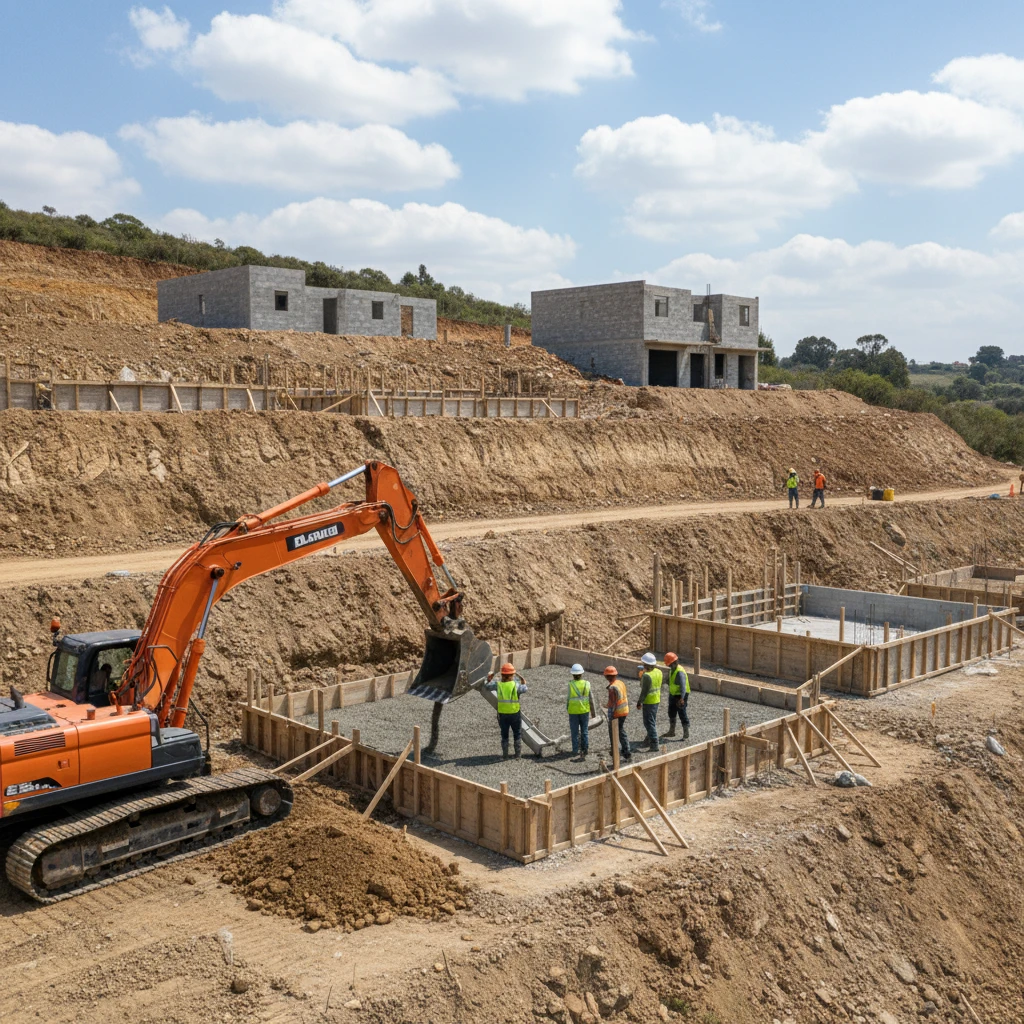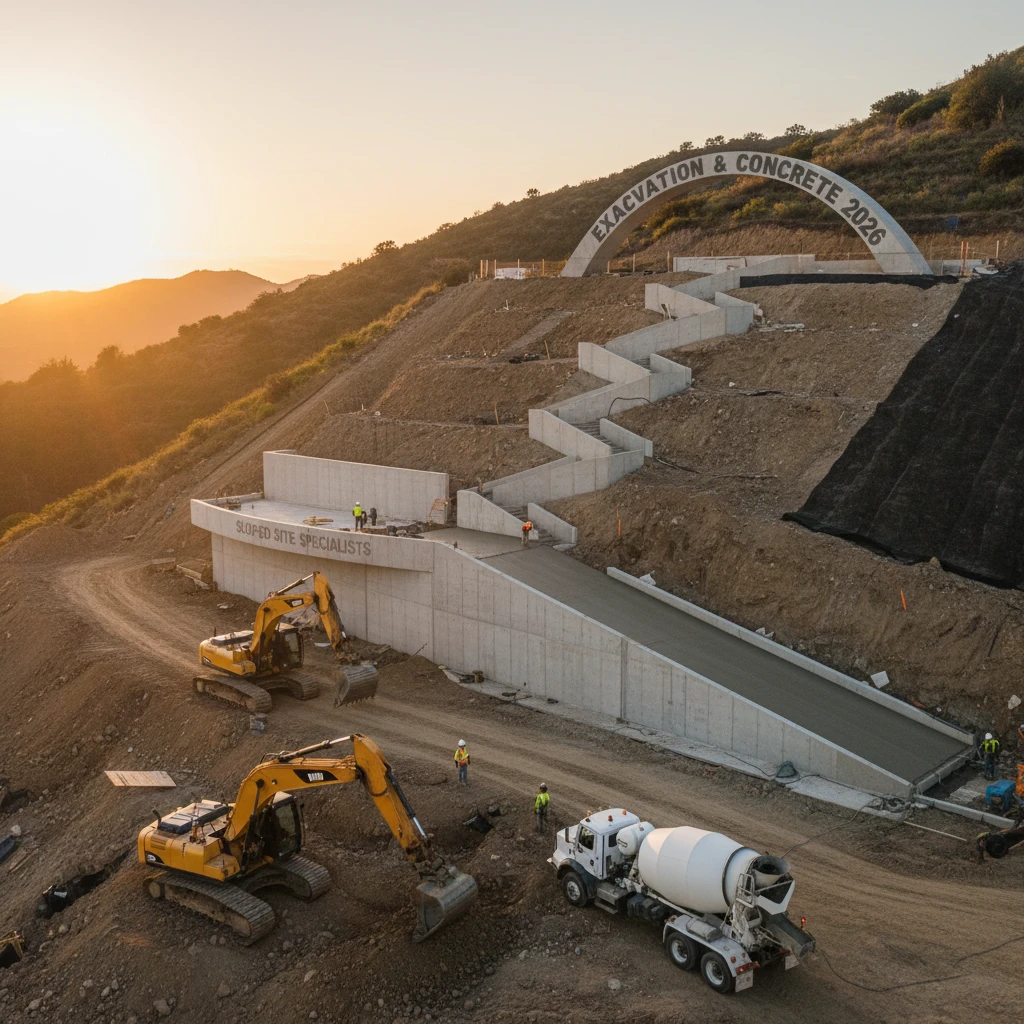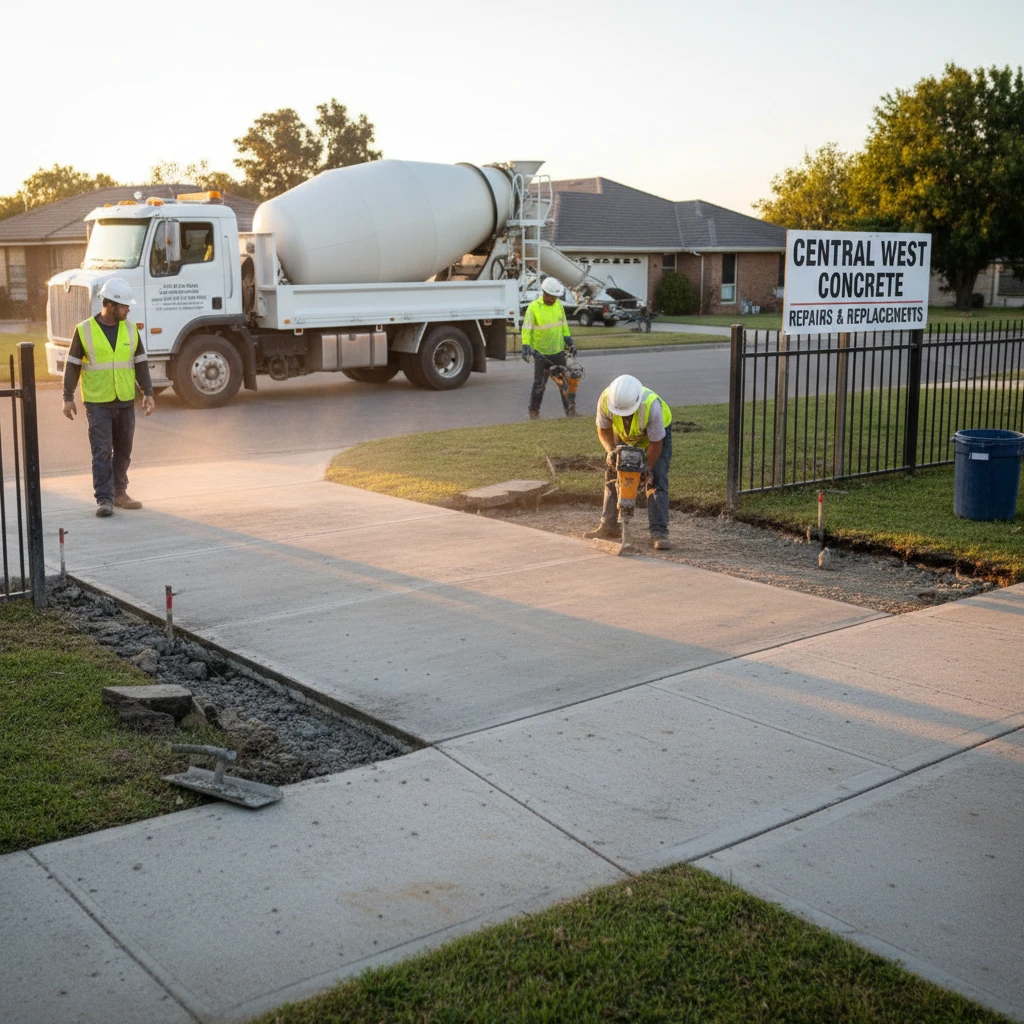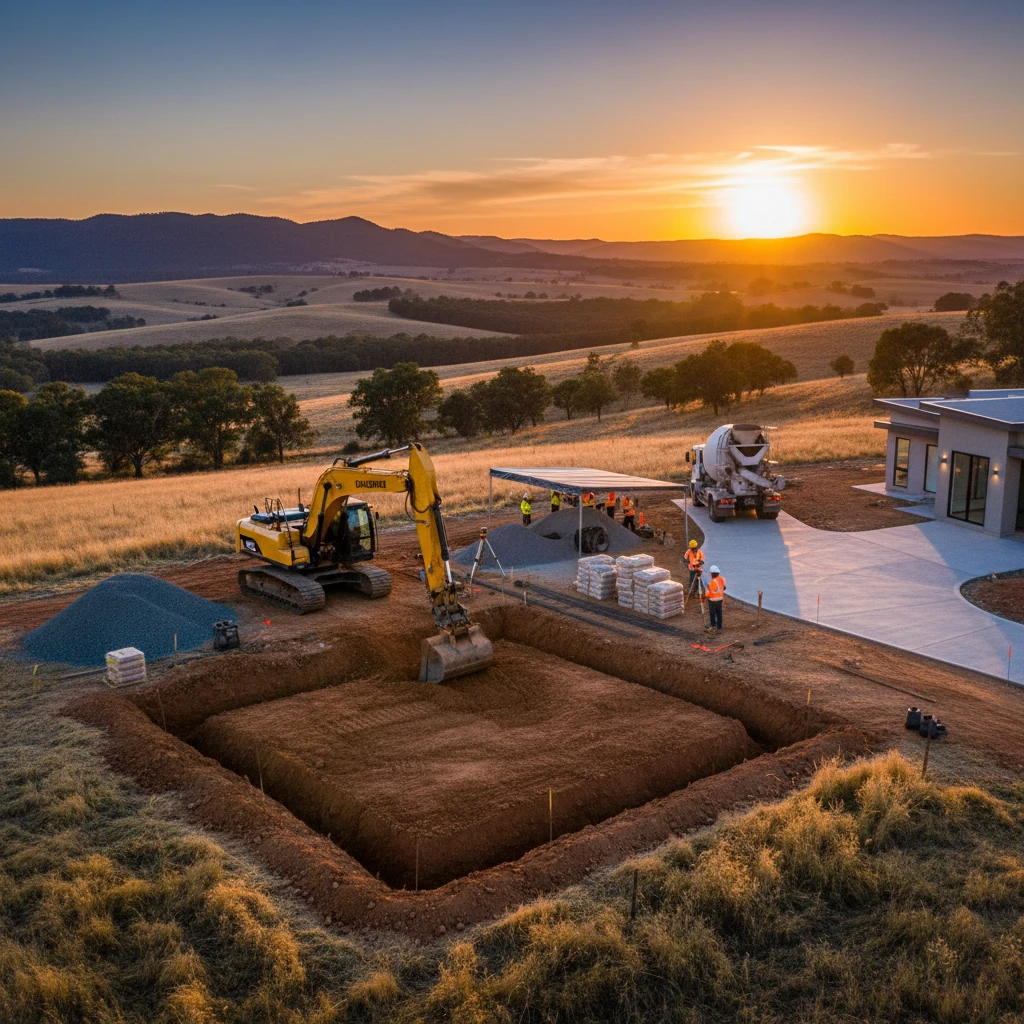
Excavation is the critical first step for any successful construction project, especially when preparing sites for concrete structures. Across the Blue Mountains, Penrith, and the Central West, the unique landscape presents a range of challenges that require specialised knowledge and careful planning. Understanding these challenges and implementing appropriate strategies is paramount to ensuring the structural integrity and longevity of your concrete project.
This homeowner’s guide outlines the most common excavation hurdles faced in our region in 2026, providing practical insights and actionable steps to navigate them effectively.
Navigating the Unique Excavation Landscape of the Blue Mountains, Penrith, and Central West
Understanding Local Soil Conditions: Clay, Shale, and Rock
The soil composition in the Blue Mountains, Penrith, and Central West varies dramatically, presenting unique challenges for excavation. Clay soils, prevalent in some areas, become expansive when wet and shrink when dry, potentially causing movement and cracking in concrete structures if not properly addressed. Shale, a sedimentary rock, can be unstable and prone to crumbling, requiring specialised excavation techniques and proper drainage solutions. Solid rock formations, common throughout the Blue Mountains, necessitate the use of heavy-duty equipment like rock breakers, significantly increasing excavation time and cost.
Decision Criterion: Before commencing any excavation, a thorough soil analysis is crucial. This will determine the soil type, its bearing capacity, and its drainage characteristics. Based on the results, appropriate excavation methods, soil stabilisation techniques (such as compaction or the use of geotextiles), and concrete mix designs can be implemented to mitigate potential problems. Example: A homeowner in Hazelbrook, planning a shed slab, found that the site had a high clay content. By consulting with an expert, they were advised to use a reinforced concrete slab with increased depth and a comprehensive drainage system to prevent future cracking. For more information on durable solutions, see our page about durable shed slabs.
The Impact of Bushfire Risk on Excavation Planning
The ever-present risk of bushfires in our region significantly impacts excavation planning. Excavated materials, particularly vegetation and timber, pose a fire hazard and must be managed responsibly. Stockpiling flammable materials on-site increases the risk of ignition and can lead to property damage. Furthermore, bushfire-prone areas often have stricter regulations regarding vegetation clearing and earthworks, requiring careful adherence to local council guidelines.
Pitfalls: Ignoring bushfire risks during excavation can lead to fines, project delays, and increased insurance premiums. Neglecting to clear vegetation or failing to implement adequate fire prevention measures can create a dangerous situation, especially during the warmer months. Actionable Step: Develop a comprehensive fire management plan that includes clearing vegetation, removing flammable materials from the site, establishing firebreaks, and ensuring adequate water supply for fire suppression. Consult with local fire authorities to ensure compliance with relevant regulations and obtain necessary permits. A good starting point is the NSW Rural Fire Service website, which offers resources and guidelines. This is particularly relevant when planning new concrete driveway solutions.
Council Regulations and Permits Specific to Our Region
Each local council in the Blue Mountains, Penrith, and Central West regions has its own set of regulations and permit requirements for excavation projects. These regulations typically cover aspects such as soil erosion control, vegetation clearing, stormwater management, and noise restrictions. Failing to comply with these regulations can result in hefty fines, project delays, and even legal action.
Actionable Step: Contact your local council early in the planning process to determine the specific permit requirements for your project. Provide detailed plans and specifications that demonstrate compliance with all relevant regulations. Be prepared to address any concerns raised by the council and make necessary adjustments to your plans. Familiarise yourself with approved hours for noisy work. For example, Penrith City Council may have different requirements than the Blue Mountains City Council. Check the council website for up-to-date information. Also, remember that excavation expertise is key in difficult conditions, as mentioned on our expert excavation & concreting page.
Common Excavation Challenges Faced in 2026: A Homeowner’s Guide
Tight Access Excavation: Solutions for Restricted Sites
Many properties in the Blue Mountains, Penrith, and Central West have limited access, making excavation a significant challenge. Narrow driveways, steep slopes, and established landscaping can restrict the movement of large machinery, requiring innovative solutions and specialised equipment. Tight access excavation often involves the use of mini excavators, skilled operators, and careful planning to minimise disruption to surrounding areas.
Pitfalls: Attempting to excavate a tight access site with inadequate equipment or inexperienced operators can lead to property damage, project delays, and increased costs. Neglecting to properly assess the site and develop a detailed excavation plan can result in unforeseen obstacles and costly rework. Actionable Step: Hire a contractor with proven experience in tight access excavation and a fleet of specialised equipment, including mini excavators, skid steer loaders, and hand tools. Ensure they conduct a thorough site assessment to identify potential challenges and develop a detailed excavation plan that minimises disruption. See our page on mastering difficult access for more.
Dealing with Steep Slopes and Uneven Terrain
The hilly terrain characteristic of the Blue Mountains and some parts of Penrith and the Central West presents unique challenges for excavation. Steep slopes can make it difficult to operate machinery safely and efficiently, increasing the risk of accidents and soil erosion. Uneven terrain requires careful grading and levelling to create a stable base for concrete structures.
Decision Criterion: Excavating on steep slopes requires specialised equipment, such as excavators with tilt rotators and stabilisers, as well as experienced operators who are trained in working on challenging terrain. Soil stabilisation techniques, such as retaining walls, terracing, and soil nailing, may be necessary to prevent erosion and ensure the stability of the excavated area. Example: A homeowner in Katoomba needed to excavate a steep slope for a new concrete patio. The contractor used an excavator with a tilt rotator to carefully remove soil and create level terraces, which were then reinforced with retaining walls to prevent erosion. The final patio was level, stable, and aesthetically pleasing.
Removing Existing Concrete Structures Safely and Efficiently
Many excavation projects involve the removal of existing concrete structures, such as driveways, patios, or foundations. This process requires specialised equipment and techniques to ensure safety and minimise disruption to surrounding areas. Saw cutting, jackhammering, and concrete crushing are common methods used to break down concrete structures into manageable pieces for removal.
Actionable Step: Before commencing demolition, identify any underground utilities that may be present in the area. Contact “Dial Before You Dig” (1100) to obtain information on the location of underground pipes and cables. Use appropriate safety precautions, such as wearing personal protective equipment (PPE) and implementing dust control measures. Dispose of concrete debris responsibly at a licensed recycling facility. It’s crucial to ensure that the replacement concrete is built to last, just like the Penrith concrete driveways built for the long haul that we create.
The Importance of Thorough Site Assessment Before Excavation
Identifying Underground Utilities: Dial Before You Dig
One of the most critical steps before any excavation is identifying the location of underground utilities. Striking a gas line, water pipe, or electrical cable can have catastrophic consequences, resulting in serious injuries, property damage, and significant fines. The “Dial Before You Dig” service (1100) provides free information on the location of underground utilities in your area.
Pitfalls: Failing to contact “Dial Before You Dig” or ignoring the information provided can have devastating consequences. Relying solely on visual inspections or outdated maps can be unreliable and dangerous. Actionable Step: Contact “Dial Before You Dig” at least two business days before commencing any excavation. Review the plans provided carefully and use them to mark the location of underground utilities on-site. Exercise extreme caution when excavating near marked utilities, using hand tools or non-destructive methods to avoid damage. More information can be found on the official “Dial Before You Dig” website (dbyd.com.au).
Soil Testing and Analysis: Ensuring Stability and Drainage
A comprehensive soil testing and analysis is essential for determining the suitability of the soil for construction purposes. Soil tests can identify the soil type, its bearing capacity, its drainage characteristics, and the presence of any contaminants. This information is crucial for designing appropriate foundations, drainage systems, and erosion control measures.
Decision Criterion: Choose a reputable geotechnical engineer to conduct soil testing and analysis. Provide them with a detailed scope of work that outlines the specific information required. Review the results carefully and use them to inform your excavation and construction plans. For example, reactive clay soils may require specific foundation designs and drainage solutions to prevent movement and cracking. Example: A property owner in the Blue Mountains was planning to build a new retaining wall. Soil testing revealed that the soil had a low bearing capacity and poor drainage. Based on these findings, the engineer recommended the use of a reinforced concrete retaining wall with a comprehensive drainage system, ensuring its long-term stability.
Mapping Existing Structures and Boundaries Accurately
Accurate mapping of existing structures and property boundaries is crucial for avoiding disputes and ensuring compliance with building regulations. Before commencing excavation, conduct a thorough survey of the site to identify the location of buildings, fences, retaining walls, and other structures. Verify property boundaries using official survey plans and consult with neighbours to resolve any discrepancies.
Actionable Step: Hire a licensed surveyor to conduct a detailed site survey and prepare an accurate site plan. Clearly mark property boundaries on-site and communicate with neighbours to address any concerns. Ensure that all excavation work is carried out within the property boundaries and in accordance with building setback requirements. Ignoring these steps can lead to costly legal battles and project delays.
Essential Excavation Equipment and Techniques for Complex Projects
Mini Excavators: Versatility for Confined Spaces
Mini excavators are compact and versatile machines that are ideal for excavation in confined spaces and areas with limited access. Their small size allows them to manoeuvre easily around obstacles and operate in tight spaces, making them a popular choice for residential projects and urban construction sites. Mini excavators can be equipped with a variety of attachments, such as buckets, augers, and breakers, to perform a wide range of tasks.
Pitfalls: Using a mini excavator without proper training or experience can be dangerous and inefficient. Overloading the machine or operating it on unstable terrain can lead to accidents and equipment damage. Actionable Step: Ensure that all operators are properly trained and certified to operate mini excavators. Regularly inspect the machine for any signs of wear or damage. Use appropriate safety precautions, such as wearing a seatbelt and using outriggers for stability.
Rock Breakers: Effective Solutions for Rocky Terrain
Rock breakers are powerful hydraulic attachments that are used to break down rock and concrete in excavation projects. They are essential for working in rocky terrain, where traditional excavation methods are ineffective. Rock breakers use a percussive action to fracture and shatter rock, allowing it to be removed easily.
Decision Criterion: Select a rock breaker that is appropriately sized for the excavator and the type of rock being broken. Use experienced operators who are trained in the safe and efficient use of rock breakers. Implement noise control measures to minimise disturbance to surrounding residents. Example: A contractor in the Blue Mountains was excavating a site for a new house foundation. The site was predominantly solid rock, requiring the use of a rock breaker to break down the rock into manageable pieces for removal. The contractor used a hydraulic rock breaker attached to a 20-tonne excavator, completing the excavation in a timely and cost-effective manner.
Laser Levelling: Achieving Precise Grades and Slopes
Laser levelling is a technology that uses laser beams to establish precise grades and slopes in excavation projects. Laser levelling equipment consists of a laser transmitter, a laser receiver, and a control panel. The laser transmitter emits a beam of light that is detected by the laser receiver, which is mounted on the excavation equipment. The control panel provides real-time feedback to the operator, allowing them to adjust the grade and slope accurately.
Actionable Step: Use laser levelling equipment to ensure that all excavated surfaces are level and consistent. Regularly calibrate the equipment to maintain accuracy. Train operators in the proper use of laser levelling technology. This is particularly important for projects requiring precise slopes for drainage or landscaping. By using this precision, we can help ensure a high-quality outcome, such as for the creation of Penrith concrete driveways.
Concreting and Excavation: A Symbiotic Relationship for Lasting Results
The success of any concrete project, whether it’s a simple Penrith concrete driveway or a complex industrial slab, hinges significantly on the quality of the excavation that precedes it. Proper excavation sets the stage for a durable, stable, and long-lasting concrete structure. It’s more than just digging a hole; it’s about preparing the ground to effectively support the concrete and withstand environmental stresses. A well-executed excavation minimises the risk of cracking, settling, and other structural issues down the line.
Proper Excavation Preparation for Optimal Concrete Slab Performance
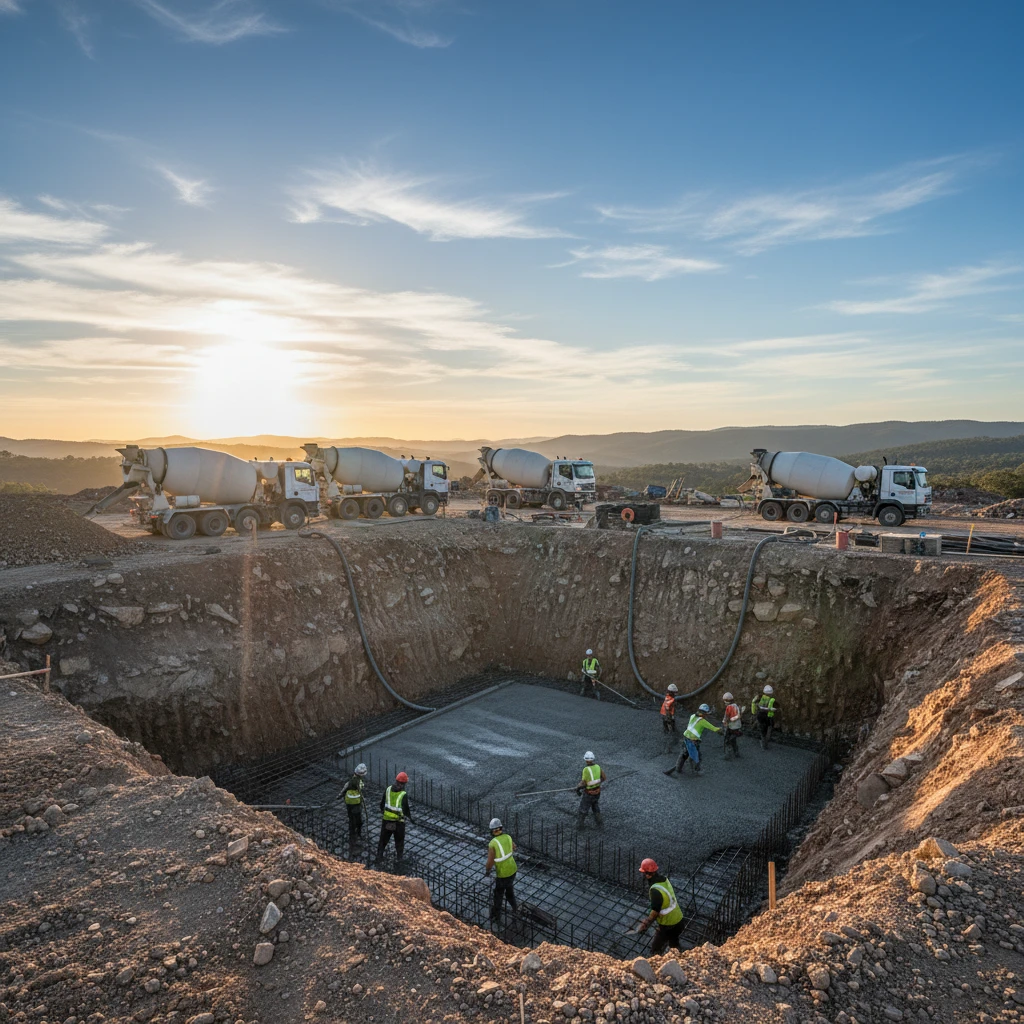
The first step in preparing for a concrete slab is to remove all vegetation, topsoil, and any other organic material from the excavation area. Organic matter decomposes over time, creating voids and weakening the subgrade. Next, the subgrade must be properly graded to ensure a level surface for the concrete pour. This involves using surveying equipment and earthmoving machinery to achieve the correct slope and elevation. Consider the intended use of the slab; for instance, a shed slab might require a different slope than a patio. Proper grading also directs water away from the foundation, preventing potential water damage.
Ensuring Adequate Drainage to Protect Your Concrete Investment
Water is the enemy of concrete. Poor drainage can lead to hydrostatic pressure, which can cause concrete to crack and heave. To combat this, install a proper drainage system that effectively channels water away from the slab. This might involve installing perimeter drains, French drains, or a combination of both. The type of drainage system will depend on the soil type, the slope of the land, and the amount of rainfall in the area. Granular fill, such as gravel or crushed stone, should be used as a base material under the slab to promote drainage and prevent water from pooling. Remember to direct runoff away from structures and neighboring properties to avoid any legal issues. According to the Australian Building Codes Board, proper drainage is a critical factor in ensuring the longevity and structural integrity of concrete slabs [ABCB Website].
The Role of Compaction in Preventing Concrete Cracking
Compaction is the process of compressing the soil to increase its density and stability. A well-compacted subgrade provides a solid foundation for the concrete slab, preventing settling and cracking. Use a plate compactor or a roller to compact the soil in layers, ensuring that each layer is thoroughly compacted before adding the next. The depth of compaction will depend on the soil type and the weight of the concrete slab. For heavy-duty applications, such as shed slabs, you may need to compact the soil to a greater depth. Inadequate compaction is a common cause of concrete failure, so it’s crucial to invest the time and effort to do it right. For instance, compacting in layers prevents air pockets, ensuring uniform support.
Avoiding Costly Mistakes: Key Considerations for Your Excavation Project
Excavation is not simply digging a hole; it’s a carefully planned and executed process. Rushing into an excavation project without proper planning and preparation can lead to a myriad of problems, including structural issues, costly delays, and even safety hazards. Taking the time to thoroughly assess the site, understand the soil conditions, and plan the excavation process is crucial for a successful outcome. This proactive approach will save you time, money, and headaches in the long run.
Inadequate Planning: The Pitfalls of Rushing the Process
Failing to adequately plan your excavation project is like building a house on sand. Without a solid plan, you risk encountering unexpected obstacles, such as underground utilities, unstable soil conditions, or unforeseen drainage issues. Take the time to conduct a thorough site assessment, including a soil analysis and a utility survey. This will help you identify potential problems and develop a plan to mitigate them. For example, discovering a gas line after you’ve already started digging can lead to costly delays and potentially dangerous situations. A detailed plan should also include a timeline, budget, and a contingency plan for dealing with unexpected issues. Remember, a well-planned excavation is a well-executed excavation.
Ignoring Council Regulations: Penalties and Delays
Local councils often have strict regulations regarding excavation work, including permits, setback requirements, and environmental protection measures. Ignoring these regulations can result in hefty fines, project delays, and even legal action. Before you start digging, research the local council’s requirements and obtain all necessary permits. This may involve submitting detailed plans, obtaining approval from neighbours, and complying with noise restrictions. Failure to comply with council regulations can bring your project to a standstill and cost you a significant amount of money. For instance, exceeding noise limits during excavation hours can lead to complaints from neighbours and potential fines. Always check with your local council – for instance Penrith City Council – to understand specific requirements.
Choosing the Wrong Equipment: Efficiency and Safety Concerns
Using the wrong equipment for your excavation project can lead to inefficiency, safety hazards, and damage to property. Consider the size and scope of the project, the type of soil, and the accessibility of the site when selecting equipment. For small residential projects, a mini excavator or a skid steer loader may be sufficient. For larger commercial projects, you may need to use a larger excavator or a bulldozer. Ensure that all equipment is in good working condition and that the operators are properly trained and licensed. Using undersized equipment can prolong the excavation process and increase labour costs. Conversely, using oversized equipment can damage surrounding structures and create safety hazards. Moreover, improper use of excavation equipment is a leading cause of workplace accidents. For difficult access in Penrith, specialized smaller machinery might be essential.
Why Experience Matters: Choosing the Right Concreter for Challenging Excavation
When tackling excavation, especially on challenging sites, experience isn’t just a bonus; it’s a necessity. A seasoned concreter brings a wealth of knowledge and practical skills to the table, allowing them to anticipate potential problems, navigate complex site conditions, and deliver a high-quality result. Choosing an inexperienced contractor can lead to costly mistakes, delays, and ultimately, a subpar concrete structure. The peace of mind that comes with knowing your project is in capable hands is invaluable.
Proven Track Record: Examining Past Projects and Client Testimonials
Before hiring a concreter, take the time to thoroughly examine their past projects and read client testimonials. A reputable concreter will have a portfolio of successful projects that demonstrate their skills and experience. Look for projects that are similar in scope and complexity to your own. Pay attention to the quality of the workmanship, the attention to detail, and the overall aesthetic appeal. Client testimonials can provide valuable insights into the concreter’s professionalism, reliability, and communication skills. Contacting past clients directly can give you even more detailed information about their experience. For example, ask about the concreter’s ability to handle unexpected challenges, their adherence to timelines, and their overall customer service. A concreter with a proven track record is more likely to deliver a successful outcome.
Local Knowledge: Understanding the Nuances of the Region
A concreter with local knowledge understands the specific soil conditions, drainage patterns, and environmental factors that can affect concrete performance in your area. They will be familiar with local council regulations and building codes. This knowledge allows them to tailor their approach to the specific needs of your project and avoid potential problems. For example, a concreter working in the Blue Mountains will need to be aware of the region’s rocky terrain and high rainfall. They will also need to comply with the local council’s environmental protection measures. Choosing a concreter with local knowledge ensures that your project is built to withstand the challenges of the local environment. The nuances of Penrith soil composition can also affect concrete mixes and pouring techniques.
Commitment to Quality: Prioritising Durability and Longevity
A commitment to quality is the hallmark of a reputable concreter. They will use high-quality materials, employ skilled tradespeople, and adhere to strict quality control standards. They will also be willing to stand behind their work and offer a warranty on their workmanship. Look for a concreter who is passionate about their craft and takes pride in delivering a durable, long-lasting concrete structure. A commitment to quality is an investment in the future of your property. For example, they should choose suitable concrete mixes for the intended load and environmental conditions, ensuring a lifespan exceeding 25 years. Cutting corners on materials or workmanship will inevitably lead to problems down the road.
Preparing Your Property for Excavation: A Step-by-Step Checklist
Preparing your property for excavation is crucial to ensure a smooth and efficient process. This involves a series of steps, from clearing the area to marking underground utilities. Proper preparation not only protects your property and the safety of workers but also prevents costly delays and potential damage to essential services. It’s an investment of time that yields significant returns in terms of a hassle-free excavation process.
Beyond the Slab: How Excavation Enhances Overall Property Value
Improved Drainage and Landscaping Opportunities
Effective excavation is crucial for optimising drainage around your property. Poor drainage can lead to water pooling, foundation damage, and even landscaping issues. Proper excavation allows for the installation of drainage systems like French drains, which redirect water away from your home’s foundation, preventing costly repairs down the line. Furthermore, strategically planned excavation can reshape the landscape, creating aesthetically pleasing and functional outdoor spaces. Consider, for example, excavating to create terraces on a sloping block, which not only improves drainage but also provides level areas for gardens or outdoor entertaining. Neglecting proper excavation for drainage can result in significant long-term maintenance costs and diminished property value. Think about incorporating permeable paving for driveways or pathways to further reduce runoff. When planning landscaping, evaluate the soil composition, as this will impact plant selection and the need for soil amendments.
Creating Level Building Platforms for Future Expansions
Excavation is often a necessity for creating level building platforms, especially on uneven or sloping blocks. A level platform ensures a stable foundation for future expansions, such as adding a deck, extending a room, or building a secondary dwelling. Without proper excavation, these projects become significantly more complex and expensive. Inadequate preparation can lead to structural problems in the new construction and even affect the integrity of the existing building. When planning an expansion, consider the local council regulations regarding building heights and setbacks. Also, factor in the cost of retaining walls if significant excavation is required. Remember that a well-prepared, level building platform adds considerable value and versatility to your property, making future renovations or expansions easier and more cost-effective. For instance, if you’re thinking about a shed slab, a level base is non-negotiable.
Addressing Soil Erosion and Stabilising Slopes
Soil erosion is a common problem, particularly in areas with steep slopes or heavy rainfall. Excavation plays a vital role in addressing soil erosion by allowing for the construction of retaining walls, terracing, and other soil stabilisation measures. Retaining walls prevent soil from sliding downhill, protecting structures and landscaping from damage. Terracing creates level platforms that slow down water runoff, reducing erosion. Effective soil stabilisation not only preserves the integrity of your property but also enhances its visual appeal. Failure to address soil erosion can lead to significant property damage and even pose a safety hazard. When dealing with slopes, a geotechnical assessment is often recommended to determine the soil’s stability and the appropriate stabilisation methods. Choose erosion control materials that are suitable for the local climate and soil conditions. Consider using native plants in landscaping, as their root systems help to bind the soil and prevent erosion. More details on preparing your Penrith site can be found on our website. Properly stabilising slopes can drastically improve your property’s usability and value.
Laser Concrete’s Approach to Excavation: Quality, Precision, and Reliability in 2026
At Laser Concrete, we understand that excavation is more than just digging a hole; it’s about laying the foundation for a successful project. Our approach prioritises quality, precision, and reliability, ensuring that every excavation project is completed to the highest standards. We use state-of-the-art equipment and employ experienced operators who are skilled at handling even the most challenging terrains. Our team conducts thorough site assessments to identify potential issues, such as underground utilities or unstable soil conditions, before commencing any work. We also work closely with engineers and other professionals to ensure that our excavation plans meet all relevant regulations and safety standards. For example, before laying concrete driveways, we perform detailed excavation to ensure proper drainage and a stable base. This commitment to quality and precision translates into long-lasting results and satisfied clients. We believe in transparent communication throughout the project, keeping you informed every step of the way. Laser Concrete strives to be your reliable partner for all your excavation needs. In 2026, our focus remains on delivering exceptional service and exceeding your expectations. Our processes include laser levelling to achieve precise grades, reducing the risk of errors and ensuring optimal results.
Ensuring Safety During Excavation Projects
Safety is paramount in all excavation projects. Excavation work can be hazardous if not performed correctly, posing risks to workers, property, and the public. At Laser Concrete, we implement strict safety protocols to mitigate these risks. These protocols include comprehensive site inspections, proper shoring and support systems for trenches, and clear communication among team members. We also ensure that all our operators are fully trained and certified in excavation safety procedures. Before commencing any excavation, we conduct a thorough survey to identify and mark underground utilities, preventing accidental damage that could lead to serious injuries or disruptions. Furthermore, we maintain a safe working environment by providing appropriate personal protective equipment (PPE) to all workers and implementing traffic control measures where necessary. For instance, excavation near existing structures requires extra precaution, and our team meticulously plans each step to prevent any damage or instability. We also adhere to all relevant regulations and guidelines set forth by WorkSafe Australia and other regulatory bodies. By prioritising safety, we protect our workers, our clients, and the community. Always remember that safe excavation practices are not just a legal requirement but a moral obligation. External resources, such as those provided by Safe Work Australia, offer detailed guidance on excavation safety [Safe Work Australia].
By focusing on improving drainage, creating level platforms, and stabilising slopes, excavation dramatically enhances property value. Laser Concrete is committed to providing quality, precise, and safe excavation services to homeowners across Penrith, the Blue Mountains, and the Central West.