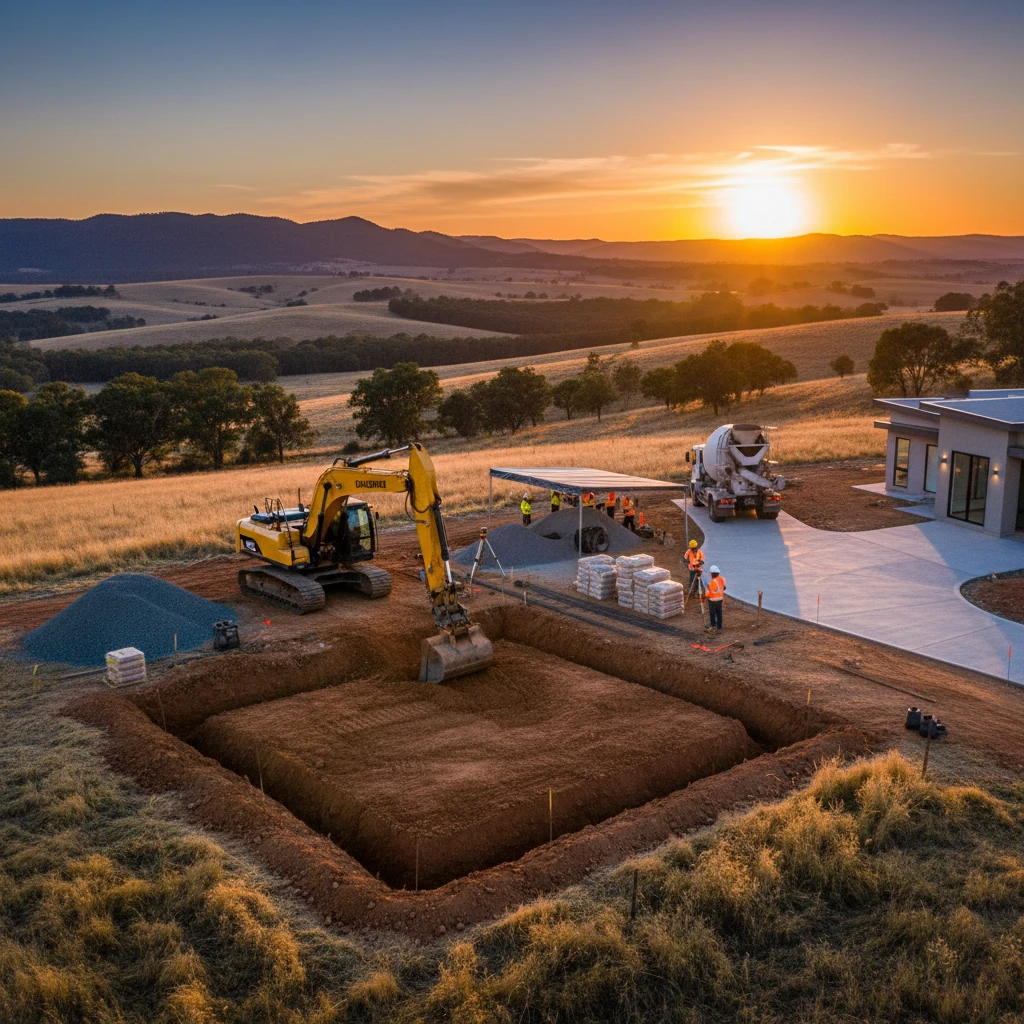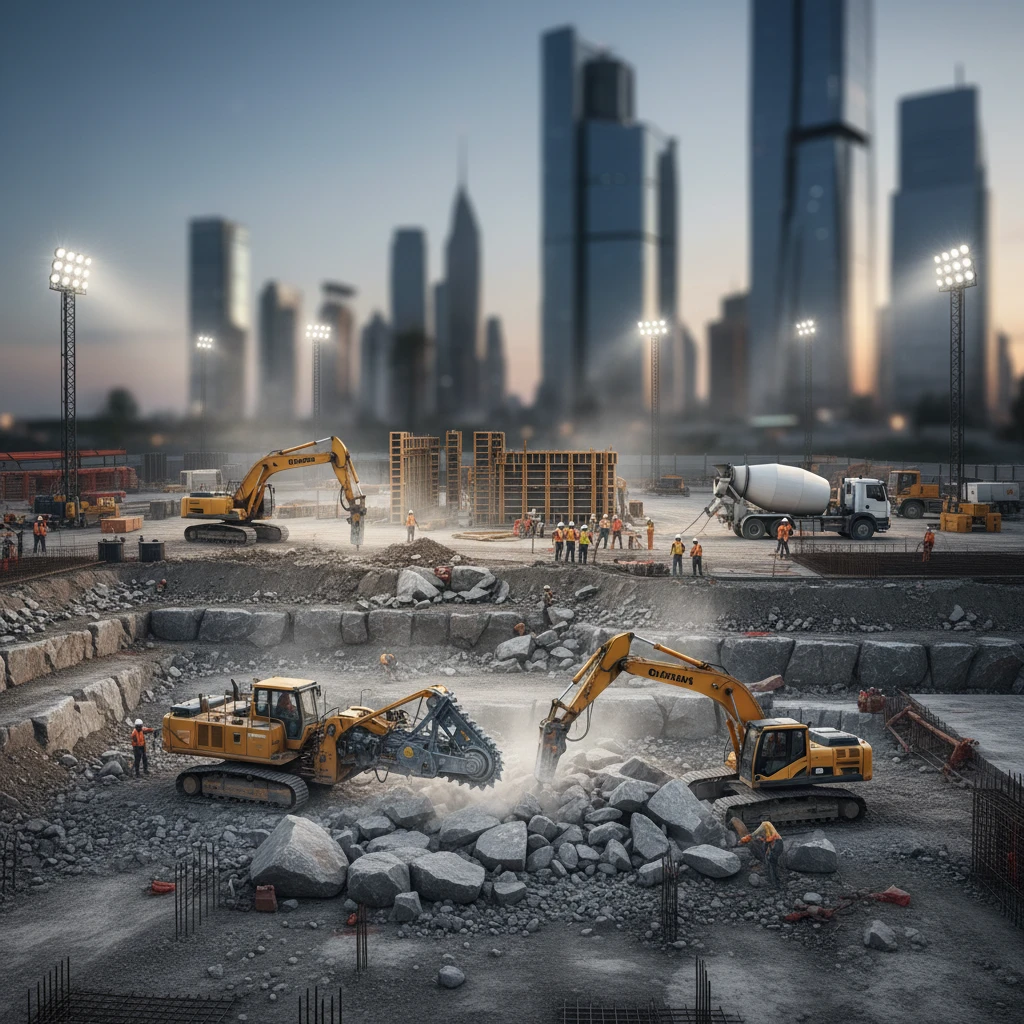
The Blue Mountains present unique challenges for any construction project. From steep slopes and reactive soils to specific council regulations, achieving durable and aesthetically pleasing concrete work requires specialist knowledge and experience. At Laser Concrete, we combine local expertise with quality workmanship to deliver lasting concrete solutions for residential properties throughout the Blue Mountains region.
We understand the nuances of working in this environment, ensuring your concrete driveway, footpath, shed slab, or stairs are not only visually appealing but also structurally sound and compliant with local standards. Our comprehensive service covers all aspects, from initial excavation and site preparation to the final concrete finish, giving you peace of mind that your project is in capable hands. Consider preparing your site effectively with our excavation services.
Navigating Challenging Terrain: Concrete Solutions for the Blue Mountains
Why the Blue Mountains demands specialised concrete and excavation expertise
The Blue Mountains is renowned for its stunning natural beauty, but its topography and environmental conditions pose significant obstacles for concrete work. Unlike flatter, more uniform areas, the **varied terrain** necessitates a deep understanding of slope management, soil stability, and drainage. Standard concreting techniques often fall short, leading to structural issues, water damage, and premature deterioration. Specialist expertise is required to assess the specific site conditions and implement appropriate solutions.
For example, poorly planned excavation on a sloped block can result in landslides or soil erosion, undermining the integrity of the concrete structure. Inadequate drainage can cause water to pool around the foundation, leading to cracking and weakening over time. Therefore, hiring experienced professionals familiar with the local environment is crucial for ensuring the longevity and safety of your concrete investment. Laser Concrete brings that specialist knowledge to every project, providing concrete solutions tailored to the unique challenges of the Blue Mountains.
Consider the long-term costs: attempting DIY or hiring inexperienced contractors can often lead to expensive repairs or complete replacements down the line. By choosing specialists, you’re investing in a **durable and reliable solution** from the outset. Furthermore, consider the potential environmental impact; improper excavation and concrete runoff can damage the sensitive ecosystems of the Blue Mountains. Specialist contractors are equipped to mitigate these risks through responsible construction practices. We ensure compliance with all environmental regulations to minimize our impact. To extend the life of your existing surfaces, investigate available concrete repair options.
Understanding the unique soil types and drainage challenges
The Blue Mountains is characterised by diverse soil types, including reactive clays, shale, and sandstone. Reactive clays are particularly problematic as they expand and contract with changes in moisture levels, causing significant stress on concrete structures. This can lead to cracking, heaving, and structural instability if not properly addressed. A thorough site investigation is essential to identify the soil composition and assess its reactivity. This allows us to implement appropriate measures, such as soil stabilisation or the use of specific concrete mixes designed to withstand movement.
Drainage is another critical consideration. The region’s high rainfall and sloping terrain can lead to significant water runoff, which, if not managed effectively, can cause erosion, waterlogging, and damage to concrete foundations. Effective drainage solutions include installing subsurface drainage systems, creating proper surface gradients, and using permeable paving materials. Furthermore, the presence of bedrock close to the surface in many areas of the Blue Mountains can further complicate excavation and drainage design. Careful planning and execution are essential to ensure the long-term performance of the concrete structure. Improper drainage can lead to hydrostatic pressure build-up, which can exert significant force on concrete walls and slabs, leading to cracking and failure. Proper site assessment and design are key to preventing these issues.
To combat these issues, Laser Concrete conducts comprehensive site assessments to determine the specific soil conditions and drainage requirements. We utilise **specialised equipment and techniques** to ensure proper compaction and stabilisation of the ground before pouring concrete. Our expertise extends to designing and installing effective drainage systems that protect your concrete structures from water damage. We’ll also help you prepare for any project by explaining the details in excavation on sloped sites.
Regulations and council requirements in the Blue Mountains region
Navigating the local council regulations is a crucial aspect of any construction project in the Blue Mountains. The Blue Mountains City Council has specific requirements for concrete work, including permits, inspections, and environmental considerations. These regulations are designed to protect the environment, ensure public safety, and maintain the aesthetic character of the region. Failing to comply with these regulations can result in fines, delays, and even the removal of non-compliant work. Therefore, it is essential to engage a contractor who is familiar with the local council requirements and can manage the approval process effectively.
For example, the council may have restrictions on the amount of vegetation that can be cleared during excavation or require specific erosion control measures to be implemented during construction. They may also have requirements for stormwater management and the disposal of concrete waste. Furthermore, the council may have specific design guidelines for concrete driveways and footpaths to ensure they are in keeping with the local streetscape. It is also important to consider heritage overlays and bushfire prone areas, which may impose additional restrictions on concrete work. Compliance with these regulations is not optional; it is a legal requirement.
Laser Concrete has extensive experience working with the Blue Mountains City Council and is well-versed in the local regulations and approval processes. We will handle all aspects of the permitting process on your behalf, ensuring that your project meets all necessary requirements. We can provide guidance on design options that comply with council guidelines and assist with preparing the necessary documentation for submission. We are committed to responsible construction practices and adhere to all environmental regulations, ensuring that your project is completed safely and sustainably.
Residential Concrete Driveways: Enhancing Your Blue Mountains Property
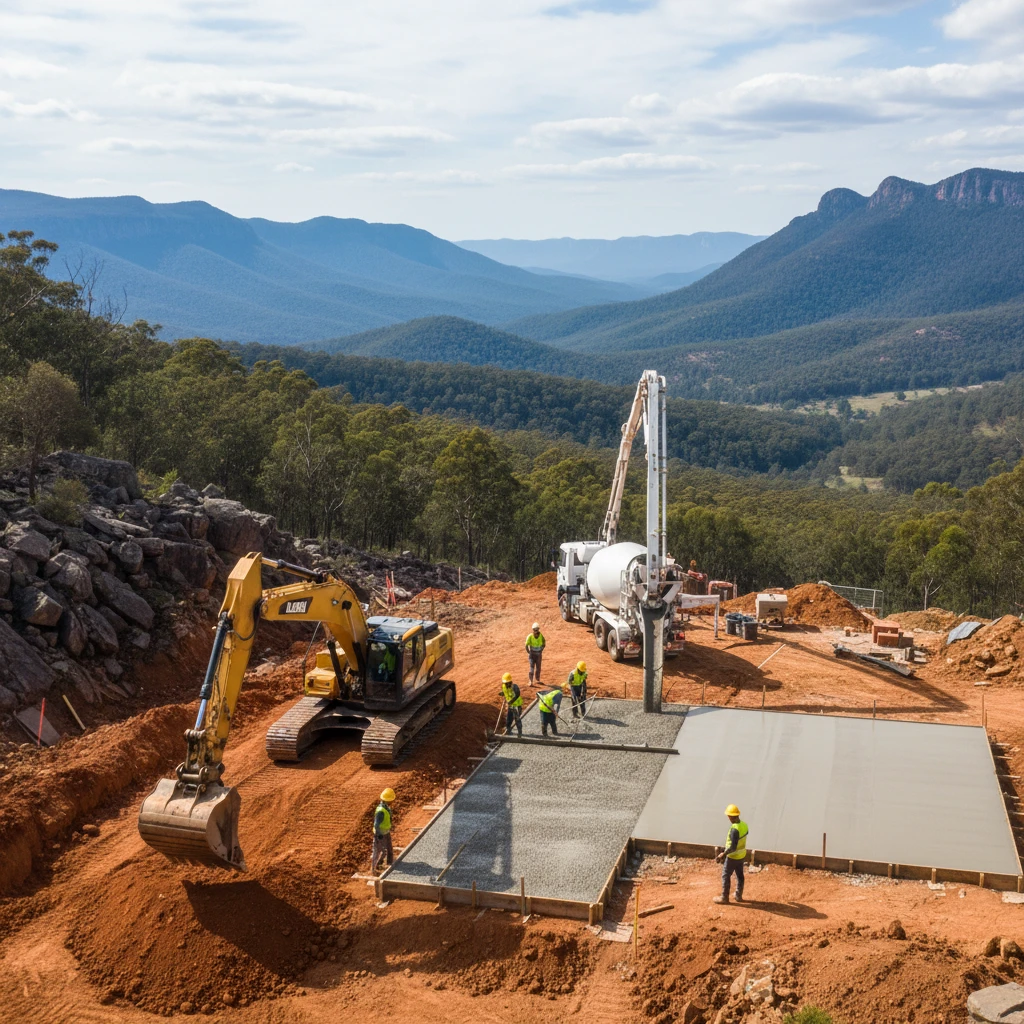
Choosing the right concrete finish for your driveway (exposed aggregate, plain)
Selecting the appropriate concrete finish for your driveway is a crucial decision that impacts both aesthetics and functionality. Two popular options are exposed aggregate and plain concrete. Exposed aggregate offers a textured, decorative surface achieved by removing the top layer of cement paste to reveal the underlying stones. This finish provides excellent slip resistance, making it ideal for sloped driveways or areas prone to wetness. It also adds visual interest and can be customised with various stone colours and sizes. However, exposed aggregate can be slightly more expensive than plain concrete and may require sealing to protect against staining.
Plain concrete, on the other hand, provides a smooth, minimalist surface that is easy to clean and maintain. It is a more cost-effective option and can be coloured or stamped to add visual appeal. However, plain concrete can be slippery when wet and may not be as durable as exposed aggregate in high-traffic areas. The choice between these finishes depends on your personal preferences, budget, and the specific requirements of your property. Consider the overall style of your home and the surrounding landscape when making your decision.
Factors to consider when choosing include the slope of your driveway, the amount of foot traffic, and the desired aesthetic. For example, if you have a steep driveway, exposed aggregate is the better choice due to its superior slip resistance. If you prefer a clean, modern look, plain concrete may be more suitable. Laser Concrete can provide expert advice on selecting the right concrete finish for your driveway based on your specific needs and preferences. We will also discuss the pros and cons of other finishes such as stamped concrete or coloured concrete to help you make an informed decision. View examples of driveway options in the Penrith concrete driveways gallery.
Ensuring proper drainage to prevent water damage
Proper drainage is paramount for the longevity and performance of your concrete driveway. Water runoff can erode the base of the driveway, leading to cracking, sinking, and other structural issues. Inadequate drainage can also cause water to pool on the surface, creating a safety hazard and potentially damaging your property. Effective drainage solutions include installing surface drains, creating a slight slope to direct water away from the house, and using permeable paving materials. The specific drainage requirements will depend on the slope of your driveway, the amount of rainfall in your area, and the soil conditions.
For example, if your driveway slopes towards your house, you may need to install a channel drain along the edge to intercept water before it reaches the foundation. If you have clay soil, which is slow to drain, you may need to install a subsurface drainage system to improve drainage. Neglecting drainage can lead to costly repairs in the future. It’s critical to address drainage issues during the initial driveway construction to prevent problems later on.
Laser Concrete takes a comprehensive approach to driveway drainage, assessing the site conditions and designing a drainage system that meets your specific needs. We can install surface drains, channel drains, and subsurface drainage systems to ensure that water is effectively managed. We also use permeable paving materials, such as porous concrete or gravel, to allow water to infiltrate the ground and reduce runoff. Our goal is to create a durable and long-lasting driveway that is protected from water damage. An example of poor drainage is water pooling near the garage door, which can lead to water seeping into the garage and damaging the foundation of the house. The cost of repairing the driveway and the foundation can easily exceed the initial cost of proper drainage installation.
The importance of a strong base for long-lasting driveways
A strong and stable base is the foundation of any durable concrete driveway. The base provides support for the concrete slab and prevents it from cracking, sinking, or shifting over time. The base typically consists of a layer of compacted gravel or crushed rock, which distributes the weight of vehicles and other loads evenly across the soil. The thickness of the base will depend on the soil conditions, the type of vehicles that will be using the driveway, and the climate. Improper base preparation is a common cause of driveway failure.
For example, if the soil is soft or unstable, a thicker base may be required to provide adequate support. If heavy trucks or equipment will be using the driveway, a reinforced base may be necessary. In cold climates, a properly compacted base can help prevent frost heave, which can cause the driveway to crack and lift. **Investing in a well-prepared base** is a crucial step in ensuring the long-term performance of your concrete driveway. Shortcuts in base preparation will ultimately compromise the structural integrity of the driveway and lead to premature failure.
Laser Concrete places a strong emphasis on proper base preparation, using high-quality materials and employing industry-best practices. We thoroughly compact the base material to ensure a stable and uniform surface. We also use geotextile fabric to prevent soil from mixing with the base material and compromising its stability. Our attention to detail in base preparation ensures that your driveway is built on a solid foundation and will withstand the test of time. For instance, a driveway built with a properly compacted base can easily last for 25-30 years, while a driveway with a poorly prepared base may start cracking and sinking within a few years.
Footpaths and Concrete Stairs: Safe and Stylish Access Solutions
Building durable and compliant concrete stairs on sloping properties
Sloping properties in the Blue Mountains often require concrete stairs to provide safe and convenient access. Building durable and compliant concrete stairs on these properties presents unique challenges, including managing steep slopes, ensuring proper drainage, and adhering to building codes. The design and construction of concrete stairs must consider factors such as rise and run dimensions, handrail height, and slip resistance. Failure to meet these requirements can result in safety hazards and potential liability issues. Proper planning and execution are essential to ensure the stairs are both functional and aesthetically pleasing.
For example, steep slopes may require the use of retaining walls to stabilise the soil and prevent erosion. Drainage systems must be carefully designed to prevent water from pooling on the stairs and creating a slipping hazard. Building codes typically specify minimum and maximum rise and run dimensions to ensure the stairs are comfortable and safe to use. Handrails must be installed at the correct height and be securely anchored to provide adequate support. **Compliance with building codes** is not just a legal requirement; it is essential for ensuring the safety of anyone using the stairs.
Laser Concrete has extensive experience building concrete stairs on sloping properties in the Blue Mountains. We work closely with our clients to design stairs that meet their specific needs and comply with all relevant building codes. We utilise specialised equipment and techniques to ensure the stairs are properly constructed and securely anchored. We also pay close attention to drainage and slip resistance to create safe and durable stairs that will last for many years. We also ensure compliance with accessibility standards where required. This might include features such as tactile ground surface indicators for visually impaired users, particularly in public spaces or multi-dwelling residences.
Creating aesthetically pleasing footpaths that complement your landscaping
A concrete footpath is not just a functional element; it can also enhance the aesthetic appeal of your property. When designing a concrete footpath, it’s important to consider its location, width, and finish. The footpath should be located in a way that provides convenient access to different areas of your property and complements the existing landscaping. The width of the footpath should be appropriate for the amount of foot traffic it will receive. The finish of the footpath can be customised to match the style of your home and the surrounding landscape. Options include plain concrete, exposed aggregate, stamped concrete, and coloured concrete. The right combination of these factors can transform a simple footpath into an attractive and inviting feature.
For example, a winding footpath through a garden can add a sense of charm and tranquility. A wide, straight footpath leading to the front door can create a grand entrance. Exposed aggregate can provide a textured, natural look that blends well with the surrounding environment. Stamped concrete can be used to create a decorative pattern that complements the architectural style of your home. **Thoughtful design** can elevate a footpath from a purely functional element to a stylish and visually appealing feature of your property. Furthermore, integrating lighting into the footpath design can enhance its beauty and safety at night.
Laser Concrete works closely with our clients to design footpaths that are both functional and aesthetically pleasing. We take into account the existing landscaping, the architectural style of the home, and the client’s personal preferences. We can provide guidance on selecting the right materials and finishes to create a footpath that enhances the overall look and feel of your property. We also ensure that the footpath is properly graded and drained to prevent water from pooling and creating a slipping hazard. For inspiration, investigate sustainable footpath options, as detailed by the Concrete Masonry Association of Australia CMAA. Note: Always verify current compliance and accessibility guidelines with your local council.
Slip-resistant finishes for increased safety
Slip resistance is a critical consideration for any concrete surface, especially footpaths and stairs. Wet or icy conditions can create a serious slip hazard, leading to injuries and potential liability. Fortunately, there are several ways to increase the slip resistance of concrete surfaces, including using textured finishes, adding abrasive materials, and applying non-slip coatings. The best approach will depend on the specific application and the desired aesthetic.
For example, exposed aggregate provides excellent slip resistance due to its textured surface. A broom finish, which involves dragging a broom across the wet concrete, also creates a textured surface that improves traction. Abrasive materials, such as silica sand or aluminium oxide, can be added to the concrete mix to increase its slip resistance. Non-slip coatings can be applied to existing concrete surfaces to provide an extra layer of protection. **Prioritising slip resistance** is essential for creating safe and accessible concrete surfaces.
Laser Concrete understands the importance of slip resistance and takes proactive measures to ensure the safety of our concrete surfaces. We recommend using textured finishes or adding abrasive materials to all footpaths and stairs. We also offer non-slip coatings for existing concrete surfaces. Our goal is to create concrete surfaces that are not only durable and aesthetically pleasing but also safe for everyone to use. For instance, textured finishes such as exposed aggregate or broom finishes can significantly reduce the risk of slips and falls, especially for elderly or mobility-impaired individuals. Regular maintenance, such as cleaning and sealing, can also help to maintain the slip resistance of concrete surfaces over time.
Shed Slabs and Equipment Pads: Solid Foundations for Blue Mountains Living
Concrete slab thickness requirements for different shed sizes and uses
The thickness of a concrete shed slab is a critical factor in its structural integrity and ability to withstand the loads placed upon it. The required thickness depends on several factors, including the size of the shed, the intended use of the shed, the soil conditions, and the local building codes. Generally, smaller sheds used for storage or gardening may only require a 100mm (4-inch) thick slab, while larger sheds used for workshops or equipment storage may require a 125mm (5-inch) or even a 150mm (6-inch) thick slab. It’s essential to consult with a qualified concrete contractor to determine the appropriate thickness for your specific shed project.
For example, a small garden shed used to store lawnmowers and gardening tools will likely only require a 100mm slab, as the loads will be relatively light. However, a larger workshop shed used to store heavy machinery and equipment will require a thicker slab to support the increased weight. In addition, if the shed is located on unstable soil, a thicker slab may be necessary to distribute the loads more evenly. **Underestimating the required slab thickness** can lead to cracking, sinking, and other structural problems, potentially compromising the safety and functionality of the shed.
Laser Concrete has extensive experience pouring concrete shed slabs in the Blue Mountains and understands the importance of proper slab thickness. We will assess your specific needs and recommend the appropriate thickness based on the size and use of your shed, the soil conditions, and the local building codes. We use high-quality concrete mixes and employ industry-best practices to ensure that your shed slab is strong, durable, and long-lasting. We often pour shed slabs in conjunction with excavation services; for concrete shed foundations in the Central West, consider the excavation services outlined on our Central West page. Example: A 6×6 meter workshop shed used to store a car would likely require a 125-150mm slab to support the weight of the vehicle and the tools inside the shed.
Preparing the site for optimal slab performance
Proper site preparation is essential for ensuring the optimal performance and longevity of your concrete shed slab. Site preparation involves clearing the area of vegetation and debris, grading the soil to create a level surface, compacting the soil to provide a stable base, and installing any necessary drainage systems. Neglecting site preparation can lead to cracking, sinking, and other structural problems. The goal is to create a solid, level, and well-drained base for the concrete slab.
For example, if the area is covered in vegetation, the roots can decompose over time and create voids in the soil, leading to uneven settlement of the slab. If the soil is not properly compacted, it can settle under the weight of the slab, causing it to crack and sink. If the site is poorly drained, water can accumulate under the slab, leading to erosion and structural damage. **Thorough site preparation** is a critical investment in the long-term performance of your concrete shed slab.
Laser Concrete takes site preparation seriously and follows industry-best practices to ensure that your shed slab is built on a solid foundation. We use specialised equipment to clear the area, grade the soil, and compact the base. We also install drainage systems as needed to prevent water from accumulating under the slab. Our attention to detail in site preparation ensures that your shed slab is stable, level, and well-drained. Consider the preparation tips available on our page about shed slabs. Example: Properly compacted gravel base underneath the slab to ensure even distribution of weight and prevent settling.
Integrating plumbing and electrical services into your shed slab
If your shed will require plumbing or electrical services, it’s essential to integrate these services into the concrete slab during construction. This involves installing conduits for electrical wiring and pipes for plumbing before the concrete is poured. This ensures that the services are protected from damage and are easily accessible for future maintenance or repairs. Planning for these services in advance can save time and money in the long run, and prevent the need for costly and disruptive modifications to the slab after it has been poured. Failing to plan for these services can result in unsightly exposed wiring or pipes, or the need to cut into the slab, which can weaken its structural integrity.
For example, if you plan to install a sink in your shed, you will need to run water supply and drain pipes under the slab. If you plan to install lighting or power outlets, you will need to run electrical conduits under the slab. It’s crucial to consult with a qualified plumber and electrician to determine the specific requirements for your shed and to ensure that the services are installed safely and correctly. **Proper planning and coordination** are essential for successfully integrating plumbing and electrical services into your shed slab.
Laser Concrete works closely with plumbers and electricians to ensure that all necessary conduits and pipes are installed correctly before the concrete is poured. We carefully position the conduits and pipes to ensure they are accessible and protected from damage. We also use high-quality materials and employ industry-best practices to ensure that the services are integrated seamlessly into the slab. Example: Carefully positioning conduits for electrical wiring to avoid sharp bends or kinks that could damage the wires or make them difficult to pull through.
Concrete Repairs and Replacements: Restoring and Extending the Life of Your Concrete
Identifying common causes of concrete cracking and damage
Concrete, while durable, is susceptible to various forms of damage. Understanding the root causes is crucial for effective repair. Shrinkage cracking is a very common issue, occurring as concrete dries and loses moisture during the curing process. This can be minimized with proper curing techniques. Freeze-thaw cycles, prevalent in the Blue Mountains, cause water trapped within the concrete to expand when frozen, creating internal stresses that lead to cracking and surface scaling. The use of air-entrained concrete mixes can mitigate this. Poor drainage, which can cause water to pool and penetrate the concrete, exacerbates freeze-thaw damage and can lead to erosion of the underlying soil. Overloading, exceeding the designed load capacity of the concrete slab, can result in structural cracks. For example, a residential driveway not designed for heavy trucks will quickly show signs of stress. Finally, chemical attack from de-icing salts, fertilizers, or industrial runoff can corrode the concrete, weakening its structure. Using appropriate sealants and coatings can prevent chemical ingress.
The benefits of timely repairs versus complete replacement
Addressing concrete damage promptly offers significant advantages over delaying repairs or opting for complete replacement. Cost savings are a major factor; small cracks and minor damage are significantly cheaper to repair than replacing an entire slab. Early intervention prevents minor issues from escalating into major structural problems. For example, patching a small crack in a driveway prevents water from seeping into the sub-base, which would eventually cause the concrete to subside and require full replacement. Extending the lifespan of existing concrete structures reduces the need for resource-intensive demolition and reconstruction. Repairing spalling concrete on steps can greatly extend their usability. Minimising disruption is also key. Repairs typically require less time and equipment than full replacements, causing less inconvenience to homeowners and businesses. Rather than shutting down a whole area, targeted repairs can often be completed quickly. However, it’s important to note that in cases of severe structural damage or widespread deterioration, replacement may be the only viable option to ensure long-term safety and stability. A structural engineer’s assessment is often needed to determine the best course of action. Learn more about repairing damaged concrete and whether it’s a better option than replacing it.
Matching existing concrete finishes for seamless repairs
Achieving a seamless blend between repaired areas and existing concrete is crucial for aesthetic appeal and maintaining property value. Matching the existing concrete finish requires careful attention to several factors. Colour matching is the first step, achieved by selecting concrete mixes and pigments that closely resemble the original colour. This often involves using a colour chart and mixing custom tints. Aggregate matching is equally important, ensuring the size, type, and distribution of aggregates in the repair mix are similar to the existing concrete. Samples of the existing aggregate may need to be sourced and compared. Surface texture matching can be accomplished using various techniques, such as broom finishing, exposed aggregate, or stamping, to replicate the original surface texture. A skilled concreter will use the same tools and techniques as were used during the original pour. Curing conditions also play a role in the final appearance. Maintaining consistent moisture and temperature during the curing process helps ensure the repair blends seamlessly. For example, covering the repaired area with plastic sheeting can prevent rapid drying and colour variations. Finally, consider applying a concrete sealer to the entire surface to even out the colour and protect the concrete from future damage.
Excavation and Earthworks: Preparing Your Blue Mountains Site for Construction
Site clearing and levelling techniques for challenging landscapes
The Blue Mountains region presents unique challenges for site clearing and levelling due to its undulating terrain and dense vegetation. Effective site clearing involves removing trees, shrubs, rocks, and debris to create a clean and workable area. This often requires the use of heavy machinery such as excavators, bulldozers, and chainsaws. Environmentally sensitive areas may require manual clearing to minimise disturbance. Levelling techniques depend on the slope and soil conditions of the site. Cut and fill methods are commonly used, where soil is excavated from high areas (cut) and used to fill in low areas (fill). Compaction is essential to ensure the fill material is stable and does not settle over time. Terracing is another technique used on steep slopes, creating a series of level platforms to reduce erosion and create usable space. For sites with minimal slope, grading may be sufficient to create a level surface. For example, preparing a level base for a shed slab may only require grading. Proper drainage is crucial during site levelling to prevent water from accumulating and causing erosion or instability. See how we handle excavation on sloped sites.
Rock breaking and removal: strategies for rocky terrain
Rocky terrain is a common feature of the Blue Mountains, requiring specialised techniques for rock breaking and removal. Rock breaking can be achieved through several methods, depending on the size and hardness of the rock. Hydraulic breakers, mounted on excavators, are effective for breaking up large rocks into smaller, manageable pieces. Rock saws can be used to cut precise lines in the rock, facilitating removal. In some cases, chemical rock breaking agents can be used to gradually break down the rock structure. Rock removal involves transporting the broken rock off-site or using it for landscaping purposes. Excavators and dump trucks are typically used for this task. Consider using crushed rock for retaining walls or drainage systems on the property. Safety precautions are paramount during rock breaking and removal, including wearing appropriate personal protective equipment (PPE) and implementing traffic management plans. For example, ensure that all personnel within the work zone wear hard hats, safety glasses, and hearing protection. Careful planning and execution are essential to minimise the risk of accidents and ensure the project is completed safely and efficiently.
Erosion control measures to protect your property and the environment
Erosion is a significant concern during excavation and earthworks, particularly in the Blue Mountains, where steep slopes and heavy rainfall can exacerbate the problem. Sediment fences are a common erosion control measure, trapping sediment-laden runoff before it leaves the site. These fences are typically made of geotextile fabric and are installed along the contour of the slope. Silt socks are similar to sediment fences but are filled with organic material such as straw or wood chips. They are effective at trapping sediment and can also help to filter pollutants from the runoff. Diversion drains are channels that divert runoff away from disturbed areas, preventing erosion. These drains can be lined with rock or concrete to prevent erosion of the channel itself. Mulching involves covering exposed soil with organic materials such as straw, wood chips, or bark. Mulch helps to protect the soil from raindrop impact and wind erosion, as well as retaining moisture and promoting vegetation growth. Revegetation is the most effective long-term erosion control measure, establishing a permanent ground cover to stabilise the soil. This involves planting native grasses, shrubs, and trees that are adapted to the local climate and soil conditions. Implementing a combination of these measures can effectively minimise erosion and protect the environment during and after excavation works. Always consult local council guidelines and regulations regarding erosion control to ensure compliance. You can find useful information from the NSW Government about erosion and sediment control [NSW Government Erosion and Sediment Control]. Proper excavation practices can also assist in building durable shed slabs.
The Importance of Proper Drainage in Blue Mountains Concrete Projects
Identifying potential drainage problems before they cause damage
Adequate drainage is crucial for the longevity and stability of concrete structures, particularly in the Blue Mountains region, where heavy rainfall is common. Visual inspection of the site can reveal potential drainage problems. Look for areas where water tends to pool after rain, indicating poor surface drainage. Check for signs of erosion, such as gullies or exposed soil, which suggest that water is not being effectively channelled away from the area. Soil type plays a significant role in drainage. Clay soils, for example, have poor permeability and can lead to waterlogging. Sandy soils, on the other hand, drain quickly but may not provide adequate support for concrete structures. Topographical survey of the site can identify areas of high and low elevation, helping to predict where water will flow. Existing drainage systems should be inspected to ensure they are functioning properly. Check for clogged drains, damaged pipes, and inadequate capacity. Vegetation patterns can also indicate drainage problems. Areas with excessive moss or algae growth may be indicative of consistently wet conditions. Ignoring drainage can lead to costly repairs down the line.
Implementing effective drainage solutions: surface drains, French drains, swales
Several effective drainage solutions can be implemented to mitigate water-related problems in concrete projects. Surface drains are designed to capture surface runoff and channel it away from the concrete structure. These drains can be made of concrete, plastic, or metal and are typically installed along walkways, driveways, and patios. The design must accommodate anticipated rainfall intensity. French drains are subsurface drains consisting of a perforated pipe buried in a trench filled with gravel. They collect groundwater and surface water, directing it away from the foundation or other vulnerable areas. French drains are particularly effective in areas with poor soil permeability. Swales are shallow, vegetated channels that slow down and filter runoff, reducing erosion and improving water quality. Swales are often used in conjunction with other drainage solutions to create a comprehensive stormwater management system. For example, a swale can be used to direct runoff to a French drain. The choice of drainage solution depends on the specific site conditions, the amount of water to be managed, and the aesthetic requirements of the project. Integrating these drainage systems properly can protect concrete’s structural integrity for years to come.
Connecting drainage to existing stormwater systems
Properly connecting new drainage systems to existing stormwater infrastructure is essential for effective water management and preventing flooding. Locate the existing stormwater system, including pipes, inlets, and outlets. This may involve consulting site plans or contacting the local council. Assess the capacity of the existing system to ensure it can handle the additional runoff from the new drainage system. Overloading the stormwater system can lead to flooding and damage to surrounding properties. Design the connection to ensure a smooth and efficient flow of water from the new drainage system to the existing system. This may involve using appropriate fittings, slopes, and pipe sizes. Obtain necessary approvals from the local council before connecting to the stormwater system. This may require submitting detailed plans and specifications. Install backflow prevention devices to prevent stormwater from flowing back into the new drainage system, particularly in areas prone to flooding. Inspect and maintain the connection regularly to ensure it remains clear of debris and is functioning properly. For example, clear leaves and sediment from the inlet grates. Failing to connect drainage systems properly can result in significant water damage and environmental problems.
Choosing the Right Concrete Mix for Blue Mountains Conditions
Understanding different concrete strengths and their applications
Concrete strength is a critical factor in determining the suitability of a mix for a specific application. Compressive strength is the most commonly used measure of concrete strength, expressed in megapascals (MPa). Higher MPa values indicate stronger concrete. Residential driveways typically require concrete with a compressive strength of 25-32 MPa, while heavy-duty industrial slabs may require 40 MPa or higher. Flexural strength is another important consideration, particularly for pavements and slabs that are subjected to bending stresses. Water-to-cement ratio is a key determinant of concrete strength. Lower water-to-cement ratios generally result in stronger concrete, but can also reduce workability. Aggregate type and size also influence concrete strength. Well-graded aggregates with a high proportion of coarse particles tend to produce stronger concrete. Curing conditions significantly affect the strength development of concrete. Proper curing involves maintaining adequate moisture and temperature for a specified period of time. For example, concrete should be kept moist for at least seven days after placement to achieve its full design strength. Selecting the appropriate concrete strength is crucial for ensuring the long-term durability and performance of the structure.
Admixtures for improved durability and workability
Admixtures are chemical compounds added to concrete mixes to modify their properties, enhancing durability and workability. Water reducers improve the workability of concrete without increasing the water content, leading to higher strength and reduced permeability. Air-entraining agents create microscopic air bubbles in the concrete, improving its resistance to freeze-thaw damage, particularly important in the Blue Mountains climate. Accelerators speed up the setting and hardening of concrete, allowing for faster construction and earlier use. Retarders slow down the setting process, providing more time for placement and finishing, especially useful in hot weather conditions. Superplasticizers, also known as high-range water reducers, dramatically increase the workability of concrete, allowing for the production of self-consolidating concrete (SCC) that can flow easily into complex forms. Corrosion inhibitors protect reinforcing steel from corrosion, extending the lifespan of concrete structures exposed to chlorides or other corrosive environments. Pigments can be added to concrete to achieve desired colours and aesthetic effects. Selecting the appropriate admixtures can significantly improve the performance and longevity of concrete structures in the Blue Mountains.
Factors affecting concrete curing and strength development
Proper curing is essential for achieving the desired strength and durability of concrete. Temperature plays a critical role in the curing process. Ideal curing temperatures are typically between 10°C and 25°C. Lower temperatures slow down the hydration process, while higher temperatures can lead to rapid drying and cracking. Moisture is essential for the hydration of cement, which is the chemical reaction that gives concrete its strength. Concrete should be kept moist for at least seven days after placement, and ideally for longer periods. Curing methods include water curing, membrane curing, and steam curing. Water curing involves keeping the concrete surface continuously wet by ponding, spraying, or covering with wet burlap. Membrane curing involves applying a liquid curing compound to the concrete surface, which forms a waterproof membrane that prevents moisture loss. Steam curing is used in precast concrete plants to accelerate the curing process. Wind can significantly increase the rate of evaporation from the concrete surface, leading to cracking and reduced strength. Sunlight can also cause rapid drying and temperature gradients, particularly on exposed surfaces. Proper curing practices are essential for maximizing the strength and durability of concrete structures in the Blue Mountains. For example, when pouring concrete driveways, make sure you keep the conditions consistent for optimal curing and a long lifespan.
Why Quality Matters: Investing in Durable Concrete Solutions for the Long Term
The hidden costs of cutting corners on concrete work
Choosing the cheapest concrete contractor might seem appealing initially,