Footpaths are often overlooked, but they play a crucial role in the functionality, safety, and overall aesthetic of your property. A well-constructed footpath not only enhances kerb appeal but also provides a safe and accessible passage for residents and visitors. However, cracked, uneven, or poorly maintained footpaths can become a nuisance, posing trip hazards and detracting from your home’s appearance.
Investing in a durable and well-designed concrete footpath is a smart decision that can significantly improve your property’s value and enjoyment for years to come. Concrete footpaths are a long-term solution, offering superior strength, longevity, and design flexibility compared to other materials. Let’s explore why concrete is the ideal choice and how you can create a footpath that complements your Penrith or Blue Mountains home.
Tired of Crumbling Paths? Why a Solid Footpath Matters for Your Property (and Resale Value)
Enhancing Kerb Appeal and Accessibility
A neatly laid, well-maintained footpath instantly improves your home’s kerb appeal. It creates a positive first impression for visitors and potential buyers, showcasing your attention to detail and pride in your property. Beyond aesthetics, a smooth, even surface ensures safe and easy access for everyone, including elderly individuals, families with prams, and people with mobility issues. A carefully considered footpath design can also improve the flow of traffic around your property, making it more user-friendly and inviting. Thoughtful placement of a concrete path improves the overall flow and movement around the yard and home. Ignoring accessibility standards can impact resale value down the road.
Minimising Trip Hazards and Future Repairs
Cracked or uneven footpaths are a common source of trips and falls, potentially leading to injuries and liability issues. Investing in a durable concrete footpath eliminates these hazards by providing a stable and even surface. High-quality concrete, properly installed, is resistant to cracking and shifting, minimising the need for frequent repairs. This not only saves you money in the long run but also provides peace of mind knowing that your footpath is safe and reliable for everyone. Regular maintenance such as pressure washing, if needed, can easily keep your path looking great. However, the frequency of such maintenance is low compared to other footpath materials. Consider a non-slip finish during installation to further enhance safety, especially in areas prone to moisture.
Adding Value to Your Penrith Property
A well-constructed concrete footpath is a valuable asset that can increase the overall market value of your Penrith property. Potential buyers appreciate the low-maintenance and long-lasting benefits of concrete, seeing it as a sign of quality and attention to detail. In a competitive market, a well-maintained exterior, including a solid footpath, can be a significant selling point. Furthermore, a professionally installed concrete footpath demonstrates a commitment to quality, suggesting that other areas of the property have also been well-maintained. Before undertaking any significant landscaping or concreting projects, it’s always wise to consult with local real estate agents to understand which improvements are most likely to boost your property’s resale value. Remember that presentation is key, and a well-designed concrete footpath can make a lasting impression.
Why Concrete is the King of Footpath Materials: Durability, Longevity, and Cost-Effectiveness in the Long Run
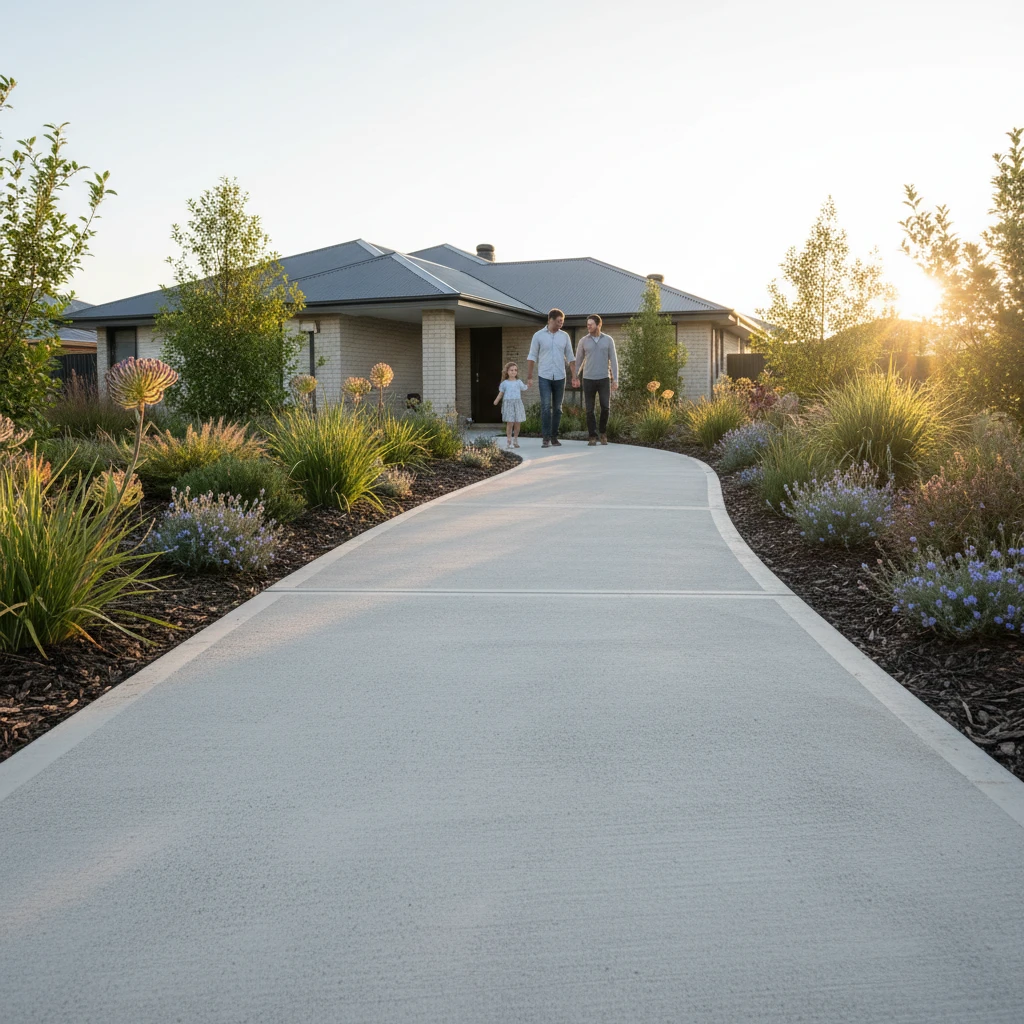
Withstanding Australian Weather Conditions: From Scorching Summers to Freezing Winters
Australia’s diverse climate presents a significant challenge for outdoor materials. From the scorching summers of Central West to the occasional freezing winters in the Blue Mountains, footpaths are exposed to extreme temperature fluctuations, intense sunlight, and heavy rainfall. Concrete is exceptionally well-suited to withstand these harsh conditions. Its inherent strength and ability to expand and contract without significant damage make it a far more resilient choice compared to asphalt, paving stones, or gravel. Unlike asphalt, concrete doesn’t become soft and pliable in hot weather, and unlike paving stones, it is less susceptible to shifting or cracking due to ground movement.
Resisting Erosion and Wear and Tear: A Path That Lasts for Decades
Concrete’s durability extends beyond weather resistance. It is also highly resistant to erosion and wear and tear from foot traffic, garden equipment, and vehicle overruns (in some cases). A properly installed concrete footpath can last for decades with minimal maintenance, providing a long-term solution that won’t require frequent repairs or replacements. The key to longevity lies in proper site preparation, the use of high-quality concrete mix, and expert installation techniques. Consider consulting a professional concreter about reinforcement options, especially if the footpath will be subject to heavy loads or frequent use. A reputable installer will assess the soil conditions, drainage, and potential stress points to ensure a durable and long-lasting footpath.
Lower Lifetime Costs Compared to Other Materials
While the initial cost of a concrete footpath may be slightly higher than some other materials, its long lifespan and minimal maintenance requirements make it a more cost-effective option in the long run. Asphalt footpaths, for example, require regular sealing and patching, while paving stones may need to be re-levelled or replaced over time. Concrete, on the other hand, requires very little maintenance beyond occasional cleaning. Over the lifespan of the footpath, these savings can add up significantly, making concrete a financially sound investment. Furthermore, the reduced risk of trips and falls can also save you money on potential liability claims. Always factor in the total cost of ownership, including installation, maintenance, and replacement, when comparing different footpath materials. Concrete offers excellent value for money due to its durability and longevity. If you eventually need concrete repairs and replacements, selecting the same materials will improve visual consistency.
Concrete Footpath Design Ideas to Complement Your Blue Mountains Home
Exposed Aggregate: Adding Texture and Visual Interest
Exposed aggregate concrete is a popular choice for footpaths, offering a unique blend of durability and aesthetic appeal. This technique involves removing the top layer of cement paste to reveal the natural beauty of the aggregate (stones, pebbles, or shells) within the concrete mix. The result is a textured, non-slip surface that adds visual interest and character to your Blue Mountains home. Exposed aggregate can be customised to match your home’s style by selecting different types and colours of aggregate. For example, you could use locally sourced sandstone chips to create a footpath that blends seamlessly with the natural surroundings. The process requires careful timing and expertise to ensure a consistent and attractive finish. Applying a sealant after installation can further enhance the colour and protect the exposed aggregate from staining.
Coloured Concrete: Matching Your Home’s Aesthetics
Coloured concrete offers a wide range of design possibilities, allowing you to create a footpath that perfectly complements your home’s colour scheme and architectural style. Pigments are added to the concrete mix before pouring, creating a uniform and long-lasting colour that won’t fade or peel. You can choose from a vast palette of colours, ranging from subtle earth tones to bold, vibrant hues. Consider the overall aesthetic of your property and select a colour that enhances its visual appeal. For example, a warm grey or beige concrete footpath can complement a traditional sandstone home, while a charcoal grey can add a modern touch to a contemporary residence. Ensure the chosen colour is UV resistant to prevent fading over time. Consulting with a concrete specialist can help you select the perfect colour and finish for your project.
Stamped Concrete: Replicating the Look of Natural Stone or Brick
Stamped concrete is a versatile technique that allows you to replicate the look of natural stone, brick, or other materials at a fraction of the cost. Special stamps are pressed into the freshly poured concrete to create a textured pattern that mimics the desired material. This is a great way to add character and sophistication to your footpath without the expense and maintenance associated with natural materials. Stamped concrete can be coloured and sealed to further enhance its realism and durability. Popular patterns include cobblestone, slate, and brick. When choosing a stamped concrete pattern, consider the overall style of your home and the surrounding landscape. A cobblestone pattern can add a rustic charm to a cottage-style home, while a slate pattern can create a more modern and sophisticated look. Remember to choose a sealant that is appropriate for the climate and level of foot traffic.
The Concrete Footpath Installation Process: What to Expect From Start to Finish
Site Preparation and Excavation: Ensuring a Solid Foundation
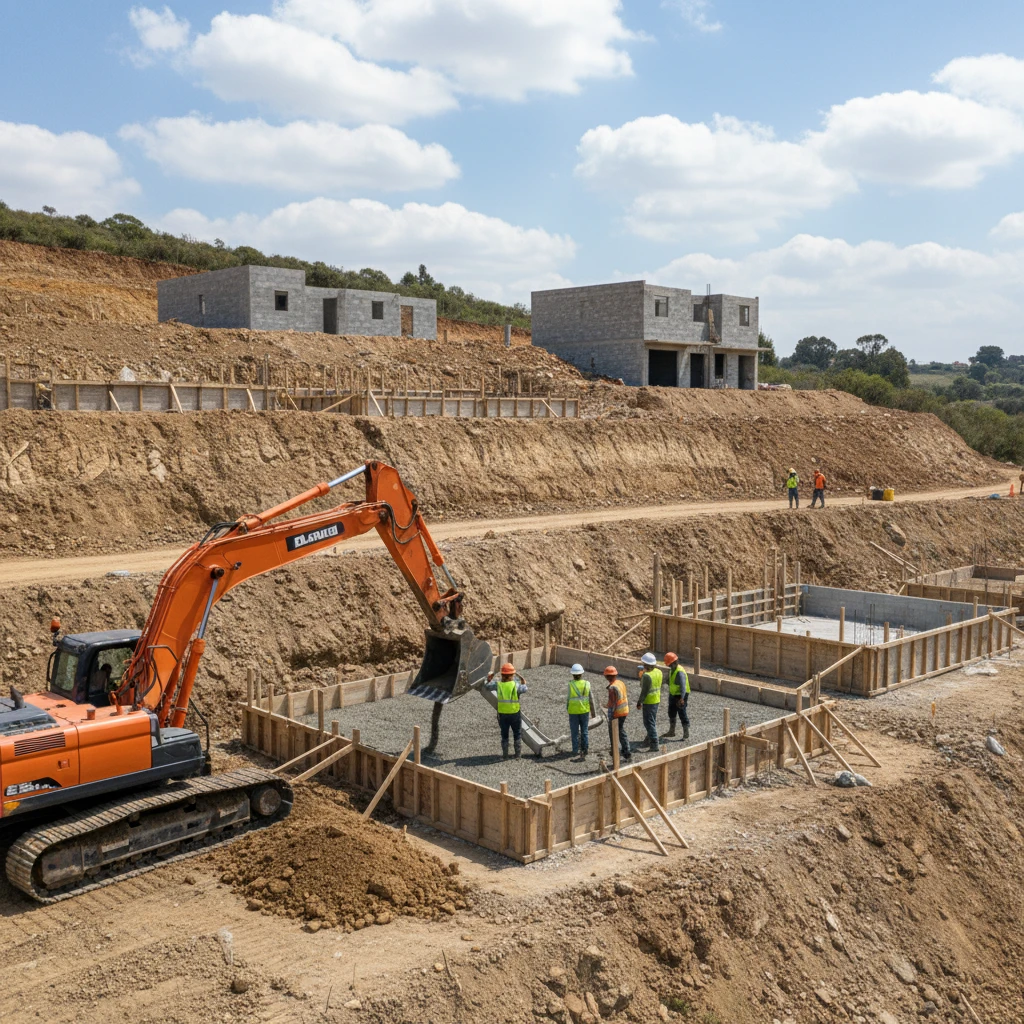
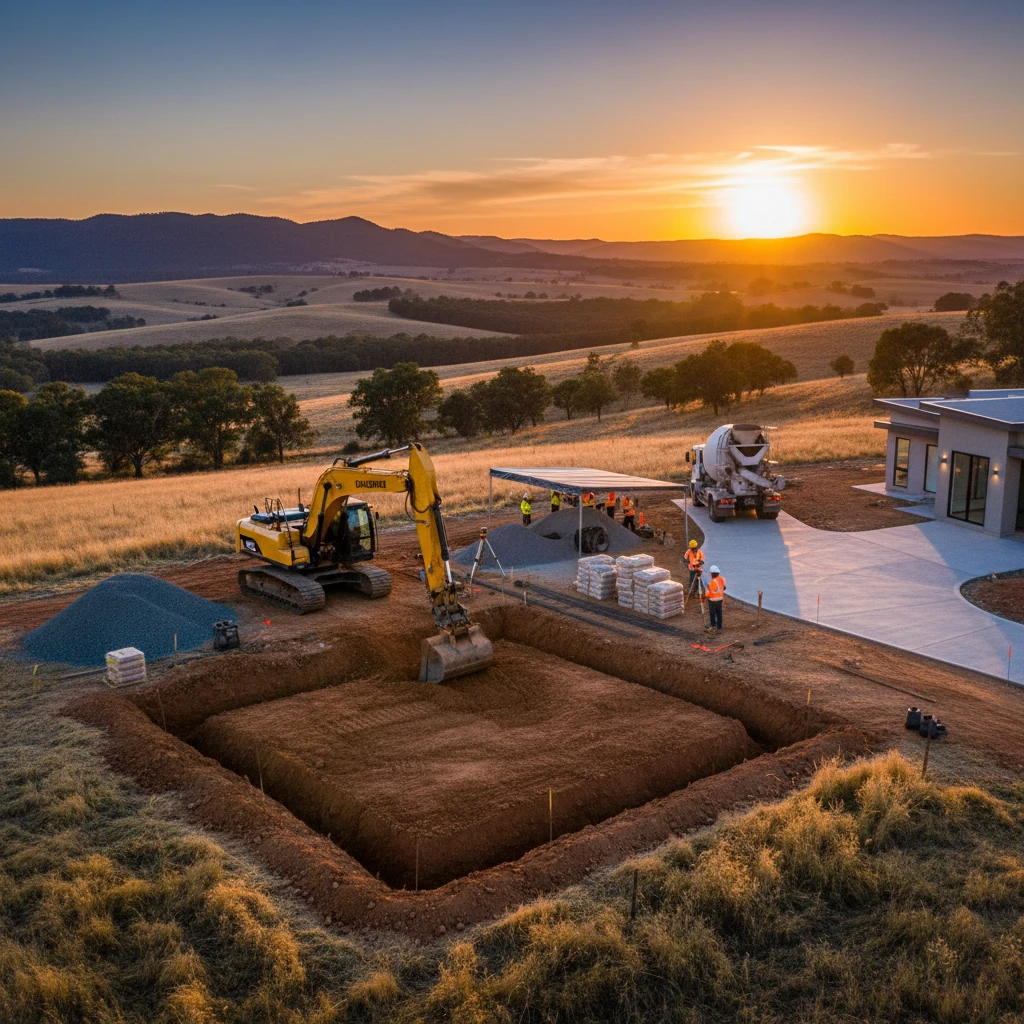
The first step in any successful concrete footpath installation is proper site preparation and excavation. This involves clearing the area of vegetation, debris, and any existing structures. The ground is then excavated to the required depth, typically around 100-150mm for a standard footpath. The excavated area should be carefully compacted to provide a stable and level base for the concrete. Proper compaction is crucial to prevent settling and cracking over time. In areas with poor soil conditions, it may be necessary to add a layer of gravel or crushed stone to improve drainage and stability. The excavation process is essential for creating a solid foundation that will support the weight of the concrete and withstand the elements. Addressing potential drainage issues at this stage is also vital to prevent water damage.
Formwork and Reinforcement: Building a Strong Structure
Once the site has been prepared, formwork is constructed to define the shape and dimensions of the footpath. Formwork is typically made from timber or metal and is carefully aligned to ensure a straight and level finish. Reinforcement, such as steel mesh or rebar, is then placed within the formwork to add strength and durability to the concrete. Reinforcement helps to prevent cracking and increases the footpath’s load-bearing capacity. The type and amount of reinforcement required will depend on the size and intended use of the footpath. For example, a footpath that will be subject to heavy foot traffic or occasional vehicle overruns will require more robust reinforcement than a standard residential footpath. Proper placement of the reinforcement is crucial to ensure its effectiveness. The steel mesh should be positioned in the middle of the concrete slab to maximise its ability to resist tensile forces.
Concrete Pouring and Finishing: Achieving a Smooth and Durable Surface
The final step in the installation process is the concrete pouring and finishing. The concrete is carefully poured into the formwork and spread evenly using shovels and rakes. Once the concrete has been poured, it is screeded to create a level surface. Screeding involves dragging a straightedge across the top of the formwork to remove excess concrete and create a smooth, even finish. After screeding, the concrete is floated to further smooth the surface and remove any imperfections. Floating is typically done with a bull float or a hand float. The final finishing step is trowelling, which creates a hard, durable surface that is resistant to wear and tear. Trowelling can be done by hand or with a power trowel. The choice of finishing technique will depend on the desired look and feel of the footpath. For example, a broom finish provides a textured, non-slip surface, while a smooth trowel finish creates a more polished and refined look. Proper curing of the concrete is essential to ensure its strength and durability. Curing involves keeping the concrete moist for several days after pouring, typically by covering it with plastic sheeting or spraying it with water. This allows the concrete to hydrate properly and reach its full strength. Understanding the subtleties of concrete pouring and finishing is crucial for ensuring a high-quality, long-lasting concrete footpath.
Tired of Crumbling Paths? Why a Solid Footpath Matters for Your Property (and Resale Value)
Enhancing Kerb Appeal and Accessibility
A well-maintained concrete footpath significantly enhances the kerb appeal of your property. It creates a positive first impression for visitors and potential buyers. Furthermore, a smooth, even surface improves accessibility for people of all ages and abilities, including those using wheelchairs or mobility aids. This consideration is especially important for families with young children or elderly relatives.
Minimising Trip Hazards and Future Repairs
Cracked, uneven or crumbling footpaths pose a significant trip hazard, potentially leading to injuries. Investing in a durable concrete footpath eliminates these risks and reduces the likelihood of costly repairs down the line. Regular maintenance is minimal, typically involving only occasional cleaning to remove dirt and debris.
Adding Value to Your Penrith Property
A professionally installed concrete footpath is a valuable asset that can increase the overall value of your Penrith property. It demonstrates attention to detail and commitment to quality, which are attractive qualities to prospective buyers. The long-lasting durability of concrete also provides peace of mind, knowing that the footpath will remain in excellent condition for many years to come.
Why Concrete is the King of Footpath Materials: Durability, Longevity, and Cost-Effectiveness in the Long Run
Withstanding Australian Weather Conditions: From Scorching Summers to Freezing Winters
Concrete is an incredibly resilient material that can withstand the extreme weather conditions prevalent in Australia. It is resistant to cracking, warping, and fading, even under prolonged exposure to sun, rain, and fluctuating temperatures. This makes it an ideal choice for footpaths that are exposed to the elements year-round.
Resisting Erosion and Wear and Tear: A Path That Lasts for Decades
Unlike other materials such as asphalt or paving stones, concrete is highly resistant to erosion and wear and tear. It can withstand heavy foot traffic, vehicle overruns, and the effects of weathering without deteriorating quickly. With proper installation and minimal maintenance, a concrete footpath can last for decades, providing a safe and reliable pathway for your family and visitors.
Lower Lifetime Costs Compared to Other Materials
While the initial cost of concrete footpath installation may be slightly higher than some other options, its long-term durability and low maintenance requirements make it a more cost-effective choice in the long run. You will save money on repairs, replacements, and ongoing maintenance, making concrete a smart investment for your property.
Concrete Footpath Design Ideas to Complement Your Blue Mountains Home
Exposed Aggregate: Adding Texture and Visual Interest
Exposed aggregate concrete is a decorative technique that involves removing the top layer of cement paste to reveal the underlying aggregate, such as pebbles, stones, or shells. This creates a textured, visually appealing surface that adds character and interest to your footpath. Exposed aggregate is available in a wide range of colours and sizes, allowing you to customise the look to complement your home’s architecture and landscaping. For inspiration, explore options from local suppliers like Australian Decorative Aggregates.
Coloured Concrete: Matching Your Home’s Aesthetics
Coloured concrete is a versatile option that allows you to create a footpath that perfectly matches your home’s aesthetics. Pigments are added to the concrete mix to create a wide range of colours, from subtle earthy tones to bold, vibrant hues. Coloured concrete can be used to create a seamless transition between your home and garden, or to add a pop of colour to your outdoor space. Integral colour pigments, blended throughout the concrete mix, will provide the most consistent and long-lasting colour. Find pigment suppliers through a resource like Concrete Broker’s guide to concrete colour.
Stamped Concrete: Replicating the Look of Natural Stone or Brick
Stamped concrete is a decorative technique that involves pressing patterns into freshly poured concrete to replicate the look of natural stone, brick, or other materials. This is a cost-effective way to achieve the aesthetic appeal of these materials without the expense or maintenance requirements. Stamped concrete is available in a wide range of patterns and colours, allowing you to create a unique and stylish footpath that complements your home’s architecture. Many find inspiration from the patterns offered by companies like Pattern Pave.
The Concrete Footpath Installation Process: What to Expect From Start to Finish
Site Preparation and Excavation: Ensuring a Solid Foundation
The first step in the installation process is site preparation, which involves clearing the area of any vegetation, debris, or existing structures. The area is then excavated to the required depth to accommodate the concrete slab and any necessary base materials. Proper excavation is essential to ensure a solid and stable foundation for the footpath. The depth of excavation will depend on the soil type and the intended use of the footpath. For example, a footpath that will be subject to heavy foot traffic will require a deeper excavation than a standard residential footpath. It is also important to ensure that the excavation is properly compacted to prevent settling and cracking of the concrete. In areas with poor drainage, a layer of gravel or crushed stone may be added to improve drainage and prevent water damage.
Formwork and Reinforcement: Building a Strong Structure
Once the site has been prepared, formwork is constructed to define the shape and dimensions of the footpath. Formwork is typically made from timber or metal and is carefully aligned to ensure a straight and level finish. Reinforcement, such as steel mesh or rebar, is then placed within the formwork to add strength and durability to the concrete. Reinforcement helps to prevent cracking and increases the footpath’s load-bearing capacity. The type and amount of reinforcement required will depend on the size and intended use of the footpath. For example, a footpath that will be subject to heavy foot traffic or occasional vehicle overruns will require more robust reinforcement than a standard residential footpath. Proper placement of the reinforcement is crucial to ensure its effectiveness. The steel mesh should be positioned in the middle of the concrete slab to maximise its ability to resist tensile forces.
Concrete Pouring and Finishing: Achieving a Smooth and Durable Surface
The final step in the installation process is the concrete pouring and finishing. The concrete is carefully poured into the formwork and spread evenly using shovels and rakes. Once the concrete has been poured, it is screeded to create a level surface. Screeding involves dragging a straightedge across the top of the formwork to remove excess concrete and create a smooth, even finish. After screeding, the concrete is floated to further smooth the surface and remove any imperfections. Floating is typically done with a bull float or a hand float. The final finishing step is trowelling, which creates a hard, durable surface that is resistant to wear and tear. Trowelling can be done by hand or with a power trowel. The choice of finishing technique will depend on the desired look and feel of the footpath. For example, a broom finish provides a textured, non-slip surface, while a smooth trowel finish creates a more polished and refined look. Proper curing of the concrete is essential to ensure its strength and durability. Curing involves keeping the concrete moist for several days after pouring, typically by covering it with plastic sheeting or spraying it with water. This allows the concrete to hydrate properly and reach its full strength. Understanding the subtleties of concrete pouring and finishing is crucial for ensuring a high-quality, long-lasting concrete footpath.
Tired of Crumbling Paths? Why a Solid Footpath Matters for Your Property (and Resale Value)
Enhancing Kerb Appeal and Accessibility
A well-maintained concrete footpath significantly enhances the kerb appeal of your property. It provides a clean and inviting entrance, making a positive first impression on visitors and potential buyers. Moreover, a level and even footpath ensures safe and easy access to your home for people of all ages and abilities.
Minimising Trip Hazards and Future Repairs
Uneven or cracked footpaths pose a significant trip hazard, potentially leading to injuries. Investing in a new concrete footpath eliminates these hazards and reduces the risk of accidents. Furthermore, a properly installed concrete footpath is highly durable and requires minimal maintenance, saving you money on future repairs.
Adding Value to Your Penrith Property
A new concrete footpath is a valuable investment that can increase the overall value of your property. It demonstrates attention to detail and improves the functionality and aesthetics of your home, making it more attractive to potential buyers. In a competitive market, a well-maintained property with a solid footpath can stand out from the crowd.
Why Concrete is the King of Footpath Materials: Durability, Longevity, and Cost-Effectiveness in the Long Run
Withstanding Australian Weather Conditions: From Scorching Summers to Freezing Winters
Concrete is an incredibly resilient material that can withstand the extreme weather conditions experienced in Australia. It is resistant to heat, frost, and UV radiation, ensuring that your footpath remains in good condition for many years to come. This is especially important in areas like the Blue Mountains, where temperatures can fluctuate dramatically.
Resisting Erosion and Wear and Tear: A Path That Lasts for Decades
Compared to other materials like asphalt or paving stones, concrete is highly resistant to erosion and wear and tear. It can withstand heavy foot traffic, as well as the occasional vehicle overrun, without cracking or deteriorating. This makes it an ideal choice for high-traffic areas and properties where durability is a key concern.
Lower Lifetime Costs Compared to Other Materials
While the initial cost of a concrete footpath may be slightly higher than some other options, its longevity and low maintenance requirements make it a cost-effective choice in the long run. Unlike asphalt, which requires regular sealing and repairs, concrete can last for decades with minimal upkeep, saving you money on maintenance costs over time.
Concrete Footpath Design Ideas to Complement Your Blue Mountains Home
Exposed Aggregate: Adding Texture and Visual Interest
Exposed aggregate concrete is a popular choice for footpaths as it adds texture and visual interest to the surface. This involves removing the top layer of cement paste to reveal the decorative aggregates, such as pebbles, stones, or shells. The result is a unique and attractive finish that complements a variety of architectural styles. Consider different aggregate colours and sizes to achieve your desired look, integrating seamlessly with your garden.
Coloured Concrete: Matching Your Home’s Aesthetics
Coloured concrete offers a wide range of design possibilities, allowing you to match your footpath to your home’s aesthetics. Pigments can be added to the concrete mix to create a variety of colours, from subtle earth tones to vibrant hues. This is a great way to create a cohesive and visually appealing landscape design. Coordinating the footpath colour with your home’s exterior can greatly enhance the overall curb appeal.
Stamped Concrete: Replicating the Look of Natural Stone or Brick
Stamped concrete is a versatile technique that allows you to replicate the look of natural stone, brick, or other materials. This involves using textured stamps to imprint patterns into the wet concrete, creating a realistic and attractive finish. Stamped concrete is a cost-effective alternative to using real stone or brick, while still providing a high-end look. There are a multitude of patterns and colours available, giving you considerable design freedom.
The Concrete Footpath Installation Process: What to Expect From Start to Finish
Site Preparation and Excavation: Ensuring a Solid Foundation
The first step in the installation process is site preparation and excavation. This involves clearing the area where the footpath will be located and excavating the soil to the required depth. The depth of the excavation will depend on the thickness of the concrete slab and the underlying soil conditions. Proper site preparation is crucial to ensure a solid and stable foundation for the footpath. The excavated area is then compacted to provide a firm base for the concrete. Additionally, any necessary drainage should be installed at this stage to manage and prevent water damage.
Formwork and Reinforcement: Building a Strong Structure
Once the site has been prepared, formwork is constructed to define the shape and dimensions of the footpath. Formwork is typically made from timber or metal and is carefully aligned to ensure a straight and level finish. Reinforcement, such as steel mesh or rebar, is then placed within the formwork to add strength and durability to the concrete. Reinforcement helps to prevent cracking and increases the footpath’s load-bearing capacity. The type and amount of reinforcement required will depend on the size and intended use of the footpath. For example, a footpath that will be subject to heavy foot traffic or occasional vehicle overruns will require more robust reinforcement than a standard residential footpath. Proper placement of the reinforcement is crucial to ensure its effectiveness. The steel mesh should be positioned in the middle of the concrete slab to maximise its ability to resist tensile forces.
Concrete Pouring and Finishing: Achieving a Smooth and Durable Surface
The final step in the installation process is the concrete pouring and finishing. The concrete is carefully poured into the formwork and spread evenly using shovels and rakes. Once the concrete has been poured, it is screeded to create a level surface. Screeding involves dragging a straightedge across the top of the formwork to remove excess concrete and create a smooth, even finish. After screeding, the concrete is floated to further smooth the surface and remove any imperfections. Floating is typically done with a bull float or a hand float. The final finishing step is trowelling, which creates a hard, durable surface that is resistant to wear and tear. Trowelling can be done by hand or with a power trowel. The choice of finishing technique will depend on the desired look and feel of the footpath. For example, a broom finish provides a textured, non-slip surface, while a smooth trowel finish creates a more polished and refined look. Proper curing of the concrete is essential to ensure its strength and durability. Curing involves keeping the concrete moist for several days after pouring, typically by covering it with plastic sheeting or spraying it with water. This allows the concrete to hydrate properly and reach its full strength. Understanding the subtleties of concrete pouring and finishing is crucial for ensuring a high-quality, long-lasting concrete footpath.
Tired of Crumbling Paths? Why a Solid Footpath Matters for Your Property (and Resale Value)
Enhancing Kerb Appeal and Accessibility
A well-maintained concrete footpath significantly enhances the kerb appeal of your property. It creates a positive first impression for visitors and potential buyers. A clear, level path also improves accessibility for people of all ages and abilities, making your home more welcoming and inclusive.
Minimising Trip Hazards and Future Repairs
Cracked, uneven, or poorly maintained footpaths pose a significant trip hazard. Investing in a new concrete footpath eliminates these hazards, protecting you, your family, and visitors from potential injuries. A durable concrete footpath also reduces the need for frequent repairs and maintenance, saving you time and money in the long run.
Adding Value to Your Penrith Property
A well-designed and professionally installed concrete footpath can increase the value of your property. It demonstrates that you take pride in your home and are willing to invest in quality improvements. A new footpath is an attractive feature for potential buyers, especially those with young children, elderly relatives, or mobility issues.
Why Concrete is the King of Footpath Materials: Durability, Longevity, and Cost-Effectiveness in the Long Run
Withstanding Australian Weather Conditions: From Scorching Summers to Freezing Winters
Concrete is an incredibly durable material that can withstand the harsh Australian climate. It is resistant to extreme temperatures, from scorching summer heat to freezing winter frosts. Concrete is also unaffected by UV radiation, which can cause other materials to fade and deteriorate over time. Its ability to resist shrinking and swelling with temperature changes makes it ideal for areas prone to temperature fluctuations.
Resisting Erosion and Wear and Tear: A Path That Lasts for Decades
Concrete is highly resistant to erosion and wear and tear. Unlike asphalt or gravel, it won’t crumble, crack, or wash away over time. A well-maintained concrete footpath can last for decades, providing a safe and reliable surface for years to come. This makes it a smart investment for your property.
Lower Lifetime Costs Compared to Other Materials
While the initial cost of installing a concrete footpath may be higher than some other materials, its long lifespan and low maintenance requirements make it a more cost-effective option in the long run. You won’t have to worry about frequent repairs or replacements, saving you money and hassle over time. Its inherent durability translates to a lower total cost of ownership.
Concrete Footpath Design Ideas to Complement Your Blue Mountains Home
Exposed Aggregate: Adding Texture and Visual Interest
Exposed aggregate concrete is a popular choice for footpaths because it adds texture and visual interest to the surface. This technique involves removing the top layer of cement paste to reveal the natural stones and pebbles within the concrete mix. Exposed aggregate can be customised with different types of aggregates to create a unique and attractive look. The variations in colour and size offer endless design possibilities.
Coloured Concrete: Matching Your Home’s Aesthetics
Coloured concrete is another great way to customise your footpath and match your home’s aesthetics. Pigments can be added to the concrete mix to create a wide range of colours, from subtle earth tones to bold, vibrant hues. Coloured concrete can be used to create a seamless transition between your home and garden, or to add a pop of colour to your outdoor space. Choosing a colour that complements the existing landscape can significantly enhance the overall appearance.
Stamped Concrete: Replicating the Look of Natural Stone or Brick
Stamped concrete is a versatile technique that allows you to replicate the look of natural stone, brick, or other materials at a fraction of the cost. Stamps are pressed into the wet concrete to create a textured surface that resembles the desired material. Stamped concrete can be coloured and sealed to further enhance its appearance and protect it from wear and tear. The patterns available in stamped concrete offer a variety of styles to suit any home.
The Concrete Footpath Installation Process: What to Expect From Start to Finish
Site Preparation and Excavation: Ensuring a Solid Foundation
The first step in installing a concrete footpath is site preparation and excavation. This involves clearing the area where the footpath will be located, removing any vegetation, debris, or existing paving. The ground is then excavated to the required depth, typically around 100-150mm. A stable and level base is essential for a long-lasting concrete footpath. Proper excavation techniques are crucial for preventing future problems.
Formwork and Reinforcement: Building a Strong Structure
Once the site has been prepared, formwork is constructed to define the shape and dimensions of the footpath. Formwork is typically made from timber or metal and is carefully aligned to ensure a straight and level finish. Reinforcement, such as steel mesh or rebar, is then placed within the formwork to add strength and durability to the concrete. Reinforcement helps to prevent cracking and increases the footpath’s load-bearing capacity. The type and amount of reinforcement required will depend on the size and intended use of the footpath. For example, a footpath that will be subject to heavy foot traffic or occasional vehicle overruns will require more robust reinforcement than a standard residential footpath. Proper placement of the reinforcement is crucial to ensure its effectiveness. The steel mesh should be positioned in the middle of the concrete slab to maximise its ability to resist tensile forces.
Concrete Pouring and Finishing: Achieving a Smooth and Durable Surface
The final step in the installation process is the concrete pouring and finishing. The concrete is carefully poured into the formwork and spread evenly using shovels and rakes. Once the concrete has been poured, it is screeded to create a level surface. Screeding involves dragging a straightedge across the top of the formwork to remove excess concrete and create a smooth, even finish. After screeding, the concrete is floated to further smooth the surface and remove any imperfections. Floating is typically done with a bull float or a hand float. The final finishing step is trowelling, which creates a hard, durable surface that is resistant to wear and tear. Trowelling can be done by hand or with a power trowel. The choice of finishing technique will depend on the desired look and feel of the footpath. For example, a broom finish provides a textured, non-slip surface, while a smooth trowel finish creates a more polished and refined look. Proper curing of the concrete is essential to ensure its strength and durability. Curing involves keeping the concrete moist for several days after pouring, typically by covering it with plastic sheeting or spraying it with water. This allows the concrete to hydrate properly and reach its full strength. Understanding the subtleties of concrete pouring and finishing is crucial for ensuring a high-quality, long-lasting concrete footpath.
Tired of Crumbling Paths? Why a Solid Footpath Matters for Your Property (and Resale Value)
Enhancing Kerb Appeal and Accessibility
A well-maintained concrete footpath significantly enhances the kerb appeal of your property. A clean, smooth, and visually appealing footpath makes a positive first impression on visitors and potential buyers. Furthermore, a properly constructed footpath improves accessibility for people of all ages and abilities. A level, even surface reduces the risk of trips and falls, making it easier for people with mobility issues, elderly individuals, and families with young children to navigate your property.
Minimising Trip Hazards and Future Repairs
Cracked, uneven, or poorly maintained footpaths pose a significant trip hazard. Investing in a solid concrete footpath eliminates these hazards, creating a safer environment for your family, visitors, and the general public. Moreover, a durable concrete footpath requires minimal maintenance and is less likely to develop cracks or other damage over time, saving you money on costly repairs in the long run.
Adding Value to Your Penrith Property
A well-designed and professionally installed concrete footpath is a valuable asset that can increase the overall value of your Penrith property. Potential buyers are attracted to properties that are well-maintained and offer practical features like a safe and accessible footpath. A solid footpath demonstrates attention to detail and a commitment to quality, making your property more desirable in the competitive real estate market.
Why Concrete is the King of Footpath Materials: Durability, Longevity, and Cost-Effectiveness in the Long Run
Withstanding Australian Weather Conditions: From Scorching Summers to Freezing Winters
Concrete is an incredibly durable material that can withstand the harsh Australian weather conditions. From the scorching heat of summer to the freezing temperatures of winter, concrete remains stable and resistant to cracking or deformation. Unlike other materials that may warp or deteriorate under extreme temperature fluctuations, concrete maintains its integrity and structural strength, ensuring a long-lasting footpath.
Resisting Erosion and Wear and Tear: A Path That Lasts for Decades
Concrete is highly resistant to erosion and wear and tear. It can withstand heavy foot traffic, exposure to rain and sunlight, and the effects of de-icing salts without significant damage. This makes it an ideal material for footpaths that are subjected to constant use and exposure to the elements. With proper installation and minimal maintenance, a concrete footpath can last for decades, providing a safe and reliable pathway for years to come.
Lower Lifetime Costs Compared to Other Materials
While the initial cost of installing a concrete footpath may be slightly higher than some other materials, its long-term cost-effectiveness is unmatched. Concrete requires very little maintenance, and it is less likely to need repairs or replacement compared to materials like asphalt, pavers, or gravel. This translates into significant savings over the lifespan of the footpath, making concrete the most cost-effective choice in the long run.
Concrete Footpath Design Ideas to Complement Your Blue Mountains Home
Exposed Aggregate: Adding Texture and Visual Interest
Exposed aggregate concrete is a popular choice for footpaths as it adds texture and visual interest to the surface. This technique involves removing the top layer of cement paste to reveal the decorative aggregates beneath, such as pebbles, stones, or shells. The exposed aggregates create a unique and attractive finish that complements a wide range of architectural styles. A concrete contractor can advise on local aggregate suppliers.
Coloured Concrete: Matching Your Home’s Aesthetics
Coloured concrete is another great way to enhance the appearance of your footpath. Pigments can be added to the concrete mix to create a wide range of colours that complement your home’s aesthetics. Whether you prefer a subtle, natural tone or a bold, vibrant hue, coloured concrete allows you to create a footpath that perfectly matches your personal style. Ensure you source quality pigments from reputable concrete suppliers to prevent fading.
Stamped Concrete: Replicating the Look of Natural Stone or Brick
Stamped concrete is a versatile option that allows you to replicate the look of natural stone, brick, or other textured surfaces. This technique involves using спеціальні stamps to imprint patterns onto the wet concrete, creating a realistic and visually appealing finish. Stamped concrete is a cost-effective way to achieve the look of more expensive materials while still enjoying the durability and longevity of concrete.
The Concrete Footpath Installation Process: What to Expect From Start to Finish
The process of installing a concrete footpath involves several key steps, from site preparation to final finishing. Understanding these steps will help you to better manage your project and ensure a successful outcome. Always obtain necessary council approvals before commencement.
Site Preparation and Excavation: Ensuring a Solid Foundation
The first step in the installation process is site preparation and excavation. This involves clearing the area where the footpath will be installed, removing any existing vegetation, debris, or obstacles. The ground is then excavated to the required depth to accommodate the concrete slab and any necessary base materials. Proper excavation is crucial to ensure a solid and stable foundation for the footpath. The excavated area should be compacted to provide a firm base and prevent settling or cracking in the future. A layer of gravel or crushed stone may also be added to improve drainage and provide additional support.
Formwork and Reinforcement: Building a Strong Structure
Once the site has been prepared, formwork is constructed to define the shape and dimensions of the footpath. Formwork is typically made from timber or metal and is carefully aligned to ensure a straight and level finish. Reinforcement, such as steel mesh or rebar, is then placed within the formwork to add strength and durability to the concrete. Reinforcement helps to prevent cracking and increases the footpath’s load-bearing capacity. The type and amount of reinforcement required will depend on the size and intended use of the footpath. For example, a footpath that will be subject to heavy foot traffic or occasional vehicle overruns will require more robust reinforcement than a standard residential footpath. Proper placement of the reinforcement is crucial to ensure its effectiveness. The steel mesh should be positioned in the middle of the concrete slab to maximise its ability to resist tensile forces.
Concrete Pouring and Finishing: Achieving a Smooth and Durable Surface
The final step in the installation process is the concrete pouring and finishing. The concrete is carefully poured into the formwork and spread evenly using shovels and rakes. Once the concrete has been poured, it is screeded to create a level surface. Screeding involves dragging a straightedge across the top of the formwork to remove excess concrete and create a smooth, even finish. After screeding, the concrete is floated to further smooth the surface and remove any imperfections. Floating is typically done with a bull float or a hand float. The final finishing step is trowelling, which creates a hard, durable surface that is resistant to wear and tear. Trowelling can be done by hand or with a power trowel. The choice of finishing technique will depend on the desired look and feel of the footpath. For example, a broom finish provides a textured, non-slip surface, while a smooth trowel finish creates a more polished and refined look. Proper curing of the concrete is essential to ensure its strength and durability. Curing involves keeping the concrete moist for several days after pouring, typically by covering it with plastic sheeting or spraying it with water. This allows the concrete to hydrate properly and reach its full strength. Understanding the subtleties of concrete pouring and finishing is crucial for ensuring a high-quality, long-lasting concrete footpath.
Dealing with Difficult Terrain: How Laser Concrete Handles Slopes and Rocky Ground in the Central West
Excavation Techniques for Uneven Surfaces
Creating a level and stable base is paramount when installing concrete footpaths, especially on uneven terrain common in areas like the Central West. The initial step involves a thorough site assessment to identify potential challenges such as underground utilities, tree roots, and soil composition. Effective excavation is not simply about removing soil; it’s about precision and planning. We use techniques like stepped excavation to create terraces, ensuring even distribution of weight and preventing future settling. For rocky terrain, rock breakers might be necessary to remove larger obstacles. A critical decision is whether to use machinery or manual labour. Machinery is faster for large areas, but manual methods offer greater precision in tight spaces or when working around existing structures. We use laser levelling during excavation to ensure accuracy, aiming for a consistent depth of at least 100mm for the sub-base. This ensures adequate support for the concrete.
Retaining Walls and Steps for Steep Slopes
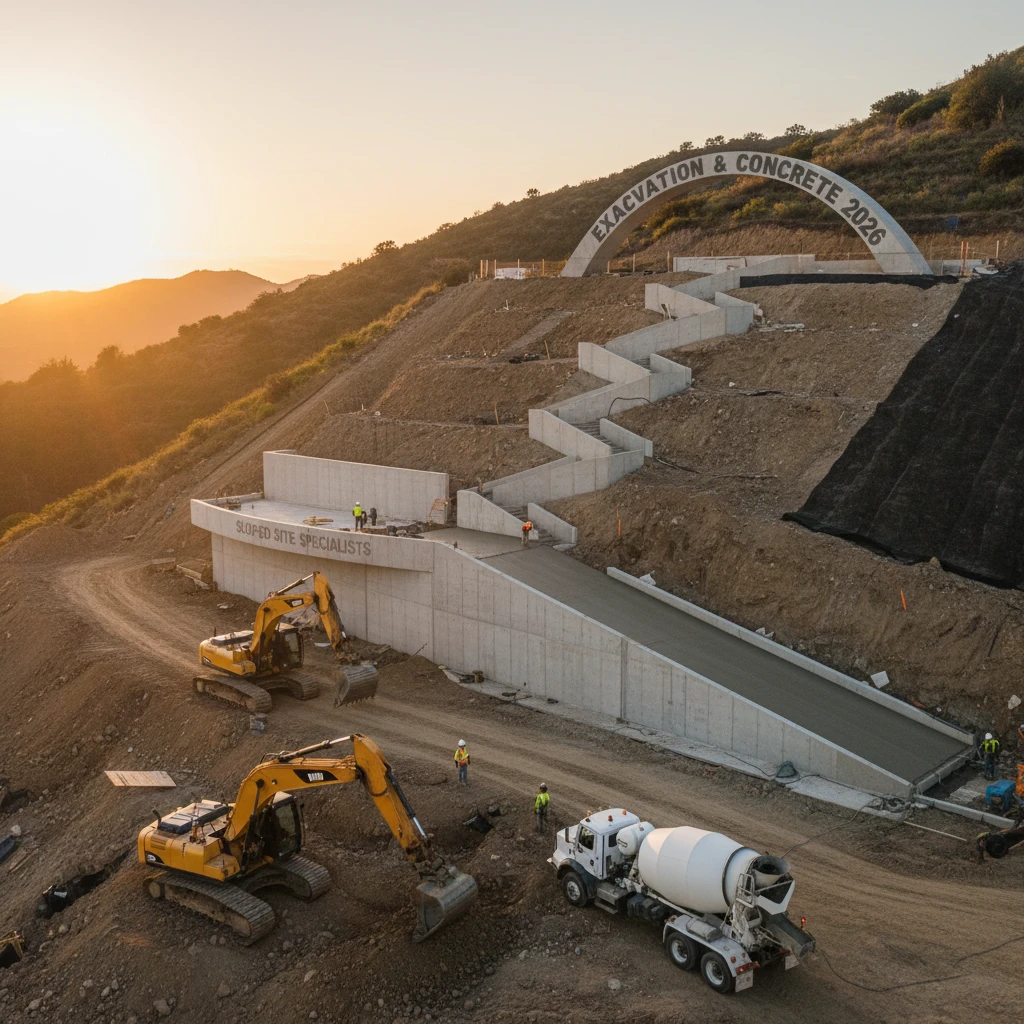
When dealing with steep slopes, retaining walls and steps become essential components of a concrete footpath. Retaining walls prevent soil erosion and create level platforms for the path, while steps provide safe and manageable elevation changes. The design of retaining walls must consider soil type, water drainage, and the height of the slope. Poor drainage behind a retaining wall can lead to hydrostatic pressure buildup, causing the wall to fail. Incorporating drainage pipes and gravel backfill behind the wall is crucial. Steps should have a consistent rise and run to avoid tripping hazards. A common rule of thumb is the “2R + G = 600-650mm” formula, where R is the rise and G is the going (tread depth) in millimetres. For example, a rise of 150mm would require a going of 300-350mm. The material used for retaining walls can vary, including concrete blocks, timber, or natural stone. The choice depends on aesthetic preferences, budget, and structural requirements. Properly designed and constructed steps and retaining walls not only enhance the functionality of the footpath but also add to the overall aesthetic appeal of the landscape. See more on excavation solutions in Penrith.
Ensuring Proper Drainage to Prevent Water Damage
Effective drainage is non-negotiable for the longevity of a concrete footpath. Water accumulation can lead to erosion, cracking, and even complete disintegration of the concrete over time. Surface drainage should be addressed first, ensuring that the footpath is slightly sloped (around 1-2%) to allow water to run off. In areas with heavy rainfall or poor soil drainage, subsurface drainage systems may be necessary. This typically involves installing drainage pipes (such as slotted PVC pipes) beneath the footpath, surrounded by gravel to facilitate water flow. These pipes then drain into a suitable outlet, such as a stormwater drain or a soakaway. Another crucial aspect is managing water runoff from adjacent areas. Consider installing kerbs or channels along the edges of the footpath to redirect water away from the path. Ignoring drainage can lead to costly repairs down the line. A simple example: a seemingly minor puddle forming regularly on a footpath indicates a drainage issue that needs addressing promptly. Investing in proper drainage during the initial installation phase is a worthwhile investment. For more challenging excavation needs, refer to our page on excavation for concrete work.
Maintenance Tips to Extend the Life of Your Concrete Footpath: Simple Steps for Lasting Beauty
Regular Cleaning: Removing Dirt and Debris
Regular cleaning is the simplest and most effective way to prolong the life of your concrete footpath. Dirt, leaves, and other debris can trap moisture, leading to staining and promoting the growth of mould and mildew. A simple sweep with a broom is usually sufficient for removing loose debris. For more stubborn dirt or stains, use a hose with a nozzle attachment. Avoid using harsh chemicals or abrasive cleaners, as these can damage the concrete surface. A mild detergent mixed with water is usually effective for removing most stains. Pressure washing can be used for heavily soiled areas, but exercise caution. Use a low-pressure setting and a wide nozzle to avoid damaging the concrete. Directing a high-pressure stream at a single point can erode the surface. Aim to clean your concrete footpath at least once a month, or more frequently in areas with heavy foot traffic or exposure to the elements.
Sealing: Protecting Against Stains and Damage
Sealing your concrete footpath provides a crucial layer of protection against stains, water damage, and the damaging effects of freeze-thaw cycles. A good quality concrete sealer penetrates the surface, creating a barrier that repels water and prevents stains from penetrating the concrete. There are two main types of concrete sealers: penetrating sealers and topical sealers. Penetrating sealers soak into the concrete and provide long-lasting protection without altering the appearance of the surface. Topical sealers form a film on the surface, providing a glossy finish and enhanced stain resistance. However, topical sealers are more prone to scratching and wear and tear. Before applying a sealer, ensure that the concrete surface is clean and dry. Follow the manufacturer’s instructions carefully, applying the sealer in thin, even coats. Reapply the sealer every 2-3 years, or as needed, depending on the level of traffic and exposure to the elements. Sealing your concrete footpath is a relatively inexpensive way to significantly extend its lifespan and maintain its appearance.
Prompt Repair of Cracks: Preventing Further Deterioration
Cracks in a concrete footpath, no matter how small, should be addressed promptly to prevent further deterioration. Water can seep into cracks, causing them to widen and deepen over time. In cold climates, water that freezes within cracks can expand, leading to significant damage. Small cracks (less than 3mm wide) can often be repaired with a concrete crack filler. Clean the crack thoroughly, removing any loose debris. Apply the crack filler according to the manufacturer’s instructions, ensuring that it fills the entire crack. For larger cracks, you may need to use a concrete patching compound. This involves chipping away any loose or damaged concrete and applying the patching compound to create a smooth, even surface. In severe cases, where the cracking is extensive or the footpath is significantly damaged, it may be necessary to replace the affected section. Ignoring cracks can lead to more extensive and costly repairs down the line. Regular inspections of your concrete footpath can help you identify and address cracks early on, preventing further damage.
Alternatives to Concrete Footpaths (and When to Choose Them)
Gravel Paths: A Budget-Friendly Option for Informal Settings
Gravel paths offer a cost-effective and aesthetically pleasing alternative to concrete, particularly in informal garden settings or less frequently used areas. Gravel is relatively inexpensive and easy to install, requiring minimal excavation. However, gravel paths also have some drawbacks. They can be less stable than concrete, especially on slopes or in areas with heavy foot traffic. Gravel can also migrate over time, requiring periodic replenishment. Consider using a stabilising grid or edging to contain the gravel and prevent it from spreading. Gravel paths are best suited for areas with good drainage, as standing water can create muddy conditions. The choice of gravel type can also affect the performance and appearance of the path. Crushed stone is more stable than pea gravel, while decorative gravel can add visual interest. Gravel paths are generally not suitable for wheelchair access or other mobility devices.
Paving Stones: A Decorative Choice for High-Traffic Areas
Paving stones, such as pavers or flagstones, offer a decorative and durable alternative to concrete for footpaths. They are available in a wide range of colours, shapes, and sizes, allowing for creative design options. Paving stones are generally more expensive than concrete, but they can add significant value and curb appeal to your property. Installation involves preparing a compacted base of gravel and sand, and then laying the paving stones in a desired pattern. The joints between the paving stones can be filled with sand or mortar. Paving stones are well-suited for high-traffic areas, as they are resistant to wear and tear. They also provide good drainage, as water can seep through the joints. However, paving stones can be more susceptible to weed growth than concrete, requiring regular maintenance. Also consider that uneven pavers can create trip hazards if not installed correctly. Paving stones can be a great choice if aesthetics and design flexibility are primary considerations.
Asphalt: A Smooth Surface for Wheelchair Accessibility
Asphalt, while more commonly used for driveways, can also be a suitable option for footpaths, particularly where a smooth and accessible surface is required. Asphalt provides a seamless, even surface that is ideal for wheelchairs, prams, and other mobility devices. It is also relatively inexpensive compared to concrete or paving stones. However, asphalt also has some drawbacks. It can be less aesthetically pleasing than other materials, and it can become hot in direct sunlight. Asphalt also requires periodic sealing to prevent cracking and deterioration. Installation involves preparing a compacted base and then applying a layer of hot asphalt. Asphalt is best suited for areas with low to medium foot traffic, as it can be more prone to wear and tear than concrete. Consider the overall aesthetic of your property and the specific needs of the users when considering asphalt for a footpath. The dark color of asphalt can also absorb heat, making it uncomfortable to walk on during hot weather.
Common Concrete Footpath Problems and How to Avoid Them
Cracking: Causes and Prevention
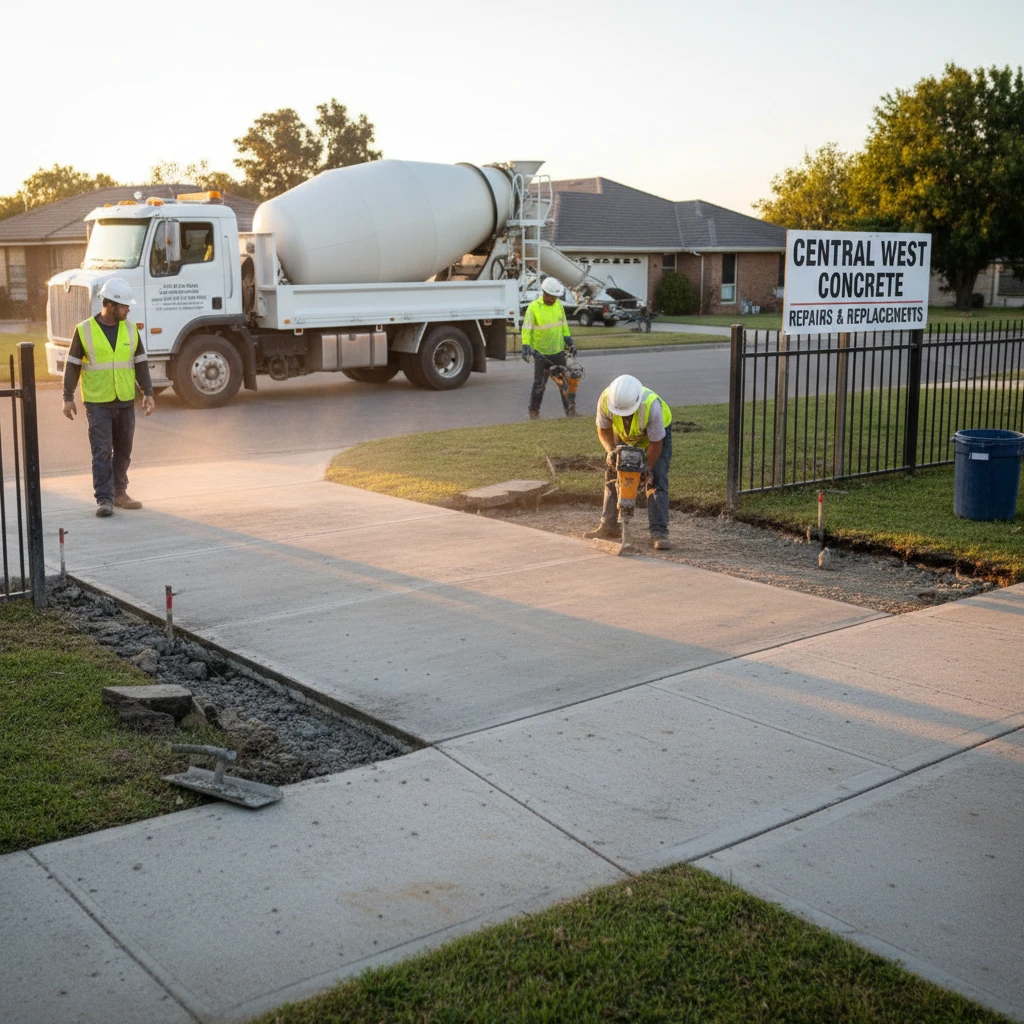
Cracking is one of the most common problems encountered with concrete footpaths. It can be caused by a variety of factors, including improper mixing of the concrete, inadequate base preparation, insufficient reinforcement, and environmental factors such as freeze-thaw cycles. To prevent cracking, it is crucial to use a proper concrete mix, ensuring that the water-to-cement ratio is correct. A well-compacted base is also essential to provide stable support for the concrete. Reinforcing the concrete with steel mesh or rebar can significantly increase its strength and resistance to cracking. Expansion joints should be installed at regular intervals to allow for thermal expansion and contraction. Proper curing of the concrete is also critical. This involves keeping the concrete moist for several days after it is poured, allowing it to fully hydrate and gain strength. Ignoring these preventative measures can lead to premature cracking and costly repairs. Look at our concrete repairs page for details on addressing existing damage.
Sinking: Addressing Foundation Issues
Sinking of a concrete footpath can indicate underlying foundation issues. This can be caused by soil erosion, poor soil compaction, or inadequate drainage. If the footpath is sinking, it is essential to investigate the cause before attempting any repairs. Soil erosion can be addressed by improving drainage and stabilising the soil with vegetation or retaining walls. Poor soil compaction can be corrected by removing the existing concrete and re-compacting the base. In some cases, it may be necessary to install pilings or other foundation supports to stabilise the footpath. Ignoring sinking can lead to further damage and potentially hazardous conditions. Addressing foundation issues promptly is crucial to prevent further deterioration and ensure the safety of the footpath. A professional assessment is recommended to determine the best course of action.
Discolouration: Maintaining Consistent Appearance
Discolouration of concrete footpaths can be caused by a variety of factors, including staining from dirt, leaves, or other organic matter, efflorescence (a white, powdery deposit caused by salts migrating to the surface), and variations in the concrete mix. To prevent staining, regular cleaning is essential. Sealing the concrete can also help to protect it from stains. Efflorescence can be removed with a mild acid solution, but it is important to test the solution in an inconspicuous area first to ensure that it does not damage the concrete. Variations in the concrete mix can be minimised by using a consistent mix design and sourcing materials from a reputable supplier. If discolouration is severe, it may be necessary to apply a concrete stain or dye to restore a uniform appearance. When applying a stain, always follow the manufacturer’s instructions carefully and test the stain in an inconspicuous area first. Consider the long-term UV exposure when choosing a staining product, especially for paths in direct sunlight. The consistent aesthetic appearance of a path reflects the care and quality invested in its construction.
Dealing with Difficult Terrain: How Laser Concrete Handles Slopes and Rocky Ground in the Central West
The Central West region often presents unique challenges in footpath construction due to its varied terrain. Slopes and rocky ground require specialised techniques to ensure stability and longevity. Laser Concrete has extensive experience in navigating these obstacles, delivering durable and safe concrete footpaths.
Excavation Techniques for Uneven Surfaces
Proper excavation is crucial when dealing with uneven terrain. This often involves removing rocks, levelling the ground, and ensuring a stable base for the concrete pour. Laser levels and GPS technology are used to accurately map the terrain and guide excavation equipment, ensuring a consistent depth and grade. In areas with significant rock formations, controlled blasting or rock hammering may be necessary to create a suitable foundation.
Retaining Walls and Steps for Steep Slopes
On steep slopes, retaining walls and steps are essential for creating accessible and safe footpaths. Retaining walls provide lateral support to prevent soil erosion and maintain the path’s structural integrity. Steps break up the slope into manageable sections, making it easier to navigate. Laser Concrete designs and installs retaining walls and steps using durable materials such as concrete blocks, timber, or natural stone, blending functionality with aesthetics.
Ensuring Proper Drainage to Prevent Water Damage
Proper drainage is critical on any terrain, but especially on slopes and in rocky areas where water can accumulate. We incorporate drainage systems such as French drains, swales, and culverts to redirect water away from the footpath and prevent erosion. These systems are designed to handle heavy rainfall and ensure that the footpath remains stable and safe for users. The slope of the path itself is also carefully considered to promote water runoff.
Maintenance Tips to Extend the Life of Your Concrete Footpath: Simple Steps for Lasting Beauty
Proper maintenance is key to extending the lifespan and maintaining the appearance of your concrete footpath. Simple steps can prevent costly repairs and ensure that your footpath remains safe and attractive for years to come. Regular care can greatly improve your path’s lifespan.
Regular Cleaning: Removing Dirt and Debris
Regular cleaning is essential for preventing stains and the build-up of dirt and debris. Sweep the footpath regularly to remove loose leaves, twigs, and dirt. Wash the footpath with a mild detergent and water solution to remove stubborn stains. A pressure washer can be used for more thorough cleaning, but be careful not to damage the concrete surface. Avoid using harsh chemicals or abrasive cleaners, as they can damage the concrete.
Sealing: Protecting Against Stains and Damage
Sealing your concrete footpath provides a protective barrier against stains, water damage, and freeze-thaw cycles. Apply a concrete sealer every one to two years, following the manufacturer’s instructions carefully. Choose a sealer that is appropriate for the type of concrete and the expected traffic load. Sealing is particularly important in areas with harsh weather conditions or high levels of foot traffic. Consider concrete sealing services from our team.
Prompt Repair of Cracks: Preventing Further Deterioration
Cracks in a concrete footpath should be repaired promptly to prevent further deterioration. Use a concrete patching compound to fill small cracks. For larger cracks, it may be necessary to widen the crack and apply a concrete crack filler. Ensure that the patching compound or filler is compatible with the existing concrete. Ignoring cracks can lead to water penetration, which can cause further damage and weaken the footpath’s structural integrity. See our concrete repair services to fix issues early.
Alternatives to Concrete Footpaths (and When to Choose Them)
While concrete is a popular and durable choice for footpaths, there are alternative materials that may be more suitable for certain situations. Consider the aesthetic, functional, and budgetary requirements of your project when selecting a footpath material.
Gravel Paths: A Budget-Friendly Option for Informal Settings
Gravel paths are a cost-effective option for informal settings such as gardens or parks. They are relatively easy to install and maintain, and they provide a natural, rustic look. However, gravel paths can be less stable than concrete footpaths, and they may require periodic replenishment. They are also not suitable for areas with heavy foot traffic or for people with mobility issues. A detailed guide to creating a gravel path is available online.
Paving Stones: A Decorative Choice for High-Traffic Areas
Paving stones offer a decorative and durable alternative to concrete footpaths. They are available in a variety of shapes, sizes, and colours, allowing for custom designs. Paving stones are more expensive than concrete, but they can add significant aesthetic value to a property. They are also well-suited for high-traffic areas and can be easily repaired or replaced if damaged. Look at different paving stone patterns to get design ideas.
Asphalt: A Smooth Surface for Wheelchair Accessibility
Asphalt is a smooth and durable surface that is often used for roads and driveways. It can also be used for footpaths, particularly in areas where wheelchair accessibility is a concern. Asphalt is less expensive than concrete, but it can be less aesthetically pleasing. It also requires more maintenance than concrete, as it is susceptible to cracking and potholing. A local asphalt company can provide guidance on installation and maintenance.
Common Concrete Footpath Problems and How to Avoid Them
While concrete footpaths are generally durable, they can experience problems over time. Understanding these issues and taking preventative measures can help extend the life of your footpath and minimise repair costs.
Cracking: Causes and Prevention
Cracking is a common problem with concrete footpaths, and it can be caused by several factors, including soil movement, temperature changes, and improper installation. To prevent cracking, ensure that the subgrade is properly compacted and that the concrete is properly mixed and cured. Expansion joints should be installed to accommodate temperature changes. For professional concrete placement and crack prevention, contact Laser Concrete.
Sinking: Addressing Foundation Issues
Sinking can occur when the subgrade beneath the footpath is unstable or improperly compacted. This can be caused by soil erosion, poor drainage, or the presence of tree roots. To address sinking, it may be necessary to excavate the affected area and rebuild the subgrade. In some cases, underpinning or soil stabilisation techniques may be required. Local geotechnical engineers can assist with foundation assessments.
Discolouration: Maintaining Consistent Appearance
Discolouration can occur due to staining, efflorescence, or exposure to the elements. To maintain a consistent appearance, clean the footpath regularly with a mild detergent and water. Avoid using harsh chemicals or abrasive cleaners, as they can damage the concrete surface. Applying a concrete sealer can also help protect against stains and discolouration. Consider a professional cleaning service for removing persistent stains.
Dealing with Difficult Terrain: How Laser Concrete Handles Slopes and Rocky Ground in the Central West
The Central West region of New South Wales often presents unique challenges for concrete footpath construction, including sloping ground and rocky terrain. Laser Concrete has extensive experience in overcoming these obstacles to create safe and functional footpaths.
Excavation Techniques for Uneven Surfaces
When dealing with uneven surfaces, proper excavation is crucial. Laser Concrete employs skilled operators and modern equipment to accurately grade and level the ground before pouring concrete. This includes removing rocks, filling voids, and compacting the subgrade to ensure a stable foundation. Laser levelling technology ensures precise grading for optimal drainage and a smooth surface.
Retaining Walls and Steps for Steep Slopes
For steep slopes, retaining walls and steps may be necessary to create a safe and accessible footpath. Laser Concrete can design and construct retaining walls using a variety of materials, including concrete blocks, timber, and natural stone. Steps can be integrated into the design to provide easy access to different levels. Consider the aesthetics of the retaining wall when choosing materials and finishes.
Ensuring Proper Drainage to Prevent Water Damage
Proper drainage is essential for preventing water damage to concrete footpaths, especially in areas with heavy rainfall or sloping ground. Laser Concrete incorporates drainage solutions such as surface grading, drainage channels, and subsurface drainage systems to divert water away from the footpath. Adequate drainage prevents erosion and extends the life of the concrete. Speak to a drainage specialist about your specific site conditions.
Maintenance Tips to Extend the Life of Your Concrete Footpath: Simple Steps for Lasting Beauty
Regular maintenance can significantly extend the lifespan of your concrete footpath and keep it looking its best. Simple steps like cleaning, sealing, and prompt repairs can prevent costly damage and maintain the footpath’s structural integrity.
Regular Cleaning: Removing Dirt and Debris
Regular cleaning is essential for removing dirt, debris, and stains from your concrete footpath. Sweep the footpath regularly to remove loose debris. Wash the footpath with a mild detergent and water to remove dirt and stains. Use a pressure washer for stubborn stains, but be careful not to damage the concrete surface. Consider eco-friendly cleaning products to minimise environmental impact.
Sealing: Protecting Against Stains and Damage
Applying a concrete sealer can help protect your footpath against stains, water damage, and UV degradation. Choose a sealer that is appropriate for your climate and the type of concrete used. Apply the sealer according to the manufacturer’s instructions. Reapply the sealer every few years to maintain its protective properties. A professional sealing service can ensure proper application.
Prompt Repair of Cracks: Preventing Further Deterioration
Promptly repair any cracks or damage to your concrete footpath to prevent further deterioration. Use a concrete crack filler to fill small cracks. For larger cracks or more significant damage, consult a concrete repair specialist. Addressing cracks early can prevent water penetration and structural damage. Learn more about the importance of concrete crack repair.
Alternatives to Concrete Footpaths (and When to Choose Them)
While concrete footpaths offer durability and versatility, alternative materials may be more suitable in certain situations. Consider factors such as budget, aesthetics, and environmental impact when choosing the best option for your needs.
Gravel Paths: A Budget-Friendly Option for Informal Settings
Gravel paths are a cost-effective alternative to concrete, particularly for informal garden settings. Gravel is easy to install and provides good drainage. However, gravel paths require more maintenance than concrete and may not be suitable for high-traffic areas or wheelchair access. Consider the types of gravel available and their suitability for foot traffic.
Paving Stones: A Decorative Choice for High-Traffic Areas
Paving stones offer a decorative alternative to concrete, providing a variety of colours, shapes, and patterns. Paving stones are durable and can withstand heavy foot traffic. However, paving stones are more expensive than concrete and require professional installation. Explore different paving stone materials and designs to complement your landscape. Discuss paving stone options with a local paving contractor.
Asphalt: A Smooth Surface for Wheelchair Accessibility
Asphalt provides a smooth, even surface that is ideal for wheelchair accessibility and other mobility devices. Asphalt is less expensive than concrete but may not be as durable in the long term. Asphalt can become hot in direct sunlight, which can be a concern in warmer climates. Evaluate the pros and cons of asphalt before making a decision.
Common Concrete Footpath Problems and How to Avoid Them
Even with proper installation and maintenance, concrete footpaths can experience problems over time. Understanding common issues and their causes can help you take preventive measures and address problems promptly.
Cracking: Causes and Prevention
Cracking is a common problem in concrete footpaths, often caused by soil movement, improper mixing, or inadequate curing. Use the correct concrete mix and ensure proper curing to minimise cracking. Install expansion joints to accommodate movement and prevent cracking. Regular inspections can help identify and address cracks early. Learn more about concrete expansion joints.
Sinking: Addressing Foundation Issues
Sinking occurs when the soil beneath the footpath settles or erodes, causing the concrete to sink or become uneven. Ensure proper soil compaction and drainage to prevent sinking. Address any underlying foundation issues promptly to prevent further damage. Consider soil stabilisation techniques for unstable ground. Consult with a geotechnical engineer for complex sinking problems.
Discolouration: Maintaining Consistent Appearance
Discolouration can occur due to staining, weathering, or variations in the concrete mix. Apply a concrete sealer to protect against stains and UV damage. Use a consistent concrete mix and curing process to ensure uniform colour. Clean the footpath regularly to remove dirt and debris that can cause discolouration. Consider tinted sealers to enhance or restore the colour of the concrete.
Dealing with Difficult Terrain: How Laser Concrete Handles Slopes and Rocky Ground in the Central West
Constructing concrete footpaths on difficult terrain requires careful planning and specialised techniques. Laser Concrete has extensive experience working on slopes and rocky ground in the Central West, ensuring durable and safe pathways.
Excavation Techniques for Uneven Surfaces
Excavating uneven surfaces requires precision and the right equipment to create a stable base for the concrete footpath. Laser Concrete employs advanced excavation techniques to level the ground and remove obstacles such as rocks and roots. Proper excavation ensures a uniform foundation and prevents settling or cracking. Consider using a professional excavator like Laser Concrete for complex projects.
Retaining Walls and Steps for Steep Slopes
Steep slopes may require retaining walls and steps to create a safe and accessible footpath. Retaining walls provide support and prevent soil erosion, while steps allow for comfortable elevation changes. Laser Concrete designs and installs retaining walls and steps that blend seamlessly with the landscape. Proper construction of retaining walls is essential for long-term stability. Learn more about building a retaining wall.
Ensuring Proper Drainage to Prevent Water Damage
Proper drainage is crucial on difficult terrain to prevent water from eroding the soil beneath the footpath. Laser Concrete implements drainage solutions such as French drains and surface grading to divert water away from the pathway. Effective drainage prevents water damage and prolongs the life of the concrete. Consult with a drainage specialist to assess your site’s needs.
Maintenance Tips to Extend the Life of Your Concrete Footpath: Simple Steps for Lasting Beauty
Proper maintenance is essential to keep your concrete footpath in good condition and extend its lifespan. Regular care can prevent costly repairs and maintain the aesthetic appeal of your outdoor space.
Regular Cleaning: Removing Dirt and Debris
Regular cleaning removes dirt, leaves, and debris that can stain or damage the concrete surface. Sweep the footpath regularly and use a mild detergent and water to wash away stubborn dirt. Avoid using harsh chemicals or abrasive cleaners that can damage the concrete. Pressure washing can be effective for removing tough stains, but use caution to avoid damaging the surface. Discover how to clean concrete.
Sealing: Protecting Against Stains and Damage
Applying a concrete sealer creates a protective barrier against stains, water damage, and UV exposure. Sealers can also enhance the appearance of the concrete by providing a glossy or matte finish. Reapply sealer every few years, or as needed, to maintain optimal protection. Choose a sealer that is appropriate for your climate and the type of concrete used. Learn about sealing a concrete pathway.
Prompt Repair of Cracks: Preventing Further Deterioration
Repair cracks promptly to prevent water from entering and causing further damage. Use a concrete crack filler to seal small cracks and prevent them from widening. For larger cracks, consult with a concrete repair specialist to ensure proper repair. Addressing cracks early can save you from more extensive and costly repairs later on. Find out about concrete crack repair.
Is DIY Concrete Footpath Installation a Good Idea? Factors to Consider Before You Start
Skill Level and Experience
Installing a concrete footpath might seem like a straightforward DIY project, but it requires a certain level of skill and experience. Working with concrete involves understanding proper mixing ratios, pouring techniques, and finishing methods. Poorly mixed concrete can lead to cracking and crumbling, while improper finishing can result in a rough or uneven surface. Consider your experience with similar projects. Have you ever worked with concrete before? Are you comfortable using tools like a concrete mixer, trowel, and level? If not, it might be worth considering professional installation. For example, ensure you know the correct slump test value for footpath concrete, typically around 75-100mm. This affects the concrete’s workability and strength.
Time Commitment and Equipment Requirements
DIY concrete footpath installation is a time-consuming process. It involves not only the actual pouring of the concrete but also site preparation, formwork construction, and post-installation curing. You’ll also need to acquire or rent the necessary equipment, including a concrete mixer, wheelbarrow, shovels, trowels, levels, floats, and safety gear. Consider the time commitment involved. Do you have the time to dedicate to this project? Are you prepared to work weekends or evenings to get it done? Also, think about the cost of renting or purchasing equipment. This can add up quickly, especially if you only plan to use the equipment once. The site preparation stage is often underestimated. Proper compaction of the sub-base is crucial for preventing future settlement and cracking. A plate compactor is essential for achieving this.
Potential Cost Savings vs. Professional Expertise
One of the main reasons homeowners consider DIY concrete footpath installation is the potential cost savings. However, it’s important to weigh these savings against the potential risks and the value of professional expertise. While you may save on labour costs, you’ll still need to pay for materials and equipment. And if you make mistakes, you could end up spending more money on repairs or replacements in the long run. Professional concreters have the experience and knowledge to ensure the job is done right the first time. They can also advise on the best type of concrete for your specific needs and ensure that the footpath is properly installed to withstand the elements. Remember that cutting corners can void warranties on the concrete itself. For example, a professional would understand the importance of proper jointing to control cracking, something easily overlooked by a DIYer.
Concrete Footpath Cost Guide 2026: Factors Affecting the Price and Getting a Fair Quote in Penrith
Size and Complexity of the Project
The cost of a concrete footpath is largely determined by its size and complexity. A longer and wider footpath will require more materials and labour, increasing the overall cost. The complexity of the design also plays a role. A simple, straight footpath will be less expensive than a curved or multi-level footpath. Consider the scope of your project. How long and wide do you want the footpath to be? Does it involve any curves, steps, or other intricate features? These factors will all impact the final price. Don’t forget to factor in the cost of removing any existing path. Removal and disposal can significantly add to the expense. For instance, removing an old, reinforced concrete path will require specialised equipment and expertise, potentially adding hundreds of dollars to the project cost. Get accurate measurements to avoid surprises when ordering materials.
Concrete Type and Finish
The type of concrete and finish you choose will also affect the cost. Standard grey concrete is the most affordable option, while coloured or decorative concrete will be more expensive. The finish can also impact the price. A plain broom finish is the most common and least expensive, while exposed aggregate or stamped concrete will cost more. Explore different concrete options. Do you want a standard grey finish, or are you looking for something more decorative? Consider the aesthetic you’re trying to achieve and your budget. Remember that a more elaborate finish might require specialised tools and skills, which can increase the cost. For example, polished concrete is an attractive option, but it requires specialized grinding and polishing equipment, leading to higher labour costs. Always ask about the concrete mix design; a higher strength mix may be worth the extra cost for increased durability.
Site Access and Preparation
Site access and preparation can also influence the cost of a concrete footpath. If your property is difficult to access, it may be more challenging and time-consuming to deliver materials and equipment to the site, increasing labour costs. Site preparation is also crucial. The area needs to be properly excavated, levelled, and compacted before the concrete can be poured. This may involve removing existing vegetation, rocks, or debris, which can also add to the cost. Assess your site carefully. Is it easily accessible? Is the ground level and stable? Are there any obstacles that need to be removed? These factors will affect the amount of time and effort required for site preparation. Poor site preparation is a common pitfall. Insufficient compaction or inadequate drainage can lead to footpath failure down the track. Check out our article on mastering difficult access for more information on this topic. Professional concreters can also help with repairs.
Why Choose Laser Concrete for Your Durable Footpath Project in the Blue Mountains and Beyond? Quality and Experience You Can Trust
Our Commitment to Quality Materials and Workmanship
At Laser Concrete, we believe that a durable concrete footpath starts with quality materials and expert workmanship. We only use premium-grade concrete mixes and employ proven construction techniques to ensure that your footpath is built to last. Our team of experienced concreters takes pride in their work and pays close attention to detail, from proper site preparation to precise finishing. We understand the importance of a solid foundation and use appropriate compaction methods to prevent settling and cracking. We also ensure proper drainage to prevent water damage and erosion. This commitment to quality translates into a long-lasting and aesthetically pleasing footpath that adds value to your property.
Our Expertise in Handling Challenging Terrain
The Blue Mountains and surrounding areas often present unique challenges for concrete projects. Steep slopes, rocky terrain, and limited access can make it difficult to install a concrete footpath. But at Laser Concrete, we have the expertise and equipment to handle even the most challenging sites. We have years of experience working in the region and understand the local soil conditions and environmental factors. Our team is skilled in excavation, earthmoving, and retaining wall construction, allowing us to prepare the site properly and ensure a stable foundation for your footpath. Whether you have a steep block, a narrow pathway, or a difficult-to-reach location, we can provide a solution that meets your needs. We can create concrete stairs in the Blue Mountains that provide a safe walkway up to your house.
Our Focus on Customer Satisfaction
At Laser Concrete, customer satisfaction is our top priority. We believe in clear communication, transparent pricing, and reliable service. We’ll work closely with you throughout the entire process, from initial consultation to final inspection, to ensure that your project is completed to your satisfaction. We’ll take the time to understand your needs and preferences and provide expert advice on the best options for your property. We also offer a comprehensive warranty on our workmanship, giving you peace of mind knowing that your investment is protected. We aim to build lasting relationships with our clients and are committed to providing exceptional service that exceeds your expectations.
Choosing the right approach to concrete footpath installation is a crucial decision. Considering these factors carefully will help you determine whether DIY is feasible or whether engaging professionals like Laser Concrete is the better investment for achieving a durable and visually appealing outcome.
Is DIY Concrete Footpath Installation a Good Idea? Factors to Consider Before You Start
Embarking on a DIY concrete footpath installation can be tempting, especially if you’re looking to save money. However, it’s essential to carefully weigh the pros and cons before diving in. While DIY projects can be rewarding, concrete work requires specific skills, knowledge, and equipment to ensure a successful and long-lasting outcome. It is important to ask yourself, “Am I capable of doing this myself or should I seek the professional services of a concreter in Penrith?”
Skill Level and Experience
Concrete work is not as simple as it may seem. It requires a good understanding of concrete mixing, pouring, leveling, and finishing techniques. If you have limited or no experience with these tasks, you may struggle to achieve a professional-looking result. Mistakes can be costly, leading to cracks, uneven surfaces, and other problems that require expensive repairs or even complete replacement. Professional concreters have years of experience and are trained to handle various challenges that may arise during the installation process.
Time Commitment and Equipment Requirements
Installing a concrete footpath is a time-consuming process that can take several days or even weeks, depending on the size and complexity of the project. You’ll need to dedicate sufficient time for site preparation, formwork construction, concrete mixing and pouring, finishing, and curing. Additionally, you’ll need to acquire or rent the necessary equipment, such as a concrete mixer, wheelbarrow, shovels, rakes, floats, edgers, and levels. These costs can add up quickly, potentially negating any potential cost savings from doing it yourself.
Potential Cost Savings vs. Professional Expertise
While DIY concrete footpath installation may seem like a cheaper option upfront, it’s important to consider the potential long-term costs. Mistakes can lead to costly repairs or replacements, and a poorly installed footpath may not last as long as one installed by a professional. Professional concreters have the expertise and equipment to ensure a durable and long-lasting result, saving you money in the long run. They also offer warranties on their workmanship, providing added peace of mind.
Concrete Footpath Cost Guide 2026: Factors Affecting the Price and Getting a Fair Quote in Penrith
Understanding the factors that influence the cost of a concrete footpath is crucial for budgeting and ensuring you receive a fair quote. Several variables can impact the overall price, including the project’s size, the type of concrete used, and the complexity of the site.
Size and Complexity of the Project
The larger the footpath, the more concrete and labor will be required, naturally increasing the cost. Complex designs, such as curved pathways or intricate patterns, will also add to the price due to the additional time and skill involved.
Concrete Type and Finish
Different types of concrete, such as plain concrete, colored concrete, or exposed aggregate concrete, come with varying price tags. Specialized finishes, like stamped or polished concrete, also increase the cost due to the additional labor and materials required. Be sure to discuss your desired aesthetic with your concreter to determine the most cost-effective options that meet your needs.
Site Access and Preparation
Sites with limited access or challenging terrain may require additional preparation work, such as excavation, earthmoving, or retaining wall construction. These factors can significantly increase the overall cost of the project. It’s essential to inform your concreter of any potential access issues or site challenges during the initial consultation to ensure an accurate quote.
Why Choose Laser Concrete for Your Durable Footpath Project in the Blue Mountains and Beyond? Quality and Experience You Can Trust
When it comes to concrete footpath installation, choosing the right contractor is essential for ensuring a durable, aesthetically pleasing, and long-lasting result. At Laser Concrete, we’re committed to providing our customers with the highest quality workmanship, materials, and service.
Our Commitment to Quality Materials and Workmanship
We use only the best quality concrete mixes and employ proven construction techniques to ensure that your footpath is built to last. Our team of experienced concreters takes pride in their work and pays close attention to detail, from proper site preparation to precise finishing. We understand the importance of a solid foundation and use appropriate compaction methods to prevent settling and cracking. We also ensure proper drainage to prevent water damage and erosion. This commitment to quality translates into a long-lasting and aesthetically pleasing footpath that adds value to your property.
Our Expertise in Handling Challenging Terrain
The Blue Mountains and surrounding areas often present unique challenges for concrete projects. Steep slopes, rocky terrain, and limited access can make it difficult to install a concrete footpath. But at Laser Concrete, we have the expertise and equipment to handle even the most challenging sites. We have years of experience working in the region and understand the local soil conditions and environmental factors. Our team is skilled in excavation, earthmoving, and retaining wall construction, allowing us to prepare the site properly and ensure a stable foundation for your footpath. Whether you have a steep block, a narrow pathway, or a difficult-to-reach location, we can provide a solution that meets your needs. We can create concrete stairs in the Blue Mountains that provide a safe walkway up to your house.
Our Focus on Customer Satisfaction
At Laser Concrete, customer satisfaction is our top priority. We believe in clear communication, transparent pricing, and reliable service. We’ll work closely with you throughout the entire process, from initial consultation to final inspection, to ensure that your project is completed to your satisfaction. We’ll take the time to understand your needs and preferences and provide expert advice on the best options for your property. We also offer a comprehensive warranty on our workmanship, giving you peace of mind knowing that your investment is protected. We aim to build lasting relationships with our clients and are committed to providing exceptional service that exceeds your expectations.
Is DIY Concrete Footpath Installation a Good Idea? Factors to Consider Before You Start
While DIY projects can be rewarding, installing a concrete footpath requires careful consideration. Several factors can influence the success and longevity of your footpath. Before you decide to tackle this project yourself, evaluate your skills, time, and resources.
Skill Level and Experience
Pouring concrete is not as simple as mixing and pouring. It requires knowledge of proper mixing ratios, setting forms, pouring techniques, and finishing methods. Without the necessary skills and experience, you risk ending up with a cracked, uneven, or structurally unsound footpath. Consider your experience with similar construction projects and whether you are comfortable learning the required techniques.
Time Commitment and Equipment Requirements
Installing a concrete footpath is a time-consuming process. It involves site preparation, formwork, mixing concrete, pouring, finishing, and curing. Depending on the size and complexity of the project, it can take several days or even weeks to complete. You’ll also need access to the necessary equipment, such as a concrete mixer, wheelbarrow, shovels, trowels, floats, and levels. Renting or purchasing these tools can add to the overall cost of the project.
Potential Cost Savings vs. Professional Expertise
While DIY installation may seem like a cost-effective option, it’s essential to weigh the potential savings against the risk of errors and rework. Mistakes made during the process can be costly to correct and may even require you to start over. Hiring a professional concreter ensures that the job is done right the first time, saving you time, money, and frustration in the long run. Their experience and expertise can also result in a higher-quality, more durable footpath that adds value to your property.
Concrete Footpath Cost Guide 2026: Factors Affecting the Price and Getting a Fair Quote in Penrith
Understanding the factors that influence the cost of a concrete footpath is essential for budgeting and getting a fair quote. Several variables can affect the final price, including the size and complexity of the project, the type of concrete used, and the site conditions.
Size and Complexity of the Project
The size of the footpath is a primary factor in determining the cost. Larger footpaths require more materials and labor, increasing the overall price. Complexity also plays a role; curved or intricately designed footpaths will require more time and skill to install than straight, simple ones. The complexity will drive costs up for both material and labour.
Concrete Type and Finish
The type of concrete you choose will also affect the price. Standard grey concrete is the most affordable option, while decorative options like colored concrete, exposed aggregate, or stamped concrete will cost more. The finish you select will also impact the price. A simple broom finish is the most cost-effective, while more elaborate finishes like polished or honed concrete will add to the expense.
Site Access and Preparation
Difficult site access can increase the cost of your project. If the site is hard to reach or requires extensive preparation, such as excavation or leveling, the price will be higher. The need for retaining walls or other structural support will also add to the cost. Be sure to discuss any site challenges with potential contractors to get an accurate quote.
Why Choose Laser Concrete for Your Durable Footpath Project in the Blue Mountains and Beyond? Quality and Experience You Can Trust
When it comes to concrete footpaths in the Blue Mountains, Penrith, and surrounding areas, Laser Concrete is the trusted choice. With years of experience, a commitment to quality, and a focus on customer satisfaction, we’re dedicated to providing you with a footpath that meets your needs and exceeds your expectations.
Is DIY Concrete Footpath Installation a Good Idea? Factors to Consider Before You Start
Installing a concrete footpath yourself can seem like a cost-effective option, but it’s essential to consider the potential challenges and risks involved. Before embarking on a DIY project, assess your skill level, time commitment, and equipment requirements. Also, weigh the potential cost savings against the benefits of professional expertise.
Skill Level and Experience
Working with concrete requires a certain level of skill and experience. Mixing, pouring, and finishing concrete can be tricky, and mistakes can be costly. If you don’t have experience with concrete work, consider whether you’re willing to invest the time and effort to learn the necessary techniques. There are many resources available, like YouTube tutorials, but practical experience is invaluable.
Time Commitment and Equipment Requirements
Installing a concrete footpath is a time-consuming project, especially if you’re doing it yourself. You’ll need to allocate sufficient time for site preparation, formwork, pouring, finishing, and curing. You’ll also need to have access to the necessary equipment, such as a concrete mixer, wheelbarrow, shovel, trowel, and finishing tools. Renting or purchasing equipment can add to the overall cost of the project.
Potential Cost Savings vs. Professional Expertise
While DIY installation may seem cheaper upfront, consider the potential costs of mistakes and rework. Professional concreters have the experience and expertise to ensure that the job is done right the first time, saving you time, money, and frustration in the long run. They also have access to specialized equipment and can handle challenging site conditions. Weigh the potential cost savings against the value of professional expertise before making a decision.
Our Commitment to Quality Materials and Workmanship
At Laser Concrete, we use only the highest-quality materials and employ skilled tradespeople to ensure that your footpath is built to last. We source our concrete from trusted suppliers and use proven techniques to ensure a durable, long-lasting finish. Our commitment to quality is evident in every project we undertake.
Our Expertise in Handling Challenging Terrain
The Blue Mountains region presents unique challenges when it comes to concrete work. Steep slopes, rocky terrain, and limited access can all make footpath installation more difficult. Laser Concrete has extensive experience working in these conditions and has the expertise to overcome these challenges. We use specialized equipment and techniques to ensure that your footpath is installed safely and efficiently, even in the most difficult locations.
Our Focus on Customer Satisfaction
At Laser Concrete, customer satisfaction is our top priority. We work closely with our clients to understand their needs and expectations, and we go above and beyond to deliver results that exceed those expectations. From the initial consultation to the final inspection, we’re committed to providing you with a positive and stress-free experience. We strive to provide the best service possible so you can feel confident in the quality and value of your new concrete footpath. Read our client testimonials to see why customers trust us.
Is DIY Concrete Footpath Installation a Good Idea? Factors to Consider Before You Start
Skill Level and Experience
Pouring concrete is not as simple as mixing cement and pouring it into a mold. It requires a certain level of skill and experience to achieve a smooth, even finish. If you have no prior experience working with concrete, you may want to reconsider attempting a DIY installation. Mistakes can be costly and time-consuming to fix.
Time Commitment and Equipment Requirements
Installing a concrete footpath is a time-consuming project, especially if you’re doing it yourself. You’ll need to allocate sufficient time for site preparation, formwork, pouring, finishing, and curing. You’ll also need to have access to the necessary equipment, such as a concrete mixer, wheelbarrow, shovel, trowel, and finishing tools. Renting or purchasing equipment can add to the overall cost of the project.
Potential Cost Savings vs. Professional Expertise
While DIY installation may seem cheaper upfront, consider the potential costs of mistakes and rework. Professional concreters have the experience and expertise to ensure that the job is done right the first time, saving you time, money, and frustration in the long run. They also have access to specialized equipment and can handle challenging site conditions. Weigh the potential cost savings against the value of professional expertise before making a decision.
Concrete Footpath Cost Guide 2026: Factors Affecting the Price and Getting a Fair Quote in Penrith
Size and Complexity of the Project
The size and complexity of your concrete footpath project will be the biggest factor determining its cost. A long, wide footpath will require more materials and labor than a short, narrow one. Additionally, complex designs or intricate patterns will increase the project’s complexity and cost.
Concrete Type and Finish
The type of concrete you choose will also affect the cost of your footpath. Standard concrete is the most affordable option, but you may want to consider decorative concrete options like exposed aggregate or colored concrete for a more aesthetically pleasing finish. These options come with a higher price tag.
Site Access and Preparation
If your site has limited access or requires extensive preparation, such as excavation or leveling, this will add to the overall cost of the project. Difficult site conditions can increase labor costs and require specialized equipment.
Why Choose Laser Concrete for Your Durable Footpath Project in the Blue Mountains and Beyond? Quality and Experience You Can Trust
Our Commitment to Quality Materials and Workmanship
At Laser Concrete, we use only the highest-quality materials and employ skilled tradespeople to ensure that your footpath is built to last. We source our concrete from trusted suppliers and use proven techniques to ensure a durable, long-lasting finish. Our commitment to quality is evident in every project we undertake.
Our Expertise in Handling Challenging Terrain
The Blue Mountains region presents unique challenges when it comes to concrete work. Steep slopes, rocky terrain, and limited access can all make footpath installation more difficult. Laser Concrete has extensive experience working in these conditions and has the expertise to overcome these challenges. We use specialized equipment and techniques to ensure that your footpath is installed safely and efficiently, even in the most difficult locations.
Our Focus on Customer Satisfaction
At Laser Concrete, customer satisfaction is our top priority. We work closely with our clients to understand their needs and expectations, and we go above and beyond to deliver results that exceed those expectations. From the initial consultation to the final inspection, we’re committed to providing you with a positive and stress-free experience. We strive to provide the best service possible so you can feel confident in the quality and value of your new concrete footpath. Read our client testimonials to see why customers trust us.