A well-constructed concrete driveway not only enhances your Penrith home’s curb appeal but also provides a durable and long-lasting surface capable of withstanding the region’s varying weather conditions. Choosing the right concrete solutions and techniques is crucial for ensuring a driveway that stands the test of time.
This guide delves into the essential aspects of concrete driveway construction in Penrith, from site preparation and concrete mix selection to reinforcement and finishing techniques. We’ll provide actionable insights to help you make informed decisions and achieve a driveway that meets your needs and exceeds your expectations.
Why Penrith Homeowners Are Choosing Concrete for Driveways
Understanding the benefits of concrete over other driveway materials
Concrete offers several advantages over other popular driveway materials like asphalt, gravel, or pavers. Its primary strength lies in its durability and longevity. A properly installed concrete driveway can last for 30 years or more with minimal maintenance. Concrete is also incredibly versatile, allowing for various decorative finishes and customisation options, such as exposed aggregate, coloured concrete, and stamped patterns. Unlike asphalt, concrete resists softening in the summer heat, a significant consideration in Penrith’s climate. Furthermore, concrete requires less ongoing maintenance than gravel or pavers, which may need frequent re-levelling or weed control. The initial investment in a concrete driveway is often higher, but the long-term cost savings due to reduced maintenance and extended lifespan make it a worthwhile investment. Consider the lifespan cost, aesthetic possibilities, and the structural strength necessary for your specific needs when making your decision.
Factors influencing the growing popularity of concrete in Penrith
Several factors contribute to the rising popularity of concrete driveways in Penrith. The region’s diverse architectural styles mean people want options that are highly customisable. Concrete offers a wide range of aesthetic possibilities, from traditional grey finishes to decorative stamped and coloured options, allowing homeowners to match their driveway to their home’s design. Additionally, Penrith’s climate, characterised by hot summers and occasional heavy rainfall, demands durable and weather-resistant materials. Concrete excels in these conditions, offering superior resistance to cracking, warping, and erosion compared to other materials. Finally, as property values in Penrith continue to rise, homeowners are increasingly investing in high-quality, long-lasting improvements that enhance their property’s value and appeal. A well-constructed concrete driveway is an excellent example of such an investment. The perception that concrete driveways are easier to clean and maintain compared to pavers or asphalt is another important driver of demand. Plus, the availability of local concrete contractors offering specialised services and decorative options makes concrete an accessible and attractive choice for many Penrith residents.
The Critical First Step: Preparing Your Penrith Property for a Concrete Driveway
Assessing your site’s soil conditions and drainage needs
Proper site preparation is crucial for the longevity and stability of your concrete driveway. The first step involves assessing the existing soil conditions. A soil test can determine the soil’s composition, load-bearing capacity, and drainage characteristics. In Penrith, soil types can vary significantly, ranging from clay-rich soils in some areas to sandy or gravelly soils in others. Clay soils tend to retain water, which can lead to expansion and contraction, potentially causing cracks in the concrete. Sandy soils, while offering good drainage, may lack the necessary stability to support a heavy concrete driveway. Proper drainage is essential to prevent water from pooling beneath the driveway, which can weaken the sub-base and lead to premature failure. Consider the existing slope of your property and identify any areas where water tends to accumulate. Install drainage solutions such as French drains or surface grading to divert water away from the driveway.
Excavation and base preparation: achieving a stable foundation
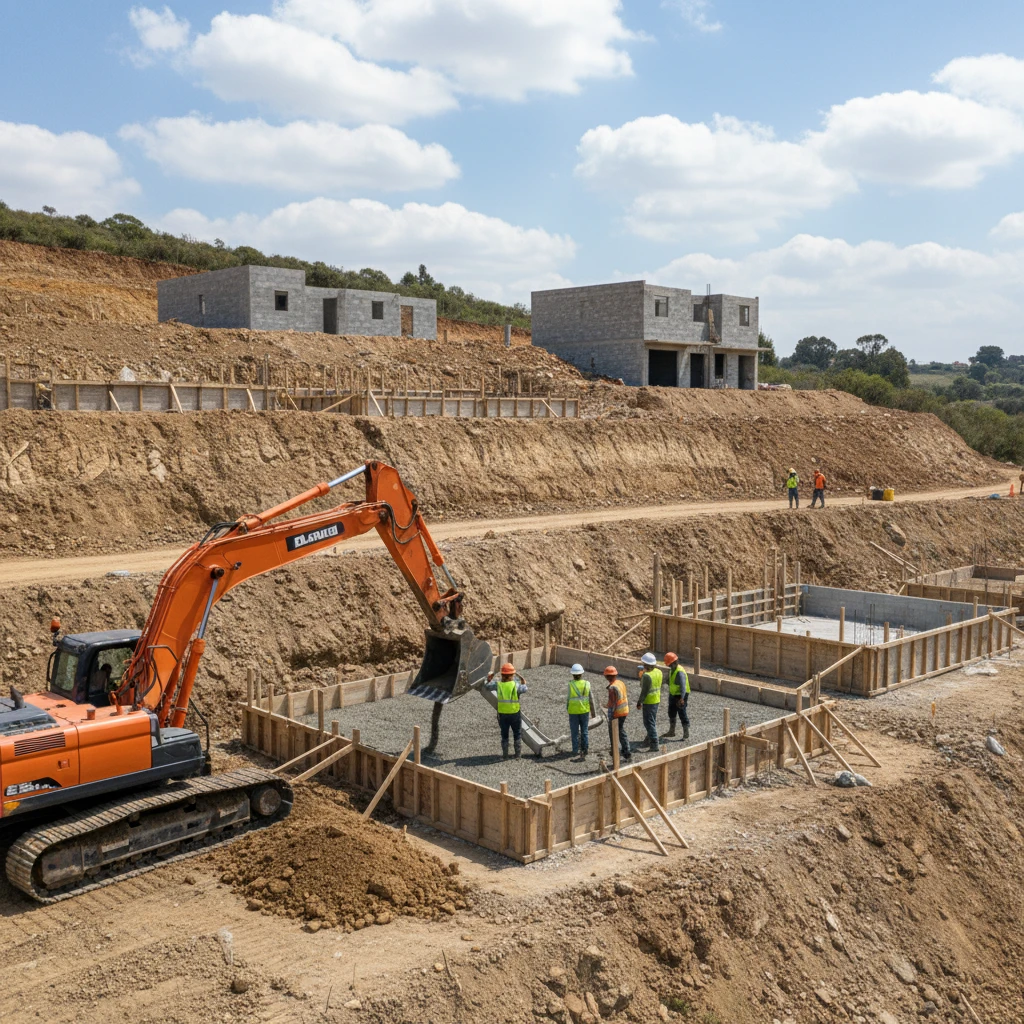
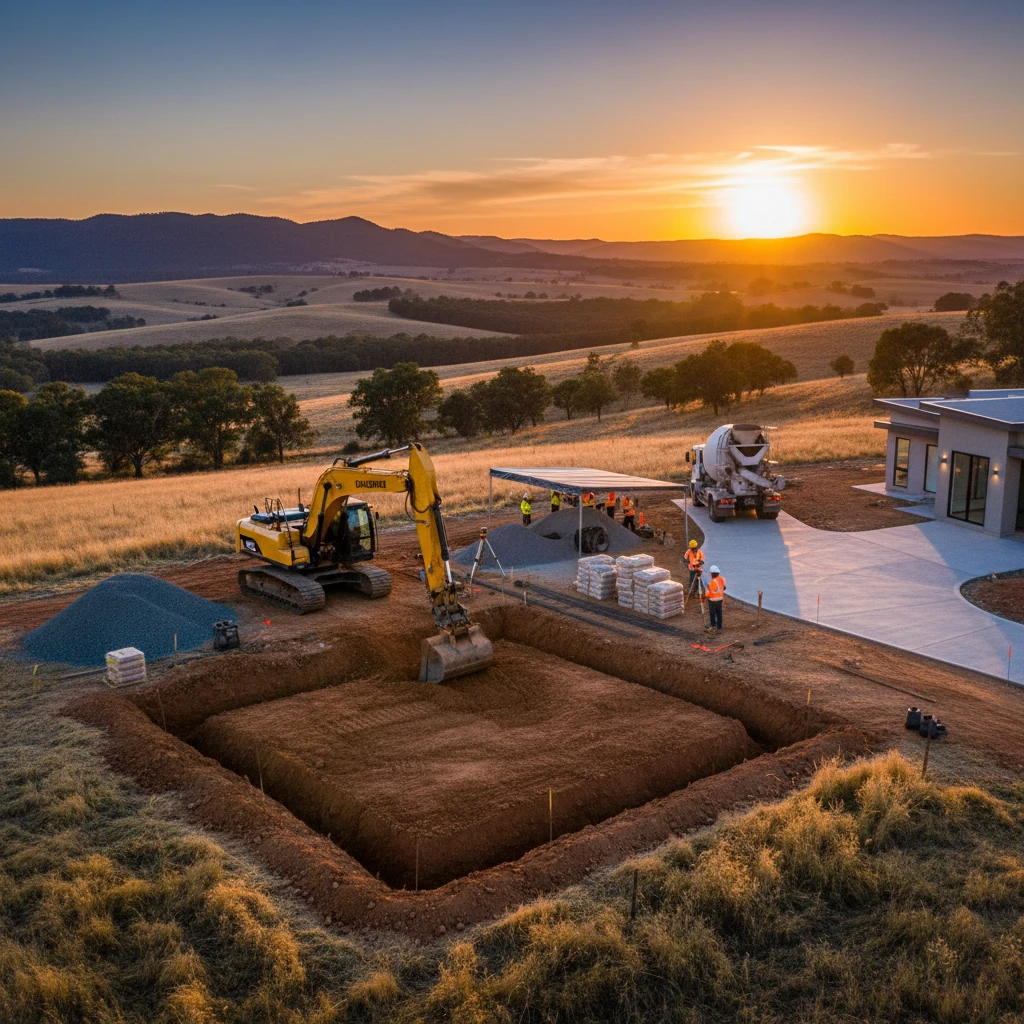
Once you’ve assessed the soil conditions and drainage needs, the next step is excavation and base preparation. Excavation involves removing the existing topsoil and any unsuitable materials to create a level surface for the driveway. The depth of excavation will depend on the soil type and the expected traffic load. Generally, a minimum excavation depth of 150-200mm is recommended. After excavation, a compacted sub-base of crushed rock or gravel is laid. The sub-base provides a stable and well-draining foundation for the concrete slab. The thickness of the sub-base typically ranges from 100-150mm, depending on the soil conditions and the expected load. Compaction is crucial to ensure the sub-base is dense and stable. Use a plate compactor or roller to compact the sub-base in layers, ensuring each layer is thoroughly compacted before adding the next. A well-prepared sub-base is essential for preventing settling, cracking, and other issues that can compromise the integrity of your concrete driveway.
Dealing with slopes and challenging terrain common in Penrith
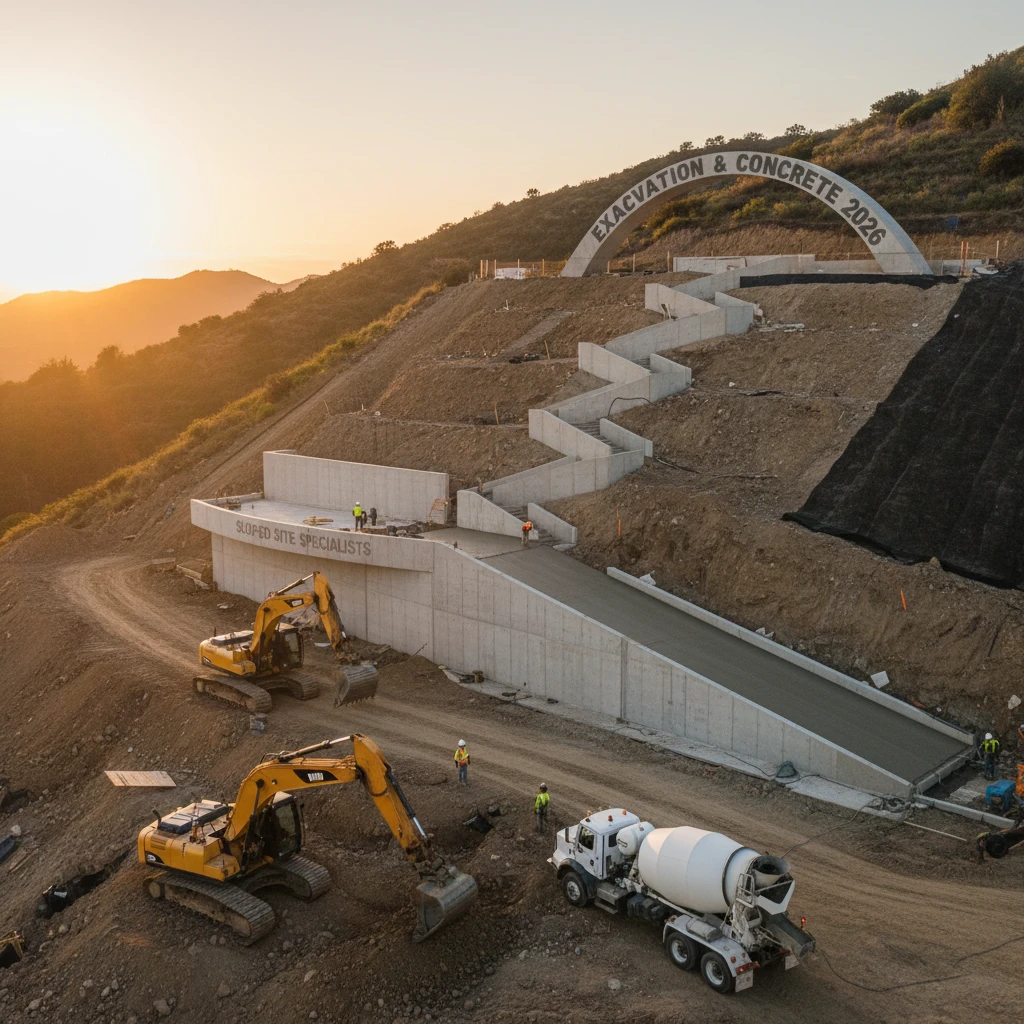
Penrith’s topography often presents unique challenges for driveway construction, particularly when dealing with slopes and uneven terrain. Sloping driveways require careful planning and execution to ensure safe and comfortable access. The maximum recommended slope for a driveway is generally around 15%, but steeper slopes may be necessary in some cases. To mitigate the risks associated with steep slopes, consider incorporating features such as textured concrete finishes, steps, or retaining walls. Textured finishes provide better traction, reducing the risk of slipping, especially in wet conditions. Steps can break up long, steep slopes into manageable sections. Retaining walls can be used to create level areas and prevent soil erosion. When dealing with rocky or uneven terrain, proper excavation and grading are essential. Remove any large rocks or obstacles that could interfere with the base preparation. Fill in low spots with compacted fill material to create a level and stable surface. Consult with a qualified engineer or surveyor to ensure your driveway design complies with local building codes and regulations, especially when dealing with complex terrain.
Concrete Mixes and Finishes: Selecting the Right Option for Your Driveway
Understanding concrete strength grades and their impact on durability
The strength grade of concrete is a critical factor determining its durability and lifespan. Concrete strength is measured in megapascals (MPa), which indicates the compressive strength of the concrete after 28 days of curing. For residential driveways in Penrith, a concrete strength grade of 32 MPa is generally recommended. However, for driveways that will be subject to heavy traffic, such as those used by trucks or machinery, a higher strength grade of 40 MPa or greater may be necessary. The higher the strength grade, the more resistant the concrete is to cracking, chipping, and abrasion. [Example: Imagine two driveways, one using 25 MPa concrete and the other using 32 MPa. After 5 years, the 25 MPa driveway begins to show hairline cracks and surface deterioration, while the 32 MPa driveway remains in excellent condition.] Factors such as the water-cement ratio, the type of aggregate used, and the curing process all influence the final strength of the concrete. It is essential to use a reputable concrete supplier who can provide concrete that meets the specified strength grade. Request a concrete delivery docket to verify the specified strength grade. Proper curing is equally important for achieving the desired strength. Keep the concrete moist for at least seven days after pouring by covering it with plastic sheeting or spraying it with water regularly.
Exploring decorative concrete options: exposed aggregate, coloured concrete, and stamped patterns
Concrete driveways no longer need to be plain and utilitarian. A wide range of decorative options are available to enhance their aesthetic appeal. Exposed aggregate concrete involves removing the surface layer of cement paste to reveal the decorative stones or pebbles beneath. This creates a textured and visually appealing surface. Coloured concrete is achieved by adding pigments to the concrete mix, allowing for a wide range of colours to match your home’s exterior. Stamped concrete involves using textured stamps to create patterns and designs on the concrete surface, mimicking the look of brick, stone, or tile. [Example: A Penrith homeowner chooses a slate grey coloured concrete with a random stone pattern stamped into the surface to complement their modern home design. The stamped pattern provides added texture and visual interest, while the colour blends seamlessly with the surrounding landscaping.] Each decorative option offers a unique look and feel, allowing you to customise your driveway to suit your personal preferences. When choosing a decorative finish, consider the overall style of your home, the surrounding landscape, and the maintenance requirements of the chosen finish. Some decorative finishes may require more frequent sealing or cleaning to maintain their appearance.
Choosing the right sealant for weather protection and longevity in Penrith’s climate
Applying a sealant to your concrete driveway is crucial for protecting it from the elements and extending its lifespan, particularly in Penrith’s climate. Sealants create a barrier that prevents water, oil, and other contaminants from penetrating the concrete surface. This helps to prevent staining, cracking, and spalling. There are two main types of concrete sealants: penetrating sealants and topical sealants. Penetrating sealants soak into the concrete pores and create a chemical barrier that repels water. Topical sealants form a protective film on the surface of the concrete. The best type of sealant for your driveway will depend on the type of concrete, the level of traffic, and the desired appearance. In Penrith’s climate, it is essential to choose a sealant that is resistant to UV radiation and temperature fluctuations. UV radiation can cause sealants to break down and lose their effectiveness, while temperature fluctuations can cause sealants to crack or peel. Apply the sealant according to the manufacturer’s instructions. Most sealants require two coats for optimal protection. Reapply the sealant every two to three years to maintain its effectiveness. Consider using a sealant with a slip-resistant additive to improve traction, especially on sloping driveways. https://www.concrete.org.au/ provides some general guidance.
Reinforcing Your Concrete Driveway for Maximum Strength and Lifespan
The role of steel reinforcing mesh and bars in preventing cracking
Reinforcement is a critical component of a durable concrete driveway, significantly extending its lifespan by resisting cracking caused by stress and load. Steel reinforcing mesh and bars are embedded within the concrete slab, creating a composite structure that distributes weight and resists tensile forces. Without reinforcement, concrete is prone to cracking under the weight of vehicles, temperature fluctuations, and ground movement. Steel reinforcing mesh, typically made of welded wire, provides a grid-like network of support throughout the slab. It is particularly effective at preventing surface cracking caused by shrinkage and temperature changes. Steel reinforcing bars, also known as rebar, are thicker and stronger than mesh. They are typically used in areas that will be subjected to heavier loads, such as the driveway entrance or areas where vehicles will be parked. The size and spacing of the reinforcing steel will depend on the concrete thickness, the expected traffic load, and the soil conditions. Consult with a structural engineer or experienced concrete contractor to determine the appropriate reinforcement requirements for your driveway.
Proper placement and overlap of reinforcement for optimal performance
Proper placement and overlap of the reinforcing steel are essential for ensuring its effectiveness. The reinforcing steel should be positioned in the middle third of the concrete slab, providing optimal resistance to both tensile and compressive forces. The mesh or bars should be supported on chairs or dobies to maintain their correct position during the concrete pour. Overlap the reinforcing mesh or bars by at least 300mm to ensure continuity of the reinforcement. The overlap area should be securely tied together with wire to prevent movement during the concrete pour. Insufficient overlap can create weak points in the reinforcement, reducing its ability to resist cracking. Ensure the reinforcement is clean and free of rust or debris before the concrete pour. Rust can weaken the bond between the steel and the concrete, reducing the effectiveness of the reinforcement. [Example: During an inspection, a homeowner notices that the rebar was placed directly on the ground during the driveway pour, rather than supported by chairs. This resulted in the rebar being positioned at the very bottom of the slab, rendering it largely ineffective at resisting cracking in the upper portion of the concrete.]
How reinforcement handles the weight of vehicles and heavy equipment
Reinforcement plays a vital role in enabling a concrete driveway to withstand the weight of vehicles and heavy equipment without cracking or failing. When a vehicle drives onto the driveway, the weight is distributed across the concrete slab. The reinforcement helps to distribute this load evenly, preventing stress concentrations that could lead to cracking. The steel reinforcing mesh and bars act as a tension member, resisting the tensile forces that are generated when the concrete bends under load. The reinforcement also helps to prevent the concrete from deflecting excessively, which can cause fatigue and cracking over time. For driveways that will be subjected to particularly heavy loads, such as those used by trucks or machinery, additional reinforcement may be required. This may include using thicker reinforcing bars, increasing the density of the mesh, or adding fibre reinforcement to the concrete mix. Proper reinforcement design and installation are crucial for ensuring that your concrete driveway can withstand the expected traffic load and provide years of reliable service. You can see some guidance on design loads for concrete slabs here: https://www.awc.org/pdf/codes-standards/publications/design-for-code-acceptance/DCA6-PrescriptiveResidentialWoodDeckConstructionGuide-1512.pdf
Ensuring Proper Drainage to Protect Your Investment Long-Term
Proper drainage is crucial for the longevity of your concrete driveway. Without it, water can seep into the sub-base, leading to erosion, instability, and eventually, cracking and structural failure. A well-drained driveway not only protects the concrete itself but also prevents water damage to your home’s foundation and surrounding landscaping. Investing in a robust drainage system from the outset is a cost-effective measure that saves you from potentially expensive repairs down the line. Ignoring this aspect can lead to water pooling, creating slippery surfaces and potentially dangerous conditions, especially during colder months when ice can form.
The importance of surface grading and slope for water runoff
Surface grading and slope are the first lines of defence against water damage. The driveway should be designed with a slight slope, typically around 1-2%, to allow water to naturally flow away from your house and towards designated drainage points. Inadequate slope will result in water pooling, saturating the concrete and underlying soil. Before pouring the concrete, Laser Concrete meticulously grades the sub-base to ensure consistent and effective water runoff. We consider factors such as the existing landscape, the surrounding structures, and the natural topography of your Penrith property to determine the optimal slope for your driveway.
Implementing drainage solutions to prevent water pooling and erosion
Beyond surface grading, specific drainage solutions may be necessary to effectively manage water runoff. These can include channel drains, also known as trench drains, which are installed along the driveway’s edge to capture surface water. Alternatively, grated drains connected to underground pipes can direct water away from the driveway and into the stormwater system or a designated drainage area. Permeable paving options, which allow water to filter through the surface and into the ground, are also an environmentally friendly option to mitigate runoff. The best solution will depend on the specific characteristics of your property and the volume of water that needs to be managed. Poor drainage causes hydrostatic pressure, which can lead to premature concrete failure. This pressure can be immense, easily exceeding the concrete’s tensile strength and resulting in cracks and displacement.
Integrating drainage systems with existing landscaping
A well-designed drainage system should seamlessly integrate with your existing landscaping, rather than detracting from it. This involves careful planning to ensure that drainage channels are aesthetically pleasing and do not disrupt the overall flow of your garden. For example, channel drains can be concealed beneath gravel or decorative stones, while grated drains can be surrounded by plants or incorporated into flower beds. We at Laser Concrete work with you to choose drainage solutions that are both effective and visually appealing, enhancing the overall look and functionality of your property. We also ensure that the drainage system complies with local council regulations regarding stormwater management.
Cracking is Common: Addressing and Preventing Concrete Driveway Damage
Concrete, by its nature, is prone to cracking. However, not all cracks are created equal, and many can be prevented with proper planning and execution. Understanding the different types of cracks, their causes, and the preventative measures that can be taken is essential for ensuring the long-term durability of your concrete driveway. Hairline cracks, for example, are often cosmetic and do not necessarily compromise the structural integrity of the concrete. Larger, more significant cracks, on the other hand, can indicate underlying problems such as poor sub-base preparation, inadequate drainage, or improper curing. Addressing these issues early on can prevent further damage and extend the life of your driveway. The Australian Standard AS3600 outlines best practices for concrete design and construction, which we strictly adhere to at Laser Concrete.
Understanding the different types of concrete cracks and their causes
Concrete cracks can be broadly categorised as plastic shrinkage cracks, settlement cracks, and structural cracks. Plastic shrinkage cracks occur during the early stages of curing, when the concrete is rapidly losing moisture. Settlement cracks are caused by uneven settling of the sub-base beneath the concrete slab. Structural cracks, the most serious type, are caused by excessive loads or stresses on the concrete. Identifying the type of crack and its underlying cause is crucial for determining the appropriate repair strategy. For instance, plastic shrinkage cracks can often be repaired with a simple surface treatment, while settlement cracks may require more extensive sub-base stabilisation. We perform thorough site assessments to identify potential causes of cracking before any concrete is poured.
Control joints: strategically placed lines to manage expansion and contraction
Control joints are pre-planned grooves cut into the concrete surface to create weakened planes. These joints allow the concrete to crack in a controlled manner, relieving internal stresses caused by expansion and contraction due to temperature changes and moisture variations. Properly placed control joints significantly reduce the likelihood of random, unsightly cracks forming across the driveway. The spacing and depth of control joints are crucial and depend on factors such as the concrete thickness, the aggregate size, and the local climate. As a general rule, control joints should be spaced no more than 24 to 36 times the thickness of the concrete slab. For a 100mm thick slab, the joints should be spaced between 2.4 and 3.6 metres apart. We meticulously plan the placement of control joints to ensure optimal crack control and aesthetic appeal.
Proper curing techniques to minimize cracking and maximize strength
Curing is the process of maintaining adequate moisture and temperature in the concrete during its early stages of hardening. Proper curing is essential for maximizing the concrete’s strength, durability, and resistance to cracking. Insufficient curing can lead to rapid moisture loss, causing plastic shrinkage cracks and reducing the concrete’s overall strength. Common curing methods include water curing (keeping the surface wet), applying a curing compound (which seals in moisture), and covering the concrete with plastic sheeting. The optimal curing method depends on the environmental conditions and the type of concrete used. Typically, concrete should be cured for at least seven days, but longer curing periods are often beneficial. We use industry-leading curing techniques to ensure that your driveway achieves its full potential strength and durability. A typical curing compound application rate is around 1 litre per 5 square metres.
The Laser Concrete Approach: Quality Craftsmanship for Penrith Properties
At Laser Concrete, we understand that a concrete driveway is a significant investment, and we are committed to providing our customers in Penrith and the surrounding areas with the highest quality workmanship and long-lasting results. Our approach is rooted in a combination of premium materials, proven techniques, and a dedication to customer satisfaction. We don’t cut corners or compromise on quality, and we take pride in delivering driveways that are both functional and aesthetically pleasing. We differentiate ourselves from competitors by prioritising precision and durability over speed and affordability. Our focus is on creating concrete structures that stand the test of time, adding value and enhancing the curb appeal of your property. We have a team of experienced and skilled concreters who are passionate about their craft and dedicated to delivering exceptional results.
Our commitment to using premium materials and proven techniques
We believe that the quality of a concrete driveway is directly related to the quality of the materials used. That’s why we only use premium-grade concrete mixes, reinforcing steel, and sealers from trusted suppliers. We also stay up-to-date with the latest advancements in concrete technology and construction techniques. This allows us to implement innovative solutions that improve the performance and longevity of our driveways. For example, we often incorporate fibre reinforcement into our concrete mixes to increase its resistance to cracking and improve its overall tensile strength. We also use advanced laser levelling equipment to ensure precise grading and a perfectly level surface. Furthermore, we carefully select the appropriate concrete mix design based on the specific requirements of your project, taking into account factors such as the expected load, the exposure to weather, and the desired finish. The concrete should have a suitable workability for the site conditions, typically a slump between 80mm and 120mm for driveway applications.
Experience working on complex sites in Penrith and the Blue Mountains
Penrith and the Blue Mountains present unique challenges for concrete construction, with steep slopes, rocky terrain, and difficult access being common obstacles. Our extensive experience working in these areas has equipped us with the skills and knowledge necessary to overcome these challenges and deliver exceptional results, even on the most complex sites. We have the specialised equipment and expertise to safely and efficiently excavate and prepare challenging sites, ensuring a solid and stable foundation for your concrete driveway. For example, we have successfully completed numerous driveway projects on steep slopes in the Blue Mountains, utilising retaining walls and other innovative techniques to create level and functional surfaces. Our experience also extends to working in tight access locations, where we use smaller, more maneuverable equipment to minimise disruption to your property and surrounding environment.
Focusing on long-term durability and customer satisfaction
Our ultimate goal is to create concrete driveways that not only look great but also provide long-lasting performance and value for our customers. We are committed to providing exceptional customer service throughout the entire process, from the initial consultation to the final inspection. We take the time to understand your specific needs and requirements, and we work closely with you to design a driveway that meets your aesthetic preferences and functional needs. We also provide transparent and competitive pricing, with no hidden fees or surprises. Our commitment to customer satisfaction is reflected in our numerous positive reviews and testimonials. We stand behind our work and offer a comprehensive warranty on all of our driveways, giving you peace of mind knowing that your investment is protected.
Navigating Council Regulations and Permits for Driveway Construction in Penrith
Constructing a new driveway or making significant alterations to an existing one in Penrith often requires obtaining permits and adhering to specific council regulations. These regulations are in place to ensure public safety, protect the environment, and maintain the aesthetic character of the local area. Navigating these regulations can be complex and time-consuming, but it’s essential to ensure that your project complies with all applicable laws. Failure to obtain the necessary permits can result in fines, delays, and even the requirement to remove the unapproved work. Therefore, it’s crucial to understand the relevant building codes, zoning requirements, and the process for obtaining the necessary approvals before commencing any driveway construction project. The Penrith City Council website ( https://www.penrith.city/building-and-development ) is an excellent resource for information on local regulations and permit requirements.
Understanding relevant building codes and zoning requirements
Building codes specify the minimum standards for the design and construction of buildings and structures, including driveways. These codes cover aspects such as structural integrity, drainage, and accessibility. Zoning regulations, on the other hand, dictate how land can be used and developed in different areas of Penrith. These regulations may restrict the size, location, and materials used for driveways, depending on the zoning of your property. For example, some zoning regulations may require permeable paving materials to be used in environmentally sensitive areas. It’s crucial to consult with the Penrith City Council or a qualified building surveyor to determine the specific building codes and zoning requirements that apply to your project. Ignoring these requirements can lead to costly rework and delays.
The process of obtaining necessary permits and approvals
The process of obtaining the necessary permits and approvals for driveway construction in Penrith typically involves submitting an application to the Penrith City Council, along with detailed plans and specifications for the proposed work. The application will be assessed by council officers, who may request additional information or modifications to the plans. Depending on the complexity of the project, the application may also be referred to other government agencies for review. Once the council is satisfied that the proposed work complies with all applicable regulations, they will issue a permit, which authorises you to commence construction. The timeframe for obtaining a permit can vary depending on the complexity of the project and the workload of the council. It’s advisable to submit your application well in advance of your planned start date to avoid delays. Laser Concrete can assist you with the permit application process, ensuring that all necessary documentation is prepared accurately and submitted in a timely manner.
Ensuring your driveway meets all applicable standards
To ensure that your driveway meets all applicable standards, it’s essential to engage a qualified and experienced concreter who is familiar with local regulations and building codes. Laser Concrete has a proven track record of constructing driveways in Penrith that comply with all relevant standards. We work closely with the Penrith City Council to ensure that our projects meet their requirements and are built to the highest standards of quality and safety. We also provide our customers with all necessary documentation and certifications to demonstrate compliance with applicable standards. By choosing Laser Concrete, you can be confident that your driveway will be built correctly and will stand the test of time.
Investing in Peace of Mind: The Long-Term Value of a Durable Concrete Driveway
Reduced maintenance and repair costs compared to other materials
A concrete driveway, when properly installed and maintained, offers significantly lower long-term costs compared to alternatives like asphalt or gravel. Asphalt, for example, requires resealing every few years and is prone to cracking under extreme heat. Gravel driveways, while initially cheaper, demand constant replenishment due to erosion and displacement. A well-constructed concrete driveway resists these issues, requiring minimal upkeep beyond occasional cleaning and sealing. This translates into savings on materials and labour over the driveway’s lifespan.
Example: A Penrith homeowner, Sarah, spent $8,000 on a concrete driveway in 2021. Her neighbour, John, opted for asphalt at $5,000. By 2026, John had already spent an additional $2,000 on resealing and crack repairs, whereas Sarah’s driveway remained in excellent condition with only a single $300 resealing application.
Increased property value and curb appeal for your Penrith home
A professionally installed concrete driveway instantly elevates the aesthetic appeal of your property. Its clean lines and uniform surface create a polished look that enhances curb appeal, a crucial factor for potential buyers. In Penrith’s competitive property market, a durable and visually appealing driveway can significantly increase your home’s value. Furthermore, concrete can be customized with various finishes, colours, and patterns, allowing you to create a unique design that complements your home’s architecture. Unlike asphalt, which can look dated and worn quickly, a concrete driveway maintains its attractive appearance for decades.
A driveway built to withstand the test of time and heavy use
Concrete’s inherent strength and durability make it ideal for driveways, which are subjected to constant wear and tear from vehicles, weather, and foot traffic. When properly mixed, poured, and cured, concrete can withstand heavy loads and extreme temperatures without cracking or crumbling. Investing in a high-quality concrete mix and expert installation is essential to ensure the longevity of your driveway. For Penrith properties that experience significant rainfall or temperature fluctuations, a durable concrete driveway provides peace of mind, knowing it can withstand the elements. Be sure the contractor uses proper concrete mixes that incorporate air entrainment additives for frost and freeze damage protection, especially if you are located near the Blue Mountains where temperatures can drop low overnight.
For information on concrete mixes, see the Portland Cement Association’s resources on concrete durability.
Cost Considerations: What to Expect for a Concrete Driveway Project in 2026
Factors influencing the cost of a concrete driveway (size, complexity, materials)
The cost of a concrete driveway in Penrith varies depending on several key factors. Firstly, the size of the driveway directly impacts the material and labor required, with larger driveways naturally costing more. Secondly, the complexity of the design plays a role; intricate patterns, custom colours, and decorative finishes add to the overall expense. Thirdly, the type of concrete mix used and any reinforcement (like steel mesh or rebar) will influence the price. Finally, site preparation, including excavation, grading, and formwork, can contribute significantly to the total cost, especially on sloping or uneven terrain. Addressing drainage issues before pouring is crucial to preventing future problems, adding to initial costs but potentially saving money in the long run.
Understanding the value of investing in quality materials and workmanship
While it might be tempting to opt for the cheapest quote, cutting corners on materials or workmanship can lead to costly repairs down the line. Using a lower-grade concrete mix or neglecting proper reinforcement can compromise the driveway’s structural integrity, resulting in cracks, settling, and premature failure. Similarly, hiring an inexperienced contractor can result in poor finishing, inadequate drainage, and other issues that reduce the driveway’s lifespan. Investing in quality materials and a reputable concreting contractor like Laser Concrete, ensures a durable and long-lasting driveway that provides excellent value for money over the long term. A durable driveway adds to the value of your home.
Getting an accurate and transparent quote from a reputable concreting contractor
To avoid hidden costs and unexpected surprises, it’s crucial to obtain a detailed and transparent quote from a reputable concreting contractor. The quote should clearly outline the scope of work, including site preparation, materials used, labour costs, and any additional charges. A good contractor will also provide a timeline for the project and be willing to answer any questions you may have. Beware of unrealistically low quotes, as they often indicate compromised quality or hidden fees. Request references and view past projects to assess the contractor’s workmanship and reliability before making a decision. Don’t be afraid to ask contractors about their insurance coverage and licensing.
Maintaining Your Concrete Driveway: Simple Steps to Extend Its Lifespan
Regular cleaning and sealing to protect against stains and damage
Maintaining your concrete driveway is relatively simple and requires minimal effort. Regular cleaning, ideally every few months, helps remove dirt, grime, and spills that can stain or damage the surface. Using a pressure washer or a stiff brush with a mild detergent is usually sufficient. Sealing the driveway every one to two years provides an added layer of protection against water penetration, oil stains, and other environmental factors. A good quality concrete sealer helps prevent cracking and spalling, extending the driveway’s lifespan.
Promptly repairing cracks and other issues to prevent further deterioration
Even with proper maintenance, cracks and other minor issues can occasionally appear on your concrete driveway. Addressing these problems promptly is crucial to prevent further deterioration. Small cracks can be easily repaired with concrete crack filler, preventing water from seeping in and causing more significant damage. Larger cracks may require professional repair to ensure structural integrity. Ignoring cracks can lead to more extensive and costly repairs down the line, so it’s best to address them as soon as they are noticed.
Avoiding the use of de-icing salts that can harm concrete surfaces
While Penrith doesn’t often see snow or ice, during unusually cold snaps de-icing salts can be harmful to concrete driveways. De-icing salts, particularly those containing chlorides, can penetrate the concrete and corrode the reinforcing steel, leading to cracking and spalling. If de-icing is necessary, consider using alternative methods, such as sand or calcium magnesium acetate (CMA), which are less damaging to concrete surfaces. Properly sealing the driveway before winter can also help protect it from the harmful effects of de-icing salts.
Investing in a durable concrete driveway for your Penrith home is a wise decision that offers long-term benefits in terms of reduced maintenance, increased property value, and enhanced curb appeal. By understanding the cost considerations, choosing a reputable contractor, and following simple maintenance tips, you can ensure that your concrete driveway remains a valuable asset for years to come.
For information on selecting the correct concrete contractor to build your driveway, see Angi’s guide on finding a good concrete contractor.