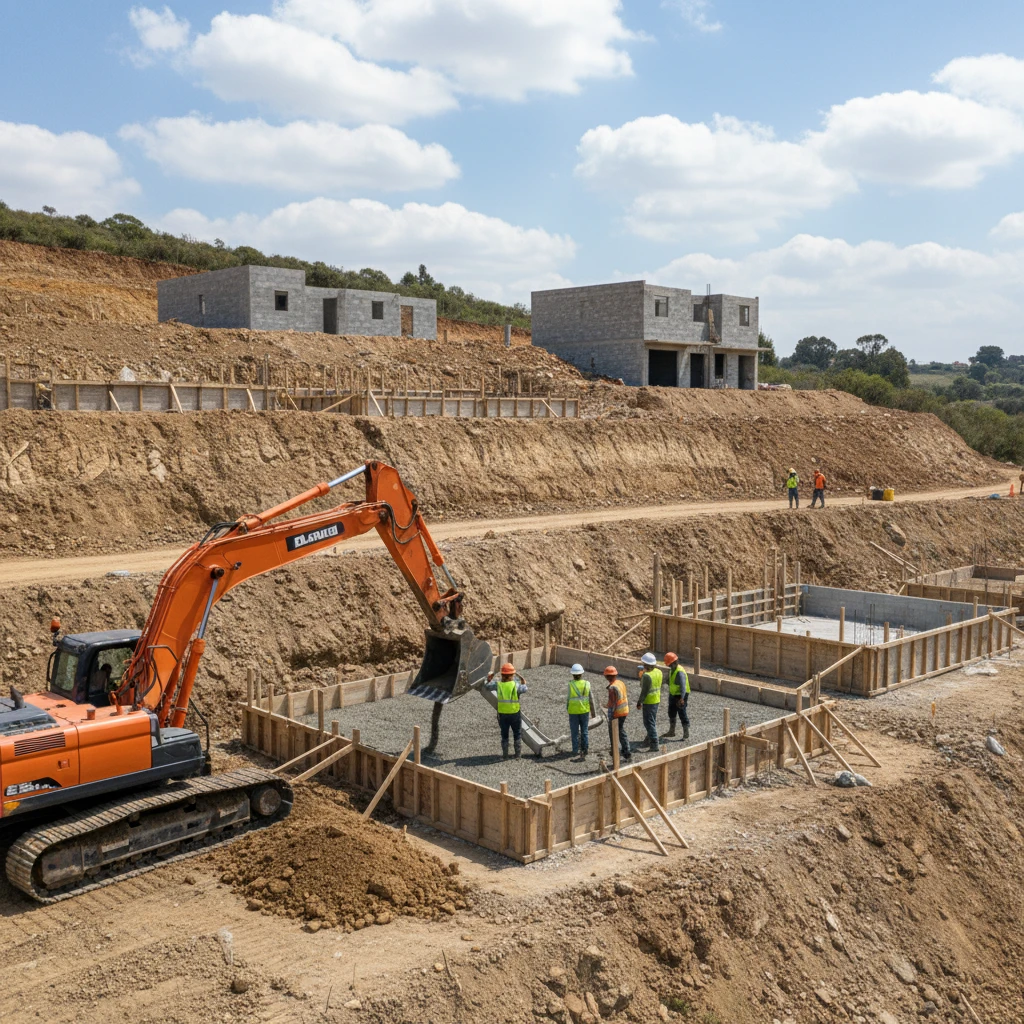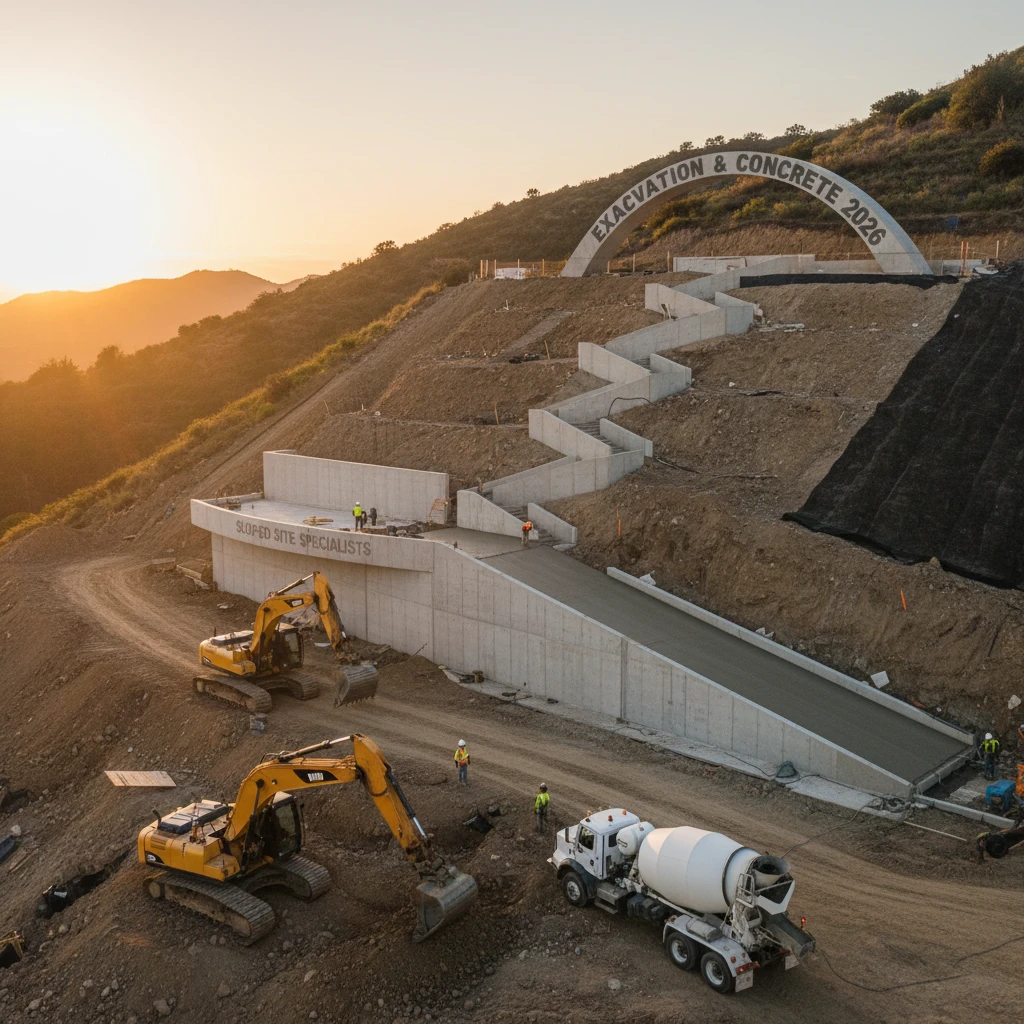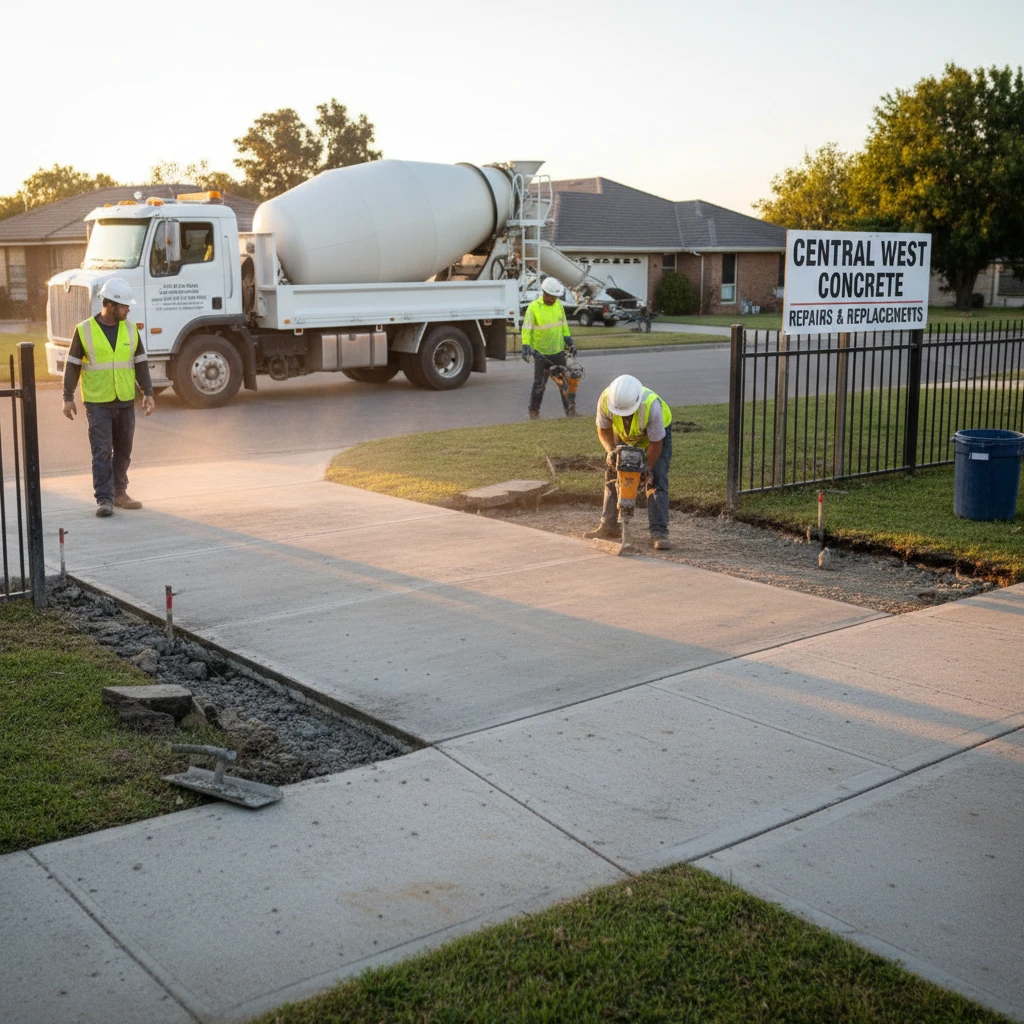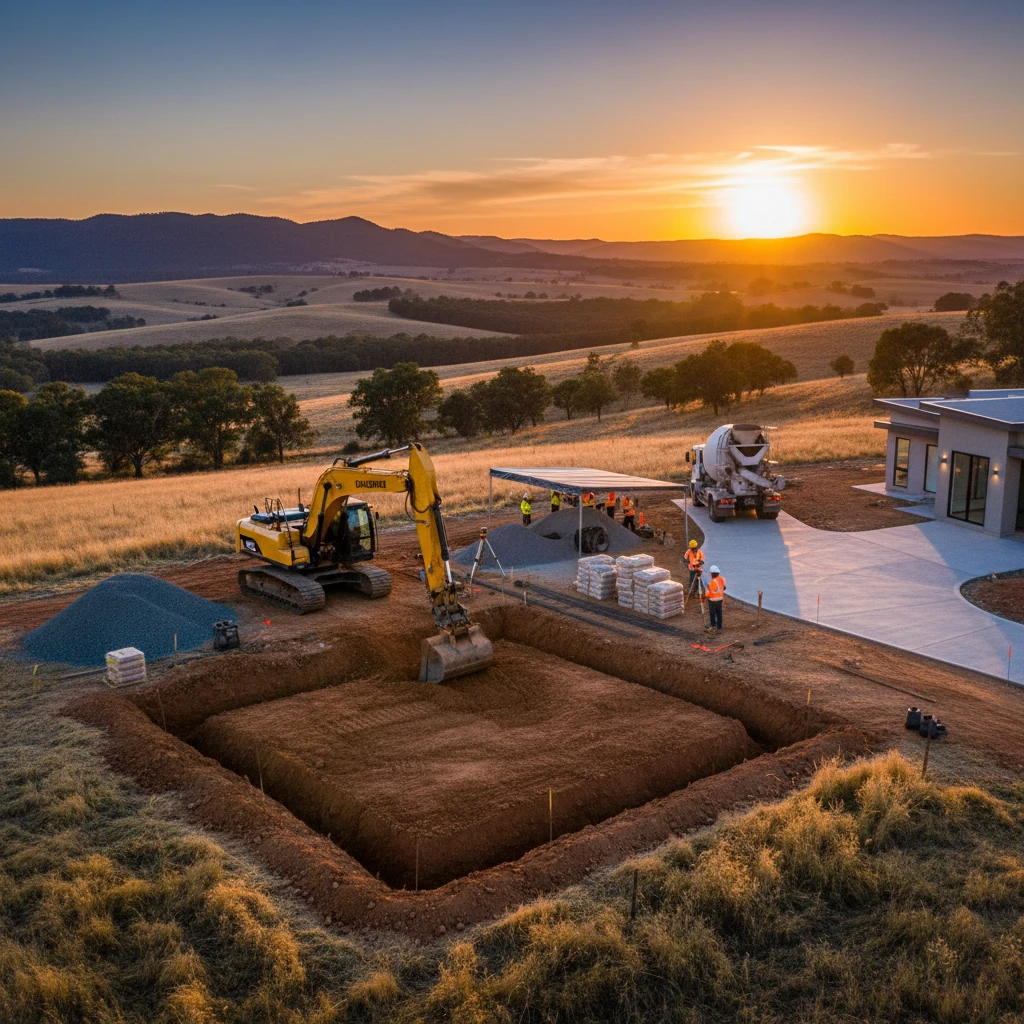
Concrete projects, whether a simple shed slab or a complex driveway, require careful planning and execution. Ignoring the unique challenges of your site in Penrith, the Blue Mountains, or the Central West can lead to costly rework and compromised results. This guide is designed to equip you with the knowledge needed to navigate the intricacies of complex concrete projects, ensuring a durable and long-lasting outcome.
From understanding the specific soil conditions in your area to selecting the right excavation equipment, a comprehensive approach is essential for successful concrete placement. We’ll explore the factors that define ‘complex concrete’ projects, focusing on the excavation requirements that underpin a structurally sound foundation.
Navigating Tricky Terrain: Concrete Solutions for Penrith, Blue Mountains & Central West in 2026
Why Location Matters: Tailoring Concrete to Your Regional Challenges
The success of any concrete project hinges on understanding the specific environmental and geological conditions of its location. In Penrith, the Blue Mountains, and the Central West, these conditions vary significantly, influencing everything from concrete mix design to excavation techniques. Penrith often presents challenges related to expansive clay soils, which can exert considerable pressure on concrete structures. The Blue Mountains, with its varying altitudes and rainfall patterns, demands careful consideration of drainage and freeze-thaw cycles. In the Central West, soil salinity and water table levels can impact the long-term durability of concrete. Ignoring these regional nuances can lead to premature cracking, settlement, and other structural issues. Before commencing any concrete project, a thorough site assessment and soil analysis are crucial to determine the appropriate concrete mix, reinforcement requirements, and excavation strategies. This also assists in mitigating risks associated with reactive soils. Expert excavation & concreting across Penrith considers all these factors.
The Evolving Demands of Property Owners in 2026: Durability and Longevity
Property owners in 2026 are increasingly prioritising durability and longevity in their concrete projects. Rising material costs and a growing awareness of environmental sustainability have shifted the focus away from short-term savings and towards long-term value. Homeowners are now more likely to invest in higher-quality concrete mixes, enhanced reinforcement, and professional installation to ensure their concrete structures withstand the test of time. This trend is particularly evident in areas prone to harsh weather conditions, such as the Blue Mountains, where freeze-thaw cycles can rapidly degrade poorly constructed concrete. The demand for durable concrete also extends to commercial applications, where businesses are seeking low-maintenance solutions that minimise disruption and reduce lifecycle costs. This shift in consumer preferences requires concrete contractors to adopt a more holistic approach, encompassing material selection, design considerations, and quality control measures to deliver concrete structures that meet the evolving needs of property owners. Ultimately, investing in quality concrete upfront translates to significant savings and increased property value over the long term.
Understanding ‘Complex Concrete’: Identifying Projects That Require Specialist Expertise

Steep Slopes and Uneven Ground: Concrete Solutions for Difficult Sites
Concrete projects situated on steep slopes or uneven ground present unique engineering and logistical challenges. Excavating on a slope requires careful consideration of soil stability, erosion control, and drainage to prevent landslides and ensure the integrity of the foundation. Uneven ground can lead to differential settlement, where different parts of the concrete structure settle at different rates, causing cracking and structural damage. To mitigate these risks, specialist excavation techniques are often required, such as terracing, retaining walls, and deep foundation systems. Precise grading and compaction are essential to create a stable and level base for the concrete. Furthermore, the concrete mix design may need to be adjusted to account for the increased risk of hydrostatic pressure and soil movement. Example: a property owner in the Blue Mountains wanted a shed slab on a sloping block. Terracing was used to create a level area, and a retaining wall was built to support the upslope soil. Proper drainage was also installed to prevent water buildup behind the wall. Without these measures, the shed slab would have been at risk of cracking and collapse.
Rocky Substrates: Preparing for Stable and Lasting Concrete Foundations
Rocky substrates present a unique set of challenges for concrete foundations. The presence of bedrock or large boulders can make excavation difficult and time-consuming, often requiring the use of specialised equipment such as rock breakers and hydraulic hammers. Furthermore, rocky ground can be uneven and unstable, requiring careful preparation to ensure a level and well-compacted base for the concrete. One common pitfall is failing to adequately remove loose or fractured rock, which can lead to voids beneath the concrete and subsequent settlement issues. Another challenge is dealing with groundwater, which can accumulate in pockets within the rock and undermine the foundation. To address these issues, a thorough site investigation is essential to identify the type and extent of the rock, as well as any potential groundwater problems. Excavation should be carried out in a controlled manner to avoid destabilising the surrounding ground. The base of the excavation should be carefully compacted and levelled, and any voids should be filled with a suitable material, such as compacted gravel or concrete. Example: A property owner in the Central West encountered solid rock during the excavation for a concrete driveway. A rock breaker was used to remove the rock, and the base of the excavation was levelled with compacted gravel. This ensured a stable and durable foundation for the driveway.
Tight Access Excavation: Overcoming Limited Space Challenges
Tight access excavation refers to projects where space is severely restricted, making it difficult to manoeuvre machinery and transport materials. This is a common challenge in urban areas and established residential properties, where narrow driveways, fences, and existing structures limit access to the work site. The use of traditional excavation equipment may be impractical or impossible in these situations, requiring alternative solutions such as mini excavators, skid steer loaders, and manual labour. Careful planning and coordination are essential to minimise disruption and ensure safety. One common pitfall is underestimating the amount of space required for excavation and material handling, which can lead to delays and increased costs. Another challenge is protecting existing structures and utilities from damage during excavation. Example: A homeowner in Penrith needed a new concrete path installed along the side of their house, but the access was only one metre wide. A mini excavator was used to excavate the path, and the soil was removed by hand using wheelbarrows. This minimised disruption to the property and ensured the path was installed safely and efficiently.
Excavation Essentials: Setting the Stage for a Flawless Concrete Project
Site Assessment Checklist: Key Factors to Consider Before Excavating
Before commencing any excavation work, a comprehensive site assessment is crucial. This involves identifying potential hazards, assessing soil conditions, and determining the best approach for excavation. Key factors to consider include the presence of underground utilities (gas, water, electricity), overhead power lines, trees and vegetation, and existing structures. A thorough inspection should be conducted to identify any potential risks, such as unstable slopes, contaminated soil, or buried debris. The location and depth of underground utilities must be accurately located to prevent damage during excavation. Soil conditions should be assessed to determine the type of soil, its bearing capacity, and its drainage characteristics. This information is essential for selecting the appropriate excavation equipment and techniques. Furthermore, any potential environmental impacts should be considered, such as erosion, dust, and noise pollution. A detailed site assessment checklist should be prepared to ensure all key factors are addressed before excavation begins. Neglecting any of these factors can lead to delays, increased costs, and potential safety hazards.
Soil Testing and Analysis: Ensuring Ground Stability
Soil testing and analysis are essential for ensuring the stability of the ground and the long-term performance of concrete structures. Different soil types have different properties, which can significantly affect the bearing capacity, drainage, and susceptibility to settlement. Soil testing involves collecting samples of soil from the site and subjecting them to various laboratory tests to determine their characteristics. These tests can include particle size analysis, moisture content determination, Atterberg limits (liquid limit, plastic limit, plasticity index), and compaction tests. The results of these tests are used to determine the soil’s suitability for supporting the proposed concrete structure. Soil analysis also involves assessing the potential for soil movement, such as swelling or shrinking, which can occur in expansive clay soils. This is particularly important in areas like Penrith, where expansive clay soils are common. If the soil is found to be unsuitable for supporting the concrete structure, ground improvement techniques may be required, such as soil stabilisation, compaction, or the installation of piles or piers. Soil testing and analysis should be performed by a qualified geotechnical engineer to ensure accurate and reliable results.
Permits and Regulations: Navigating Local Council Requirements (Penrith, Blue Mountains, Central West)
Navigating local council requirements for excavation and concrete projects can be a complex and time-consuming process. Each council (Penrith, Blue Mountains, Central West) has its own set of regulations and permits that must be obtained before commencing any work. These regulations typically cover aspects such as excavation depths, setbacks from property boundaries, erosion control measures, and noise restrictions. Failing to obtain the necessary permits can result in hefty fines and delays. The application process usually involves submitting detailed plans and specifications to the council for review and approval. This may include site plans, excavation plans, and concrete mix designs. In some cases, an environmental impact assessment may also be required. It is crucial to consult with the local council early in the planning process to determine the specific requirements for your project. This will help you avoid costly mistakes and ensure that your project complies with all relevant regulations. Example: A property owner in the Blue Mountains started excavating for a shed slab without obtaining the necessary permits. The council issued a stop-work order and imposed a fine until the permits were obtained. This resulted in significant delays and increased costs for the project.
Choosing the Right Excavation Equipment for Your Concrete Project
Mini Excavators vs. Larger Machines: Matching Equipment to Site Size and Access
Selecting the right excavation equipment is critical for efficiency and cost-effectiveness. Mini excavators are ideal for tight access sites and smaller projects, offering maneuverability and precision in confined spaces. Their compact size minimises disruption to surrounding areas and reduces the risk of damage to existing structures. Larger excavators, on the other hand, are better suited for larger projects and open sites where significant earthmoving is required. They offer greater power and digging depth, allowing for faster excavation and increased productivity. The choice between a mini excavator and a larger machine depends on several factors, including the size and accessibility of the site, the volume of material to be excavated, and the type of soil. Example: For a small concrete patio in a backyard with limited access, a mini excavator would be the preferred choice. However, for a large shed slab on an open rural property, a larger excavator would be more efficient. It’s important to consider these factors carefully to select the equipment that is best suited for your specific project.
Attachment Options: Augers, Buckets, and Breakers for Specific Tasks
The versatility of excavation equipment can be significantly enhanced through the use of various attachments. Augers are used for drilling holes for footings, piers, and fence posts. Different sizes and types of augers are available to suit different soil conditions and hole diameters. Buckets are used for scooping and moving soil, gravel, and other materials. A variety of bucket sizes and shapes are available to suit different excavation tasks. Breakers, also known as hydraulic hammers, are used for breaking up concrete, rock, and other hard materials. They are essential for removing existing concrete structures and preparing rocky substrates for concrete foundations. Selecting the right attachment for the job can significantly increase efficiency and reduce labour costs. For example, using an auger to drill holes for fence posts is much faster and easier than digging them by hand. Similarly, using a breaker to remove an old concrete driveway is much more efficient than using a jackhammer. Always ensure that the attachment is compatible with the excavator and that the operator is properly trained in its use.
Ensuring Operator Skill and Experience
The skill and experience of the excavation equipment operator are crucial for safety, efficiency, and quality. A skilled operator can navigate tight spaces, avoid damaging underground utilities, and ensure that the excavation is performed accurately and efficiently. They can also identify potential problems early on and take corrective action to prevent delays and costly mistakes. Conversely, an inexperienced operator can cause damage to property, create safety hazards, and compromise the quality of the excavation. It is essential to hire an experienced operator who is properly trained and certified to operate the specific type of equipment being used. Check their qualifications, experience, and references before entrusting them with your excavation project. A good operator will also have a thorough understanding of site safety procedures and will be able to identify and mitigate potential hazards. Example: An inexperienced operator accidentally damaged a gas line while excavating for a concrete patio, resulting in a gas leak and a costly emergency response. This highlights the importance of hiring a skilled and experienced operator who is aware of the potential risks and knows how to avoid them.
Navigating Tricky Terrain: Concrete Solutions for Penrith, Blue Mountains & Central West in 2026
Why Location Matters: Tailoring Concrete to Your Regional Challenges
The geographical diversity of the Penrith, Blue Mountains, and Central West regions presents unique challenges for concrete projects. From the steep slopes of the Blue Mountains to the expansive plains of the Central West, each location demands a tailored approach to concrete solutions. Understanding the local climate, soil conditions, and terrain is essential for ensuring the long-term durability and stability of your concrete structures. For example, projects in the Blue Mountains may require specialised techniques to address issues related to water runoff and soil erosion, while those in the Central West may need to account for the region’s extreme temperature variations.
The Evolving Demands of Property Owners in 2026: Durability and Longevity
In 2026, property owners are increasingly focused on the long-term durability and longevity of their concrete structures. They are seeking solutions that can withstand the test of time and require minimal maintenance. This emphasis on sustainability and value has led to a growing demand for high-quality concrete mixes, advanced construction techniques, and thorough site preparation. Property owners are also more aware of the importance of proper drainage, reinforcement, and sealing to protect their concrete investments from the elements. As a result, concrete contractors must stay up-to-date with the latest industry trends and technologies to meet these evolving demands.
Understanding ‘Complex Concrete’: Identifying Projects That Require Specialist Expertise
Not all concrete projects are created equal. Some projects involve complex site conditions, intricate designs, or unique performance requirements that demand specialist expertise. These ‘complex concrete’ projects require a deep understanding of engineering principles, materials science, and advanced construction techniques. Identifying these projects early on is crucial for ensuring a successful outcome. Ignoring the complexities of a project can lead to costly mistakes, delays, and ultimately, a compromised final product. Consulting with experienced concrete specialists is always a good idea to determine if your project falls into the ‘complex’ category.
Steep Slopes and Uneven Ground: Concrete Solutions for Difficult Sites
Constructing concrete structures on steep slopes or uneven ground presents significant engineering challenges. Proper site preparation, including excavation, grading, and stabilisation, is essential for creating a stable foundation. Retaining walls, terracing, and other earthwork techniques may be necessary to manage the slope and prevent soil erosion. Specialised concrete mixes and reinforcement strategies may also be required to ensure the structural integrity of the concrete elements. For example, shotcrete, a type of sprayed concrete, is often used to stabilise slopes and create retaining walls. Properly designed and constructed drainage systems are also critical for preventing water damage and maintaining the long-term stability of the structure.
Rocky Substrates: Preparing for Stable and Lasting Concrete Foundations
Building on rocky substrates requires careful planning and preparation to ensure a stable and lasting concrete foundation. The excavation process may involve rock breaking, blasting, or other techniques to create a level surface. The bedrock must be properly cleaned and prepared to ensure good adhesion with the concrete. In some cases, a layer of compacted gravel or crushed stone may be placed between the bedrock and the concrete to provide a drainage layer and prevent cracking. Dowels or anchors may also be used to mechanically connect the concrete foundation to the bedrock, especially in areas prone to seismic activity. Understanding the geological characteristics of the site is crucial for selecting the appropriate foundation design and construction techniques.
Tight Access Excavation: Overcoming Limited Space Challenges
Tight access excavation presents unique challenges for concrete projects, particularly in urban areas or confined spaces. Limited space can restrict the use of heavy machinery and require innovative excavation techniques. Mini excavators, skid steer loaders, and other compact equipment are often used to navigate tight spaces and minimise disruption to surrounding properties. Careful planning and coordination are essential to ensure the safe and efficient removal of soil and debris. Hand excavation may also be necessary in areas where machinery cannot access. Precise excavation techniques are critical to avoid damaging underground utilities or compromising the structural integrity of adjacent buildings.
Excavation Essentials: Setting the Stage for a Flawless Concrete Project
Proper excavation is the foundation of any successful concrete project. It sets the stage for accurate formwork, proper drainage, and a stable, long-lasting structure. Neglecting the excavation phase can lead to a host of problems, including cracking, settling, and premature failure of the concrete. A thorough and well-executed excavation process is an investment in the long-term quality and durability of your concrete project. From site assessment to soil testing and regulatory compliance, every step of the excavation process must be carefully planned and executed.
Site Assessment Checklist: Key Factors to Consider Before Excavating
Before commencing any excavation work, a comprehensive site assessment is essential. This assessment should identify potential challenges and inform the excavation plan. Key factors to consider include: existing structures, underground utilities (gas, water, sewer, electricity), soil conditions (type, stability, moisture content), site access and topography, drainage patterns, vegetation, and potential environmental concerns. A detailed site assessment will help you anticipate and mitigate potential problems, ensuring a smooth and efficient excavation process. Also, consider consulting professional site assessment services for comprehensive evaluations.
Soil Testing and Analysis: Ensuring Ground Stability
Soil testing and analysis are crucial for determining the stability and load-bearing capacity of the ground. This information is essential for designing a concrete foundation that can withstand the weight of the structure and resist settling or cracking. Soil tests can identify potential problems, such as expansive clay soils, high water tables, or unstable fill materials. The results of the soil tests will inform the excavation plan and the selection of appropriate foundation design and construction techniques. Geotechnical engineers can conduct soil tests and provide recommendations for ensuring ground stability. Proper soil testing can prevent costly problems down the road and ensure the long-term integrity of your concrete project.
Permits and Regulations: Navigating Local Council Requirements (Penrith, Blue Mountains, Central West)
Excavation work is often subject to local council regulations and permitting requirements. It is essential to understand and comply with these regulations to avoid delays, fines, or legal issues. The specific requirements may vary depending on the location and the scope of the project. Common permits required for excavation work include building permits, excavation permits, and utility permits. Contact your local council (Penrith City Council, Blue Mountains City Council, or the relevant council in the Central West) to determine the specific requirements for your project. Navigating these regulations can be complex, so consider engaging a consultant who is familiar with local council requirements.
Choosing the Right Excavation Equipment for Your Concrete Project
Selecting the appropriate excavation equipment is critical for efficiency, safety, and cost-effectiveness. The size and type of equipment required will depend on the scope of the project, the site conditions, and the specific tasks to be performed. Using the wrong equipment can lead to delays, increased costs, and potential safety hazards. Consider factors such as site access, soil conditions, and the depth and volume of excavation required when selecting your excavation equipment.
Mini Excavators vs. Larger Machines: Matching Equipment to Site Size and Access
The choice between mini excavators and larger machines often depends on the site size and accessibility. Mini excavators are ideal for tight access excavation, small-scale projects, and delicate work where minimal disruption is desired. They are versatile, maneuverable, and can operate in confined spaces. Larger excavators are more suitable for large-scale projects, deep excavations, and situations where high productivity is required. They have greater digging power, lifting capacity, and reach. Consider the limitations of your site and the specific requirements of your project when deciding between mini excavators and larger machines. It is often more efficient to use a larger machine on a bigger site, allowing for faster excavation.
Attachment Options: Augers, Buckets, and Breakers for Specific Tasks
Excavators can be equipped with a variety of attachments to perform specific tasks, enhancing their versatility and efficiency. Augers are used for drilling holes for footings, piers, or utility installations. Buckets are essential for scooping, loading, and moving soil, gravel, and other materials. Breakers, also known as hydraulic hammers, are used for breaking up concrete, rock, or asphalt. Selecting the right attachments for your excavation equipment can significantly improve productivity and reduce the need for manual labor. Consider the specific tasks required for your concrete project and choose attachments accordingly. A demolition project may necessitate a powerful hydraulic hammer attachment.
Ensuring Operator Skill and Experience
The skill and experience of the excavation equipment operator are crucial for safety, efficiency, and quality. A skilled operator can navigate complex site conditions, operate equipment safely, and perform tasks accurately. Inexperienced operators can cause damage to property, delay the project, or create safety hazards. Ensure that your excavation equipment operator is properly trained, licensed, and experienced in the type of excavation work required for your concrete project. Ask for references and verify their qualifications before entrusting them with your project.
Navigating Tricky Terrain: Concrete Solutions for Penrith, Blue Mountains & Central West in 2026
The diverse landscapes of Penrith, the Blue Mountains, and the Central West present unique challenges for concrete projects. From steep slopes to rocky substrates and tight access sites, these regions require specialized concrete solutions. Understanding these challenges and implementing appropriate strategies is essential for ensuring the success and longevity of your concrete projects in 2026 and beyond.
Why Location Matters: Tailoring Concrete to Your Regional Challenges
The specific challenges posed by a location significantly impact the type of concrete solutions required. For example, projects in the Blue Mountains may need to account for the region’s colder temperatures and potential for frost heave. In the Central West, the availability of water and the type of soil can influence the choice of concrete mix. Tailoring your concrete solutions to the specific regional challenges will ensure the durability and longevity of your project. Proper concrete mix design is critical here.
The Evolving Demands of Property Owners in 2026: Durability and Longevity
In 2026, property owners are increasingly prioritizing durability and longevity in their concrete projects. They are looking for solutions that can withstand the test of time, require minimal maintenance, and provide long-term value. This trend is driven by a desire to reduce life-cycle costs and minimize the environmental impact of construction. Concrete solutions that incorporate advanced materials, sustainable practices, and innovative designs will be in high demand. Clients are requesting increasingly durable, long-lasting builds, with a focus on sustainability.
Understanding ‘Complex Concrete’: Identifying Projects That Require Specialist Expertise
Certain concrete projects require specialist expertise due to their complexity, challenging site conditions, or unique design requirements. These projects demand a higher level of skill, experience, and knowledge to ensure successful execution. Identifying these projects early on is essential for engaging the right professionals and avoiding costly mistakes. Complex concrete projects often involve intricate formwork, specialized concrete mixes, or challenging access conditions.
Steep Slopes and Uneven Ground: Concrete Solutions for Difficult Sites
Steep slopes and uneven ground present significant challenges for concrete construction. These sites require careful planning, specialized equipment, and innovative techniques to ensure stability and prevent erosion. Concrete solutions for steep slopes may include retaining walls, terracing, or soil stabilization measures. Uneven ground may require extensive grading, filling, or leveling to create a stable foundation. Consulting with a geotechnical engineer is essential for designing appropriate solutions for these challenging sites. Retaining walls on uneven ground need expert structural planning.
Rocky Substrates: Preparing for Stable and Lasting Concrete Foundations
Rocky substrates can pose difficulties for excavation and foundation construction. Removing or breaking up rock can be time-consuming and expensive. However, a properly prepared rocky substrate can provide a strong and stable foundation for concrete structures. Techniques for dealing with rocky substrates include rock excavation, rock anchoring, and the use of specialized concrete mixes that can bond effectively with rock. Proper rock anchoring techniques are important.
Tight Access Excavation: Overcoming Limited Space Challenges
Tight access sites present unique challenges for excavation and concrete placement. Limited space can restrict the use of large equipment and require innovative solutions for material handling and access. Mini excavators, portable concrete mixers, and specialized formwork systems are often used in tight access excavation projects. Careful planning, coordination, and communication are essential for overcoming these challenges and ensuring a successful outcome. Consider using small, robotic excavators to tackle these problems.
The Concrete Mix Matters: Selecting the Optimal Blend for Complex Projects
Achieving success with complex concrete projects, especially in areas like the Blue Mountains where terrain presents unique challenges, starts with a meticulously designed concrete mix. It’s not just about ordering “concrete”; it’s about specifying a mix tailored to the project’s specific structural needs, environmental exposure, and placement conditions. The compressive strength is crucial, but workability, durability, and setting time are equally important. Consider factors like anticipated load, freeze-thaw cycles if applicable, and the potential for chemical exposure (e.g., de-icing salts on driveways). Premature failure often stems from using an inappropriate mix. A driveway designed for heavy vehicle traffic requires a significantly higher compressive strength than a simple footpath.
Reinforcement Considerations: Fibre, Steel, and Mesh Options
Reinforcement is integral to concrete’s tensile strength. While concrete excels under compression, it’s weak in tension. Reinforcing steel, in the form of rebar or mesh, helps bridge cracks and distribute stress. Steel reinforcement is the traditional and often most robust choice. Fiber reinforcement, whether steel or synthetic, can be added to the mix to improve resistance to cracking and shrinkage, particularly in areas susceptible to temperature fluctuations. The choice depends on the load requirements, concrete thickness, and project budget. For shed slabs, a combination of mesh and steel fibres can significantly enhance durability. When deciding, consult with a structural engineer to ensure the reinforcement meets the necessary load-bearing requirements. For example, poorly designed reinforcement can lead to concrete spalling or even structural failure. Avoid the pitfall of over-reliance on fibre reinforcement for high-load applications; steel remains the gold standard for substantial structural support.
Admixtures: Enhancing Workability, Durability, and Setting Time
Admixtures are chemicals added to the concrete mix to modify its properties. Water reducers improve workability without increasing the water-cement ratio, leading to higher strength. Air-entraining agents create microscopic air bubbles that increase resistance to freeze-thaw damage – critical in colder climates. Accelerators speed up setting time, while retarders slow it down, useful in hot weather to prevent premature hardening. For example, in Penrith’s hot summers, a retarding admixture can prevent the concrete from setting too quickly, ensuring proper placement and finishing. Incorrect admixture selection or dosage can drastically affect concrete performance. Always follow manufacturer’s instructions and consult with concrete suppliers for optimal results. Common mistakes include using too much accelerator, which can weaken the concrete, or neglecting air-entrainment in freeze-thaw environments, leading to cracking and deterioration. For optimal results in demanding climates like the Blue Mountains, selecting the right admixtures is key to concrete’s long-term performance.
Local Aggregate Sourcing: Prioritising Quality and Suitability
The aggregate (sand, gravel, or crushed stone) comprises a significant portion of the concrete mix, and its quality profoundly influences the final product. Local sourcing can be advantageous, reducing transportation costs and supporting local businesses. However, prioritising quality over proximity is crucial. Ensure the aggregate is clean, well-graded, and free from deleterious substances like clay or organic matter. Poorly graded aggregate can result in weak, porous concrete. Different types of aggregates also have different properties. For example, some aggregates may be more resistant to abrasion than others, making them suitable for high-traffic areas like driveways. Always inspect the aggregate source and request test data to verify its suitability for the project. Consider consulting with local aggregate suppliers to understand the properties of available materials. Neglecting aggregate quality is a common mistake that can lead to premature concrete failure, even if other aspects of the mix design are correct.
Formwork Fundamentals: Achieving Precise Shapes and Smooth Finishes on Challenging Sites
Formwork serves as the temporary mould that shapes the concrete as it hardens. Its design and construction are paramount to achieving the desired dimensions, shape, and surface finish, especially on challenging sites with slopes or difficult access. The formwork must be strong enough to withstand the weight and pressure of the wet concrete without deformation. Materials commonly used include timber, plywood, steel, and aluminium. The choice depends on the complexity of the shape, the number of reuses required, and the desired surface finish. Precise formwork installation is key to avoid costly mistakes and rework. Poorly constructed formwork can lead to uneven surfaces, dimensional inaccuracies, and even structural weaknesses. For projects requiring a smooth, aesthetically pleasing finish, using coated plywood or form-release agents can minimise imperfections. Investing in quality formwork and careful installation is a worthwhile investment that pays off in the final result.
Custom Formwork Design: Adapting to Unique Project Requirements
Standard formwork systems may not always be suitable for complex concrete projects with unusual shapes or limited access. In such cases, custom formwork design becomes necessary. This involves creating formwork tailored to the specific geometry of the project, often requiring specialised expertise and fabrication techniques. Custom formwork might involve using CNC-cut timber or complex steel fabrication. The key is to collaborate closely with engineers and formwork specialists to ensure the design is structurally sound and constructible. An example is creating a curved concrete retaining wall on a sloped property in the Blue Mountains where standard formwork won’t conform to the site. The custom formwork needs to accommodate the slope, the desired curve, and the concrete pressure. Early planning and detailed drawings are essential to avoid errors and delays. Using 3D modelling can help visualise the formwork and identify potential problems before construction begins. Remember, poorly designed custom formwork can lead to significant cost overruns and delays.
Ensuring Proper Bracing and Support for Sloped Surfaces
When working with sloped surfaces, ensuring proper bracing and support for the formwork is crucial to prevent movement or collapse during concrete placement. The weight of the wet concrete exerts significant lateral pressure, which can easily overcome inadequate bracing. This is especially critical on steep slopes where the pressure is amplified. A comprehensive bracing system should include diagonal supports, tie-backs, and strong foundations to resist lateral forces. Soil conditions also play a role; unstable soil may require additional support. Monitor the formwork closely during concrete placement and adjust the bracing as needed. Regular inspections are essential to identify any signs of movement or deformation. For example, a retaining wall on a slope requires robust bracing to prevent it from leaning or collapsing under the weight of the concrete. Failing to provide adequate bracing is a common cause of formwork failures on sloped sites, leading to costly repairs and delays. Always consult with an engineer to design a bracing system that meets the specific requirements of the project.
Stripping Formwork: Timing and Techniques for Optimal Results
Stripping formwork refers to the process of removing the formwork after the concrete has hardened sufficiently. The timing of formwork removal is critical; removing it too early can damage the concrete, while leaving it in place too long can hinder curing. The optimal time depends on factors like the concrete mix design, ambient temperature, and the load-bearing requirements of the structure. Generally, formwork for non-load-bearing elements can be removed sooner than formwork for load-bearing walls or columns. Use non-destructive testing methods to assess the concrete’s strength before stripping the formwork. Employ techniques that minimise stress on the concrete during removal. Gradual and even removal is key to prevent cracking or spalling. For example, when stripping formwork from a concrete slab, loosen the supports evenly to distribute the load. Incorrect stripping techniques can cause irreparable damage to the concrete surface. Follow established guidelines and consult with engineers or concrete experts for specific recommendations. A good guide can be found from sources like the American Concrete Institute (ACI), although local codes will always override their general advice.
Concrete Placement Techniques for Complex Excavations
The method used to place concrete significantly impacts the quality and structural integrity of the final product, especially in complex excavations with limited access or challenging terrain. Selecting the right placement technique ensures proper consolidation and minimizes segregation (separation of aggregate from the cement paste). Common methods include using concrete pumps, manual placement with wheelbarrows or buggies, and crane-delivered buckets. Factors to consider include the volume of concrete, the distance and accessibility of the pour site, and the project budget. Careful planning and coordination are essential to ensure a smooth and efficient concrete placement process. Neglecting to adequately plan can lead to delays, increased costs, and compromised concrete quality. Consider traffic management plans to ensure public safety during concrete pours.
Pump vs. Manual Placement: Choosing the Best Method for Access and Volume
The choice between using a concrete pump and manual placement largely depends on the accessibility of the excavation site and the volume of concrete required. Concrete pumps are ideal for reaching remote or difficult-to-access areas, such as sites with steep slopes or narrow passageways. They also allow for faster and more efficient placement of large volumes of concrete. Manual placement, using wheelbarrows or buggies, is better suited for smaller projects or sites with relatively easy access. However, manual placement can be more labour-intensive and may result in inconsistent consolidation. When using a pump, consider the boom reach and the potential for segregation during pumping. For example, pumping concrete up a steep slope requires a mix design with good cohesiveness to prevent segregation. Manual placement can be appropriate for small shed slabs in Penrith where access is tight, while a pump is essential for pouring a large driveway in the Blue Mountains, as discussed at Blue Mountains Concrete Driveways: Built to Last. Carefully assess the site conditions and project requirements to determine the most appropriate placement method. Consider also the additional costs associated with pump hire, including setup and cleaning fees.
Compaction and Vibration: Eliminating Air Pockets for Maximum Strength
Compaction and vibration are crucial steps in concrete placement, aimed at eliminating air pockets and consolidating the concrete around reinforcing steel. Air pockets weaken the concrete and reduce its durability. Vibration forces the concrete to flow into all corners of the formwork, ensuring proper consolidation and a dense, uniform structure. Different vibration methods exist, including internal vibrators, external vibrators, and surface vibrators. Internal vibrators are commonly used for walls and columns, while external vibrators are suitable for thin slabs or formwork with intricate details. Over-vibration can cause segregation, while under-vibration can leave air pockets. The goal is to achieve thorough consolidation without causing the aggregate to settle. Observe the concrete surface during vibration; a sheen of water indicates proper consolidation. Neglecting proper compaction and vibration is a common mistake that can significantly reduce the strength and durability of the concrete, leading to premature failure. Ensure that all concrete workers are properly trained in the correct use of vibration equipment.
Working with Slopes: Strategies for Preventing Runoff and Slumping
Placing concrete on slopes presents unique challenges, including the risk of runoff and slumping. Wet concrete tends to flow downhill, making it difficult to maintain the desired shape and thickness. To prevent these issues, use a concrete mix with a lower slump (stiffer consistency). This reduces the tendency for the concrete to flow. Construct terraces or steps within the formwork to create level areas for placement. Use formwork to contain the concrete and prevent it from running off the edge. Start placing the concrete from the bottom of the slope and work your way upwards. This allows the weight of the concrete to help consolidate the material below. Consider using geotextile fabric to prevent erosion and stabilize the soil beneath the concrete. For example, when pouring a concrete driveway on a steep slope, using a stiff mix, terracing the formwork, and starting at the bottom can prevent the concrete from slumping downhill. Monitor the concrete closely during placement and make adjustments as needed to maintain the desired shape and slope. Ignoring the challenges of placing concrete on slopes can result in uneven surfaces, reduced strength, and costly repairs.
Finishing Touches: Creating a Durable and Aesthetically Pleasing Concrete Surface
The finishing process determines the final appearance and performance of the concrete surface. Proper finishing techniques enhance durability, improve aesthetics, and ensure a long-lasting result. The choice of finishing method depends on the intended use of the concrete and the desired aesthetic. Common finishing techniques include screeding, floating, troweling, and brushing. Screeding establishes the correct level, while floating embeds aggregate particles. Trowelling creates a smooth, hard surface, and brushing provides a textured, non-slip finish. Timing is crucial; each step must be performed at the right stage of concrete hardening. Avoid overworking the concrete, which can weaken the surface. A well-finished concrete surface is not only aesthetically pleasing but also more resistant to wear, weathering, and chemical attack. Consider the specific requirements of the project when selecting the finishing method.
Sealing and Curing: Protecting Concrete from the Elements
Sealing and curing are essential steps in protecting concrete from the elements and ensuring its long-term durability. Curing refers to maintaining adequate moisture content in the concrete during the hydration process. This allows the concrete to gain strength and develop its desired properties. Common curing methods include water curing (sprinkling or ponding), covering with plastic sheeting, and applying a curing compound. Sealing involves applying a protective coating to the concrete surface to prevent water penetration, chemical attack, and staining. Sealers can be acrylic, epoxy, or polyurethane-based, each with its own advantages and disadvantages. Proper curing and sealing significantly extend the lifespan of concrete structures. For example, sealing a concrete driveway protects it from oil stains and freeze-thaw damage, as explored in Durable Concrete Driveway Replacements: A Lasting Investment. Neglecting these steps can lead to cracking, spalling, and premature deterioration. Choose a curing method and sealer appropriate for the specific environment and intended use of the concrete. Always follow the manufacturer’s instructions for application. For optimal results, curing should begin as soon as the concrete surface is hard enough to prevent damage.
Decorative Options: Exposed Aggregate, Stamped Concrete, and Colouring
Beyond structural integrity, concrete offers a wide range of decorative options to enhance its aesthetic appeal. Exposed aggregate involves removing the surface layer of cement paste to reveal the underlying aggregate, creating a textured and visually interesting surface. Stamped concrete uses patterned stamps to imprint designs onto the wet concrete, mimicking the look of brick, stone, or tile. Colouring involves adding pigments to the concrete mix or applying stains to the surface to achieve the desired colour. These decorative options allow you to customise the appearance of concrete to complement the surrounding landscape and architectural style. For instance, exposed aggregate can create a natural look for a patio, while stamped concrete can add elegance to a driveway. When selecting decorative options, consider the overall design of the project and the desired level of maintenance. Some decorative finishes may require periodic resealing to maintain their appearance. Consult with concrete professionals to explore the available options and achieve the desired aesthetic effect. Example: A homeowner chooses a coloured and stamped concrete finish for their pool deck in Penrith, adding a touch of sophistication and visual appeal to their outdoor living space.
Maintaining Your Concrete: Tips for Long-Term Performance
Proper maintenance is crucial for ensuring the long-term performance and durability of concrete structures. Regular cleaning removes dirt, debris, and stains that can damage the surface. Sealing helps protect the concrete from water penetration, chemical attack, and weathering. Repairing cracks and spalls prevents further deterioration. Avoid using de-icing salts on concrete surfaces, as they can accelerate corrosion and damage. Regularly inspect concrete structures for signs of damage and address any issues promptly. For example, resealing a concrete driveway every few years can prevent water from penetrating the surface and causing cracks. Consider pressure washing concrete surfaces to remove stubborn stains. Avoid using harsh chemicals that can damage the sealer or the concrete itself. By implementing a proactive maintenance plan, you can significantly extend the lifespan of your concrete structures and preserve their aesthetic appeal. Neglecting maintenance can lead to costly repairs and premature replacement. Remember, a little preventative care goes a long way in protecting your investment.
Real-World Examples: Complex Concrete Excavation Projects in the Blue Mountains
Case Study 1: Shed Slab Installation on a Steeply Sloping Block
Imagine a property in Katoomba with a significantly sloping block requiring a level surface for a new shed. The challenge lies in the excavation: cutting into the slope while ensuring soil stability and proper drainage. A successful project begins with a detailed site assessment to determine the soil type and stability, followed by precise excavation to create a level platform. Retaining walls may be necessary to prevent soil erosion and maintain structural integrity. Formwork is then constructed to define the slab’s perimeter, reinforcing steel is installed for added strength, and finally, concrete is poured, levelled, and finished. The decision criteria include selecting appropriate retaining wall materials (e.g., concrete blocks, timber sleepers) and ensuring adequate drainage to prevent water buildup behind the walls. A pitfall is underestimating the amount of excavation required, leading to cost overruns. Proper planning and accurate surveying are crucial. Check out our Shed Slabs: Expert Concrete Solutions page for more information on this service.
Case Study 2: Driveway Construction with Significant Retaining Walls
Consider a property in Blackheath needing a new driveway constructed on a steep incline. This project necessitates careful excavation to create a stable base, along with strategically placed retaining walls to support the driveway and prevent landslides. The process involves excavating the existing ground to the required depth, installing retaining walls (possibly tiered for aesthetics and stability), backfilling and compacting the area behind the walls, laying a gravel sub-base for drainage, and then pouring and finishing the concrete driveway. The decision criteria involve selecting suitable retaining wall types based on soil conditions and aesthetic preferences, ensuring proper drainage behind the walls, and choosing a concrete mix that can withstand heavy traffic and weathering. A common pitfall is failing to properly compact the backfill behind the retaining walls, which can lead to settling and cracking. A solution is to use a plate compactor in layers to achieve optimal compaction. Our Durable Concrete Driveway Replacements: A Lasting Investment page might be useful in this instance.
Case Study 3: Replacing a Damaged Concrete Footpath with Difficult Access
Picture a property in Leura with a damaged concrete footpath requiring replacement. The challenge is the limited access, potentially requiring manual labour and specialised equipment. The process involves removing the existing damaged concrete, preparing the sub-base, constructing formwork, installing reinforcement if needed, and pouring and finishing the new concrete footpath. The decision criteria include selecting a concrete mix appropriate for foot traffic and weather conditions, managing the limited access efficiently, and minimising disruption to the surrounding landscape. A pitfall is failing to adequately prepare the sub-base, which can lead to cracking and uneven settling. Actionable steps involve using a suitable sub-base material (e.g., compacted gravel) and ensuring it is properly levelled and compacted before pouring the concrete. For more information about this, see our Footpaths and Concrete Stairs Built to Last page.
Budgeting for Complex Concrete and Excavation Projects: Understanding the Investment
Factors Influencing Project Costs: Site Conditions, Materials, and Labour
Several factors significantly influence the cost of complex concrete and excavation projects. Site conditions, such as the slope of the land, soil type, and accessibility, play a crucial role. Rocky or steeply inclined sites require more extensive excavation and specialised equipment, increasing costs. The type and quantity of materials, including concrete mix, reinforcing steel, and formwork, also affect the budget. Labour costs depend on the complexity of the project, the skill level of the workers, and the time required to complete the job. For example, using decorative concrete will significantly increase material costs compared to plain concrete. Transporting materials to difficult-to-reach sites will also inflate costs. A detailed cost breakdown should consider all these aspects.
Obtaining Accurate Quotes: What to Look for in a Detailed Estimate
Obtaining accurate quotes is essential for effective budgeting. A detailed estimate should include a breakdown of all costs, including excavation, materials (specifying concrete mix and quantities), labour, equipment hire, and any additional expenses like permits or site preparation. Look for quotes that clearly outline the scope of work, including specific tasks and materials to be used. Ensure the quote specifies the type of concrete and the reinforcement to be used. Vague or incomplete quotes should be avoided, as they may lead to unexpected costs later on. Ask for clarification on any unclear items and compare multiple quotes to ensure you are getting a fair price. Reputable contractors will provide a comprehensive and transparent estimate.
Long-Term Value: Prioritising Quality over Short-Term Savings
While it’s tempting to opt for the lowest bid, prioritising quality over short-term savings is crucial for long-term value. Cheaper concrete or substandard workmanship may result in premature cracking, settling, or other structural issues, leading to costly repairs or replacements down the line. Investing in high-quality materials and experienced contractors ensures a durable and long-lasting result, saving you money in the long run. Consider the lifetime cost of the project, including maintenance and potential repairs, rather than focusing solely on the initial price. A well-executed concrete project adds value to your property and provides peace of mind.
Choosing the Right Concrete and Excavation Contractor: Key Considerations
Licensing and Insurance: Protecting Yourself from Liability
Before hiring a concrete and excavation contractor, it’s crucial to verify their licensing and insurance. A valid license demonstrates that the contractor meets the necessary qualifications and complies with industry standards. Public liability insurance protects you from financial liability in case of accidents or damages that occur on your property during the project. Workers’ compensation insurance covers medical expenses and lost wages for workers injured on the job. Request copies of these documents and verify their validity before signing any contracts. Engaging an unlicensed or uninsured contractor can expose you to significant financial risks.
Experience and Expertise: Reviewing Past Projects and Testimonials
Experience and expertise are paramount when choosing a concrete and excavation contractor. Review their portfolio of past projects to assess the quality of their workmanship and their experience with similar projects. Look for projects that demonstrate their ability to handle complex site conditions and challenging designs. Read online testimonials and reviews to gauge customer satisfaction and identify any potential red flags. Contact previous clients to inquire about their experience with the contractor’s professionalism, communication, and adherence to timelines and budgets. A contractor with a proven track record of successful projects and satisfied clients is more likely to deliver a positive outcome.
Communication and Collaboration: Ensuring a Smooth Project Process
Effective communication and collaboration are essential for a smooth project process. Choose a contractor who is responsive to your inquiries, provides clear and concise explanations, and keeps you informed throughout the project. They should be willing to discuss your concerns and address any questions you may have. A good contractor will involve you in the decision-making process, seeking your input on key aspects of the project. Regular communication and open dialogue ensure that the project stays on track and meets your expectations. A collaborative approach fosters trust and minimises the risk of misunderstandings or disputes.
Looking Ahead: Innovations in Concrete and Excavation for 2026 and Beyond
The concrete and excavation industries are constantly evolving, with new technologies and materials emerging to improve efficiency, durability, and sustainability. Self-healing concrete, which can automatically repair cracks, is gaining traction. 3D printing of concrete structures is also becoming more prevalent, offering faster construction times and greater design flexibility. In excavation, advanced machinery with GPS guidance and automated controls is enhancing precision and reducing labour costs. Sustainable concrete mixes that incorporate recycled materials are becoming increasingly popular, reducing the environmental impact of construction. Staying abreast of these innovations allows for more efficient and environmentally responsible concrete and excavation practices. https://www.globalconcrete.org/focus-areas/innovation”>https://www.globalconcrete.org/focus-areas/innovation”>https://www.globalconcrete.org/focus-areas/innovation provides information regarding this topic. As technology advances, there are more sophisticated methods used.
Considering these factors when planning your concrete and excavation projects will help ensure a successful and long-lasting outcome. From real-world examples in the Blue Mountains to budgeting strategies and choosing the right contractor, a thorough understanding of the process is key to a positive result.
Real-World Examples: Complex Concrete Excavation Projects in the Blue Mountains
The Blue Mountains region presents unique challenges for concrete and excavation projects due to its steep terrain, varied soil types, and often difficult access. Examining real-world examples can provide valuable insights into how these challenges can be overcome with careful planning and execution.
Case Study 1: Shed Slab Installation on a Steeply Sloping Block
One common project in the Blue Mountains involves installing a shed slab on a steeply sloping block. This requires significant excavation to create a level base, often involving the construction of retaining walls to prevent soil erosion. The concrete slab must be properly reinforced to withstand the uneven ground pressure. Careful planning is essential to ensure proper drainage and prevent water from pooling around the shed. This type of project demonstrates the importance of precise excavation and the use of appropriate concrete mixes to ensure stability and longevity.
Case Study 2: Driveway Construction with Significant Retaining Walls
Driveway construction in the Blue Mountains often necessitates the use of significant retaining walls to manage the slope and prevent landslides. These retaining walls must be engineered to withstand the lateral pressure of the soil and any additional loads, such as vehicles. The concrete driveway itself must be designed to handle the weight of vehicles and the effects of weather. Proper drainage is critical to prevent water from undermining the retaining walls and causing damage to the driveway. This case highlights the need for a comprehensive approach that integrates excavation, retaining wall construction, and concrete paving.
Case Study 3: Replacing a Damaged Concrete Footpath with Difficult Access
Replacing a damaged concrete footpath in a remote area of the Blue Mountains presents logistical challenges. Difficult access may require the use of specialised equipment, such as mini-excavators or tracked vehicles, to transport materials and remove debris. The project may also require careful coordination with local authorities to minimise disruption to residents and visitors. This example illustrates the importance of considering access limitations and developing creative solutions to overcome them.
Budgeting for Complex Concrete and Excavation Projects: Understanding the Investment
Budgeting for concrete and excavation projects requires a thorough understanding of the various factors that can influence the overall cost. Accurate budgeting is essential to avoid unexpected expenses and ensure that the project stays within financial constraints.
Factors Influencing Project Costs: Site Conditions, Materials, and Labour
Several factors can affect the cost of concrete and excavation projects. Site conditions, such as soil type, slope, and accessibility, can significantly impact excavation costs. The type and quantity of concrete required, as well as any necessary reinforcement, will influence material costs. Labour costs, including the wages of skilled workers and the time required to complete the project, also play a major role. Other factors may include permits, equipment rental, and disposal fees.
Obtaining Accurate Quotes: What to Look for in a Detailed Estimate
To obtain accurate quotes, it is essential to provide contractors with detailed project specifications and site information. A detailed estimate should include a breakdown of all costs, including materials, labour, equipment, permits, and any other relevant expenses. Look for contractors who are transparent about their pricing and willing to answer your questions. Be wary of quotes that seem too good to be true, as they may indicate hidden costs or substandard workmanship.
Long-Term Value: Prioritising Quality over Short-Term Savings
While it may be tempting to choose the cheapest option, prioritising quality over short-term savings can often be more cost-effective in the long run. High-quality materials and workmanship will ensure that the project is durable and requires minimal maintenance over time. Investing in a reputable contractor with a proven track record can also help to avoid costly mistakes and rework. Remember that the longevity and performance of the project are ultimately more important than the initial cost.
Real-World Examples: Complex Concrete Excavation Projects in the Blue Mountains
Let’s examine a few practical examples of complex concrete and excavation projects undertaken in the unique environment of the Blue Mountains, showcasing common challenges and effective solutions.
Case Study 1: Shed Slab Installation on a Steeply Sloping Block
A homeowner required a shed slab on a block with a significant slope. The project involved extensive excavation to create a level base, the construction of retaining walls to prevent soil erosion, and the pouring of a reinforced concrete slab. The steep slope presented challenges in terms of access for machinery and material transport. The solution involved using a mini-excavator and careful planning to minimise soil disturbance and ensure the stability of the slab.
Case Study 2: Driveway Construction with Significant Retaining Walls
Another project involved the construction of a driveway on a property with a steep embankment. This necessitated the building of substantial retaining walls to support the driveway and prevent landslides. The excavation had to be carefully staged to avoid destabilising the slope. The design of the retaining walls required engineering expertise to ensure their structural integrity. The project demonstrated the importance of proper planning and execution when dealing with challenging terrain.
Case Study 3: Replacing a Damaged Concrete Footpath with Difficult Access
Replacing a damaged concrete footpath in a remote area with limited access required creative problem-solving. The location made it difficult to transport concrete and equipment to the site. The solution involved using a small concrete mixer and manually transporting materials. The project highlighted the importance of adaptability and resourcefulness when working in challenging environments.
Choosing the Right Concrete and Excavation Contractor: Key Considerations
Selecting the right contractor is crucial for the success of any concrete and excavation project. Several factors should be considered when making your decision.
Licensing and Insurance: Protecting Yourself from Liability
Verify that the contractor holds all necessary licenses and insurance policies. Licensing ensures that the contractor meets certain standards of competence and professionalism. Insurance protects you from liability in case of accidents or damage during the project. Always request proof of licensing and insurance before hiring a contractor. Protecting yourself with adequate liability coverage is paramount.
Experience and Expertise: Reviewing Past Projects and Testimonials
Consider the contractor’s experience and expertise in similar projects. Ask for references and review their past work to assess their quality and reliability. Look for testimonials from previous clients to get an idea of their customer service and communication skills. A contractor with a proven track record is more likely to deliver a successful outcome.
Communication and Collaboration: Ensuring a Smooth Project Process
Choose a contractor who communicates effectively and is willing to collaborate with you throughout the project. Clear communication is essential for ensuring that your needs and expectations are met. A collaborative approach can help to identify potential problems early on and find creative solutions. Regular updates and open dialogue will contribute to a smoother and more successful project.
Looking Ahead: Innovations in Concrete and Excavation for 2026 and Beyond
The concrete and excavation industry is constantly evolving, with new technologies and techniques emerging to improve efficiency, sustainability, and safety. Looking ahead to 2026 and beyond, we can expect to see even more innovations that will transform the way concrete and excavation projects are carried out.